Most of them use a standard 110-120V outlet, but always double-check the fridge’s power needs to avoid blowing a fuse.
Whether you go for a freestanding or built-in model, make sure it fits your lifestyle and space.
But before you plug it in and start filling it with snacks, there are a few things you need to think about to make sure it runs smoothly and lasts a long time.
Make sure there’s enough room for the doors to open all the way.
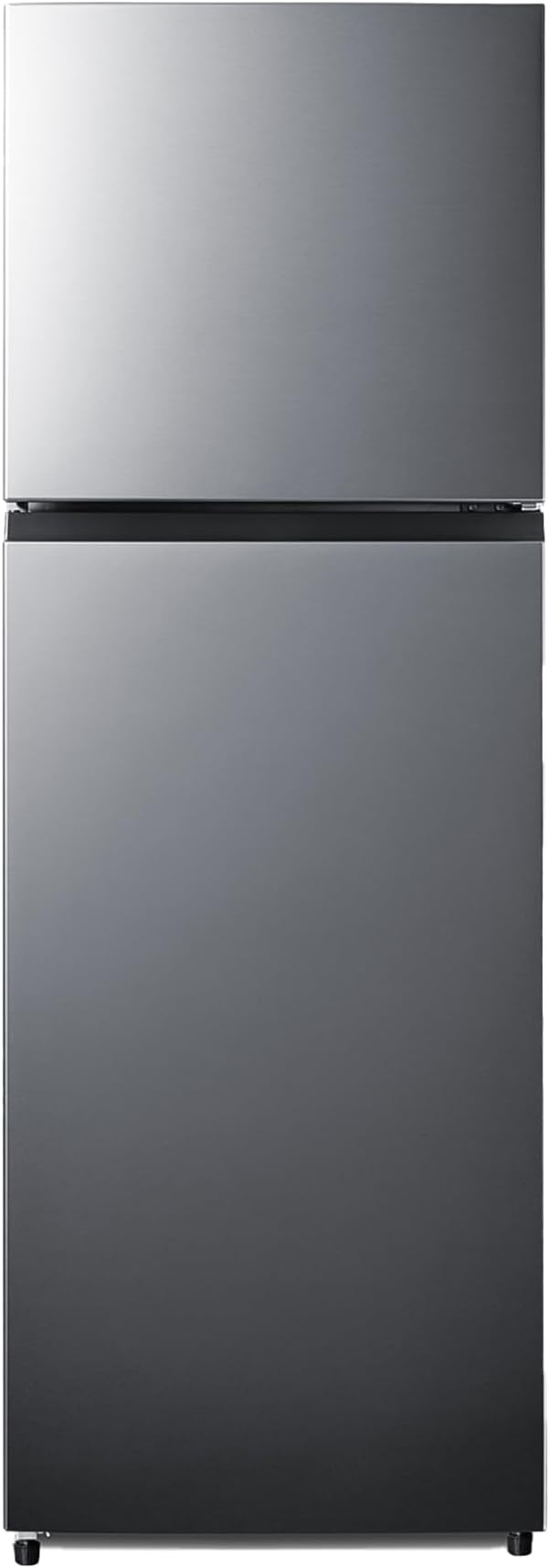
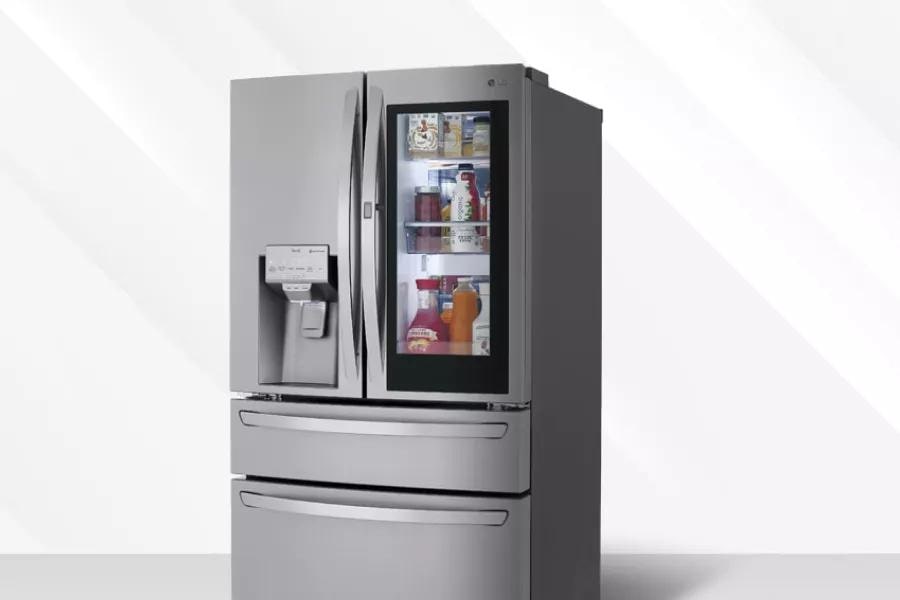
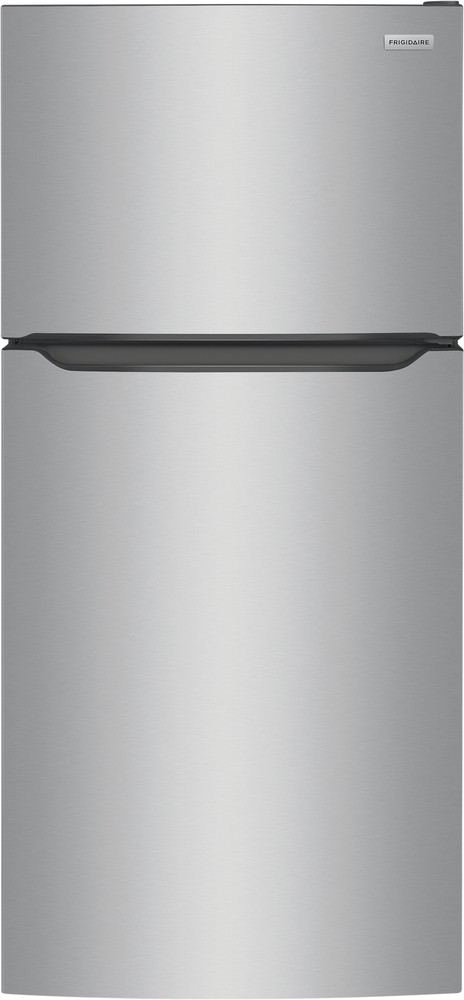
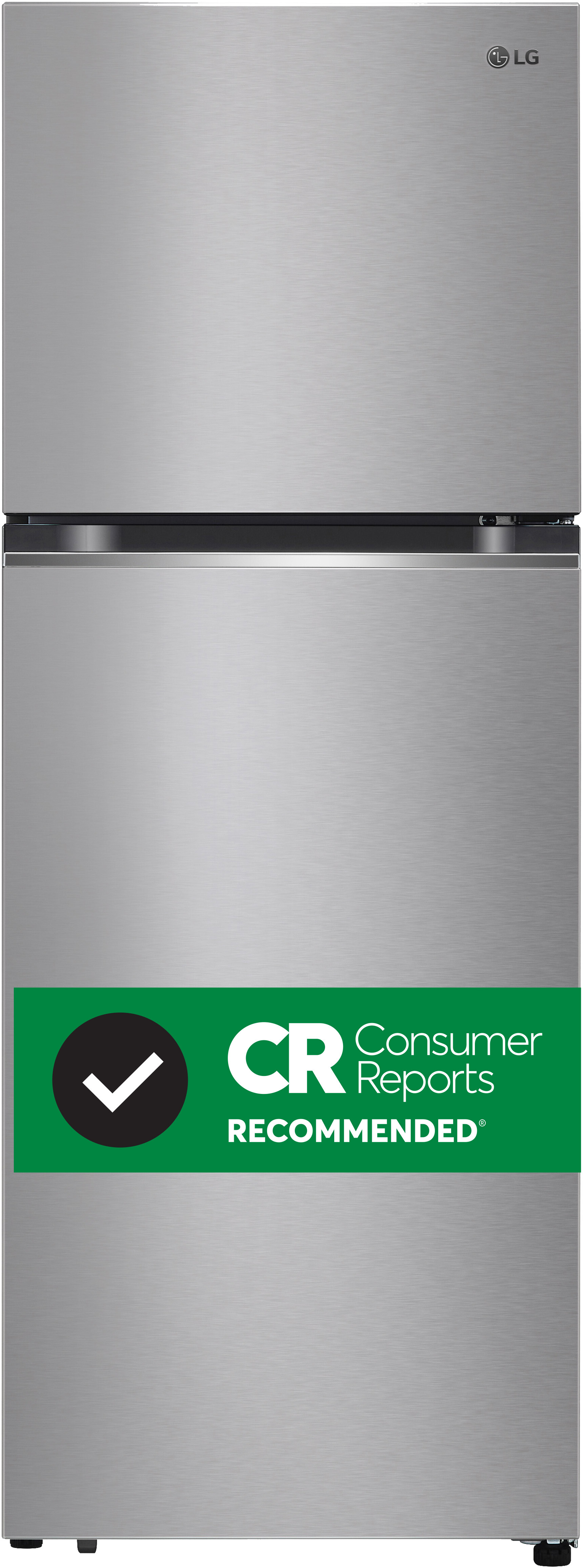
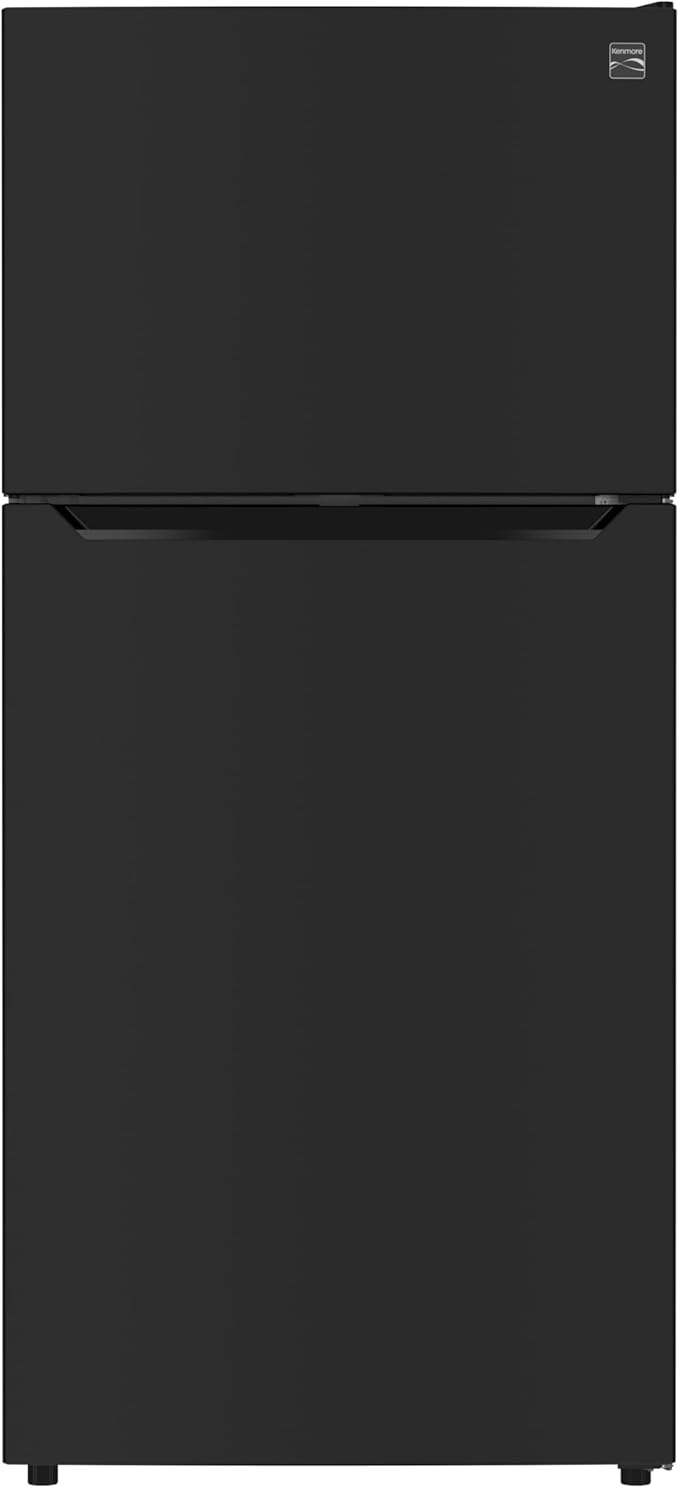
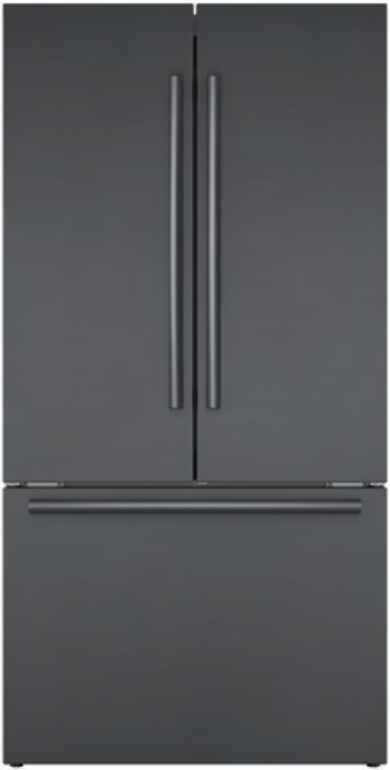
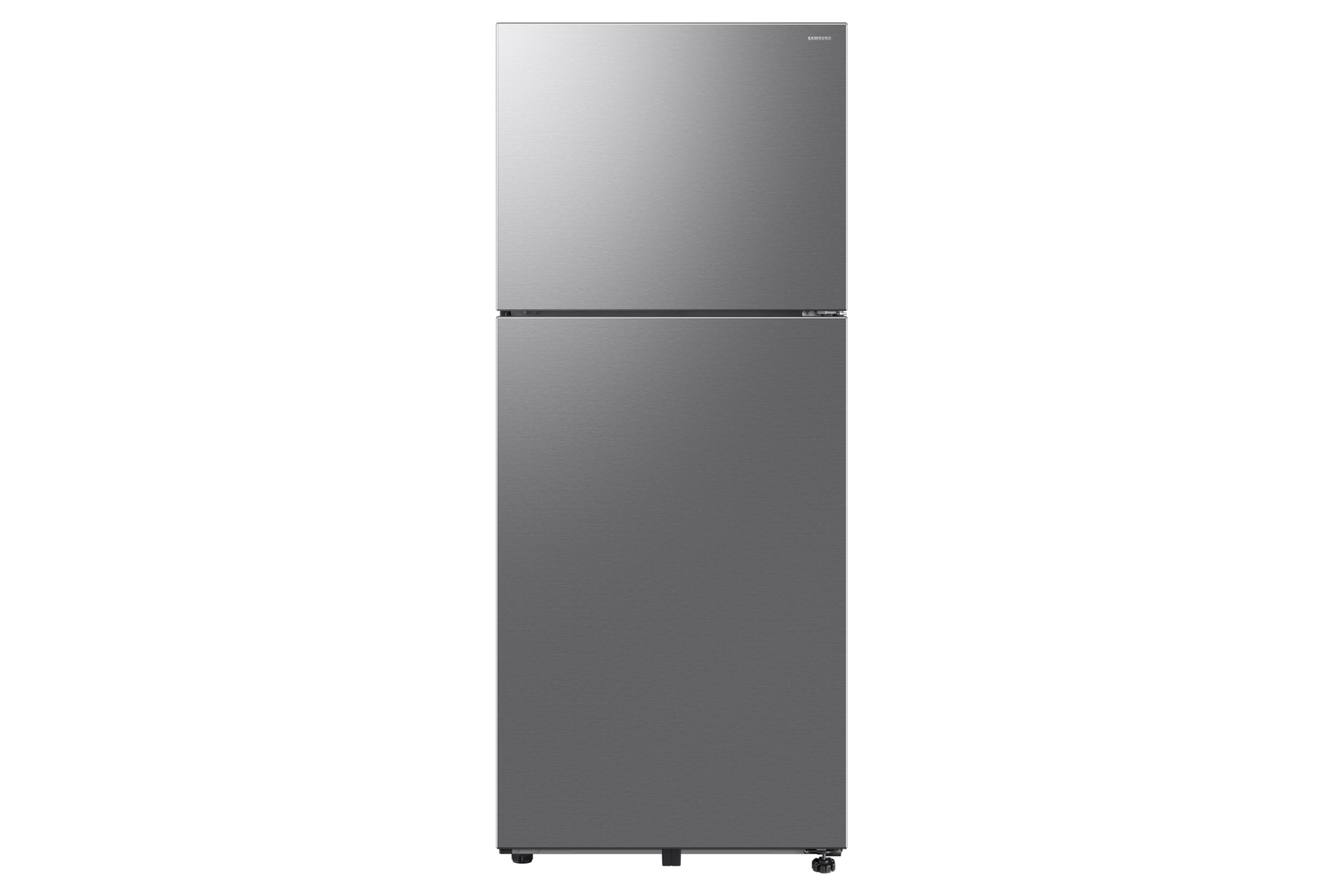
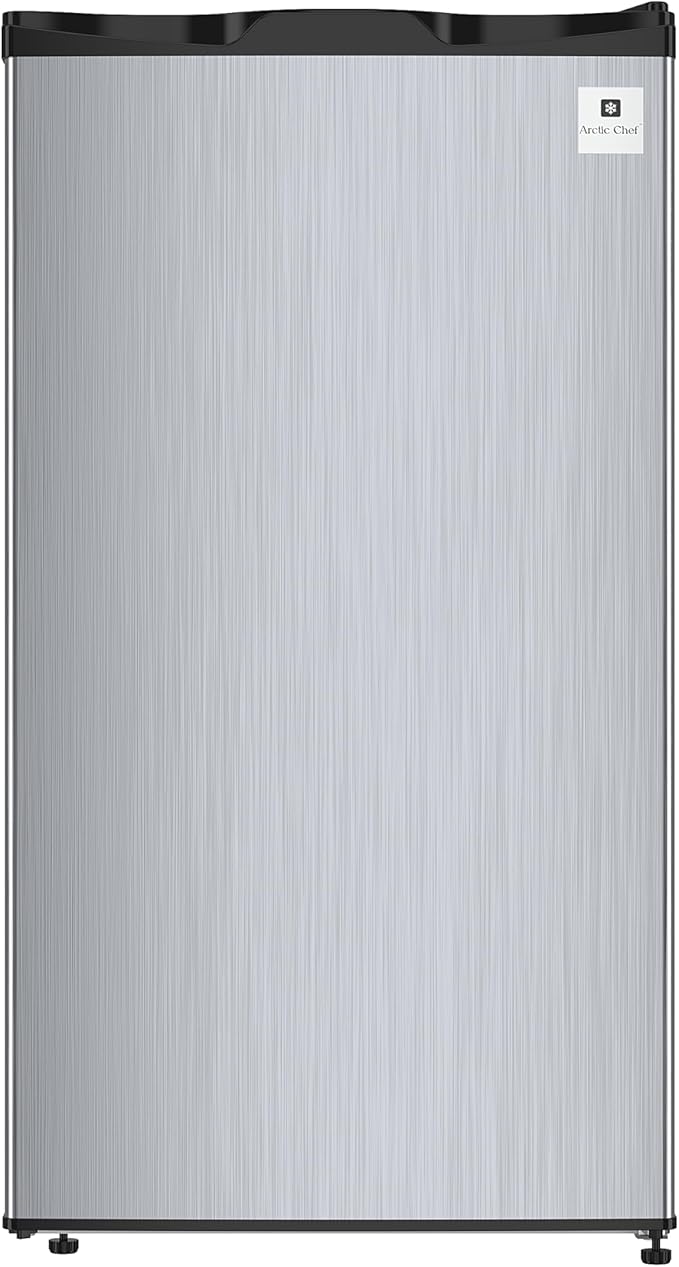
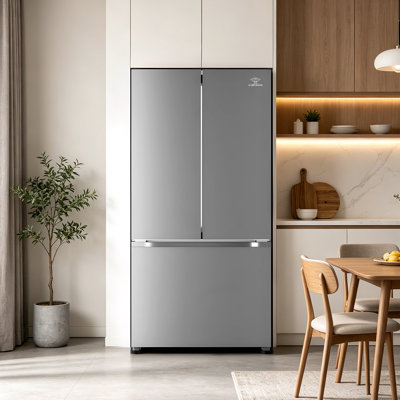
A freestanding fridge is a refrigerator that stands on its own, without needing to be built into cabinets or supported by anything else. You can move it around easily and place it wherever you have an electrical outlet—kitchen, basement, garage, or even a mobile home. They come in all sorts of sizes and styles, so you can find one that fits your space and needs.
Freestanding Vs. Built-in Fridges: What’s the Difference?
Knowing the difference between freestanding and built-in fridges can help you pick the right one for your home. Here’s a quick rundown:
Feature
Freestanding Fridge
Built-in Fridge
Installation
Place it anywhere with an outlet
Needs to be installed within cabinets
Mobility
Easy to move
Stays put once installed
Ventilation
Vents from the back or sides
Usually vents from the front
Cost
Generally cheaper
More expensive due to customization
Flexibility
High flexibility in placement
Limited by cabinet space
Freestanding fridges are great if you want flexibility. You can move them around and they’re easier to install and remove. Perfect for folks who might move or just don’t want a permanent setup. Built-in fridges, on the other hand, blend into your kitchen design, giving it a sleek, seamless look.
By knowing these differences, you can pick the fridge that suits your needs and space. Think about where you want to put it, how much ventilation it needs, and your long-term plans for your kitchen. Whether you go for a freestanding or built-in model, make sure it fits your lifestyle and space.
Freestanding fridges are like the Swiss Army knives of the kitchen world. They fit into all sorts of spaces and lifestyles. Let's break down why these fridges are a game-changer.
Go-Anywhere Convenience
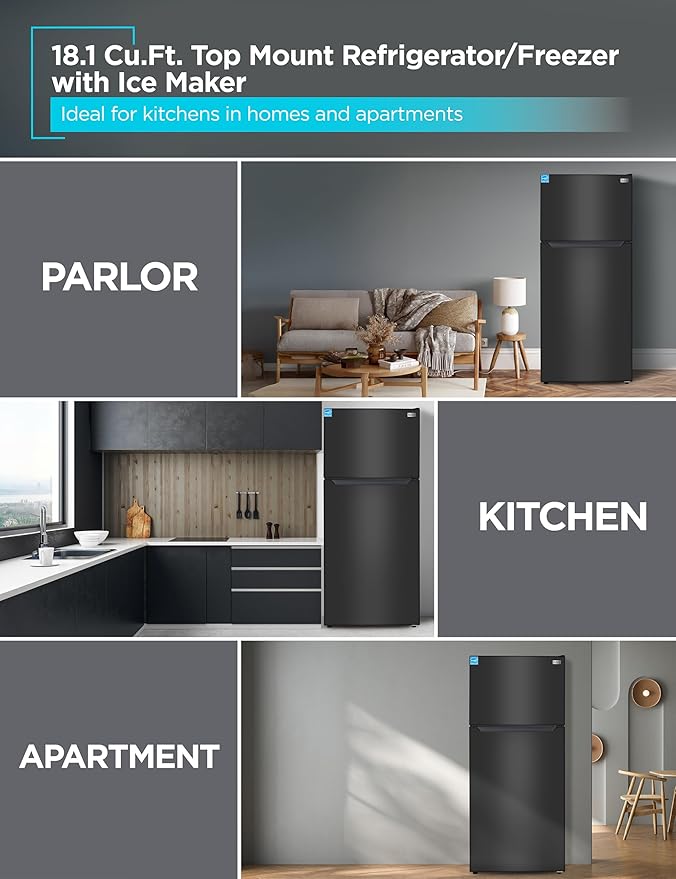
One of the coolest things about freestanding fridges is you can plop them down pretty much anywhere. Got an outlet? You’re good to go. Whether it's your kitchen, garage, or even your man cave, these fridges are ready to roll. For instance, a small freestanding refrigerator can squeeze into a tiny kitchen, while a large freestanding fridge is perfect for a big family home.
Type
Best Spots
Small Freestanding Fridge
Apartments, Condos
Large Freestanding Fridge
Houses, Ranches
Compact Freestanding Freezer
Offices, Tiny Homes
Easy-Peasy Setup
No need to call in the cavalry for installation. Freestanding fridges are a breeze to set up and take down. Unlike built-in models, you don’t need to mess with cabinets or walls. This makes them a top pick for renters or anyone who likes to rearrange their space. If you ever want to upgrade, swapping out a freestanding fridge is as easy as pie. Check out Fridge.com guide on upgrading to a freestanding fridge for more tips.
Wallet-Friendly
Freestanding fridges won't break the bank. They’re generally cheaper than built-in models, both to buy and to install. Plus, with so many options out there, you can find one that fits your budget and still has all the bells and whistles you want. Whether you're eyeing a tall freestanding fridge or a sleek black model, there's something out there for you.
Type
Price Range
Small Freestanding Fridge
$200 - $500
Large Freestanding Fridge
$800 - $1500
Freestanding Wine Fridge
$150 - $1000
Freestanding fridges offer flexibility, easy setup, and great value, making them a solid choice for any living situation. For more scoop on different types of freestanding fridges, check out Fridge.com articles on what is a freestanding refrigerator? and the difference between built-in and freestanding refrigerators.
Freestanding fridges are a hit in many homes because they're versatile and packed with handy features. Let's break down what makes these fridges tick, from their design to their sizes and cool extras.
Typical Design Characteristics
Freestanding fridges are like the free spirits of the kitchen world. They don't need to be built into your cabinets, so you can plop them down wherever you want. Plus, they usually look pretty snazzy, adding a touch of style to your kitchen.
Key points:
No need to fit them into cabinets
Finished on all sides
Come in various colors and finishes (stainless steel, black, white, etc.)
Available Sizes and Capacities
These fridges come in all shapes and sizes, perfect for any household. Whether you're living solo in a tiny apartment or feeding a big family, there's a freestanding fridge that fits your needs.
Type
Width (inches)
Height (inches)
Capacity (cubic feet)
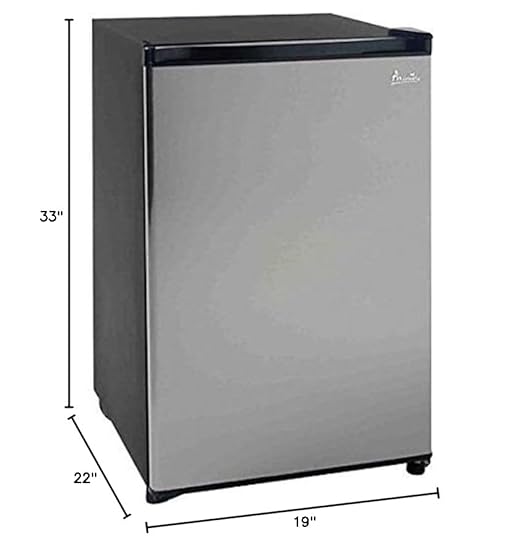
Small Freestanding Fridge
18 - 24
30 - 50
3 - 9
Tall Freestanding Fridge
24 - 36
60 - 72
14 - 25
Large Freestanding Fridge
30 - 36
65 - 72
20 - 30
Need more info? Check out Fridge.com articles on small freestanding refrigerator and large freestanding fridge.
Common Features of Freestanding Fridges
Freestanding fridges are loaded with features that make life easier. Here are some of the goodies you can expect:
Adjustable Shelves: Move them around to fit all your groceries, big or small.
Door Bins: Extra space for bottles, jars, and other small stuff.
Crisper Drawers: Keeps your fruits and veggies fresh with the right humidity.
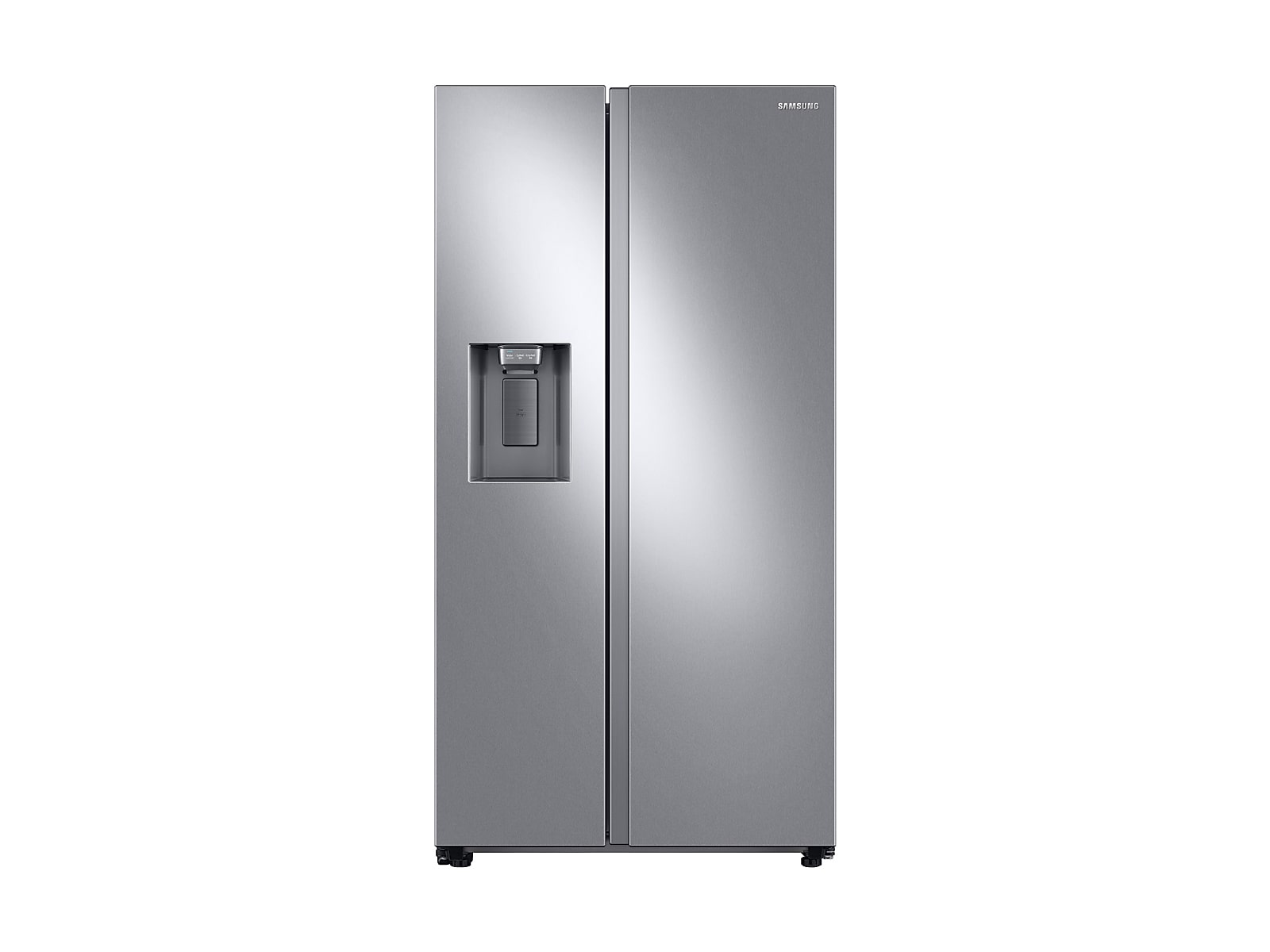
Freezer Compartment: Choose from top freezer, bottom freezer, or side-by-side.
Ice and Water Dispenser: Some models have built-in dispensers for ice and water.
Energy Efficiency: Look for Energy Star-rated models to save on your power bill.
Knowing the ins and outs of freestanding fridges helps you pick the right one for your home. Don't forget to think about space, ventilation, and electrical needs, which Fridge.com covers in its installation considerations section.
So, you’ve got yourself a shiny new freestanding fridge. Awesome! But before you plug it in and start filling it with snacks, there are a few things you need to think about to make sure it runs smoothly and lasts a long time. Let’s break it down.
Space Requirements
Freestanding fridges come in all shapes and sizes, so grab that measuring tape and check the space where you plan to put it. You’ll need to leave some room around the fridge for it to breathe and for you to get to it easily.
Dimension
Minimum Clearance (inches)
Sides
1 - 2
Top
1 - 2
Back
2 - 4
Don’t forget about the door swing. Make sure there’s enough room for the doors to open all the way. If you’ve got a big fridge like a large freestanding fridge, you’ll need more space. Smaller ones, like a small freestanding refrigerator, won’t need as much room.
Ventilation Needs
Your fridge needs to breathe, just like you. Without good airflow, the compressor can overheat, which is bad news. Make sure there’s enough space around the back and sides for air to move around.
, it’s super important to follow the manufacturer’s ventilation guidelines to keep it running well.
Electrical Requirements
Freestanding fridges need their own electrical outlet. Most of them use a standard 110-120V outlet, but always double-check the fridge’s power needs to avoid blowing a fuse.
Fridge Type
Voltage Requirement
Standard Freestanding Fridge
110-120V
Large Freestanding Freezer
110-120V
Compact Freestanding Refrigerator
110-120V
For specific models like a freestanding bottom freezer or a wine cooler fridge freestanding, make sure the electrical setup matches what your home can handle.
Final Thoughts
Keep these tips in mind when setting up your freestanding fridge, and you’ll be good to go. For more info on different types of freestanding fridges, check out Fridge.com article on what does freestanding refrigerator mean?. Happy chilling!
Keeping Your Fridge Fresh and Trouble-Free
Taking care of your freestanding fridge isn't just about keeping it clean; it's about making sure it runs smoothly for years. Here’s how to keep it in tip-top shape.
Easy Cleaning Tips for Your Fridge
A clean fridge means safe food and a longer-lasting appliance. Here’s how to do it right:
Unplug First: Safety first! Always unplug your fridge before you start cleaning.
Empty It Out: Take out all the food, shelves, and drawers.
Wipe the Inside: Mix warm water with a bit of mild detergent and wipe down the inside. Skip the harsh stuff.
Scrub Shelves and Drawers: Wash these separately with soapy water and dry them well before putting them back.
Clean the Outside: Use a damp cloth and a mild cleaner to wipe the exterior. Don’t forget the handles and seals.
Vacuum the Coils: Every six months, vacuum the condenser coils to get rid of dust and debris.
Check the Drain and Drip Pan: Make sure the drain hole isn’t clogged and the drip pan is clean and empty.
Fixing Common Fridge Problems
Even the best-kept fridges can have issues. Here’s how to tackle some common ones:
Problem
Why It Happens
How to Fix It
Not Cooling
Thermostat off, blocked vents, dirty coils
Adjust the thermostat, clear the vents, clean the coils
Frost Buildup
Bad door seal, opening door too much
Check and replace the seal if needed, open the door less
Weird Noises
Loose parts, uneven fridge
Tighten parts, make sure the fridge is level
Water Leaks
Clogged drain, broken drip pan
Clear the drain, replace the drip pan if it’s broken
Regular maintenance and cleaning keep your fridge running efficiently and extend its life. For more handy tips, read Fridge.com articles on what does freestanding fridge mean? and what is a freestanding fridge?.
So, you're thinking about getting a new fridge? Awesome! But before you dive in, let's make sure you pick the right one. Here are some key points to keep in mind:
Space and Size:
Grab that tape measure and check the space where your new fridge will go.
Make sure to measure height, width, and depth.
Don’t forget to check if the doors will open all the way without hitting anything.
Capacity:
Think about how much food you usually store. Got a big family? You’ll need more space.
By keeping these points in mind and exploring your options, you can find the perfect freestanding fridge for your needs. Want more details? Check out related articles like what is a freestanding fridge? and what is a freestanding refrigerator?.
Compare prices on Fridge.com
Compare current prices and specifications on Fridge.com, then buy from the retailer you choose; delivery, installation and warranty terms are the retailer’s.
It also has tons of awesome articles about kitchen stuff and home news. Enhance your home, garage, backyard, patio, and office with the coolest essentials. With every necessary type of residential refrigerator or freezer in the collection, you're covered.
Frequently Asked Questions
A freestanding fridge is a refrigerator that stands on its own, without needing to be built into cabinets or supported by anything else. You can move it around easily and place it wherever you have an electrical outlet—kitchen, basement, garage, or even a mobile home. They come in all sorts of sizes and styles, so you can find one that fits your space and needs.