How Long Does Sourdough Last?
Sourdough bread lasts up to 3 to 6 months in the freezer, about 5 to 7 days in the refrigerator, and 2 to 3 days at room temperature when it is wrapped well. Freezing is the best way to keep a loaf tasting fresh for months, while the fridge buys you an extra several days over the counter. Knowing the right time and method for each spot means you never bite into stale or moldy bread again.
| Storage Method | Shelf Life | Best Conditions |
|---|---|---|
| Room Temperature | 2-3 days | Cool, dry place; bread box or paper bag |
| Refrigerator | 5-7 days | Loosely wrapped; middle shelf |
| Freezer | 3-6 months (best within 3 months) | Sliced and tightly wrapped |
Why Sourdough Lasts Longer Than Regular Bread
Sourdough keeps longer than standard yeast bread because of how it is made. Instead of commercial yeast, sourdough relies on natural fermentation with wild yeast and lactic acid bacteria. That fermentation produces lactic acid, which makes the loaf more acidic. The extra acidity naturally slows mold growth and staling, so a sourdough loaf tends to stay good a little longer than a plain white loaf stored the same way.
The same long fermentation has a couple of other perks: it breaks down some of the gluten, which makes sourdough easier to digest for some people, and it can increase the availability of nutrients while giving the bread a lower glycemic index. None of that changes the storage rules, but it does explain why a well-kept sourdough resists going stale.
How Long Does Sourdough Last in the Fridge?
Sourdough bread lasts about 5 to 7 days in the fridge when it is wrapped and stored properly. Refrigeration slows the staling process and holds back mold, which is especially helpful in warm, humid kitchens or when you have bought or baked more than you can finish in a couple of days. The trade-off is that cold, dry fridge air can pull moisture out of the crumb, so how you wrap the loaf matters as much as the temperature.
| Fridge Storage Method | Shelf Life |
|---|---|
| Wrapped in plastic wrap | 5-7 days |
| Stored in a paper bag | 3-4 days |
| Sealed in an airtight container | 6-8 days |
Best Fridge Temperature for Sourdough
Aim for a fridge temperature between 35°F and 40°F (about 1.7°C to 4.4°C). This range slows staling and mold without freezing the bread. Keep it steady, because frequent temperature swings hurt both texture and freshness. A cheap fridge thermometer takes the guesswork out of it.
| Temperature | Effect on Sourdough |
|---|---|
| Below 35°F | Too cold; the loaf may dry out |
| 35°F - 40°F | Optimal storage, roughly 5-7 days |
| Above 40°F | Higher mold risk; expect only 3-5 days |
Best Containers and Wrapping for the Fridge
The container decides whether your sourdough dries out or stays soft. Each option trades crust for moisture, so match it to how long you plan to keep the loaf.
| Wrapping / Container | Pros | Cons |
|---|---|---|
| Paper bag | Breathable, keeps the crust crisp | May dry out quickly |
| Plastic bag or plastic wrap | Retains moisture, easy to seal | Softens the crust |
| Airtight plastic container | Locks in moisture, blocks fridge odors | Bulky; takes up space |
| Bread box | Good air circulation, maintains crust | Best for short-term storage |
| Cloth or beeswax wrap | Breathable, reusable, eco-friendly | Not ideal for long storage |
If you use a fully airtight container, tuck in a paper towel to absorb excess moisture, and swap it out if it feels damp. Many bakers prefer wrapping in paper or cloth over sealing in plastic, since plastic traps moisture against the crust and can invite mold. For a deeper walk-through, see Fridge.com guide on how to store sourdough in the fridge.
Where to Place Sourdough in the Fridge
Position affects shelf life more than most people expect:
- Middle shelf: the most consistent temperature and the best default spot for bread.
- Bottom shelf: cooler and can extend freshness, but may dry the loaf out faster.
- Top shelf: warmer air can shorten shelf life.
- Avoid the door: it swings through the biggest temperature changes every time you open the fridge.
Keep the loaf away from strong-smelling foods, since sourdough readily absorbs odors that can taint its flavor.
Monitoring Moisture and Preventing Mold
Mold is the main enemy of refrigerated bread. Keep it away with a few habits:
- Let the loaf cool completely before storing; warm bread creates condensation that feeds mold.
- Store in a cool, dry spot and avoid damp corners of the fridge.
- Check breathable containers every 2-3 days and airtight ones daily, replacing any damp paper towel.
- Clean the container or bread box regularly to clear out lingering mold spores.
How Long Does Sourdough Last in the Freezer?
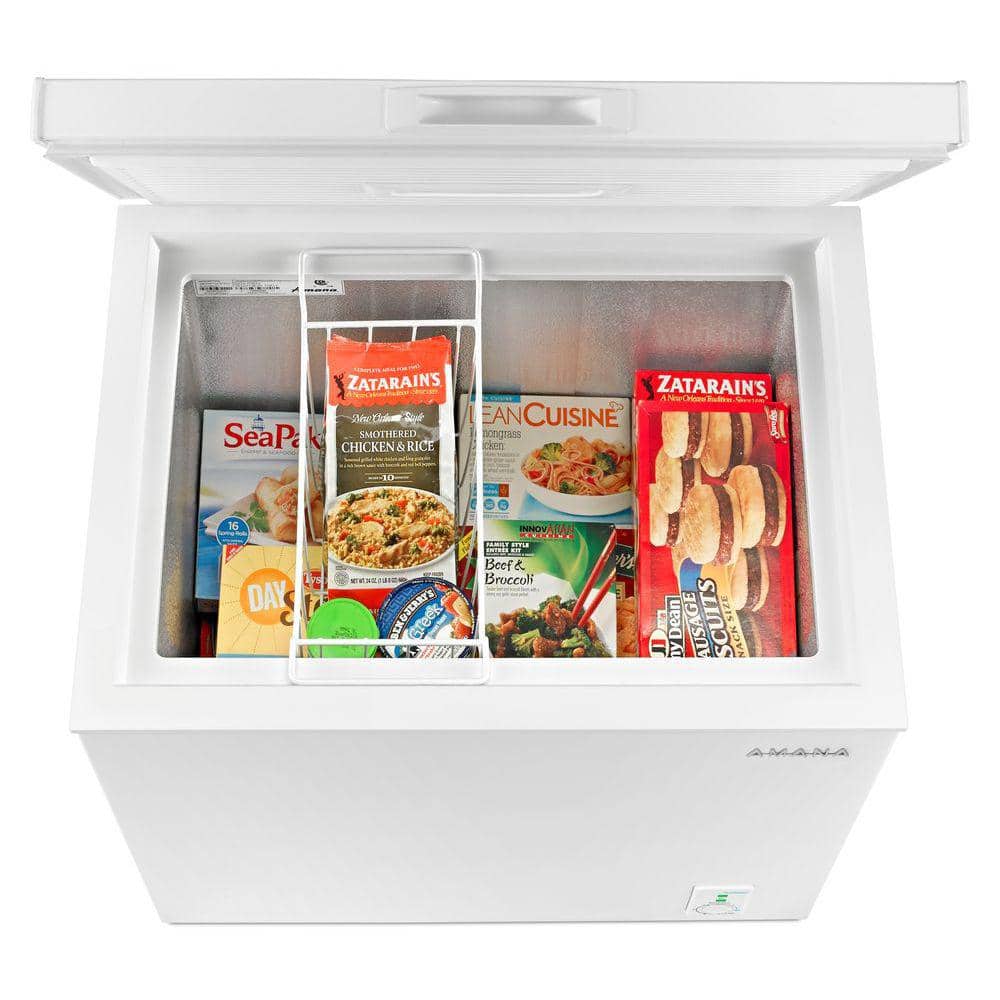
Frozen sourdough stays safe to eat for 3 to 6 months, and it tastes best if you use it within the first 3 months. Freezing halts staling and locks in the texture and flavor far better than the fridge, making it the top choice for long storage. After the 3 to 6 month window the bread is usually still safe, but the flavor and texture start to slip.
What Affects Freezer Life?
Several things change how long your sourdough stays tasty in the freezer:
| What Matters | Why It Matters |
|---|---|
| Freezer Temperature | Keep it at 0°F (-18°C) or colder. The colder and steadier, the better. |
| Packaging | Wrap it tight. Airtight containers or heavy-duty freezer bags keep out freezer burn and moisture. |
| Bread Type | Whole wheat, rye, or plain white loaves may each keep a little differently. |
| Freshness | The fresher the loaf when you freeze it, the longer it stays good. |
Freezing Sourdough
Freezing sourdough is the best way to keep a loaf fresh for months, but you have to do it right so it does not turn into a brick. A little prep protects the texture and flavor.
Getting Ready to Freeze Sourdough
Cool it down: let the loaf cool completely. Freezing warm bread traps condensation and leaves you with soggy slices.
Slice or not: decide whether to freeze the whole loaf or slice it first. Sliced bread lets you thaw only what you need; a whole loaf may stay slightly moister.
Wrap it up: wrap tightly in plastic wrap or aluminum foil with no exposed areas, then slide it into a freezer-safe bag for extra protection.
Label it: write the date on the bag so you always know how long it has been frozen.
Best Ways to Wrap Sourdough for the Freezer
Good packaging is the whole game with frozen bread. The right layers stop freezer burn and hold in texture and flavor:
- Plastic wrap: wrap the loaf or slices tightly to lock in moisture.
- Aluminum foil: add a layer of foil over the plastic for extra protection.
- Freezer bags: place the wrapped bread in a freezer bag and squeeze out as much air as possible before sealing.
- Vacuum sealing: for the longest, best-quality storage, use a vacuum sealer to remove all the air.
| Packaging Type | Protection Level | Best For |
|---|---|---|
| Plastic Wrap | Basic | Short-term storage (2-3 weeks) |
| Aluminum Foil | Moderate | Medium-term storage |
| Foil + Airtight Container | Good | Long-term storage (3-6 months) |
| Vacuum Sealing | Excellent | Longest storage |
Tips for Freezing Sourdough
- Freeze fast: put the bread in the coldest part of the freezer so it freezes quickly and tastes better later.
- Give it space: do not overcrowd the freezer; leave room for air to circulate around the loaf.
- Store flat: lay the bread flat to keep its shape.
- Avoid the door: keep it in the main body of the freezer where the temperature stays steady.
- Use it in time: for the best taste, eat frozen sourdough within 3 months; it stays safe up to 3-6 months.
Want more freezer tips? Check out Fridge.com articles on how long does spaghetti last in the freezer? and how long does prime rib last in the freezer?.
Thawing Frozen Sourdough
Got a loaf of frozen sourdough? Thaw it the right way and it comes back nearly as good as the day you baked it.
Thawing Methods That Work
- Fridge thawing: the slow, steady method that best preserves texture and flavor. Move the loaf from the freezer to the fridge and let it thaw for 12-24 hours depending on size.
- Countertop thawing: faster when you need it. Set the loaf on the counter and let it come up over 2-4 hours, keeping an eye on it.
- Oven thawing: the quickest route, and it crisps the crust. Preheat to 350°F (175°C), wrap the frozen loaf in foil, and bake 15-20 minutes.
Handy Tips for Thawing
Skip the microwave for whole loaves: it heats unevenly and can leave bread soggy. Use the methods above.
Freshness check: after thawing, give the bread a sniff and a look. If it smells off or shows mold, toss it. See signs of spoiled sourdough below.
Bread box bonus: thawing on the counter? A bread box keeps it clean and protected.
Reheat for crunch: for that fresh-baked feel, warm the thawed loaf in a 350°F (175°C) oven for 10-15 minutes.
Reviving Chilled or Stale Sourdough
Refrigerated or day-old sourdough can lose some of its texture, but a little heat and moisture bring it right back. First, if the loaf is cold, let it sit at room temperature for 1 to 2 hours so it slices cleanly and softens inside while keeping a crisp crust. Then pick a reviving method:
Oven method: preheat to 350°F (175°C), lightly sprinkle or mist the loaf with water, wrap it in aluminum foil, and heat for 10-15 minutes. This rejuvenates the crust and warms the crumb.
Steam method: place a baking dish of water on the bottom rack while the oven reheats the bread at 350°F (175°C). The steam re-moistens the loaf and improves the texture.
Microwave method: wrap the bread in a damp paper towel and microwave for 10-30 seconds. It is quick but softens the crust, so use it in a pinch.
Pan method: lightly dampen the bread, set it in a preheated skillet over medium heat, cover, and warm a few minutes on each side.
How to Spot Bad Sourdough
Refrigerated, frozen, or fresh, sourdough eventually turns. Watch for these signs and, when in doubt, throw it out:
| Warning Sign | What to Look For |
|---|---|
| Mold | Green, black, or white fuzzy patches anywhere on the loaf; discard the whole thing. |
| Off smell | A sour, musty, or otherwise unpleasant aroma beyond the normal tang. |
| Texture changes | Excessively hard, dry, crumbly, or mushy bread is past its prime. |
| Discoloration | Dark spots or unusual patches signal spoilage. |
| Freezer burn | Dry, leathery spots are not unsafe, but the bread will not taste great. |
Mold on bread can send roots below the surface, so cutting off a moldy spot is not safe with a soft loaf like sourdough. When you see mold, discard the entire loaf.
Making the Most of Thawed Sourdough
Thawed or revived sourdough is a blank canvas. Reheat it right, then put it to work.
Reheating Thawed Sourdough
- Oven: preheat to 350°F (175°C), set the loaf on the rack or a baking sheet, and heat 10-15 minutes until warm and crispy.
- Toaster oven: best for slices. Set it to medium and toast 5-7 minutes.
- Microwave: not ideal for crust, but it works fast. Wrap a slice in a damp paper towel and heat on medium for 20-30 seconds.
Delicious Ways to Use Thawed Sourdough
- Sandwiches: the chewy texture and tangy flavor carry everything from ham and cheese to avocado and smoked salmon.
- French toast: dip slices in beaten eggs, milk, and a dash of cinnamon, then cook on a griddle until golden.
- Croutons: cube the bread, toss with olive oil, garlic powder, and herbs, and bake at 350°F (175°C) for 10-15 minutes.
- Bread pudding: combine cubes with a custard mixture and bake for a rich dessert or breakfast.
- Paninis: grill reheated slices with your favorite fillings in a press or heavy skillet.
For more kitchen inspiration, check out Fridge.com articles on how long does steak stay good in the fridge? and how long does spaghetti last without fridge?.
FAQs About Storing Sourdough
How long does sourdough bread last in the fridge?
About 5 to 7 days when wrapped and stored at 35°F to 40°F. Bread wrapped in plastic or sealed in an airtight container tends to reach the longer end of that range, while a paper bag keeps the crust crisp but dries the loaf out in 3 to 4 days. Refrigeration extends shelf life but can dry bread faster, so wrap it well.
How long does sourdough last in the freezer?
Frozen sourdough stays safe for 3 to 6 months and tastes best within the first 3 months. Slice it, wrap it tightly in plastic and foil, and seal it in a freezer bag or airtight container at 0°F (-18°C) for the best results.
Does refrigerating sourdough make it last longer?
Yes. The fridge slows mold and staling, stretching shelf life to roughly 5 to 7 days versus 2 to 3 days at room temperature. The cold air can dry the crumb, though, so it is a trade-off between longevity and that just-baked texture. For storage beyond a week, freeze instead.
Why does sourdough last longer than normal bread?
Its natural fermentation produces lactic acid, which makes the loaf more acidic. That acidity slows mold and staling, so sourdough generally keeps a bit longer than commercial yeast bread stored the same way.
Can you freeze sourdough starter?
Absolutely. Freezing your starter is like hitting pause on your baking. Make sure it is well-fed and bubbly, then move it to a clean, airtight container and freeze. When you are ready to bake, thaw it in the fridge and give it a few feeds to wake it up. For more, see feeding sourdough starter from the fridge and how long can you keep sourdough starter in the fridge?.
Can you freeze partially baked sourdough bread?
You can. Bake the loaf until it is about 80% done, cool it completely, wrap it tightly in plastic, and store it in an airtight container or freezer bag. When you want fresh bread, thaw it in the fridge and finish baking at the original temperature until golden.
What are the most common sourdough storage mistakes?
Three trip people up most: storing the loaf unwrapped so it dries out, overcrowding the fridge or freezer so air cannot circulate, and keeping bread next to strong-smelling foods that it absorbs. Avoid those and your sourdough stays fresh far longer.
For more storage hacks, take a peek at Fridge.com articles on how long does taco meat last in the fridge? and how long does spiral ham last in the fridge?.
Get Your Upgrade or New Addition at Fridge.com
Whether you're searching for your perfect fridge, freezer, wine fridge, beer fridge, ice maker, or kegerator, Fridge.com has what you need.
Shop the world's best brands at Fridge.com.
It also has tons of awesome articles about kitchen stuff and home news. Enhance your home, garage, backyard, patio, and office with the coolest essentials. With every necessary type of residential refrigerator or freezer in the collection, you're covered.
Elevate your game and shop now at Fridge.com!