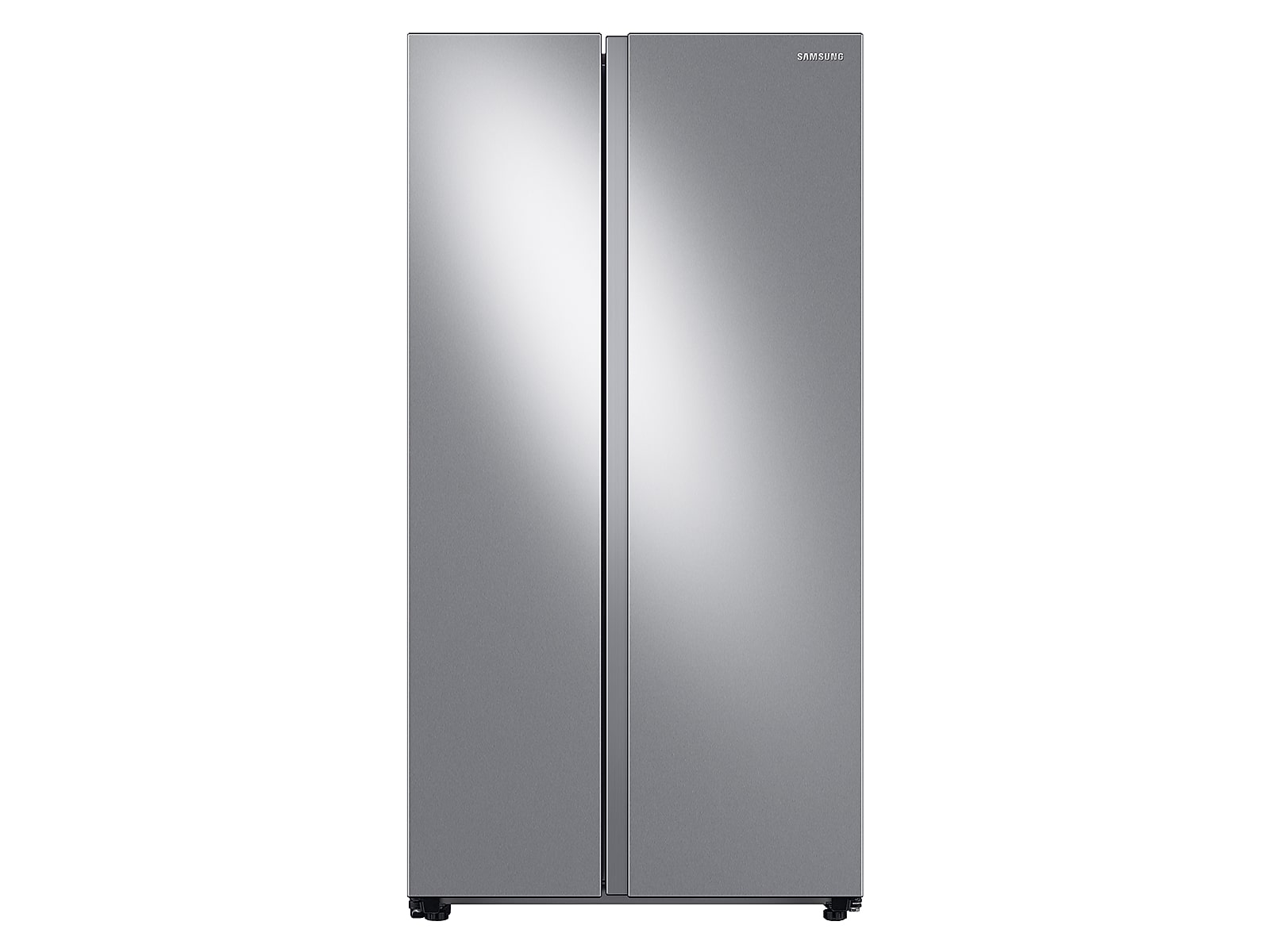
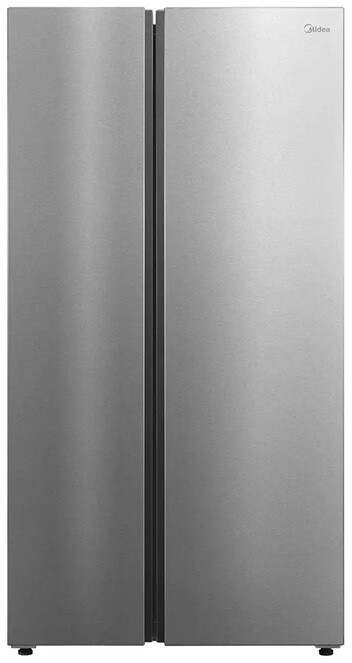
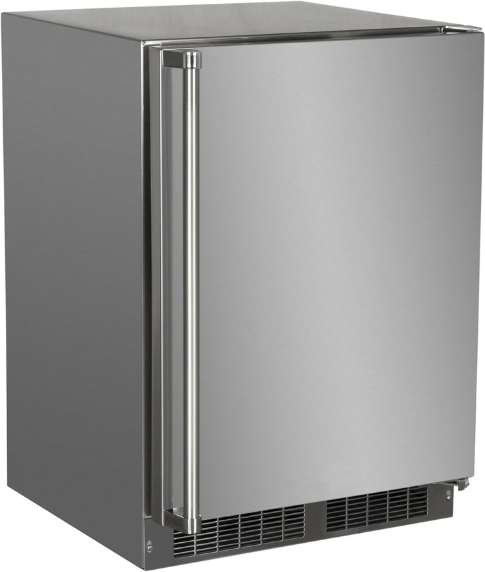
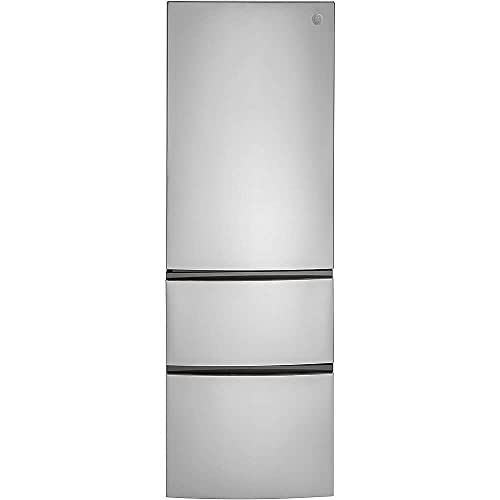
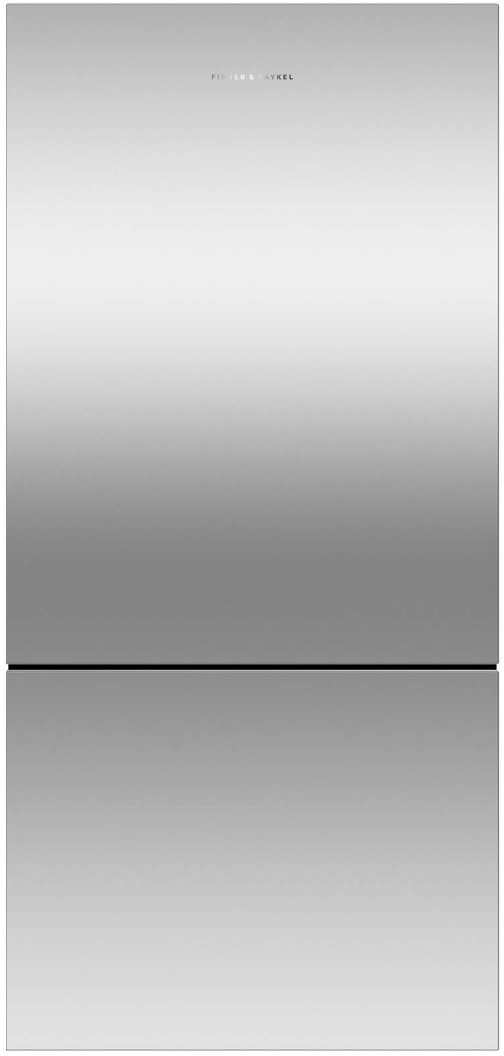
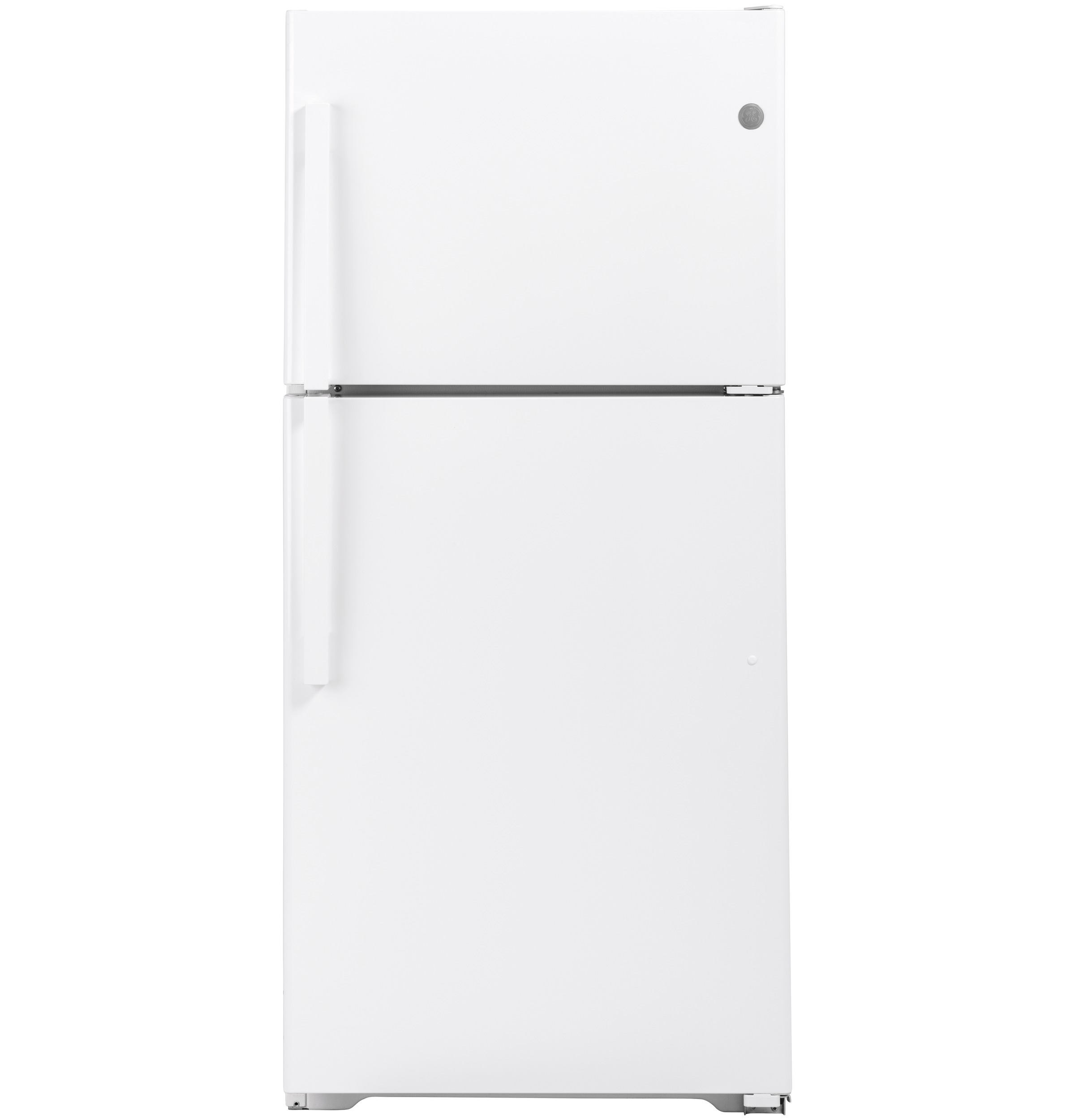
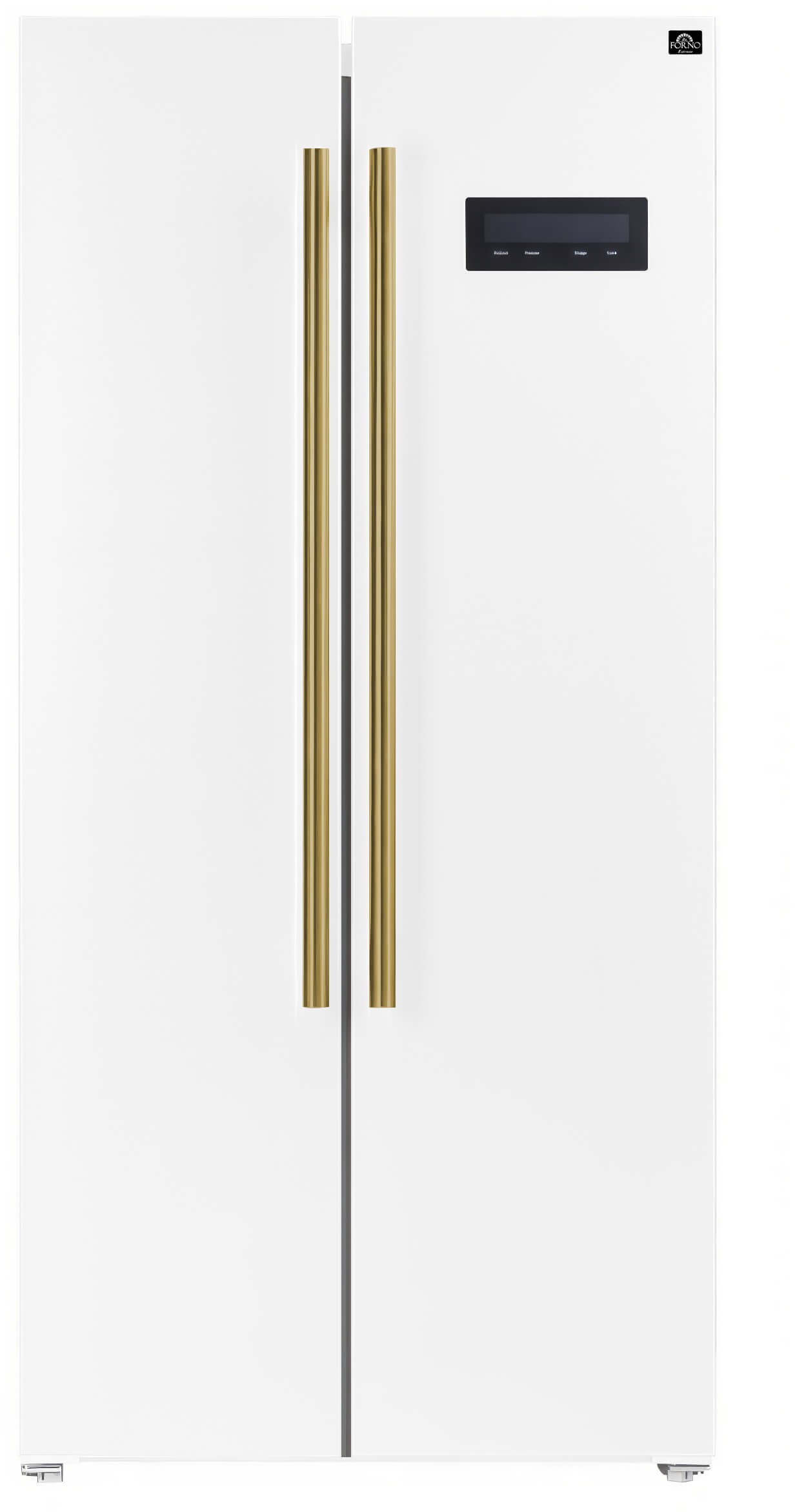
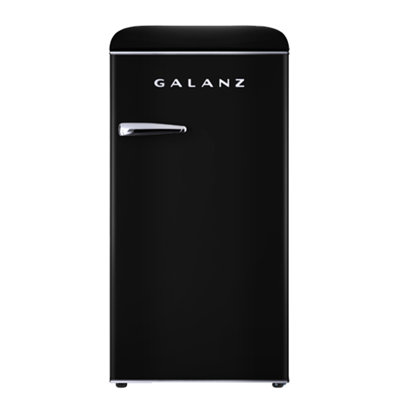
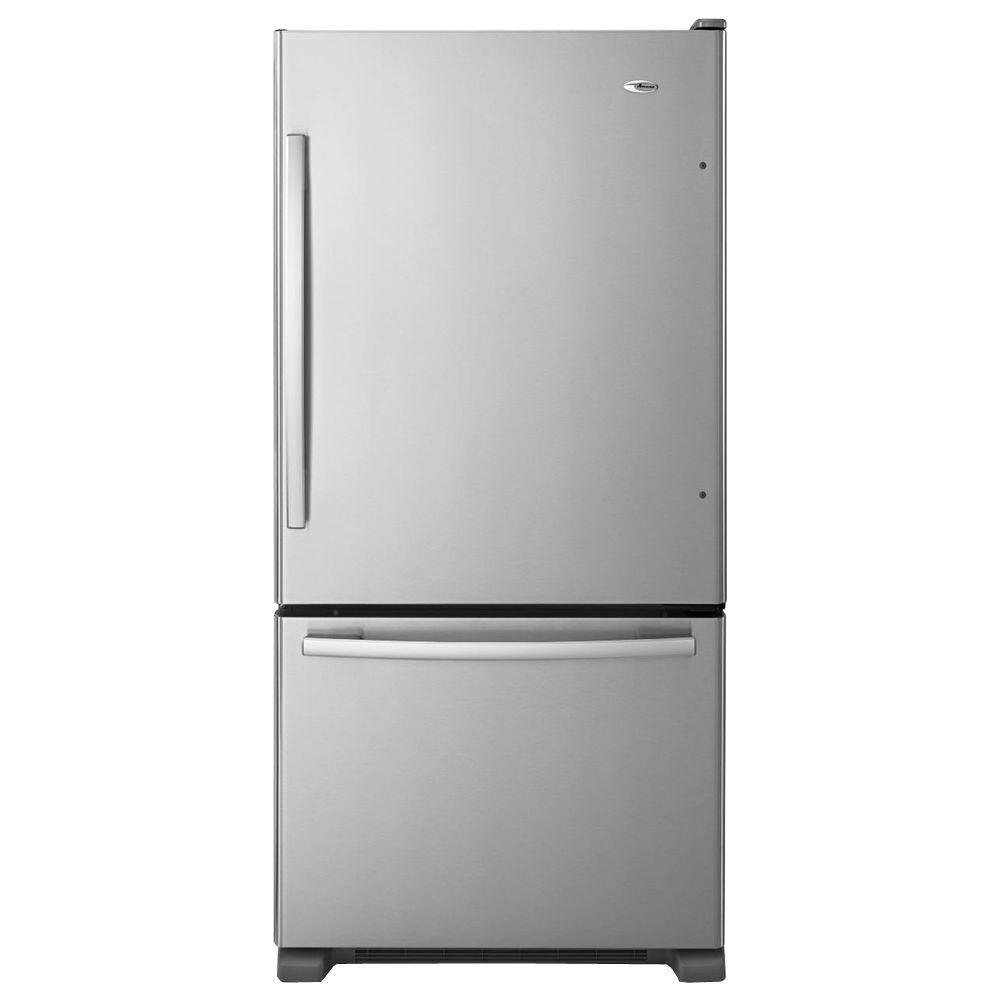
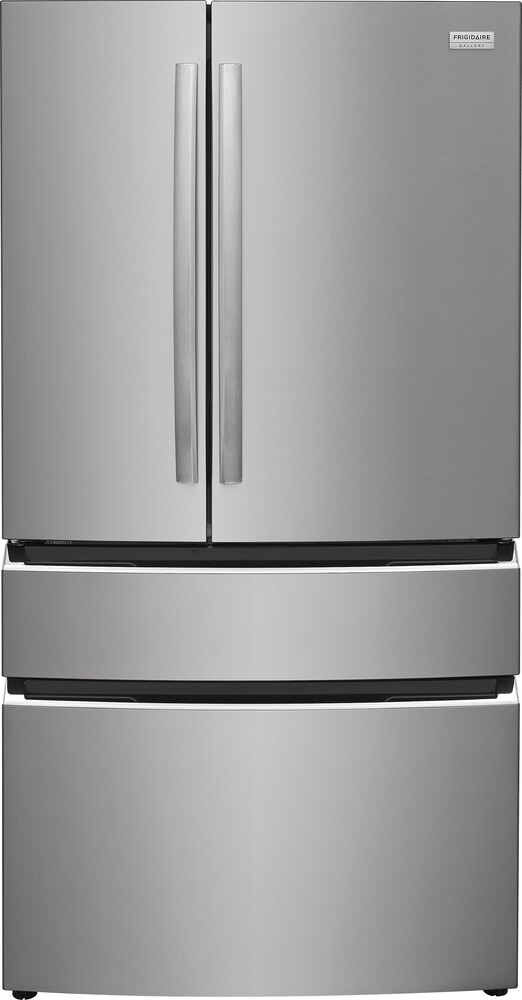
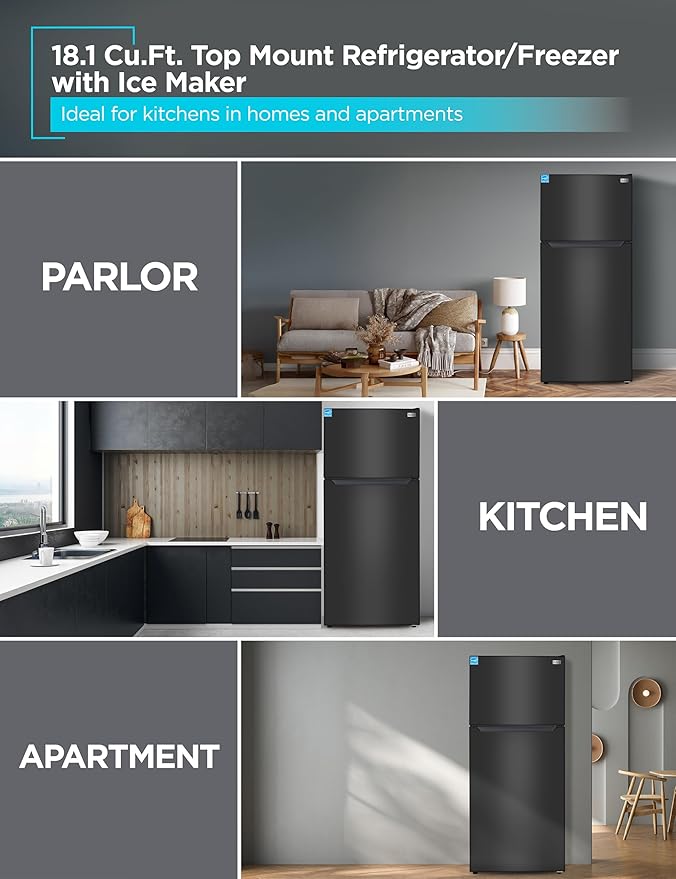
When deciding between a single door refrigerator and a wine refrigerator, it is important to understand the differences in their design and functionality. This knowledge will help you choose the best appliance for your needs.
Single Door Refrigerator
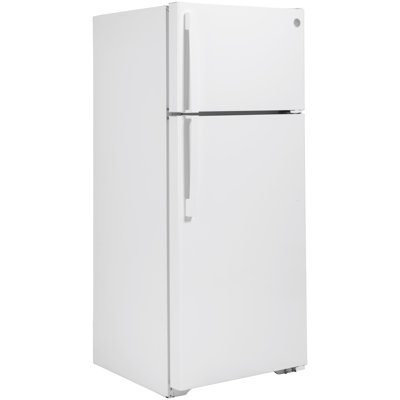
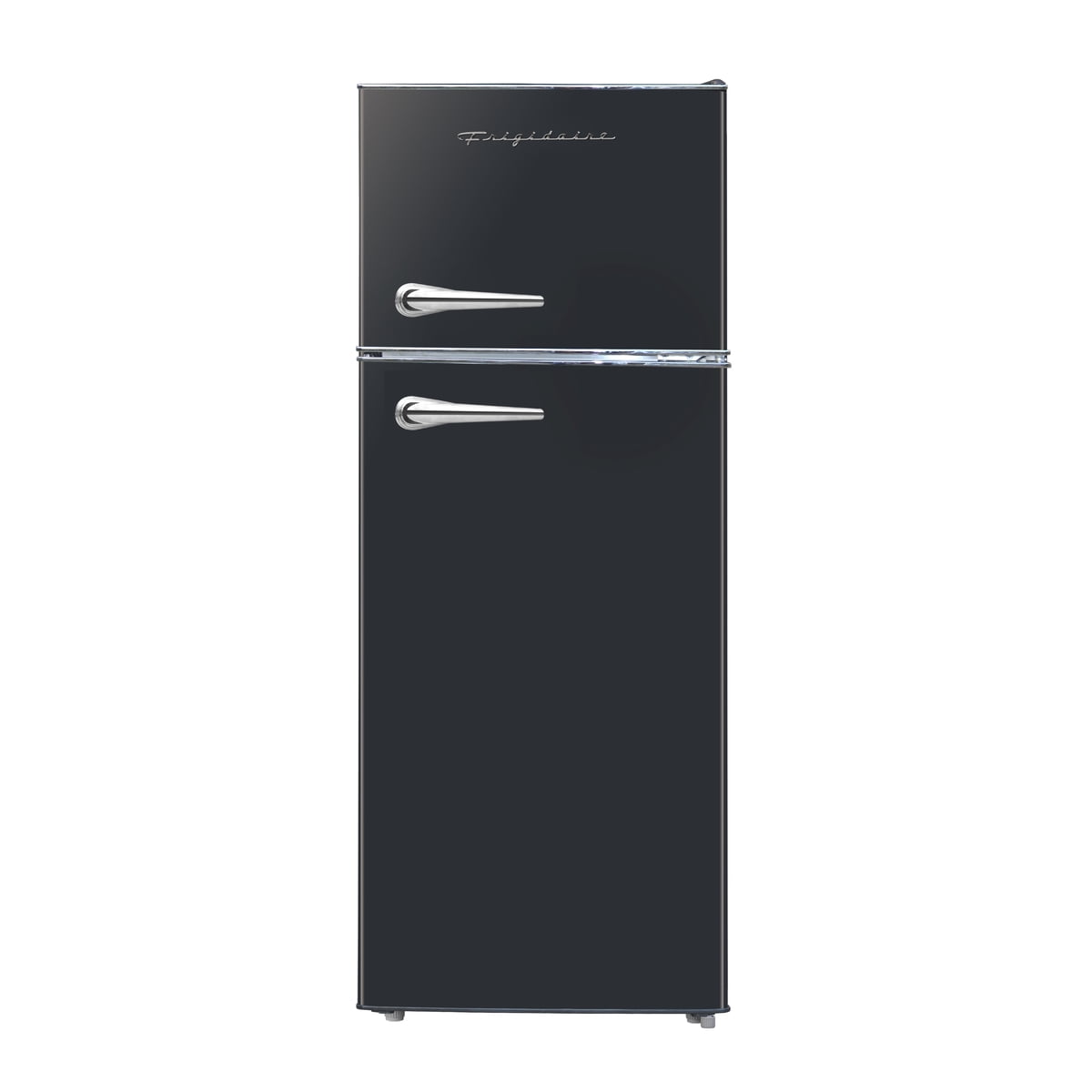
A single door refrigerator is a versatile appliance commonly found in homes, offices, and various other settings. It features a single door that opens to reveal both the refrigerator and freezer compartments. This type of refrigerator is ideal for general food storage, providing ample space for fresh produce, dairy, meats, and frozen items.
Key Features:
Combined refrigerator and freezer sections
Typically includes adjustable shelves and door bins
Often comes with a built-in crisper drawer for fruits and vegetables
A wine refrigerator, also known as a wine cooler, is specifically designed to store wine bottles at optimal temperatures. It usually features multiple temperature zones to accommodate different types of wine, such as red, white, and sparkling wines. Wine refrigerators are an excellent choice for wine enthusiasts and collectors who want to preserve the quality and taste of their wine collection.
Key Features:
Dedicated compartments for wine storage
Temperature control for different types of wine
Often equipped with UV-resistant glass doors
Designed to minimize vibrations to protect wine integrity
Understanding these differences will help you decide whether a single door refrigerator or a wine refrigerator is the best fit for your needs. Consider factors like the type of items you need to store, the available space, and your specific requirements for temperature control.
Capacity and Storage
Understanding the capacity and storage features of refrigerators is crucial when deciding between a single door refrigerator and a wine refrigerator. Each type offers unique benefits tailored to specific needs.
Single Door Refrigerator Features
Single door refrigerators are versatile and designed for general use, providing ample storage for various food items. They typically feature multiple compartments and shelves to organize your groceries efficiently.
Feature
Single Door Refrigerator
Average Capacity
18-20 cubic feet
Compartment Types
Shelves, drawers, door bins
Temperature Range
35°F - 38°F
Suitable For
General food storage
Single door refrigerators often come with adjustable shelves, which allow you to customize the storage space according to your needs. The door bins are ideal for storing bottles, jars, and condiments, while the crisper drawers keep fruits and vegetables fresh. If you're interested in comparing single door refrigerators with other types, visit Fridge.com article on convertible freezer refrigerator Vs. single door refrigerator.
Wine Refrigerator Features
Wine refrigerators, also known as wine coolers, are specifically designed to store and preserve wine at optimal conditions. They focus on maintaining a consistent temperature and humidity level to ensure the quality and taste of your wine collection.
Feature
Wine Refrigerator
Average Capacity
20-50 bottles
Compartment Types
Wine racks, shelves
Temperature Range
45°F - 65°F
Suitable For
Wine storage
Wine refrigerators typically include specially designed wine racks that hold bottles securely and prevent them from rolling or clinking together. These refrigerators often feature dual-zone cooling, allowing you to store different types of wine (red, white, sparkling) at their respective ideal temperatures. For a detailed comparison of wine refrigerators with other appliances, check out Fridge.com article on mini fridge freezer Vs. wine refrigerator.
By considering these features, you can choose the refrigerator that best suits your storage needs, whether it’s for general food items or a dedicated wine collection.
The cooling and temperature control mechanisms of refrigerators are crucial for maintaining the quality and freshness of your stored items. Understanding how these mechanisms differ between a single door refrigerator and a wine refrigerator can help you make an informed choice.
Single Door Refrigerator Functionality
A single door refrigerator is designed to store a variety of food items, from vegetables and fruits to dairy and leftovers. These refrigerators typically use a single cooling system that circulates cold air throughout the compartment to maintain a consistent temperature.
Key Features:
Temperature Range: 32°F to 40°F (0°C to 4°C)
Cooling System: Compressor-based, single cooling system
Humidity Control: Usually has a crisper drawer with humidity control for fresh produce
Defrosting: Can be manual or automatic
Feature
Single Door Refrigerator
Temperature Range
32°F to 40°F (0°C to 4°C)
Cooling System
Compressor-based
Humidity Control
Crisper drawer
Defrosting
Manual/Automatic
For more details on different types of refrigerators, check out Fridge.com article on convertible freezer refrigerator Vs. single door refrigerator.
Wine Refrigerator Functionality
A wine refrigerator, also known as a wine cooler, is specifically designed to store wine bottles at optimal conditions. These refrigerators maintain a stable temperature and humidity level to preserve the quality and taste of your wine collection.
Key Features:
Temperature Range: 45°F to 65°F (7°C to 18°C)
Cooling System: Compressor-based or thermoelectric
Humidity Control: Maintains ideal humidity to prevent corks from drying out
Defrosting: Often automatic
Feature
Wine Refrigerator
Temperature Range
45°F to 65°F (7°C to 18°C)
Cooling System
Compressor/Thermoelectric
Humidity Control
Maintains ideal humidity
Defrosting
Automatic
For more comparisons, visit Fridge.com article on reach in freezer Vs. wine refrigerator.
Understanding the cooling and temperature control features of single door refrigerators and wine refrigerators can help you choose the right appliance for your needs. Whether you need a versatile refrigerator for daily use or a specialized wine cooler, knowing these details can make all the difference.
When comparing a single door refrigerator to a wine refrigerator, understanding their design and aesthetics can help you choose the best option for your needs.
Single Door Refrigerator Appearance
A single door refrigerator is designed with functionality and versatility in mind. It typically features a compact and sleek design, making it a popular choice for small kitchens, offices, and dorm rooms. These refrigerators often come in various finishes, such as stainless steel, black, white, and other colors, allowing you to match them to your existing decor.
The interior of a single door refrigerator is usually divided into sections, with adjustable shelves and door bins to maximize storage space. Some models also include a small freezer compartment. The overall design focuses on practicality, offering ample space for a variety of food and beverages.
Feature
Single Door Refrigerator
Finish Options
Stainless steel, black, white, various colors
Interior Layout
Adjustable shelves, door bins, small freezer compartment
Design Focus
Practicality and versatility
Wine Refrigerator Appearance
A wine refrigerator, on the other hand, is specifically designed to store and display wine bottles. These refrigerators often have a more luxurious and elegant appearance, featuring glass doors that allow you to showcase your wine collection. The glass doors are usually tinted to protect the wine from harmful UV rays.
The interior of a wine refrigerator is designed to accommodate wine bottles, with specialized shelving that holds bottles securely in place. Many wine refrigerators also include LED lighting to enhance the visual appeal and make it easy to find your desired bottle. The overall design emphasizes sophistication and style, making it a great addition to any home bar or entertainment area.
Feature
Wine Refrigerator
Finish Options
Stainless steel, black, wood trim
Interior Layout
Specialized wine bottle shelving, LED lighting
Design Focus
Sophistication and style
When choosing between a single door refrigerator and a wine refrigerator, consider the design and aesthetic elements that best suit your needs and preferences. For more comparisons, check out Fridge.com articles on beverage refrigerator Vs. silver side by side refrigerator and mini fridge freezer Vs. wine refrigerator.
When considering the practicality and usage of single door refrigerators and wine refrigerators, it's important to evaluate how each type suits different needs and environments.
Single Door Refrigerator Applications
Single door refrigerators are versatile appliances commonly found in various settings. They are suitable for storing a wide range of food items and beverages. These refrigerators are often used in:
Kitchens: Ideal for small to medium-sized families, providing ample space for daily groceries.
Apartments and Condos: Compact enough to fit in smaller living spaces while offering essential storage capabilities.
Offices: Useful for storing employee lunches, snacks, and beverages.
Garages and Basements: Can be used as an additional refrigerator for overflow storage or for specific items like beverages and bulk meat.
Tiny Homes and Mobile Homes: Space-efficient and practical for limited living areas.
Application
Suitability
Kitchens
High
Apartments and Condos
High
Offices
Medium
Garages and Basements
Medium
Tiny Homes and Mobile Homes
High
Single door refrigerators provide a straightforward solution for everyday refrigeration needs, making them a popular choice for standard fridge size requirements.
Wine Refrigerator Applications
Wine refrigerators are specialized appliances designed to store wine at optimal conditions. They cater to specific needs and are used in different environments:
Home Wine Cellars: Essential for wine collectors who need to store multiple bottles at precise temperatures.
Dining Rooms and Kitchens: Convenient for those who enjoy having wine readily available for meals and entertaining guests.
Bars and Entertainment Areas: Perfect for keeping a variety of wines on hand for parties and gatherings.
Offices: Useful for corporate environments where client meetings may include wine.
Restaurants and Cafes: Ensures that wine is stored and served at the correct temperature, enhancing the dining experience.
Application
Suitability
Home Wine Cellars
High
Dining Rooms and Kitchens
High
Bars and Entertainment Areas
High
Offices
Medium
Restaurants and Cafes
High
Wine refrigerators are tailored to maintain the quality and flavor of wine, making them an essential appliance for wine enthusiasts and professional settings. For more on how wine refrigerators compare to other appliances, see wine refrigerator Vs. reach in freezer.
In summary, the practicality and usage of single door refrigerators and wine refrigerators vary significantly, catering to different storage needs and preferences. Whether you need a general-purpose fridge or a specialized wine storage solution, understanding their applications can help you make an informed decision. For more comparisons, check out beverage refrigerator Vs. office refrigerator and double drawer refrigerator Vs. wine cooler.
Energy Efficiency
Energy efficiency is a crucial factor to consider when comparing a single door refrigerator and a wine refrigerator. It affects your electricity bills and has an impact on the environment. Let’s explore the efficiency of both types of refrigerators.
Single Door Refrigerator Efficiency
Single door refrigerators are commonly used in households for storing a variety of food items. They are designed to be energy-efficient while providing optimal cooling. The efficiency of a single door refrigerator depends on various factors such as size, insulation, and compressor type.
Single door refrigerators typically consume between 200 to 400 kWh per year. Modern units are equipped with energy-saving features like inverter technology, which adjusts the compressor speed based on cooling needs, reducing power consumption.
Aspect
Single Door Refrigerator
Annual Energy Consumption
200 - 400 kWh
Key Features
Inverter technology, efficient insulation
Suitable For
General food storage
For more information on different types of refrigerators and their energy efficiency, you can check Fridge.com article on energy efficient refrigerator Vs. upright refrigerator.
Wine Refrigerator Efficiency
Wine refrigerators, also known as wine coolers, are specifically designed to store wine at optimal temperatures. These refrigerators are generally smaller and have a lower energy consumption compared to regular refrigerators. The efficiency of a wine refrigerator is influenced by its size, cooling technology, and insulation quality.
Wine refrigerators usually consume between 100 to 200 kWh per year. They often feature thermoelectric cooling, which is more energy-efficient and quieter than traditional compressor-based systems. This makes wine refrigerators an economical choice for wine enthusiasts.
Aspect
Wine Refrigerator
Annual Energy Consumption
100 - 200 kWh
Key Features
Thermoelectric cooling, optimal insulation
Suitable For
Wine storage
For more details on wine refrigerators and comparisons with other cooling units, you can refer to Fridge.com article on mini fridge freezer Vs. wine refrigerator.
Understanding the energy efficiency of both single door refrigerators and wine refrigerators helps you make an informed decision based on your needs. Whether for general food storage or preserving your wine collection, choosing an energy-efficient appliance can lead to significant savings and environmental benefits.
Proper maintenance and care are essential for the longevity and performance of any refrigerator. This section will cover the specific steps required to maintain both single door refrigerators and wine refrigerators.
Single Door Refrigerator Maintenance
Single door refrigerators are versatile and commonly used in many households. To keep them functioning efficiently, regular maintenance is necessary. Here are some steps to follow:
Cleaning the Interior and Exterior: Wipe down the shelves, drawers, and door seals with a mild detergent and warm water. This helps prevent the buildup of mold and bacteria.
Defrosting: If your single door refrigerator does not have an automatic defrost feature, manually defrost it every 6 months to prevent ice buildup.
Checking the Door Seals: Ensure that the door seals are tight and free from cracks. This helps maintain the internal temperature and reduces energy consumption.
Cleaning the Condenser Coils: Dust and debris can accumulate on the condenser coils over time. Clean them with a vacuum or a brush to ensure efficient cooling.
Setting the Right Temperature: Keep the refrigerator temperature between 35°F and 38°F to ensure food safety and energy efficiency.
Wine refrigerators are designed to store wine at optimal temperatures. Proper maintenance ensures that your wine collection remains in perfect condition. Here are the key steps:
Cleaning the Interior and Racks: Use a soft cloth and mild detergent to clean the interior and wine racks. Avoid using harsh chemicals that can leave residues.
Checking the Thermostat: Calibrate the thermostat regularly to ensure accurate temperature control.
Ventilation: Ensure that the wine refrigerator has adequate ventilation. Clean the vents and fans to prevent dust buildup.
Humidity Control: Maintain proper humidity levels (50%-70%) to prevent corks from drying out. Some wine refrigerators come with built-in humidity controls.
Preventing Vibration: Place the wine refrigerator on a stable surface to minimize vibration, which can affect the quality of the wine.
Regular maintenance of both single door and wine refrigerators ensures they operate efficiently and prolongs their lifespan. By following these guidelines, you can enjoy the full benefits of your refrigerator while keeping your food and beverages in optimal condition.
Cost Comparison
When comparing a single door refrigerator and a wine refrigerator, cost is an important factor to consider. Here, Fridge.com will break down the pricing aspects of both types of refrigerators.
Single Door Refrigerator Pricing
Single door refrigerators are a popular choice due to their versatility and affordability. These refrigerators are generally more cost-effective than specialized units like wine refrigerators. The price of a single door refrigerator can vary depending on its size, features, and brand.
Feature
Price Range
Basic Model
$200 - $500
Mid-Range Model
$500 - $800
High-End Model
$800 - $1500
For more detailed comparisons between different types of refrigerators, you can check out Fridge.com articles on double drawer refrigerator Vs. wine cooler and apartment size refrigerator Vs. chest refrigerator.
Wine Refrigerator Pricing
Wine refrigerators, also known as wine coolers, are designed specifically to store wine at optimal temperatures. These refrigerators tend to be more expensive due to their specialized functionality and features, such as precise temperature control and humidity regulation.
Feature
Price Range
Small Capacity (6-20 bottles)
$100 - $300
Medium Capacity (20-50 bottles)
$300 - $800
Large Capacity (50+ bottles)
$800 - $2000
For a broader understanding of how wine refrigerators compare to other types of specialized refrigeration units, check out Fridge.com articles on mini fridge freezer Vs. wine refrigerator and freestanding wine cooler Vs. fridge freezer combo.
When choosing between a single door refrigerator and a wine refrigerator, consider your specific needs, budget, and the features you value most. If you need a versatile unit for general food storage, a single door refrigerator might be the best choice. However, if you are a wine enthusiast looking for optimal storage conditions for your collection, investing in a wine refrigerator could be worth the extra cost.
Compare prices on Fridge.com
Compare current prices and specifications on Fridge.com, then buy from the retailer you choose; delivery, installation and warranty terms are the retailer’s.
It also has tons of awesome articles about kitchen stuff and home news. Enhance your home, garage, backyard, patio, and office with the coolest essentials. With every necessary type of residential refrigerator or freezer in the collection, you're covered.
Free tool
Wine Refrigerator Calculator
Free interactive tool from Fridge.com — get a quick answer while you read.