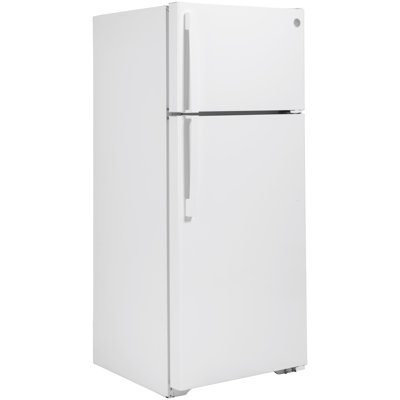
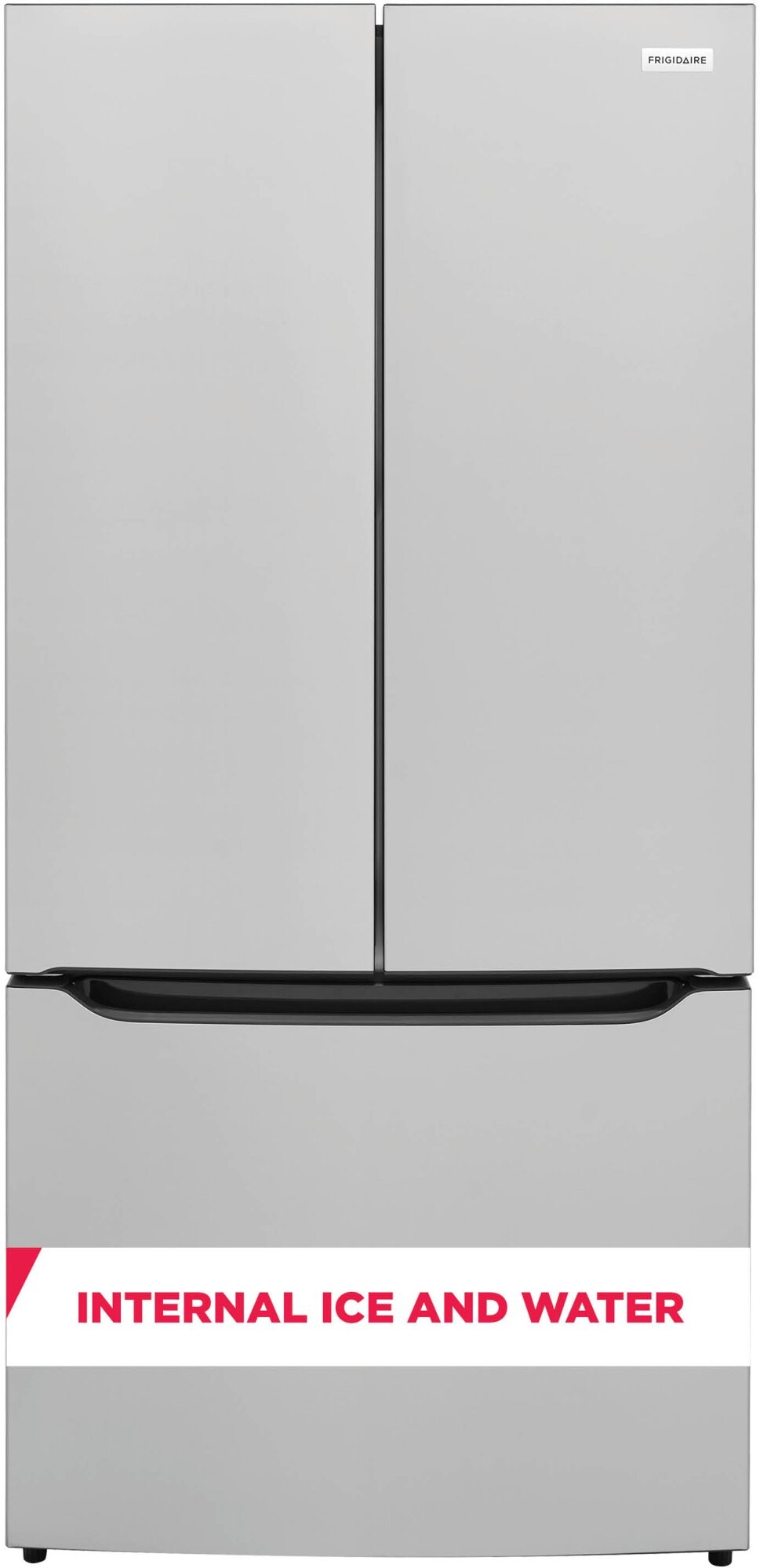
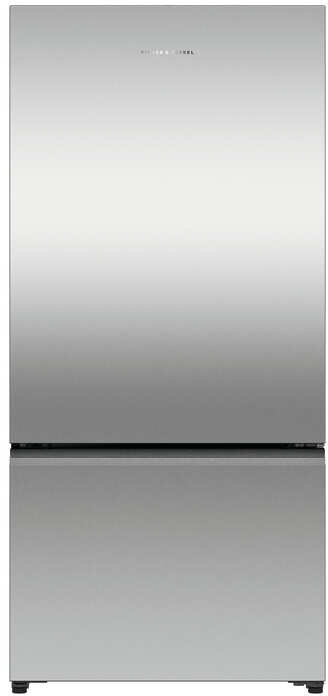
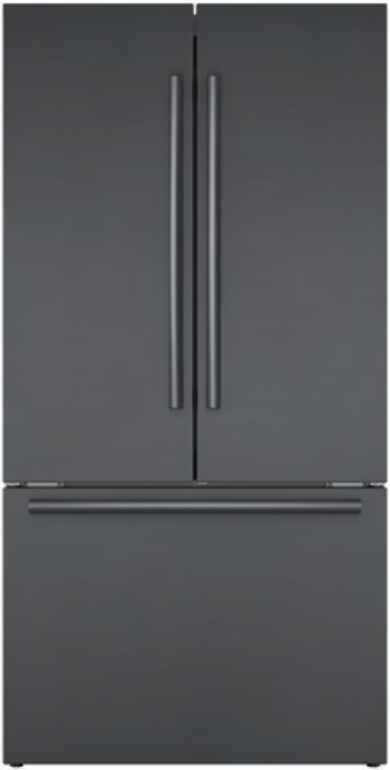
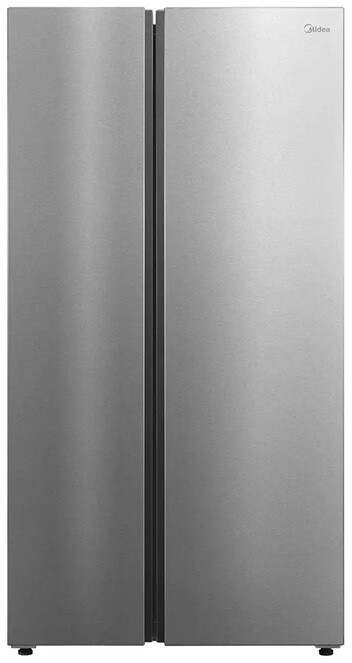
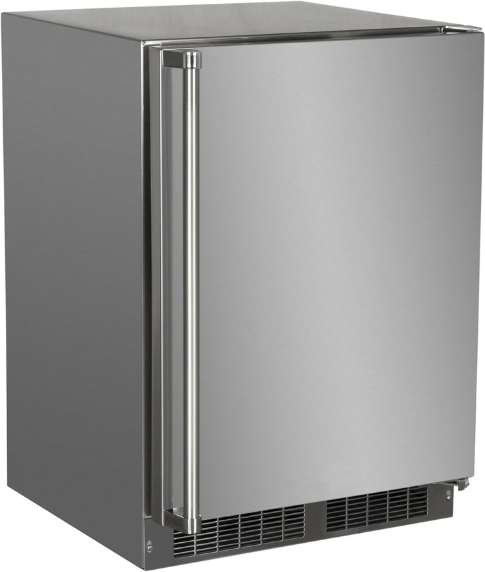
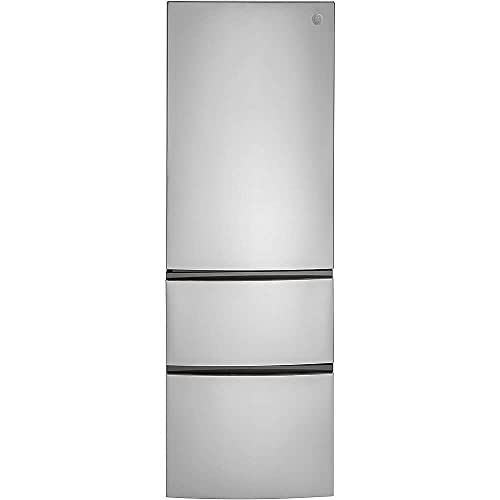
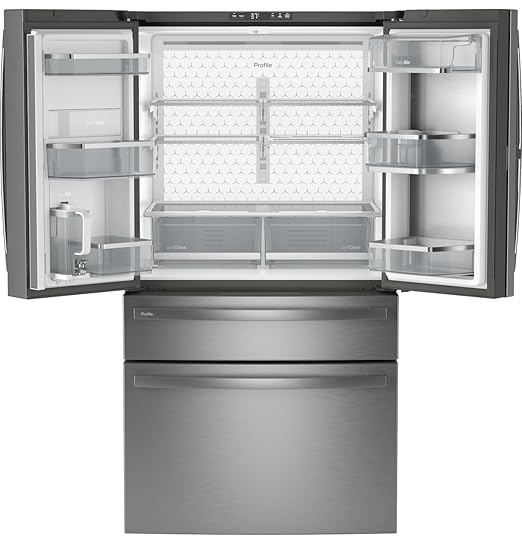
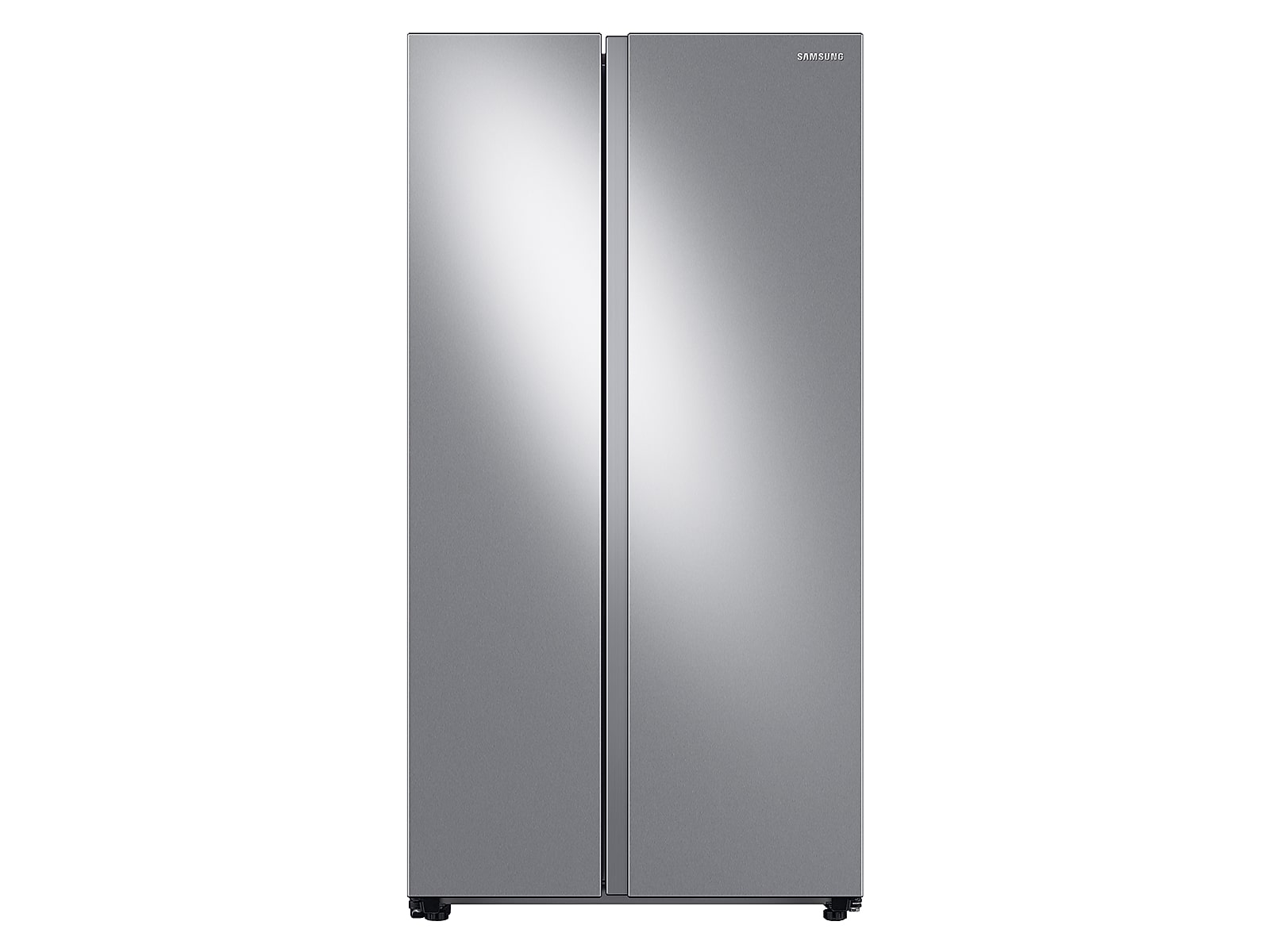
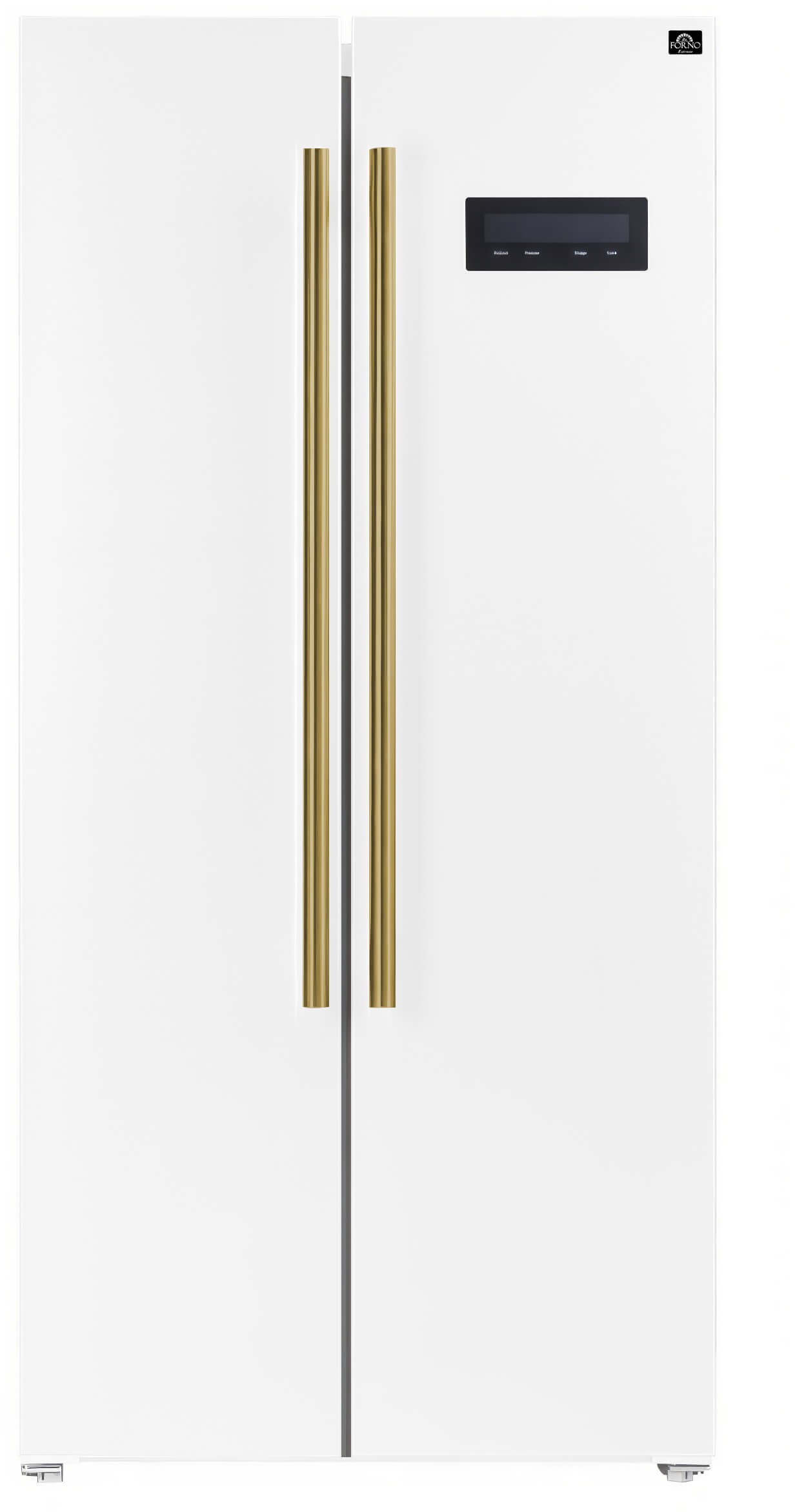
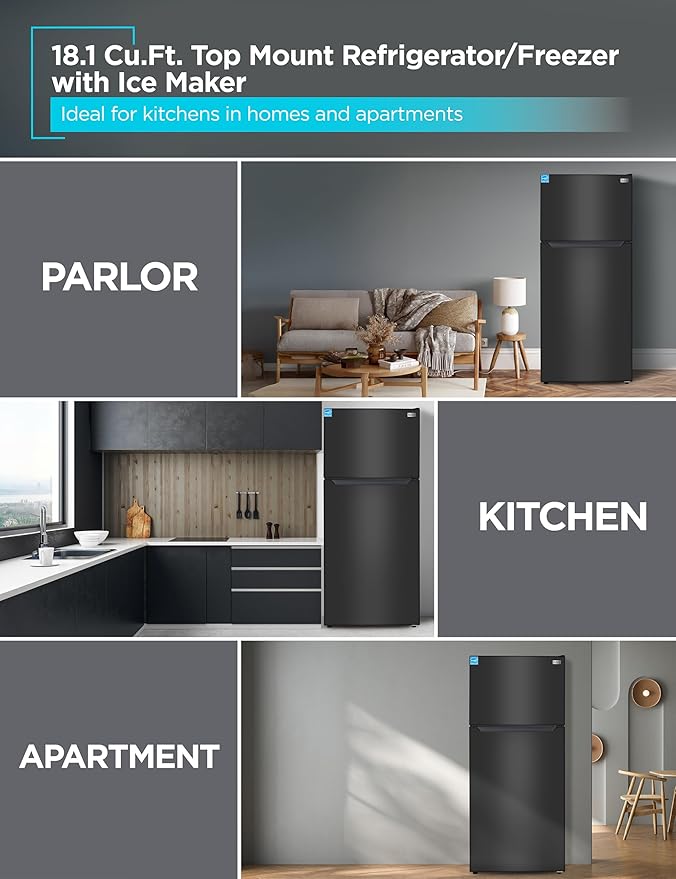
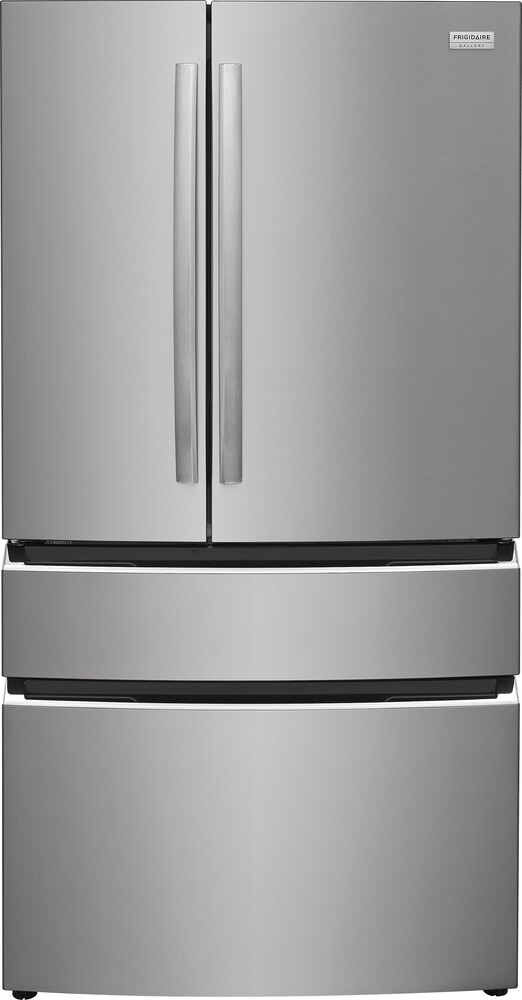
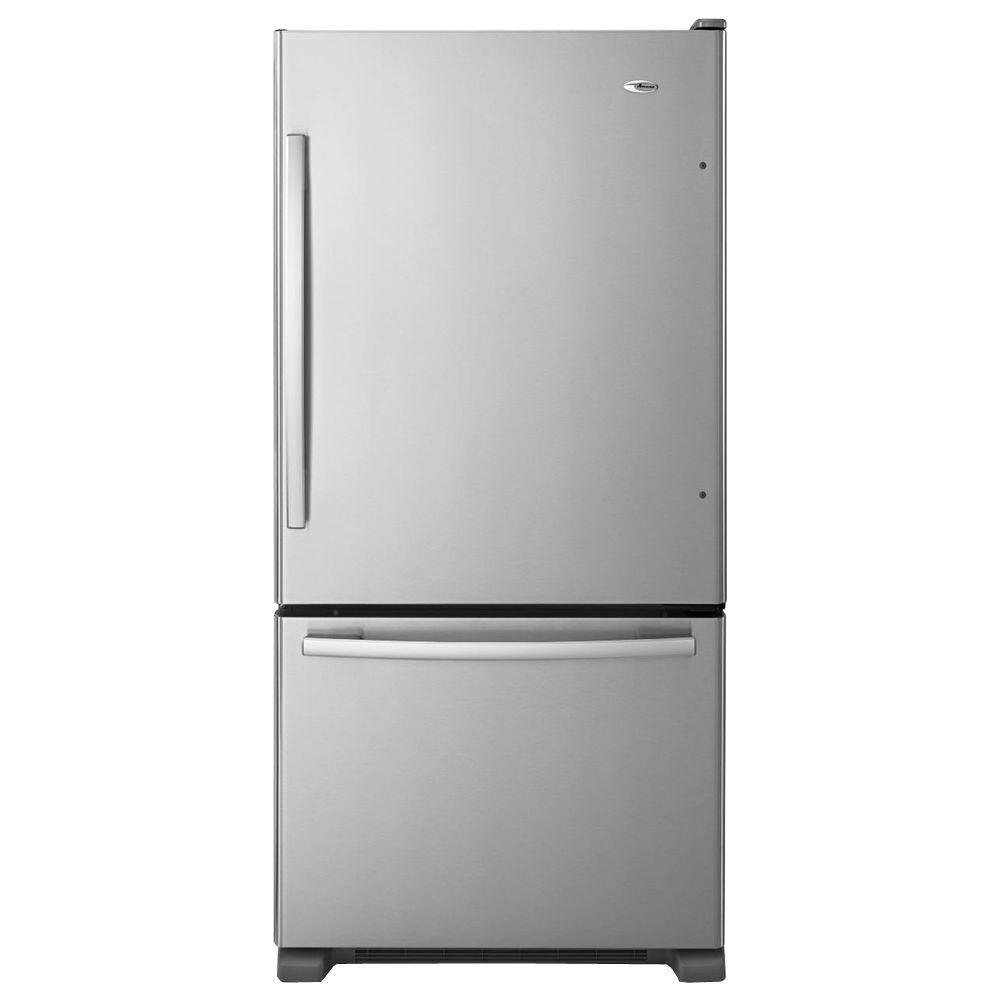
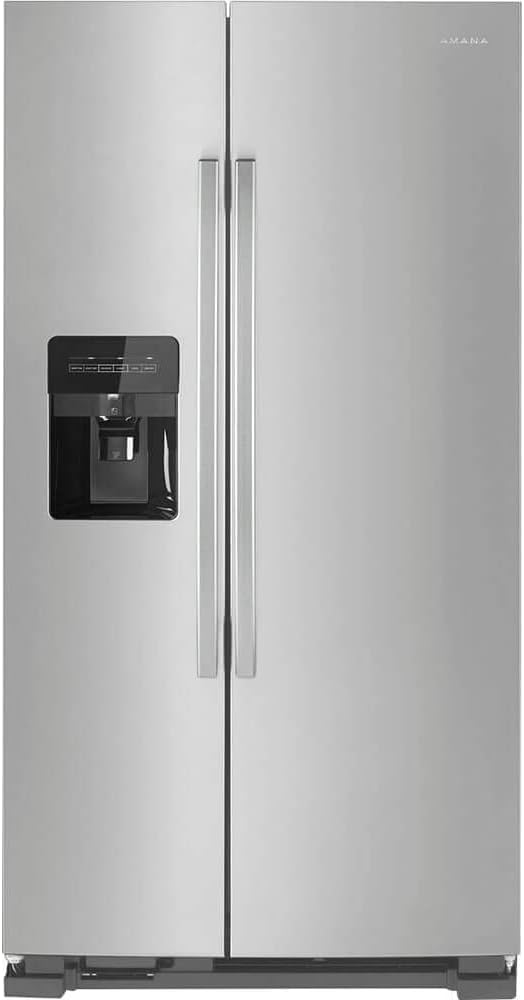
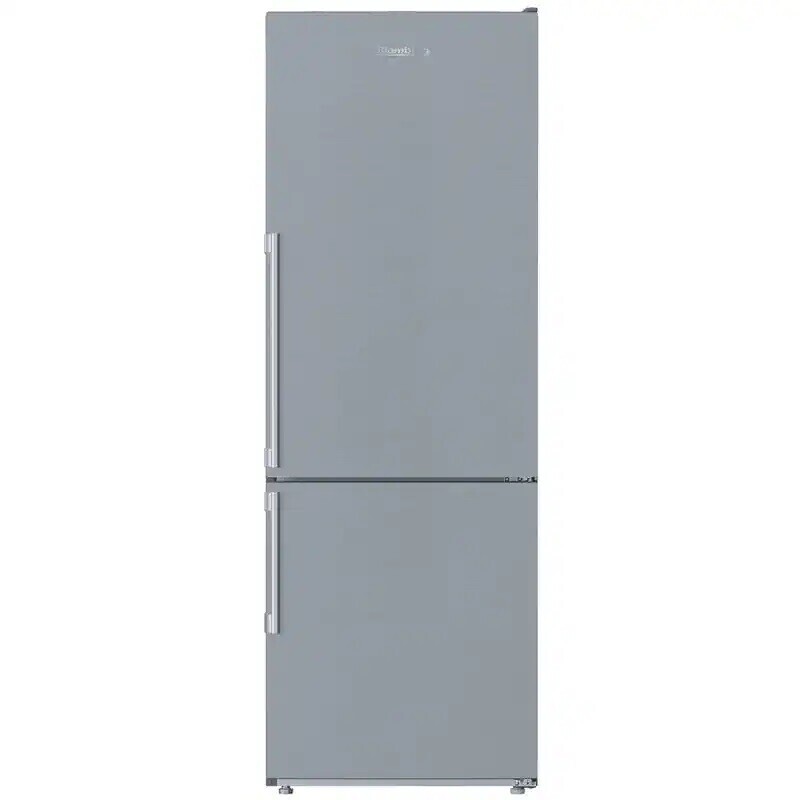
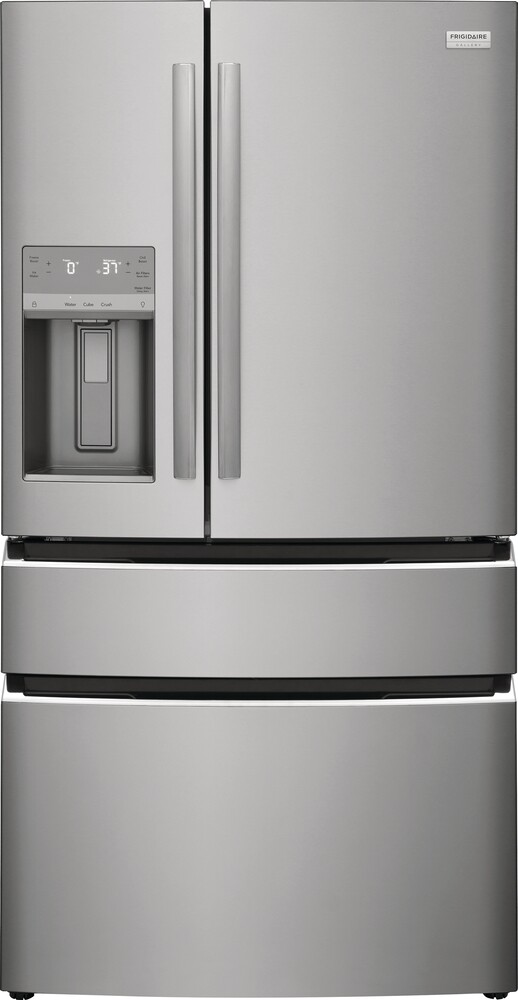
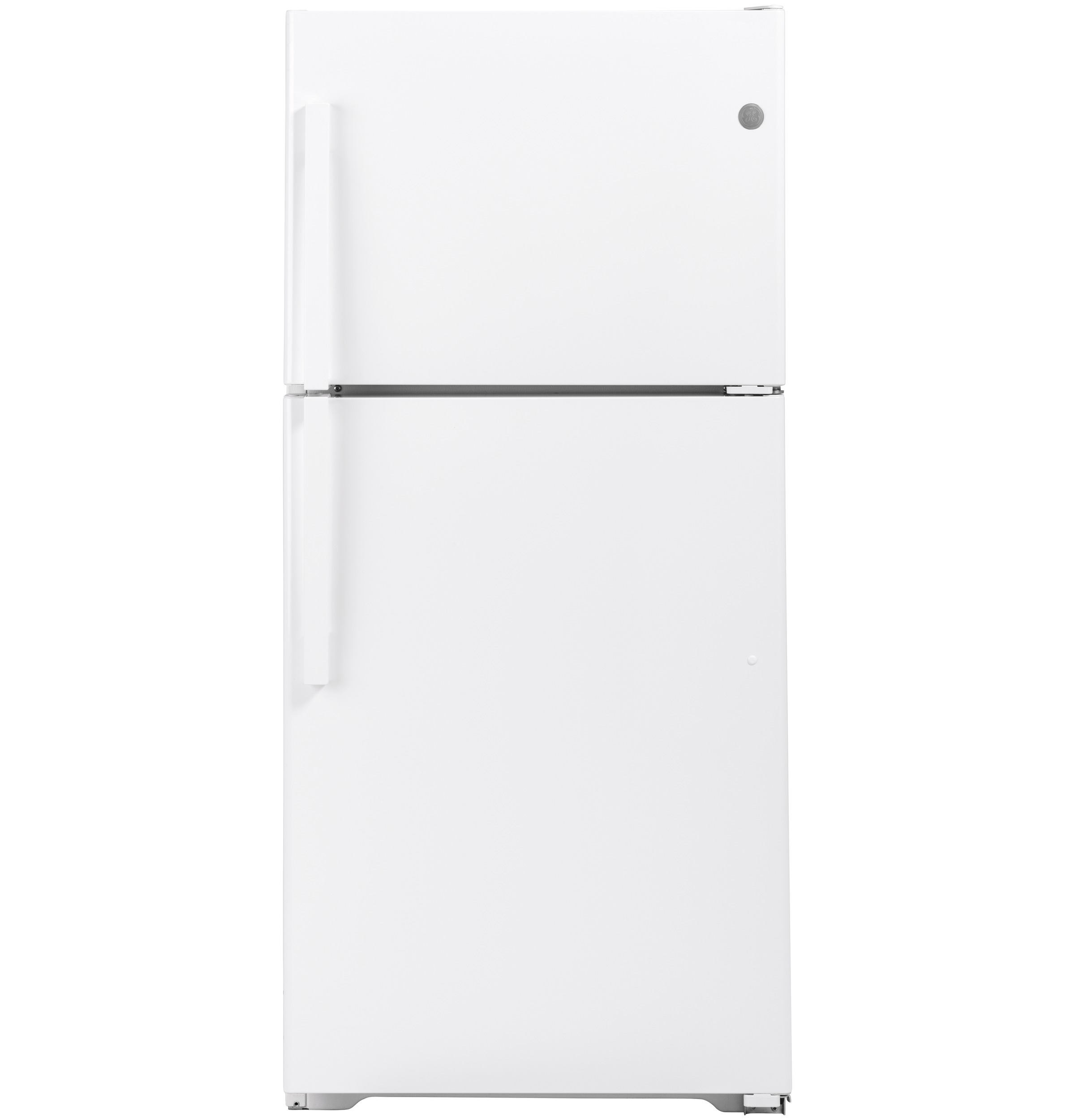
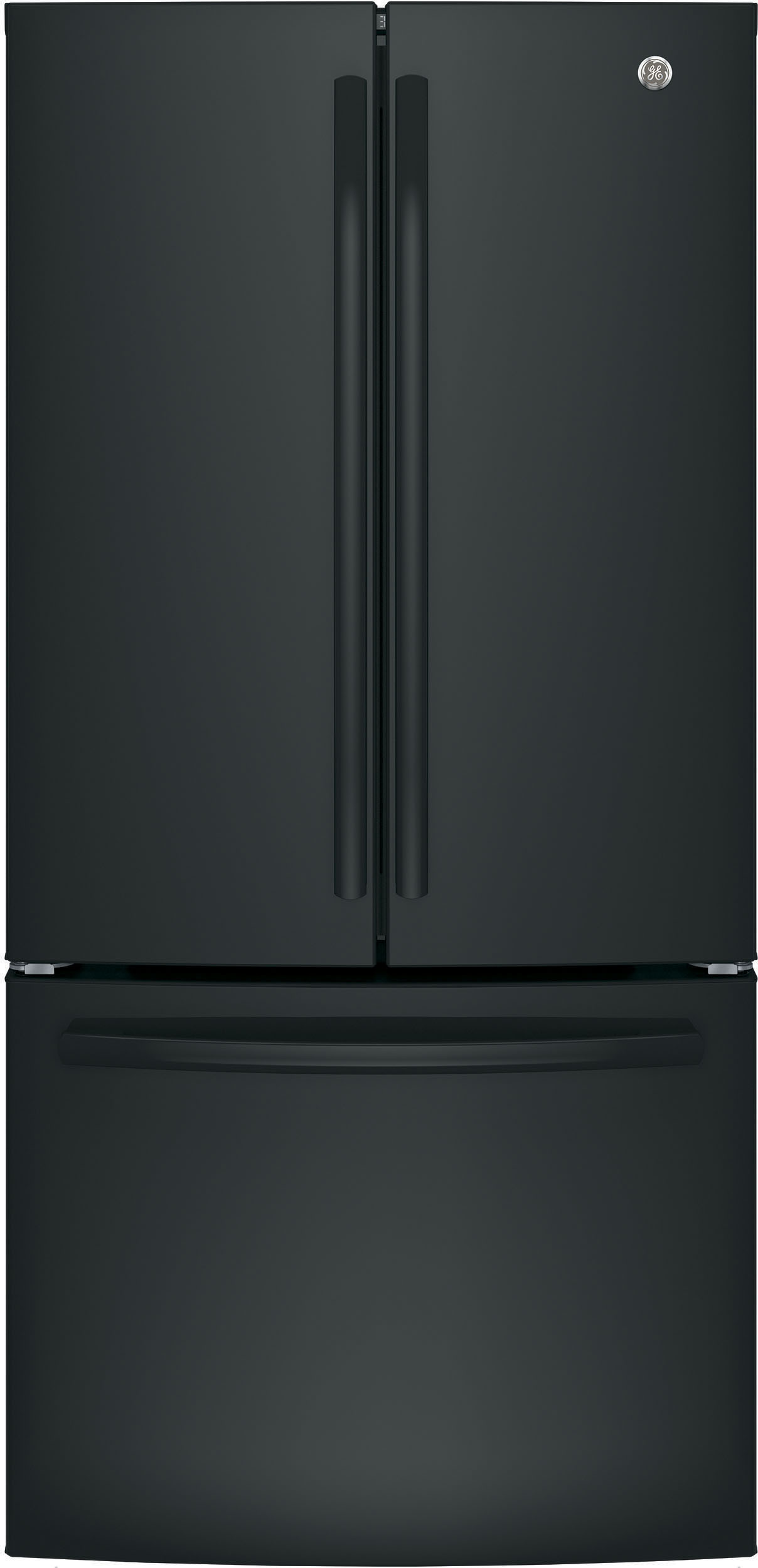
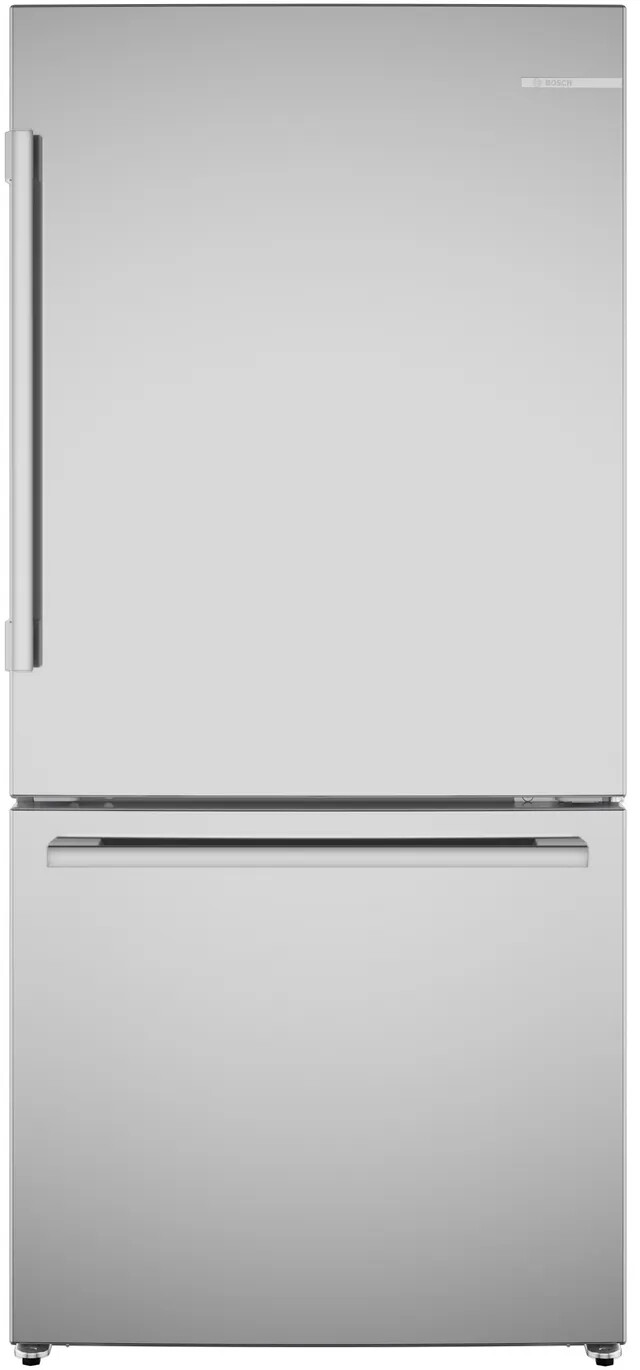
When comparing beverage refrigerators and office refrigerators, it's important to consider their capacity and storage options to determine which best suits your needs.
Office refrigerators, on the other hand, are multipurpose units meant to store a variety of items, including food and beverages, making them more versatile in function.
When comparing beverage refrigerators and office refrigerators, it's essential to understand their primary distinctions. Beverage refrigerators are designed specifically for cooling drinks, offering optimized shelving and temperature settings for cans and bottles. Office refrigerators, on the other hand, are multipurpose units meant to store a variety of items, including food and beverages, making them more versatile in function.
Purpose and Functionality of Beverage Refrigerators
Beverage refrigerators are tailored to meet the specific needs of cooling drinks. These refrigerators often feature adjustable shelves to accommodate different bottle sizes and cans, making them ideal for homeowners, entertainers, and foodies. The cooling systems in these units are designed to maintain a consistent temperature, ensuring that your drinks are always perfectly chilled.
Office refrigerators are built to handle a more diverse range of items. These units come with compartments for different types of food and drinks, making them perfect for an office environment where employees need to store lunches, snacks, and beverages. Office refrigerators often feature multiple shelves, drawers, and door bins to maximize storage and organization.
Understanding these differences can help you make an informed decision when choosing between a beverage refrigerator and an office refrigerator. Each type serves a specific purpose and offers unique features tailored to different needs. For more insights on similar comparisons, visit Fridge.com article on mini fridge freezer Vs. wine refrigerator.
Beverage refrigerators are specifically designed to store drinks. These refrigerators often feature a compact and sleek design, making them ideal for various spaces, including home bars, kitchens, and entertainment areas. The doors are usually made of glass, allowing you to see the contents without opening the door and disrupting the internal temperature.
Office Refrigerator Design
Office refrigerators are typically designed to be versatile and functional for various office settings. They often feature a more traditional refrigerator design, with solid doors and a combination of shelves and compartments to store both food and beverages. These refrigerators are usually compact to fit under desks or in small office kitchens.
Key Features of Beverage Refrigerators
Beverage refrigerators come with several key features tailored for optimal drink storage:
Adjustable Shelves: Allow you to store different sized bottles and cans.
Glass Doors: Provide visibility and enhance the aesthetic appeal.
LED Lighting: Illuminates the interior, making it easy to see the contents.
Temperature Control: Ensures drinks are kept at the perfect temperature.
Feature
Description
Adjustable Shelves
Customizable storage for various drink sizes
Glass Doors
Enhance visibility and design
LED Lighting
Brightens the interior
Temperature Control
Maintains ideal drink temperature
Key Features of Office Refrigerators
Office refrigerators are equipped with features that cater to a versatile storage needs:
Adjustable Shelves: Provide flexibility to store a variety of food items.
Crisper Drawers: Keep fruits and vegetables fresh.
Freezer Compartment: Allows for the storage of frozen items.
Temperature Settings: Enable precise control over cooling and freezing.
Feature
Description
Adjustable Shelves
Flexible storage options
Crisper Drawers
Maintain freshness of produce
Freezer Compartment
Store frozen foods
Temperature Settings
Control cooling and freezing
For more detailed comparisons on different refrigerator types, you can explore articles like beverage refrigerator Vs. silver side by side refrigerator and mini fridge freezer Vs. wine refrigerator.
Capacity and Storage
When comparing beverage refrigerators and office refrigerators, it's important to consider their capacity and storage options to determine which best suits your needs.
Beverage Refrigerator Capacity
Beverage refrigerators are designed specifically to store drinks, offering ample space for cans, bottles, and even wine. These refrigerators typically have a smaller overall capacity compared to standard office refrigerators, but they maximize the available space for beverages.
Beverage Refrigerator Type
Capacity (Cans)
Capacity (Liters)
Compact
60 - 80
50 - 70
Mid-Size
100 - 150
80 - 100
Large
200+
120+
Office Refrigerator Capacity
Office refrigerators, on the other hand, are intended to store a variety of items, including food, beverages, and snacks. They generally have a larger capacity and are divided into compartments to accommodate different types of storage needs.
Office Refrigerator Type
Capacity (Cubic Feet)
Capacity (Liters)
Compact
1.7 - 2.5
48 - 70
Mid-Size
3.0 - 4.5
85 - 127
Full-Size
5.0+
141+
Storage Options in Beverage Refrigerators
Beverage refrigerators are optimized for storing drinks. They often come with adjustable shelves and racks to fit various bottle sizes. Some models also include specialized storage for wine bottles, ensuring they are kept at the ideal angle and temperature.
Adjustable shelves
Can racks
Wine bottle holders
Door storage for small bottles
Storage Options in Office Refrigerators
Office refrigerators are more versatile, offering multiple compartments to store different types of items. They usually include a combination of shelves, crisper drawers, and door bins to accommodate a variety of food and beverage items.
Adjustable shelves
Crisper drawers for fruits and vegetables
Door bins for bottles and condiments
Freezer compartment in some models
Understanding the capacity and storage options of beverage refrigerators and office refrigerators can help you make an informed decision based on your specific needs. Whether you're looking to store a variety of beverages or need a more versatile appliance for an office setting, each type of refrigerator offers unique benefits. For more comparisons, check out Fridge.com articles on beverage refrigerator Vs. silver side by side refrigerator and drawer freezer Vs. smart fridge.
Understanding the temperature control and settings of both beverage refrigerators and office refrigerators is crucial for maintaining optimal storage conditions for different types of items. This section will delve into the specifics of each refrigerator type.
Beverage Refrigerator Temperature Control
Beverage refrigerators are designed to keep drinks at their ideal serving temperature. They typically offer a wide range of temperature settings to accommodate various beverages, from sodas to wines. The temperature control in beverage refrigerators is often digital, allowing precise adjustments.
Beverage Type
Ideal Temperature (°F)
Soft Drinks
35 - 38
Beer
35 - 45
White Wine
45 - 50
Red Wine
50 - 65
Most beverage refrigerators come with dual-zone temperature control, enabling you to store different types of beverages at their respective optimal temperatures. This feature is particularly useful if you enjoy a variety of drinks and want them ready to serve at any time.
Office Refrigerator Temperature Control
Office refrigerators, often used for storing both food and beverages, generally have a different temperature control system compared to beverage refrigerators. These refrigerators are designed to maintain a consistent temperature suitable for a wide range of items, including perishables and snacks.
Storage Item
Ideal Temperature (°F)
General Food Items
35 - 40
Dairy Products
33 - 37
Beverages
35 - 38
Frozen Items (if applicable)
0
Office refrigerators usually feature manual temperature dials or basic digital controls. The focus is on versatility rather than the specialized cooling required for beverages alone. This makes office refrigerators suitable for a mixed-use environment where various types of food and drinks need to be stored.
For more comparisons on different types of refrigerators, such as beverage refrigerator Vs. silver side by side refrigerator or drawer freezer Vs. smart fridge, check out Fridge.com related articles.
Understanding the temperature control and settings of both beverage and office refrigerators helps you choose the right appliance based on your needs, whether you're looking to store drinks at their perfect temperature or need a versatile unit for an office setting.
Beverage refrigerators are designed to be energy efficient while maintaining optimal cooling for drinks. These fridges often use advanced cooling technologies to ensure they consume minimal electricity. Energy efficiency is crucial for keeping your energy bills low and for environmentally conscious users.
Beverage Refrigerator
Annual Energy Consumption (kWh)
Small Beverage Refrigerator
150 - 200
Medium Beverage Refrigerator
200 - 250
Large Beverage Refrigerator
250 - 300
Energy Efficiency in Office Refrigerators
Office refrigerators, designed for storing a variety of items including food and beverages, also focus on energy efficiency. Given that these fridges often run continuously in office settings, their energy consumption can impact overall electricity usage. Many office refrigerators come with energy-saving modes and features.
Office Refrigerator
Annual Energy Consumption (kWh)
Compact Office Refrigerator
200 - 250
Standard Office Refrigerator
250 - 350
Large Office Refrigerator
350 - 450
Noise Levels of Beverage Refrigerators
Beverage refrigerators are engineered to operate quietly, making them suitable for home bars, living rooms, and entertainment areas. The noise level of a beverage refrigerator is an important consideration, especially if it will be placed in a common area where noise can be disruptive.
Beverage Refrigerator
Noise Level (dB)
Small Beverage Refrigerator
35 - 40
Medium Beverage Refrigerator
40 - 45
Large Beverage Refrigerator
45 - 50
Noise Levels of Office Refrigerators
Office refrigerators also prioritize low noise levels to ensure they do not disturb the work environment. These refrigerators are designed to be as quiet as possible, allowing them to blend seamlessly into an office setting without causing distractions.
Office Refrigerator
Noise Level (dB)
Compact Office Refrigerator
35 - 40
Standard Office Refrigerator
40 - 45
Large Office Refrigerator
45 - 50
When comparing the beverage refrigerator Vs. office refrigerator, it's clear that both types of refrigerators are designed to be energy efficient and operate quietly. Whether you need a fridge for your home bar or your workplace, understanding the energy consumption and noise levels can help you make an informed decision. For more comparisons, check out Fridge.com articles on mini fridge freezer Vs. wine refrigerator and double drawer refrigerator Vs. wine cooler.
Compare prices on Fridge.com
Compare current prices and specifications on Fridge.com, then buy from the retailer you choose; delivery, installation and warranty terms are the retailer’s.
It also has tons of awesome articles about kitchen stuff and home news. Enhance your home, garage, backyard, patio, and office with the coolest essentials. With every necessary type of residential refrigerator or freezer in the collection, you're covered.
Free tool
Beverage Cooler Size Calculator
Free interactive tool from Fridge.com — get a quick answer while you read.