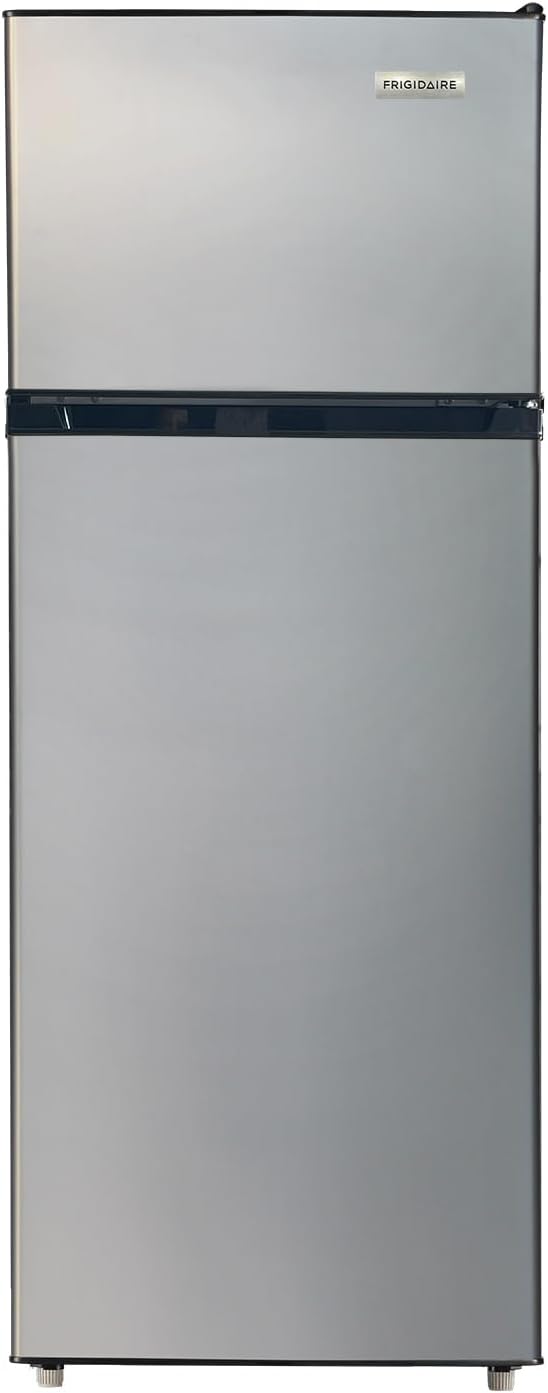
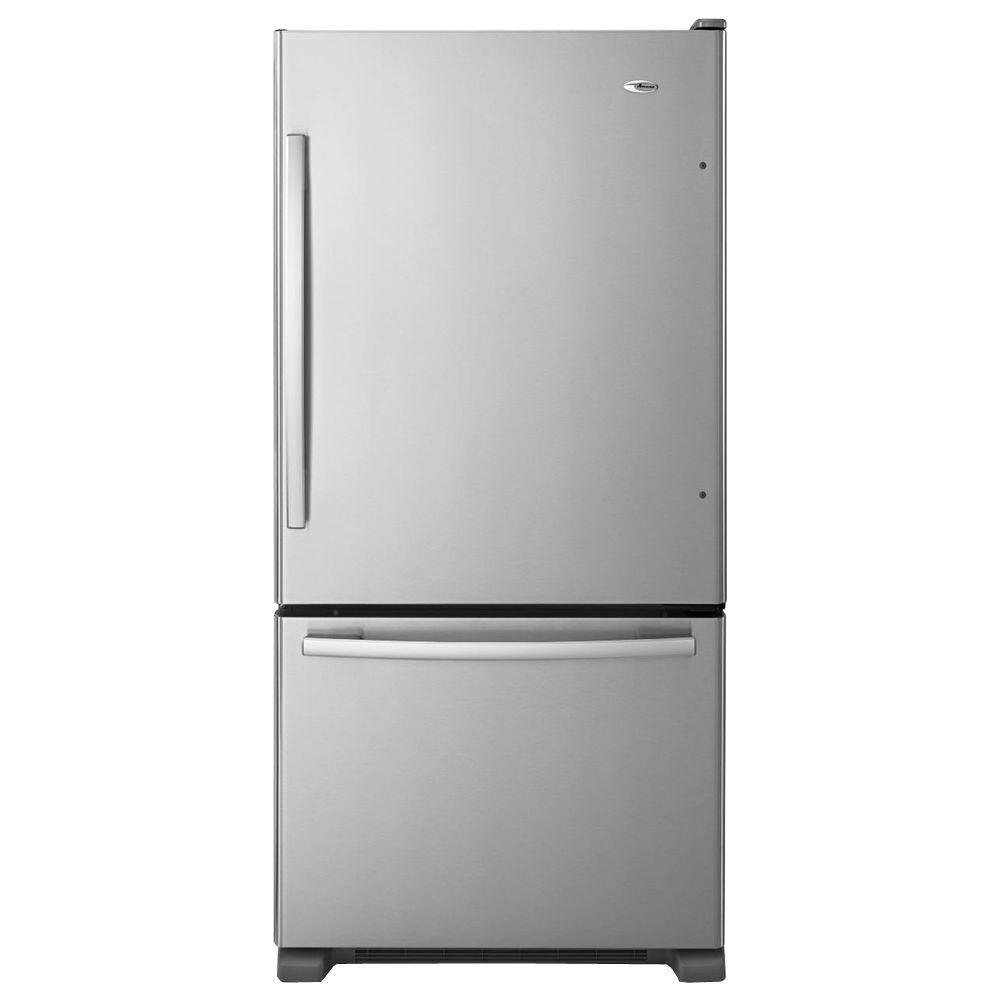
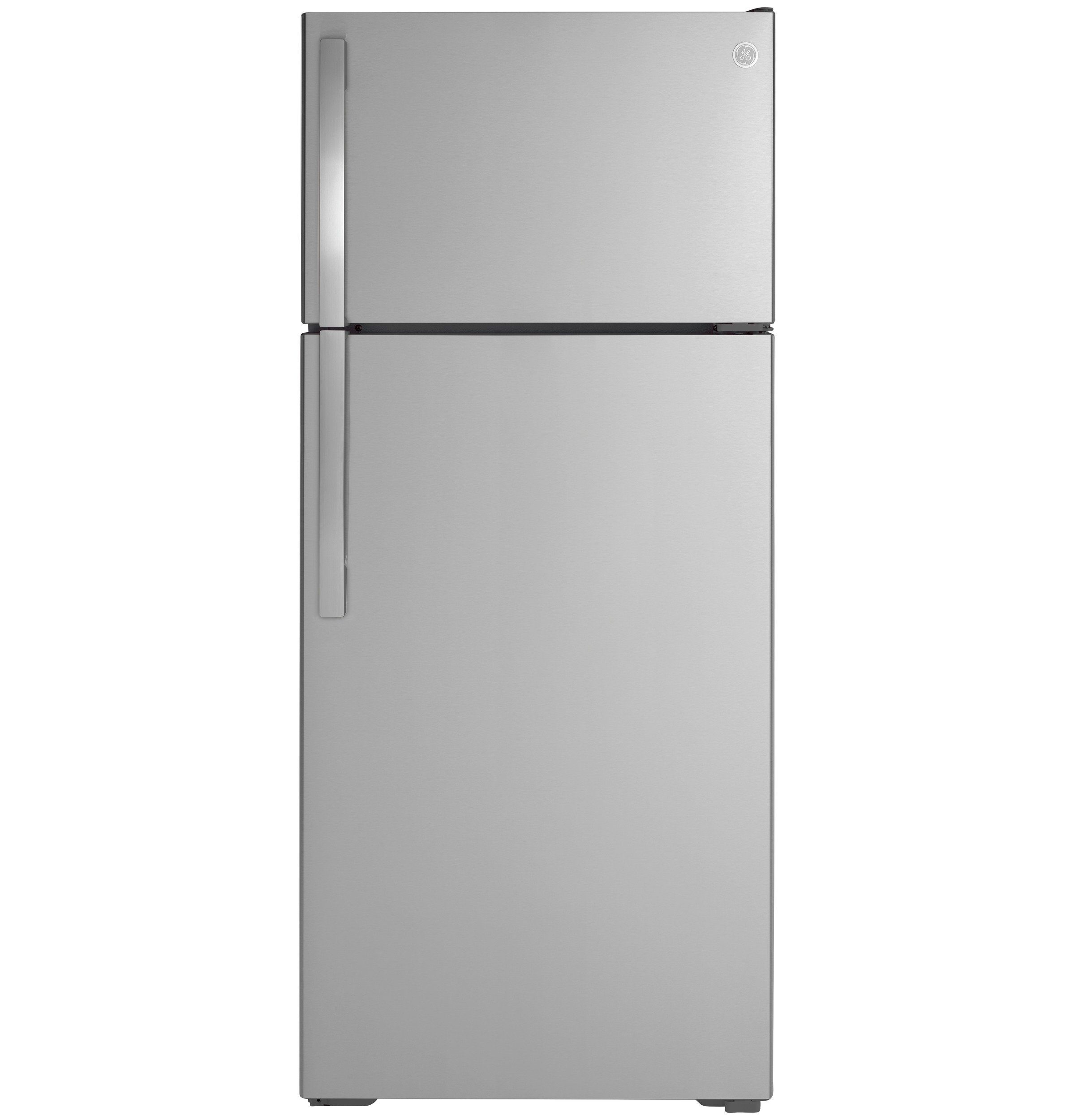
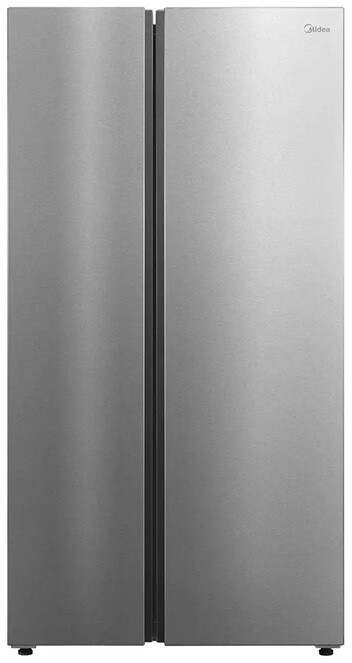
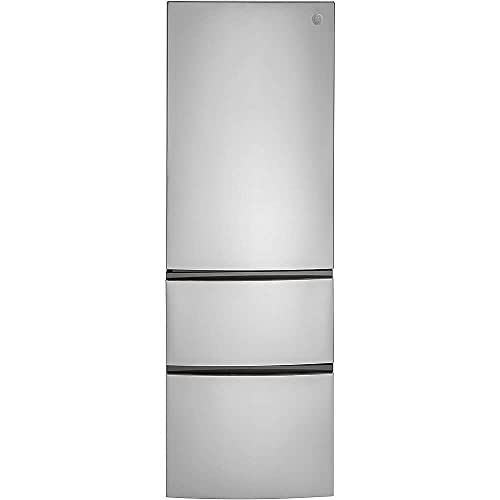
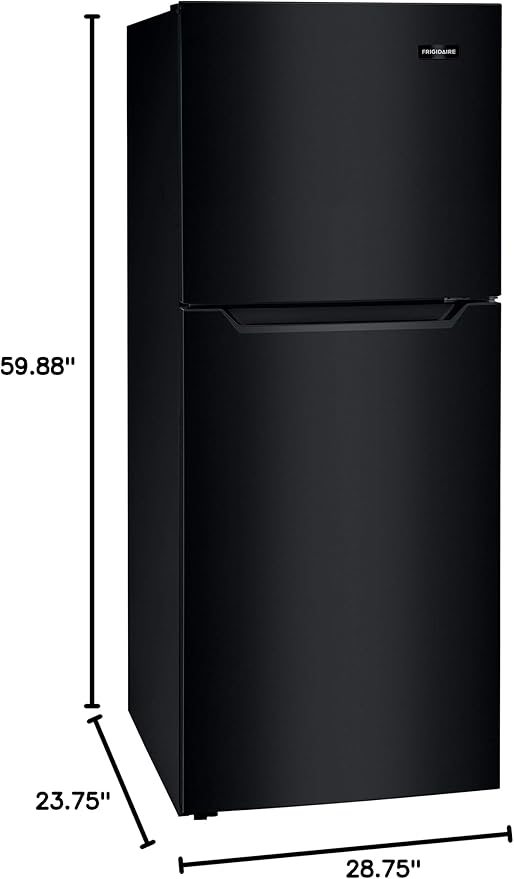
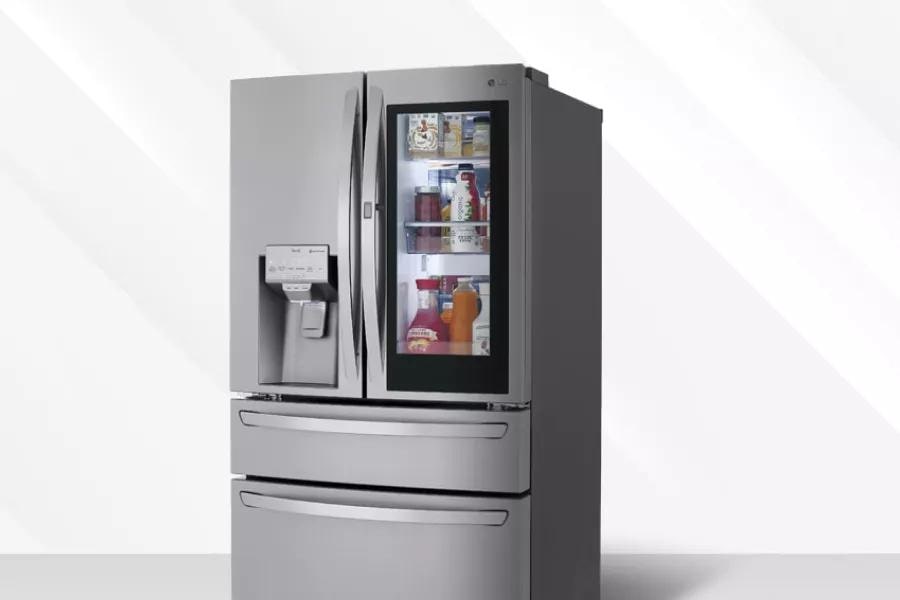
Hitting the road with an RV? You gotta have an RV fridge. It's like having your kitchen on wheels, keeping your grub and drinks fresh as a daisy. No more living off gas station snacks or overpriced diners. With an RV fridge, you can whip up your favorite meals and munchies while you're out there exploring the great unknown.
Picture this: you're cruising with your crew or flying solo, and you've got all your favorite eats right there with you. An RV fridge makes it happen, giving you easy access to your stash of goodies whenever hunger strikes.
Benefits of Compact Cooling on the Road
These nifty little coolers, like RV fridges, pack a punch for road warriors. Check out what they bring to the table:
Benefit
Description
Space-Saving
These fridges are built to fit snug in your ride, making the most of your space without skimping on storage.
Versatility
From fresh veggies to frozen dinners, these fridges handle it all, making meal prep a breeze.
Portability
Light and easy to move, you can take these fridges wherever your wanderlust takes you.
Convenience
Cold drinks and fresh food on demand, no need for pit stops every five minutes.
With all these perks, RV fridges are a no-brainer for your travel kit. They let you roam free while keeping your food game strong. Want more tips on living the RV life? Check out Fridge.com piece on how long is medium grain sushi rice good for in the fridge?.
Types of RV Refrigerators
Hitting the open road? A trusty fridge is your best buddy for keeping those snacks fresh and drinks icy. Let's break down the three main types of RV refrigerators: absorption, compressor, and thermoelectric. Each has its own perks and quirks.
Absorption Refrigerators
Absorption fridges are the quiet ninjas of the RV world. They cool using a mix of heat and refrigerant, and they’re versatile with power sources—propane, electricity, or both. Perfect for when you're off the grid and want some peace and quiet.
Feature
Details
Power Sources
Propane, 120V AC, or 12V DC
Cooling Method
Heat absorption
Noise Level
Whisper quiet
Ideal For
Off-grid adventures
Compressor Refrigerators
Think of compressor fridges as the reliable workhorses, much like the one in your kitchen. They use a compressor to keep things chill and are champs at maintaining steady temps. Ideal for those long hauls or if you're living the RV life full-time.
Feature
Details
Power Sources
120V AC or 12V DC
Cooling Method
Compressor cycle
Noise Level
Moderate hum
Ideal For
Long trips and full-time RV living
Thermoelectric Refrigerators
Thermoelectric fridges are the lightweight champs, perfect for smaller RVs or when you need a bit more cooling space. They cool fast using a thermoelectric module, but might struggle in scorching heat. Great for short jaunts or as a portable cooler.
Feature
Details
Power Sources
12V DC or 120V AC
Cooling Method
Thermoelectric effect
Noise Level
Super quiet
Ideal For
Quick trips and portable use
Picking the right RV fridge boils down to how you roll. Whether you dig the stealthy silence of absorption models, the steady cool of compressors, or the grab-and-go ease of thermoelectric ones, there's a fridge out there with your name on it. For more cool tips on keeping your RV fridge in top shape, check out Fridge.com article on refrigerator temp range.
Picking out an RV fridge isn't just about grabbing the first one you see. You gotta think about size, power, and how much juice it uses. Let's break it down.
Size and Capacity
Size matters, especially when you're trying to cram a fridge into your RV. You don't want it hogging all the space, but you do want it to hold enough grub for your trip. Here's a cheat sheet for sizes:
Refrigerator Type
Dimensions (inches)
Capacity (cubic feet)
Compact
18 x 20 x 30
3 - 5
Standard
24 x 30 x 60
6 - 10
Large
30 x 36 x 72
10 - 15
Think about how many mouths you're feeding and how much chow you need to stash. That'll help you pick the right size.
Power Source Options
Your RV fridge can run on different power sources, and knowing your options is key. Here's the lowdown:
Power Source
Description
Propane
Great for when you're off the grid, keeps things cool without needing a plug.
Electric
Plugs into a regular outlet or runs off your RV's battery.
Dual-Fuel
Switches between propane and electric, depending on what's handy.
Your choice depends on where you're headed. If you're a wilderness wanderer, propane's your pal. City slickers might prefer electric.
Energy Efficiency
Nobody wants a power hog, especially on the road. An energy-efficient fridge saves you cash and keeps your RV's power system happy. Look for these features:
Efficiency Rating
Description
Low Power Consumption
Uses less juice per hour, so your battery lasts longer.
Insulation Quality
Keeps the cold in, so the fridge doesn't have to work as hard.
Check out the refrigerator temp range to make sure it keeps your stuff cool without guzzling power. Keep these tips in mind, and you'll snag the perfect RV fridge for your adventures.
Maintenance Tips
Keeping your RV fridge in tip-top shape is key to making sure your grub stays fresh and your road trips are a blast. Here’s the lowdown on keeping your mini cooler running like a champ.
Cleaning and Defrosting
Giving your RV fridge a good scrub and defrost is a must for keeping it efficient. Here’s how to do it without breaking a sweat:
Empty the Fridge: Take out all the food and stash it in a cooler for now.
Scrub the Inside: Mix up some warm water and mild soap, then wipe down the shelves and walls. Steer clear of harsh stuff that might leave gunk behind.
Defrost: If you spot ice piling up, unplug the fridge and let it melt away. Toss some towels on the floor to catch the drips.
Clear the Drain Hole: Make sure the drain hole isn’t clogged to avoid water pooling up.
Cleaning Task
How Often?
Inside Scrub
Every 1-2 months
Defrosting
When ice is more than 1/4 inch thick
Drain Hole Check
Monthly
Temperature Regulation
Keeping the right chill is crucial for food safety. Here’s how to keep things cool:
Set the Right Chill: Aim for 32°F to 40°F in the fridge. For the freezer, shoot for 0°F.
Use a Thermometer: Pop a fridge thermometer inside to keep tabs on the temp. This way, your food stays safe.
Don’t Overstuff: Avoid cramming the fridge full, as it can mess with airflow and cause uneven cooling.
For more deets on temp settings, check out Fridge.com article on refrigerator temp range.
Troubleshooting Common Issues
If your RV fridge is acting up, here are some common hiccups and how to fix them:
Problem
What’s Up?
Fix It
Fridge not cooling
Power issue
Check connections and power source
Too much frost
Airflow blocked
Defrost and rearrange stuff for better airflow
Bad smells
Spoiled food or spills
Clean it up and use baking soda to zap odors
Noisy
Loose parts or junk
Check for loose bits and clean the fan area
If problems stick around, think about calling in a pro or checking your RV fridge manual for more troubleshooting tips.
By sticking to these maintenance tips, your RV fridge will be a trusty sidekick on your travels. For more tips on organizing your RV fridge, swing by Fridge.com section on organizing your RV refrigerator.
Organizing Your RV Refrigerator
Keeping your RV fridge tidy is key to making the most of your space and keeping your grub fresh while you're on the road. Here’s how to get the best out of your little cooling buddy.
Maximizing Space
Making the most of your RV fridge space can really change the game. Here’s how you can do it:
See-Through Containers: Go for clear bins so you can spot what you’ve got without digging around. This cuts down on food waste and makes finding stuff a breeze.
Stack 'Em Up: Use stackable containers or jars to take advantage of that vertical space. Perfect for snacks or sauces.
Magnetic Magic: Stick magnetic strips or containers inside the fridge door for small stuff like spices or sauce packets.
Label Like a Pro: Slap labels on containers with what’s inside and when it expires. This way, you’ll know what’s what and when it’s gotta go.
Storage Solution
Benefits
See-Through Containers
Spot contents easily
Stackable Items
Use vertical space smartly
Magnetic Magic
Keeps small stuff handy
Labels
Tracks freshness
Proper Food Storage
Storing your food right in the RV fridge is a must to keep it fresh and avoid spoilage. Here’s the lowdown:
Know Your Zones: Get familiar with the fridge’s temperature zones. The back’s usually the coldest, so stash meats and dairy there. The front’s better for fruits and veggies.
Don’t Overstuff: Avoid cramming your fridge. Air needs to flow for even cooling. Leave a bit of space between items.
Seal It Tight: Use airtight containers for leftovers and opened items to keep them fresh longer and stop smells from spreading.
Check Dates Regularly: Make it a habit to check expiration dates and eat stuff that’s about to go bad first. This cuts down on waste.
Food Type
Best Spot
Meats
Back of the fridge
Dairy
Middle shelf
Fruits
Crisper drawer
Vegetables
Crisper drawer
By following these tips, your RV fridge will stay efficient and ready for action. For more on keeping the right chill, check out Fridge.com article on refrigerator temp range. Safe travels!
When you're out on the road with your RV, keeping your refrigerator safe and sound is a must. Here’s the lowdown on what you need to do to keep things chill and secure while you're cruising.
Securing Items During Travel
Nobody wants a mess in their RV fridge, right? Here’s how to keep your goodies from turning into a disaster:
Non-Slip Mats: These are your best friends. Pop them on the shelves to stop your stuff from doing the cha-cha while you drive.
Organize with Containers: Group your snacks and drinks in containers. It’s like giving them a cozy little home, and it keeps them from bouncing around.
Secure Loose Items: Got bottles or jars? Strap 'em down with bungee cords or straps. No one wants a surprise salsa spill.
Check Before Driving: Before you hit the gas, give everything a once-over to make sure it’s snug and secure.
Tip
Description
Non-Slip Mats
Keeps items from sliding around
Containers
Groups similar items together
Loose Items
Strap down bottles and jars
Check Before Driving
Double-check everything is secure
Gas Safety for Absorption Refrigerators
If your RV fridge runs on gas, you gotta be extra careful. Here’s how to keep things safe and sound:
Ventilation: Make sure your fridge can breathe. Check those vents often to keep gas from building up.
Leak Detection: Get yourself a gas leak detector. If you catch a whiff of gas, shut off the fridge and air out the place pronto.
Regular Maintenance: Keep up with maintenance checks to make sure all the gas connections are tight and right.
Know Emergency Procedures: Be ready for anything. Know what to do if there’s a gas leak or fire, and keep a fire extinguisher handy.
Safety Measure
Description
Ventilation
Stops gas from building up
Leak Detection
Keeps an eye out for leaks
Regular Maintenance
Checks connections are secure
Emergency Procedures
Be prepared for leaks or fires
Stick to these safety tips, and you’ll be cruising with peace of mind, knowing your RV fridge is safe and sound. Want more handy tips?
From Fridge.com research
Figures below come from data Fridge.com builds and maintains. Each links to the record behind it.
Fridge.com Energy Index, built on U.S. EPA and DOE ENERGY STAR records
Across 5,455 ENERGY STAR certified refrigerators and freezers from 263 brands, median use is 360 kWh per year.