Garage Ready Refrigerators: What You Need to Know?
Understanding the Concept of Garage Ready Refrigerators
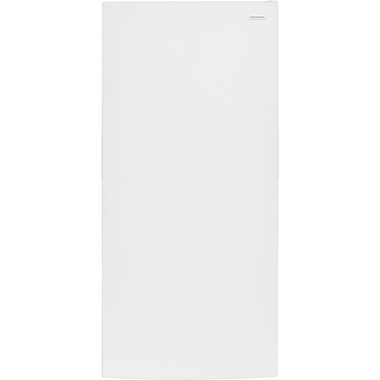
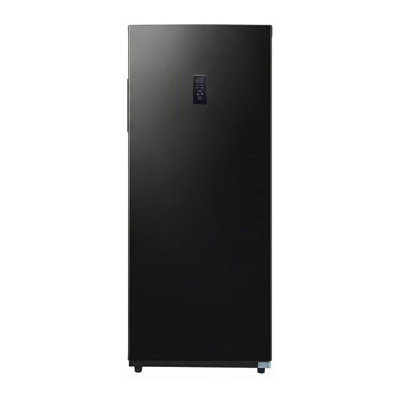
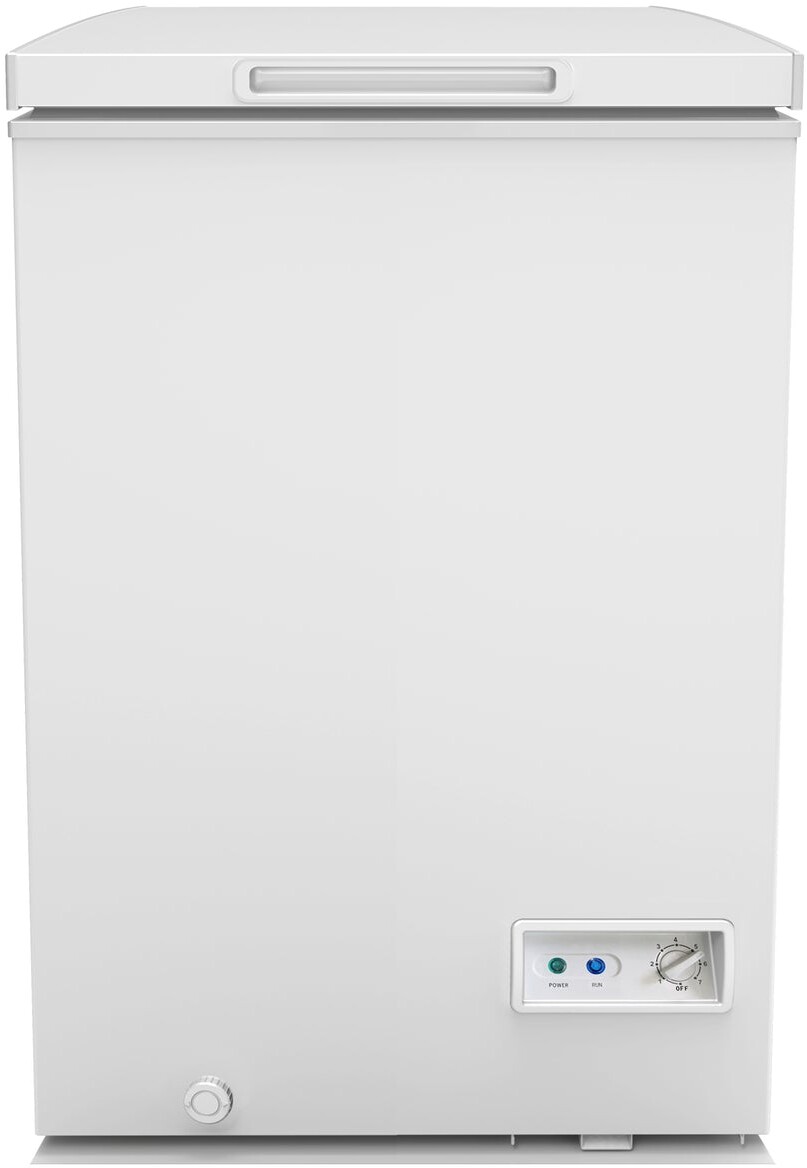
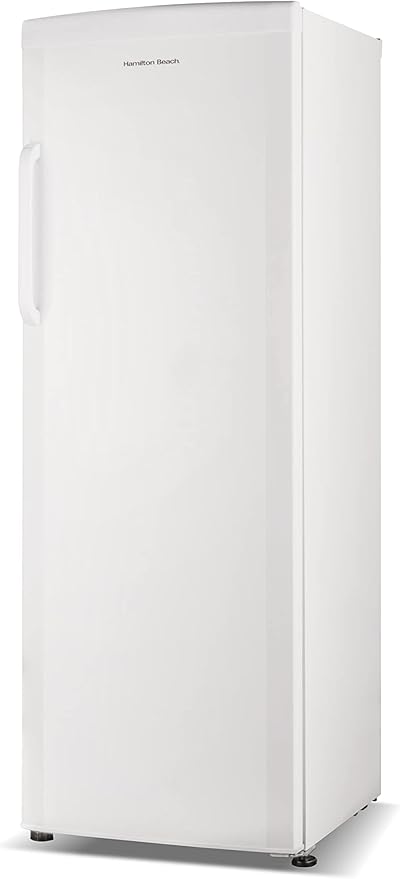
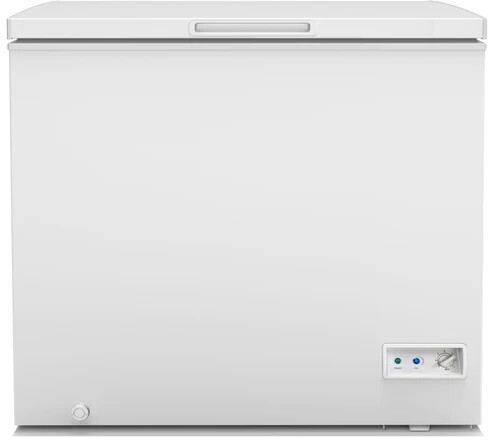
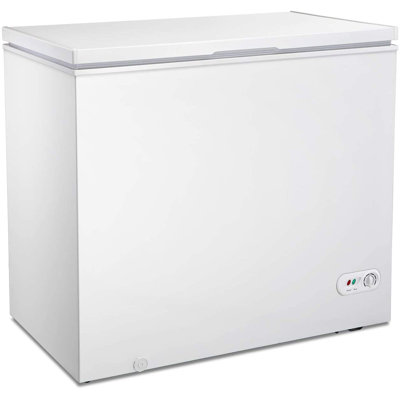
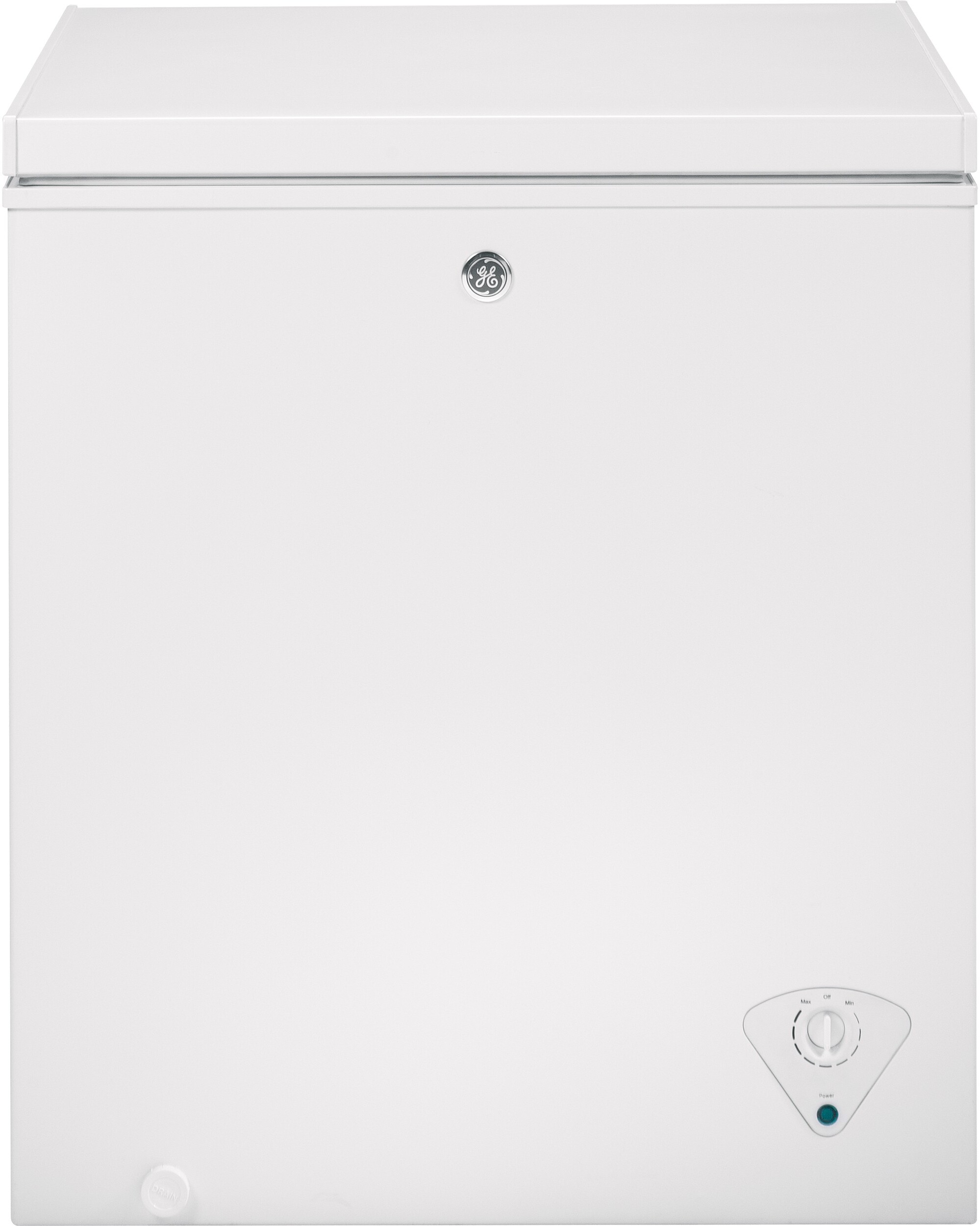
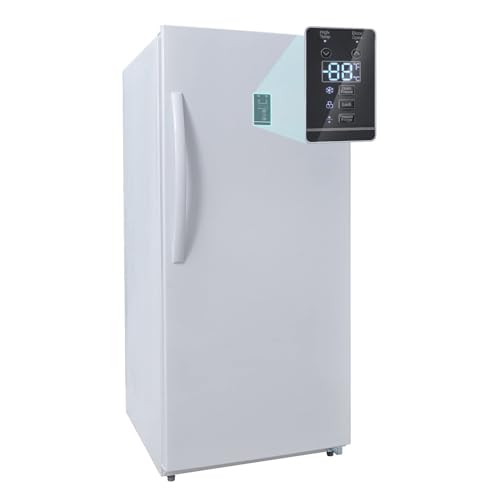
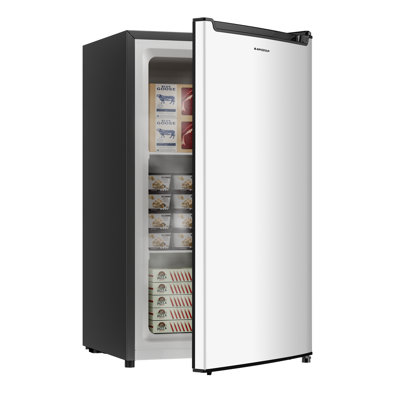
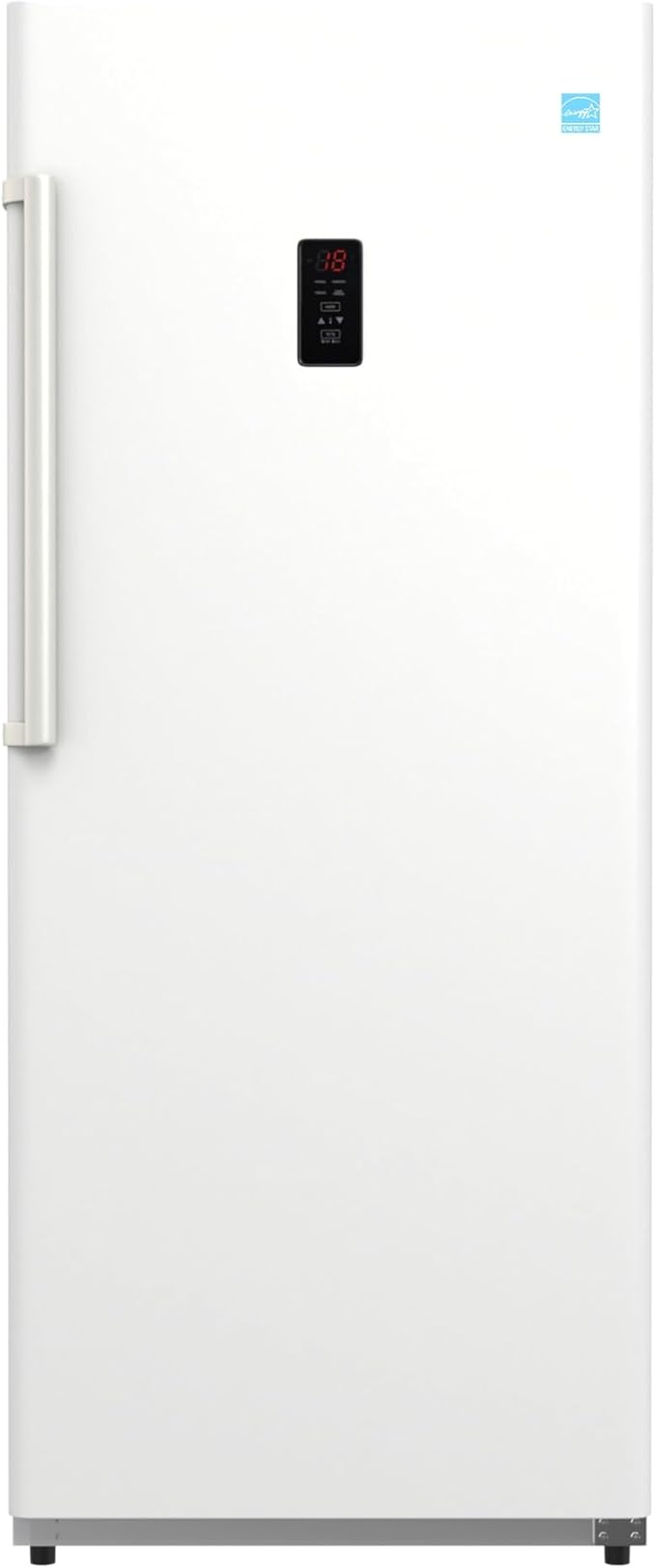
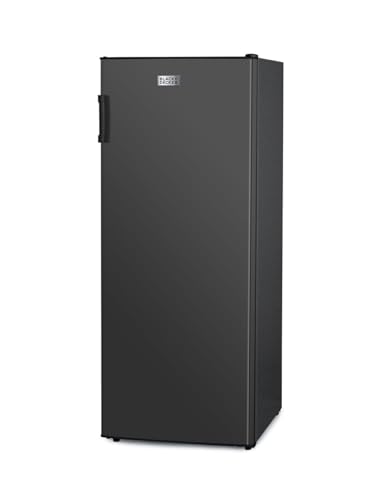
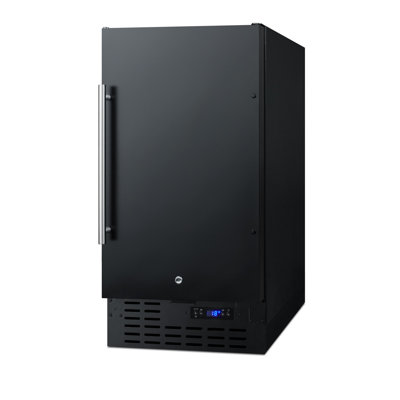
A garage ready refrigerator is specifically designed to function efficiently in the variable temperature conditions of a garage. Unlike standard refrigerators, these units can handle extreme temperatures, whether it's sweltering summer heat or frigid winter cold. They are engineered to maintain consistent performance and keep your food items properly cooled or frozen, regardless of the external environment.
These refrigerators typically come with enhanced insulation and robust compressors that allow them to operate effectively in a wider temperature range. This makes them ideal for use in spaces like garages, basements, and other non-climate-controlled areas. For more details on how these units work, you can explore Fridge.com article on garage refrigerator freezers.
Benefits of Having a Refrigerator Freezer in Your Garage
Having a refrigerator freezer in your garage offers multiple benefits, especially if you need extra storage space for perishable items. Here are some advantages:
Extra Storage Space: A garage ready refrigerator provides additional room for groceries, beverages, and frozen goods, freeing up space in your main kitchen refrigerator.
Convenient Access: It's perfect for storing bulk items, seasonal foods, or beverages, making them easily accessible when you need them.
Energy Efficiency: These units are designed to be energy-efficient, even in extreme temperatures, which can help reduce your overall energy consumption.
Versatility: From storing holiday leftovers to keeping your favorite beverages chilled, a garage refrigerator can be a versatile addition to your home.
Durability: Built to withstand harsh conditions, these refrigerators are generally more durable and long-lasting compared to standard models.
Feature
Benefit
Extra Storage Space
Frees up kitchen fridge space
Convenient Access
Easily store bulk items and beverages
Versatility
Store a variety of items
Durability
Withstands harsh conditions
By considering the benefits and unique features of a garage ready refrigerator, you can make an informed decision about whether this appliance is right for your needs. For more information on choosing the best unit, check out Fridge.com guide on refrigerators for garages.
Factors to Consider Before Installing a Refrigerator Freezer in Your Garage
When planning to install a refrigerator freezer in your garage, it's important to consider several factors to ensure optimal performance and longevity. Here are some key considerations:
Temperature Extremes
Garages often experience a wide range of temperatures, from extremely hot in the summer to freezing cold in the winter. A standard refrigerator may not function properly under these conditions. You should look for a garage ready refrigerator that is designed to handle temperature fluctuations.
Season
Temperature Range (°F)
Summer
80 - 100
Winter
20 - 40
A garage fridge freezer is built to operate efficiently in these varying temperatures. Make sure to check the manufacturer's specifications for the temperature range that your refrigerator freezer can handle.
Insulation and Energy Efficiency
Insulation and energy efficiency are crucial when choosing a refrigerator freezer for your garage. Proper insulation helps the appliance maintain a consistent temperature, reducing the strain on the compressor and saving energy. Energy-efficient models can lead to significant cost savings over time.
Look for refrigerators with high energy efficiency ratings. These ratings are often indicated by the Energy Star label, which signifies that the appliance meets strict energy efficiency guidelines. For more information on energy-efficient options, visit Fridge.com article on garage rated refrigerators.
Space Considerations
Before purchasing a refrigerator freezer for your garage, measure the available space to ensure a proper fit. Consider the dimensions of the appliance and the space needed for ventilation. Adequate ventilation is crucial to prevent the refrigerator from overheating and to ensure efficient operation.
Dimension
Measurement (Inches)
Width
28 - 36
Depth
30 - 34
Height
60 - 70
Additionally, think about the layout of your garage and how the refrigerator will fit into the space. Ensure that there is enough clearance for the doors to open fully and for you to move around comfortably. For more tips on making the most of your garage space, check out Fridge.com guide on refrigerator garage ready.
By considering temperature extremes, insulation and energy efficiency, and space requirements, you can choose the right refrigerator freezer for your garage that will meet your needs and perform reliably. Explore more about refrigerators for garages to make an informed decision.
Installation and Maintenance Tips for Garage Refrigerator Freezers
Proper installation and maintenance of a refrigerator freezer in your garage are crucial for optimal performance and longevity. Here are some tips to help you get the most out of your garage-ready appliance.
Proper Placement and Ventilation
Placing your refrigerator freezer in the right location and ensuring proper ventilation are key for efficient operation and energy savings. Consider the following guidelines:
Location: Choose a spot away from direct sunlight and heat sources such as water heaters or furnaces. This helps maintain a consistent temperature around the appliance.
Ventilation: Ensure there is adequate space around the unit for air circulation. Most manufacturers recommend at least 2 inches of clearance on the sides and back.
Level Surface: Place the refrigerator on a level surface to ensure proper door sealing and to prevent vibrations.
Placement Factor
Recommendation
Distance from heat sources
At least 3 feet
Clearance around unit
At least 2 inches
Surface
Level
Regular Cleaning and Maintenance
Regular cleaning and maintenance can extend the life of your garage refrigerator freezer and improve its efficiency. Here are some tips:
Cleaning Coils: Dust and vacuum the condenser coils at least twice a year to improve efficiency.
Defrosting: If your unit isn't frost-free, defrost it regularly to prevent ice build-up.
Door Seals: Check the door seals for any cracks or gaps. Clean them regularly to ensure a tight seal.
Interior Cleaning: Wipe down the interior shelves and compartments with a mild detergent to keep it clean and odor-free.
For detailed cleaning tips, refer to Fridge.com guide on garage refrigerator maintenance.
Managing Temperature Fluctuations
Temperature fluctuations in your garage can affect the performance of your refrigerator freezer. Here are some strategies to manage these variations:
Insulation: Ensure your garage is well-insulated to minimize extreme temperature changes.
Temperature Monitoring: Use a thermometer to monitor the temperature inside the refrigerator and adjust settings as needed.
Seasonal Adjustments: In colder months, you may need to adjust the thermostat settings to prevent the freezer from becoming too cold.
Temperature Management Tips
Action
Insulate garage
Install insulation in walls and doors
Monitor temperature
Use a thermometer inside the unit
Adjust settings
Change thermostat settings seasonally
By following these installation and maintenance tips, you can ensure that your garage refrigerator freezer operates efficiently and lasts for years to come. For more information on selecting the right unit, check out Fridge.com article on choosing a refrigerator for your garage.
Choosing the Right Size and Type of Refrigerator Freezer for Your Garage
Choosing the right refrigerator freezer for your garage involves considering both the size and type that will meet your needs. Here’s a guide to help you make an informed decision.
Sizing Options
When selecting a refrigerator freezer for your garage, size is a crucial factor. The available space in your garage will dictate the size of the unit you should choose. Here’s a breakdown of common sizing options:
Size Category
Typical Capacity (Cubic Feet)
Ideal For
Small
10-18 cu. ft.
Small families, couples, or individuals
Medium
18-25 cu. ft.
Average-sized families
Large
25+ cu. ft.
Large families or those who entertain frequently
Consider measuring the available space in your garage, including height, width, and depth, to ensure the refrigerator freezer fits comfortably. Also, allow for adequate ventilation around the unit for optimal performance.
Top Freezer Vs. Bottom Freezer Vs. Side-by-Side
Different configurations offer unique benefits, and choosing the right one depends on your preferences and needs.
Top Freezer
Top freezer refrigerator freezers are a classic choice and typically offer a larger freezer space compared to other configurations. They are often more energy-efficient and budget-friendly.
Pros
Cons
Generally more affordable
Less convenient for accessing fresh food
Larger freezer space
Bending required to access the refrigerator section
Bottom Freezer
Bottom freezer units place the freezer compartment below the refrigerator section. This design is convenient for those who use the refrigerator compartment more frequently.
Pros
Cons
Easier access to fresh food
Typically more expensive
Ergonomic design
Slightly less energy-efficient
Better organization
Smaller freezer space
Side-by-Side
Side-by-side refrigerator freezers have the refrigerator and freezer compartments placed next to each other. This design offers equal access to both sections and is suitable for narrow spaces.
Pros
Cons
Convenient access to both compartments
Narrow shelves may not fit larger items
Suitable for narrow spaces
Can be less energy-efficient
Numerous features and options
Often more expensive
When choosing the best garage refrigerator freezer for your needs, consider how you use your fridge and freezer storage. For more detailed information on garage-ready refrigerators and their benefits, visit Fridge.com articles on garage ready refrigerators and garage refrigerator freezer.
Additional Features to Look for in a Garage Ready Refrigerator Freezer
When selecting a refrigerator freezer for your garage, several additional features can enhance convenience, efficiency, and overall performance. Here are some key features to consider:
Frost-Free Technology
Frost-free technology is a crucial feature for a garage-ready refrigerator freezer. This technology prevents the buildup of frost inside the freezer compartment, eliminating the need for manual defrosting. It works by periodically warming the coils to melt any frost accumulation, which then drains away.
Feature
Benefit
Frost-Free Technology
No manual defrosting, consistent temperature
Adjustable Shelves and Storage Options
Flexible storage options are essential for maximizing the space inside your refrigerator freezer. Look for units with adjustable shelves, door bins, and compartments. These features allow you to customize the interior layout to accommodate various food items, from tall bottles to large platters.
Adjustable Shelves: Enable you to change the height of shelves to fit different items.
Door Bins: Provide extra space for smaller items like condiments and drinks.
Drawers and Compartments: Offer organized storage for fruits, vegetables, and meats.
Energy Efficiency Ratings
Energy efficiency is an important consideration, especially for a garage refrigerator freezer that may be exposed to extreme temperatures. Look for models with high energy efficiency ratings to ensure lower electricity consumption and cost savings.
Energy Rating
Description
High SEER Rating
Indicates better cooling efficiency
To learn more about choosing the right refrigerator freezer for your garage, visit Fridge.com articles on garage ready refrigerators and refrigerators for garages.
By considering these additional features, you can select a refrigerator freezer that meets your needs and performs well in a garage environment. For more information on maintaining and installing your unit, check out Fridge.com guide on garage refrigerator freezer.
Safety Considerations When Using a Refrigerator Freezer in Your Garage
Ensuring the safety of your refrigerator freezer in the garage involves several factors. These include electrical safety, proper food storage, and child safety measures.
Electrical Safety Precautions
When installing a refrigerator freezer for garage, it's crucial to follow electrical safety guidelines to prevent any hazards.
Ensure Proper Wiring: Confirm that the electrical circuit in your garage can handle the load of the fridge. Use a dedicated circuit if possible.
Grounding: Always use a grounded outlet to reduce the risk of electrical shock.
Extension Cords: Avoid using extension cords as they can overheat and cause fires. If absolutely necessary, use a heavy-duty cord rated for the appliance.
Inspect Cords: Regularly check the power cord for any signs of wear or damage.
Food Safety Guidelines
Storing food in a garage refrigerator requires awareness of temperature control to maintain food safety.
Temperature Monitoring: Use a thermometer to ensure the fridge and freezer maintain the appropriate temperatures. The refrigerator should be at or below 40°F (4°C), and the freezer should be at 0°F (-18°C).
Consistent Temperature: Be cautious of temperature fluctuations due to the garage environment. Consider a garage ready refrigerator designed to handle extreme temperatures.
Appliance
Ideal Temperature
Refrigerator
≤ 40°F (4°C)
Freezer
0°F (-18°C)
Food Storage: Store perishable items in airtight containers and place them in the coldest sections of the refrigerator. Regularly check expiration dates and quality of stored food.
Lockable Doors: Consider models with lockable doors to prevent children from accessing the refrigerator without supervision.
Secure Placement: Place the refrigerator in a location where it is not easily accessible to young children. Ensure it is stable and cannot be tipped over.
Education: Teach children about the dangers of playing with the refrigerator and ensure they understand the importance of not climbing or hanging on the doors.
By following these safety considerations, you can enjoy the benefits of a garage ready refrigerator freezer while keeping your family safe and your food properly stored. For more detailed information on installation and maintenance, visit Fridge.com section on installation and maintenance tips.
Compare refrigerator prices on Fridge.com
Compare current prices and specifications on Fridge.com, then buy from the retailer you choose; delivery, installation and warranty terms are the retailer’s.
It also has tons of awesome articles about kitchen stuff and home news. Enhance your home, garage, backyard, patio, and office with the coolest essentials. With every necessary type of residential refrigerator or freezer in the collection, you're covered.
From Fridge.com research
Figures below come from data Fridge.com builds and maintains. Each links to the record behind it.
Fridge.com Energy Index, built on U.S. EPA and DOE ENERGY STAR records
Across 5,455 ENERGY STAR certified refrigerators and freezers from 263 brands, median use is 360 kWh per year.