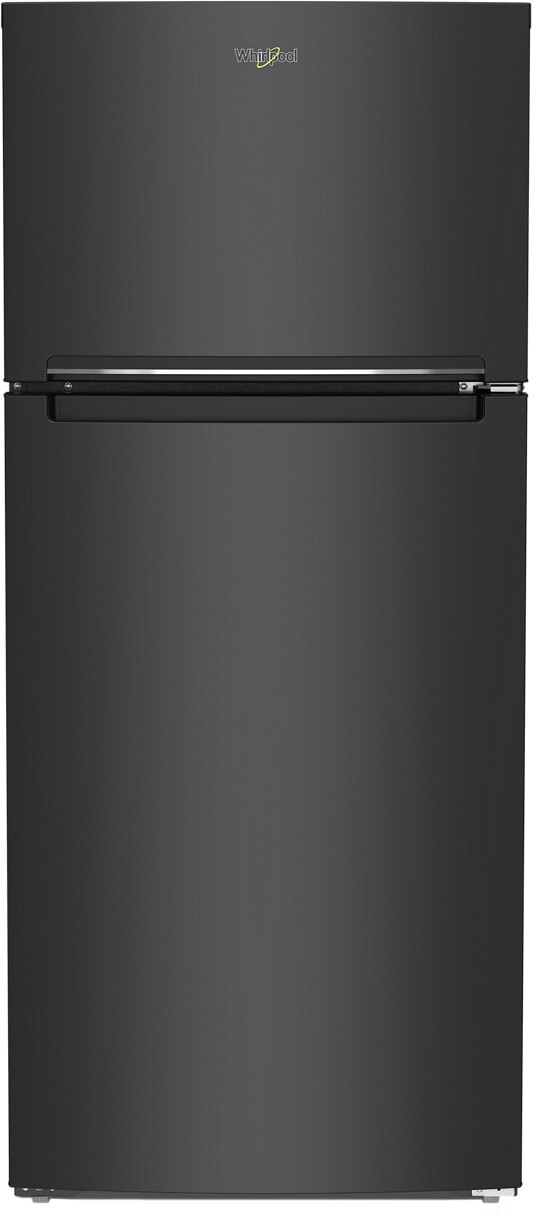
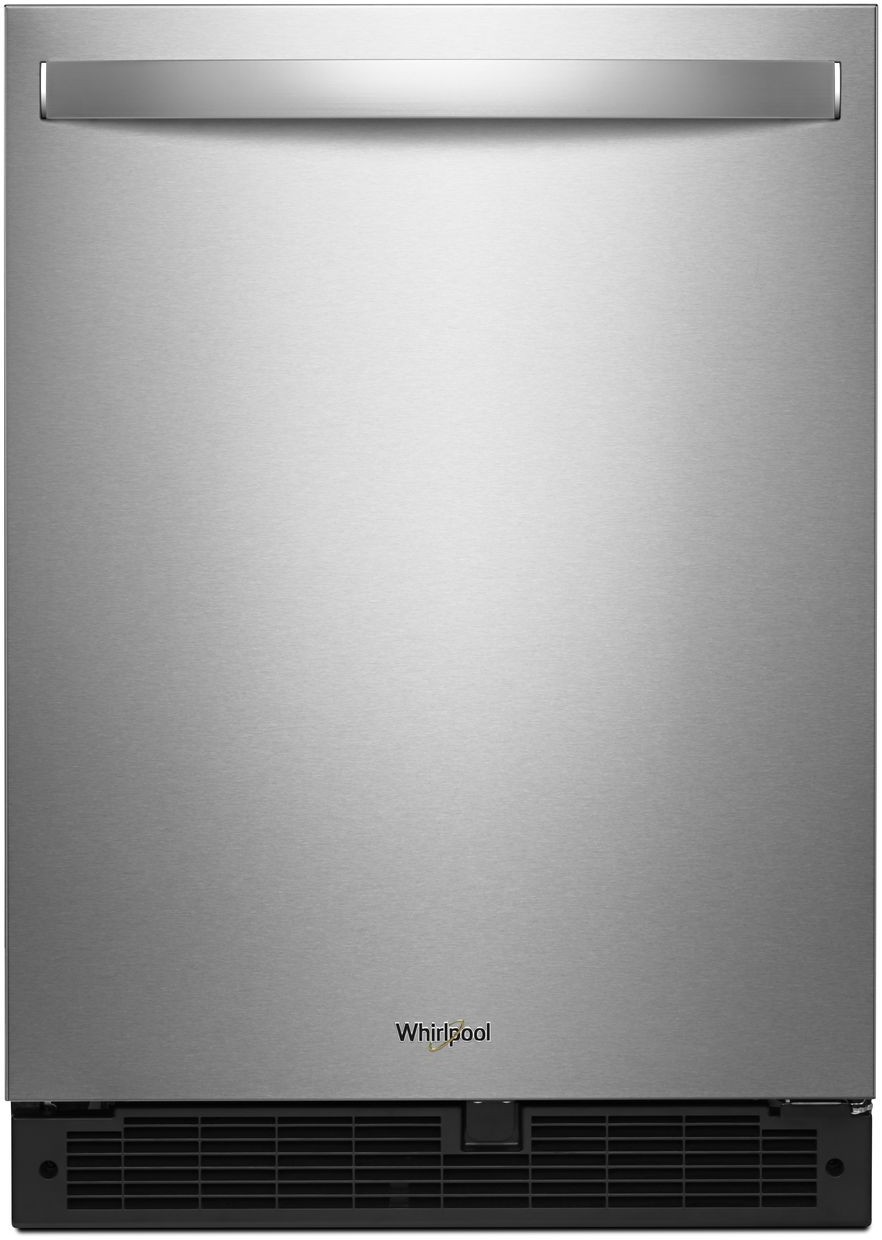
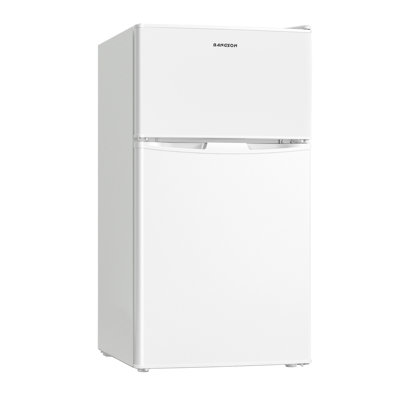
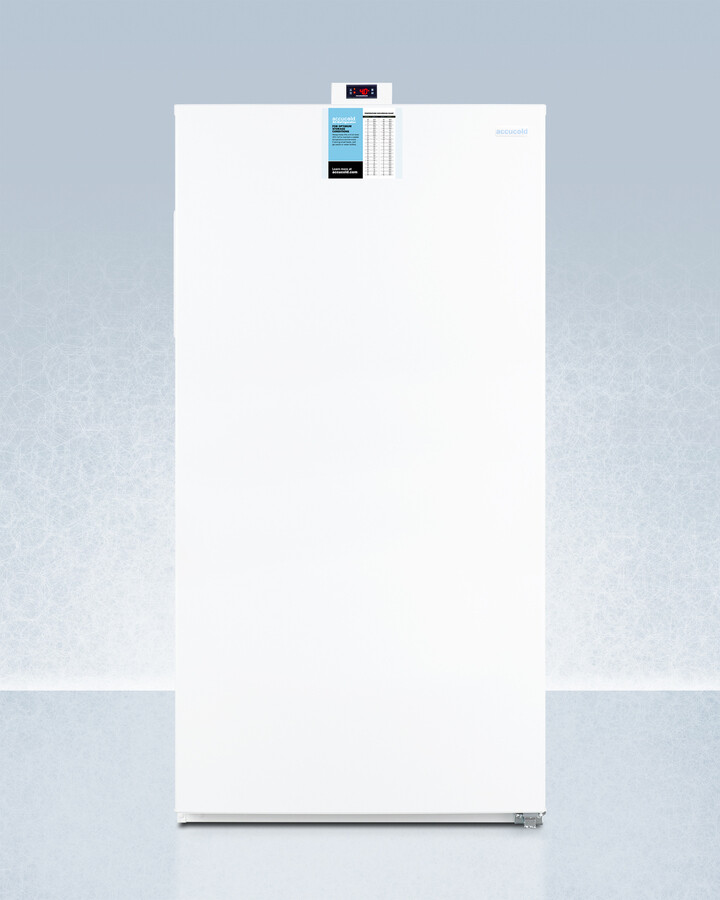
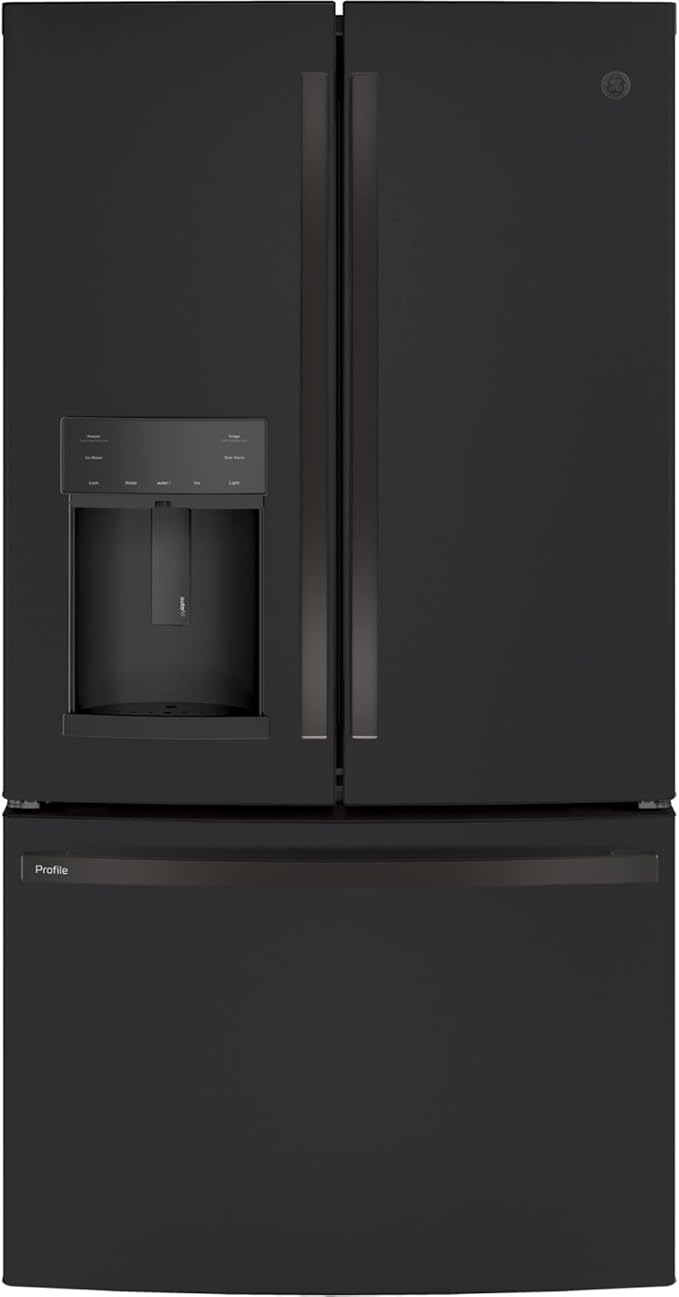
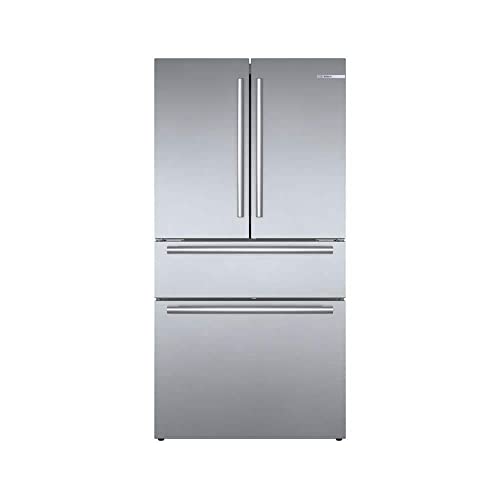
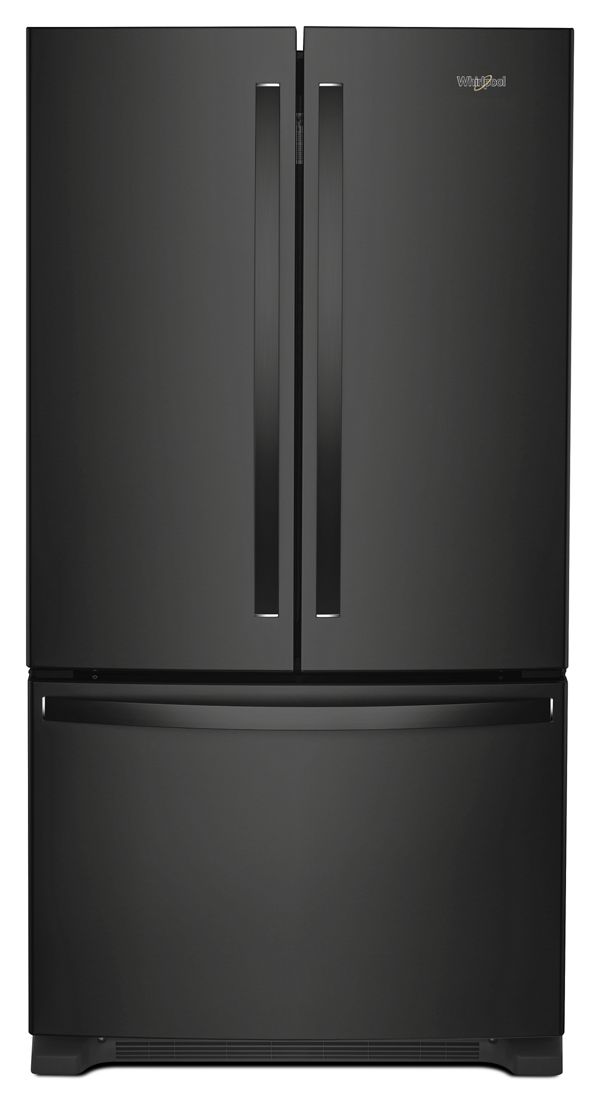
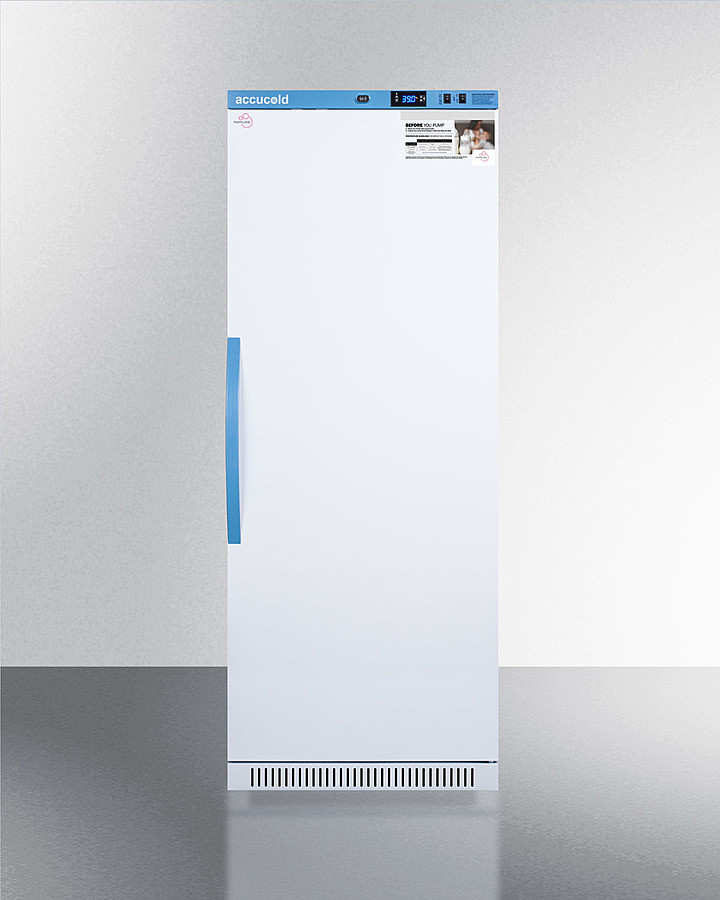
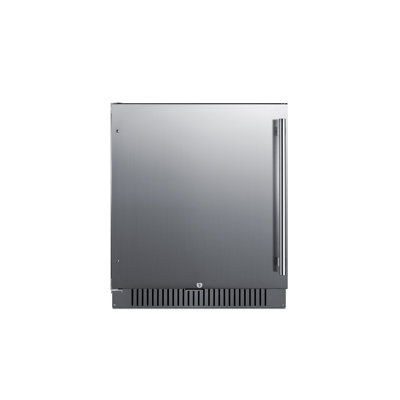
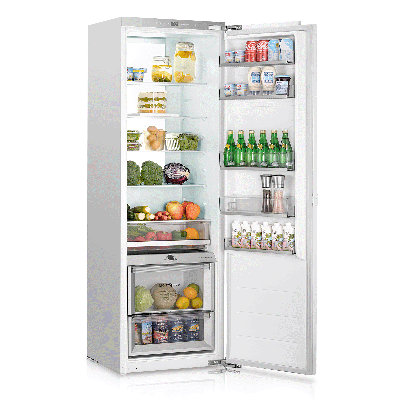
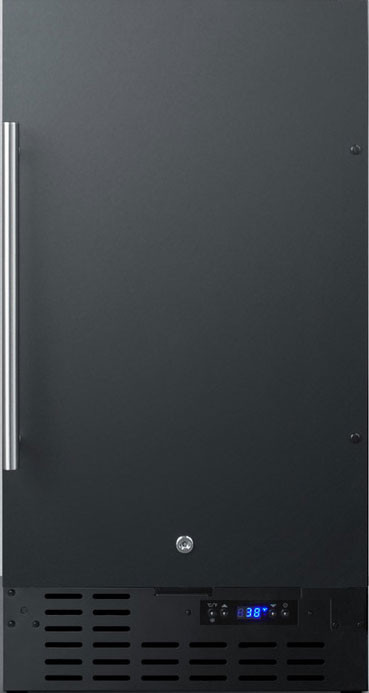
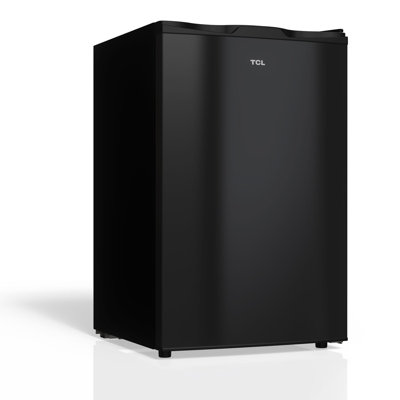
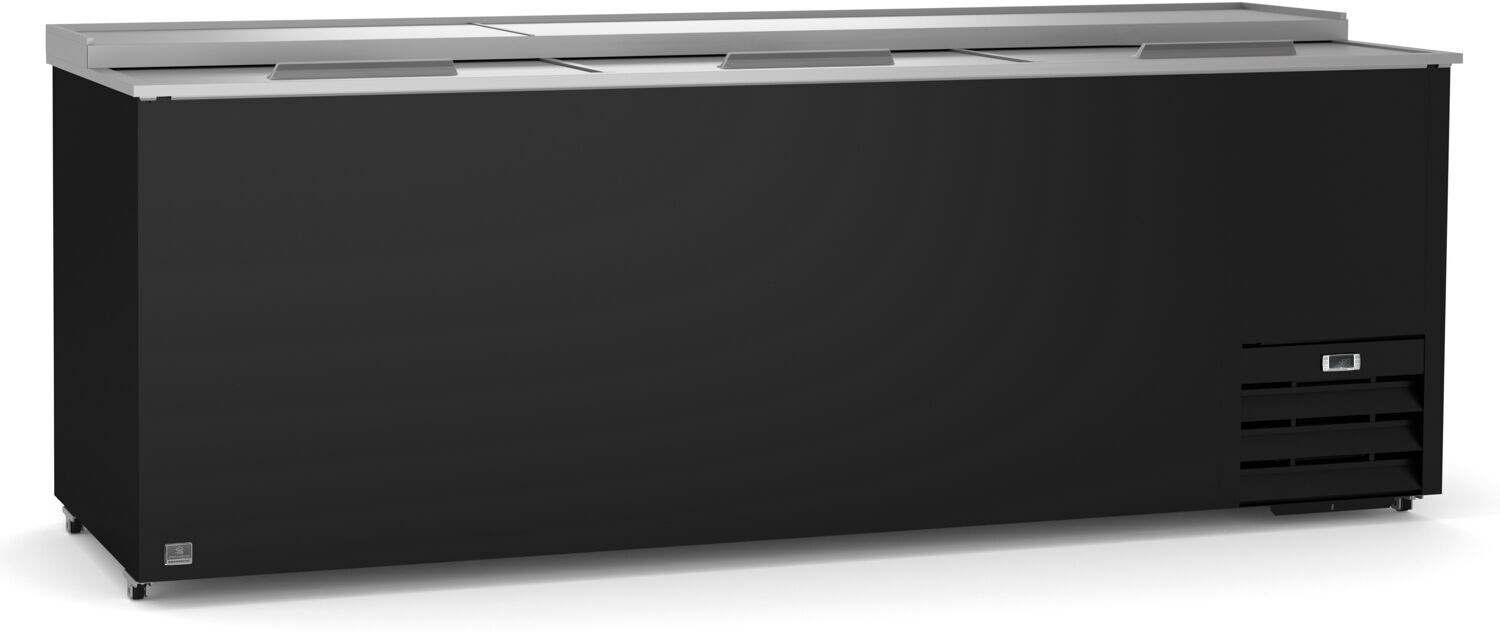
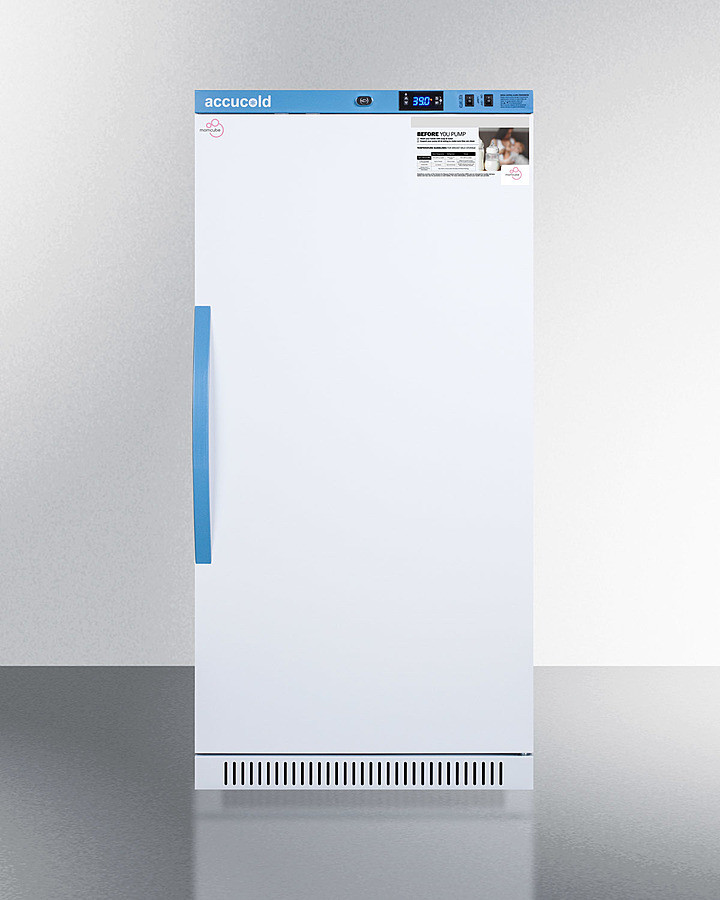
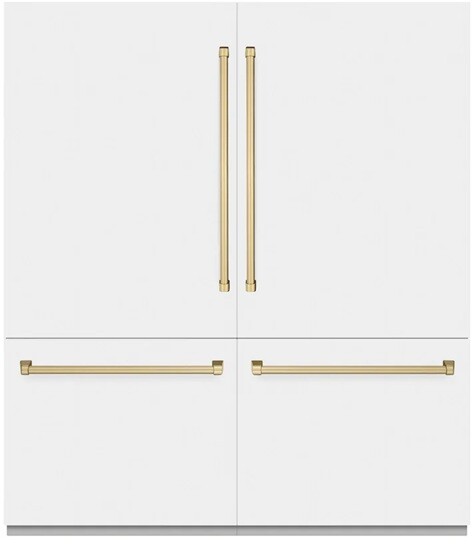
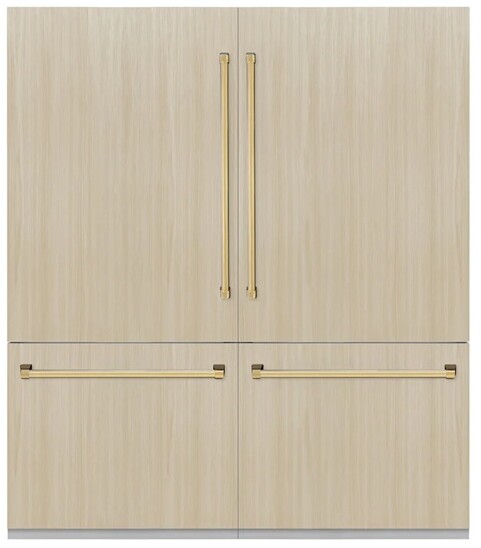
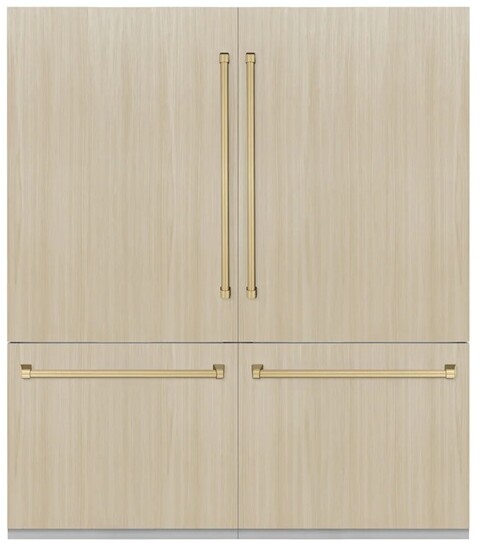
Garage Rated Refrigerators
Garage Ready Refrigerators: A Comprehensive Guide
Introduction to Garage Rated Refrigerators
Garage rated refrigerators are designed to operate efficiently in the fluctuating temperatures of a garage environment. Unlike standard indoor refrigerators, these units can handle extreme cold and heat, ensuring that your food, beverages, and other perishables remain at the desired temperature. Understanding the specific needs of a garage setting, these refrigerators come equipped with specialized features that make them ideal for this unique space.
Benefits of Using a Refrigerator in Your Garage
Using a refrigerator in your garage comes with several advantages, especially if you have a bustling household or enjoy entertaining guests. Here are some key benefits:
- Extra Storage Space: A garage fridge provides additional storage for bulk purchases, seasonal items, and beverages, freeing up space in your main refrigerator.
- Convenience: Keeping a garage refrigerator allows you to store drinks and snacks in an easily accessible location, perfect for outdoor gatherings or quick access while working in the garage.
- Temperature Resilience: Designed to handle varying temperature ranges, garage refrigerators maintain optimal performance whether the garage is extremely cold in winter or hot in summer.
- Energy Efficiency: Many garage ready refrigerators are built with energy-efficient features, helping to keep utility costs low.
- Versatility: A garage refrigerator freezer combo can store both frozen and refrigerated items, offering versatility based on your needs.
Here is a table summarizing the benefits of using a garage refrigerator:
| Benefit | Description |
|---|---|
| Extra Storage Space | Provides additional room for bulk items and beverages |
| Convenience | Easy access to drinks and snacks |
| Temperature Resilience | Operates efficiently in fluctuating temperatures |
| Energy Efficiency | Built with features to reduce energy consumption |
| Versatility | Offers both refrigeration and freezing options |
Whether you need a small garage refrigerator or a full-sized garage ready fridge freezer, these units are designed to meet the demands of your garage space. For more tips on selecting the right unit, visit Fridge.com's guide on refrigerator for garage.
Understanding Garage Rated Refrigerators
What Makes a Refrigerator Garage Ready?
A refrigerator is considered garage ready when it is specifically designed to operate efficiently in the fluctuating temperatures often found in a garage. Unlike standard refrigerators, garage rated refrigerators are built to handle both extreme heat and cold, ensuring that your food stays fresh no matter the season.
Key factors that make a refrigerator garage ready include:
- Temperature Range: These refrigerators are designed to function properly in a wider range of temperatures, typically from 0°F to 110°F.
- Enhanced Insulation: Improved insulation helps to maintain a consistent internal temperature, reducing the strain on the compressor.
- Robust Compressors: Heavy-duty compressors that can handle frequent cycling on and off, which is common in varying garage climates.
- Thermostat Adjustments: Some models come with dual thermostats, allowing for better temperature regulation in both freezer and refrigerator compartments.
Key Features to Look for in Garage Rated Refrigerators
When selecting a garage ready refrigerator, there are several essential features to consider to ensure optimal performance and longevity.
Temperature Range and Climate Compatibility
Ensure the refrigerator can operate efficiently within the temperature extremes of your garage.
Look for models that specify their operational temperature range.
Energy Efficiency and Insulation
Energy-efficient models will save on electricity costs and are better for the environment.
Check for enhanced insulation that helps maintain internal temperatures.
Size and Capacity Considerations
Choose a size that fits your storage needs and the available space in your garage.
Consider the capacity for both the refrigerator and freezer compartments.
Temperature Control and Monitoring
Look for refrigerators with accurate and easy-to-use temperature controls.
Some models offer digital displays for convenient monitoring.
Additional Features and Technology
Some garage ready refrigerators come with additional features like frost-free technology, adjustable shelving, and door alarms.
Advanced models may include Wi-Fi connectivity for remote monitoring.
Example of Key Features in Garage Rated Refrigerators
| Feature | Description |
|---|---|
| Temperature Range | Operates efficiently from 0°F to 110°F |
| Enhanced Insulation | Improved insulation to maintain consistent internal temperature |
| Robust Compressors | Heavy-duty compressors for frequent cycling |
| Energy Efficiency | Models with Energy Star ratings for lower electricity consumption |
| Temperature Control | Digital or manual control for accurate temperature settings |
| Additional Features | Frost-free technology, adjustable shelving, door alarms, Wi-Fi connectivity |
For more information on selecting the best refrigerator for your garage, visit Fridge.com's comprehensive guide on garage rated refrigerators. Understanding these key features will help you make an informed decision and ensure your appliance performs optimally in your garage environment.
Factors to Consider Before Purchasing
When selecting a garage rated refrigerator, there are several factors to consider to ensure you get the best performance and longevity from your appliance. Here, we’ll cover key considerations like temperature range, energy efficiency, insulation, and size.
Temperature Range and Climate Compatibility
One of the most important features of a garage rated refrigerator is its ability to function effectively in varying temperatures. Unlike indoor refrigerators, these units must withstand extreme cold and heat. Therefore, it's essential to look for a refrigerator that specifies its operational temperature range.
| Temperature Range | Climate Compatibility |
|---|---|
| 0°F to 110°F | Suitable for all seasons |
| 20°F to 100°F | Ideal for moderate climates |
| 32°F to 90°F | Best for mild climates |
Ensuring that your refrigerator can operate within the temperature range of your garage will prevent performance issues and food spoilage. For more information, check out Fridge.com's article on garage rated refrigerators.
Energy Efficiency and Insulation
Energy efficiency is another crucial factor to consider. A garage rated refrigerator with good insulation will maintain its internal temperature without consuming excessive power. Look for models with high energy efficiency ratings to save on electricity bills and reduce your environmental impact.
Energy efficiency can often be indicated through the Energy Star label. Additionally, better insulation means the refrigerator can maintain optimal temperatures with less effort, which is particularly important in a garage setting where temperatures can fluctuate.
| Feature | Benefit |
|---|---|
| Energy Star Rating | Lower energy consumption |
| Advanced Insulation | Maintains internal temperature efficiently |
For tips on energy-efficient options, refer to Fridge.com's guide on refrigerator garage.
Size and Capacity Considerations
Choosing the right size and capacity for your garage refrigerator depends on your storage needs and the available space in your garage. Measure the area where you plan to install the refrigerator to ensure a proper fit. Also, consider the capacity in terms of cubic feet to determine how much storage space you will need.
| Size | Capacity (Cubic Feet) | Suitable For |
|---|---|---|
| Small | 10-15 | Small families, limited items |
| Medium | 16-20 | Average households, moderate items |
| Large | 21+ | Large families, bulk storage |
Selecting the appropriate size ensures that your refrigerator meets your storage needs without overwhelming the space in your garage. For more insights on choosing the right size, visit Fridge.com's article on size considerations for garage fridges.
By taking these factors into account, you can make an informed decision when purchasing a garage rated refrigerator. For more comprehensive guides, explore Fridge.com's articles on fridge for a garage and refrigerator in garage.
Installation and Maintenance Tips
Ensuring your garage rated refrigerator operates efficiently involves proper installation and maintenance. Below are some essential tips to help you get the most out of your garage refrigerator.
Proper Placement in Your Garage
The placement of your garage refrigerator is crucial for its performance and longevity. Consider the following factors for optimal placement:
- Ventilation: Ensure there is sufficient space around the refrigerator for proper airflow. This prevents overheating and ensures efficient cooling.
- Level Surface: Place the fridge on a flat, stable surface to avoid vibration and noise, which can affect the appliance's longevity.
- Accessibility: Position the refrigerator where it can be easily accessed, keeping in mind the space needed to open the doors fully.
Temperature Regulation and Monitoring
Maintaining the correct temperature is vital for the performance of your garage rated refrigerator. Here are some tips to help you regulate and monitor the temperature:
- Thermometer: Use an external thermometer to monitor the internal temperature of your refrigerator. This ensures that it stays within the recommended range.
- Insulation: Make sure your garage is well-insulated to protect the refrigerator from extreme temperatures. This can help maintain a consistent internal temperature.
- Seasonal Adjustments: Adjust the refrigerator's temperature settings according to the season. For example, increase the cooling during summer and decrease it during winter.
| Season | Recommended Temperature Setting (°F) |
|---|---|
| Summer | 34 - 38 |
| Winter | 37 - 40 |
Regular Maintenance for Optimal Performance
Regular maintenance of your garage refrigerator ensures it operates efficiently and extends its lifespan. Here are some maintenance tips:
- Cleaning: Clean the refrigerator regularly, including the coils and vents, to ensure optimal airflow and prevent dust buildup.
- Defrosting: If your refrigerator is not frost-free, manually defrost it periodically to prevent ice buildup, which can impede cooling.
- Seal Check: Inspect the door seals to ensure they are airtight. Replace them if they are worn out to prevent cool air from escaping.
For more detailed maintenance tips, refer to Fridge.com's guide on garage ready refrigerators.
By following these installation and maintenance tips, you can ensure that your garage rated refrigerator performs optimally, providing reliable cooling for your needs.
Common Concerns and Solutions
When using garage rated refrigerators, you might encounter some common issues. Understanding these concerns and their solutions can help ensure your refrigerator operates efficiently and effectively.
Dealing with Extreme Temperatures
Garage environments can be challenging due to fluctuating temperatures. Extreme cold or heat can impact the performance of your garage fridge.
| Temperature Range | Potential Problem | Solution |
|---|---|---|
| Below 32°F (0°C) | Refrigerator might stop cooling | Use a garage refrigerator heater kit to keep the temperature inside stable. |
| Above 100°F (38°C) | Refrigerator might overwork and fail | Ensure proper ventilation and consider additional insulation for your garage fridge. |
Preventing Condensation and Freezing Issues
Condensation and freezing can be problematic in a garage refrigerator. Moisture can accumulate, leading to potential damage and inefficiency.
- Condensation: This occurs when humid air enters the refrigerator. To prevent this, keep the refrigerator door closed as much as possible and ensure the door seals are intact.
- Freezing: If items inside your refrigerator are freezing, it might be due to improper temperature settings. Adjust the thermostat and monitor the temperature regularly.
Troubleshooting Tips for Common Problems
Here are some common issues you might face with your garage ready refrigerator and their solutions:
- Refrigerator Not Cooling: Check the power supply and ensure the thermostat is set correctly. Inspect the condenser coils for dust and clean them if necessary.
- Excessive Noise: Noises can be due to the refrigerator being unlevel or objects inside vibrating. Adjust the leveling feet and rearrange items to prevent them from touching the walls.
- Water Leaks: Water leaks can be caused by a blocked defrost drain or a faulty water line. Unclog the drain and inspect the water line for cracks or leaks.
For more detailed tips on maintaining your garage fridge and freezer, refer to Fridge.com's article on regular maintenance for optimal performance.
By addressing these common concerns, you can ensure that your garage rated refrigerator operates smoothly, providing reliable storage in your garage environment.
Safety Precautions and Guidelines
When installing a garage rated refrigerator, it's crucial to prioritize safety to ensure optimal performance and prevent any potential hazards. This section covers essential safety precautions and guidelines.
Electrical Safety Measures
Proper electrical safety is vital to avoid any risks of electrical shock or fire. Follow these steps to ensure your garage rated refrigerator is safely connected:
- Dedicated Circuit: Ensure your refrigerator is connected to a dedicated electrical circuit. This prevents overloading, which can cause circuit breakers to trip.
- Grounded Outlet: Use a properly grounded outlet. This helps prevent electrical shocks.
- Extension Cords: Avoid using extension cords. If necessary, use a heavy-duty extension cord rated for the refrigerator's power requirements.
- Voltage Compatibility: Check that the voltage rating of your garage refrigerator matches your home’s electrical supply.
| Safety Measure | Description |
|---|---|
| Dedicated Circuit | Prevents overloading and circuit tripping |
| Grounded Outlet | Reduces risk of electrical shock |
| Avoid Extension Cords | Prevents power issues, use heavy-duty if necessary |
| Voltage Compatibility | Matches refrigerator’s voltage rating with home supply |
Proper Ventilation Requirements
Adequate ventilation is essential for the efficient functioning of your garage refrigerator. Poor ventilation can lead to overheating and reduced performance. Follow these ventilation guidelines:
- Spacing: Leave sufficient space around the refrigerator. Typically, at least 1 inch on the sides and 2 inches at the back.
- Air Flow: Ensure there is unobstructed airflow around the refrigerator. Avoid placing it too close to walls or other objects.
- Temperature Control: Monitor the temperature of your garage, especially during extreme weather conditions. For more information on managing garage temperatures, refer to refrigerator in garage.
| Ventilation Requirement | Description |
|---|---|
| Spacing | At least 1 inch on sides, 2 inches at back |
| Air Flow | Unobstructed airflow around refrigerator |
| Temperature Control | Monitor garage temperature, especially in extreme weather |
Childproofing and Securing Your Garage Refrigerator
To ensure the safety of children and prevent any accidents, implement these childproofing and securing measures:
- Locks: Install child locks on the refrigerator doors to prevent unauthorized access.
- Stability: Make sure the refrigerator is on a stable and level surface to avoid tipping over.
- Securing: Secure the refrigerator to the wall if necessary, to prevent any accidental movement.
- Organize: Keep potentially harmful items, such as cleaning supplies, away from the refrigerator area.
| Childproofing Measure | Description |
|---|---|
| Locks | Prevent unauthorized access |
| Stability | Ensure refrigerator is on stable and level surface |
| Securing | Attach to wall to prevent movement |
| Organize | Keep harmful items away |
By adhering to these safety precautions and guidelines, you can ensure that your garage ready refrigerator operates safely and efficiently. For more detailed information on installation and maintenance, refer to Fridge.com's sections on proper placement in your garage and regular maintenance for optimal performance.
Get Your Upgrade or New Addition at Fridge.com
Whether you're searching for your perfect fridge, freezer, wine fridge, beer fridge, ice maker, or kegerator, Fridge.com has what you need.
Shop the world's best brands at Fridge.com.
It also has tons of awesome articles about kitchen stuff and home news. Enhance your home, garage, backyard, patio, and office with the coolest essentials. With every necessary type of residential refrigerator or freezer in the collection, you're covered.
Elevate your game and shop now at Fridge.com!