The holiday season often brings the joy of baking and the delicious aroma of pumpkin pie. To fully enjoy this treat, it's vital to understand how to extend its lifespan through proper preservation techniques.
Importance of Proper Storage
Proper storage is paramount when it comes to maintaining the freshness and taste of your pumpkin pie. Incorrect storage can lead to a pie that's soggy, tasteless, or even unsafe to eat. By storing your pumpkin pie correctly, you can ensure it remains as delectable as the day it was baked. Moreover, adequate storage prevents the growth of bacteria that can cause foodborne illnesses, keeping you and your loved ones safe. For insights on the best practices in food storage, you may look into articles such as cracking the code decoding the ideal fridge temperature and preserving perfection the shelf life of beans in the fridge.
Factors Affecting Pumpkin Pie Lifespan
Several factors influence the longevity of pumpkin pie in your fridge, including:
Ingredients: The type and freshness of the ingredients used can affect how long the pie will last. Dairy and egg-based pies tend to spoil faster.
Temperature: The fridge temperature plays a critical role in preservation. A consistent temperature at or below 40°F is ideal.
Humidity: Excessive humidity can lead to a soggy crust and quicker spoilage.
Exposure to Air: Exposure to air can dry out the pie and introduce contaminants. Using an airtight container is crucial for maintaining quality.
Cross-Contamination: Placing the pie near raw food can risk contamination, so careful placement in the fridge is necessary.
Initial Cooling: Allowing the pie to cool completely before refrigeration prevents condensation and mold growth.
When it comes to preserving your delicious pumpkin pie, understanding the difference between refrigerator and freezer storage is key to maintaining its freshness and flavor. Both methods can effectively extend the lifespan of your pie, but there are specific considerations to keep in mind for each option.
Refrigerator Storage
Refrigerating pumpkin pie is a common practice to keep it fresh for a short period. When you store your pumpkin pie in the refrigerator, it's important to keep it covered to prevent it from absorbing other odors and to maintain its moisture. A pumpkin pie stored in the fridge typically lasts for 3 to 4 days.
Here are some guidelines for refrigerating pumpkin pie:
Action
Recommendation
Cooling
Allow pie to cool to room temperature before refrigerating
Packaging
Cover pie with plastic wrap or aluminum foil
Position
Place on a middle shelf to avoid temperature fluctuations
Temperature
Keep fridge at or below 40°F (4°C), as per guidelines from cracking the code decoding the ideal fridge temperature
Freezer Storage
Freezing pumpkin pie is an excellent option if you wish to extend its lifespan even further. A properly frozen pumpkin pie can last for up to two months without significant loss of flavor or texture. To freeze a pumpkin pie:
Allow the pie to cool completely at room temperature.
Wrap the pie thoroughly in plastic wrap or aluminum foil. For added protection, place the wrapped pie in an air-tight container or a heavy-duty freezer bag.
Label the container with the date to keep track of how long the pie has been stored.
Place the pie in the freezer, ideally at a temperature of 0°F (-18°C) or lower.
Refer to the following table for key points on freezer storage:
Action
Recommendation
Freezer Temperature
Maintain at 0°F (-18°C) or lower
Packaging
Double wrap and use air-tight containers
Lifespan
Up to 2 months
Thawing
Defrost in the fridge overnight before serving
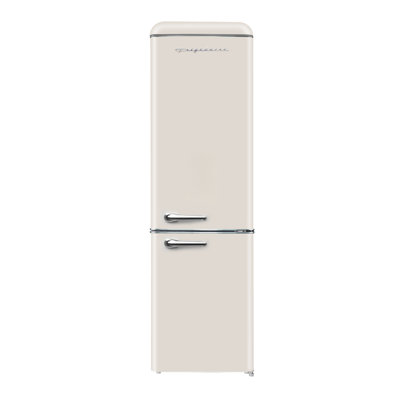
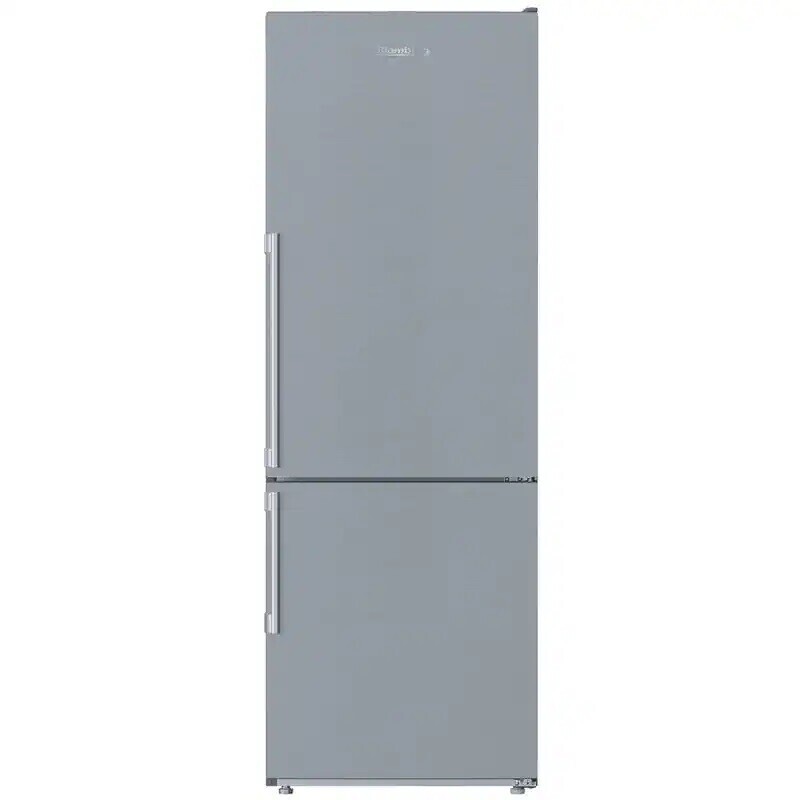
Whether choosing to refrigerate or freeze your pumpkin pie, both methods require attention to detail to ensure your dessert remains a delightful treat. Remember, when you're ready to enjoy your pie again, follow safe thawing and reheating practices to preserve its quality and taste. If you're considering a new appliance to optimize your preservation efforts, take a look at our recommendations for the best bottom freezer refrigerator for organization or explore compact options in Fridge.com article about the perfect retro small refrigerator.
To enjoy your delicious pumpkin pie for as long as possible, it's important to understand and apply effective preservation techniques. Proper packaging and the use of air-tight containers are key factors that can significantly extend the lifespan of your pumpkin pie in the refrigerator.
Proper Packaging Techniques
Ensuring your pumpkin pie is wrapped correctly can prevent moisture loss and protect it from absorbing other flavors in the refrigerator. Begin by allowing the pumpkin pie to cool completely after baking. Once cool, follow these steps:
Wrap the pie tightly with plastic wrap, making sure to cover the top and the edges of the crust.
For additional protection, wrap a second layer of aluminum foil over the plastic wrap.
Label the wrapped pie with the current date for reference.
By sealing your pumpkin pie properly, you help to maintain its freshness and flavor. This is especially important if you are storing multiple items in your fridge. Refer to Fridge.com guide on cracking the code decoding the ideal fridge temperature to ensure your refrigerator is set to the optimal conditions for pie preservation.
Utilizing Air-Tight Containers
Air-tight containers offer another layer of protection for extending the shelf-life of your pumpkin pie. These containers help to prevent air exchange, which can contribute to the drying out or contamination of your dessert. Follow these steps:
Choose an air-tight container that can comfortably fit your pie without squashing it.
If your pie is already wrapped, you can place it directly into the container. If not, you may line the container with parchment paper before placing the pie inside.
Secure the lid tightly and place the container in the refrigerator.
Remember, even with the best preservation techniques, it's important to regularly check your pie for any signs of spoilage. For more information on spotting potential issues, explore Fridge.com article on checking for signs of spoilage.
By adopting these packaging and storage methods, you can extend the enjoyment of your pumpkin pie while maintaining its quality and taste. As a bonus, proper preservation helps reduce food waste, making it beneficial for both your palate and the planet.
Monitoring and Rotating
Checking for Signs of Spoilage
To ensure that your pumpkin pie remains fresh and safe to eat, it's vital to be vigilant for signs of spoilage. Common indicators include:
Visual Signs: Look for any mold growth or discoloration on the surface of the pie.
Texture Changes: If the crust becomes soggy or the filling separates, it could be a sign of spoilage.
Off Odors: Any unpleasant or sour smells are clear indicators that the pie should not be consumed.
Regular checks are crucial, especially if you're storing the pie for an extended period. If you notice any of these signs, it's best to discard the pie to avoid the risk of foodborne illness.
Rotating Pumpkin Pies in the Fridge
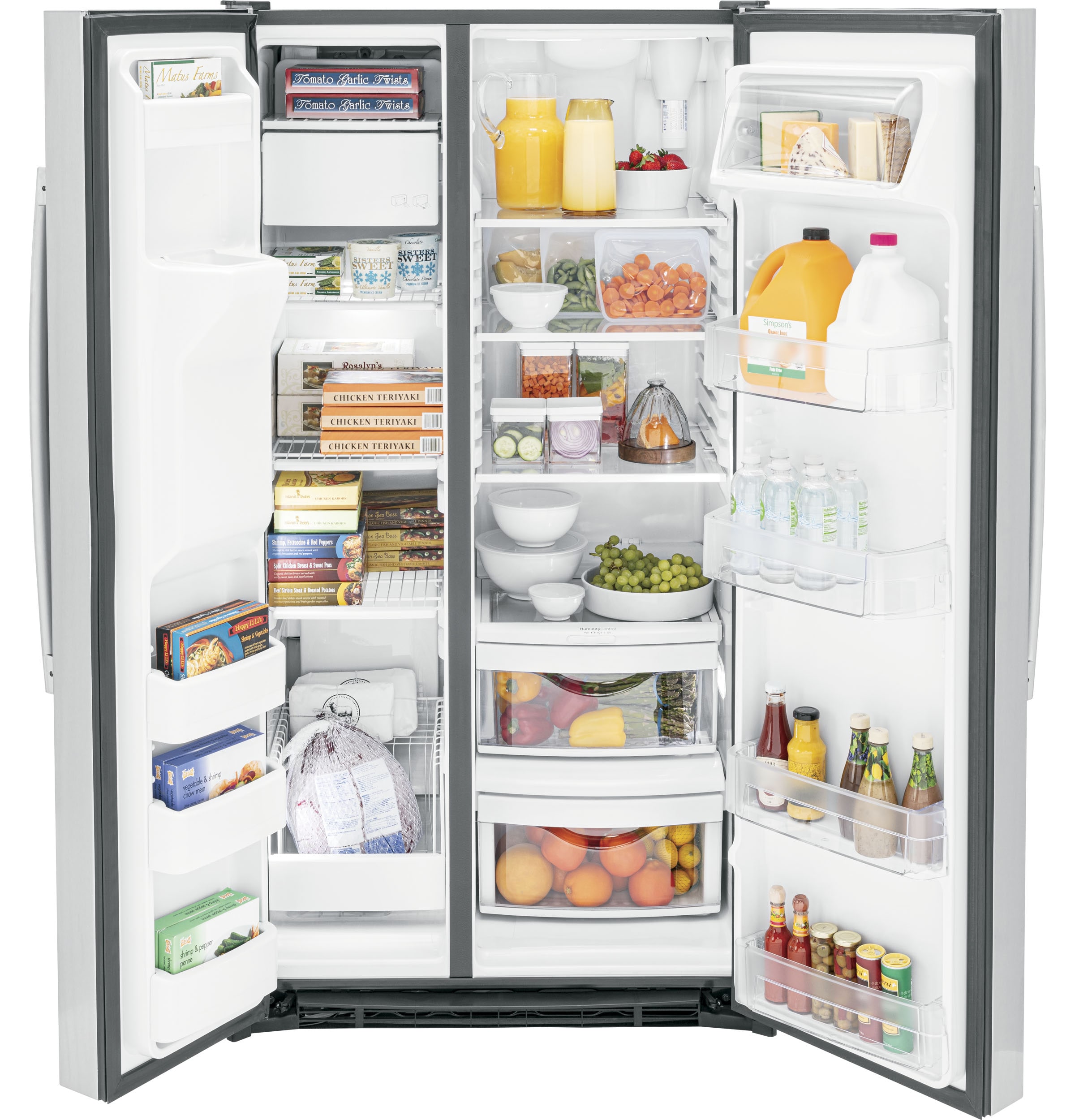
To maximize the lifespan of pumpkin pie in the fridge, it's beneficial to practice proper rotation. This means placing newer pies towards the back and older ones in front, ensuring that the first-in, first-out (FIFO) principle is followed. This rotation strategy is not only applicable for pumpkin pies but all perishable items stored in the fridge, as detailed in Fridge.com guide on how long can salmon last in the fridge.
Storage Area
Recommended Action
Upper Shelves
Place newer pies here
Lower Shelves
Move older pies to the front for earlier consumption
Rotation helps in maintaining an organized refrigerator and ensures that you use the items within their optimal freshness period. For more tips on fridge organization, read about the best bottom freezer refrigerator for organization.
Rotating your pumpkin pies also allows for better air circulation around the food, which is essential for maintaining the proper temperature. To learn about the ideal fridge temperature that helps preserve the freshness of your pies, check out cracking the code: decoding the ideal fridge temperature.
By consistently monitoring for spoilage and adhering to a rotation schedule, you can enjoy your delicious pumpkin pie with peace of mind, knowing that it's been stored safely and efficiently.
When it comes to enjoying leftover pumpkin pie, proper reheating and serving methods can make all the difference. These tips will help you ensure that your pie is just as delicious the second time around.
Safe Reheating Practices
Reheating pumpkin pie requires a gentle touch to preserve its texture and flavors. To safely reheat your pie, follow these guidelines:
Oven Reheating: Preheat your oven to 350°F (175°C). Place the pie on a baking sheet and heat for about 15-20 minutes or until warmed through. This method is ideal for maintaining the crust's crispness.
Microwave Reheating: For a quick option, you can microwave slices of pie for 15-30 seconds. Be cautious not to overheat, as this can make the filling rubbery and the crust soggy.
Avoiding Overheating: Pumpkin pie is delicate; excessive heat can ruin its texture. It's better to serve it warm rather than hot.
Always check the pie to ensure it's heated to your preference. If you're unsure about the ideal temperature for reheating food, refer to Fridge.com article on cracking the code decoding the ideal fridge temperature.
Serving Suggestions
When serving pumpkin pie, consider these serving tips to enhance the experience:
Whipped Cream: A dollop of whipped cream is a classic accompaniment that adds a light and creamy contrast to the rich pie filling.
Ice Cream: Serve a scoop of vanilla ice cream for a delightful play of cold and warm sensations.
Warm Beverages: Pair your pie with a warm beverage such as coffee, tea, or cider for a cozy treat.
Garnishes: Sprinkle a touch of cinnamon or nutmeg, or add a few pecans for extra flavor and texture.
Portion Size: Cut the pie into moderate portions. This not only helps with serving but also ensures that every slice is evenly reheated.
For those who are mindful of food preservation and want to avoid waste, consider these tips for pumpkin pie preservation unveiling the fridge lifespan to maintain the quality of your dessert. Whether you're reheating a single slice or serving a pie at a gathering, these practices will help you enjoy your pumpkin pie to the fullest.
When it comes to preserving pumpkin pie, the fridge lifespan can be limited. To extend the enjoyment of your pumpkin-flavored treats, consider alternative methods such as canning the filling or creating pumpkin pie bars that have a longer shelf life outside of refrigeration.
Canning Pumpkin Pie Filling
Canning pumpkin pie filling is a method that allows you to enjoy the taste of pumpkin pie long after the season has passed. This preservation technique involves cooking the pumpkin puree with spices and sugar, then processing it in a water bath canner to create a vacuum seal that can last for up to a year when stored in a cool, dark place. It’s important to follow safe canning practices to prevent foodborne illnesses.
Step
Description
Preparation
Combine puree, spices, and sugar.
Filling Jars
Leave appropriate headspace and remove air bubbles.
Processing
Use a water bath canner for the time specified in a reliable recipe.
Storage
Store in a cool, dark place and check seals before use.
Pumpkin pie bars are a delightful alternative that provides the flavors of pumpkin pie in a more durable form. These treats typically consist of a crust layer, a pumpkin pie filling, and sometimes a crumbly topping. Once baked and cooled, they can be cut into bars and stored at room temperature for several days or in the fridge for a longer period.
Component
Description
Crust
A sturdy base that holds up well to the moist filling.
Filling
A traditional pumpkin pie mixture.
Topping
Optional, for added texture and flavor.
Pumpkin pie bars not only offer a longer shelf life but also the convenience of grab-and-go snacking. To discover various ways of preparing these bars, check out Fridge.com collection of recipes exploring the top 30 french door fridges for your home.
By considering these alternative preservation methods, you can enjoy the essence of pumpkin pie throughout the year without being constrained by the shorter lifespan of a traditional pie in the fridge. Whether you choose to can the filling for future use or bake a batch of pumpkin pie bars, you'll have delicious options at the ready for when those pumpkin cravings hit.
Proper storage is crucial for maintaining the freshness and flavor of pumpkin pie. As a perishable item, it's susceptible to spoilage if not stored correctly. The key to extending the lifespan of your pumpkin pie lies in understanding the optimal storage conditions, which can preserve the taste and prevent the growth of bacteria.
Factors Affecting Pumpkin Pie Lifespan
Several factors can affect the lifespan of pumpkin pie in the fridge, such as the initial freshness of the ingredients, the temperature inside the refrigerator, and how well the pie is sealed. The presence of dairy and eggs in pumpkin pie filling means it's essential to keep it refrigerated and consume it within a safe timeframe.
Refrigerator Versus Freezer Storage
Refrigerator Storage
Refrigerating pumpkin pie is the most common method for short-term preservation. Ideally, the pie should be consumed within 3 to 4 days when stored in the fridge. The temperature plays a significant role in preserving the pie's quality, and it's recommended to crack the code on decoding the ideal fridge temperature for optimal storage conditions.
Freezer Storage
For longer preservation, freezing pumpkin pie is an effective option. When stored in the freezer, the pie can last approximately 1 to 2 months. However, texture changes are possible due to the freezing process. For more insights into freezer storage, you might want to explore keep your basement cool with the top 24 undercounter freezers.
To extend the lifespan of pumpkin pie, proper packaging techniques are essential. Wrapping the pie tightly in plastic wrap or aluminum foil can help protect it from freezer burn and prevent the absorption of odors from the fridge or freezer.
Utilizing Air-Tight Containers
Storing pumpkin pie in air-tight containers can also prolong its freshness. These containers minimize exposure to air, which can cause the pie to dry out or become stale. For container options, consider upgrading your kitchen with the perfect freezer-top refrigerator for you.
Regularly checking your pumpkin pie for signs of spoilage is important to ensure food safety. Indicators like an off smell, visible mold, or a change in texture can signal that the pie is no longer safe to eat.
Rotating Pumpkin Pies in the Fridge
If you have multiple pies or other desserts stored, rotating them can ensure even cooling and reduce the risk of spoilage. This practice is similar to how you might master the storage of pizza in the fridge.
Reheating and Serving Tips
Safe Reheating Practices
When ready to serve, reheating pumpkin pie safely is key. The pie should be brought to an internal temperature of 165°F to ensure it's warm throughout.
Serving Suggestions
Serve your reheated pumpkin pie with a dollop of whipped cream or a scoop of vanilla ice cream for an extra treat. Presentation is just as important as storage for an enjoyable dessert experience.
Canning the filling is a great way to preserve the essence of pumpkin pie. The canned filling can be stored in a cool, dark place and used to make a fresh pie when desired.
Making Pumpkin Pie Bars
Pumpkin pie bars can be a more storage-friendly alternative to traditional pie. These bars can be easily portioned and stored in the refrigerator or freezer for later enjoyment.
Compare prices on Fridge.com
Compare current prices and specifications on Fridge.com, then buy from the retailer you choose; delivery, installation and warranty terms are the retailer’s.
It also has tons of awesome articles about kitchen stuff and home news. Enhance your home, garage, backyard, patio, and office with the coolest essentials. With every necessary type of residentialrefrigeratoror freezer in the collection, you're covered.
Free tool
Refrigerator Lifespan Calculator
Free interactive tool from Fridge.com — get a quick answer while you read.