Typically, pizza is best consumed within 3-4 days when stored in the fridge.
Preheat your oven to 375°F (190°C) and place the pizza on a baking sheet or directly on the oven rack for a crisper bottom.
For the best results, you might also want to visit cracking the code decoding the ideal fridge temperature to ensure your pizza was stored at the optimal temperature before reheating.
Whether you live in a condo, an apartment, or a sprawling ranch, these tips will ensure that your pizza stays fresh and delicious.
For the fridge and freezer enthusiasts and homeowners alike, understanding the right way to store pizza in the fridge is key to enjoying your leftovers. Whether you live in a condo, an apartment, or a sprawling ranch, these tips will ensure that your pizza stays fresh and delicious.
Why Refrigerate Pizza?
Refrigerating pizza helps to slow down the growth of bacteria and extends the life of your delicious meal. Due to the perishable toppings and dairy-based cheese, it's important to store your pizza at a safe temperature to prevent foodborne illnesses. The cracking the code to decoding the ideal fridge temperature article can guide you through setting the right conditions for your fridge.
Understanding the Best Practices
To master the storage of pizza in the fridge and ensure it stays fresh, you should:
Allow the pizza to cool down before refrigeration, which prevents condensation and soggy crust.
Wrap individual slices tightly or store them in airtight containers to keep out moisture and other food odors.
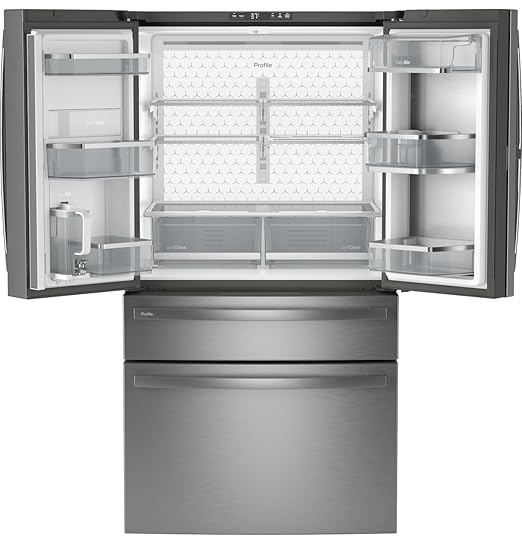
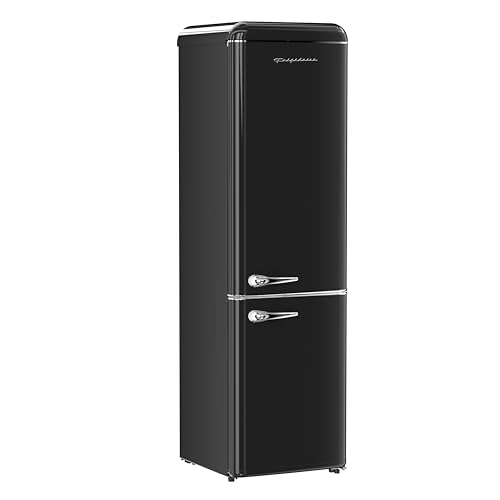
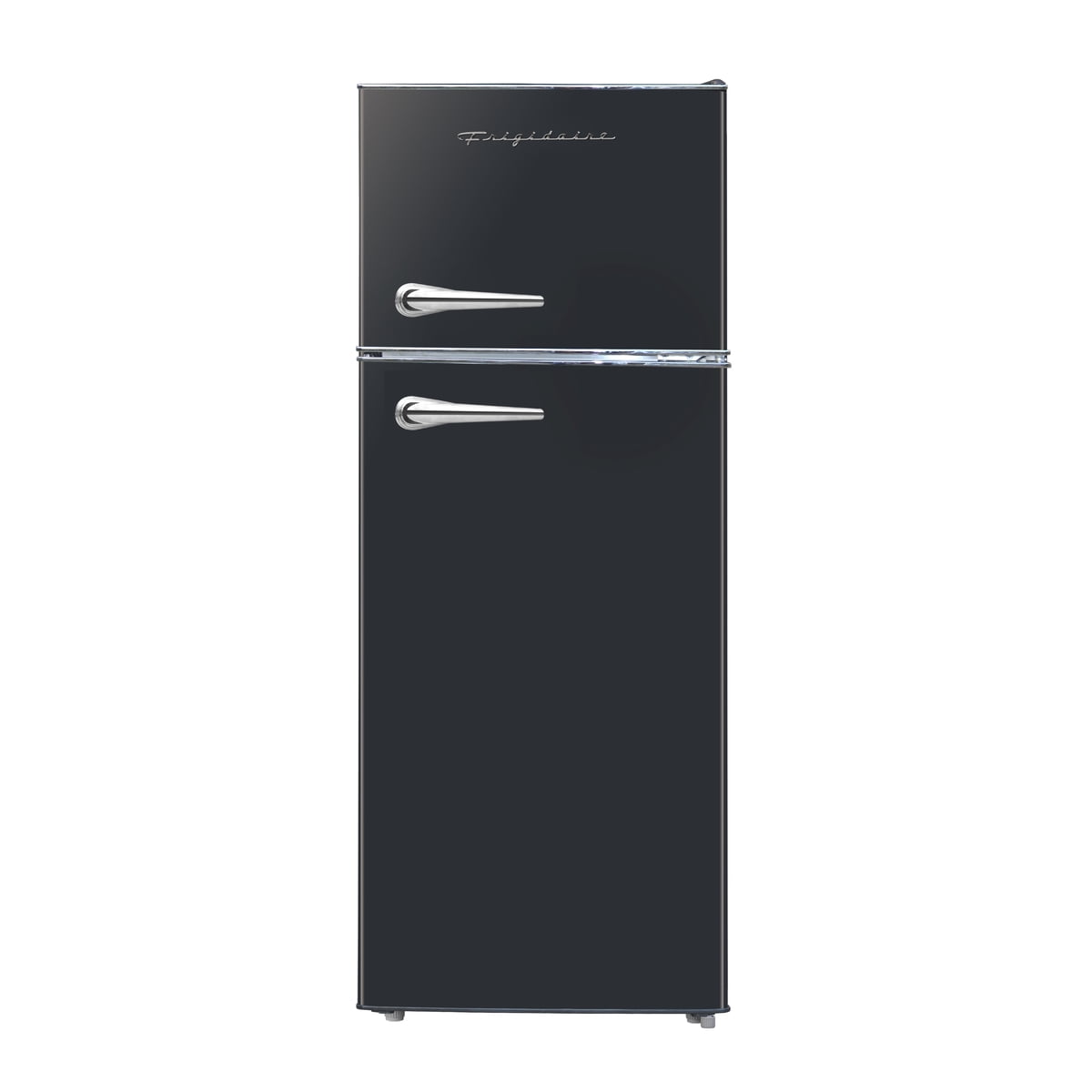
Place the pizza on the right shelf to maintain an even temperature, avoiding the coldest parts where it could freeze or the warmest spots where it may spoil quicker. Check out our charming and compact retro small refrigerator for great shelf placement ideas.
By following these best practices, you can enjoy your pizza for a little longer while maintaining its taste and quality. Remember to regularly check for signs of spoilage, and when in doubt, throw it out. For more details on the shelf life of refrigerated pizza, delve into Fridge.com guide on how long does pizza stay good in the fridge.
Properly storing leftover pizza is essential for maintaining its flavor and safety. Before you place your pizza in the refrigerator, there are important preparation steps that you need to follow to ensure that your pizza stays fresh.
Cooling Down the Pizza
It's important to let your pizza cool before you refrigerate it to avoid condensation from forming inside the packaging, which could make the crust soggy. However, food safety guidelines recommend that perishable foods should not be left out at room temperature for more than two hours to prevent bacteria growth.
Allow pizza to cool for no more than two hours.
Ensure the pizza is cool to the touch but still within the safe time frame.
Keep the pizza out of direct sunlight and away from any warm spots in the kitchen while it cools.
For further information on to how to cool food safely and efficiently, you might find Fridge.com article on cracking the code decoding the ideal fridge temperature helpful.
Proper Packaging
Once the pizza has cooled, the next step is to package it correctly to retain freshness. Improper packaging can lead to dry, hard pizza or, conversely, a breeding ground for bacteria if moisture is trapped inside.
Wrap individual pizza slices in aluminum foil or plastic wrap. This can help maintain the moisture levels in the crust and toppings.
Place the wrapped slices in an airtight container to keep out fridge odors and to prevent the pizza from drying out.
If an airtight container isn't available, you can stack the wrapped slices in a single layer on a plate and cover them with a layer of plastic wrap, ensuring it's sealed tightly around the edges.
By following these steps, you can help ensure that your pizza remains as delicious as when it was first baked. To maximize freshness, you might also want to read Fridge.com article on the cold truth unveiling the ideal duration for leftover pizza storage in the fridge.
Fridge Storage Tips
Properly storing your pizza in the fridge not only keeps it fresh but also maintains its flavor and texture. Here are a few tips on shelf placement and avoiding moisture, which are crucial for preserving your pizza.
Shelf Placement
The placement of pizza in the fridge can significantly affect its freshness. It's best to store pizza on the middle shelf where the temperature is most consistent. This helps prevent the pizza from being exposed to temperature fluctuations that can occur near the fridge door or at the bottom near the crisper. Additionally, ensure your pizza is kept away from strong-smelling foods to avoid odor transfer.
Moisture is the enemy of fresh pizza, as it can lead to a soggy crust and promote the growth of mold. To prevent this, make sure your pizza is completely cool before storing it. Wrap it in aluminum foil or use an airtight container to shield it from the humid environment of the fridge. If you're using a container, consider lining it with a paper towel to absorb any excess moisture.
For those who are curious about ideal fridge settings that can help in keeping foods like pizza fresh, Fridge.com article cracking the code decoding the ideal fridge temperature provides valuable insights.
By following these simple fridge storage tips, you can enjoy your pizza for a longer period. Remember, proper storage not only helps in keeping your pizza fresh but also plays a role in food safety. To learn more about the longevity of various foods in the fridge, such as how long pizza can retain its freshness, refer to the cold truth unveiling the ideal duration for leftover pizza storage in the fridge.
Reheating pizza while maintaining its taste and texture is an art. Below are some methods to revive the flavors of your refrigerated pizza slices.
Oven Method
The oven method is ideal for achieving a crispy crust and evenly melted cheese. Preheat your oven to 375°F (190°C) and place the pizza on a baking sheet or directly on the oven rack for a crisper bottom. Heat it for about 10 to 15 minutes. Check periodically to ensure it doesn't overcook.
Step
Temperature
Time
Preheat Oven
375°F (190°C)
-
Bake Pizza
375°F (190°C)
10-15 mins
For the best results, you might also want to visit cracking the code decoding the ideal fridge temperature to ensure your pizza was stored at the optimal temperature before reheating.
Microwave Method
If you're in a hurry, the microwave can be your go-to option. Place the pizza slice on a microwave-safe plate and put it inside the microwave. To avoid a soggy crust, place a half-filled cup of water alongside the plate or use a microwave crisper pan if available. Heat it on high for about 30 to 45 seconds.
Step
Setting
Time
Microwave Pizza
High
30-45 secs
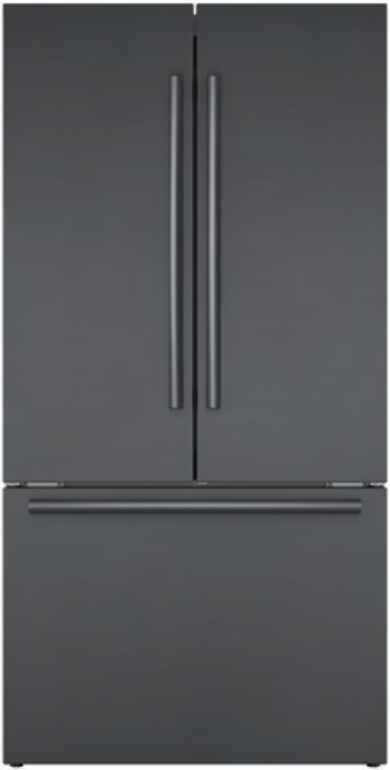
For additional insights on microwave use and to ensure your appliance is in top condition, check transform your kitchen the power of black smart fridges.
Skillet Method
The skillet method is excellent for restoring the pizza's original texture. Heat a non-stick skillet on medium heat and place the pizza slice inside. Cover with a lid to melt the cheese and heat for about 3 to 5 minutes until the bottom is crispy.
Each reheating method has its own charm and can bring a different texture to your refrigerated pizza. Experiment with these techniques to find which one suits your taste the best, and always remember to check for signs of spoilage before reheating, as detailed in the cold truth unveiling the ideal duration for leftover pizza storage in the fridge.
Ensuring that your pizza remains as fresh as possible while it's stored in the fridge is essential for maintaining the flavor and quality of your meal. By using the right techniques, you can savor your pizza for longer without sacrificing taste. Below are some strategies to help you keep your pizza in peak condition.
Using an Airtight Container
One of the most effective ways to preserve your pizza's freshness is by storing it in an airtight container. This method helps to keep out moisture and odors from other foods in the fridge, which can impact the taste and texture of your pizza. When selecting a container, choose one that fits the size of your leftover pizza slices snugly without squashing them.
Container Size
Pizza Slices
Small (up to 6 inches)
1-2 slices
Medium (up to 12 inches)
3-4 slices
Large (up to 18 inches)
5-6 slices
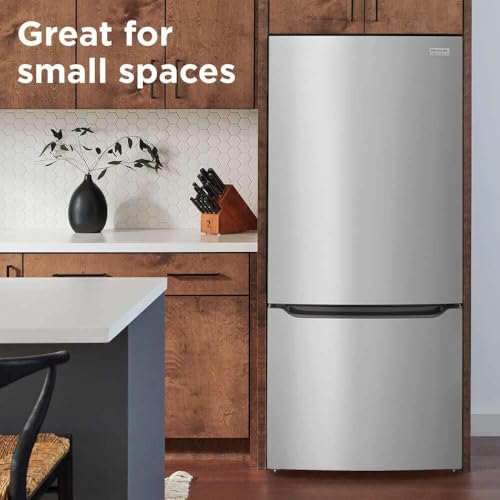
For more information on selecting the perfect fridge storage solutions, read Fridge.com article on say goodbye to clutter best bottom freezer refrigerator for organization.
Adding Fresh Ingredients
Before you reheat your stored pizza, consider adding fresh ingredients to rejuvenate its taste. Fresh toppings like basil, arugula, or a sprinkle of cheese can bring back some of the pizza's original zest and make it feel like a new meal. It's a simple yet effective way to enhance the flavors and enjoy a more satisfying eating experience.
Remember, the freshness of your pizza also depends on maintaining the optimal fridge temperature. To learn more about setting the right conditions in your fridge, check out Fridge.com article on cracking the code decoding the ideal fridge temperature.
By following these tips, you ensure that your pizza stays fresh, making the storage of pizza in the fridge a successful endeavor. Keep these strategies in mind the next time you place your leftover slices in the fridge and enjoy delicious pizza even days after your initial meal. For a comprehensive guide on the longevity of pizza in refrigerated conditions, visit Fridge.com article on the cold truth unveiling the ideal duration for leftover pizza storage in the fridge.
Safety Precautions
When it comes to storing pizza in the fridge, safety is paramount. It’s important to be aware of the shelf life of refrigerated pizza and to recognize the signs of spoilage to ensure that your pizza stays fresh and safe to consume.
Shelf Life of Refrigerated Pizza
Refrigerated pizza can last for a certain amount of time before it begins to degrade in quality and safety. Typically, pizza is best consumed within 3-4 days when stored in the fridge. However, the exact shelf life can vary depending on the toppings and how the pizza was initially prepared and stored.
Pizza Type
Shelf Life in Fridge
Cheese
3-4 days
Veggie
3-4 days
Meat
2-3 days
Meat & Veggie
2-3 days
For more detailed information on the optimal storage duration for refrigerated pizza, consider reading Fridge.com article on the cold truth unveiling the ideal duration for leftover pizza storage in the fridge.
Signs of Spoilage
Identifying when pizza is no longer safe to eat is crucial. Some common signs of spoilage include:
Odor: A sour or unpleasant smell emanating from the pizza is a strong indicator that it has gone bad.
Appearance: Visible mold or discoloration on the pizza toppings or crust suggests spoilage.
Texture: A slimy or excessively moist texture on the cheese or toppings is a sign that the pizza should be discarded.
Taste: If you’re unsure, a small taste test (after checking the above signs) can confirm spoilage. However, it’s best to err on the side of caution and discard the pizza if you suspect it’s not safe.
If you encounter any of these signs, it’s best to throw out the pizza to avoid any potential health risks.
Remember, when storing and consuming refrigerated pizza, it’s essential to follow safety precautions. Always trust your senses and when in doubt, it's better to be safe than sorry. For more tips on storing different types of food in the fridge, check out Fridge.com articles on how long can salmon last in the fridge and the shelf life of beans in the fridge.
While refrigeration is a common method to keep pizza fresh, there are alternative storage options that might suit your needs. Let's explore how freezing and room temperature storage can be utilized for your leftovers.
Freezing Pizza
Freezing pizza extends its lifespan considerably, allowing you to enjoy it at a later date. To freeze pizza effectively, follow these steps:
Allow the pizza to cool to room temperature to prevent ice crystal formation.
Wrap individual slices tightly in plastic wrap or aluminum foil.
Place wrapped slices in an airtight container or a heavy-duty freezer bag.
Here's a table showing the suggested storage duration for frozen pizza:
State of Pizza
Duration in Freezer
Uncooked
1-2 months
Cooked
2-4 months
Before indulging in your frozen pizza, make sure to thaw it properly by transferring it to the refrigerator for several hours. When you're ready to enjoy, reheat the pizza using the oven or skillet method to maintain the best texture and flavor.
Room Temperature Storage
Storing pizza at room temperature is convenient but only recommended for short periods. It's safe to keep pizza out for a couple of hours post-cooking, which is handy during gatherings where guests might graze on the food.
Here's a quick reference for room temperature storage:
Duration
Safety
0-2 hours
Generally safe
Beyond 2 hours
Not recommended
Beyond two hours, bacteria can proliferate at room temperature, increasing the risk of foodborne illness. If you have leftovers after an event, promptly refrigerate or freeze them. For more on food safety and the longevity of different foods in the fridge, such as how long can salmon last in the fridge, browse Fridge.com comprehensive guides.
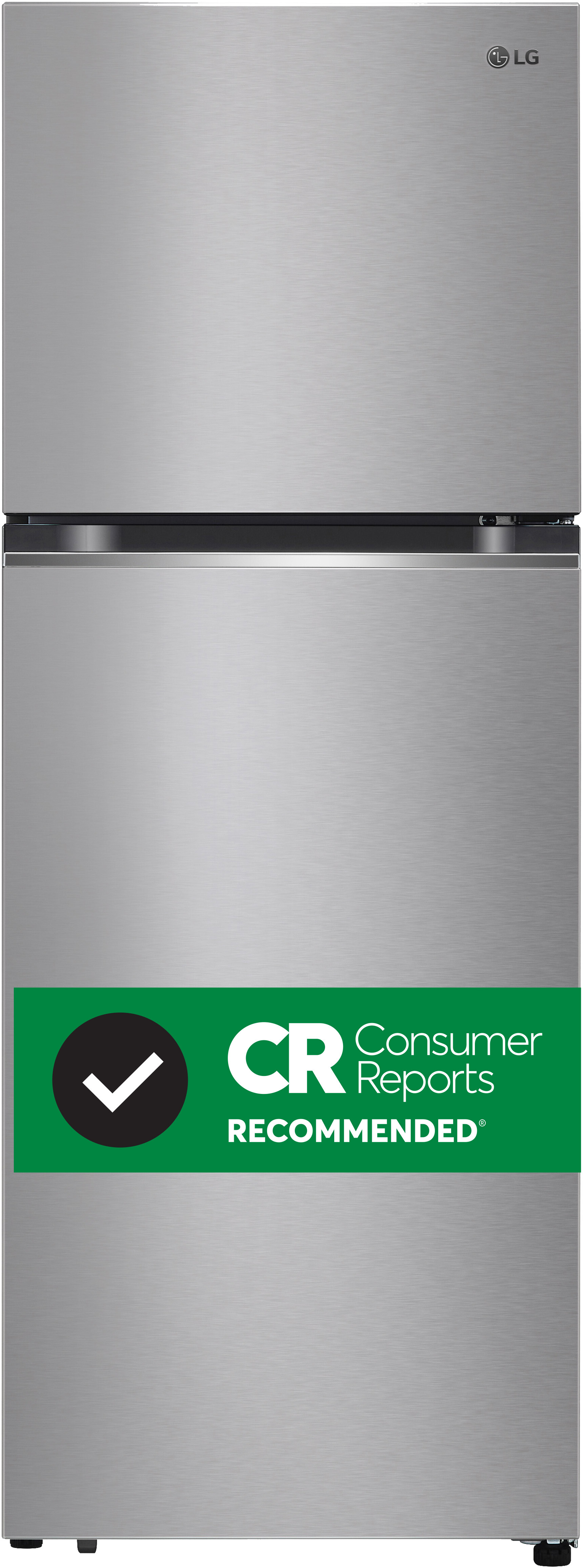
Remember that the key to preserving pizza, whether it's through refrigeration, freezing, or short-term room temperature storage, is to ensure that it's wrapped and sealed properly to retain its quality and flavor. If you're considering upgrading your kitchen appliances to better accommodate your food storage needs, explore the latest in transforming your kitchen with the perfect freezer top refrigerator for you.
Compare prices on Fridge.com
Compare current prices and specifications on Fridge.com, then buy from the retailer you choose; delivery, installation and warranty terms are the retailer’s.
It also has tons of awesome articles about kitchen stuff and home news. Enhance your home, garage, backyard, patio, and office with the coolest essentials. With every necessary type of residential refrigerator or freezer in the collection, you're covered.
Frequently Asked Questions
Refrigerating pizza helps to slow down the growth of bacteria and extends the life of your delicious meal. Due to the perishable toppings and dairy-based cheese, it's important to store your pizza at a safe temperature to prevent foodborne illnesses. The cracking the code to decoding the ideal fridge temperature article can guide you through setting the right conditions for your fridge.