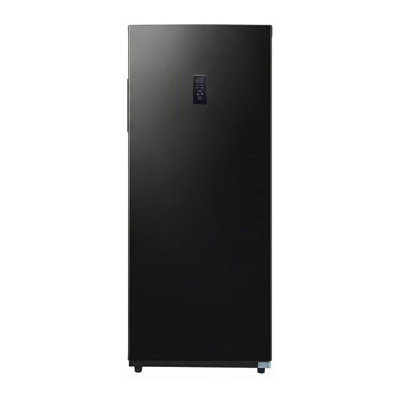
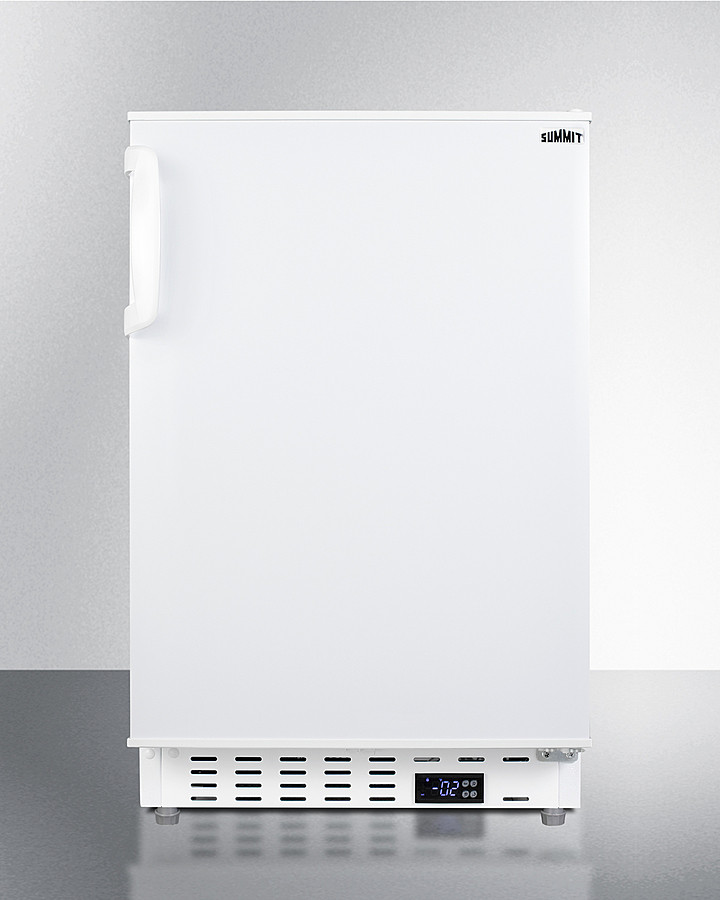
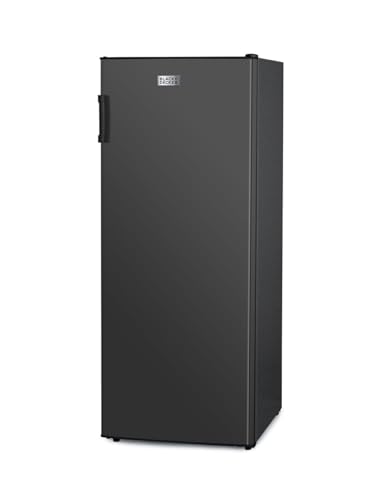
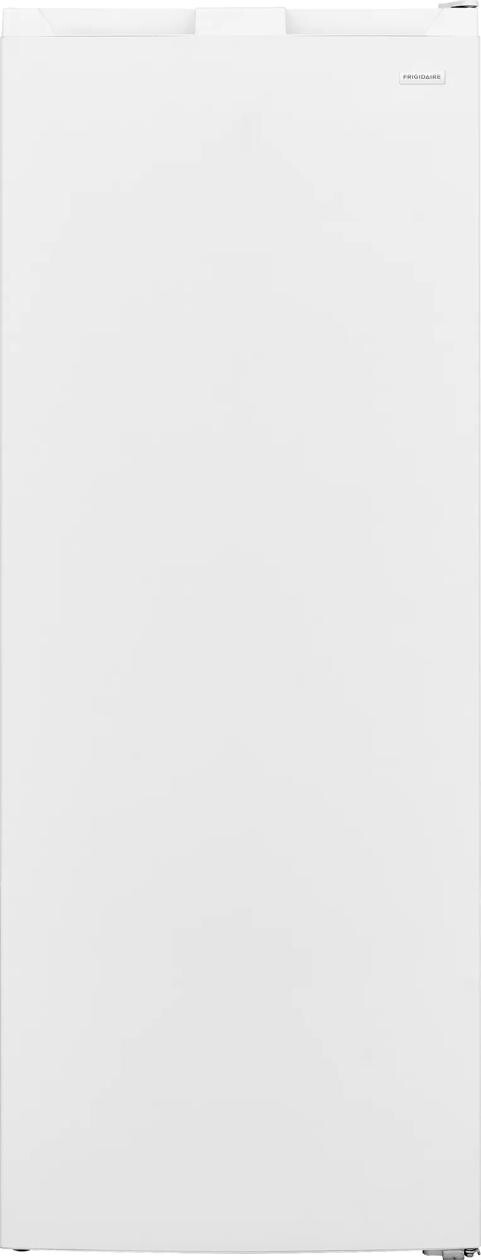
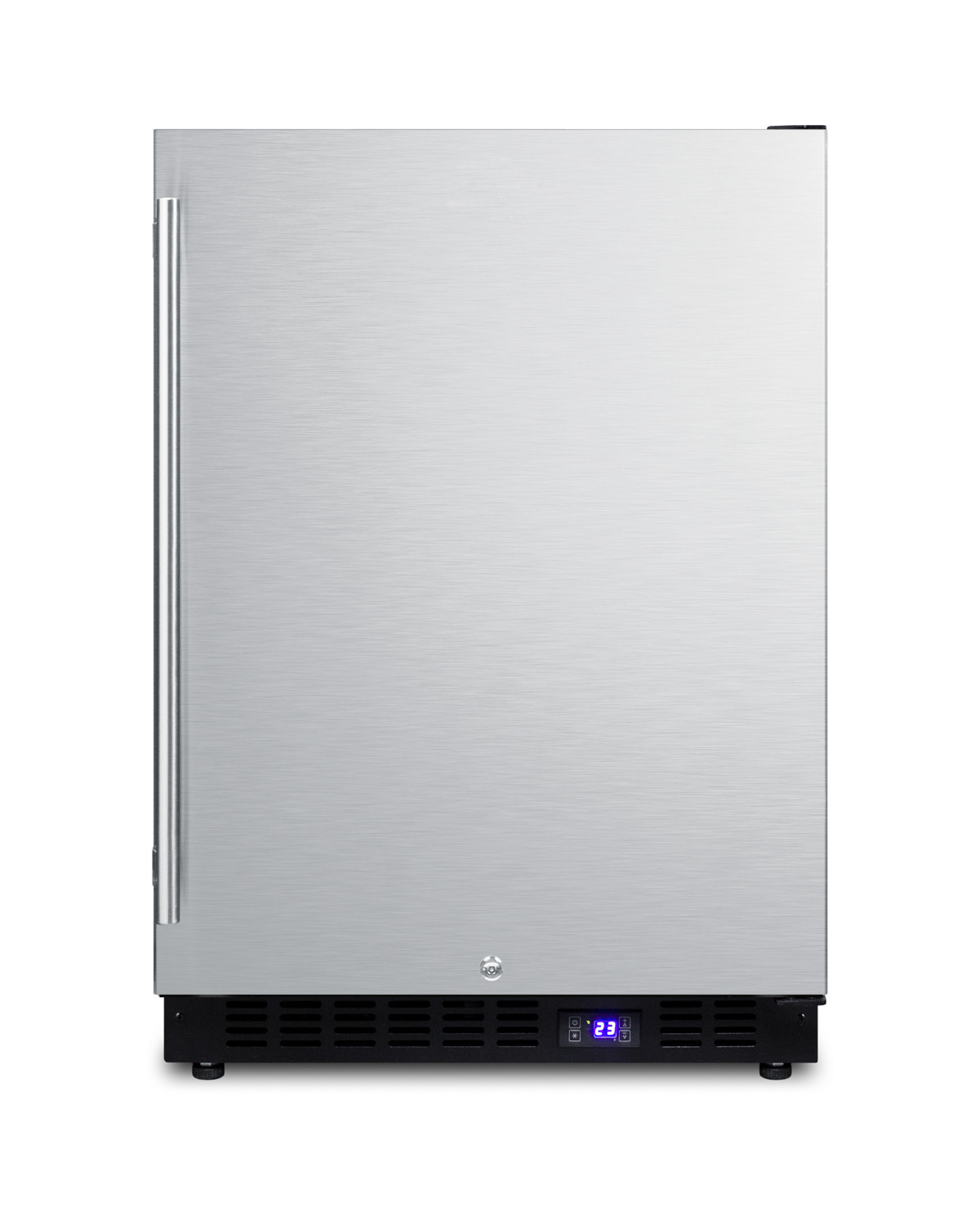
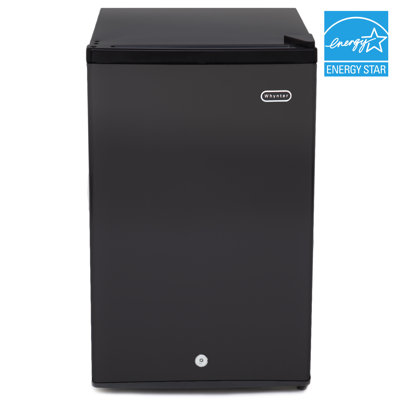
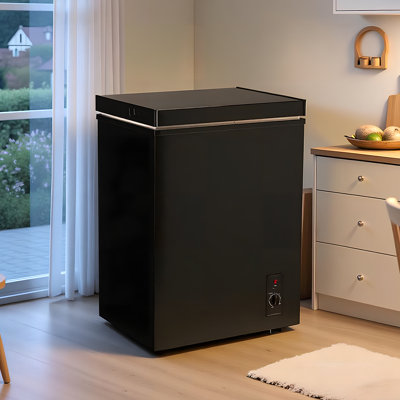
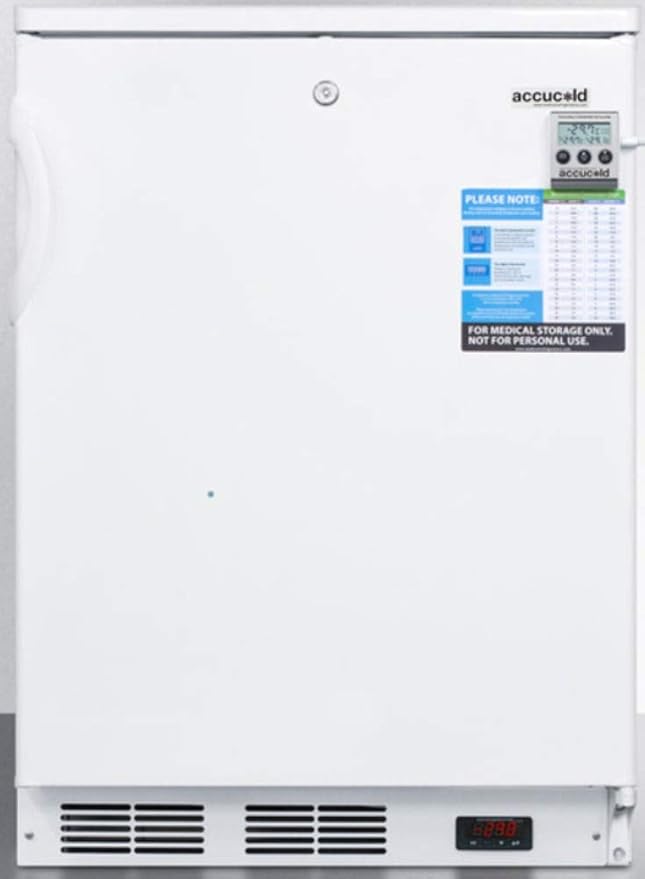
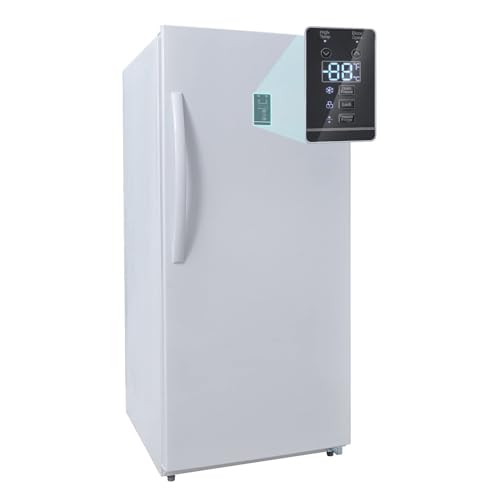
Refrigeration is a cornerstone of modern living, providing the means to preserve food and drinks, thereby extending their shelf life and keeping them safe for consumption. It also plays a crucial role in medication storage, where precise temperature control is necessary. Whether it's for your home or workplace, refrigeration ensures that your perishables maintain their freshness and nutritional value, making it an indispensable part of daily life.
Portable Freezer vs. Standard Fridge Size: An Overview
When you're considering a new refrigeration appliance, you may encounter a choice between a portable freezer and a standard fridge size. Each serves a unique purpose and offers different benefits suited to various needs and environments. A portable freezer offers the convenience of mobility and compact size, ideal for travel or space-saving situations. In contrast, a standard fridge typically provides more storage capacity and consistent cooling for everyday use.
Feature
Portable Freezer
Standard Fridge
Size
Small and compact
Larger, fixed dimensions
Portability
Easy to move
Stationary
Capacity
Limited
Extensive
Best For
Travel, small spaces
Home, office, large families
Understanding the differences between these two options can help you make an informed decision based on your specific refrigeration needs. Factors such as space availability, energy efficiency, cooling capacity, and temperature control play a vital role in this choice. To explore further comparisons between different types of refrigeration appliances, you might find Fridge.com articles on built in ice maker vs. double drawer refrigerator or beverage cellar vs. smart fridge insightful.
Standard Fridge Size
Refrigeration is a cornerstone of modern living, preserving your food and drinks at optimal temperatures to ensure freshness and safety. When considering a refrigerator for your home—be it for your kitchen, garage, or office—it's important to weigh the characteristics of a standard fridge size against those of a portable freezer.
Typical Dimensions and Capacities
Standard refrigerators come in a range of sizes, but there are common dimensions that many households opt for. Here's a table showcasing typical sizes and their corresponding capacities:
Fridge Type
Width
Depth
Height
Capacity (cu ft)
Top Freezer
28-32 inches
29-34 inches
61-66 inches
14-24 cu ft
Bottom Freezer
29-32 inches
33-36 inches
67-70 inches
19-24 cu ft
Side-by-Side
32-36 inches
29-31 inches
65-71 inches
22-26 cu ft
French Door
29-36 inches
29-34 inches
68-70 inches
20-28 cu ft
These dimensions are designed to fit seamlessly into the standard kitchen layout and offer ample storage for a typical household's needs.
Pros and Cons of Standard Fridges
Pros:
Large Capacity: Ideal for families or those who store large amounts of food and beverages, providing extensive space for a variety of items.
Variety of Features: Often includes additional functionalities such as built-in ice makers, water dispensers, and customizable shelving.
Energy Efficiency: Many modern models are designed to conserve energy, reducing your carbon footprint and utility bills.
Cons:
Space Requirements: Requires a considerable amount of room in your home, which may not be suitable for smaller living spaces.
Fixed Position: Once installed, they are not typically moved, making them less flexible for those who may require mobility.
Higher Initial Cost: Generally, more expensive than their portable counterparts due to their larger size and additional features.
When choosing between a standard fridge and a portable freezer, consider how the size and capabilities align with your needs. If you're looking for more specialized refrigeration options, explore comparisons like a built-in beverage center vs. wine cooler or a humidor refrigerator vs. panel ready refrigerator. Whatever your decision, ensure it complements your lifestyle and the demands of your household or workspace.
Portable Freezer Size
Compact Design and Portability
Portable freezers offer a compact and mobile solution to your cooling needs. These units are designed to be lightweight and often come with features such as carry handles or wheels, making them ideal for transportation. The compact design ensures they fit in various settings, from car trunks to small apartments.
Typically, portable freezers range in size from as small as 25 liters to around 65 liters. Their dimensions are constructed to conveniently fit into tight spaces while still providing ample storage for essential items. Below is a table showcasing common size ranges for portable freezers:
Capacity (Liters)
Width (inches)
Depth (inches)
Height (inches)
25
16.5
13.5
20.7
35
23.5
13.2
18.1
45
25.4
14.5
20
65
28.5
18.8
21
Pros and Cons of Portable Freezers
Pros:
Mobility: Allows you to take the cooling function on the go, perfect for camping trips, road excursions, or use in RVs.
Convenience: Fits easily in various environments and can be moved without much effort.
Flexibility: Can often be powered through multiple sources, including standard electrical outlets or a vehicle's 12V socket.
Space Efficiency: Their size makes them a suitable choice for areas with limited space.
Cons:
Limited Storage: While convenient, they offer less storage capacity compared to standard-size refrigerators.
Cooling Power: May not have the same robust cooling capabilities as larger refrigerators, potentially affecting temperature consistency.
Energy Consumption: Some models may consume more energy relative to their size due to the need to maintain temperature in less insulated environments.
Cost: Portable units can be expensive in relation to their capacity and features offered.
When considering a portable freezer, it's crucial to weigh these advantages against the potential drawbacks. If you're seeking a cooling solution for your home that offers more storage, you may want to explore standard fridge sizes. For more comparisons, such as built in ice maker vs. double drawer refrigerator or bar fridge vs. mini fridge with freezer, be sure to check Fridge.com detailed articles.
In summary, portable freezers are a versatile option for those who value portability and convenience over larger storage capacity. They serve well in scenarios where mobility and space-saving are priorities, making them an excellent choice for specific use cases.
Factors to Consider
When weighing your options between a portable freezer and a standard fridge size, there are several factors to consider that will help you make an informed decision. These factors include the available space you have, energy efficiency and power source requirements, as well as cooling capacity and temperature control features.
Space Availability and Usage
The amount of space you have available in your home, office, or vehicle will play a pivotal role in determining whether a portable freezer or a standard refrigerator is more suitable for your needs. Portable freezers are designed for limited spaces and can be easily moved, making them ideal for areas where space is at a premium.
Refrigeration Option
Dimensions (HxWxD)
Ideal for
Portable Freezer
Varies – Typically < 3 feet
Small apartments, RVs, camping
Standard Fridge
Varies – Typically > 5.5 feet
Homes, large apartments
It's important to measure the area where you plan to place the appliance and consider how you'll use it. For instance, do you need a refrigeration solution for camping or road trips, or are you looking to maximize storage in your kitchen or garage? Understanding your specific usage needs will guide your choice.
Energy Efficiency and Power Source
Energy efficiency is a crucial factor, especially with the growing emphasis on reducing energy consumption. Standard fridges typically consume more power due to their size, but many are designed with energy-saving features. Portable freezers, on the other hand, are smaller and often run on less power, which can be beneficial for both the environment and your utility bills.
Additionally, consider the power source. A portable freezer may offer multiple power options, including battery power, making it versatile for use in areas without a traditional power supply.
Cooling Capacity and Temperature Control
The cooling capacity and temperature control capabilities of your refrigeration unit are essential for keeping your food and beverages at the optimal temperature. Standard fridges usually have a larger cooling capacity and more sophisticated temperature control systems.
Refrigeration Option
Cooling Capacity
Temperature Control
Portable Freezer
Limited to size
Basic to advanced
Standard Fridge
Larger overall
Advanced with multiple zones
Decide on the level of cooling capacity and temperature control you need based on what you plan to store. Some may require a built-in ice maker for added convenience, while others might need the precision of a wine cooler for specialized storage.
When selecting between a portable freezer and a standard fridge size, carefully assess your space, energy concerns, and refrigeration requirements. By considering these factors, you will be able to choose a refrigeration option that aligns with your lifestyle and needs, whether it's for everyday home use, professional applications, or adventures on the go.
When it comes to chilling and preserving your food and beverages, the choice between a portable freezer and a standard fridge size can depend greatly on the intended use. Let's compare their applications in various settings:
Home Use: Kitchen, Garage, Office
For typical home environments such as the kitchen, garage, or office, a standard fridge size is often preferred. The larger interior allows for storage of a wide range of items from groceries to leftovers, making it suitable for family use or when entertaining guests. In the office, a full-size fridge can accommodate the lunches and snacks of several employees.
However, for an individual or in areas with limited space such as a small office or garage, a portable freezer may be more practical. It can efficiently store a limited number of items, which can be particularly useful for specialty purposes, such as chilling beverages or storing frozen treats.
On-the-Go: Camping, Road Trips, RVs
Portability is key for those who are constantly on the move. For camping trips, road excursions, or life in an RV, a portable freezer is indispensable. It offers the convenience of keeping perishables frozen or cool without the need for a large, stationary unit.
Use Case
Portable Freezer
Standard Fridge
Camping
✔️
❌
Road Trips
✔️
❌
RV Living
✔️
Depending on space
Special Situations: Small Living Spaces, Outdoor Events
Those dwelling in small living spaces such as tiny homes, apartments, or cottages might find a portable freezer to be a space-saving solution that meets their limited refrigeration needs. Similarly, for outdoor events where power may be accessible, a portable freezer can be an excellent option for keeping items chilled on-site.
In contrast, standard fridges are more suitable for larger living spaces with ample room for a full-size appliance. They offer greater storage capacity, which is necessary for households with more extensive refrigeration needs.
Ultimately, the decision between a portable freezer and a standard fridge size hinges on factors such as space availability, the volume of items to be stored, and the convenience of mobility. While the portable freezer offers flexibility and ease of transport, the standard fridge provides expansive storage and is a staple in stationary home settings.
Compare current prices and specifications on Fridge.com, then buy from the retailer you choose; delivery, installation and warranty terms are the retailer’s.
It also has tons of awesome articles about kitchen stuff and home news. Enhance your home, garage, backyard, patio, and office with the coolest essentials. With every necessary type of residential refrigerator or freezer in the collection, you're covered.
Free tool
Food Storage Calculator
Free interactive tool from Fridge.com — get a quick answer while you read.