They are typically smaller in size compared to residential units, which makes them ideal for storing limited items such as beverages, snacks, and lunchboxes.
They are ideal for keeping your mid-day meal fresh or ensuring a cold drink is at hand during a busy workday.
They often come with a host of features such as ice makers, water dispensers, and multiple shelving options to accommodate a variety of food items.
However, it's important to note that the efficiency can vary depending on the age and model of the refrigerator.
Refrigerators are essential appliances in modern life, serving the crucial role of keeping food and drinks fresh and safe to consume. Whether you're outfitting a corporate break room or selecting the perfect unit for your home kitchen, understanding the differences between refrigerator types, such as an office refrigerator and a side by side refrigerator, is key to making an informed decision.
Overview of Office Refrigerators
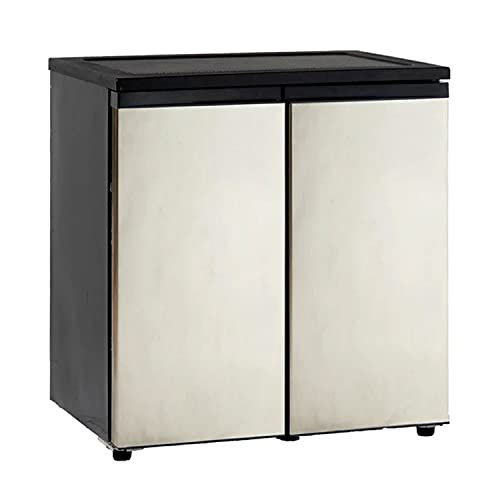
Office refrigerators are compact and designed to fit in smaller spaces like office kitchens, cubicle areas, or common rooms. They typically offer enough room to store lunches, beverages, and light snacks for a small number of people. With a focus on convenience and space-saving, these units often have a simple layout and fewer features compared to residential models. They are ideal for keeping your mid-day meal fresh or ensuring a cold drink is at hand during a busy workday. You might also be interested in comparing these with mini fridge with freezer vs. portable freezer options.
Overview of Side By Side Refrigerators
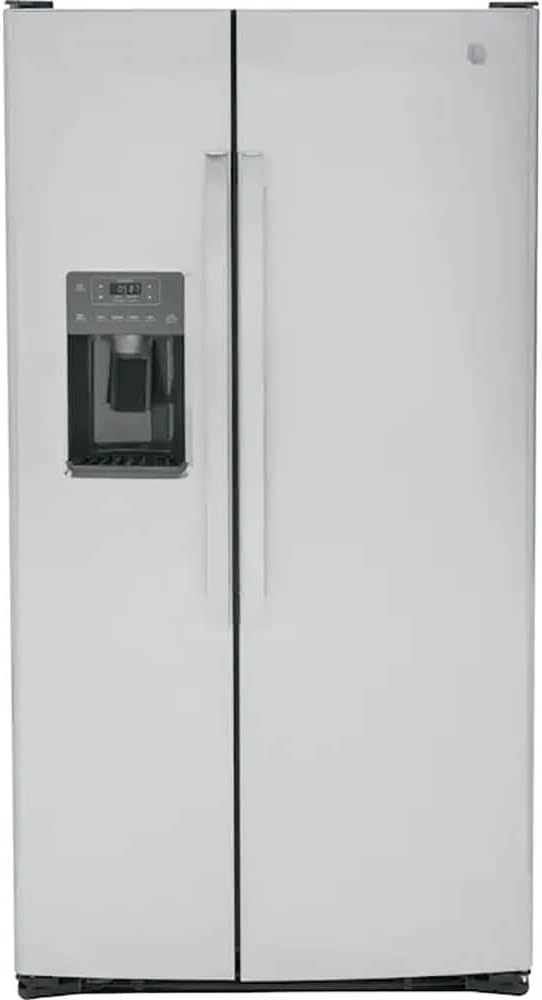
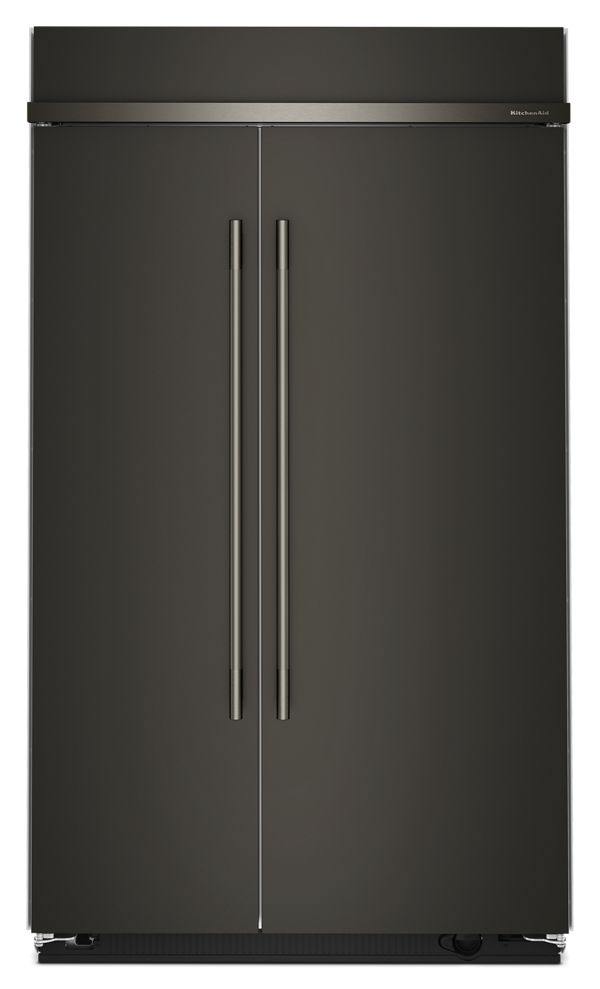
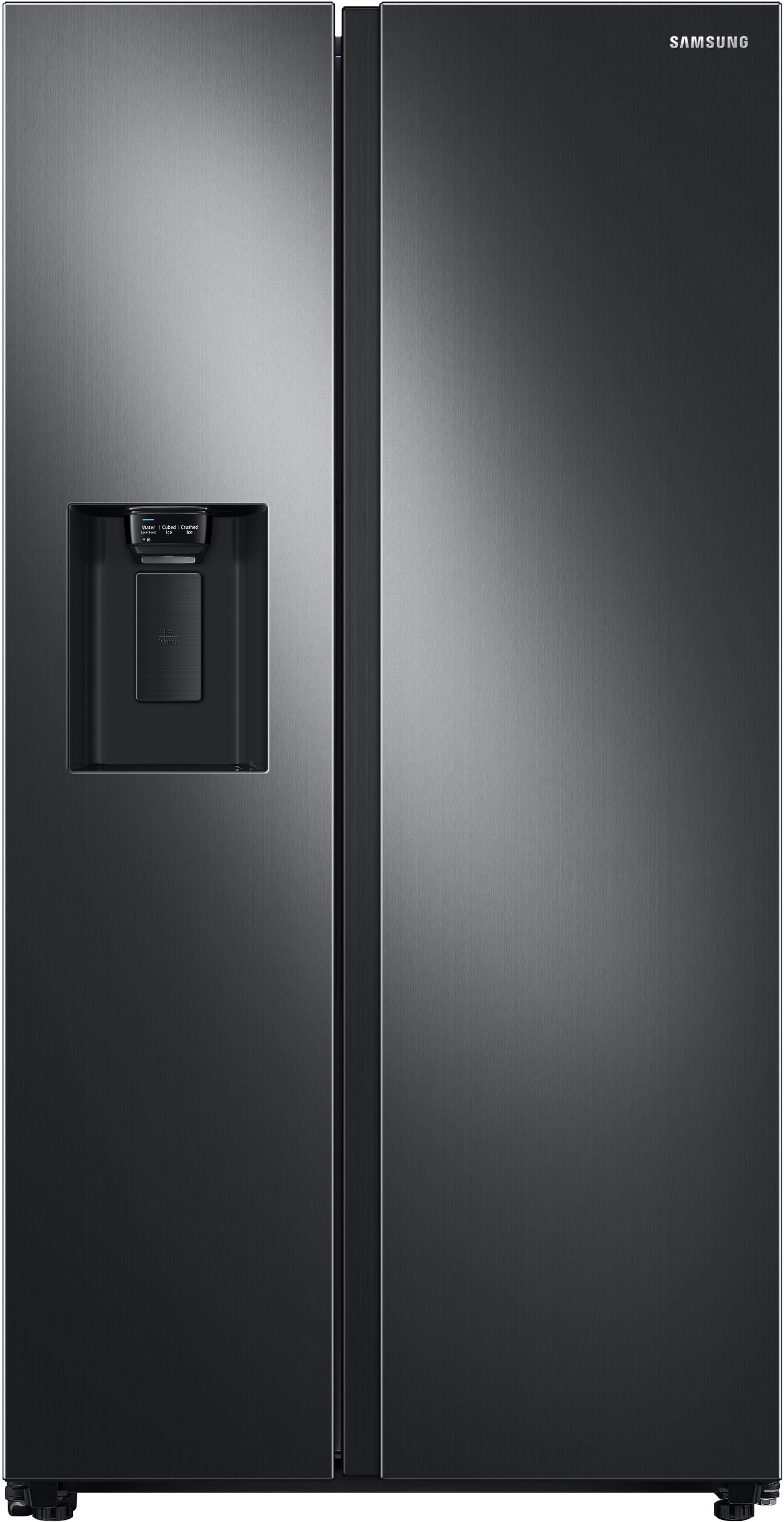
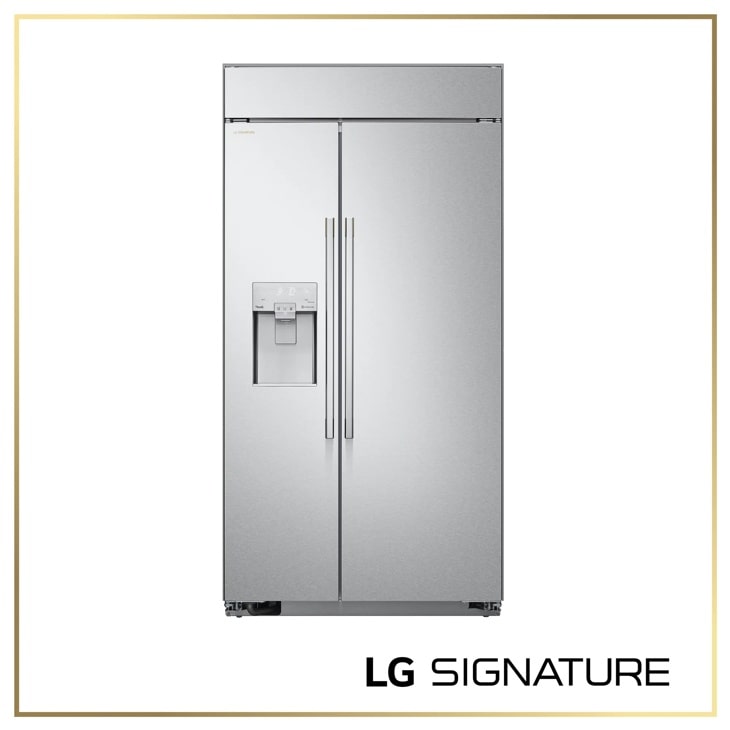
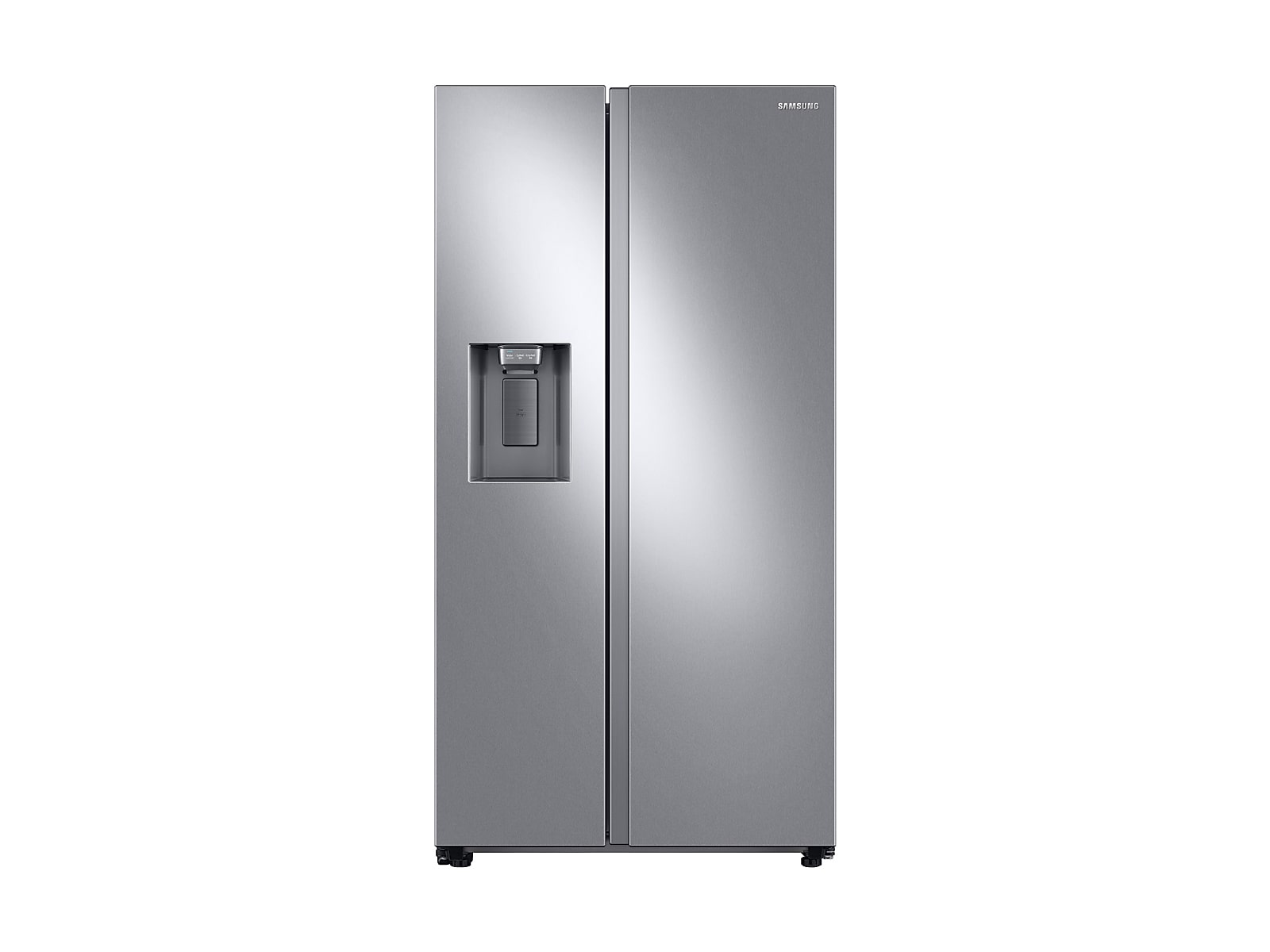
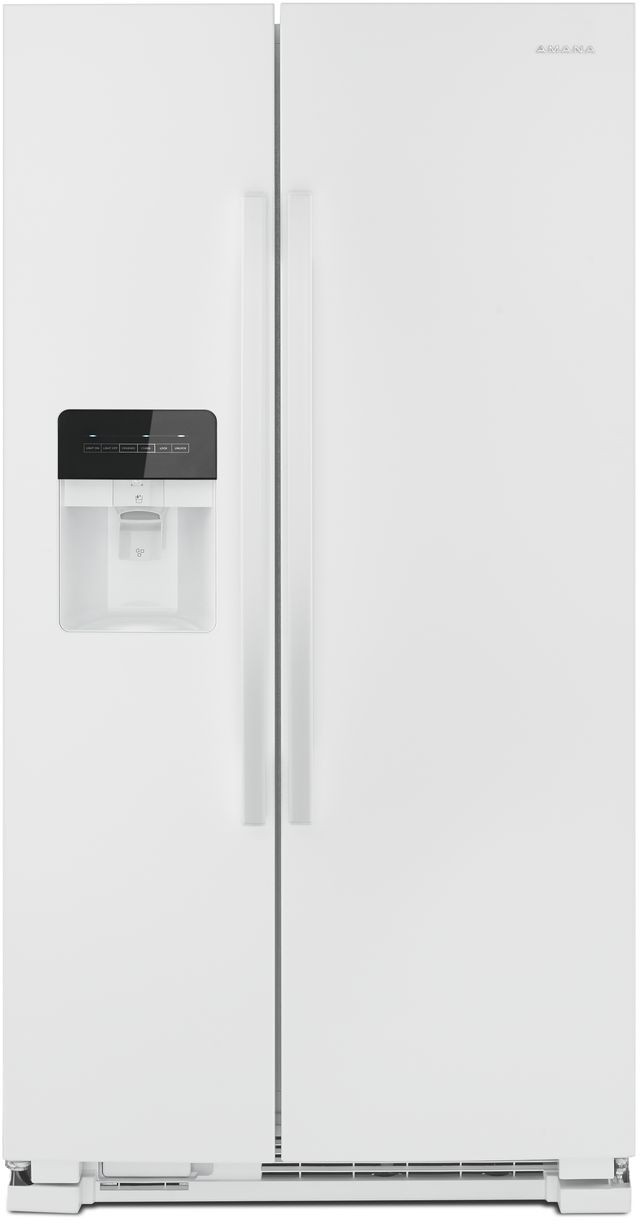
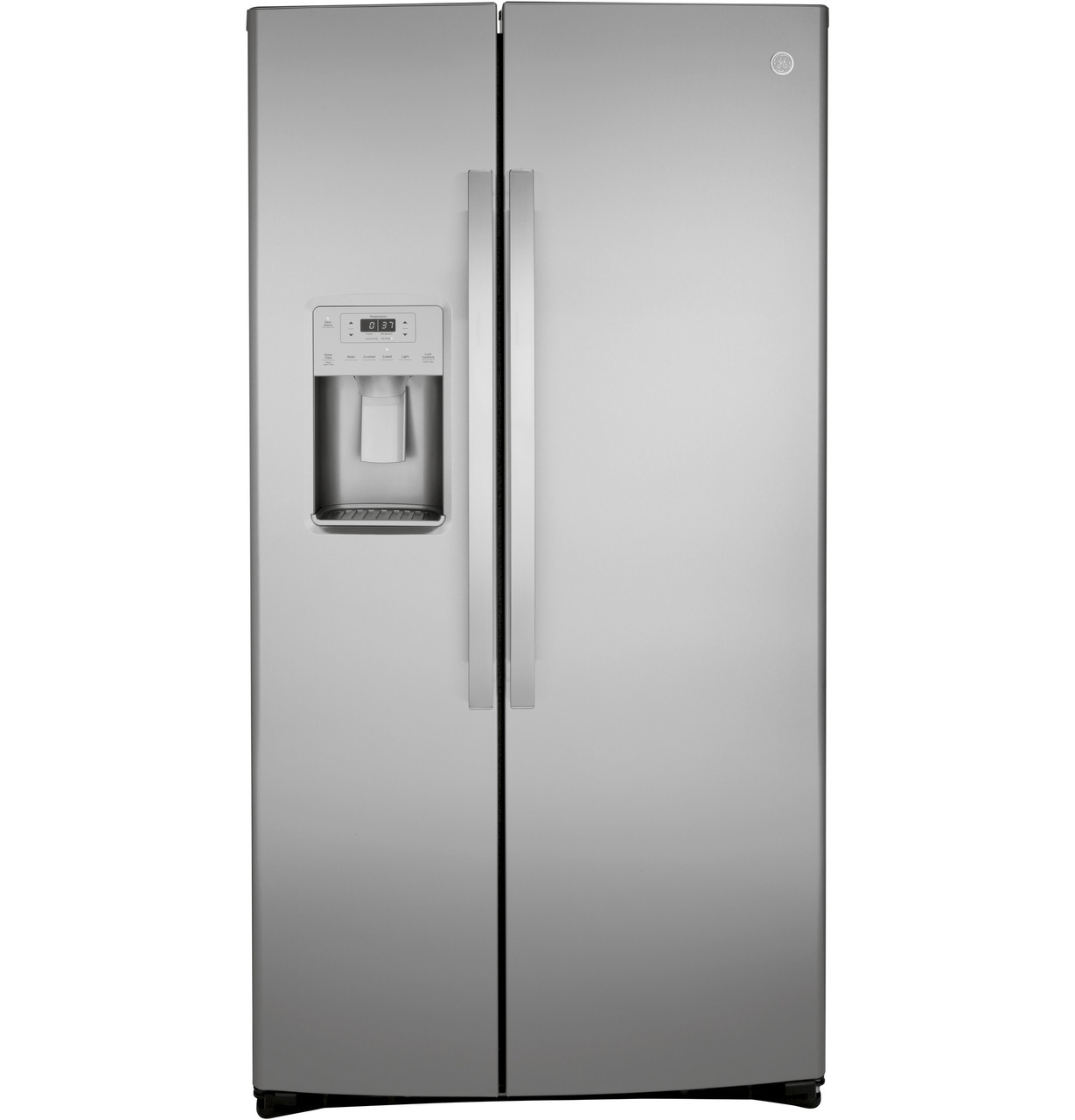
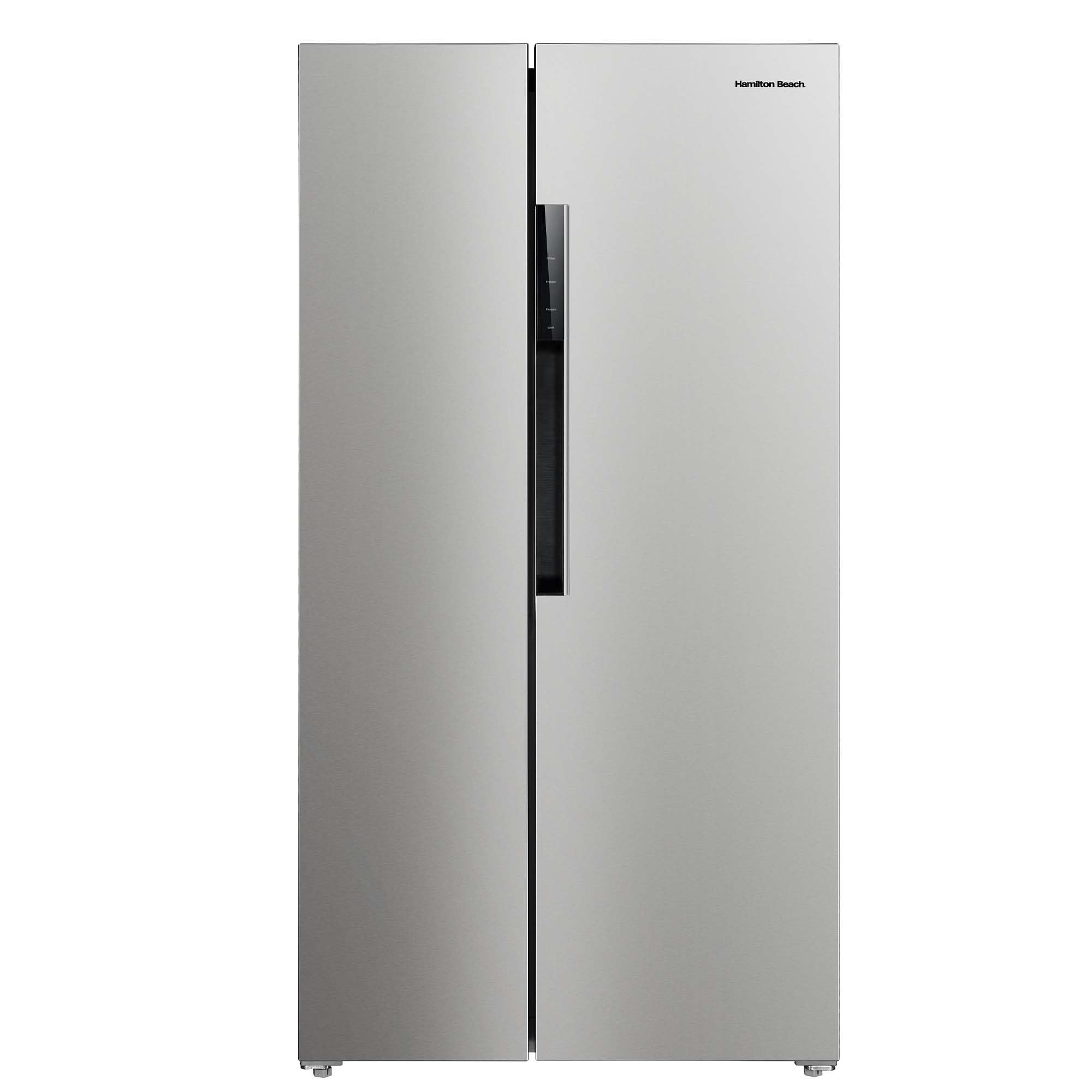
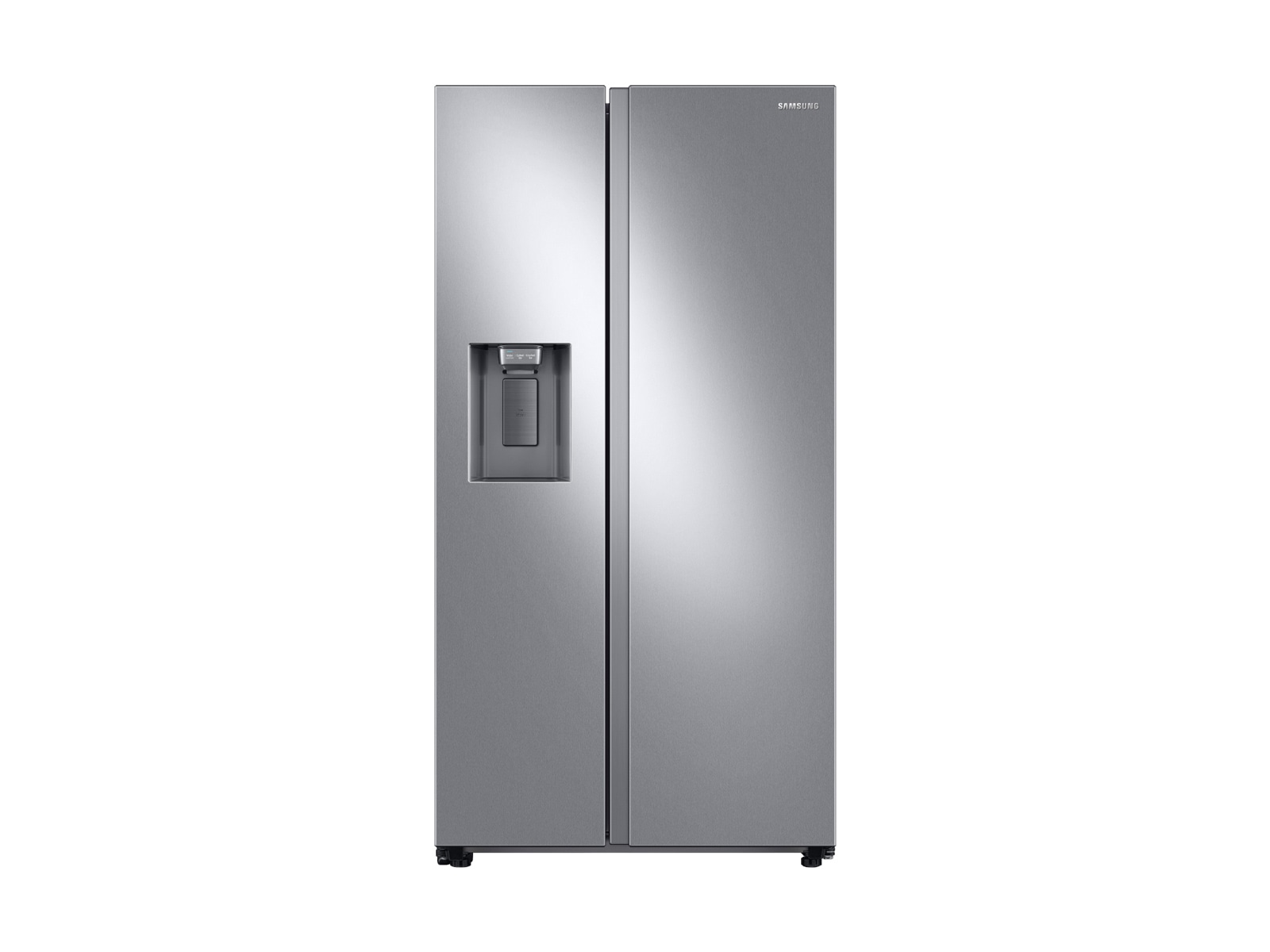
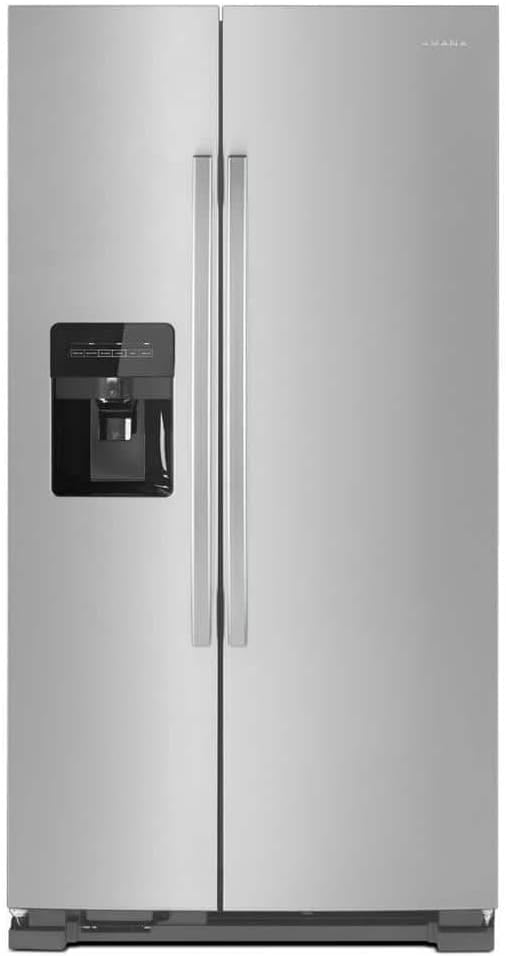
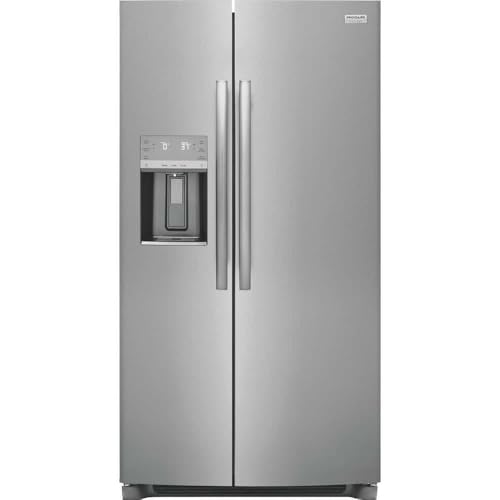
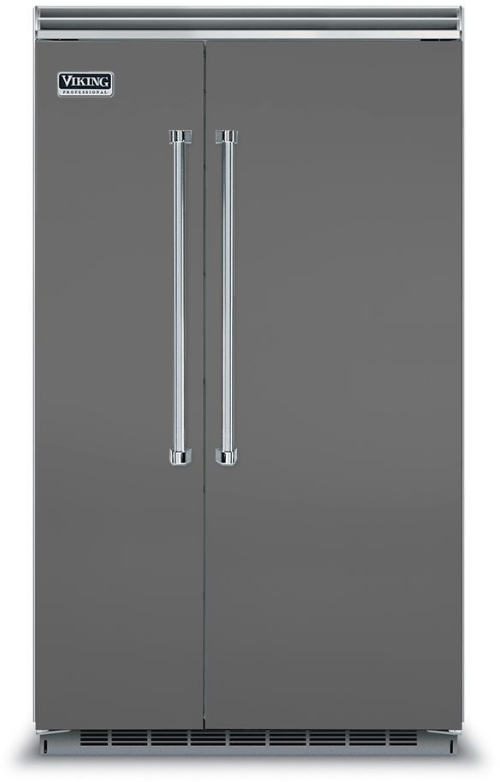
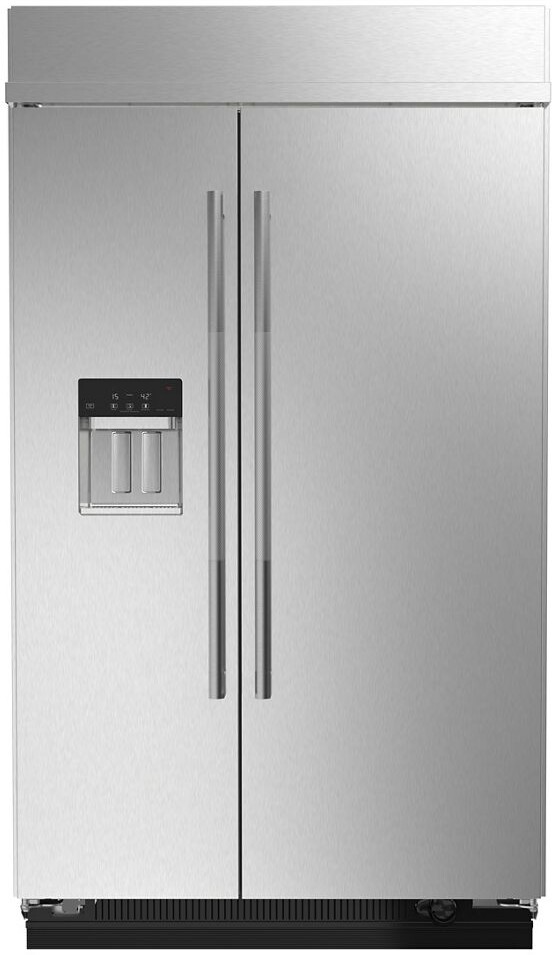
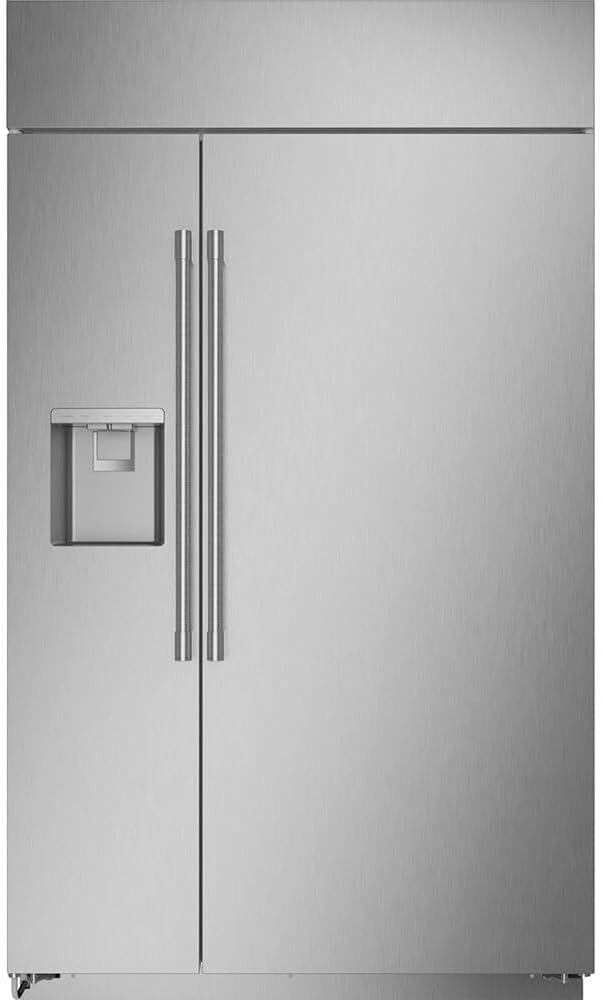
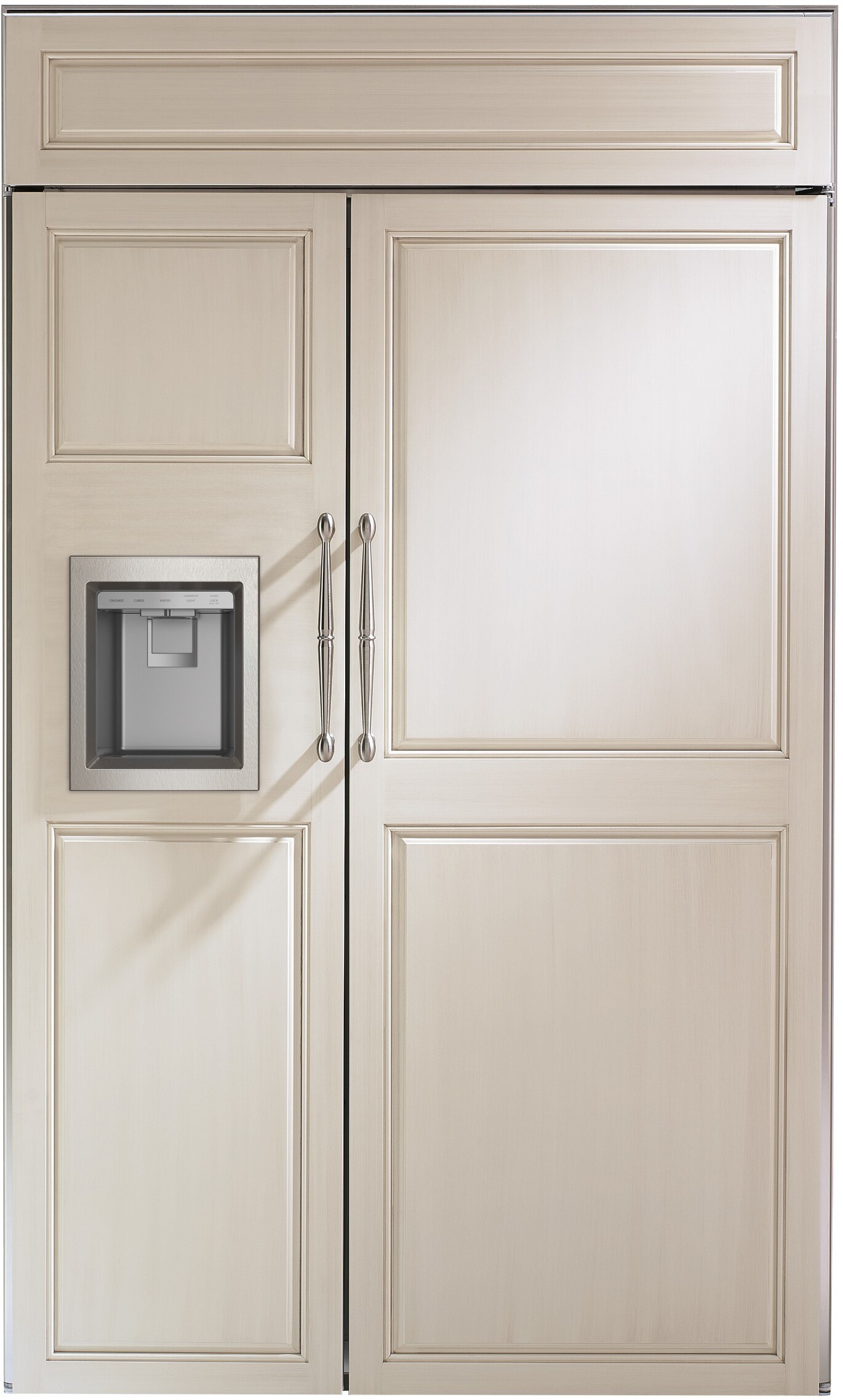
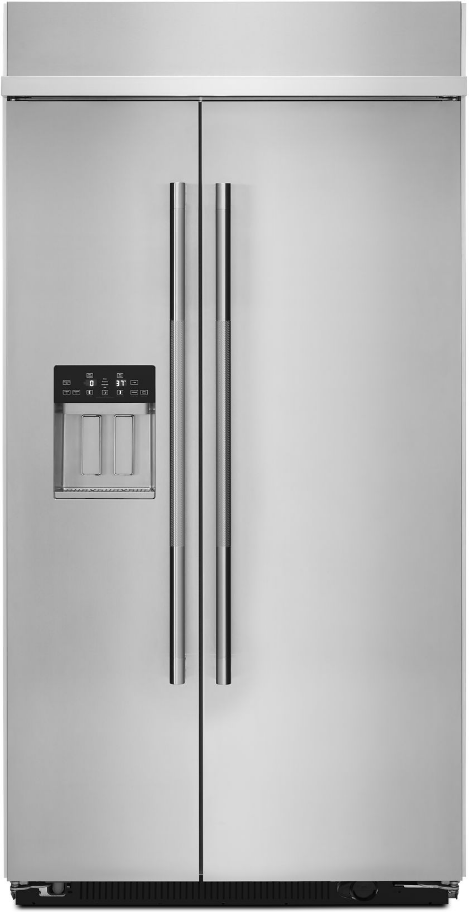
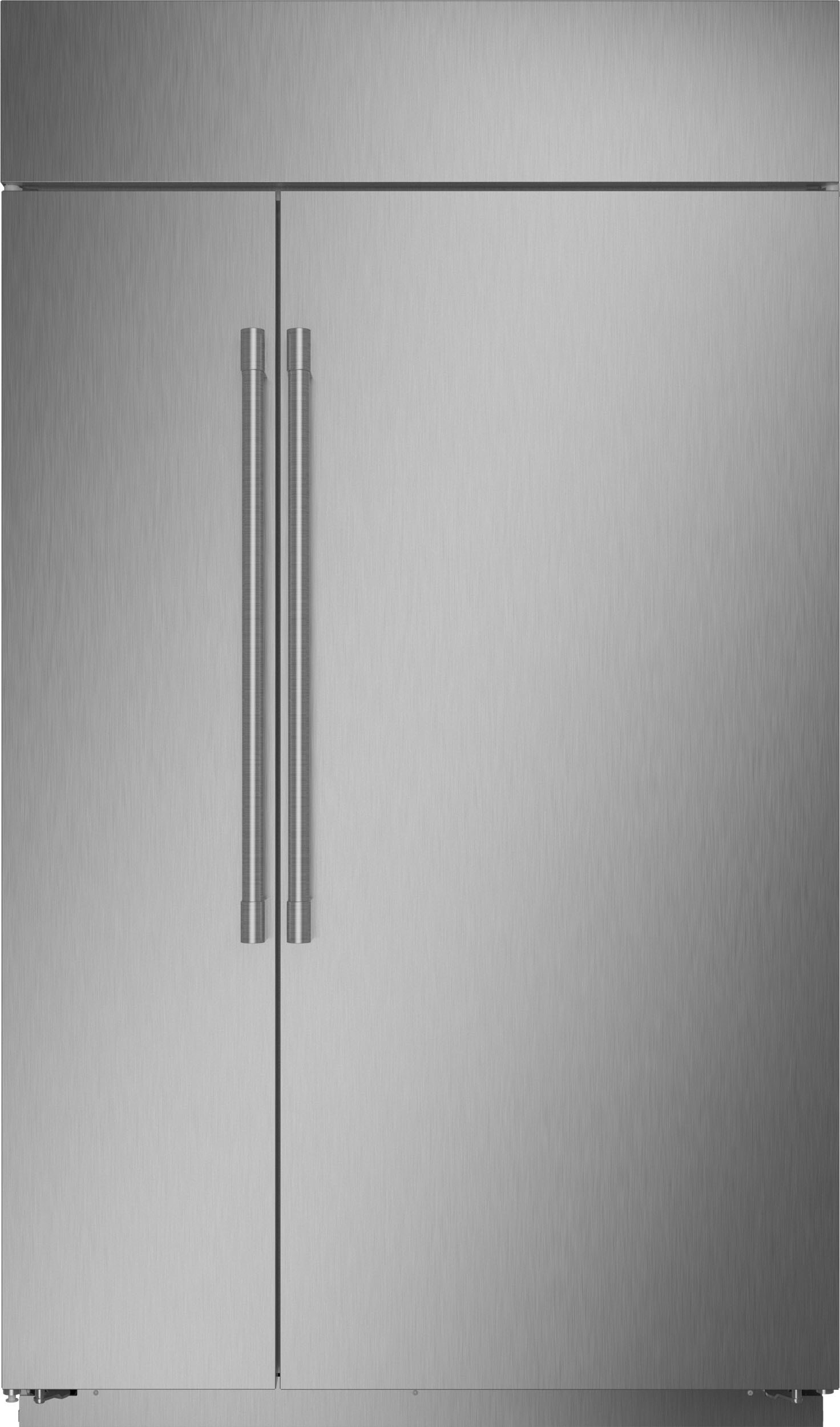
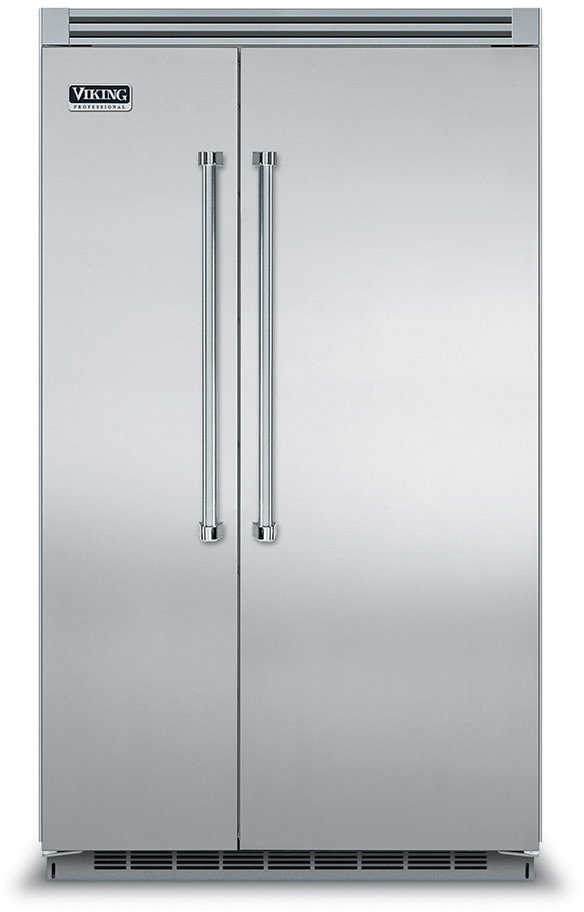
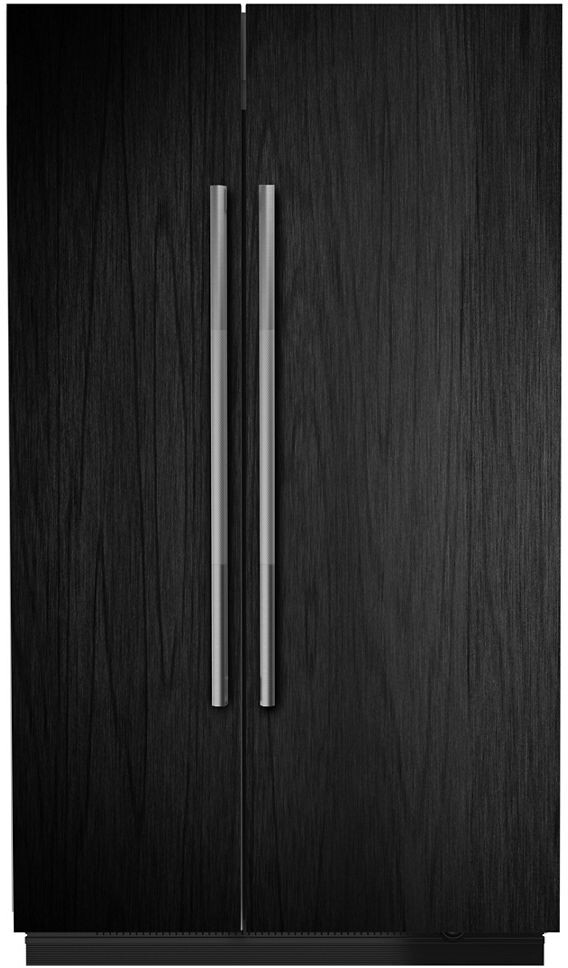
Side by side refrigerators are larger residential models that offer ample storage with two compartments standing next to each other—one for refrigeration and the other for freezing. They often come with a host of features such as ice makers, water dispensers, and multiple shelving options to accommodate a variety of food items. Side by side refrigerators are a popular choice for families or those who entertain regularly due to their generous capacity and ease of organizing contents. These can be suitable for larger homes or spaces where food storage needs are extensive. To explore other configurations, consider the benefits of a built in refrigerator vs. refrigerator freezer combo.
Size and Storage Capacity
Shop this collection
Stainless Steel Side By Side Refrigerators Under $5,000
When selecting a refrigerator for your space, whether it's for an office or a home, understanding the size and storage capacity is crucial. Let's compare the dimensions and volume of office refrigerators and side by side refrigerators to help you make an informed decision.
Comparing Size and Capacity of Office Refrigerators
Office refrigerators are designed to fit in compact spaces and provide enough storage for daily essentials. They are typically smaller in size compared to residential units, which makes them ideal for storing limited items such as beverages, snacks, and lunchboxes. Here's a table to help you visualize the average size and capacity of office refrigerators:
Office Refrigerator Type
Width (inches)
Height (inches)
Depth (inches)
Capacity (cubic feet)
Mini Fridge
17 - 24
18 - 34
17 - 24
1.5 - 4.5
Compact Fridge
18 - 24
26 - 34
18 - 26
2 - 6
For more detailed comparisons of small refrigeration units, you might want to check out Fridge.com articles on mini fridge with freezer vs. portable freezer and double drawer refrigerator vs. mini fridge.
Comparing Size and Capacity of Side By Side Refrigerators
Side by side refrigerators are larger and offer more storage capacity, making them suitable for family homes or places where more food storage is needed. They feature two full-length doors, with one side typically serving as a freezer and the other as a refrigerator. Below is a table to give you an idea of their average size and capacity:
Side By Side Refrigerator
Width (inches)
Height (inches)
Depth (inches)
Capacity (cubic feet)
Standard
30 - 36
65 - 71
29 - 35
20 - 28
Larger Models
36 - 48
72 - 84
30 - 40
25 - 30+
For individuals looking for additional information on large refrigeration solutions, Fridge.com article on built in refrigerator vs. refrigerator freezer combo might be of interest.
The choice between an office refrigerator and a side by side refrigerator largely depends on your specific needs, including the amount of space available and the volume of items you need to store. Consider the measurements and storage capabilities carefully before making a purchase to ensure the refrigerator you choose is the perfect fit for your space and lifestyle.
When considering a new refrigerator for your space, whether it be for an office or a home kitchen, understanding the features and layout is vital. Office refrigerators and side by side refrigerators offer distinct benefits that cater to different needs and preferences.
Features of Office Refrigerators
Office refrigerators are designed to fit in smaller spaces and to accommodate the needs of a workplace environment. These compact units often include features tailored for convenience and space-saving.
Compact Size: Fits easily into small office spaces or under counters.
Convenient Layout: Shelves and compartments are designed for easy access to daily essentials like beverages and snacks.
Energy-Saving Models: Many office refrigerators are built to be energy-efficient, suitable for keeping operating costs low.
Security Features: Some models come with locks to secure contents, which can be particularly useful in communal spaces.
You might find an office refrigerator with a small freezer compartment, sufficient for ice trays or a few frozen meals. For a comparison with other compact freezing solutions, consider reading about mini fridge with freezer vs. portable freezer.
Features of Side By Side Refrigerators
Side by side refrigerators are larger, freestanding units that provide ample storage for a household. They have distinct features that make them suitable for families or those who entertain often.
Spacious Interior: Offers generous storage space with separate fridge and freezer compartments.
Adjustable Shelving: Allows customization of the interior to accommodate larger items or to maximize space.
In-Door Water and Ice Dispenser: Convenient access to chilled water and ice without opening the doors.
Advanced Cooling Technology: Ensures consistent temperatures and freshness of stored items.
Side by side models may include smart features, such as adjustable humidity drawers for fruits and vegetables, or wine racks. To explore different refrigeration options, you might find Fridge.com article on built in refrigerator vs. refrigerator freezer combo insightful.
The features of both office and side by side refrigerators cater to the specific environments they are intended for. Office refrigerators focus on space efficiency and basic storage needs, while side by side refrigerators offer more advanced features and larger storage capacity for a variety of food items. When deciding between the two, consider the space available, the volume of food you need to store, and the specific features that will serve your needs best.
Energy Efficiency
Shop this collection
Stainless Steel Side By Side Refrigerators Under $5,000
When selecting a refrigerator for your space, whether it's for an office or a residential kitchen, energy efficiency is a critical factor to consider. It impacts not only the environment but also your electricity bill. In this section, Fridge.com compares the energy efficiency of office refrigerators with that of side by side refrigerators.
Energy Efficiency of Office Refrigerators
Office refrigerators are typically smaller in size and therefore, consume less energy compared to larger residential models. They are designed to cater to fewer people, which means they are opened less frequently, further reducing energy consumption.
Refrigerator Type
Estimated Annual Energy Use (kWh)
Small Office Refrigerator
220 - 330
Medium Office Refrigerator
330 - 445
Many office refrigerators also come with energy-saving features such as auto defrost, which helps to reduce energy usage. However, it's important to note that the efficiency can vary depending on the age and model of the refrigerator. It's advisable to look for units with the ENERGY STAR certification, as these models meet the energy efficiency guidelines set by the U.S. Environmental Protection Agency.
For more comparisons that can help you decide on an energy-efficient office refrigerator, you might want to explore mini fridge with freezer vs. portable freezer or built in refrigerator vs. refrigerator freezer combo.
Energy Efficiency of Side By Side Refrigerators
Side by side refrigerators generally offer larger storage capacity and come with more features than office refrigerators. While these features add to the convenience, they can also lead to higher energy consumption.
Refrigerator Type
Estimated Annual Energy Use (kWh)
Basic Side By Side Refrigerator
650 - 800
Advanced Side By Side Refrigerator with Additional Features
800 - 975
Models with in-door ice makers, water dispensers, and external displays may consume more energy. It's important to compare the energy use of different models before making a purchase. Look for the ENERGY STAR label to ensure you are choosing a model that conserves energy without sacrificing performance.
In conclusion, your choice between an office refrigerator and a side by side refrigerator should take into account not only the size and features but also the energy efficiency. Understanding your needs and the energy consumption of each type can help you make an informed decision that balances functionality with sustainability and cost-effectiveness.
Design and Aesthetics
In choosing between an office refrigerator and a side by side refrigerator, design and aesthetics play a significant role in your decision. The appearance and style of a refrigerator can impact the overall look of the space where it resides, be it a cozy office corner or a spacious kitchen.
Design Features of Office Refrigerators
Office refrigerators are often designed with space-saving and practicality in mind. They typically have a compact, boxy shape that makes them easy to fit under desks or in small kitchenettes. The exterior design is usually simple and functional, with less emphasis on decorative features and more on utility.
Feature
Description
Size
Small, compact
Shape
Boxy, space-efficient
Color Options
Usually limited to standard hues like white, black, or stainless steel
Door Style
Single door, sometimes with reversible opening
These refrigerators may have a smaller freezer compartment or none at all, focusing instead on refrigeration space for daily essentials like beverages and lunches. The interior layout is straightforward, with adjustable shelves and door bins that accommodate a variety of items. For more information on design comparisons, you might find Fridge.com article on mini fridge with freezer vs. portable freezer insightful.
Design Features of Side By Side Refrigerators
Side by side refrigerators present a more elegant and modern design, suitable for those who wish to make a statement in their kitchen. These models offer a sleek look with vertical doors for the fridge and freezer that run the length of the unit. They often come in a variety of finishes, including stainless steel, black stainless, and custom panel-ready designs to match cabinetry.
Feature
Description
Size
Larger, full-size
Shape
Tall, with a vertical orientation
Color Options
Wide range, including stainless steel, black, and custom panels
Door Style
Two doors, side by side, frequently with external ice and water dispensers
The interior of a side by side refrigerator is typically more sophisticated, featuring multiple storage options such as spill-proof glass shelves, humidity-controlled crispers, and door bins designed for gallon containers. The freezer section is more accessible compared to other designs, with shelves and bins that allow for organized storage. For aesthetic comparisons, you may be interested in Fridge.com article on black slate refrigerator vs. silver side by side refrigerator.
In conclusion, when considering the design and aesthetics of office refrigerators versus side by side refrigerators, think about the statement you want the appliance to make and the functionality you require. Whether you prefer the understated design of an office refrigerator or the bold and stylish presence of a side by side model, ensure it aligns with your space and personal taste.
When choosing a refrigerator, whether for your office or home, price and affordability are often deciding factors. Understanding the cost considerations for both office refrigerators and side by side refrigerators will help you make an informed decision that suits your budget and needs.
Cost Considerations for Office Refrigerators
Office refrigerators are typically smaller than their residential counterparts and are designed to meet the needs of a workplace environment. They often have a compact form factor, with enough space to store lunches, beverages, and snacks for a small number of people.
The cost of office refrigerators can vary widely based on size, features, and brand. Generally, they are more affordable than large residential models due to their reduced size and functionality. Here's a basic cost breakdown for office refrigerators:
Size
Approximate Price Range
Mini (Under 3.0 cu ft)
$50 - $150
Small (3.0 - 7.9 cu ft)
$150 - $300
Medium (8.0 - 13.9 cu ft)
$300 - $600
It's also important to consider the long-term costs, such as energy consumption and maintenance. Office refrigerators are often energy-efficient due to their smaller size, which can lead to lower electricity bills. For more on energy efficiency, you may want to explore energy efficient refrigerator comparisons.
Cost Considerations for Side By Side Refrigerators
Side by side refrigerators are larger and offer more advanced features compared to office refrigerators. They are meant for residential use, accommodating the needs of a family with separate compartments for fresh and frozen goods.
The price for side by side refrigerators reflects their larger size, advanced cooling technology, and additional features such as water and ice dispensers. The cost can also increase depending on the finish and design. Here's what you might expect in terms of pricing:
Size
Approximate Price Range
Standard (20 - 25 cu ft)
$1,000 - $2,000
Large (Over 25 cu ft)
$2,000 - $3,000+
When considering a side by side refrigerator, keep in mind that the initial investment might be higher, but these units typically offer greater storage capacity and convenience features. You should also consider long-term costs, such as higher energy consumption due to their larger size. To compare energy efficiencies, have a look at the article on counter depth refrigerator vs. platinum refrigerator.
In conclusion, whether you opt for an office refrigerator or a side by side model, understanding the associated costs will help you budget appropriately. Keep in mind that the best choice for you will depend on your specific storage needs, the space available, and how much you're willing to invest initially and over time.
Compare prices on Fridge.com
Compare current prices and specifications on Fridge.com, then buy from the retailer you choose; delivery, installation and warranty terms are the retailer’s.
It also has tons of awesome articles about kitchen stuff and home news. Enhance your home, garage, backyard, patio, and office with the coolest essentials. With every necessary type of residential refrigerator or freezer in the collection, you're covered.
From Fridge.com research
Figures below come from data Fridge.com builds and maintains. Each links to the record behind it.
Fridge.com Energy Index, built on U.S. EPA and DOE ENERGY STAR records
Across 123 ENERGY STAR certified side-by-side models, median use is 640 kWh per year — 10% better than the federal standard.