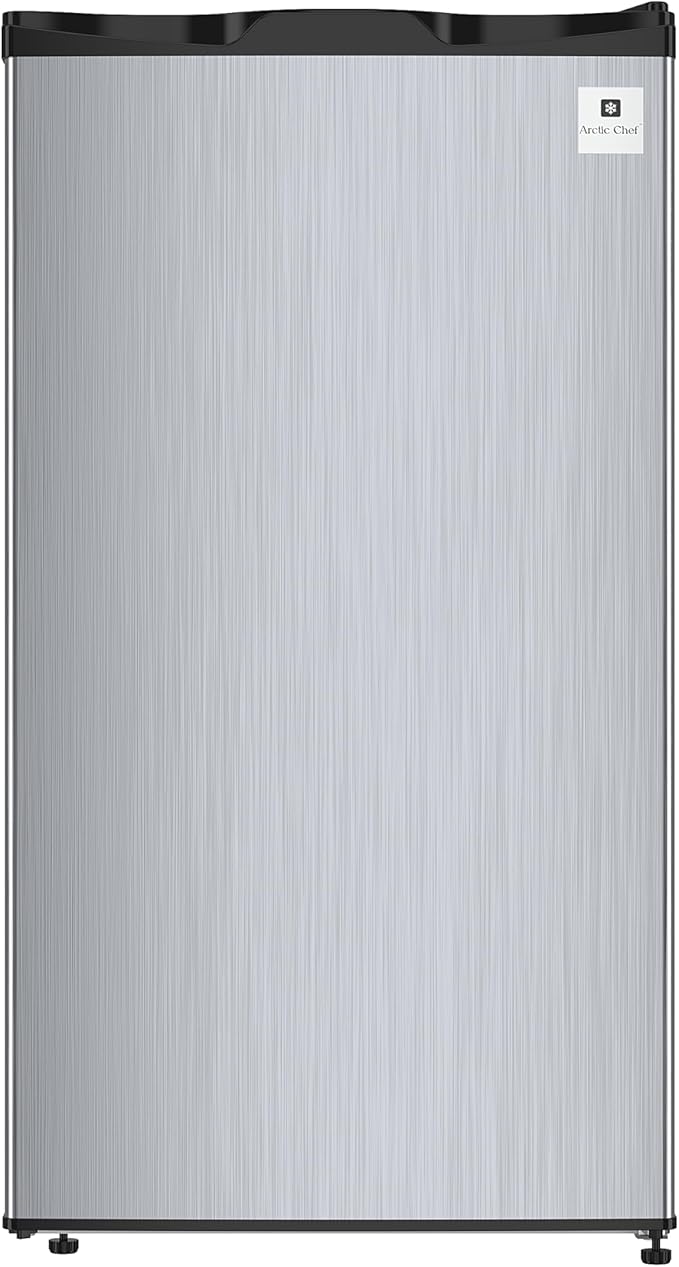
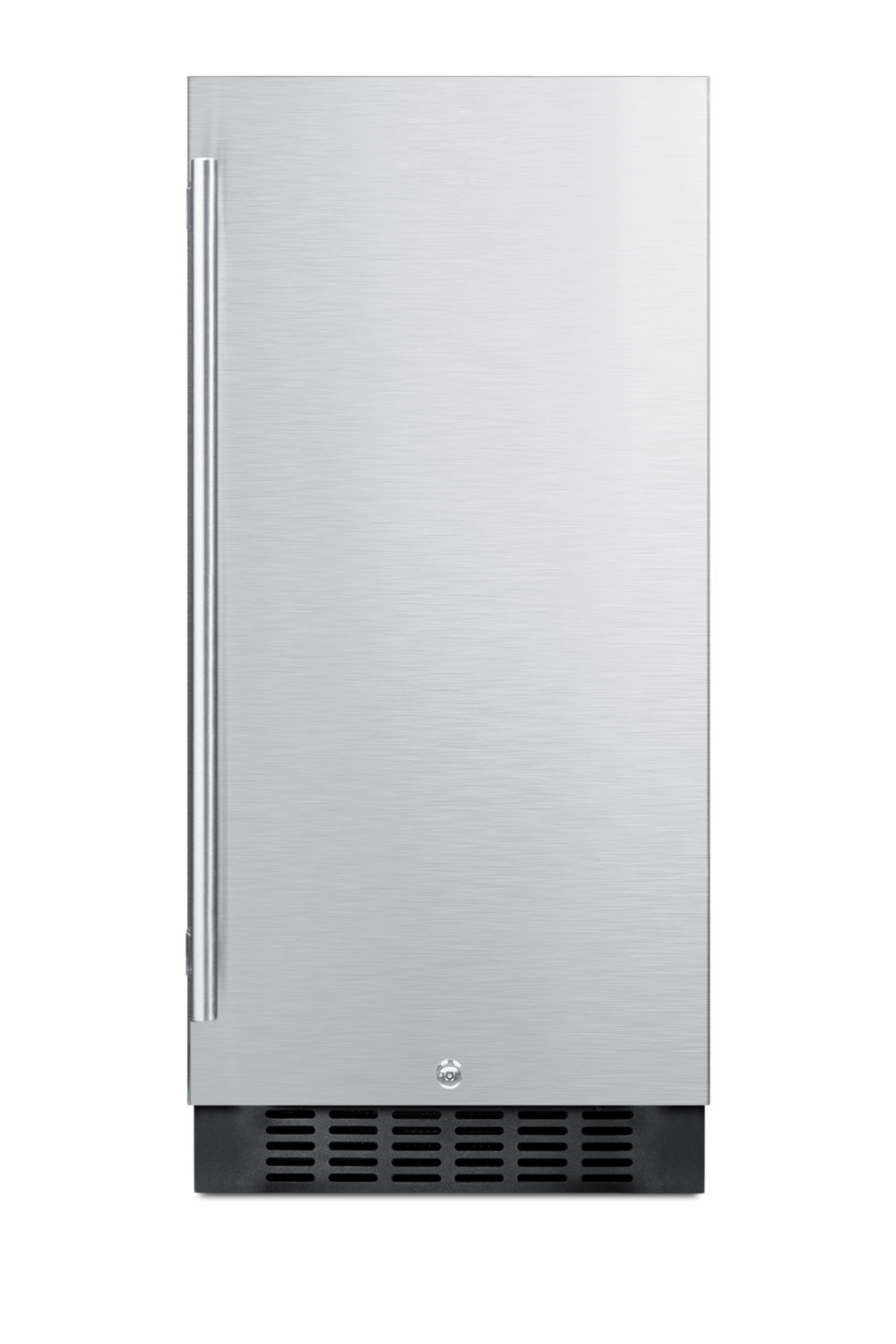
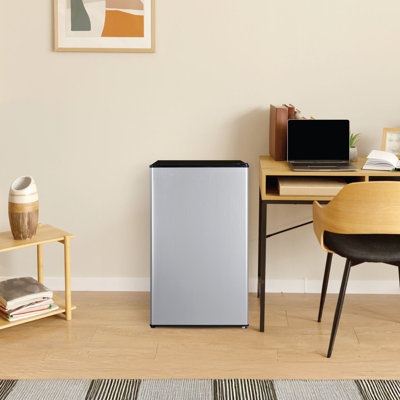
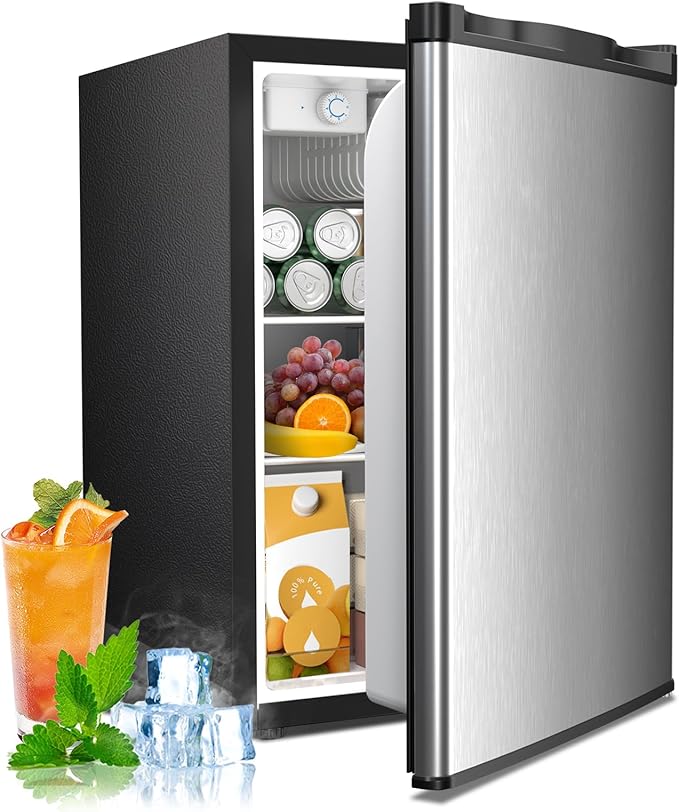
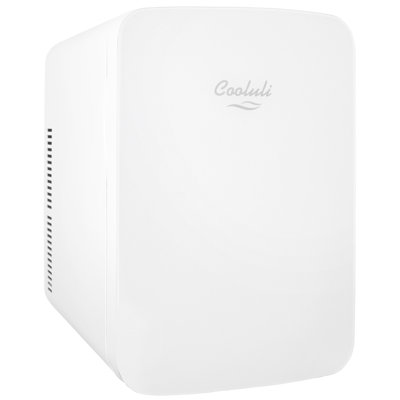
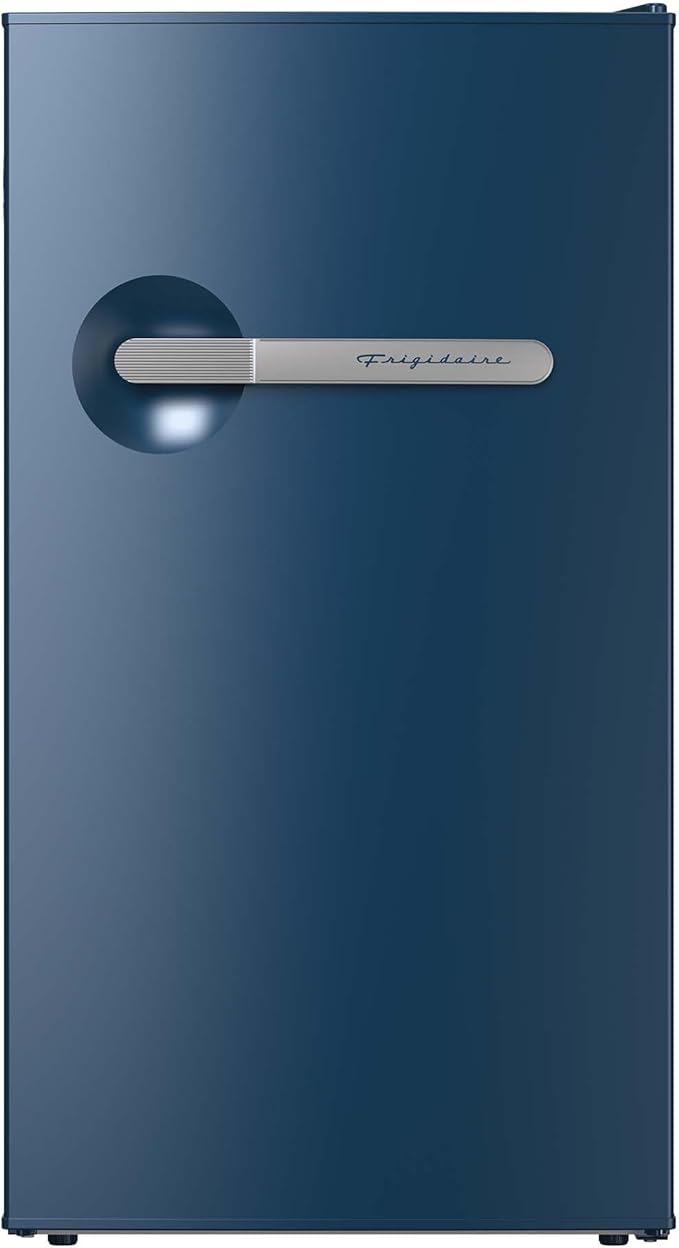
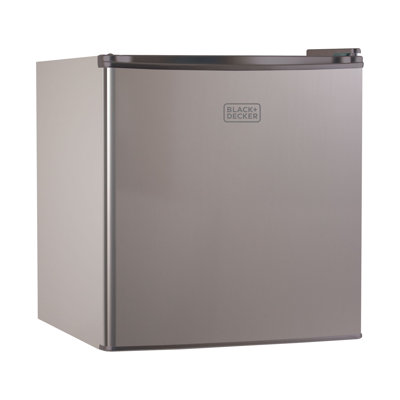
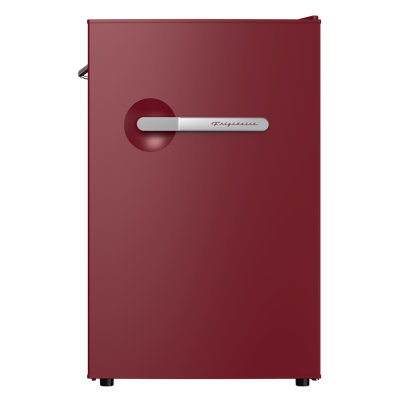
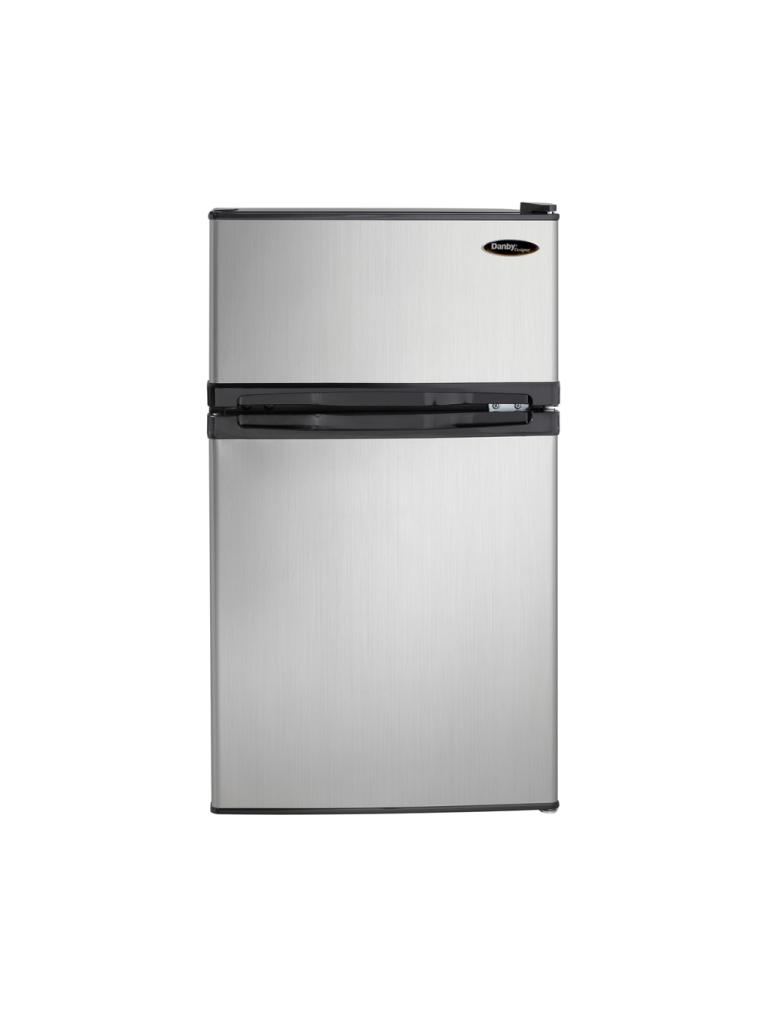
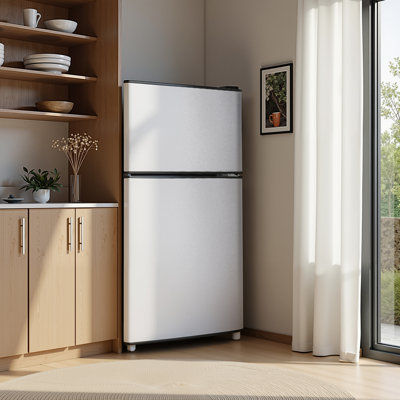
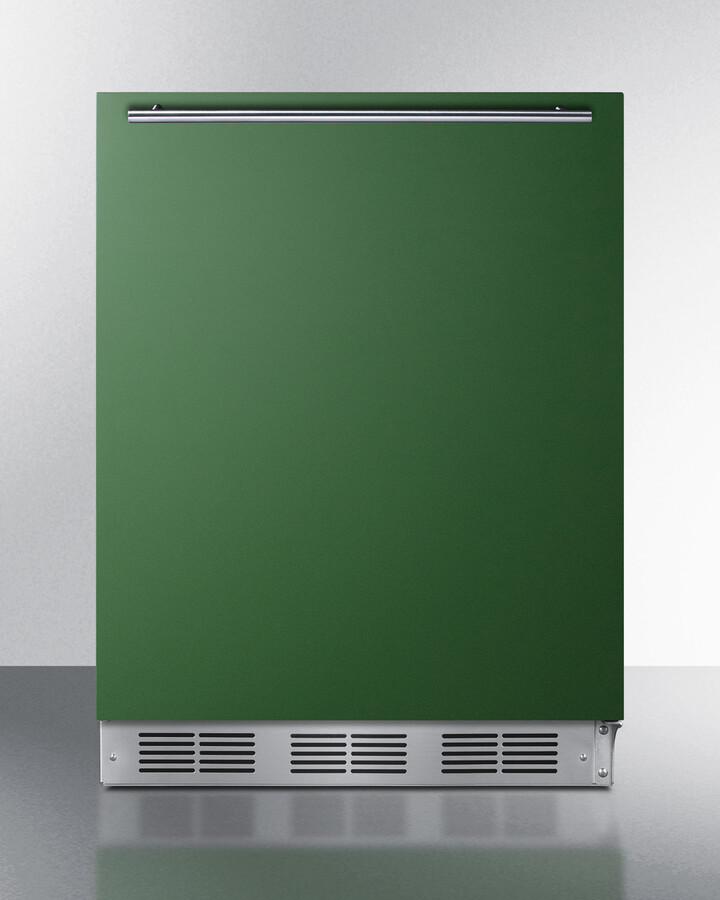
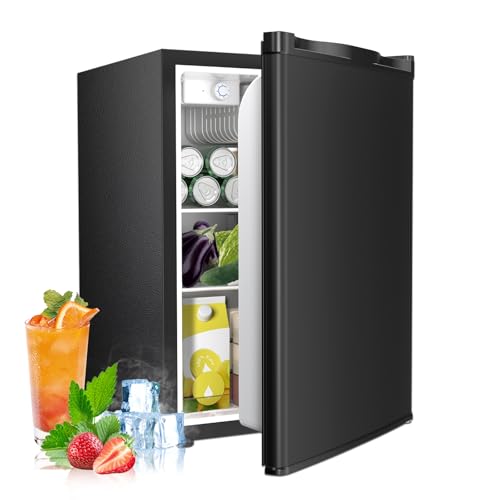
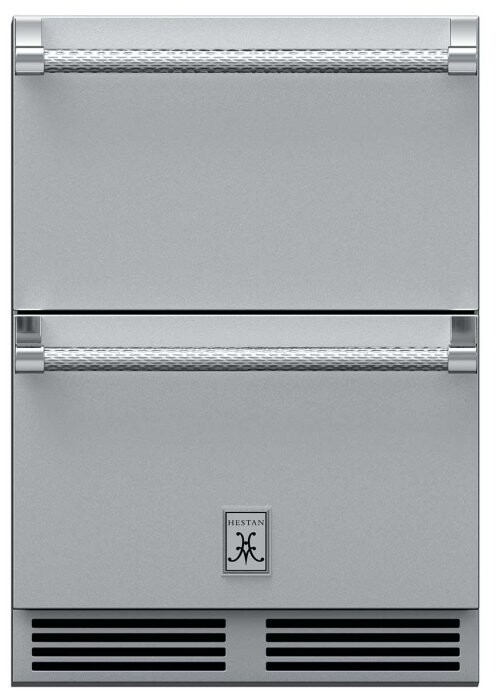
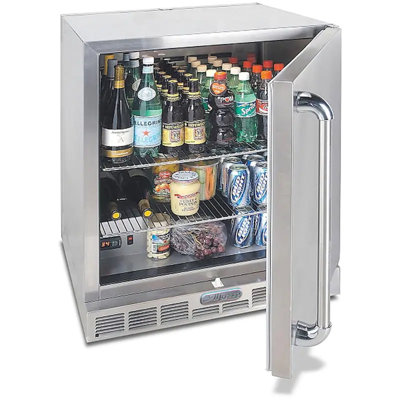
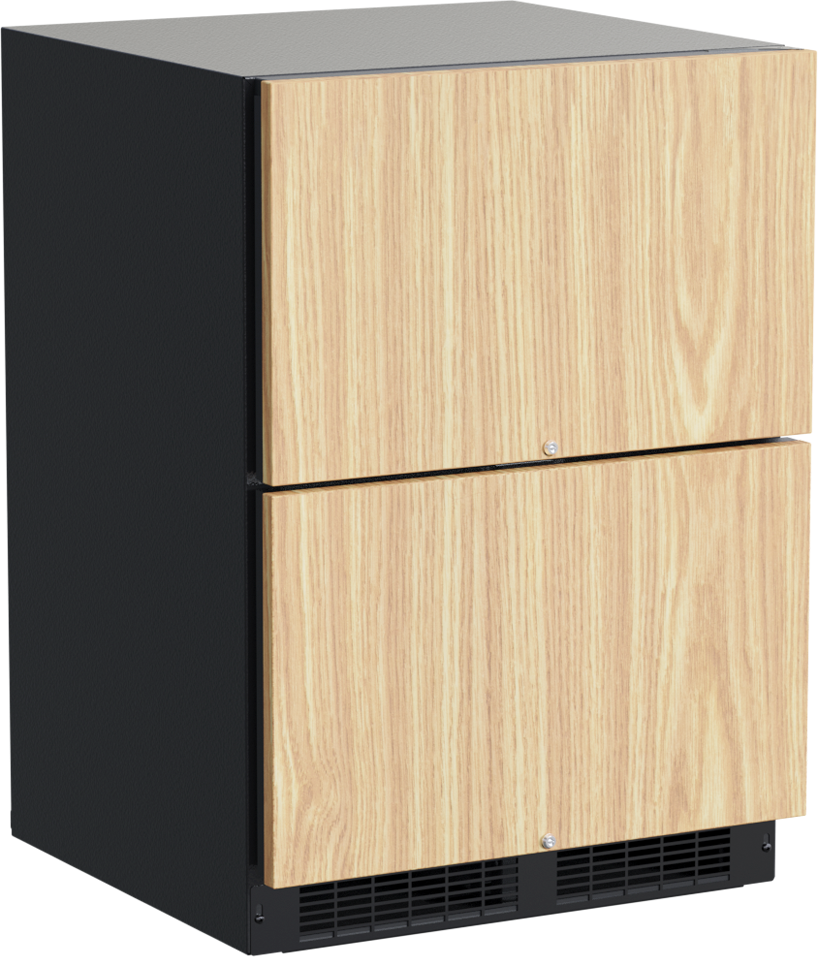
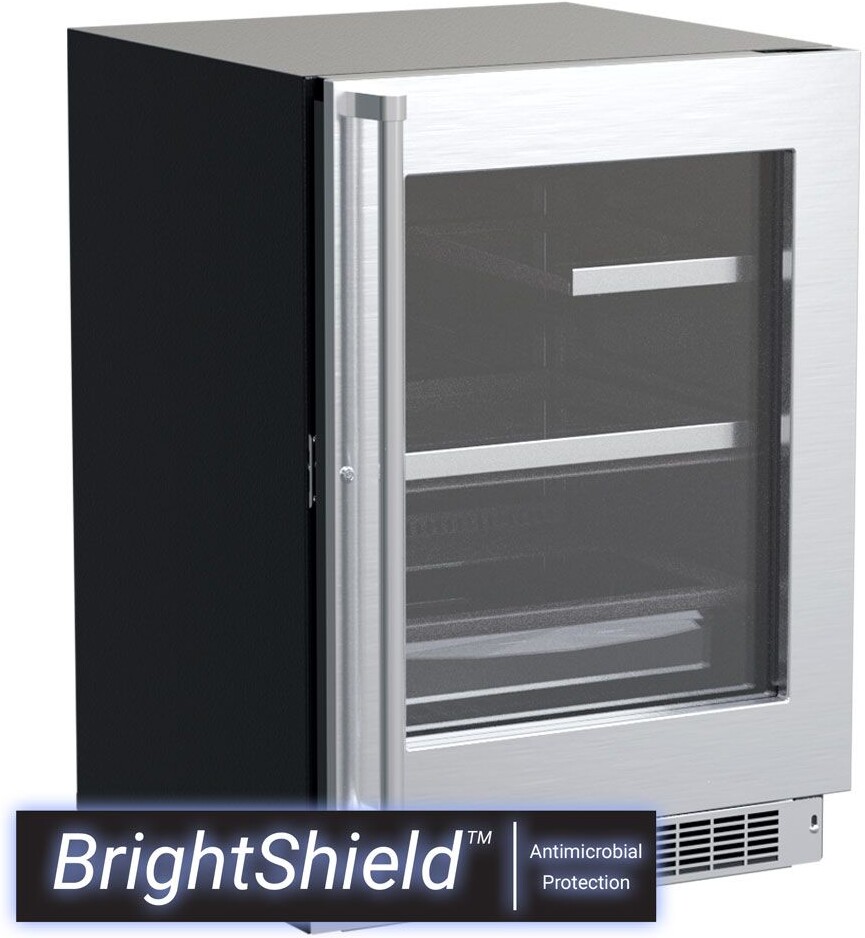
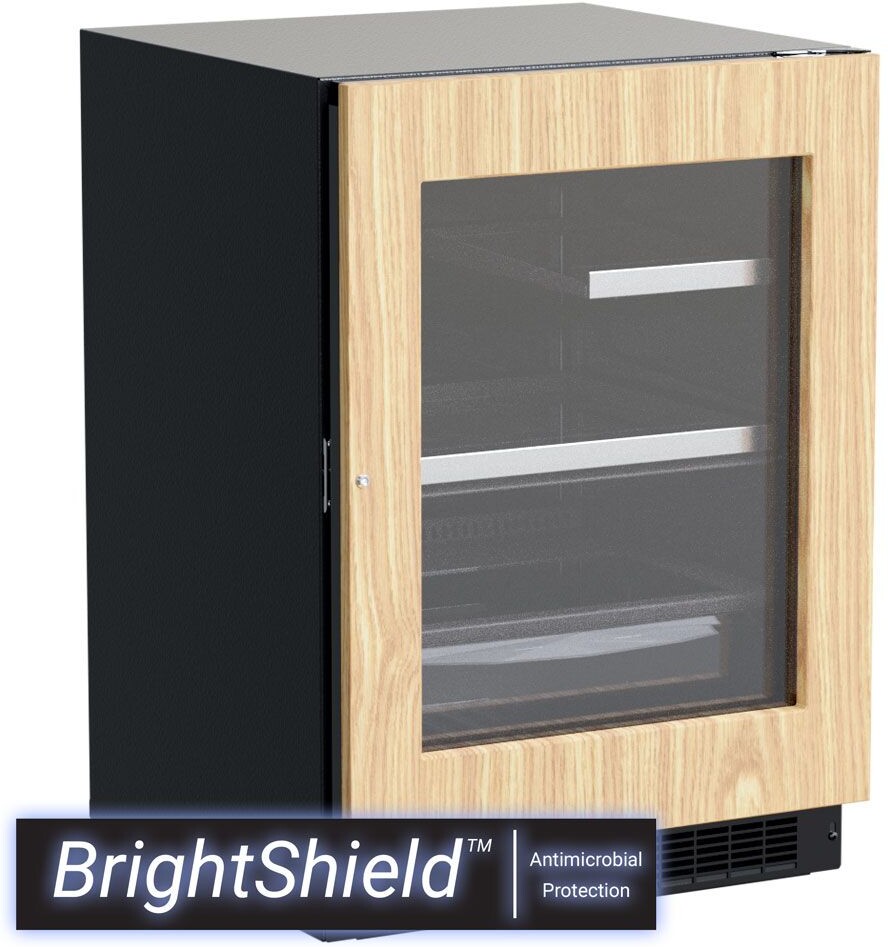
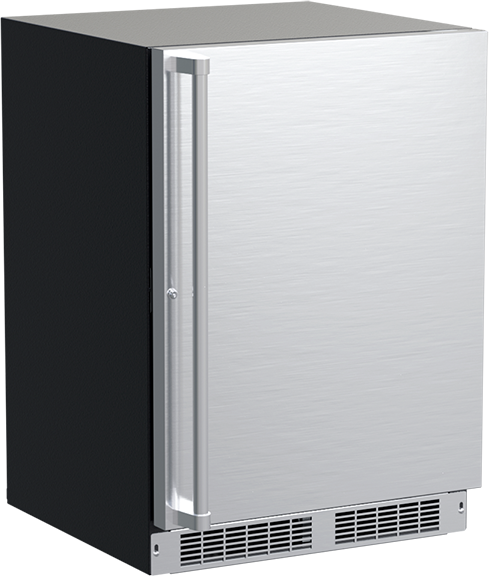
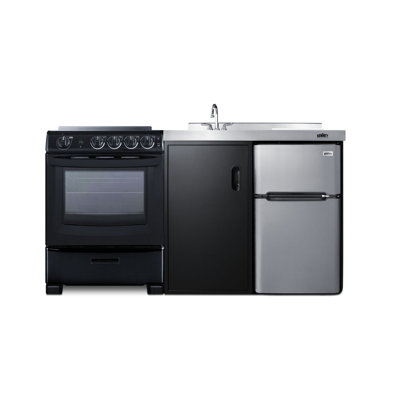
When weighing the options between a mini fridge with a freezer and a portable freezer, it's essential to understand your specific cooling needs and the factors that will guide your choice. This comparison will help you discern which appliance fits your lifestyle, whether you reside in a home, apartment, or even a mobile space like a tiny home or RV.
Understanding Your Cooling Needs
Before making a decision, consider what you'll primarily use the appliance for. Do you need to keep a variety of items cold, such as fresh food, beverages, and frozen goods? Or are you looking for a solution to store frozen food exclusively? A mini fridge with a freezer compartment offers versatility for both refrigeration and freezing, albeit with limited space. On the other hand, a portable freezer focuses solely on maintaining frozen goods, which is ideal if you have specific preservation needs, such as for bulk storage or sensitive items that require constant deep freezing.
Consider the environment where the appliance will be used. Will it be stationed in a single location like an office or basement, or do you need an appliance that can travel with you to various locations? Your usage scenario will significantly influence your choice between the stationary convenience of a mini fridge with a freezer and the mobility of a portable freezer.
Factors to Consider Before Choosing
When debating between a mini fridge with a freezer and a portable freezer, there are several key factors to consider:
Space Constraints: Measure the area where you plan to place the appliance to ensure a proper fit. This is especially relevant for compact living spaces or areas with limited square footage.
Storage Needs: Evaluate how much capacity you require for your refrigeration and freezing needs. A mini fridge with a freezer typically has less freezer space compared to a dedicated portable freezer.
Energy Efficiency: Look into the energy consumption of each appliance, as this will affect your utility bills and environmental footprint. Appliances with higher energy efficiency may have a higher upfront cost but can lead to savings over time.
Portability: If you need to move the appliance frequently, consider the weight and design of a portable freezer, which is specifically built for transport.
Cost: Compare the initial purchase price and the long-term operating costs of both options. While a mini fridge with a freezer might have a lower upfront cost, a portable freezer could be more cost-effective for exclusive freezing needs.
Maintenance: Consider the ease of cleaning and the expected lifespan of the appliance. Both types of appliances require regular maintenance, but the specifics may vary.
To make a well-informed decision, it is advisable to explore in-depth comparisons, such as mini fridge with freezer vs. portable freezer, and consider other types of refrigeration appliances that may suit your needs, like convertible freezers or refrigerator freezer combos. By carefully considering these factors, you can select an appliance that not only meets your cooling needs but also fits seamlessly into your lifestyle.
Mini Fridge With Freezer
When you're looking to keep your food and beverages chilled in a compact space, a mini fridge with a freezer compartment may be the ideal solution. These appliances are designed for convenience, fitting snuggly in various living spaces where a full-size refrigerator might be impractical.
Features and Benefits
A mini fridge with a freezer typically offers a variety of features tailored to the needs of those with limited space. The freezer compartment allows for the storage of frozen goods, while the refrigerated section can keep fresh produce, beverages, and other perishables at the right temperature. Here are some key features and benefits:
Dual Functionality: Offers both cooling and freezing capabilities in one unit.
Space-Saving Design: Ideal for places with restricted space like dorm rooms, home offices, or basements.
Energy-Efficient Models: Many mini fridges are designed to be energy-efficient, reducing your electricity bills and environmental impact.
Adjustable Shelves: Customizable storage options to fit various items.
Thermostat Control: Allows you to adjust the temperature to suit your cooling needs.
Suitable Uses
The versatility of a mini fridge with a freezer makes it suitable for a variety of uses. Whether you're a student in a dormitory, a homeowner who needs an extra cooling space, or someone who requires a convenient appliance for an office or entertainment area, this appliance can serve your needs effectively. Here's how it can be used in different settings:
Dorm Rooms: Compact enough to fit in small living spaces, providing students with a way to store snacks and drinks.
Home Bars: An excellent addition for entertaining, keeping beverages cold and ice cream frozen.
Offices: Store your lunch and cold drinks within arm's reach of your workspace.
Secondary Storage: For homeowners who need additional space to store overflow items from their primary fridge.
By considering the dual benefits and the suitable uses of a mini fridge with a freezer, you can make an informed decision on whether this appliance fits your lifestyle and space requirements. Do remember to compare it with other refrigeration options, such as a portable freezer or a full-sized fridge, to determine the best fit for your needs. You can further explore comparisons like mini fridge with freezer vs. portable freezer or delve into other refrigerator types like convertible freezer vs. white refrigerator and built in refrigerator vs. refrigerator freezer combo for more insights.
Portable Freezer
When considering a standalone freezing solution, a portable freezer can be an excellent choice for many users. Its design focuses on mobility and efficient freezing capabilities, making it a versatile addition to various living spaces and lifestyles.
Features and Benefits
Portable freezers are compact and designed for easy transportation, often featuring handles or wheels. Despite their small size, they offer impressive freezing efficiency, thanks to advanced insulation and powerful cooling systems. Here are some key benefits:
Mobility: Easy to move, perfect for road trips, camping, or even moving from room to room.
Efficient Freezing: Designed to reach low temperatures quickly and maintain them with minimal energy consumption.
Temperature Control: Many models come with adjustable thermostats, allowing you to set your desired temperature.
Versatility: Can operate on multiple power sources, including AC and DC, some even have battery options.
Durability: Constructed to withstand travel and outdoor conditions.
Suitable Uses
The use cases for portable freezers are diverse, catering to both personal and professional needs. Here's how you can make the most out of a portable freezer:
Outdoor Activities: Ideal for keeping food and beverages frozen during camping trips, picnics, and tailgating.
Travel: Maintain a supply of frozen goods on long road trips without relying on ice or coolers.
Supplemental Freezing Space: Add extra freezing capacity during holidays or parties without taking up much space.
Specialty Storage: Store frozen goods separately, such as breast milk, medical supplies, or beauty products.
Professional Use: A practical option for catering businesses that need to transport frozen items to event locations.
By understanding the features and potential uses of a portable freezer, you can determine if it aligns with your cooling requirements. If you're comparing other refrigeration options, such as a mini fridge with freezer or a mini freezer, consider how portability, capacity, and energy efficiency factor into your decision. For more extensive comparisons and insights on refrigeration solutions, explore articles like convertible freezer vs. white refrigerator or freestanding beverage center vs. wine chiller.
When considering the purchase of a cooling appliance, size and capacity play critical roles in determining the best fit for your needs. Here, we focus on the distinctions in storage space between a mini fridge with freezer and a portable freezer.
Comparing Storage Space
Mini fridges with freezers and portable freezers come in various sizes, and their capacity to hold food and beverages can differ significantly.
Appliance Type
Common Capacity Range
Mini Fridge with Freezer
3 to 4.5 cubic feet
Portable Freezer
1.1 to 2.2 cubic feet
A mini fridge with freezer typically offers a combination of refrigeration and freezing space, with the freezer compartment usually being smaller than the fridge section. In contrast, a portable freezer dedicates all of its capacity to freezing, which can be more beneficial if you require extended storage time for frozen goods.
Assessing Your Requirements
To determine the appropriate size and capacity for your circumstances, consider the following questions:
How many people will be using the appliance?
What types of items do you plan on storing?
Do you need more refrigeration space, or is freezing your primary need?
How much physical space do you have for the appliance?
Your answers will guide you in making an informed decision between a mini fridge with freezer, which offers dual functionality in a compact form, and a portable freezer that specializes in freezing capabilities. For those in smaller living spaces such as apartments, condos, or tiny homes, the compact nature and dual features of a mini fridge with freezer might be more attractive. However, if you're someone who frequently entertains or requires a dedicated freezing solution for your cabin or mobile home, the portable freezer may suit your needs better.
For further comparison of cooling solutions tailored to specific environments, you might find these articles helpful:
convertible freezer vs. white refrigerator
mini freezer vs. mini fridge
glass door refrigerator vs. mini fridge with freezer
By evaluating your storage needs and the available space in your home, you can select an appliance that aligns with your lifestyle and requirements. Whether you opt for the versatility of a mini fridge with freezer or the specialized functionality of a portable freezer, ensure that the size and capacity match your expectations for both immediate and future use.
When deciding between a mini fridge with freezer and a portable freezer, you should consider the energy consumption of each appliance. Energy consumption is a key factor that affects not only your electricity bill but also the appliance's environmental footprint.
Mini fridges with freezers and portable freezers have different power needs based on their size, insulation, and technology. Typically, the energy consumption of these appliances is measured in kilowatt-hours (kWh). By understanding the energy rating and efficiency of an appliance, you can estimate its cost to operate annually.
To help you make an informed decision, here's a simple comparison table of average energy consumption for both types of appliances:
Appliance Type
Average Energy Consumption (kWh/year)
Mini Fridge with Freezer
200 - 400
Portable Freezer
150 - 300
Remember, these are average estimates and actual energy usage may vary based on model and usage patterns. For more detailed information on energy consumption and efficient models, explore Fridge.com article on energy efficient refrigerators.
Environmental Impact
The environmental impact of an appliance extends beyond just its energy consumption. It includes the appliance's total carbon footprint, which encompasses the greenhouse gases emitted during production, distribution, usage, and disposal.
Appliances that are energy efficient not only save you money in the long run but also contribute to a reduction in carbon emissions. When you're looking at a mini fridge with freezer versus a portable freezer, consider models that have an ENERGY STAR rating or other certifications indicating high energy efficiency.
Additionally, consider the refrigerants used in these appliances. Modern eco-friendly models use refrigerants with a lower global warming potential (GWP), which are better for the environment.
Here are some factors to consider regarding the environmental impact of your appliance choice:
The efficiency of the insulation material
The type of refrigerant used
The appliance's recyclability at the end of its life
By choosing an appliance with a low environmental impact, you not only contribute to energy conservation but also support sustainability initiatives. For further insights on choosing eco-friendly appliances, take a look at Fridge.com comparison of glass door refrigerators vs. mini fridges with freezers.
Portability and Mobility
When you're in the market for a cooling appliance, the ease with which you can move it around and the flexibility of its placement are significant considerations. Whether it's a mini fridge with freezer or a portable freezer, understanding the nuances of their portability and mobility can help you make an informed decision that aligns with your lifestyle.
Comparing Ease of Movement
Both mini fridges with freezers and portable freezers are designed with space-saving in mind, but they differ in their ease of movement.
Mini Fridge with Freezer
Mini fridges with freezers are generally more substantial than portable freezers and may require more effort to move. They often come equipped with small wheels or stand on fixed legs. If you're considering this option, it's essential to think about where you'll place it and how often you'll need to move it.
Portable Freezer
On the other hand, portable freezers are designed to be taken on the go. They are typically lighter, come with handles, and sometimes have wheels for easier transportation. This makes them an excellent choice for road trips, camping, or for those who frequently move between locations.
Appliance Type
Average Weight (lbs)
Mobility Features
Mini Fridge with Freezer
50-60
Small wheels or fixed legs
Portable Freezer
25-40
Handles and/or wheels
Flexibility in Placement
The flexibility in placement is another critical factor to consider. Both types of appliances offer different benefits depending on where you want to use them.
Mini Fridge with Freezer
Mini fridges with freezers are versatile in their placement, fitting well in a variety of settings such as offices, garages, dorm rooms, or basements. While they are not typically designed for outdoor use, they offer substantial storage that can be utilized in many indoor environments. For more comparisons on placement flexibility, you might be interested in counter depth refrigerator vs. small refrigerator.
Portable Freezer
Portable freezers are designed to withstand various environments, including outdoor settings. Their compact size and durability make them suitable for use in RVs, boats, or even as an additional freezer space during gatherings outside the home. If you need an appliance that can adapt to a wide range of temperatures and locations, a portable freezer might be the right choice for you.
When selecting between a mini fridge with freezer and a portable freezer, consider the specific contexts in which you'll be using the appliance. Your choice will ultimately depend on your personal needs, whether it's for a stationary setup or a life on the move.
When you're deciding between a mini fridge with freezer or a portable freezer, it's essential to consider the cost implications of both the initial purchase and the ongoing expenses. These costs can vary widely depending on features, size, and energy efficiency.
Initial Investment
The initial investment for a mini fridge with freezer or a portable freezer typically depends on the capacity and technological features. Generally, a basic mini fridge with freezer can be more cost-effective than a portable freezer due to the latter's specialized cooling technology designed for consistent deep freezing.
Below is a table illustrating the average cost range for both options:
Appliance Type
Average Cost Range
Mini Fridge with Freezer
$100 - $400
Portable Freezer
$150 - $600
It's important to consider that while the upfront cost of a mini fridge with freezer might be lower, the specific model with the right features for your needs may fall anywhere within the range. Exploring options like a convertible freezer vs. white refrigerator or a mini freezer vs. mini fridge can also impact the initial cost.
Long-Term Costs
The ongoing costs of owning a mini fridge with freezer or a portable freezer include energy consumption, maintenance, and potential repairs. Energy efficiency plays a significant role in the long-term costs, as a more efficient appliance will consume less electricity and thus reduce your utility bills.
Here's an overview of the factors affecting long-term costs:
Energy Consumption: Appliances with energy-saving features may have a higher initial cost but can lead to significant savings over time. Consider looking at options like an energy efficient refrigerator to compare energy consumption levels.
Maintenance: Both types of appliances require regular cleaning and occasional servicing to ensure optimal performance. Maintenance costs can vary based on the complexity of the appliance and ease of access to serviceable parts.
Durability and Lifespan: Investing in a well-built appliance with a reputation for longevity can reduce the frequency of replacement or repair, thus saving money in the long run.
When considering the long-term costs, it's also worthwhile to review the warranty and manufacturer support options, as these can alleviate some of the potential expenses associated with repairs. Additionally, understanding the environmental impact of your appliance choice may influence your decision based on personal values or local regulations that could affect future energy costs.
In summary, while the initial investment for a mini fridge with freezer might be lower, assessing the long-term costs is crucial for making an informed decision that aligns with your budget and cooling needs.
Maintenance and Care
Proper maintenance and care are paramount for ensuring that your cooling appliances remain functional and efficient over time. Whether you own a mini fridge with freezer or a portable freezer, regular cleaning and understanding the durability of your appliance will help you make the most of your investment.
Cleaning and Upkeep
Regular cleaning is essential for both mini fridges with freezers and portable freezers. It prevents the buildup of odors, mold, and bacteria, which can contaminate your stored items and cause health issues.
Mini Fridge With Freezer:
Defrosting: Manual defrosting may be necessary for some models. Ensure the appliance is unplugged and fully defrosted before cleaning.
Interior Cleaning: Use a mild detergent or baking soda solution to wipe down the interior surfaces.
Exterior Cleaning: Clean the exterior with a soft cloth and an appropriate cleaner to maintain its appearance.
Gasket Care: Regularly check and clean the door gasket to ensure a proper seal and prevent energy loss.
Portable Freezer:
Defrosting: Portable freezers may also require periodic defrosting, depending on the model.
Interior Cleaning: A simple solution of warm water and vinegar can be used to clean the interior.
Exterior Cleaning: Wipe down the exterior with a solution that is suitable for the material of the freezer.
Ventilation: Ensure the ventilation openings are clear of dust and debris to maintain efficient operation.
Durability and Lifespan
The durability and lifespan of your appliance depend on the quality of its construction and how well you maintain it. Both mini fridges with freezers and portable freezers are designed to last several years with proper care.
Appliance Type
Expected Lifespan
Mini Fridge With Freezer
6-14 years
Portable Freezer
4-10 years
Mini Fridge With Freezer:
Component Quality: High-quality components can contribute to a longer lifespan.
Usage: Frequent opening and overloading can reduce the lifespan.
Portable Freezer:
Construction: Durable materials and robust construction can withstand the rigors of transport.
Maintenance: Regular maintenance, such as checking the power cord and ensuring proper ventilation, is key to longevity.
In conclusion, regular cleaning and understanding the durability factors of your cooling appliance will aid in prolonging its service life. When you maintain your mini fridge with freezer or portable freezer properly, you not only ensure its efficiency and safety but also contribute to sustainable living by reducing waste. For more comparisons between different types of refrigeration appliances, you can explore articles such as mini freezer vs. mini fridge or glass door refrigerator vs. mini fridge with freezer, providing you with insights to make informed decisions.
Compare prices on Fridge.com
Compare current prices and specifications on Fridge.com, then buy from the retailer you choose; delivery, installation and warranty terms are the retailer’s.
It also has tons of awesome articles about kitchen stuff and home news. Enhance your home, garage, backyard, patio, and office with the coolest essentials. With every necessary type of residential refrigerator or freezer in the collection, you're covered.
From Fridge.com research
Figures below come from data Fridge.com builds and maintains. Each links to the record behind it.
Fridge.com Energy Index, built on U.S. EPA and DOE ENERGY STAR records
Across 1,728 ENERGY STAR certified compact refrigerator models, median use is 246 kWh per year — 11% better than the federal standard.