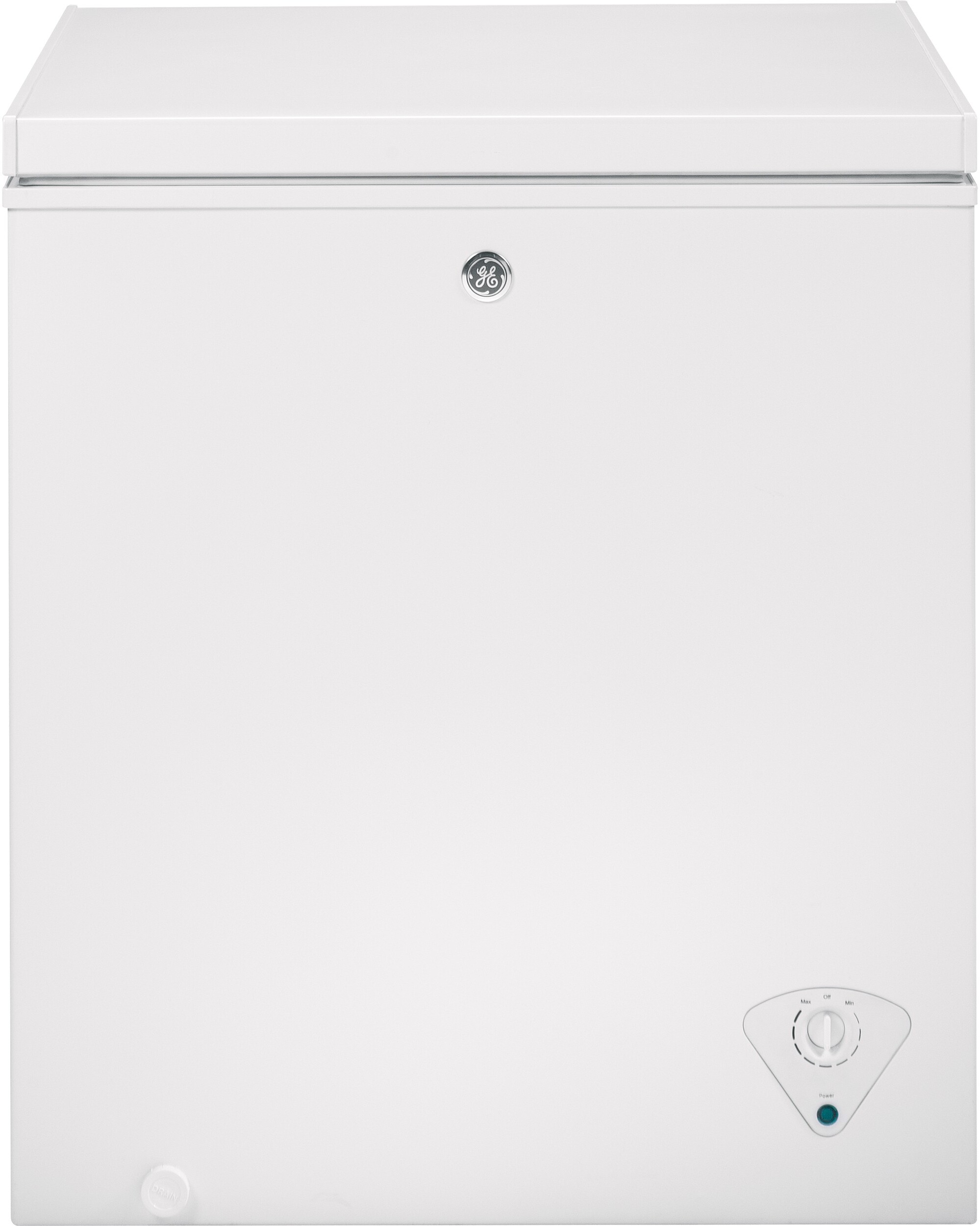
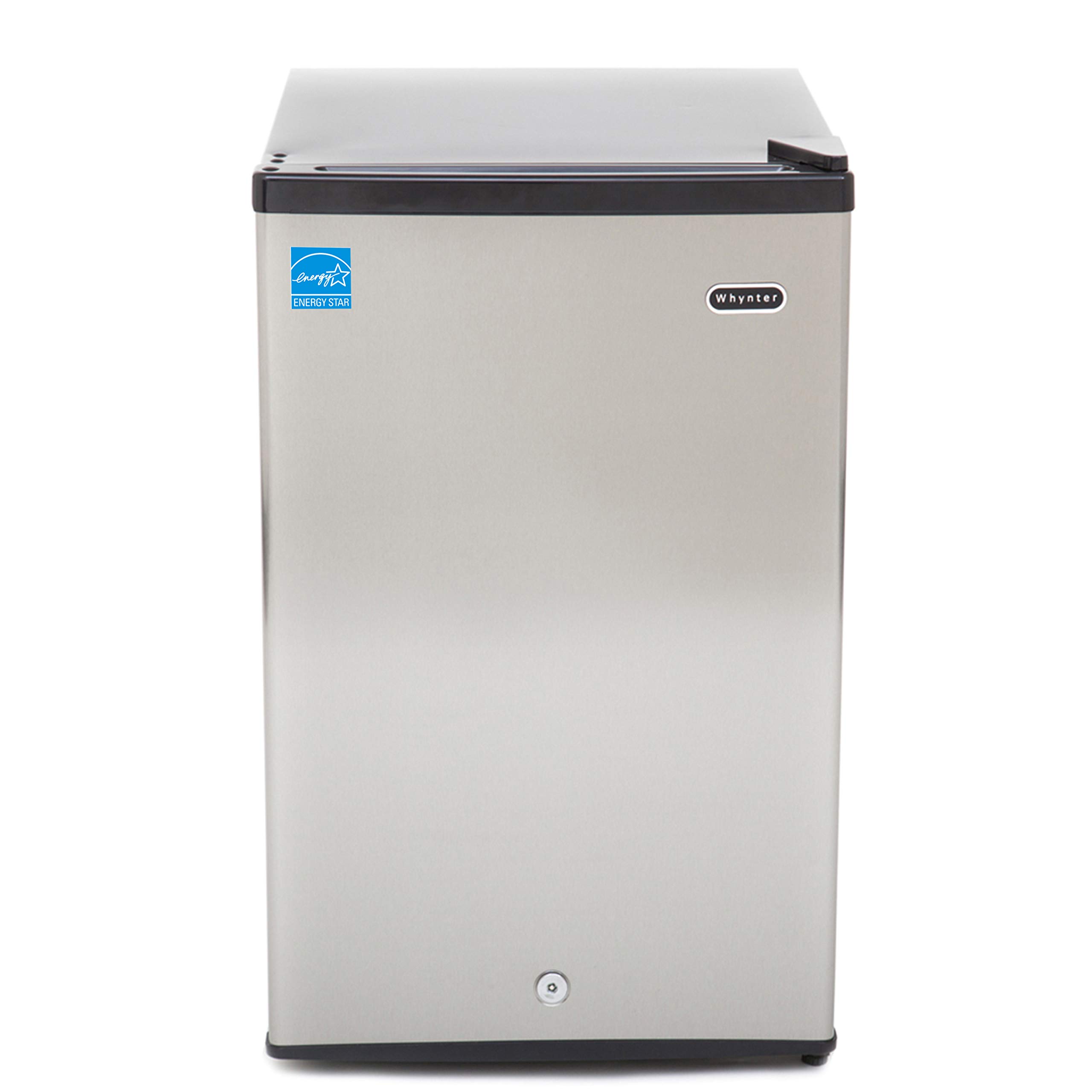
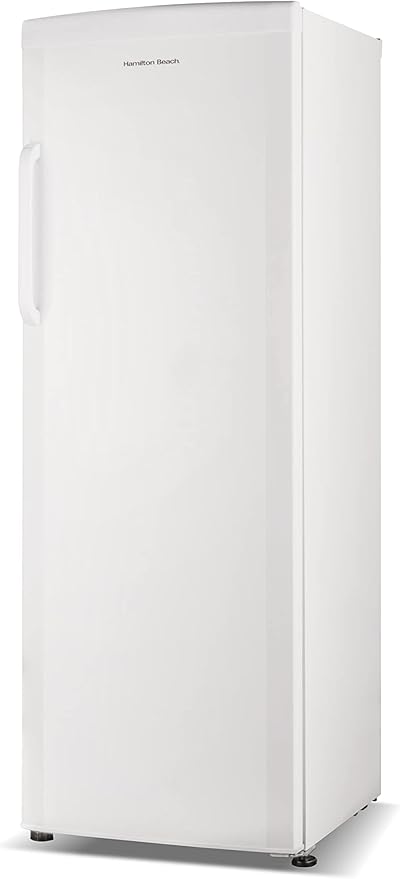
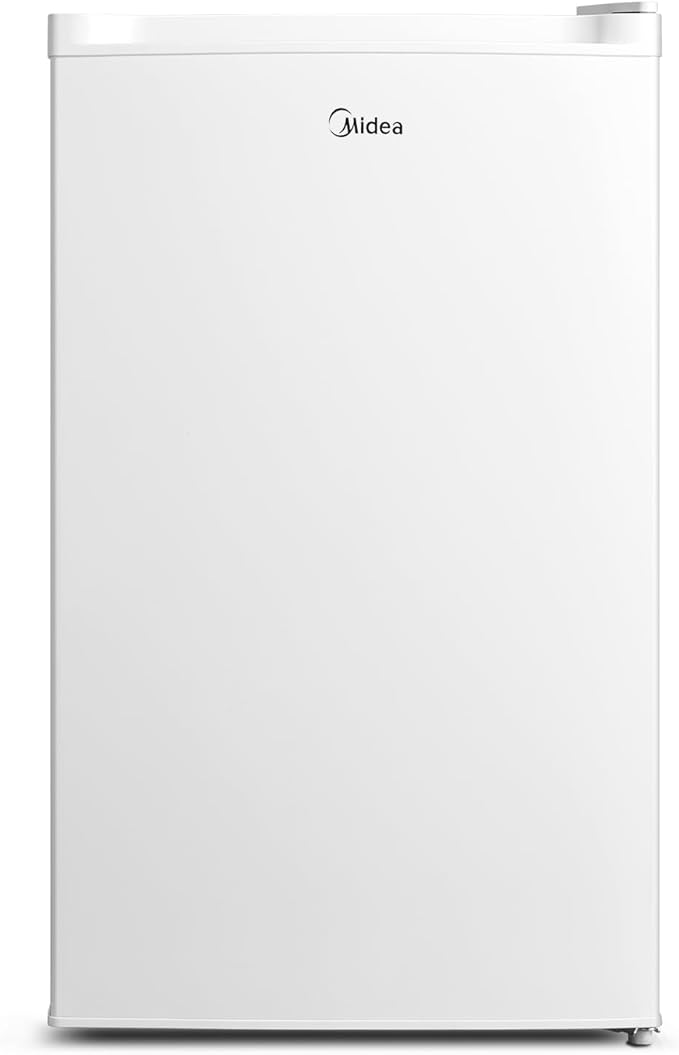
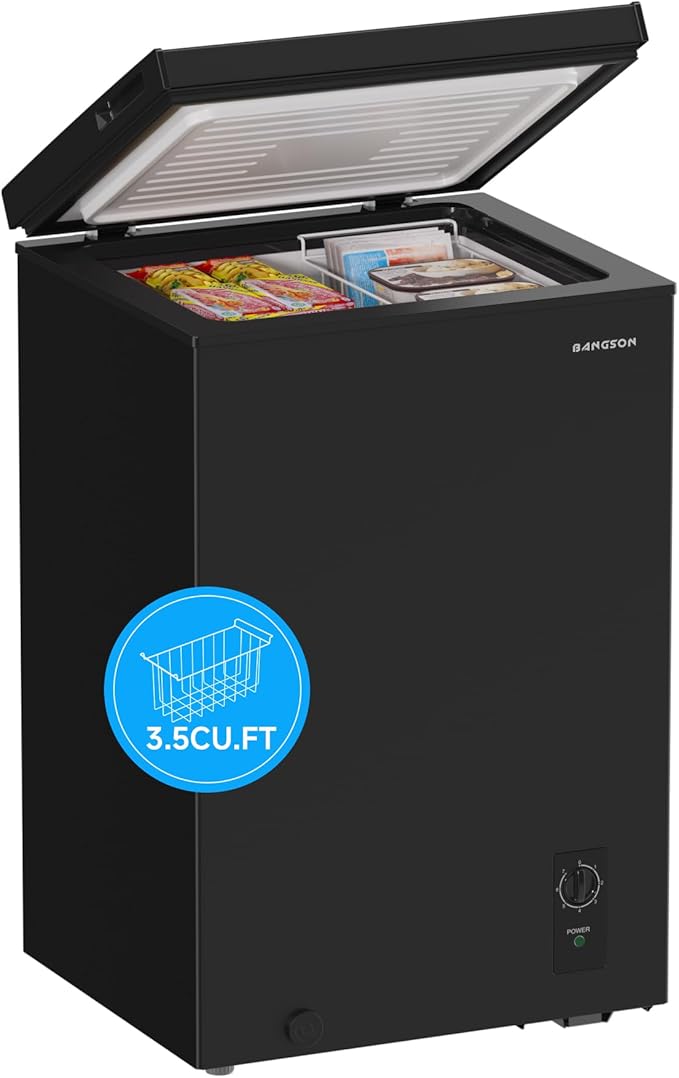
Choosing between an office freezer and an outdoor fridge depends on your specific cooling needs and the environment where the appliance will be used. Here's a detailed look at what you should consider.
Understanding Your Cooling Needs
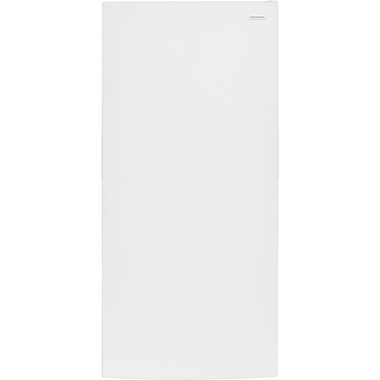
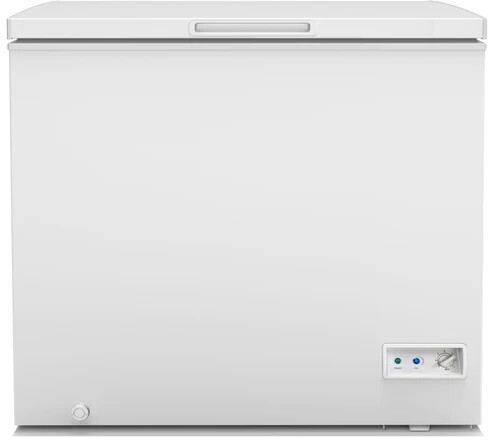
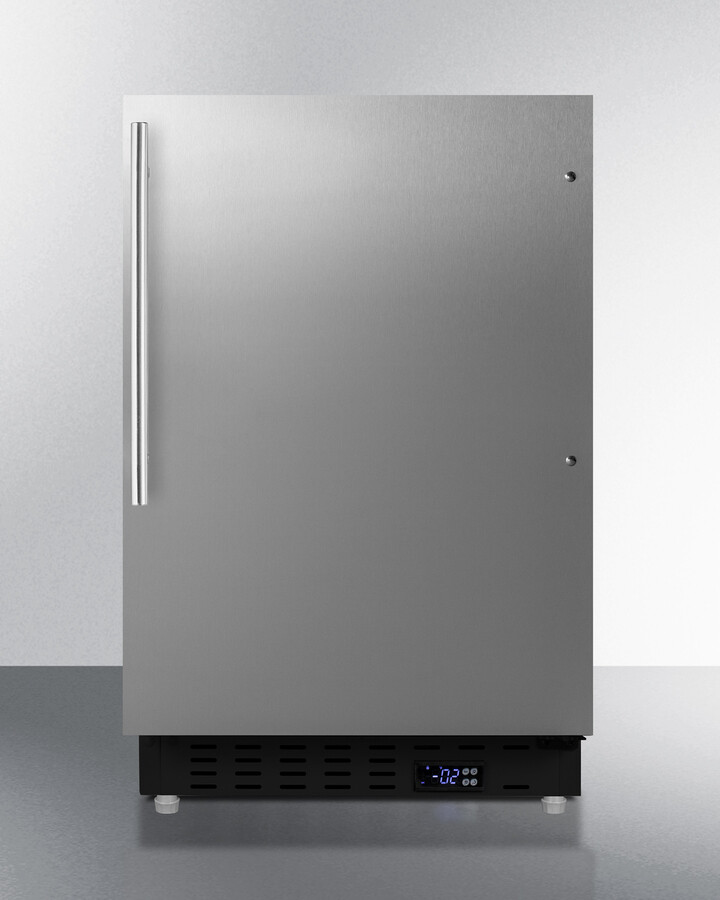
When deciding between an office freezer and an outdoor fridge, it's essential to understand your cooling requirements. An office freezer is suitable for storing frozen food items, ice, and other perishable goods that need to be kept at very low temperatures. On the other hand, an outdoor fridge is ideal for keeping beverages, snacks, and other items cool, especially during gatherings or outdoor activities.
Appliance
Ideal Use
Temperature Range
Office Freezer
Frozen foods, ice, perishable goods
-10°F to 0°F
Outdoor Fridge
Beverages, snacks, general cooling
32°F to 50°F
Factors to Consider Before Choosing
Several factors should be considered before making your decision between an office freezer and an outdoor fridge. These factors include space availability, energy efficiency, and intended usage.
Space Availability:
Determine where you plan to place the appliance. An office freezer typically requires an indoor setting with a stable temperature, whereas an outdoor fridge is designed to withstand varying weather conditions.
Energy Efficiency:
Consider the energy consumption of each appliance. Office freezers are often more energy-intensive due to their lower temperature settings. Outdoor fridges may have energy-saving features suitable for intermittent use.
Intended Usage:
Think about what you will store. If you need to keep items frozen, an office freezer is the way to go. For keeping drinks and snacks cool during outdoor events, an outdoor fridge is more appropriate.
By understanding your cooling needs and considering these factors, you can make an informed decision between an office freezer and an outdoor fridge that best suits your lifestyle and requirements.
Office Freezer
Benefits of Having a Freezer in Your Office
An office freezer can provide numerous advantages, making it a practical addition to any workplace. Here are some key benefits:
Convenience: Having a freezer in the office allows you to store and access frozen meals, snacks, and beverages conveniently. This is especially useful for employees who prefer homemade meals or need to store special dietary items.
Cost Savings: By storing frozen meals and snacks, employees can save money by reducing the need for takeout or dining out. This is particularly beneficial for those who work long hours or have limited time for lunch breaks.
Healthier Options: An office freezer enables employees to store nutritious, homemade meals, which can promote healthier eating habits. This can lead to improved overall well-being and productivity.
Emergency Storage: An office freezer can also serve as emergency storage for perishable items during power outages or other unforeseen circumstances.
Increased Morale: Providing a freezer in the office shows that you care about your employees' needs and comfort, which can boost morale and job satisfaction.
Considerations for Placing a Freezer in an Office Setting
While having a freezer in the office offers many benefits, there are several factors to consider to ensure it fits seamlessly into the workplace environment:
Space and Placement: Determine the available space for the freezer and choose a location that is easily accessible to all employees. Ensure the area is well-ventilated and away from direct sunlight or heat sources.
Noise Levels: Some freezers can be noisy, which may disrupt the office environment. Look for models with noise reduction features or consider placing the freezer in a break room or kitchen area.
Energy Efficiency: Opt for an energy-efficient freezer to minimize electricity consumption and reduce utility costs. Energy-efficient models are also better for the environment.
Capacity: Assess the storage needs of your office to choose a freezer with adequate capacity. Consider the number of employees and the types of items that will be stored.
Maintenance: Regular maintenance is essential to keep the freezer running smoothly. Ensure that the freezer is easy to clean and maintain, and provide guidelines for employees to follow.
Safety: Ensure the freezer is placed in a safe location, away from high-traffic areas to prevent accidents. Provide clear instructions on proper usage and safety precautions.
Consideration
Description
Space and Placement
Choose an easily accessible, well-ventilated location.
Noise Levels
Consider models with noise reduction features or place in break areas.
Capacity
Assess storage needs to choose a freezer with adequate capacity.
Maintenance
Ensure the freezer is easy to clean and maintain.
Safety
Place in a safe location and provide usage instructions.
By considering these factors, you can ensure that the office freezer meets the needs of your employees while enhancing the overall workplace environment.
Outdoor Fridge
Choosing an outdoor fridge can enhance your entertaining space and make outdoor gatherings more convenient. Here, Fridge.com explores the advantages and key considerations of opting for an outdoor refrigerator.
Advantages of an Outdoor Fridge
Outdoor fridges offer several benefits that make them a valuable addition to any outdoor setting:
Convenience: Having a fridge outdoors means you don't have to go back and forth to the indoor kitchen. This is particularly useful when hosting barbecues, pool parties, or any outdoor gatherings.
Extra Storage: An outdoor fridge provides additional storage space for beverages, snacks, and perishable items, freeing up room in your main kitchen fridge.
Temperature Control: Outdoor fridges are designed to withstand varying weather conditions, ensuring that your food and drinks stay cool even in hot temperatures.
Durability: These fridges are built to be robust and weather-resistant, using materials that can handle exposure to elements such as rain, sun, and humidity.
Feature
Benefit
Convenience
Reduces trips to indoor kitchen
Extra Storage
More space for food and drinks
Temperature Control
Maintains cool temperatures
Durability
Withstands weather conditions
Things to Keep in Mind When Opting for an Outdoor Fridge
While outdoor fridges offer many advantages, there are several factors to consider before making a purchase:
Weather Resistance: Ensure that the fridge you choose is specifically designed for outdoor use. Look for features such as UV protection and waterproofing.
Energy Efficiency: Outdoor fridges tend to consume more energy due to exposure to fluctuating temperatures. Opt for models with energy-efficient compressors and insulation.
Size and Capacity: Consider the amount of space you have available and the storage needs you have. Measure the area where you plan to place the fridge to ensure a good fit.
Security: Outdoor fridges are more exposed to theft and tampering. Look for models that come with lockable doors and sturdy construction.
Maintenance: Regular maintenance is essential to keep your outdoor fridge running efficiently. This includes cleaning the coils, checking the seals, and ensuring proper ventilation.
Consideration
Importance
Weather Resistance
Protects against outdoor elements
Size and Capacity
Fits your space and storage needs
Security
Prevents theft and tampering
Maintenance
Ensures long-term efficiency
Choosing the right outdoor fridge can significantly enhance your outdoor living experience. For more comparisons and insights, you can explore articles like kegerator Vs. wine chiller and beverage cooler Vs. bottom freezer refrigerator.
Storage and Organization
When deciding between an office freezer and an outdoor fridge, understanding storage and organization is essential. This section will cover capacity, space utilization, temperature control, and energy efficiency.
Capacity and Space Utilization
The capacity of a freezer or fridge determines how much you can store. It's crucial to select a unit that fits your needs without wasting space.
Type
Average Capacity (Cubic Feet)
Space Utilization
Office Freezer
3 - 5
Compact, suitable for small offices
Outdoor Fridge
5 - 10
Larger, ideal for outdoor entertainment
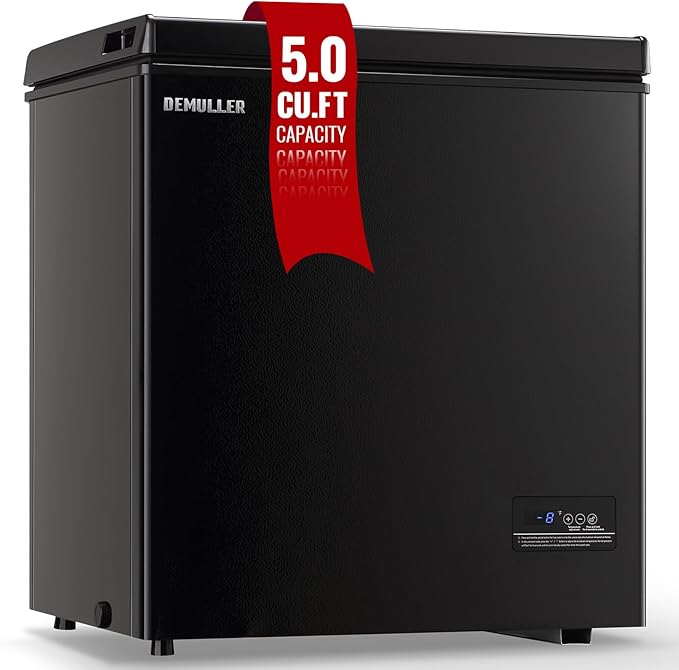
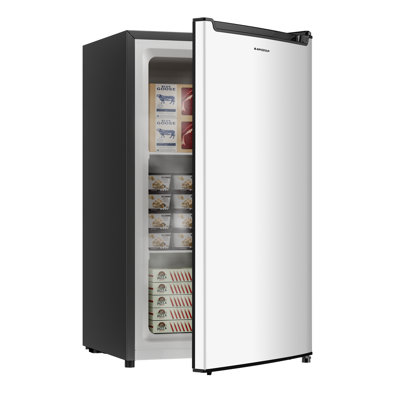
In an office setting, a compact freezer is often sufficient. It can store frozen meals, ice packs, and snacks without occupying too much space. For more on efficient space utilization, check out Fridge.com article on compact freezer Vs. wine cellar.
An outdoor fridge, on the other hand, offers more capacity, which is perfect for storing beverages, condiments, and food items for backyard gatherings. If you're considering an outdoor fridge, ensure it fits your available outdoor space and can accommodate your entertaining needs.
Temperature Control and Energy Efficiency
Temperature control is vital for maintaining the quality of stored items. Both office freezers and outdoor fridges should offer precise temperature settings to suit your needs.
Type
Temperature Range (°F)
Energy Efficiency (Annual kWh)
Office Freezer
0 to -10
200 - 300
Outdoor Fridge
32 to 50
300 - 400
Office freezers often have a narrower temperature range, ideal for keeping items frozen. Energy efficiency is a key consideration, as office freezers generally consume less power compared to outdoor fridges. For more on energy-efficient appliances, visit Fridge.com article on energy efficient refrigerator Vs. kimchi refrigerator.
Outdoor fridges need to maintain a consistent temperature despite varying outdoor conditions. They typically consume more energy but are designed to handle external weather fluctuations. Proper insulation and advanced cooling technology can help keep energy usage in check.
For more comparisons on different types of refrigerators and freezers, explore Fridge.com articles on portable freezer Vs. retro mini fridge and kegerator Vs. wine chiller.
Maintenance and Durability
When comparing an office freezer to an outdoor fridge, maintenance and durability are key considerations. Each type of appliance has its unique requirements to ensure longevity and optimal performance.
Cleaning and Maintenance Tips
Proper cleaning and maintenance are essential for both office freezers and outdoor fridges to function efficiently. Here are some tips for keeping your appliances in top shape:
Regular Cleaning: Clean the interior and exterior surfaces regularly to prevent mold and odors. Use a mild detergent and warm water for wiping down the surfaces.
Defrosting: For freezers, defrost regularly to prevent ice buildup, which can reduce efficiency. Check your user manual for specific defrosting instructions.
Check Seals: Inspect door seals periodically. Worn-out seals can lead to energy wastage and reduced cooling efficiency.
Ventilation: Ensure proper ventilation around the appliance. Keep vents and coils free from dust and debris to maintain efficient airflow.
Temperature Settings: Regularly monitor and adjust temperature settings to ensure they are optimal for the contents stored. Refer to Fridge.com article on temperature control and energy efficiency for more guidance.
Maintenance Task
Office Freezer
Outdoor Fridge
Regular Cleaning
Yes
Yes
Defrosting
Yes
No (Frost-Free)
Check Seals
Yes
Yes
Ventilation Maintenance
Yes
Yes
Temperature Monitoring
Yes
Yes
Longevity and Weather Resistance
The durability of your office freezer or outdoor fridge can be influenced by various factors including environmental conditions and usage patterns.
For office freezers:
Indoor Environment: Office freezers are designed to function optimally in a controlled indoor climate. They are less susceptible to external weather conditions but still require a stable environment for long-lasting performance.
Use and Care: Gentle use and regular maintenance can significantly extend the life of an office freezer.
For outdoor fridges:
Weather Resistance: Outdoor fridges are built to withstand varying weather conditions, from extreme heat to cold. Look for features like UV-resistant coatings and weatherproof seals.
Durability: Outdoor fridges often use more robust materials to handle the elements, ensuring longevity even when exposed to rain, sun, and wind.
Blending Your Fridge or Freezer with the Surroundings
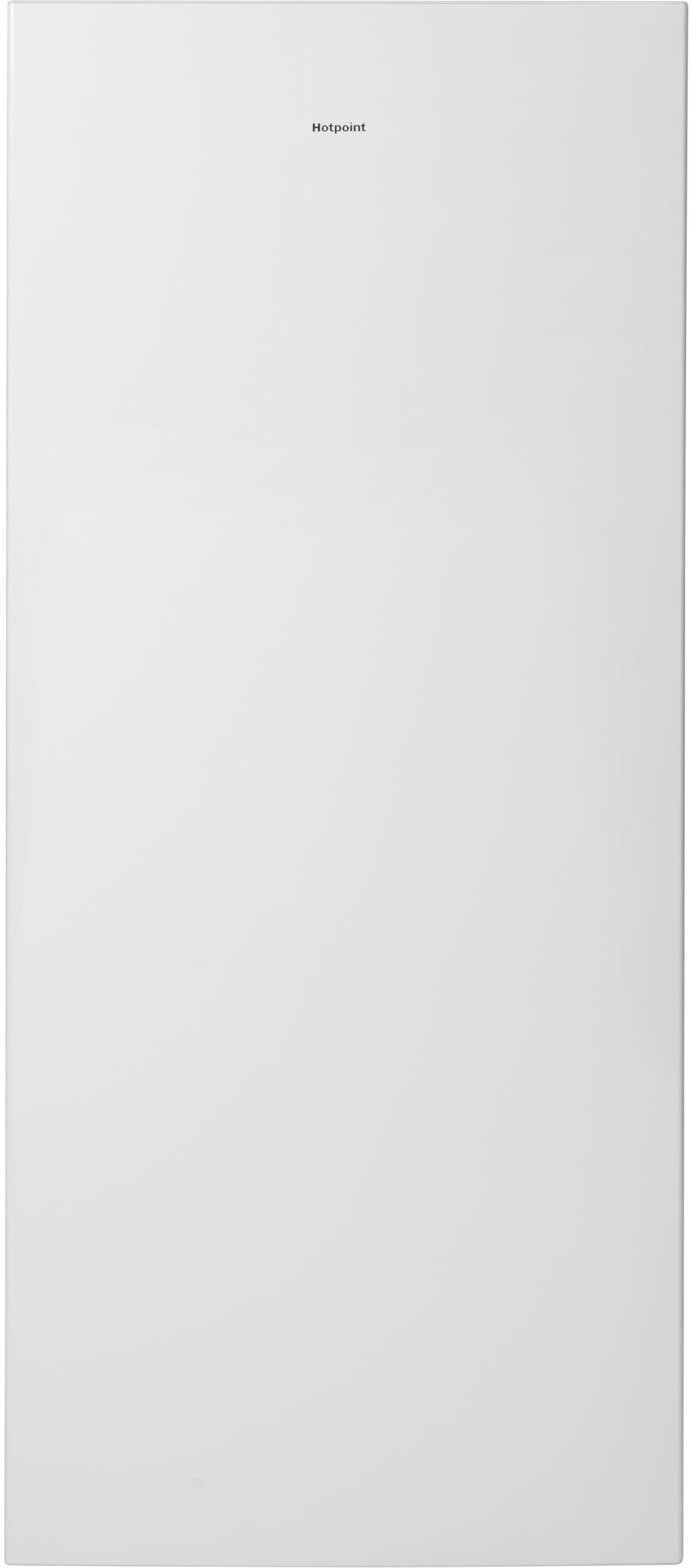
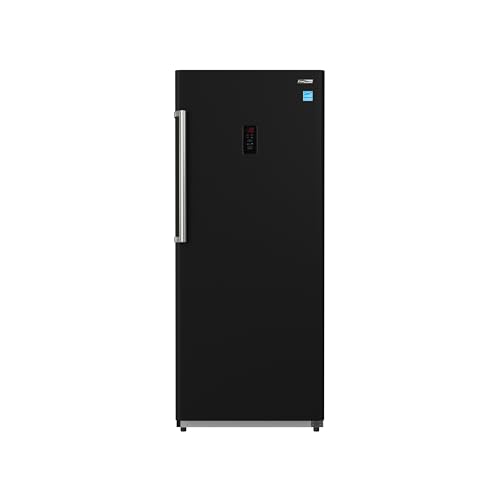
When choosing between an office freezer and an outdoor fridge, it’s important to consider how well the appliance will blend with its surroundings. For an office setting, sleek and modern designs are often preferred as they complement the professional environment. Office freezers typically come in neutral colors like black, white, or stainless steel, which can seamlessly integrate with office decor.
In contrast, outdoor fridges need to be both functional and visually appealing for outdoor spaces like patios, backyards, or near pools. They often feature more robust designs to withstand various weather conditions. Outdoor fridges can come in a range of styles and colors to match outdoor furniture and decor.
Design Features for Office and Outdoor Settings
Office freezers and outdoor fridges come with different design features to cater to their specific environments. Here’s a comparison of some key design aspects:
Feature
Office Freezer
Outdoor Fridge
Materials
Stainless steel, plastic
Weather-resistant materials, stainless steel
Color Options
Black, white, stainless steel
Variety of colors to match outdoor settings
Size and Shape
Compact, upright models
Larger capacity, robust build
Ventilation
Internal cooling systems
Enhanced ventilation for outdoor use
Insulation
Standard insulation
Extra insulation for temperature control
For more detailed comparisons, you can check out Fridge.com article on office freezer Vs. upright refrigerator.
In an office setting, the design of the freezer should not disrupt the workflow or aesthetic of the space. Features like a slim profile and quiet operation can be beneficial. On the other hand, an outdoor fridge needs to be durable and weather-resistant, often featuring UV-resistant coatings and rust-proof exteriors.
These design considerations ensure that whether you're opting for an office freezer or an outdoor fridge, your choice will not only meet functional requirements but also enhance the overall look of the space. For insights on integrating other types of fridges, read more about glass door refrigerator Vs. stainless steel refrigerator.
By carefully evaluating these factors, you can make an informed decision that aligns with both your practical needs and aesthetic preferences. For additional tips on selecting the right appliance for your space, explore Fridge.com article on mini fridge Vs. outdoor freezer.
Compare prices on Fridge.com
Compare current prices and specifications on Fridge.com, then buy from the retailer you choose; delivery, installation and warranty terms are the retailer’s.
It also has tons of awesome articles about kitchen stuff and home news. Enhance your home, garage, backyard, patio, and office with the coolest essentials. With every necessary type of residential refrigerator or freezer in the collection, you're covered.
Free tool
Food Storage Calculator
Free interactive tool from Fridge.com — get a quick answer while you read.