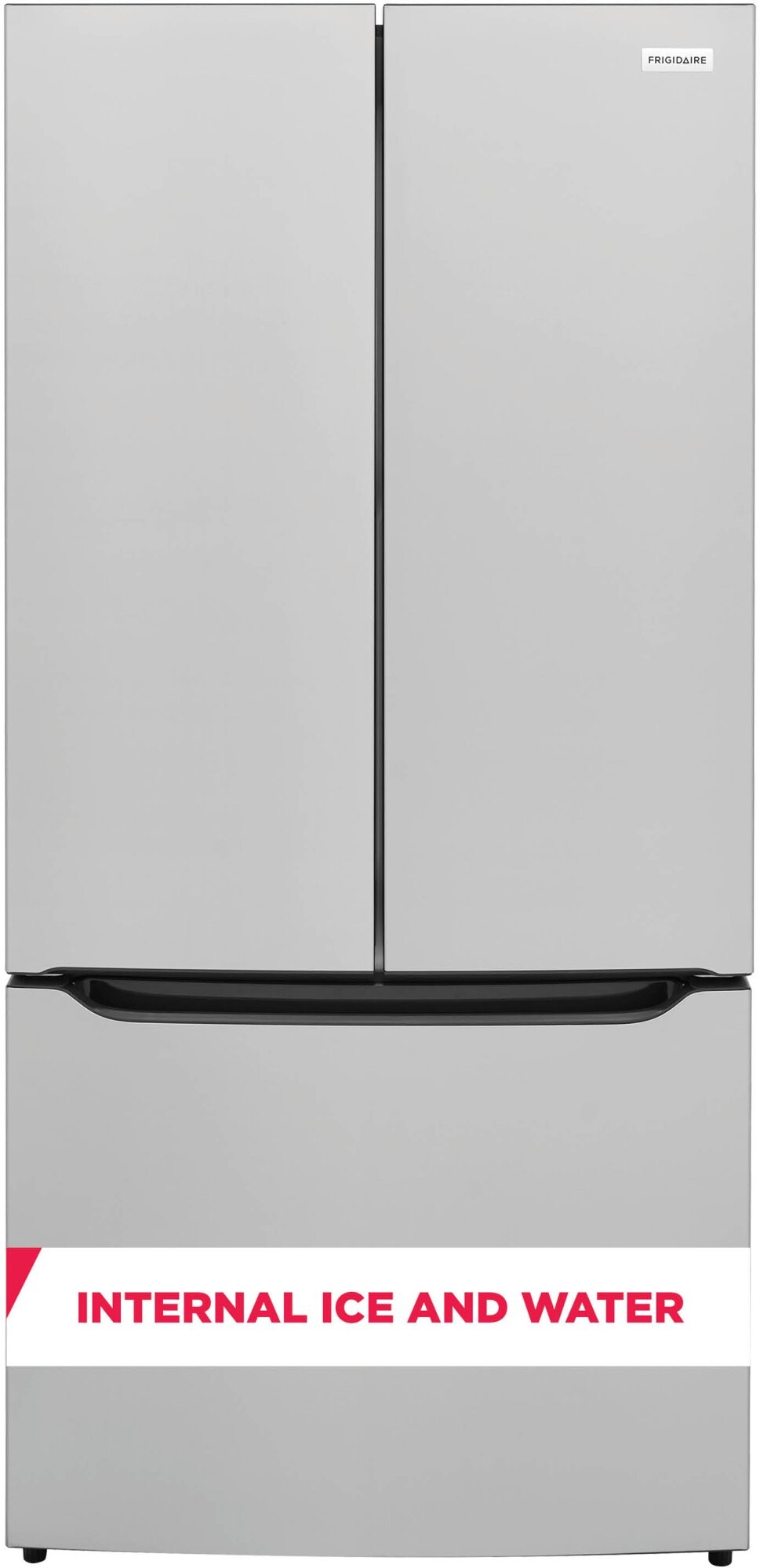
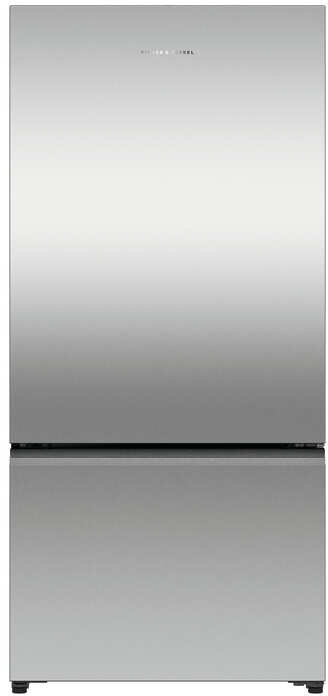
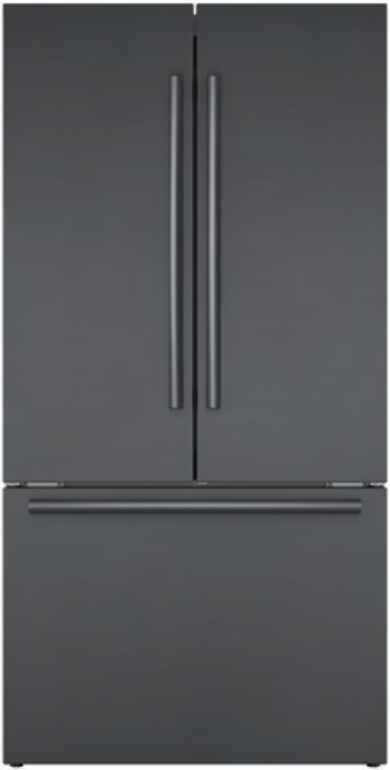
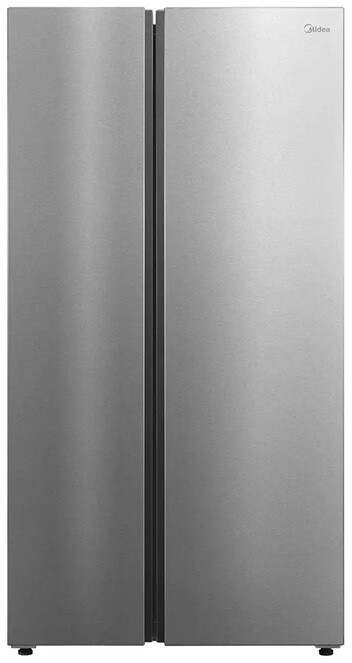
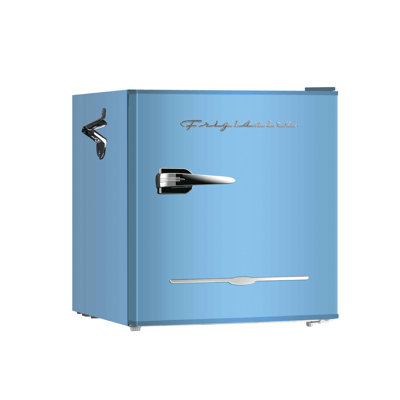
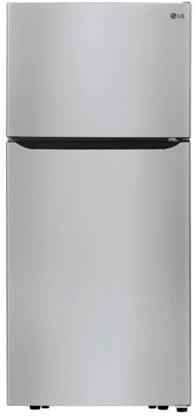
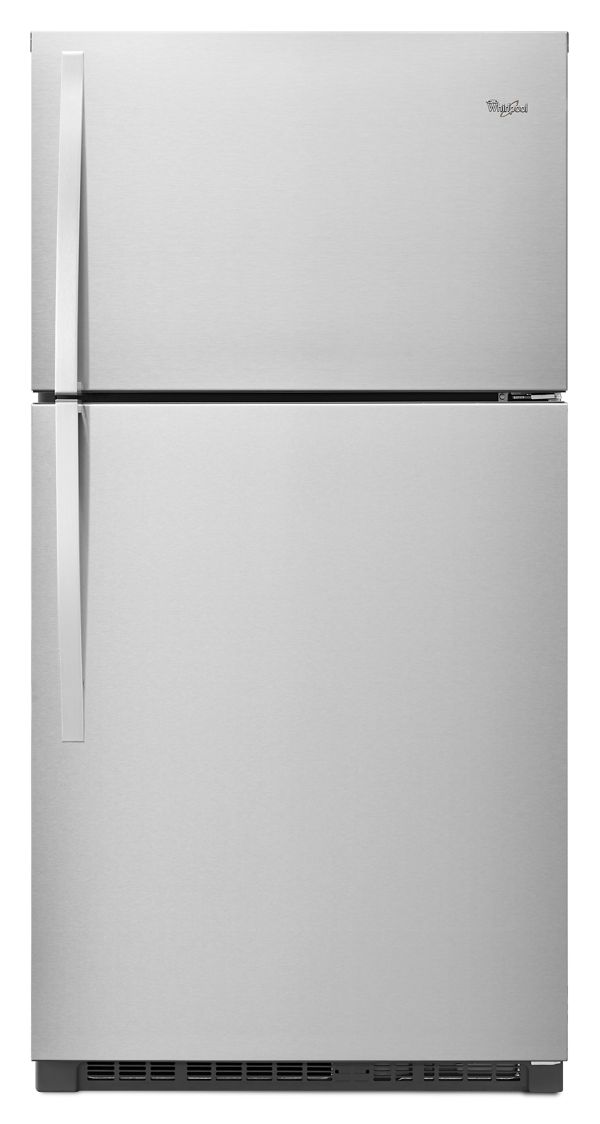
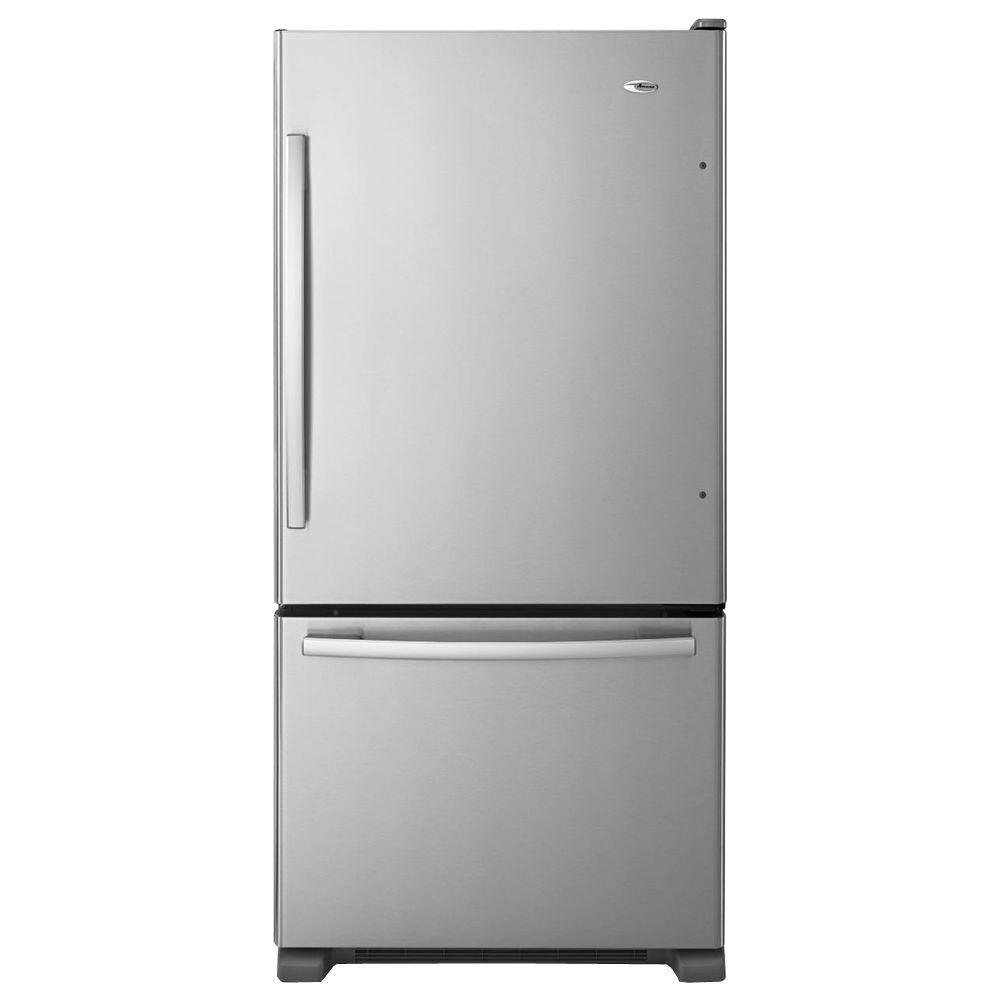
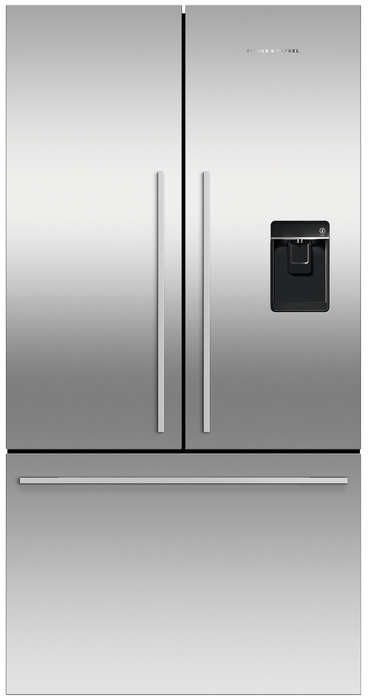
When comparing refrigerator options for your home, it's important to understand the distinct features and benefits of each type. Two popular choices are the panel ready refrigerator and the refrigerator drawer. This section provides an overview of these options to help you make an informed decision.
Panel Ready Refrigerator Overview
A panel ready refrigerator is designed to seamlessly blend into your kitchen cabinetry. It comes with an unfinished front that allows you to attach custom panels, matching the refrigerator to the rest of your kitchen décor. This type of refrigerator is ideal for those who prioritize aesthetics and want a cohesive look in their kitchen.
Key Features:
Customizable front panels
Integrated with kitchen cabinetry
Often comes with high-end features
Requires professional installation
You can find more details on the unique design features in Fridge.com section on Panel Ready Refrigerator Design Features.
Refrigerator Drawer Overview
A refrigerator drawer is designed to offer convenient, accessible storage in a compact form. These units are typically installed under countertops and can be used in various locations, such as the kitchen, bar area, or even a home office. Refrigerator drawers are perfect for storing frequently used items like beverages, snacks, and fresh produce.
Key Features:
Compact and space-saving
Easily accessible storage
Can be installed in multiple locations
Ideal for specific storage needs
For more insights into the design aspects, visit Fridge.com section on Refrigerator Drawer Design Features.
Comparing these options can help you determine which one best suits your needs and lifestyle. Whether you choose a panel ready refrigerator or a refrigerator drawer, both offer unique advantages that can enhance your kitchen experience.
For further comparisons, explore Fridge.com related articles:
When comparing a panel ready refrigerator and a refrigerator drawer, understanding the design features and installation requirements is crucial. Each option offers unique benefits and considerations that can impact your choice.
Panel Ready Refrigerator Design Features
A panel ready refrigerator is designed to blend seamlessly with your cabinetry. It allows you to attach custom panels to the front of the refrigerator, giving it a built-in look that matches your kitchen's aesthetic. This design option is ideal for those who want their appliances to be discreet and cohesive with the overall kitchen design.
Key Features:
Customizable front panels
Integrated handles for a streamlined look
Flush installation to match cabinetry depth
Various sizes and configurations
Feature
Description
Custom Panels
Allows for a cohesive kitchen design
Integrated Handles
Streamlined and minimalistic appearance
Flush Installation
Sits level with surrounding cabinetry
Size Options
Available in various widths and heights
Refrigerator Drawer Design Features
Refrigerator drawers are installed under the counter and are designed to be accessible and convenient. These drawers are perfect for storing items that you need to access frequently, such as beverages or fresh produce. The design is particularly useful in kitchens with limited space or as an addition to a primary refrigerator.
Key Features:
Under-counter installation
Easy access to contents
Flexible storage configurations
Sleek and modern appearance
Feature
Description
Under-Counter Installation
Saves space and provides easy access
Flexible Storage
Adjustable dividers and compartments
Modern Appearance
Sleek design with stainless steel or custom panel options
When choosing between a panel ready refrigerator and a refrigerator drawer, consider your kitchen layout, storage needs, and aesthetic preferences. Each option offers distinct advantages that can enhance the functionality and appearance of your kitchen.
Functionality and Storage
When comparing a panel ready refrigerator to a refrigerator drawer, understanding the storage capacity and functionality of each is essential. Both options have unique features that cater to different needs and preferences.
Panel Ready Refrigerator Storage Capacity
Panel ready refrigerators are designed to blend seamlessly with your kitchen cabinetry, offering a customizable and cohesive look. They typically offer a larger storage capacity, making them suitable for families or individuals who require more space for their groceries and perishables.
Feature
Panel Ready Refrigerator
Average Capacity (cubic feet)
20 - 30
Shelving
Adjustable, spill-proof glass or wire shelves
Drawers
Multiple crisper drawers, deli drawers
Door Storage
Gallon door bins, smaller compartments for jars and bottles
Panel ready refrigerators generally include multiple compartments and adjustable shelving, allowing you to organize your food efficiently. The door storage often accommodates large containers, such as gallon-sized milk jugs, and includes smaller sections for condiments and jars. For more detailed comparisons, check out beverage cooler Vs. panel ready refrigerator.
Refrigerator Drawer Storage Capacity
Refrigerator drawers, on the other hand, are typically installed under the counter and are perfect for smaller spaces or for additional storage in a kitchen, bar, or outdoor area. They offer a more compact storage solution and are ideal for keeping frequently used items within easy reach.
Feature
Refrigerator Drawer
Average Capacity (cubic feet)
4 - 6
Shelving
Removable dividers
Drawers
1 or 2 pull-out drawers
Door Storage
Not applicable
Refrigerator drawers generally have a smaller capacity, with one or two pull-out drawers. These drawers may include removable dividers to help organize the space. While they do not offer door storage, the pull-out design provides easy access to your items. For additional insights on drawer storage, you might find Fridge.com comparison of drawer freezer Vs. small upright freezer useful.
By comparing the storage capacities and functionalities of panel ready refrigerators and refrigerator drawers, you can choose the option that best suits your needs. Whether you prioritize a larger capacity for family use or a compact solution for specific items, understanding these features will help you make an informed decision.
Panel ready refrigerators are designed to blend seamlessly with your kitchen cabinetry, providing a built-in look. To achieve this, certain installation requirements must be met. These refrigerators typically require custom panels to be attached to the front, matching the surrounding cabinets. This customization can enhance the overall aesthetic of your kitchen.
The installation process involves precise measurements to ensure the refrigerator fits perfectly within the designated space. Additionally, panel ready refrigerators often require professional installation to guarantee proper alignment and functionality.
Refrigerator drawers offer a unique and convenient storage solution, especially for those looking to optimize space in smaller kitchens or other areas like offices and basements. These units can be installed under countertops, within kitchen islands, or even in outdoor kitchens.
When considering the placement of refrigerator drawers, it's important to ensure adequate ventilation around the unit. Proper airflow is crucial for maintaining the efficiency and longevity of the appliance. Additionally, the placement should allow easy access and integration with the kitchen layout.
Placement Aspect
Consideration
Ventilation
Adequate airflow required
Accessibility
Easy access and integration
Installation Location
Under countertops, kitchen islands, outdoor kitchens
Space Optimization
Ideal for small kitchens, offices, basements
For more information on different refrigerator options, check out Fridge.com article on drawer refrigerator Vs. glass door refrigerator.
Both panel ready refrigerators and refrigerator drawers offer unique benefits in terms of installation and placement, catering to different needs and preferences. Understanding these requirements can help you make an informed decision when choosing the best appliance for your space.
When comparing a panel ready refrigerator and a refrigerator drawer, energy efficiency is a key factor to consider. Both options have their own characteristics in terms of energy consumption and efficiency.
Panel Ready Refrigerator Energy Consumption
Panel ready refrigerators are designed to seamlessly blend into your kitchen cabinetry, providing a sleek and integrated look. These refrigerators often come with advanced features that can influence their energy consumption.
Feature
Energy Consumption (kWh/year)
Standard Panel Ready Refrigerator
450 - 600
Panel ready refrigerators typically consume more energy due to their larger size and additional features like ice makers and water dispensers. However, selecting an energy-efficient model can help reduce your overall energy consumption. For a broader comparison, you might be interested in our 2 door refrigerator Vs. outdoor freezer article.
Refrigerator Drawer Energy Efficiency
Refrigerator drawers offer a compact and versatile refrigeration solution that can be installed in various locations, including under countertops. They are often favored for their convenience and ease of use, especially in smaller spaces.
Feature
Energy Consumption (kWh/year)
Standard Refrigerator Drawer
200 - 300
Refrigerator drawers generally consume less energy compared to panel ready refrigerators due to their smaller size and lower capacity. Opting for an energy-efficient model can further enhance their energy-saving benefits. For more insights on different types of refrigerators, check out Fridge.com article on beverage cooler Vs. panel ready refrigerator.
Understanding the energy consumption of each option can help you make an informed decision when choosing between a panel ready refrigerator and a refrigerator drawer. For additional details on refrigerator types and their energy efficiency, visit our energy efficient refrigerator Vs. stainless look refrigerator article.
Maintenance and Cleaning
Maintaining and cleaning your refrigerators is crucial to ensure their longevity and efficiency. Here, Fridge.com provides detailed tips for both panel ready refrigerators and refrigerator drawers.
Panel Ready Refrigerator Maintenance Tips
To keep your panel ready refrigerator in optimal condition, regular maintenance is essential. Here are some key tips:
Clean the Exterior: Wipe the exterior panels with a soft, damp cloth and mild detergent. Avoid abrasive cleaners.
Clean the Interior: Remove all food items and shelves. Clean the interior with a mixture of warm water and baking soda. Rinse and dry thoroughly.
Defrost the Freezer: If your refrigerator has a manual defrost freezer, periodically defrost it to prevent ice build-up.
Check Door Seals: Inspect the door seals for any cracks or gaps. Clean them with a damp cloth to ensure a tight seal.
Replace Filters: Replace water and air filters as recommended by the manufacturer.
Check Temperature Settings: Ensure the refrigerator and freezer are set to the recommended temperatures.
Maintenance Task
Frequency
Exterior Cleaning
Weekly
Interior Cleaning
Monthly
Defrosting Freezer
Every 6 months
Door Seal Inspection
Monthly
Filter Replacement
As per manufacturer
For more information on different refrigerator types, check out Fridge.com article on countertop refrigerator Vs. shallow depth refrigerator.
Refrigerator Drawer Cleaning Guidelines
Refrigerator drawers also require regular cleaning to maintain their functionality. Follow these guidelines to keep your refrigerator drawers in top shape:
Empty the Drawers: Remove all contents from the drawers before cleaning.
Remove Drawers: If possible, remove the drawers for easier cleaning.
Wash with Mild Detergent: Clean the drawers with mild detergent and warm water. Rinse thoroughly and dry before reinserting.
Clean Drawer Tracks: Wipe down the tracks with a damp cloth to remove any debris or spills.
Inspect for Damage: Regularly check the drawers and tracks for any signs of damage or wear.
Check Temperature Settings: Ensure the drawers are set to the correct temperature for the items being stored.
Cleaning Task
Frequency
Emptying Drawers
Weekly
Washing Drawers
Monthly
Cleaning Tracks
Monthly
Inspecting for Damage
Monthly
Understanding the maintenance needs of your refrigerators can help you make an informed decision. For a detailed comparison of different refrigerator types, visit Fridge.com article on drawer refrigerator Vs. glass door refrigerator.
Understanding the cost implications of each refrigerator option is essential when making a purchasing decision. Below, Fridge.com breaks down the price ranges and cost analysis for panel ready refrigerators and refrigerator drawers.
Panel Ready Refrigerator Price Range
Panel ready refrigerators are known for their seamless integration with kitchen cabinetry, offering a customized look. This feature often comes at a premium price.
Panel Ready Refrigerator
Price Range
Entry-Level
$2,000 - $4,000
Mid-Range
$4,000 - $7,000
High-End
$7,000 - $10,000+
Panel ready refrigerators typically fall into higher price brackets due to their design and installation requirements. These units are often chosen for their aesthetic appeal and the ability to match existing kitchen decor. For more on design features, read about panel ready refrigerator design features.
Refrigerator Drawer Cost Analysis
Refrigerator drawers offer a versatile and space-saving solution, especially suitable for small kitchens or additional refrigeration needs.
Refrigerator Drawer
Price Range
Entry-Level
$1,000 - $2,500
Mid-Range
$2,500 - $4,000
High-End
$4,000 - $6,000+
Refrigerator drawers generally have a lower price range compared to panel ready refrigerators. They provide easy access and can be conveniently placed in various locations like under countertops or in kitchen islands. For more placement tips, see refrigerator drawer placement considerations.
Evaluating the cost is crucial when deciding between a panel ready refrigerator and a refrigerator drawer. Consider your budget, design preferences, and storage needs to make an informed choice. For further comparison, explore Fridge.com articles on beer fridge Vs. refrigerator drawer and countertop refrigerator Vs. shallow depth refrigerator.
Compare prices on Fridge.com
Compare current prices and specifications on Fridge.com, then buy from the retailer you choose; delivery, installation and warranty terms are the retailer’s.
It also has tons of awesome articles about kitchen stuff and home news. Enhance your home, garage, backyard, patio, and office with the coolest essentials. With every necessary type of residential refrigerator or freezer in the collection, you're covered.