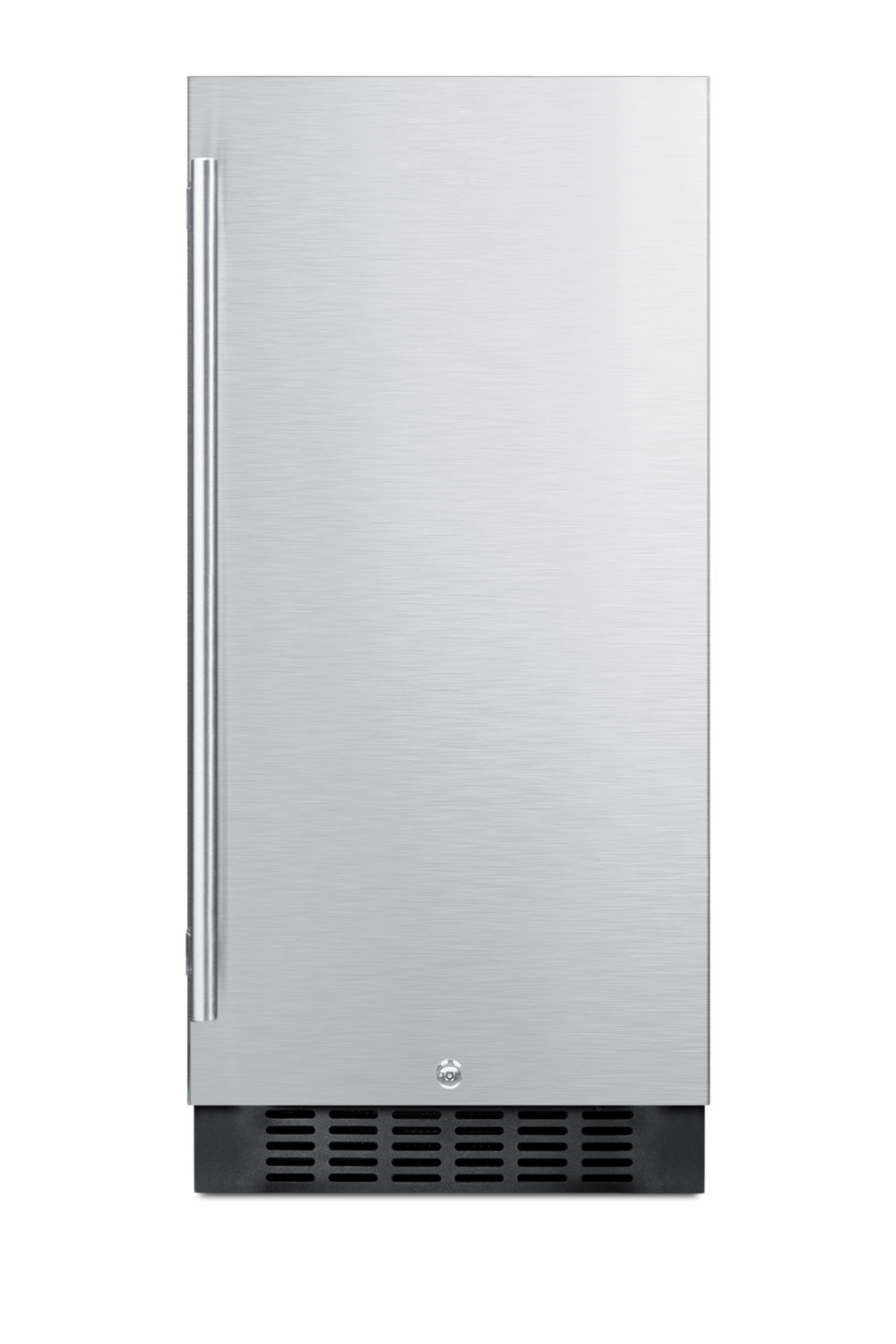
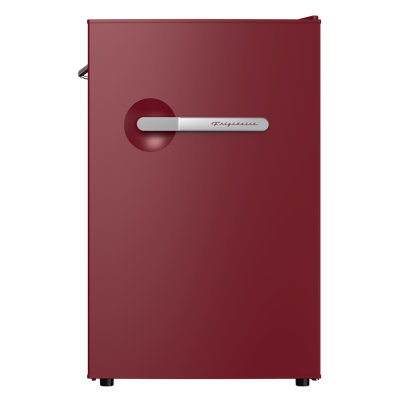
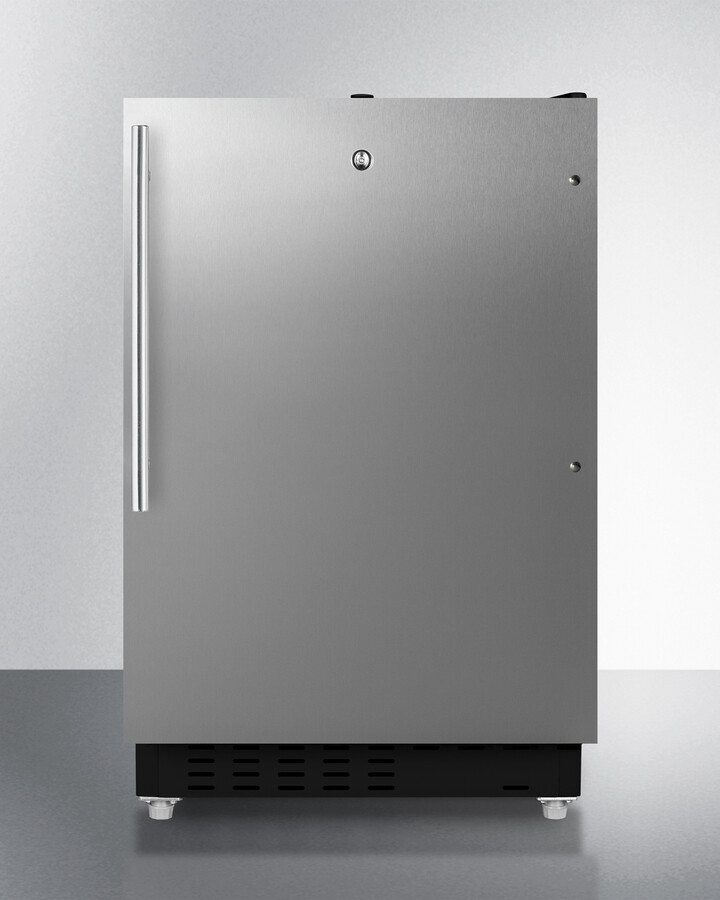
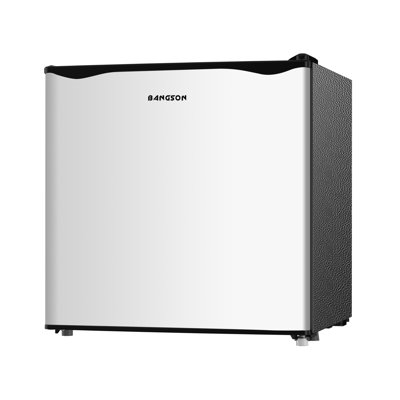
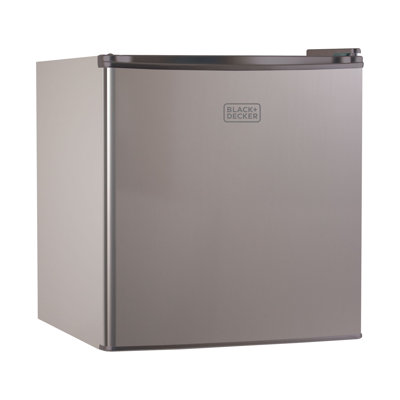
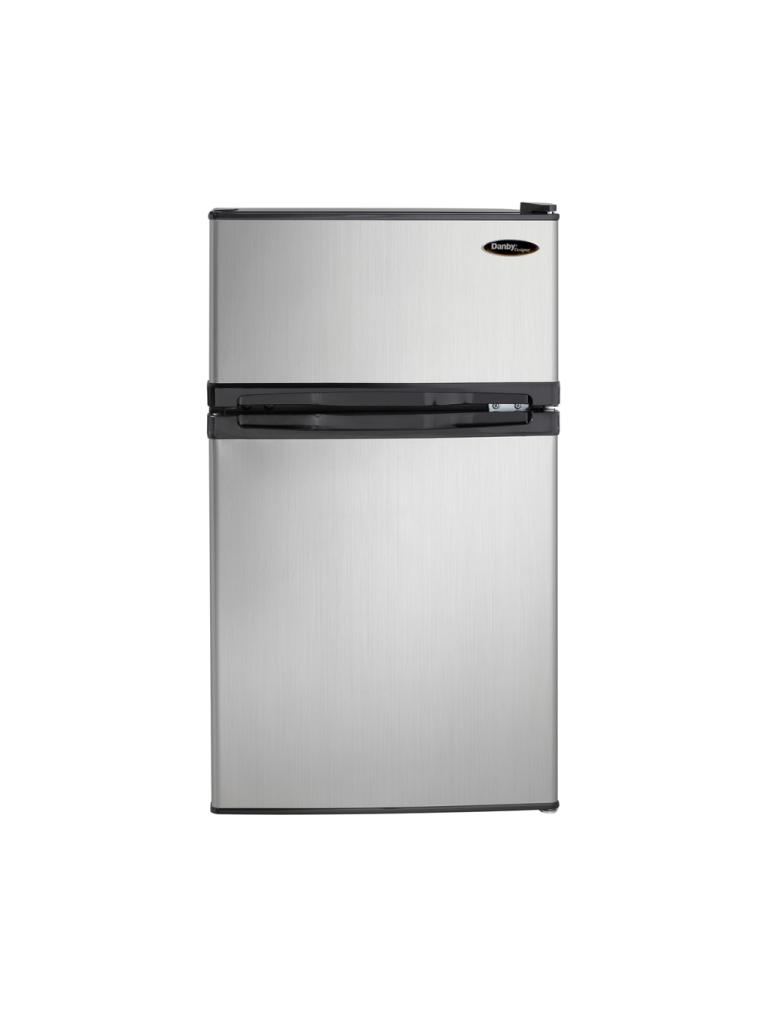
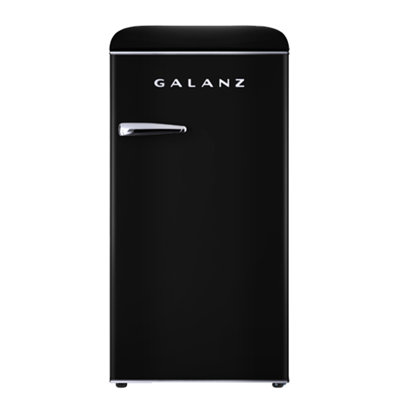
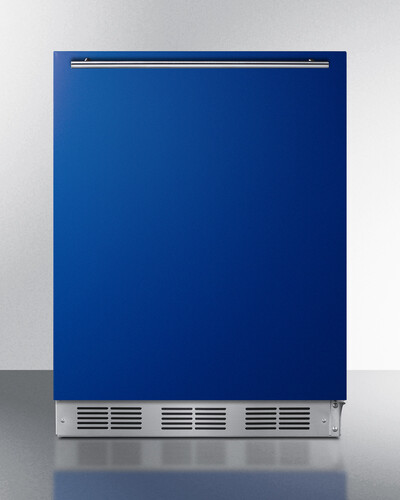
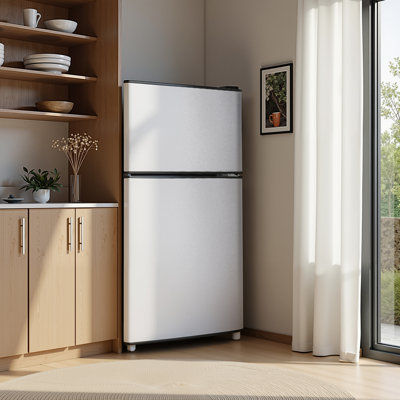
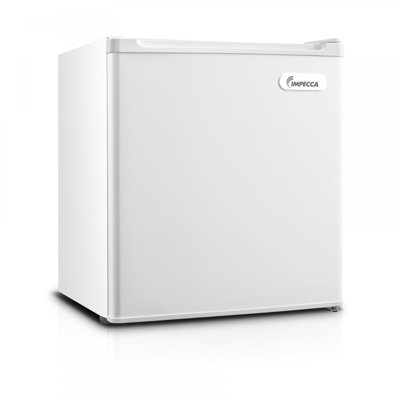
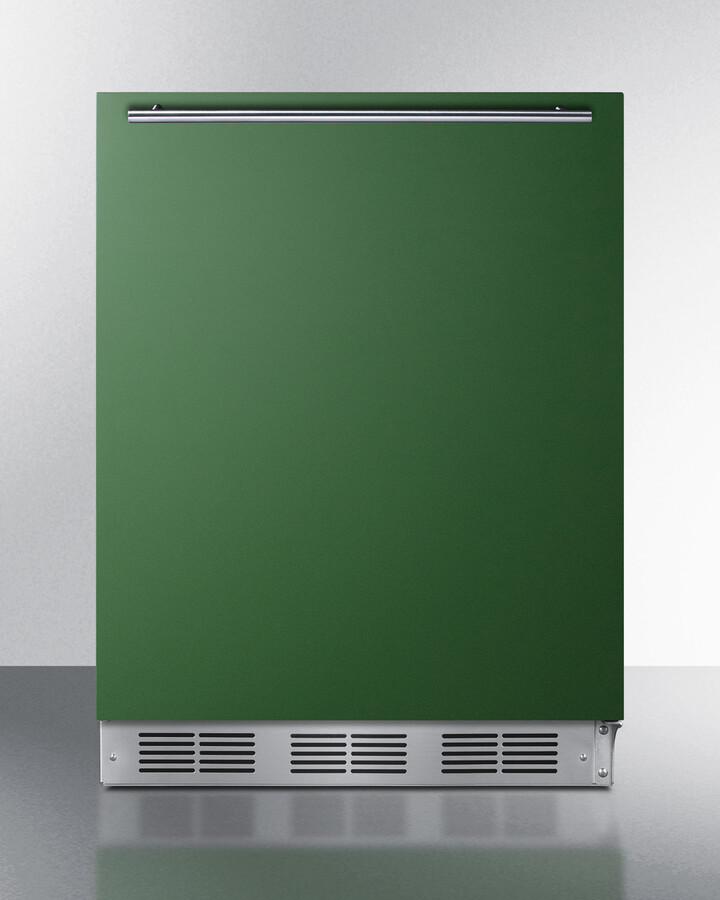
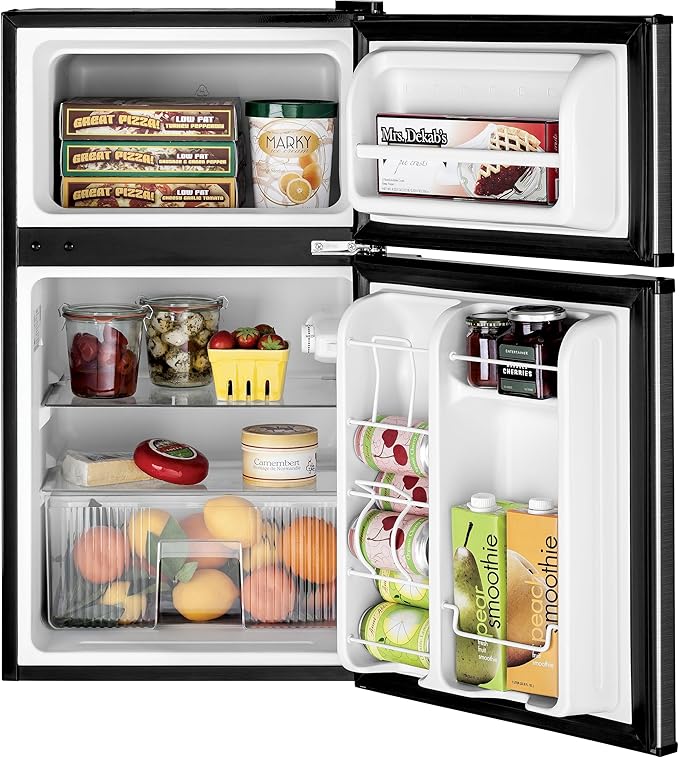
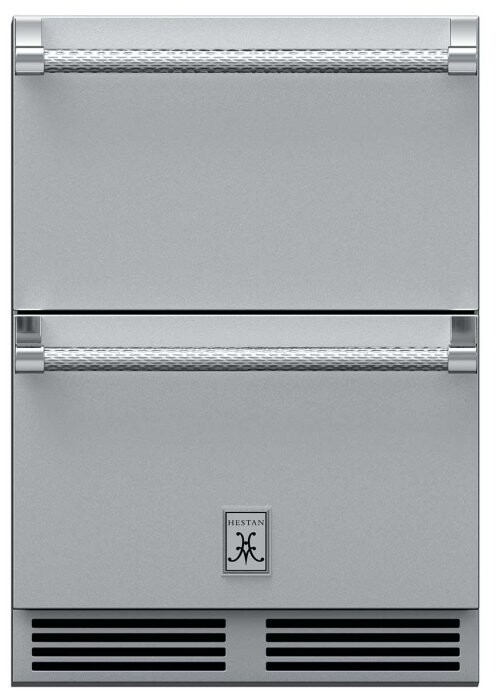
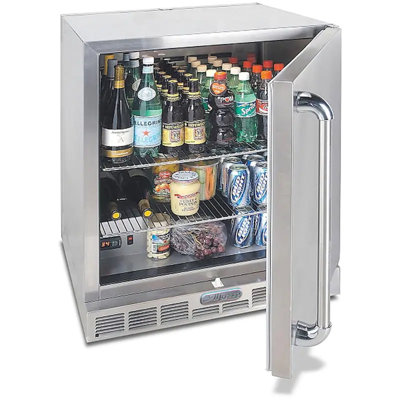
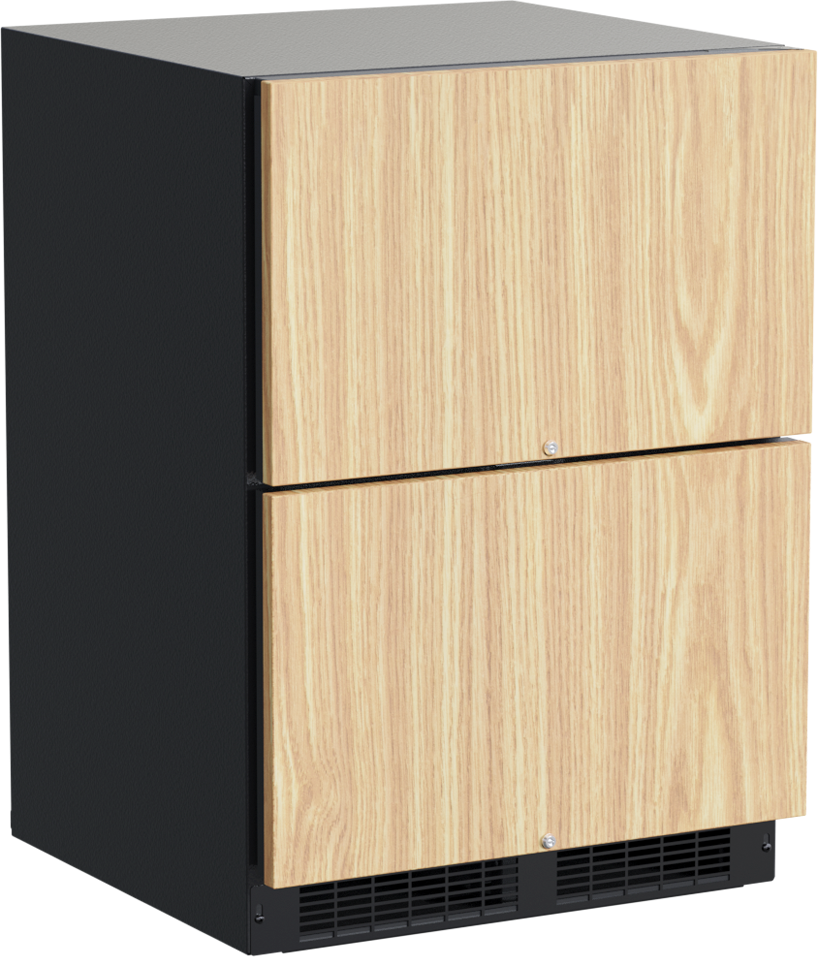
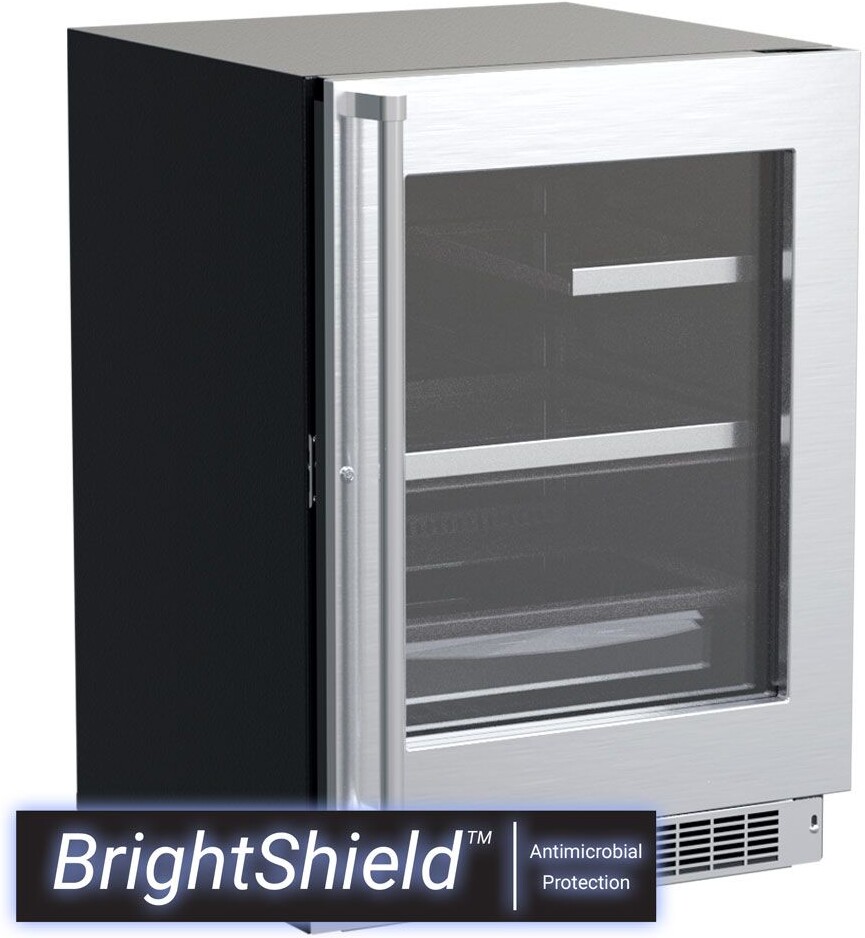
They typically have a smaller capacity compared to standard fridges, making them ideal for limited storage needs.
It's always best to check the specific dimensions of the fridge models you're interested in to ensure they will fit in your designated space.
Dorm rooms typically have limited space, making a compact dorm fridge an ideal choice.
By evaluating your available space and using these tips, you can make an informed decision on whether a dorm fridge or a standard fridge is the best fit for your needs.
Choosing the right refrigerator size is crucial for ensuring that it meets your needs and fits perfectly in the available space. Whether you're considering a dorm fridge or a standard fridge, understanding the importance of fridge sizes and the factors to consider can help you make an informed decision.
Importance of Choosing the Right Size Fridge
Selecting the appropriate fridge size is essential for several reasons:
Space Efficiency: Ensuring the fridge fits within the designated space without overcrowding or wasting space.
Storage Needs: Matching the fridge's capacity with your food storage requirements to avoid overloading or underutilizing the space.
Energy Consumption: Larger fridges typically consume more energy. Choosing the right size can help manage energy costs.
Accessibility: A fridge that is too large or too small can be inconvenient to use, making it harder to organize and access items.
Factors to Consider When Selecting a Fridge Size
When deciding between a dorm fridge and a standard fridge, consider the following factors:
Dimensions and Space Availability: Measure the available space in your home, dorm, or office to determine the maximum dimensions your fridge can be.
Capacity Requirements: Assess your storage needs based on the number of people using the fridge and the types of items you plan to store.
Energy Efficiency: Compare the energy consumption of different fridge sizes to find an option that balances capacity and energy use.
Usage Environment: Consider where the fridge will be placed. For example, a dorm fridge might be more suitable for a small space like a dorm room or office, while a standard fridge is better for a kitchen setting.
Budget: Evaluate the initial cost and potential long-term energy costs associated with different fridge sizes.
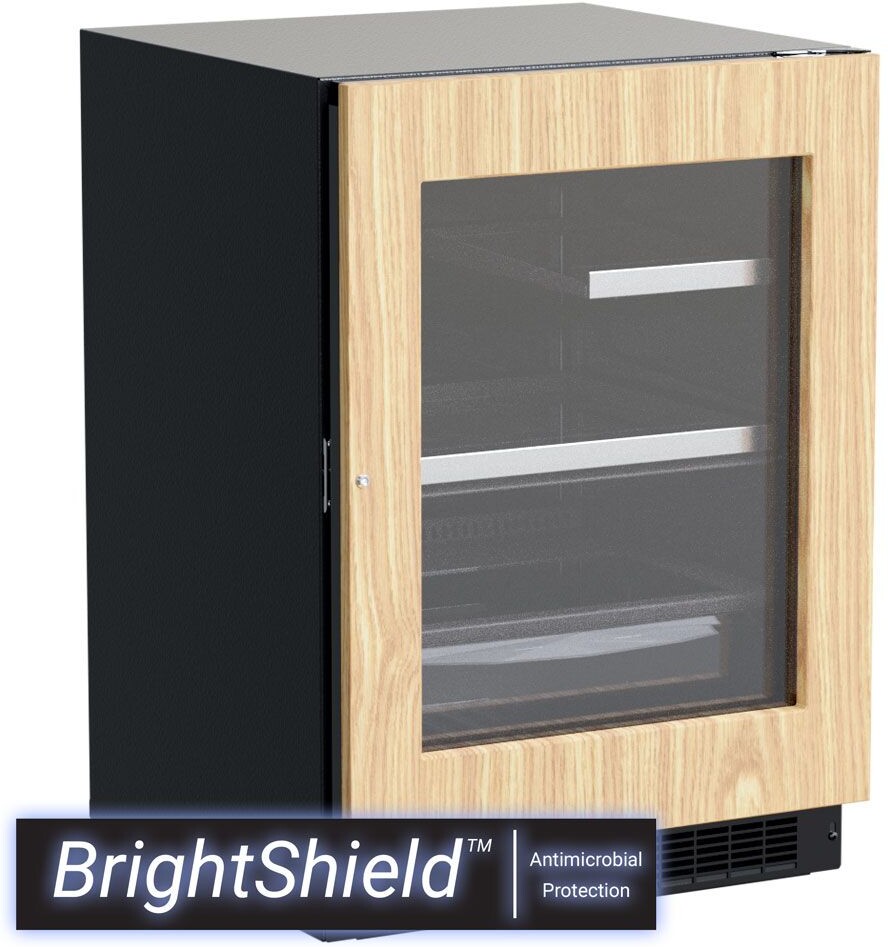
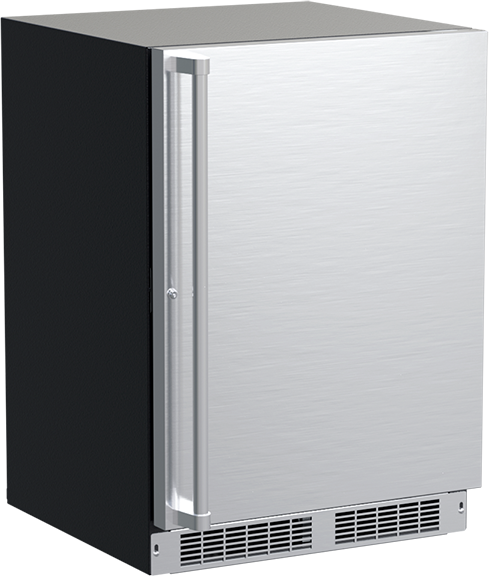
Dorm fridges, also known as mini fridges, are compact and designed to fit in small spaces such as dorm rooms, offices, or bedrooms. They typically have a smaller capacity compared to standard fridges, making them ideal for limited storage needs.
Feature
Measurement
Height
18 - 34 inches
Width
17 - 24 inches
Depth
18 - 24 inches
Capacity
1.5 - 4.5 cubic feet
Dorm fridges usually come with a single door, though some models feature a small freezer compartment. Their compact design ensures they can fit under desks or in tight corners, making them a versatile option for various settings.
Pros and Cons of Dorm Fridges
Understanding the advantages and disadvantages of dorm fridges can help you decide if they are the right choice for your needs.
Pros:
Compact Size: Ideal for small spaces, fitting easily in dorm rooms, offices, or bedrooms.
Energy Efficient: Generally consume less energy compared to standard fridges.
Cost-Effective: Typically less expensive than standard refrigerators.
Portable: Easy to move and relocate as needed.
Cons:
Limited Capacity: Less storage space, not suitable for large families or bulk storage.
Limited Features: Fewer advanced features compared to standard fridges.
Small Freezer: If included, freezer compartments are very small and not suitable for long-term storage.
Noise Level: Some models can be noisier than standard fridges.
Choosing between a dorm fridge and a standard fridge depends on your specific needs and the space available. For more information on optimizing storage in small fridges, check out Fridge.com guide on drawer refrigerator Vs. mini fridge.
By weighing the pros and cons, you can determine if a dorm fridge is suitable for your lifestyle and space requirements. If you need more storage and advanced features, you might want to consider the benefits of standard fridges, which Fridge.com will cover in the next section. For a broader comparison of refrigerator types, visit Fridge.com article on panel ready refrigerator Vs. refrigerator drawer.
Standard Fridge Size Overview
Dimensions and Capacity of Standard Fridges
Standard refrigerators come in a variety of sizes and capacities, making them a versatile choice for many households. These fridges are designed to accommodate the storage needs of families, chefs, and food enthusiasts. They typically offer ample space for fresh and frozen foods, beverages, and condiments.
Fridge Type
Height (inches)
Width (inches)
Depth (inches)
Capacity (cubic feet)
Top-Freezer
61 - 66
28 - 32
28 - 34
14 - 22
Bottom-Freezer
67 - 70
30 - 33
29 - 34
18 - 25
Side-by-Side
67 - 70
32 - 36
30 - 34
20 - 29
French Door
68 - 70
32 - 36
30 - 35
20 - 30
Pros and Cons of Standard Fridges
Standard refrigerators offer numerous advantages and a few drawbacks. Understanding these can help you make an informed decision when choosing between a dorm fridge and a standard fridge size.
Pros:
Ample Storage Space: Standard fridges provide significant storage capacity, ideal for families and those who like to entertain.
Variety of Configurations: Available in top-freezer, bottom-freezer, side-by-side, and French door designs to suit different needs.
Efficient Organization: Multiple shelves, bins, and compartments help in organizing food items efficiently.
Advanced Features: Often equipped with advanced features like ice makers, water dispensers, and temperature control zones.
Cons:
Larger Footprint: Standard fridges require more space, which may not be suitable for smaller living areas.
Higher Energy Consumption: These fridges typically consume more energy compared to compact or dorm fridges.
Higher Initial Cost: The upfront cost of a standard fridge can be higher than that of a dorm fridge.
Complex Installation: May require professional installation and could be challenging to move.
For more insights on different types of refrigerators, you can explore articles like panel ready refrigerator Vs. refrigerator drawer and beer fridge Vs. refrigerator drawer.
By weighing the pros and cons, and considering your specific needs, you can determine whether a standard fridge is the right choice for your home, office, or recreational space. If space is a concern, you might also want to read about countertop refrigerator Vs. shallow depth refrigerator for more compact options.
Choosing the right fridge involves careful consideration of the available space in your living area. Whether you're deciding between a dorm fridge and a standard fridge, understanding how to evaluate and utilize your space effectively is essential.
Evaluating Available Space for Your Fridge
To determine the best fridge size for your needs, start by measuring the area where you plan to place the fridge. This includes the height, width, and depth of the designated space. Don’t forget to account for additional space needed for the fridge doors to open fully and for proper ventilation.
Measurement
Dorm Fridge
Standard Fridge
Height
20-34 inches
60-70 inches
Width
18-24 inches
30-36 inches
Depth
18-22 inches
30-34 inches
Consider these measurements as a general guide. It's always best to check the specific dimensions of the fridge models you're interested in to ensure they will fit in your designated space.
Tips for Fitting a Fridge in Different Settings
Dorm Rooms
Dorm rooms typically have limited space, making a compact dorm fridge an ideal choice. Here are some tips for fitting a fridge in a dorm room:
Utilize Vertical Space: Place the fridge under a lofted bed or on a sturdy shelf.
Consider Multi-Functional Furniture: Use a fridge that doubles as a nightstand or side table.
Optimize Placement: Position the fridge near an electrical outlet to avoid the need for long cords.
Apartments and Condos
For apartments and condos, a standard fridge might be more suitable, provided there is enough space. Here are some tips to maximize space:
Measure Twice: Ensure you have accurate measurements of the available space, including doorways and hallways the fridge will pass through.
Plan for Door Swing: Make sure there is enough clearance for the fridge doors to open without obstruction.
Utilize Kitchen Layout: Place the fridge in a location that complements the kitchen's workflow, such as near the cooking or food prep area.
Small Homes and Tiny Houses
In small homes or tiny houses, space is often at a premium. Here are some tips for fitting a fridge in these settings:
Compact Models: Consider smaller, space-saving fridge models like a dorm fridge or a narrow refrigerator.
Built-In Options: Look for built-in fridge options that can be integrated into cabinetry to save floor space.
Creative Placement: Think about non-traditional locations for your fridge, such as under a countertop or in a pantry.
For more information on comparing different types of fridges, check out Fridge.com articles on panel ready refrigerator Vs. refrigerator drawer and beer fridge Vs. refrigerator drawer.
By evaluating your available space and using these tips, you can make an informed decision on whether a dorm fridge or a standard fridge is the best fit for your needs.
Efficient storage and organization are key to maximizing the utility of both dorm fridges and standard fridges. Knowing how to optimize space can make a significant difference.
Optimizing Storage in a Dorm Fridge
Dorm fridges are compact and require a strategic approach to storage. Here are some tips to make the most out of your dorm fridge:
Use Stackable Containers: Stackable containers can help you organize items neatly and maximize vertical space.
Door Compartments: Utilize door compartments for smaller items like condiments, beverages, and dairy products.
Shelving Adjustments: Many dorm fridges have adjustable shelves. Customize the shelf height to accommodate larger items.
Labels: Labeling containers can help you quickly locate items and maintain an organized fridge.
Prioritize Essentials: Given the limited space, store only essential items and restock as needed.
Dorm Fridge Storage Tips
Benefits
Stackable Containers
Maximizes vertical space
Door Compartments
Efficient use of small spaces
Adjustable Shelves
Customizable storage
Labels
Easy identification
Prioritize Essentials
Efficient space utilization
Maximizing Storage in a Standard Fridge
Standard fridges offer more space but still benefit from effective organization. Here are some strategies for maximizing storage in a standard fridge:
Shelf Dividers: Use shelf dividers to create separate zones for different types of food.
Clear Bins: Clear bins can help you group similar items and keep the fridge tidy.
Lazy Susans: A lazy Susan can be used to store jars and bottles, making them easily accessible.
FIFO System: Implement the "First In, First Out" system to ensure older items are used before newer ones.
Door Bins and Drawers: Make full use of door bins and drawers for items like beverages, dairy, and produce.
Standard Fridge Storage Tips
Benefits
Shelf Dividers
Organized zones
Clear Bins
Grouping similar items
Lazy Susans
Easy access to jars and bottles
FIFO System
Reduces food waste
Door Bins and Drawers
Efficient use of space
For more tips on fridge organization and storage, you might find Fridge.com articles on panel ready refrigerator Vs. refrigerator drawer and drawer refrigerator Vs. glass door refrigerator helpful. By following these guidelines, you can ensure both dorm fridges and standard fridges are organized and utilized to their fullest potential.
Energy Efficiency
Understanding the energy efficiency of your fridge is essential, especially when comparing dorm fridges and standard fridges. In this section, Fridge.com will explore the energy consumption of both types of fridges to help you make an informed decision.
Energy Consumption of Dorm Fridges
Dorm fridges, also known as compact refrigerators, are designed for small spaces and typically consume less energy than their standard counterparts. However, their energy efficiency can vary based on the model and usage patterns.
Fridge Type
Average Energy Consumption (kWh/year)
Dorm Fridge
200 - 300
Dorm fridges are often used in college dorms, offices, and as supplementary refrigerators in homes. Their smaller size means they require less energy to maintain a cool temperature. For more information on how to optimize space in a dorm fridge, visit Fridge.com article on drawer freezer Vs. mini fridge.
Energy Consumption of Standard Fridges
Standard fridges are larger and designed to accommodate the needs of a full household. They come with more features and storage capacity, which can result in higher energy consumption.
Fridge Type
Average Energy Consumption (kWh/year)
Standard Fridge
400 - 600
While standard fridges consume more energy, they also offer greater storage options and advanced features. It's important to consider your household's needs and available space when choosing between a dorm fridge and a standard fridge. For more tips on fitting a fridge in different settings, check out Fridge.com article on countertop refrigerator Vs. shallow depth refrigerator.
Whether you opt for a dorm fridge or a standard fridge, energy efficiency is a key factor to consider. Both types have their own advantages and can be tailored to suit different living spaces and needs.
When deciding between a dorm fridge and a standard fridge, the initial cost is a critical factor to consider. Both types of fridges have different price ranges, which can significantly impact your budget.
Initial Cost of Dorm Fridges
Dorm fridges are generally more affordable due to their smaller size and simpler features. They are designed to be cost-effective, making them an ideal choice for students or individuals with limited space. Below is a table highlighting the typical price range for dorm fridges.
Dorm Fridge Type
Price Range (USD)
Basic Mini Fridge
$50 - $150
Compact Fridge with Freezer
$100 - $200
High-End Mini Fridge
$150 - $300
Dorm fridges offer an economical solution for those needing basic refrigeration without the hefty price tag of larger appliances. For more information on optimizing storage in a dorm fridge, visit Fridge.com article on optimizing storage in a dorm fridge.
Initial Cost of Standard Fridges
Standard fridges are more expensive due to their larger capacity and advanced features. These fridges are designed to accommodate the needs of a household, providing ample storage space and various functionalities. Below is a table showing the typical price range for standard fridges.
Standard Fridge Type
Price Range (USD)
Basic Top-Freezer Fridge
$300 - $600
Side-by-Side Fridge
$800 - $1,500
French Door Fridge
$1,200 - $2,500
High-End Smart Fridge
$2,000 - $4,000+
While standard fridges come with a higher upfront cost, they offer more storage space and additional features that can be beneficial for larger families or those who entertain frequently. For tips on maximizing storage in a standard fridge, refer to Fridge.com article on maximizing storage in a standard fridge.
Comparing the initial costs of dorm fridges and standard fridges can help you make an informed decision based on your budget and storage needs. Be sure to also consider factors like energy efficiency and space requirements when making your choice. Explore more comparisons like panel ready refrigerator Vs. refrigerator drawer to better understand your options.
Compare prices on Fridge.com
Compare current prices and specifications on Fridge.com, then buy from the retailer you choose; delivery, installation and warranty terms are the retailer’s.
It also has tons of awesome articles about kitchen stuff and home news. Enhance your home, garage, backyard, patio, and office with the coolest essentials. With every necessary type of residential refrigerator or freezer in the collection, you're covered.
Free tool
Refrigerator Size Calculator
Free interactive tool from Fridge.com — get a quick answer while you read.