Mini Fridge Without Freezer: Your Handy Cooling Buddy
Why You Might Want a Mini Fridge Without a Freezer
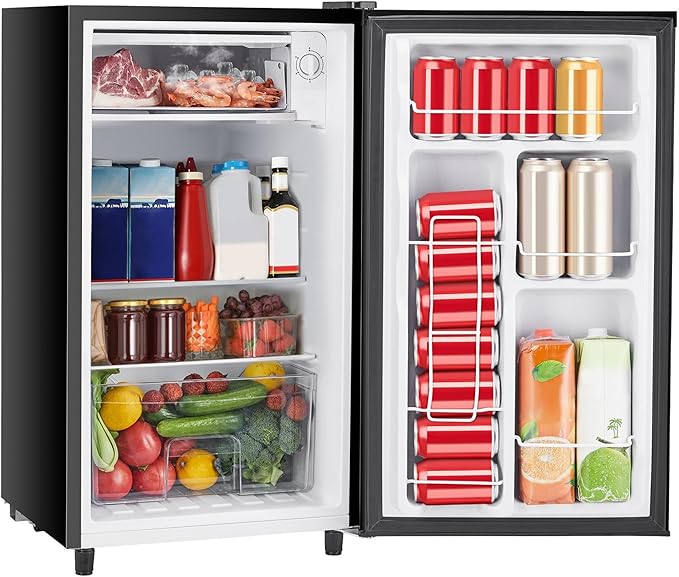
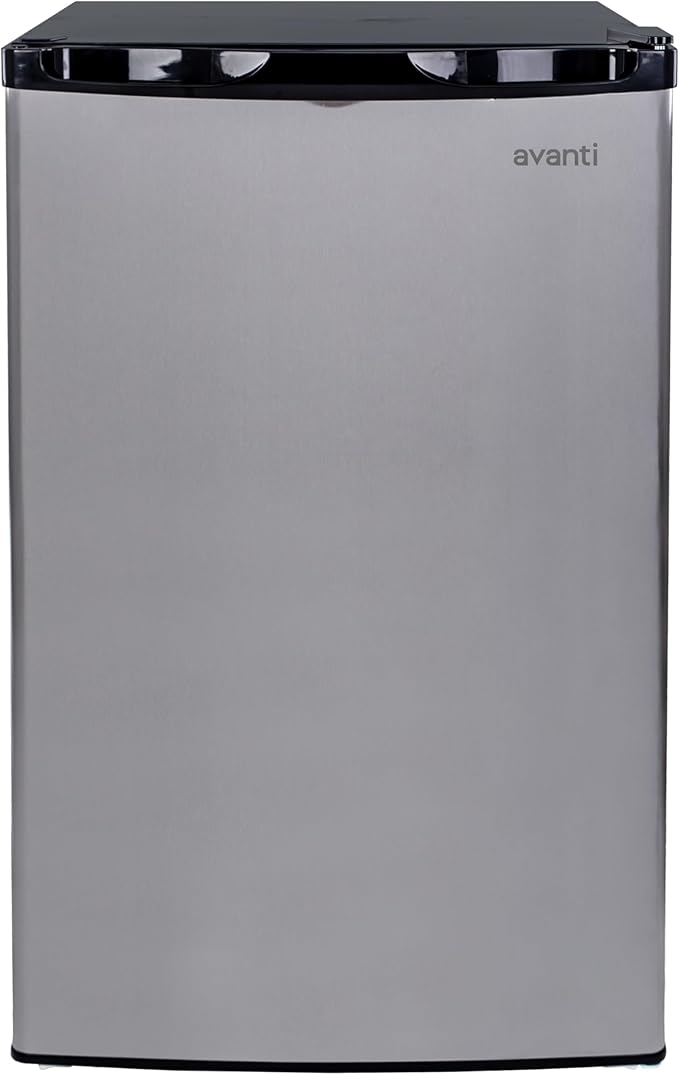
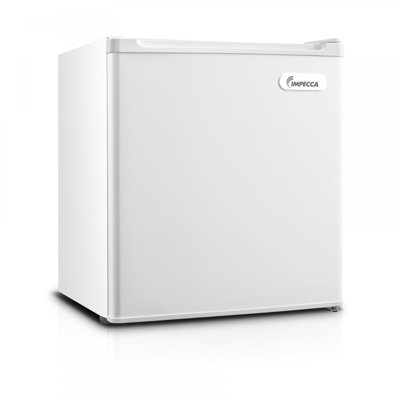
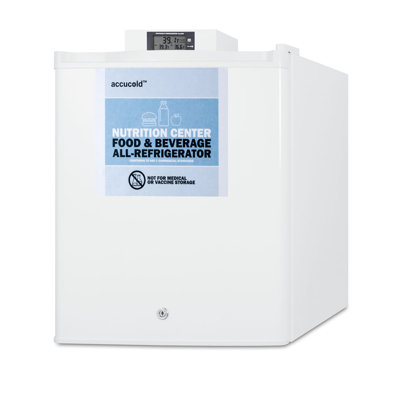
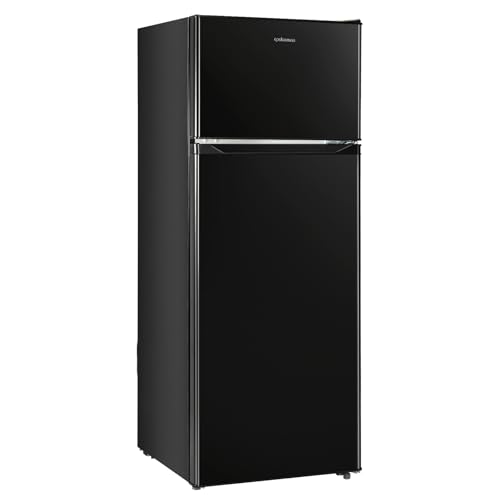
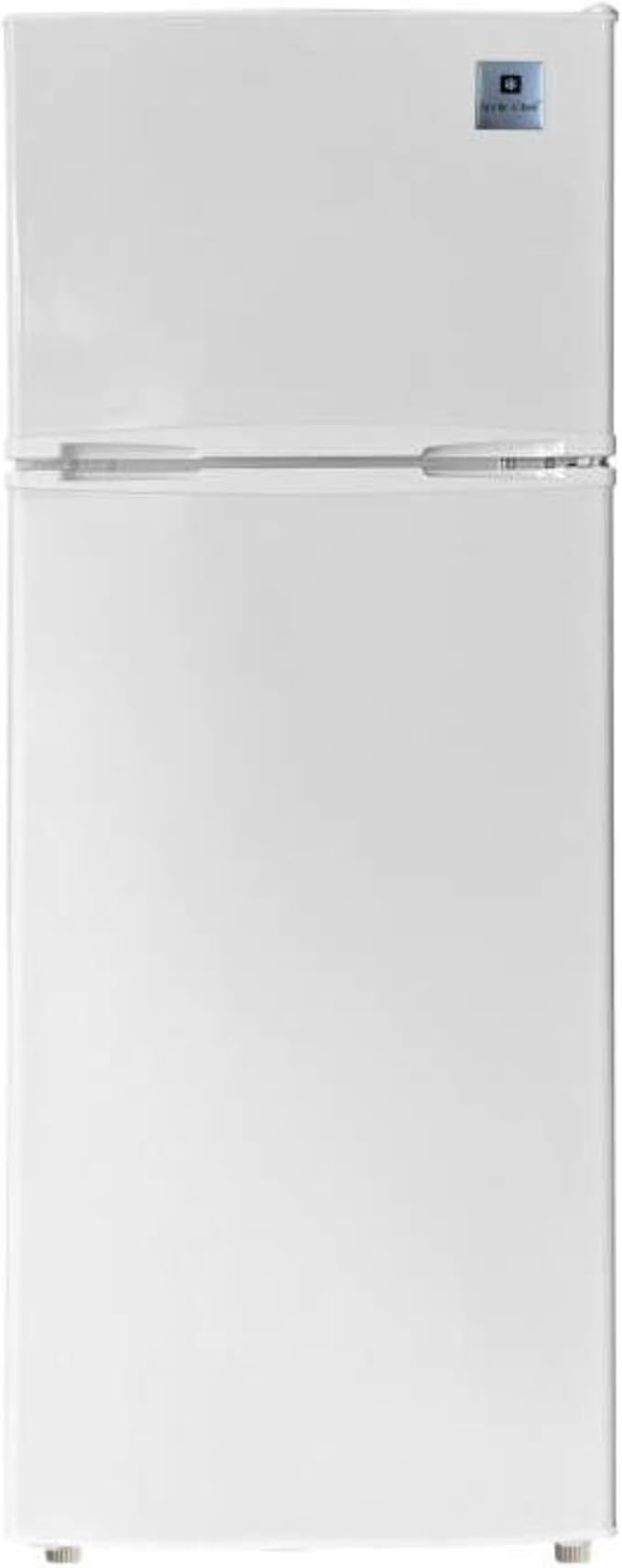
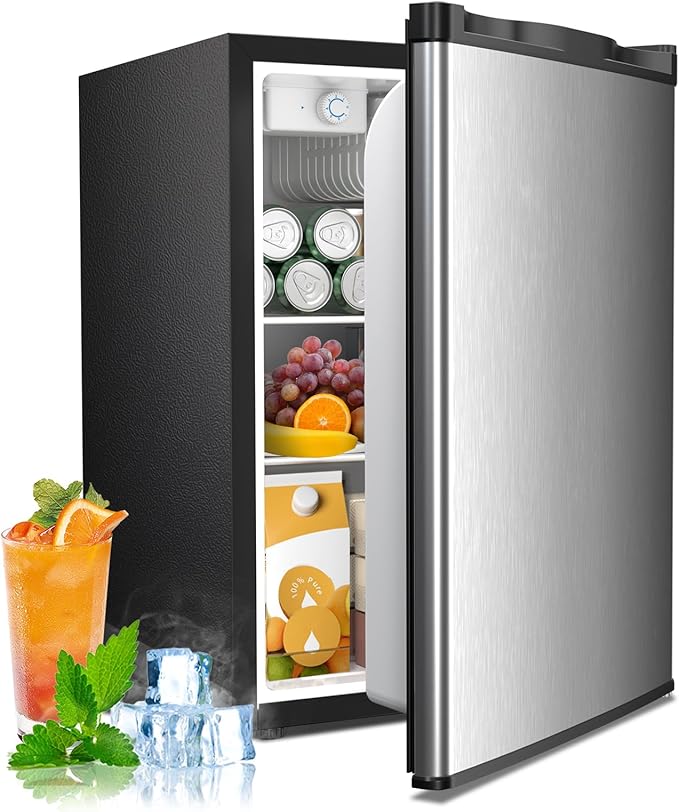
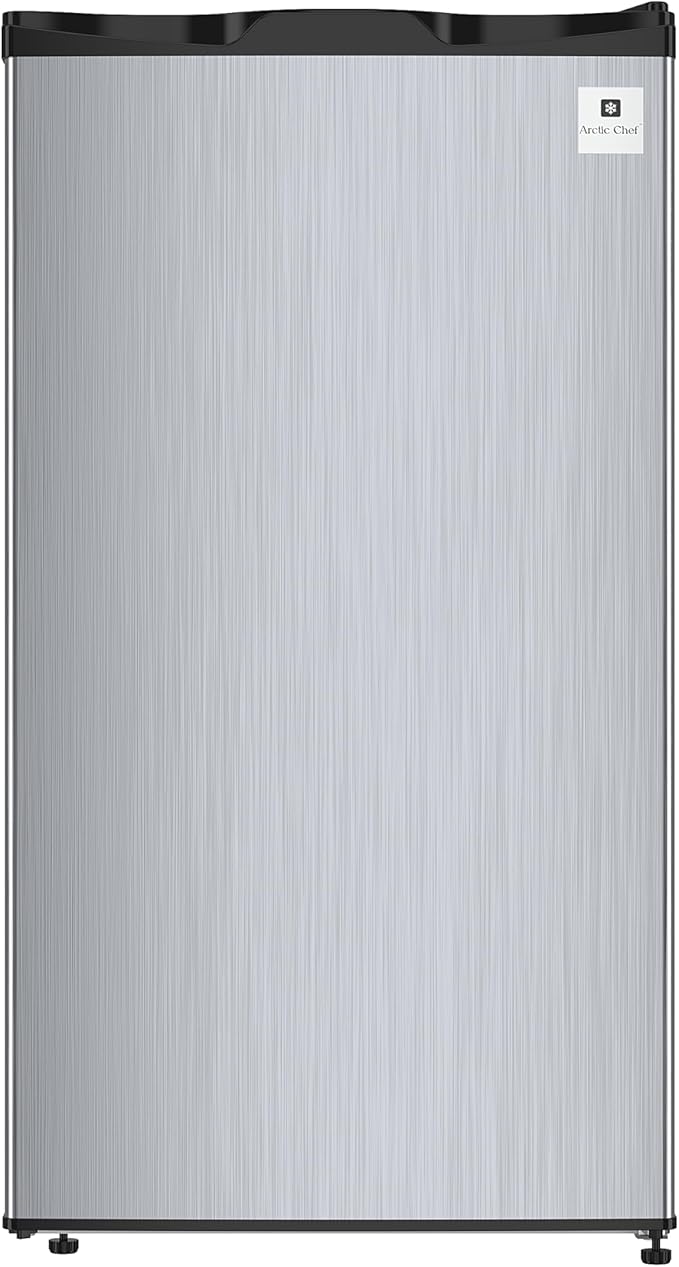
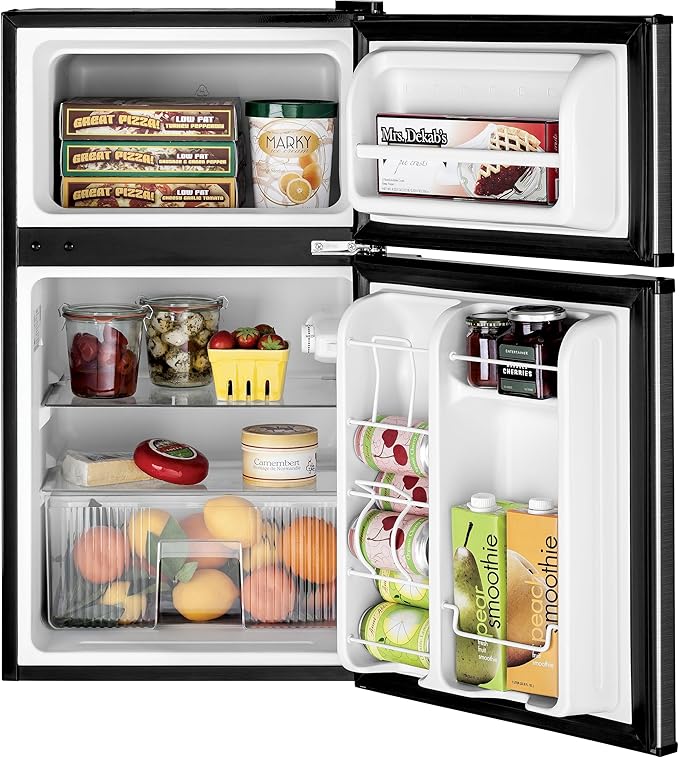
A mini fridge without a freezer is like the Swiss Army knife of cooling gadgets—compact, efficient, and perfect for tight spaces. Whether you're living in a cozy apartment, working in an office, or setting up a tiny home, this fridge can be your go-to for keeping things cool without the extra bulk of a freezer. Unlike a 4.4 cu ft mini fridge with freezer, these fridges focus solely on refrigeration.
Here’s why you might want one:
Space Saver: No freezer means more room for your snacks and drinks. It's all about maximizing fridge space.
Energy Efficient: These models often use less power, so they're easier on your wallet and the planet.
Low Maintenance: No freezer means no defrosting. Just keep it clean and you're good to go.
Why a Mini Fridge Without a Freezer Rocks
Opting for a mini fridge without a freezer has some pretty sweet perks.
More Room for Your Stuff
You get more space for your drinks, snacks, and perishables. This is a big win if you mainly need the fridge for cooling drinks and storing fresh food.
Fridge Type
Usable Space (cu ft)
Mini Fridge with Freezer
3.5 - 4.0
Mini Fridge without Freezer
4.0 - 4.5
Save on Energy Bills
Without a freezer to power, these fridges usually consume less energy. That means lower electricity bills and a smaller carbon footprint.
Fridge Type
Average Energy Consumption (kWh/year)
Mini Fridge with Freezer
250 - 300
Mini Fridge without Freezer
150 - 200
Easy to Keep Clean
Maintaining a mini fridge without a freezer is a breeze. No need to worry about defrosting—just keep the inside clean and organized. This is especially handy in office settings where convenience is key.
These fridges are super versatile and can fit into all sorts of spaces, from apartments to offices. Without the bulk of a freezer, they can easily slide under counters or fit into tight spots. Learn more about setting up your fridge in small refrigerator for office.
By understanding the need and recognizing the benefits, you can make a smart choice about adding a mini fridge without a freezer to your living or working space.
A mini fridge without a freezer is a handy addition to many spaces. Here are some top spots where you can get the most out of your mini fridge.
Apartment Living
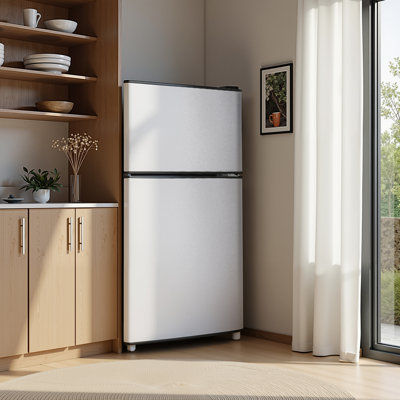
In apartments, space is gold. A mini fridge without a freezer can be a lifesaver, giving you extra cooling without hogging room. Perfect for drinks, snacks, and small food items, it's also great for shared spaces where roommates need their own cooling area. If you already have a big fridge, a mini one can be your backup.
Feature
Benefit in Apartment
Compact Size
Fits small spaces
No Freezer Space
More room for essentials
Office Spaces
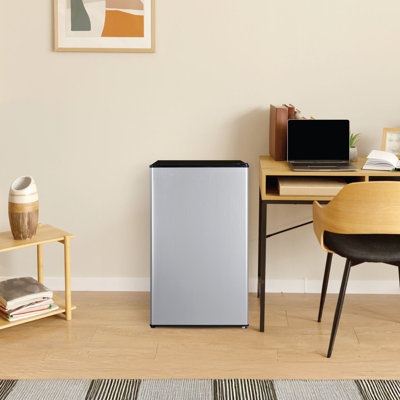
In the office, a mini fridge without a freezer is a game-changer. It lets employees keep their lunches, snacks, and drinks cool without needing a big fridge. This can make life easier and boost productivity. Put one in the break room or a personal office, and staff can grab their food and drinks quickly.
Feature
Benefit in Office
Compact Size
Fits under desks or in break rooms
Quiet Operation
Keeps noise down
No Freezer Space
Focused on cooling drinks and snacks
Tiny Homes and Cottages
Tiny homes and cottages often have limited space, making a mini fridge without a freezer a smart pick. These small units offer enough cooling power while fitting neatly into small kitchens or living areas. Whether for daily use or weekend trips, a mini fridge keeps your essentials fresh without the bulk of a full-sized fridge.
Feature
Benefit in Tiny Homes and Cottages
Space-Saving
Fits small kitchens or living areas
Portability
Easy to move and install
For more details on mini fridges that fit specific needs, check out Fridge.com articles on 4.4 cu ft mini fridge with freezer, 4.5 cu ft refrigerator, and 7 cu ft refrigerator.
Knowing the best spots for a mini fridge without a freezer helps you make the right choice for your space and cooling needs. Whether it's for an apartment, office, or tiny home, these compact units offer versatile and convenient cooling solutions.
What to Look for in a Mini Fridge Without a Freezer
Thinking about getting a mini fridge without a freezer? Let's break down the must-have features. We're talking size, energy efficiency, and temperature control.
Size and Capacity
First up, size and capacity. How much space do you need? Here's a quick guide:
Mini Fridge Size
Capacity (Cubic Feet)
Compact
1.7 - 2.5
Mid-Size
3.0 - 4.5
Large
5.0 - 7.0
If you're setting up a small office, a 4.5 cu ft fridge might be your best bet. Got a tiny home or a cottage? Go big with a 7 cu ft fridge. For more tips, check out Fridge.com guide on 4.5 cu ft refrigerators.
Energy Efficiency
Next, let's talk energy efficiency. An energy-efficient fridge saves you money and helps the planet. Look for the Energy Star label to ensure you're getting a model that meets energy-saving standards.
Energy Efficiency
Annual Energy Consumption (kWh)
High Efficiency
100 - 200
Moderate Efficiency
200 - 300
Low Efficiency
300+
Want to know more about how much power these fridges use? Head over to Fridge.com article on mini fridge wattage.
Temperature Control
Finally, temperature control. Keeping your food and drinks at the right temp is key. Adjustable settings let you tweak the cooling to suit your needs. Drinks usually need to be colder, while fruits and veggies might prefer a slightly warmer setting.
For more on getting the perfect temp, see Fridge.com article on mini fridge temperature control.
Making Your Choice
So, there you have it. Size, energy efficiency, and temperature control are the big three. Whether you're outfitting a dorm room or a tiny home, these tips will help you pick the perfect mini fridge without a freezer. Happy shopping!
Want your mini fridge to stay in tip-top shape? Regular maintenance and cleaning are key. Here’s how to keep your fridge running smoothly and your food fresh.
Defrosting: Yes, You Still Need To
Even without a freezer, your mini fridge can get frosty. Too much frost messes with cooling. Here’s how to defrost it:
Unplug the fridge.
Take everything out.
Let the frost melt on its own or gently wipe it off with a soft cloth.
Clean and dry the inside before plugging it back in.
Let It Breathe
Your fridge needs good airflow to keep things cool evenly. Blocked vents mean uneven cooling and higher energy bills. Here’s what to do:
Don’t cram it full.
Arrange items so air can move around.
Check and clean the vents regularly to get rid of dust and debris.
Cleaning and Odor Control
A clean fridge is a happy fridge. Plus, it keeps bad smells at bay. Here’s your cleaning game plan:
Unplug and Empty: Take everything out.
Shelves and Drawers: Wash removable parts with warm soapy water and dry them well.
Inside: Wipe down with water and mild detergent. Skip the harsh chemicals.
Outside: Use a damp cloth and mild detergent.
Odor Control: Stick an open box of baking soda inside to soak up smells. Swap it out every few months.
Stick to these tips, and your mini fridge will stay efficient and odor-free. Curious about other mini fridges? Check out Fridge.com articles on the 4.4 cu ft mini fridge with freezer and the glass door mini fridge.
Organizing Your Mini Fridge Without Freezer
Keeping your mini fridge without a freezer organized means you can make the most of its space while keeping your stuff fresh and easy to grab. Here’s how to do it without losing your mind.
Using Storage Bins and Organizers
Storage bins and organizers are your best friends here. They help keep things neat and make it easy to find what you need. Small bins can group similar items together, cutting down on clutter. Clear bins are a great choice because you can see what’s inside without digging around.
Storage Solution
Purpose
Clear Bins
See what's inside at a glance
Stackable Containers
Use vertical space smartly
Drawer Organizers
Keep small items separate
Making the Most of Your Space
To make the most of your mini fridge, think about where you put things and how to use the space you have. Stackable containers are perfect for leftovers and meal preps, letting you use vertical space better.
Area
Tips for Maximization
Door Shelves
Perfect for condiments and small bottles
Main Compartment
Stack containers to save space
Crisper Drawer
Ideal for fruits and veggies
Need more tips? Check out Fridge.com guide on dorm room refrigerator.
Placing Food Properly
Where you put your food in the fridge matters for keeping it fresh and avoiding spoilage. Different spots in the fridge can be slightly different temperatures, so place items accordingly.
Top Shelf: Great for ready-to-eat foods like leftovers and drinks.
Middle Shelf: Perfect for dairy products like cheese and yogurt.
Bottom Shelf: Best for raw meat and poultry to avoid cross-contamination.
Crisper Drawer: Keeps fruits and veggies fresh.
By organizing your mini fridge well, you’ll keep everything easy to find and fresh for longer. For more tips on keeping your fridge in order, read Fridge.com article on how long are boiled eggs good in the refrigerator.
Cool Ways to Use Your Mini Fridge (No Freezer Needed!)
Got a mini fridge without a freezer? It's not just a tiny box for cold stuff—it's a game-changer for your space. Here’s how to make it work for you.
Drink Hub
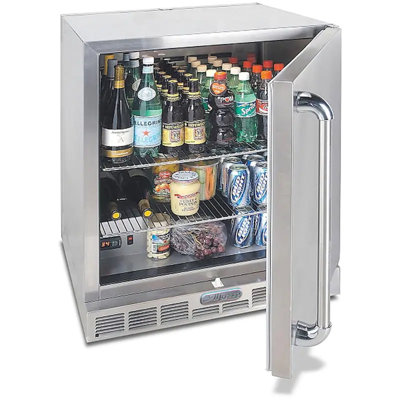
Turn your mini fridge into a drink hub. No more digging through a packed kitchen fridge to find your favorite soda. Keep all your drinks in one spot, ready to grab.
Use the shelves and door compartments to organize everything. Here’s a quick guide:
Need a cooler for a BBQ, road trip, or weekend getaway? Your mini fridge can do that too. It’s small enough to move around but big enough to keep your stuff cold.
Use it to keep drinks and snacks chilled at your next outdoor party or while traveling. Its size makes it easy to take with you and set up anywhere.
So, whether you’re setting up a drink station, storing gourmet goodies, or taking it on the road, your mini fridge without a freezer can do a lot more than you think.
Compare mini fridge prices on Fridge.com
Compare current prices and specifications on Fridge.com, then buy from the retailer you choose; delivery, installation and warranty terms are the retailer’s.
It also has tons of awesome articles about kitchen stuff and home news. Enhance your home, garage, backyard, patio, and office with the coolest essentials. With every necessary type of residential refrigerator or freezer in the collection, you're covered.
From Fridge.com research
Figures below come from data Fridge.com builds and maintains. Each links to the record behind it.
Fridge.com Energy Index, built on U.S. EPA and DOE ENERGY STAR records
Across 1,728 ENERGY STAR certified compact refrigerator models, median use is 246 kWh per year — 11% better than the federal standard.