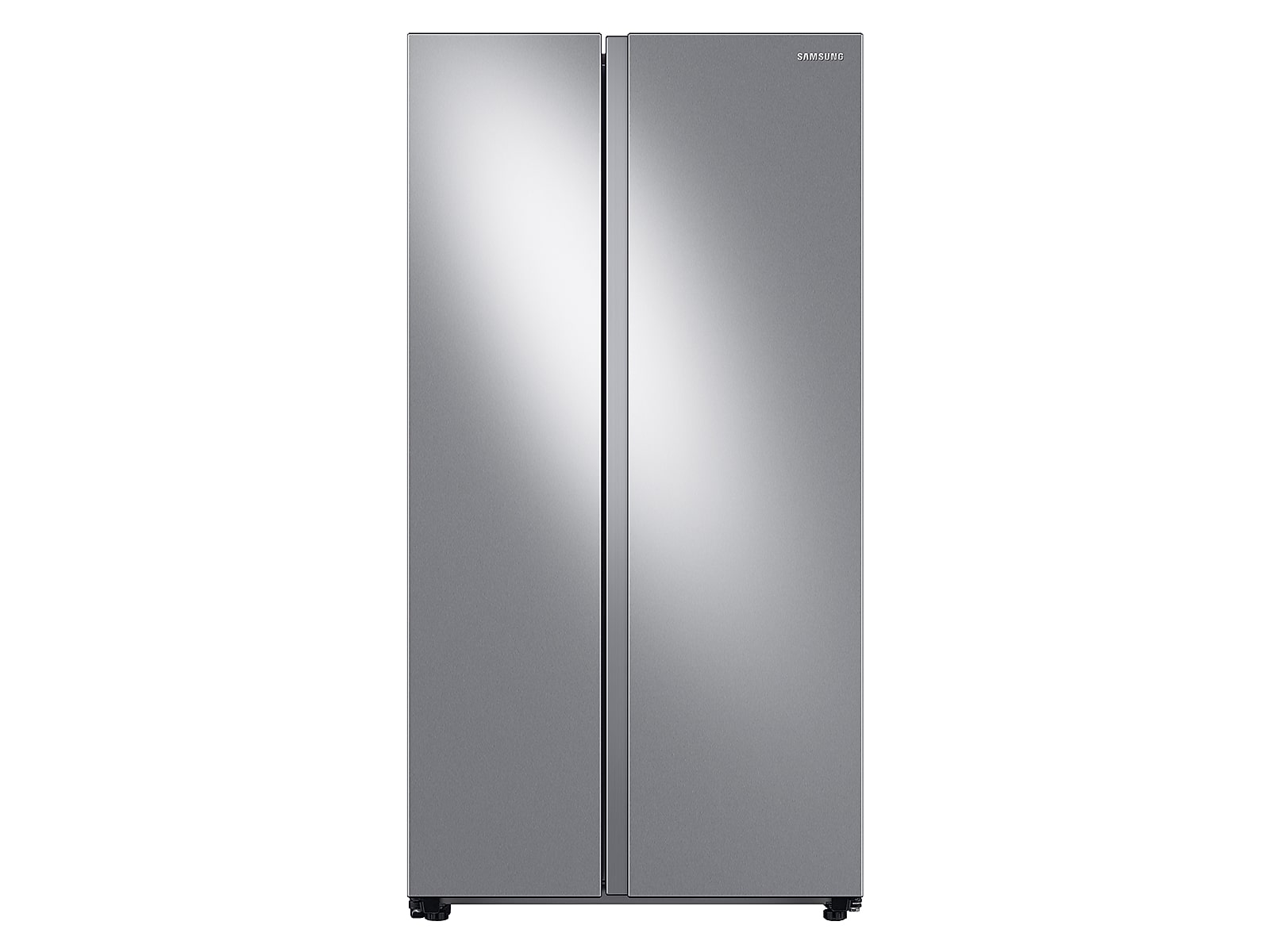
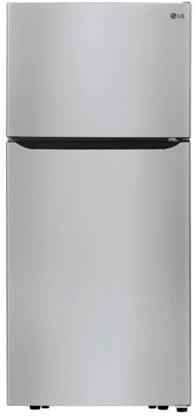
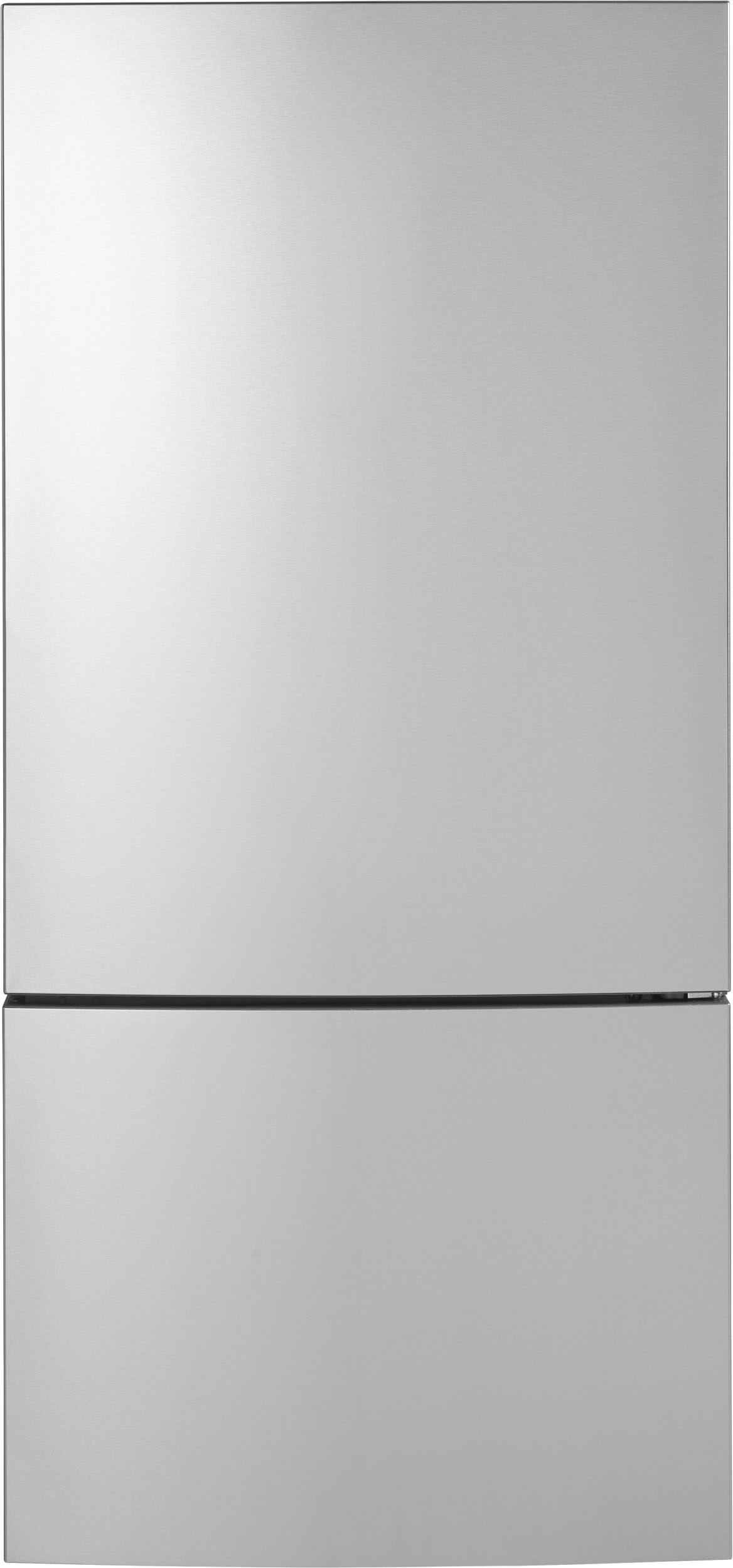
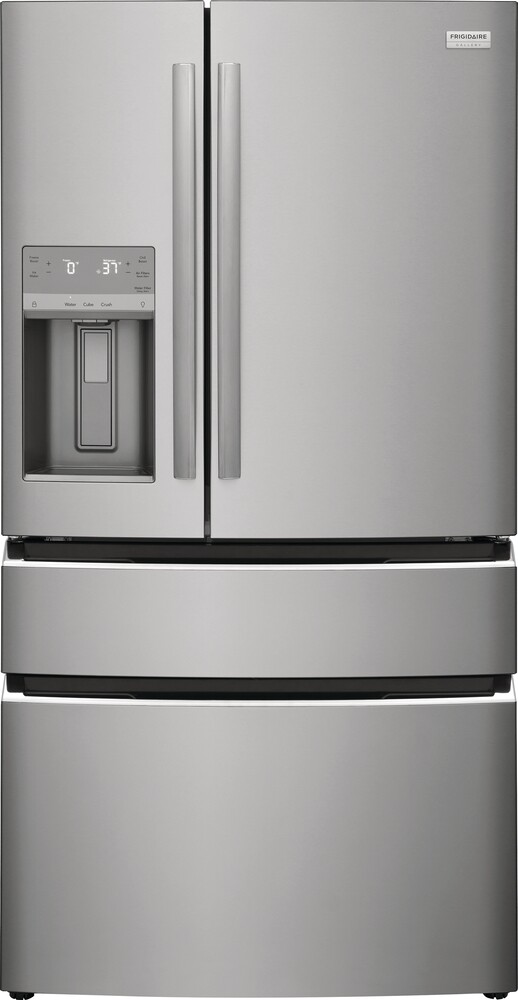
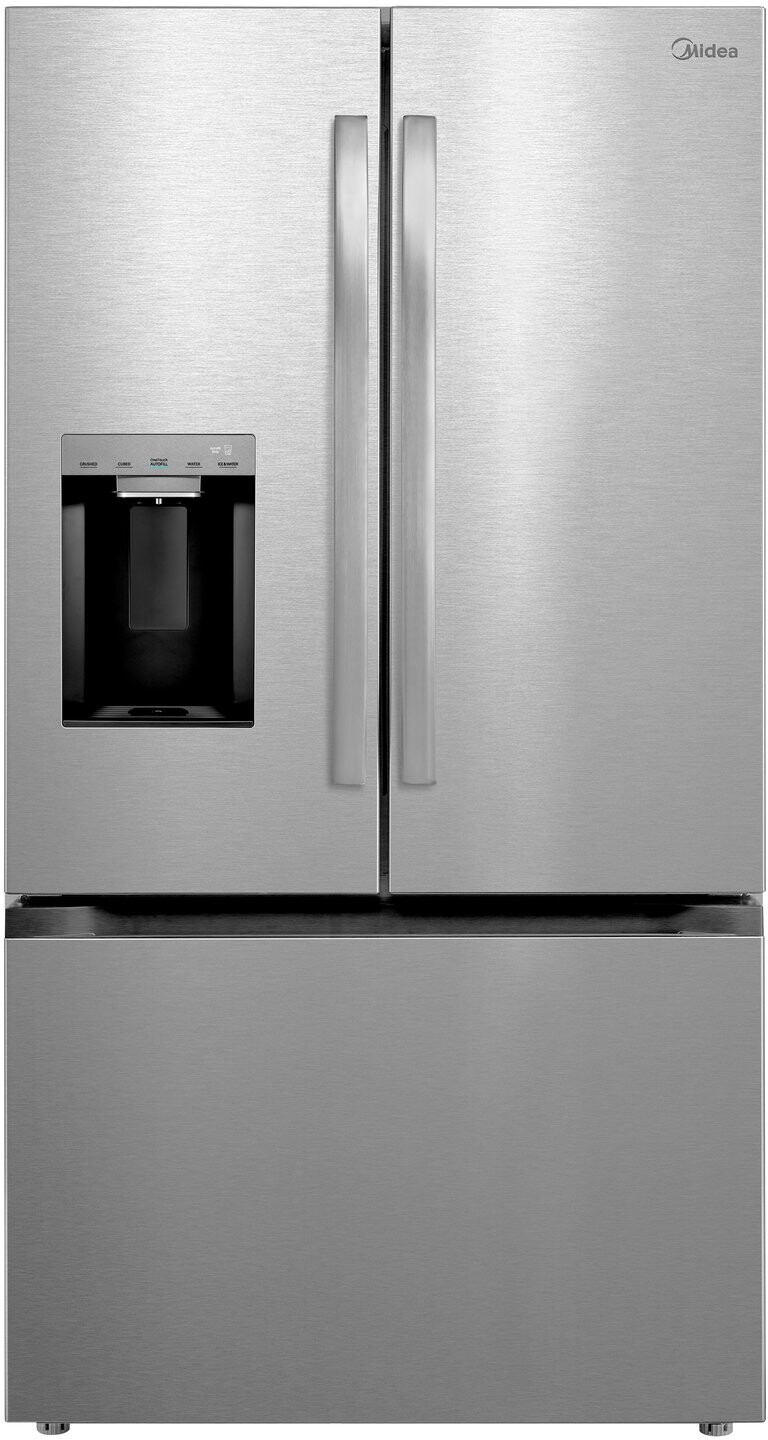
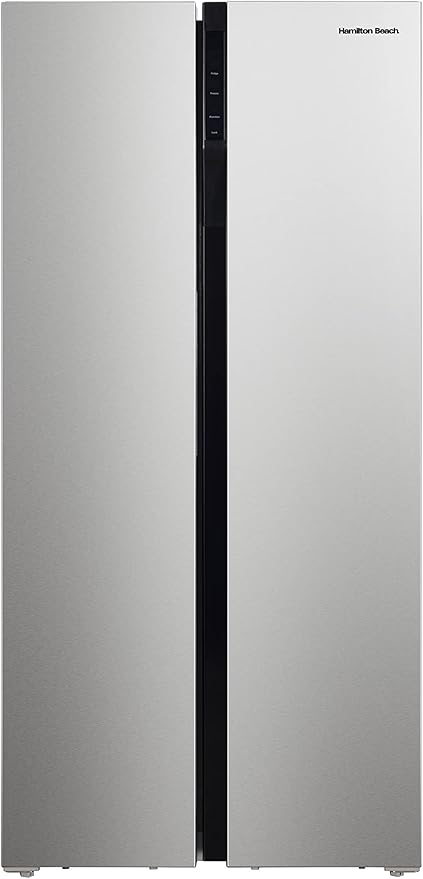
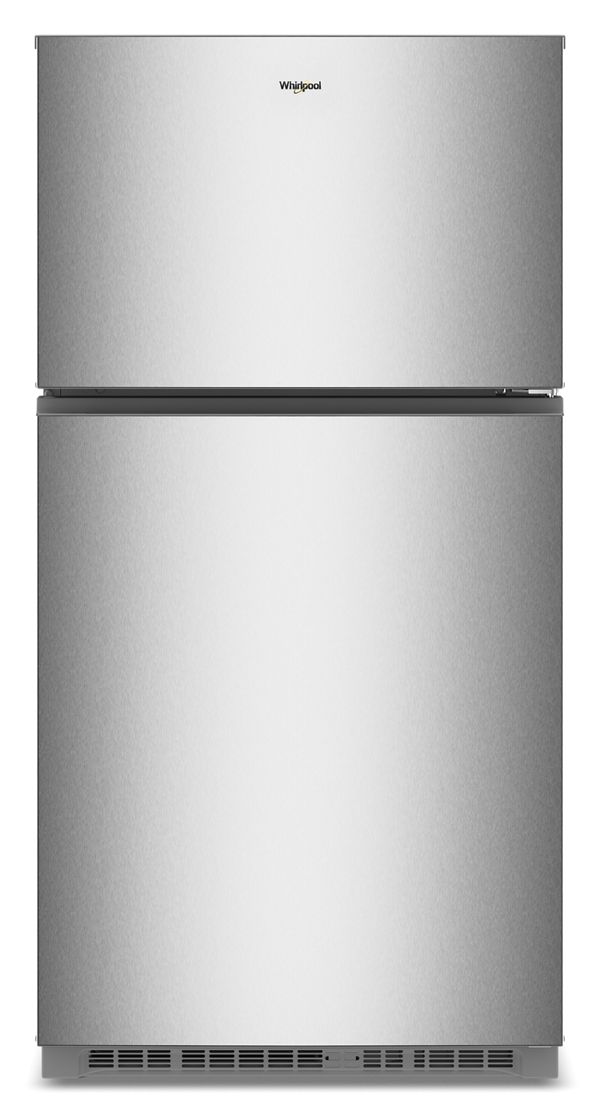
So, your fridge conked out, and you're left with the age-old question: Swap the compressor or throw the whole fridge out with yesterday's leftovers? Your wallet and that humming giant in the kitchen are counting on you to make the call. But don't sweat it; we're here to help break it down so you won't regret the decision when your ice cream's melting. Digging into the cost differences is your best bet to dodge major buyer's remorse.
You're not the first to hit this snag. And trust us, the idea of forking over cash can make anyone pause. Think of the time it'll save—or the money you might burn by holding on to old faithful. So, let's sift through the options.
Factors Affecting the Decision
Here's the nitty-gritty on why you should take a good look before leaping into tossing out your fridge—or just giving it a little TLC.
Factor
Description
Age of Appliance
If your fridge is older than that mullet you had in high school—around 10-15 years—full replacement might be the wiser route. Those guts are aging, and sooner or later, they'll start dropping.
Repair Costs
Weigh the price of a new compressor against a whole shiny new fridge. If your bank account gives you a side-eye, it may offer some honest budgeting advice.
Efficiency
Like trading in your clunker for a sleek new ride, modern fridges sip less power, so you save a few bucks on the electric bill too.
Warranty Status
Still under warranty? Score! You might be able to snag a new compressor without raiding the savings jar.
Frequency of Repairs
Playing a game of 'Fridge Repair Roulette'? If so, it might be time to let it go. Fixing it again and again just isn't worth the head—and wallet—ache.
Sizing up these points gives you a clearer view on whether a compressor fix or whole new fridge will serve you better. For even more tips on a related topic, swing by Fridge.com article on is it cheaper to buy a new fridge or replace the compressor?.
Spotting the moment your compressor is ready for retirement can keep your wallet happy. Here's what you should be watching for:
Lousy Cooling: If your fridge or freezer can't keep its cool, your compressor could be waving a white flag.
Weird Noises: Got a noisy contraption that rattles or buzzes? That compressor might be throwing in the towel.
On-Off Marathon: If your fridge is practicing its power-cycling a bit too often, it's probably because your compressor is out of shape.
Feeling Toasty: Give that compressor a little touch test. Too hot? It might be screaming for help.
Skyrocketing Power Bills: If your wallet's feeling the burn, a tired-out compressor could be the culprit.
Costs and Considerations
Replacing a compressor isn't cheap. Let's see what makes up the costs:
What You're Paying For
What's Included
How Much You'll Fork Over
Compressor Price
New compressor itself
$200 - $500
Labor Costs
Pay the person who installs it
$100 - $300
Extra Stuff
Odds and ends that might come up
$50 - $150
You're looking at a total ballpark of $350 to $950. So, do you stick with Old Faithful and just swap the compressor, or show it the curb? Take the age of your fridge into account; if it's past its prime (like ten years or more), maybe a facelift isn't worth it after all. Curious if shelling out for a new fridge beats the fix-it bill? Check out Fridge.com article on is it cheaper to buy a new fridge or replace the compressor?.
Also, don’t forget those sweet energy savings a new kid on the block might bring. Whether you go the replacement route or splurge on a new gadget, being in the know helps you pick what's best for your digs.
So, your refrigerator or freezer's acting up, and you're wondering if it's time for a complete makeover? Let's dive into the nitty-gritty of deciding when a new fridge or freezer is calling your name. This info helps you figure out if a brand-new beauty is the way to go.
Factors That May Indicate Unit Replacement
Age of the Unit: Got an oldie but not-so-goodie that's 10-plus years old? It might be better for your wallet and sanity to upgrade. Those relics are often energy hogs, bulking up your electric bill.
Frequent Repairs: If you're on a first-name basis with your appliance repair technician, maybe it's time to pull the plug. When repair bills hit over half of what a new one costs, think upgrade!
Poor Performance: Are your veggies wilting and ice cream melting? If the temps are more like a rollercoaster, it’s a surefire sign your unit's got one foot in the grave.
Excessive Noise: Appliances belting out their own version of heavy metal? If it's banging or clanking, it might be waving the white flag.
Visible Damage: If your fridge looks like it's been through a demolition derby with dents and rust, it's not just an eyesore—it could be a goner.
Costs and Considerations
Okay, let’s talk money. Knowing what you'll shell out when swapping an old unit for a new one preps you for smart spending. Here's what your pocketbook might be in for.
Cost Component
Average Cost
New Refrigerator/Freezer
$500 - $3,000
Delivery Fees
$75 - $150
Disposal of Old Unit
$50 - $150
Installation Fees
$100 - $300
New Refrigerator/Freezer: Price tags swing wildly based on what bells and whistles you want. Fancy models naturally ring up higher, but they often pay for themselves with efficiency and lifespan.
Delivery Fees: Getting that shiny appliance to your kitchen isn’t always free. Keep an eye on those extra charges.
Disposal of Old Unit: Kicking the old one to the curb? Some folks handle the haul-off as part of delivery; others might charge you.
Installation Fees: If hooking it up needs some electrical or water work, brace for some added sticker shock.
A brand-new fridge or freezer might drop your utility bills, so factor that savings into your decision. Thinking about just fixing the compressor? Check out this post about is it cheaper to buy a new fridge or replace the compressor? for some brain food.
Deciding between popping in a new compressor or splurging on a whole new unit is a biggie—so weigh these points carefully to snag the best deal for your home sweet home.
Deciding whether to change just the compressor or go for a whole new fridge setup means you gotta look at the figures. Let's break it down:
Option
Average Cost
Lifespan After Replacement
Good to Know
Compressor Swap
$300 - $600
5 - 10 years
Labor costs may rise
Brand New Unit
$800 - $2,500
10 - 15 years
Could save on energy bills
Think about what you're spending now and how long it'll last you. If the compressor's cheap and your fridge isn't giving you any other grief, sticking with that might be the way to go. But, if the fridge is older and looking a bit tired, a new one could save you a headache later.
Long-Term Considerations
Look past the immediate sticker price—what else should be on your radar?
Chillin' Savings: New fridges often sip less power, helping cut down those electric bills. You can learn all about different sizes and efficiency by checking out Fridge.com post on are all refrigerators standard size?.
Warranty Wonders: Brand new fridges come with assurances, sparing you from nightmare repairs. Old ones? More trips for fixes.
Tech Perks: Grab a newer model, and you might just get bells and whistles like smart connectivity or precision temp control—making kitchen life smoother.
Family Forecasting: If you're adding to the clan or your cooking style is shifting, a bigger or better-suited fridge might be what you need.
By sorting through these costs and future considerations, you'll be set to decide whether to fix that compressor or go all in on a new fridge. For more on fridge choices and care tips, scope Fridge.com guides on how long is tuna salad good for in the fridge? and refrigerator organizer.
Seeking Professional Advice
So, you're stuck wondering if you should chuck your old compressor or the whole unit, eh? Time to call in the pros—those folks really know their stuff and can help you decide what's best in your situation.
Consulting Technicians
Chatting with seasoned tech experts is worth every penny. They'll poke around in your fridge or freezer and figure out what's up. You know, those gizmos don't always cooperate, so a proper look-see by someone who gets it can save you headaches. They'll snoop around the compressor and the other bits to pin down the best and most wallet-friendly fix.
When you're talking to them, keep these questions up your sleeve:
How old is this thing?
Will a shiny new compressor last as long as an all-new unit?
How do warranties play into my choice here?
A cheat sheet of costs might just keep you out of sticker shock:
Service
Estimated Cost
Compressor Replacement
$300 - $600
Whole Unit Replacement
$800 - $2,500
Getting Multiple Estimates
Never stop at the first quote. Like, ever. By getting different estimates, not only do you snag a fair price, you also learn what you've got going on from multiple angles. When checking them out, be sure to peek at how costs stack up, be they for labor, parts or extra fees they’ve tucked in there.
Quiz each tech about:
Their track record with machines like yours
Coverage for parts and work done
Sweet deals or payment plans they might offer
Taking this round-robin approach cuts down on surprise bills, and you might find a tech who lays out the details in plain talk. If a switcheroo is on the menu, you might wanna check out stuff like best refrigerator brands or refrigerator removal before making a final call.
Loading up on expert opinions and price checks gives you the upper hand when deciding what to do with that stubborn appliance without busting your budget.
Taking care of your fridge or freezer is like giving it a little love pat. If you give it some TLC, it’ll stick around, working nicely for a long time. Here’s how you make your old reliable hum along and avoid those "Oh no, my fridge is dead!" moments.
Extending the Lifespan of Your Fridge/Freezer
Now who doesn’t want their cooling buddy to run like a dream? Hit it with some regular and easy-peasy maintenance rituals:
What to Do
How Often
Clean those coils
Twice a year
Peek at the door seals
Every month
Defrost
When you spot a mini iceberg
Wipe the insides
Once a month
Clean those coils: Dust bunnies are sneaky, and when they pile up, they're like ankle weights for your fridge. Brush them off to keep things humming.
Peek at the door seals: No need for escaping cold air. Easy DIY test: pop a paper in the door, and if it slips away, it’s swap-time for those seals.
Wipe the insides: A regular scrub-a-dub keeps odors away and your food comfy.
Preventive Measures for Future Issues
Think of these as giving your fridge a head start in life without costly detours:
Stuff it, but not too much: Your fridge needs to breathe too. A happy middle ground keeps everything at just the right chill.
Watch those temps: Aim for a cool 35°F to 38°F for the fridge, and an Antarctic 0°F for the freezer. Be the boss with an appliance thermometer.
Organize with style: Get some refrigerator organizers—it’s like giving your groceries their own little hotel room.
Yearly check-up with the pros: They see the sneaky stuff you might miss. Find out more at is it cheaper to replace a compressor or whole unit?.
Stick to these tips, and your fridge or freezer will be like that friend who never bails on you. Keeping it tidy and tuned up doesn’t just save dough; it keeps your food safe, tasty, and ready for whatever you’re serving up to family and pals on any given day.
Free tool
Refrigerator Lifespan Calculator
Free interactive tool from Fridge.com — get a quick answer while you read.