Varies by model, typically between 20-50 lbs per day.
Average cycle time is between 6-15 minutes.
Ice makers are designed specifically to produce ice quickly and efficiently, making them ideal for parties, gatherings, or daily use in a busy household.
Usage: Ideal for entertainment purposes, kitchens, or bars.
When it comes to choosing between an ice maker and a retro mini fridge, it's essential to understand the cooling options available and how each appliance can suit your space and needs.
Exploring Cooling Options for Your Space
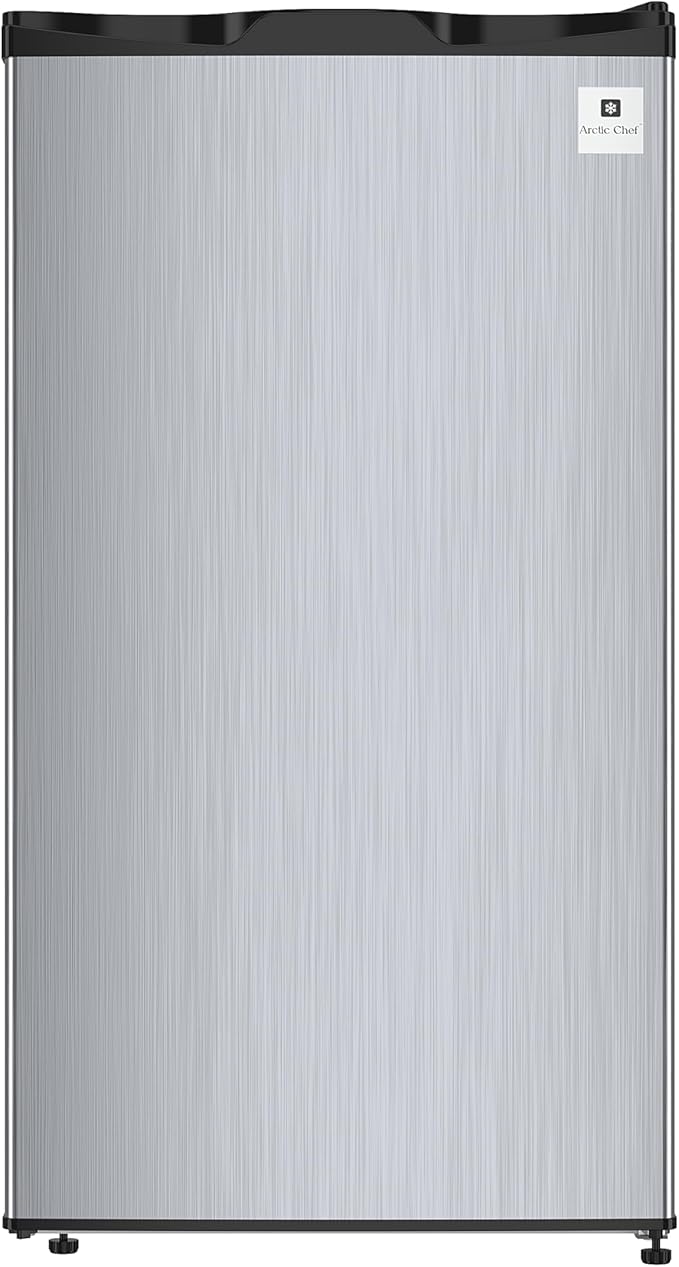
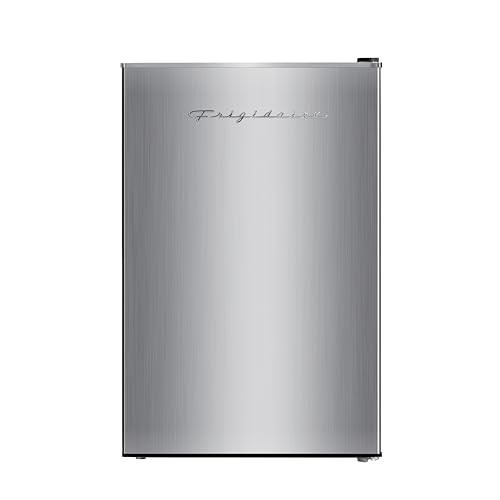
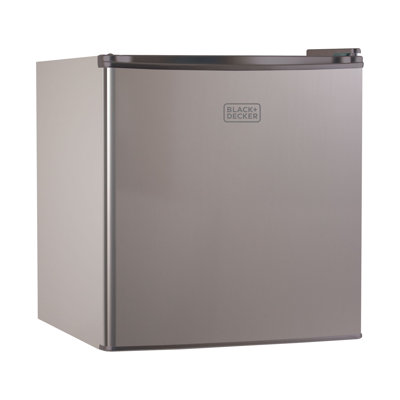
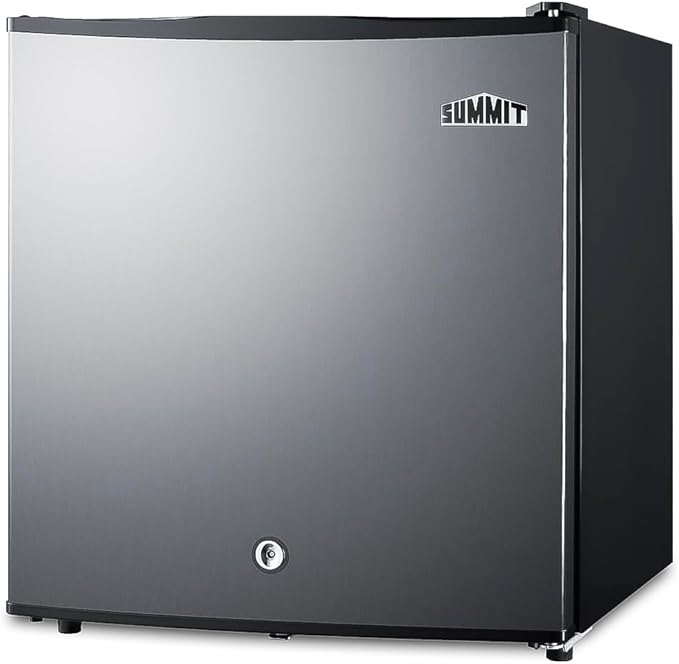
Both ice makers and retro mini fridges offer unique benefits, making them suitable for different purposes and environments. Ice makers are designed specifically to produce ice quickly and efficiently, making them ideal for parties, gatherings, or daily use in a busy household. On the other hand, retro mini fridges provide both cooling and storage solutions with a nostalgic design that can add a touch of style to your kitchen, office, or dorm room.
Understanding the Differences between Ice Makers and Retro Mini Fridges
To make an informed decision, it's vital to understand the key differences between these two appliances.
Ice Makers:
Primary Function: Producing ice.
Usage: Ideal for entertainment purposes, kitchens, or bars.
Space Requirements: Generally compact and can fit on countertops.
Storage: Limited to ice production; does not offer food or beverage storage.
Retro Mini Fridges:
Primary Function: Storing and cooling food and beverages.
Usage: Suitable for small living spaces, offices, dorms, and entertainment areas.
Space Requirements: Typically larger than ice makers and can be placed on the floor or countertops.
Storage: Provides compartments for various food items and drinks.
Feature
Ice Maker
Retro Mini Fridge
Function
Produces ice
Stores and cools food and beverages
Primary Use
Parties, kitchens, bars
Small living spaces, offices, dorms
Space Requirements
Compact, fits on countertops
Larger, can be placed on the floor
Storage Capacity
Limited to ice
Multiple compartments for food and drinks
When comparing an ice maker Vs. retro mini fridge, consider your specific needs and the available space in your home. If you often host gatherings or need a constant supply of ice, an ice maker might be the right choice. Alternatively, if you need additional storage for food and drinks with a stylish design, a retro mini fridge could be the perfect fit.
In the debate of ice maker Vs. retro mini fridge, understanding the functionality and types of ice makers can help you determine which option suits your needs.
Functionality of Ice Makers
Ice makers are specialized devices designed to produce ice quickly and efficiently. They function by drawing water into a mold, freezing it, and then ejecting the formed ice into a storage bin. The primary purpose of ice makers is to provide a steady supply of ice without the need for manual ice trays.
Feature
Description
Ice Production Rate
Varies by model, typically between 20-50 lbs per day
Ice Storage Capacity
Ranges from 1 lb to over 20 lbs
Cycle Time
Average cycle time is between 6-15 minutes
Ice makers are often used in environments where a large quantity of ice is required, such as parties, offices, or kitchens with high ice consumption.
Types of Ice Makers
There are several types of ice makers, each designed to meet specific needs and preferences. Understanding these types can help you make an informed choice.
Portable Ice Makers
Portable ice makers are compact and can be moved easily. They are ideal for small spaces like apartments, condos, and RVs. Portable models are known for their quick ice production and ease of use.
Type
Size (H x W x D)
Production Rate
Storage Capacity
Portable
14 x 9 x 12 inches
26 lbs/day
1.5 lbs
Under-Counter Ice Makers
Under-counter ice makers are designed to fit seamlessly into your kitchen cabinetry. They offer higher production capacities and storage than portable models, making them suitable for larger households or commercial use.
Type
Size (H x W x D)
Production Rate
Storage Capacity
Under-Counter
34 x 15 x 24 inches
50 lbs/day
25 lbs
Built-In Ice Makers
Built-in ice makers are similar to under-counter models but are integrated into the kitchen design, providing a more permanent solution. They often come with advanced features such as water filters and adjustable ice sizes.
Type
Size (H x W x D)
Production Rate
Storage Capacity
Built-In
34 x 15 x 24 inches
65 lbs/day
28 lbs
Each type of ice maker offers unique advantages, catering to different space requirements and ice production needs. By considering factors like size, production rate, and storage capacity, you can find the right ice maker for your home or office. For more comparisons, visit Fridge.com articles on 5 door refrigerator Vs. double drawer refrigerator and built in wine cooler Vs. ice cream freezer chest.
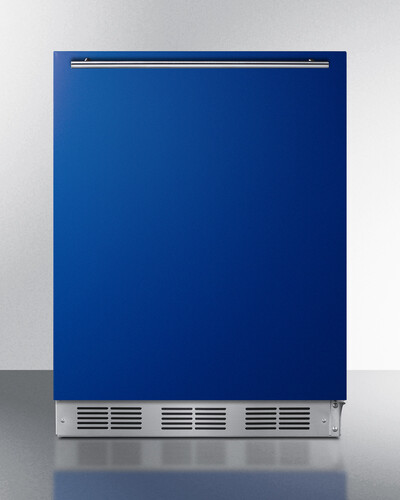
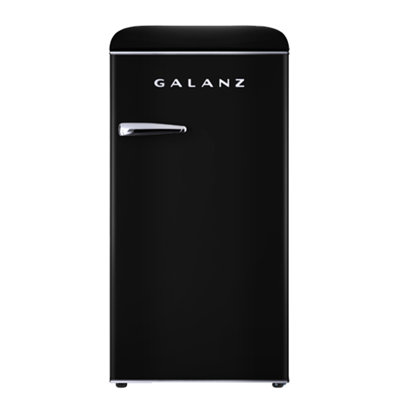
Retro mini fridges are a popular choice for those looking to combine functionality with a touch of vintage style. They are compact, versatile, and perfect for small spaces. In this section, Fridge.com will explore the functionality, design, and features of retro mini fridges.
Functionality of Retro Mini Fridges
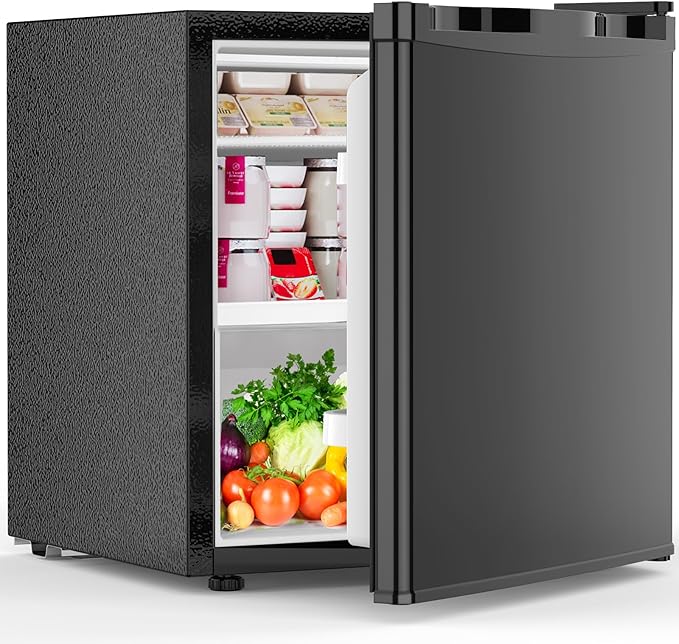
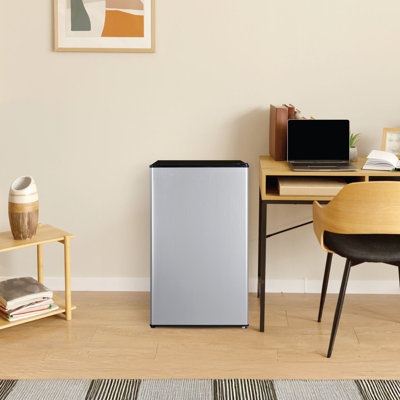
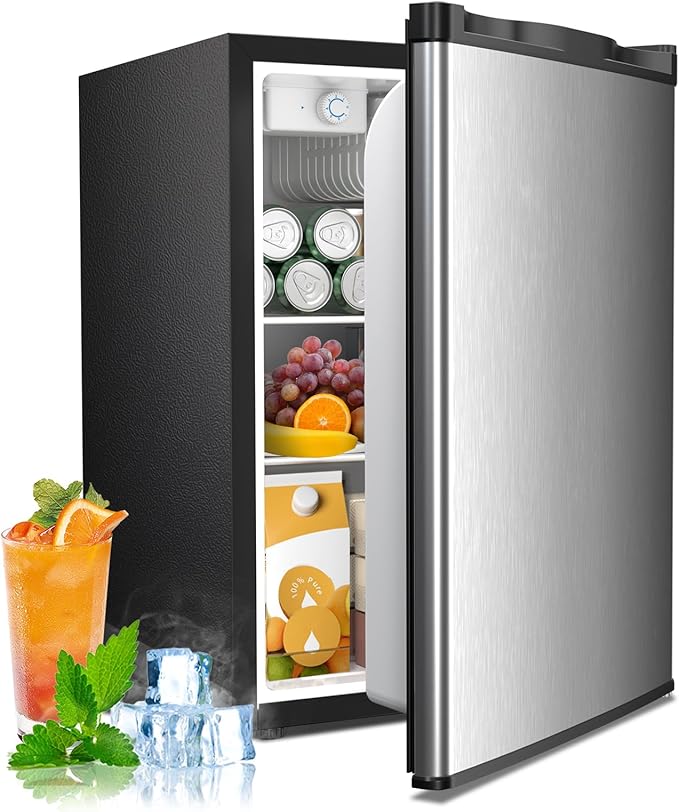
Retro mini fridges offer a convenient way to keep your beverages and snacks cool without taking up too much space. They are ideal for settings such as dorm rooms, offices, bedrooms, and small apartments. Despite their compact size, retro mini fridges are designed to deliver efficient cooling performance.
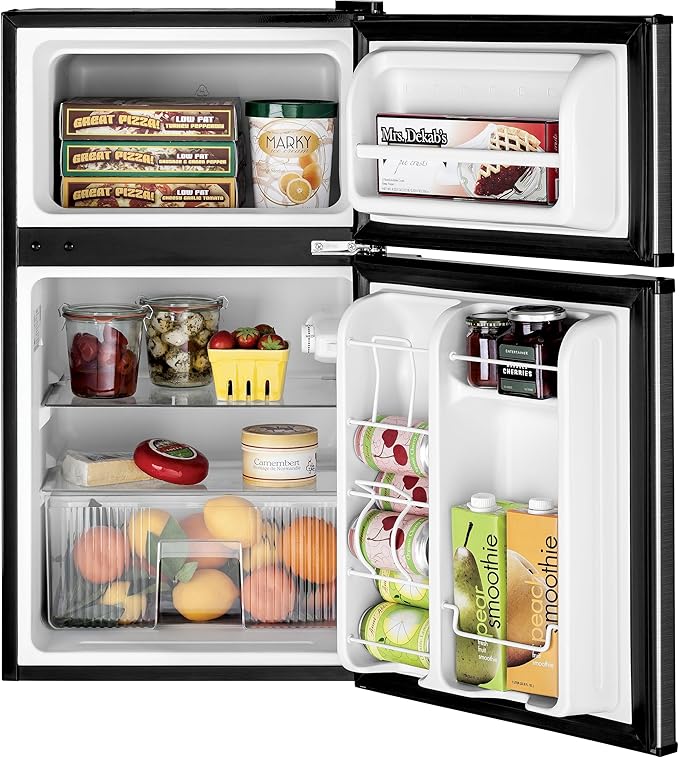
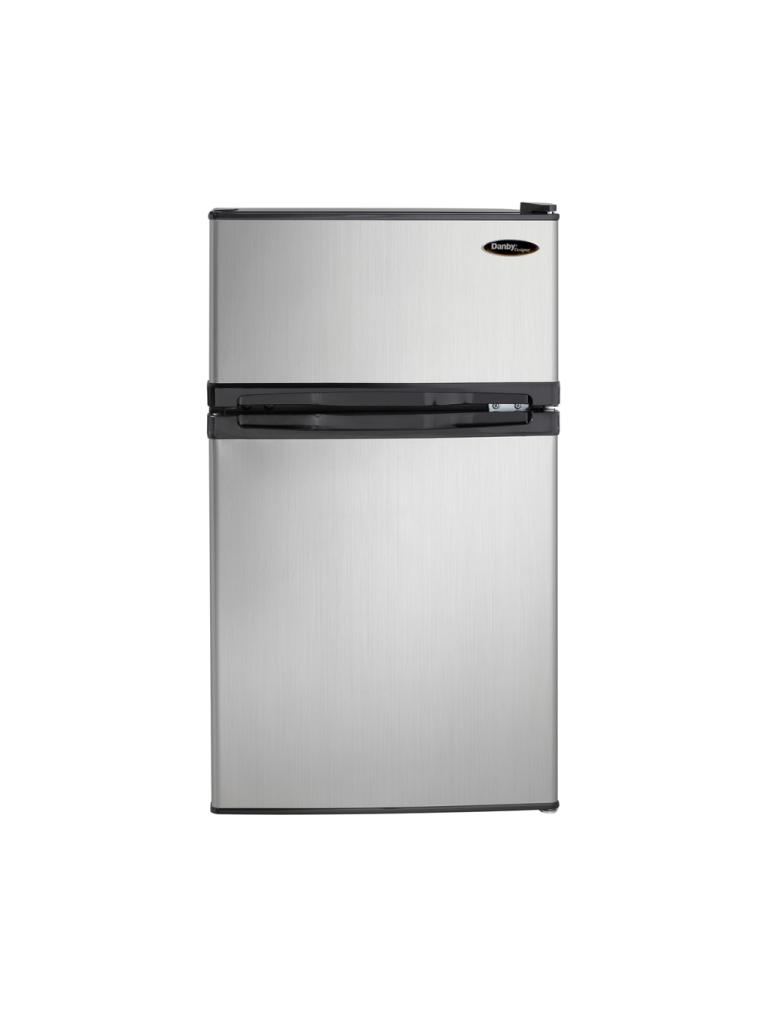
These small refrigerators typically come with adjustable temperature settings, allowing you to customize the cooling level based on your needs. Some models may also include a small freezer compartment, providing additional versatility for storing frozen items.
When comparing retro mini fridges to other types of cooling appliances, it's important to consider their cooling capacity. For example, you can compare them to a mini fridge with freezer to see how they measure up in terms of functionality and space utilization.
Design and Features of Retro Mini Fridges
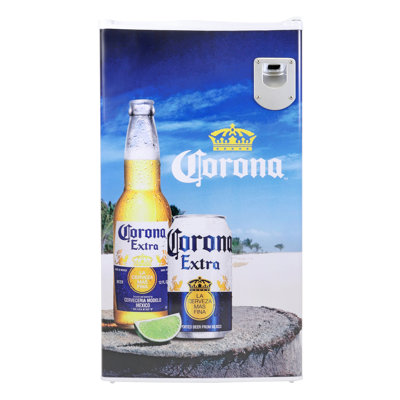
One of the standout features of retro mini fridges is their stylish design. These fridges often feature a nostalgic look, with vibrant colors and chrome accents that evoke a sense of classic, mid-century charm. This makes them a great addition to any space where aesthetics are just as important as functionality.
Retro mini fridges come in various sizes and configurations, allowing you to choose the one that best fits your needs. Some common features include:
Adjustable Shelves: Many retro mini fridges have adjustable shelves, giving you the flexibility to organize your items as you see fit.
Door Storage: The doors often have built-in storage compartments for bottles, cans, and other small items.
Compact Freezer Compartment: Some models include a small freezer section, providing additional storage for frozen goods.
Energy Efficiency: Modern retro mini fridges are designed to be energy-efficient, helping you save on electricity bills while keeping your items cool.
Feature
Details
Adjustable Shelves
Allows for customizable storage
Door Storage
Convenient compartments for beverages and small items
Freezer Compartment
Small section for frozen goods
In terms of design aesthetics, retro mini fridges are a great way to add a pop of color and personality to your space. Whether you are looking for a pink fridge or a more classic color, there are plenty of options to choose from.
When weighing the pros and cons of a retro mini fridge versus other cooling solutions, such as an ice maker or a bottle refrigerator, consider your specific needs and preferences. Retro mini fridges offer a blend of style and practicality that can enhance any living or working environment.
When deciding between an ice maker and a retro mini fridge, several factors come into play. These include space and size considerations, cooling capacity and efficiency, and additional features.
Space and Size Considerations
Before making a choice, evaluate the available space in your home, office, or other setting. Ice makers and retro mini fridges differ significantly in their space requirements and storage capacities.
Appliance Type
Dimensions (inches)
Storage Capacity
Ice Maker
12 x 15 x 17
2-3 lbs of ice
Retro Mini Fridge
18 x 20 x 22
2-4 cubic feet
Ice makers are generally more compact, making them ideal for countertops or small spaces. Retro mini fridges, while still relatively small, require more space but offer additional storage for beverages and snacks.
Cooling Capacity and Efficiency
Cooling capacity and efficiency are crucial when comparing an ice maker to a retro mini fridge. Ice makers focus solely on ice production, whereas retro mini fridges provide broader cooling solutions.
Appliance Type
Cooling Capacity
Efficiency Rating
Ice Maker
26-40 lbs of ice per day
High
Retro Mini Fridge
32-40°F for food storage
Moderate
Ice makers are efficient in producing large quantities of ice quickly, making them suitable for parties or gatherings. Retro mini fridges, on the other hand, maintain a consistent temperature for food and drink storage but may not match the ice production efficiency of a dedicated ice maker.
Additional Features
Both appliances come with various additional features that can enhance their functionality and convenience.
Ice Maker Features:
Quick ice production cycle
Self-cleaning function
Multiple ice size options
Retro Mini Fridge Features:
Adjustable shelves
Built-in bottle opener
Energy-efficient LED lighting
Considering these features will help you make an informed decision based on your specific needs and preferences. For more detailed comparisons, you can refer to Fridge.com articles on mini fridge with freezer Vs. retro mini fridge and ice cream freezer chest Vs. wine refrigerator.
When weighing the factors of space, cooling capacity, and additional features, you can determine which appliance best suits your lifestyle and cooling needs. Whether you prioritize the convenience of an ice maker or the versatility of a retro mini fridge, understanding these aspects will guide you in making the right choice.
Ice Maker Benefits
Convenience of Ice Making
An ice maker offers the ultimate convenience for those who require a constant supply of ice. Whether you are hosting a party, enjoying a refreshing beverage, or need ice for medical reasons, an ice maker ensures that you always have ice on hand without the need for manual labor. Ice makers can produce ice quickly and efficiently, saving you time and effort.
Ice Production Rate
Time Required
9 ice cubes
6-12 minutes
26 pounds of ice
24 hours
Unlike traditional ice trays, which require hours to freeze, an ice maker can produce ice in as little as six minutes. This rapid production is particularly beneficial when you need ice on short notice. For more information on the differences between ice makers and retro mini fridges, visit Fridge.com article on ice maker Vs. retro mini fridge.
Ice Variety Options
Another significant benefit of ice makers is the variety of ice types they can produce. Depending on the model, you can enjoy different shapes and sizes of ice, tailored to your specific needs. Here are some common types of ice you can expect from an ice maker:
Bullet Ice: Ideal for cooling drinks quickly.
Nugget Ice: Soft and chewable, perfect for cocktails and sodas.
Cube Ice: Versatile and long-lasting, suitable for a wide range of beverages.
Crescent Ice: Slow-melting and ideal for keeping drinks cold without diluting them.
Ice Type
Characteristics
Bullet Ice
Quick cooling, hollow center
Nugget Ice
Soft, chewable
Cube Ice
Long-lasting, versatile
Crescent Ice
Slow-melting, less dilution
The ability to select different ice types ensures that you can optimize your ice use for various occasions and preferences. For example, nugget ice is great for cocktails, while cube ice is perfect for everyday use. For more insights into other cooling options, check out Fridge.com comparison of fridge freezer combo Vs. glass door freezer.
By understanding the benefits of ice makers, you can make an informed decision about whether this appliance suits your lifestyle and needs. For a detailed comparison with retro mini fridges, explore Fridge.com article on mini fridge with freezer Vs. retro mini fridge.
Retro Mini Fridge Benefits
Retro mini fridges are not just functional but also add a touch of style to your space. Let's explore the key benefits of these compact cooling solutions.
Stylish Design Aesthetics
Retro mini fridges are known for their unique and eye-catching designs. They often feature vibrant colors, rounded edges, and vintage-inspired details that can enhance the aesthetic appeal of any room. Whether placed in a kitchen, office, or dorm room, a retro mini fridge can serve as both a practical appliance and a stylish decor piece.
These fridges can complement various interior design styles, from modern to eclectic, making them a versatile choice for different settings. If you're interested in comparing other stylish refrigerators, you might find Fridge.com article on pink fridge Vs. single door refrigerator helpful.
Compact Storage Solutions
One of the main advantages of retro mini fridges is their compact size, making them ideal for small spaces. Despite their smaller footprint, they offer efficient storage solutions for your food and beverages. Here is a table showing typical storage capacity for retro mini fridges:
Storage Capacity
Volume (Cubic Feet)
Small Retro Mini Fridge
1.7 - 2.5
Medium Retro Mini Fridge
2.6 - 3.5
Large Retro Mini Fridge
3.6 - 4.5
These fridges often come with adjustable shelves, door compartments, and even small freezer sections, allowing you to maximize the available space. This makes them a practical choice for apartments, dorms, and offices where space is at a premium. For a comparison with other compact options, check out Fridge.com article on mini fridge with freezer Vs. retro mini fridge.
Retro mini fridges also provide the convenience of portability. Their lightweight and compact design make them easy to move and reposition as needed. This flexibility is particularly beneficial for those who frequently rearrange their living spaces or need a temporary cooling solution for gatherings.
By combining stylish design with practical storage, retro mini fridges offer a unique blend of form and function. If you are considering other compact cooling options, Fridge.com comparison on compact refrigerator Vs. kimchi refrigerator might be of interest.
Limitations of Ice Makers
When considering an ice maker for your home or office, it's important to be aware of its limitations. While ice makers offer convenience and efficiency, they also come with certain drawbacks that may influence your decision.
Maintenance Requirements
Ice makers require regular maintenance to ensure they function properly. Cleaning is essential to prevent the buildup of mold, mildew, and mineral deposits, which can compromise the quality of the ice and the efficiency of the machine.
Maintenance Task
Frequency
Cleaning Water Lines
Monthly
Descaling
Every 3-6 Months
Sanitizing the Ice Bin
Weekly
Inspecting Filters
Monthly
Regular maintenance tasks involve cleaning the water lines, descaling the machine, sanitizing the ice bin, and inspecting filters. These tasks can be time-consuming and require a consistent schedule. Failure to maintain the ice maker can lead to malfunctions, reduced ice quality, and even health risks.
Limited Functionality
Unlike retro mini fridges, ice makers are designed for a single purpose: to produce ice. This limited functionality means that while they excel at making ice, they do not offer additional storage or cooling options for other items.
Appliance
Functions
Ice Maker
Produces Ice
Retro Mini Fridge
Stores Food and Drinks, Cools Items
Ice makers cannot store food, beverages, or other perishable items, making them less versatile compared to retro mini fridges. If you need a multi-functional appliance for a small space, a retro mini fridge might be a better choice. For more information on mini fridge options, visit Fridge.com article on mini fridge with freezer Vs. retro mini fridge.
When deciding between an ice maker and a retro mini fridge, consider these limitations and how they may impact your specific needs. For a more comprehensive comparison of various cooling appliances, explore Fridge.com articles on built in wine cooler Vs. ice cream freezer chest and side by side refrigerator Vs. undercounter refrigerator.
Limitations of Retro Mini Fridges
When considering a retro mini fridge for your space, it's essential to be aware of its limitations. Two significant constraints to keep in mind are cooling capacity and storage space.
Cooling Capacity Constraints
Retro mini fridges, while stylish, often have limited cooling capacity compared to their larger counterparts. This can be a drawback if you need to store perishable items that require consistent, low temperatures. The cooling efficiency of these fridges may vary, and they might struggle to maintain a uniform temperature, especially in warmer environments.
Fridge Type
Average Cooling Capacity
Standard Fridge
32°F - 40°F
Retro Mini Fridge
35°F - 45°F
If you need a fridge that can reliably keep items at a specific temperature, you may need to explore alternatives. For instance, comparing a medium size refrigerator Vs. red refrigerator might provide insights into better cooling solutions.
Limited Storage Space
Another limitation of retro mini fridges is their restricted storage space. These fridges are designed to be compact and fit into small areas, which means they won't offer the same storage capacity as a standard refrigerator. This can pose a challenge if you plan to store a variety of items or larger quantities of food and beverages.
Fridge Type
Average Storage Capacity
Standard Fridge
18 - 25 cu. ft.
Retro Mini Fridge
2 - 4 cu. ft.
This limited storage space makes retro mini fridges more suitable for single individuals or small households. If you require more storage, you might consider comparing a fridge freezer combo Vs. glass door freezer for better options.
While retro mini fridges offer a stylish and compact solution, these limitations should be taken into account when deciding if they are the right fit for your needs. For more insights, you might explore the differences between a mini fridge with freezer Vs. retro mini fridge.
Compare prices on Fridge.com
Compare current prices and specifications on Fridge.com, then buy from the retailer you choose; delivery, installation and warranty terms are the retailer’s.
It also has tons of awesome articles about kitchen stuff and home news. Enhance your home, garage, backyard, patio, and office with the coolest essentials. With every necessary type of residential refrigerator or freezer in the collection, you're covered.
Free tool
Ice Maker Capacity Calculator
Free interactive tool from Fridge.com — get a quick answer while you read.