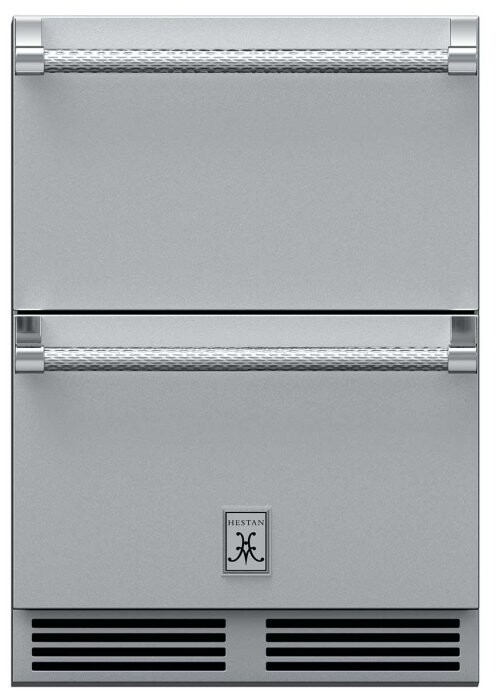
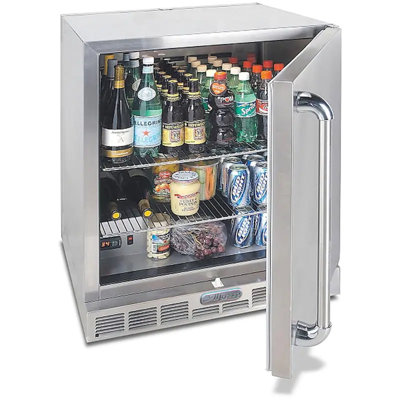
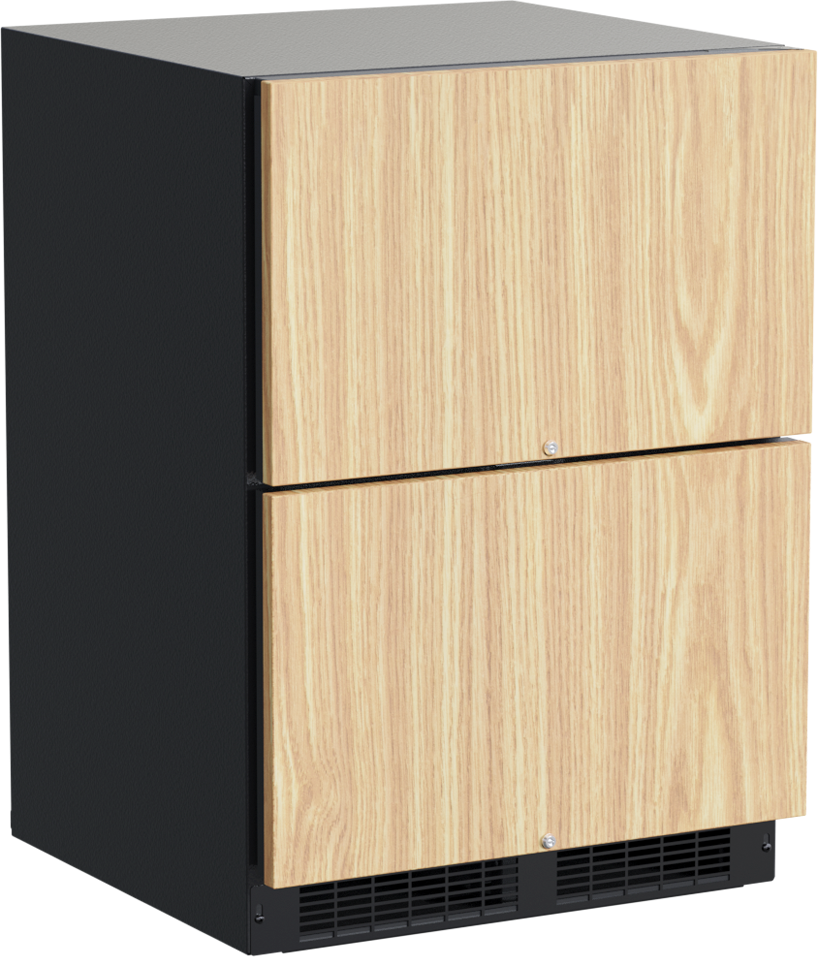
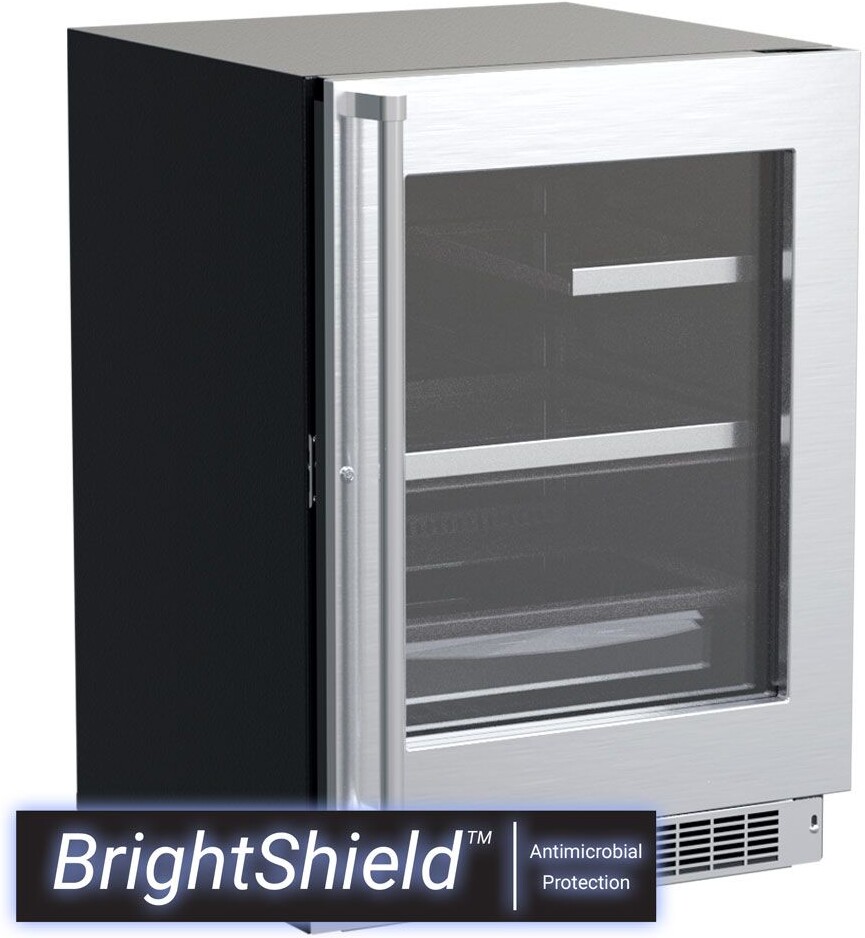
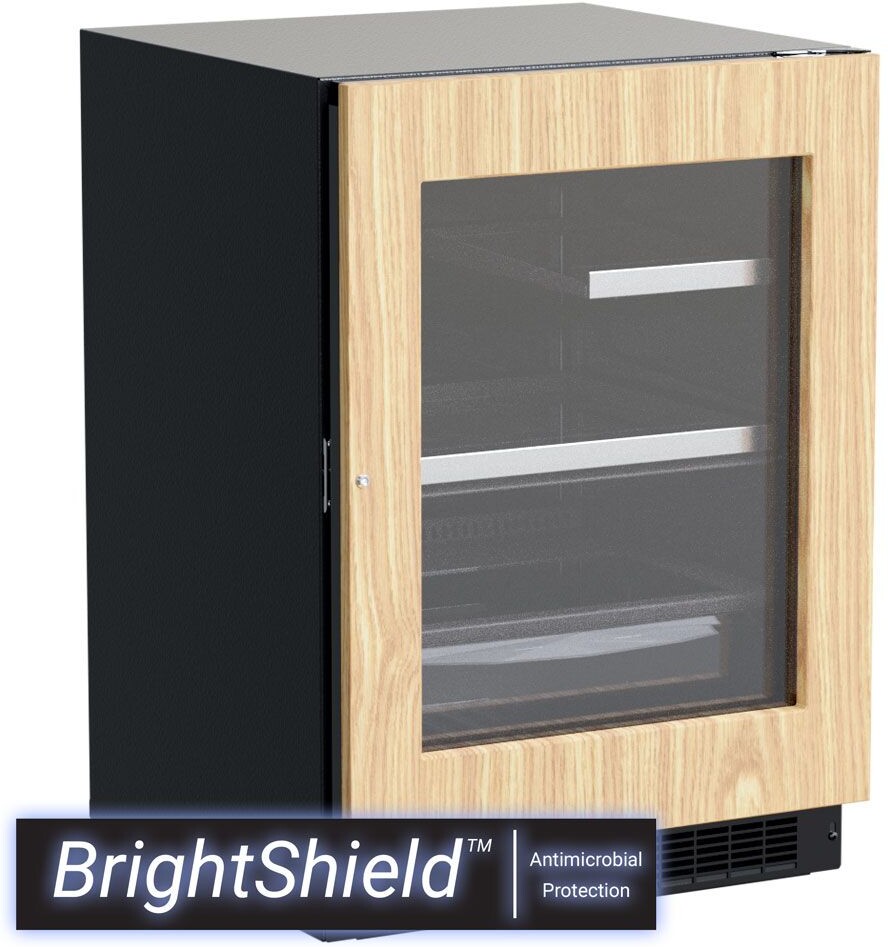
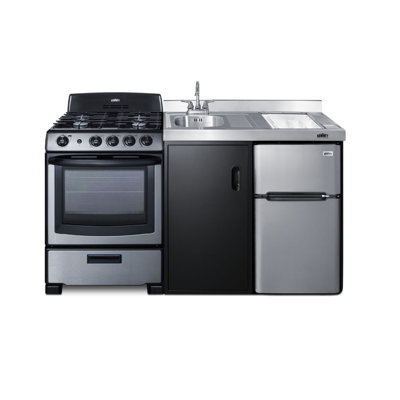
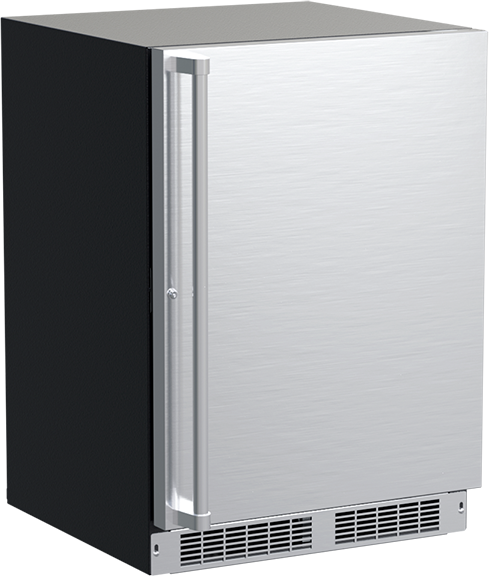
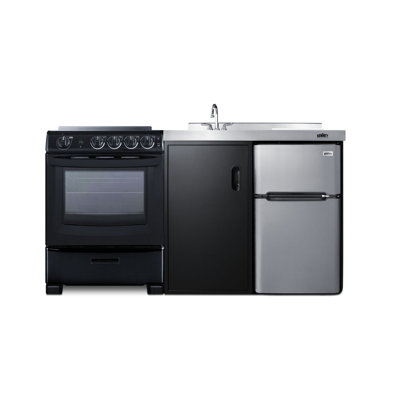
When deciding between a compact refrigerator and a kimchi refrigerator, it's crucial to understand the distinct features and benefits each offers. This comparison will help you make an informed decision based on your specific needs.
Introduction to Compact Refrigerators and Kimchi Refrigerators
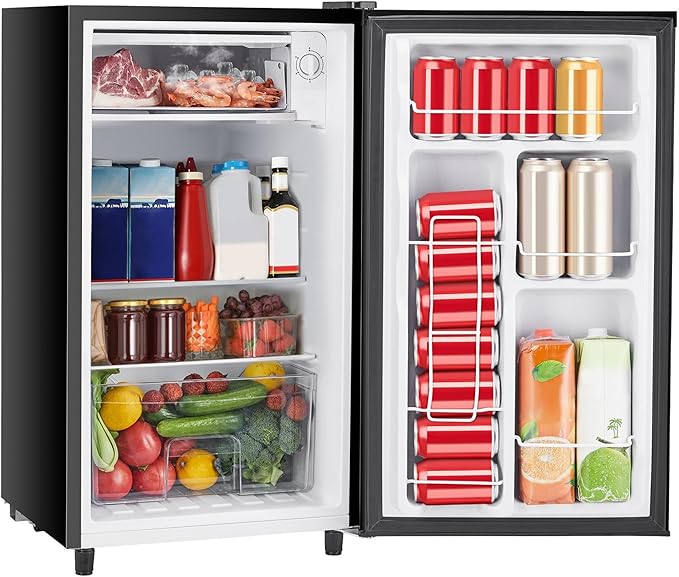
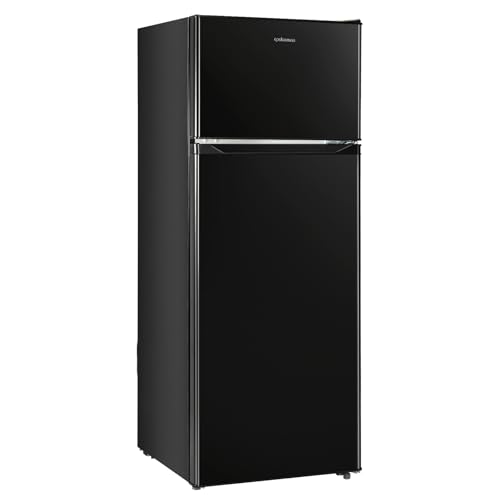
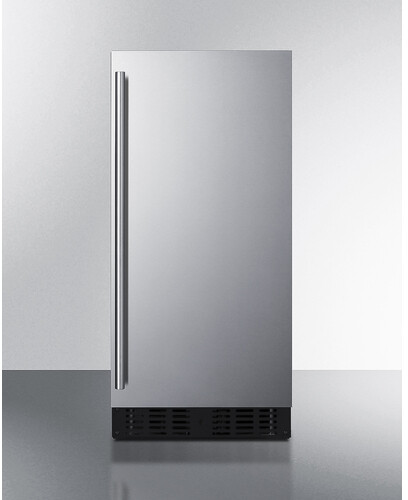
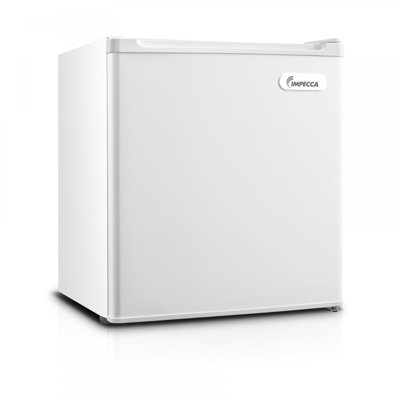
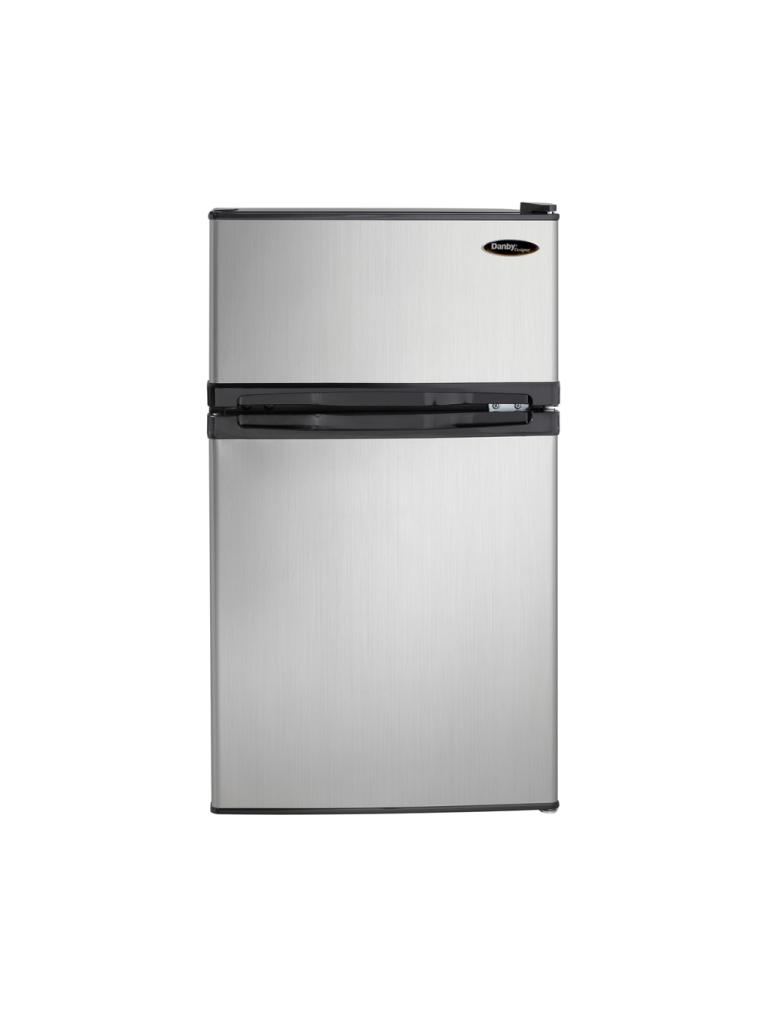
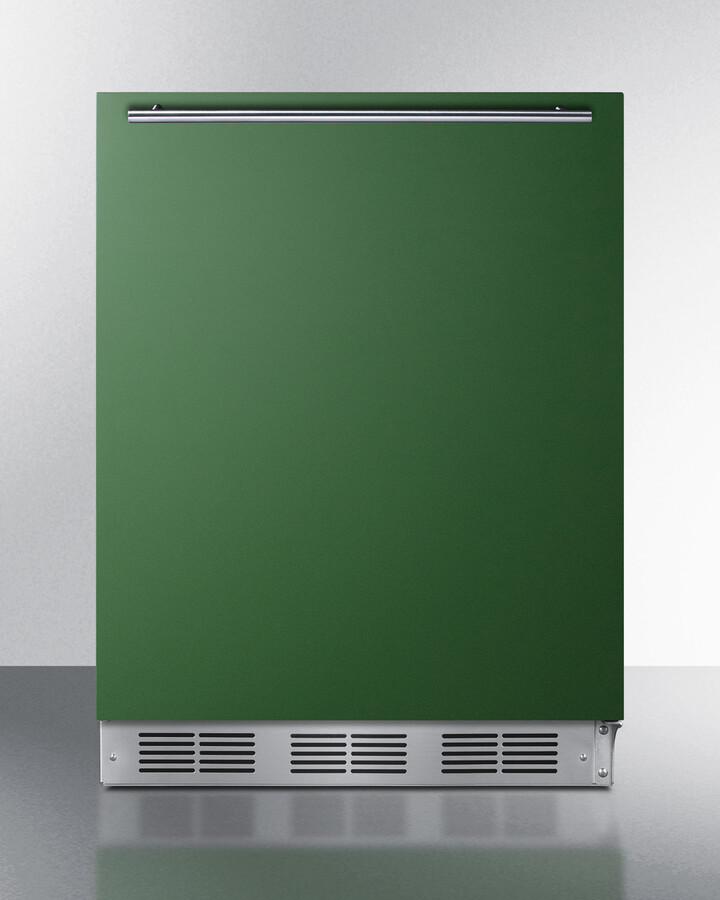
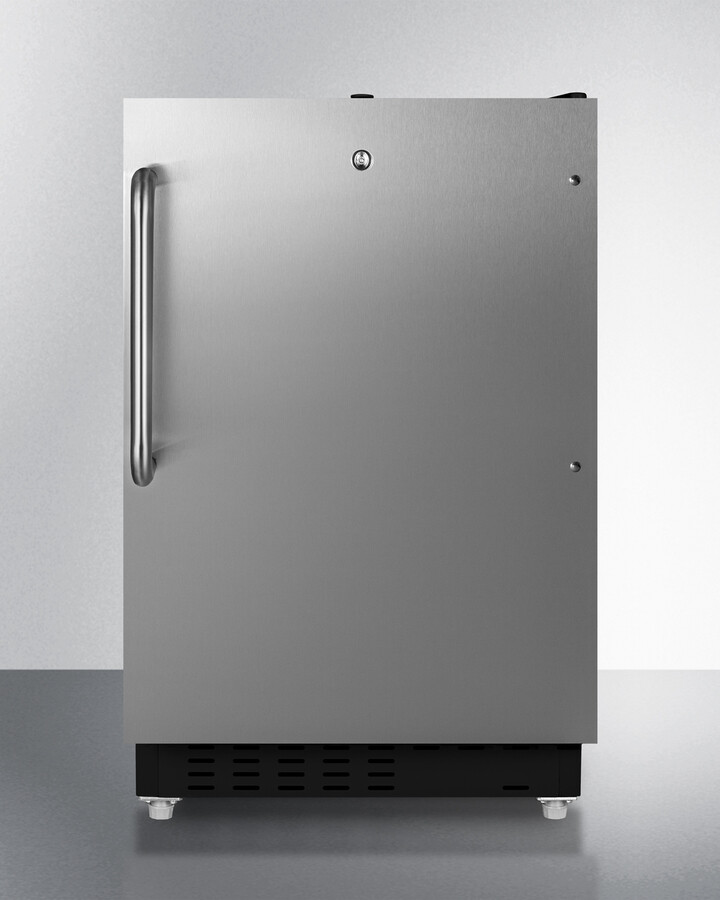
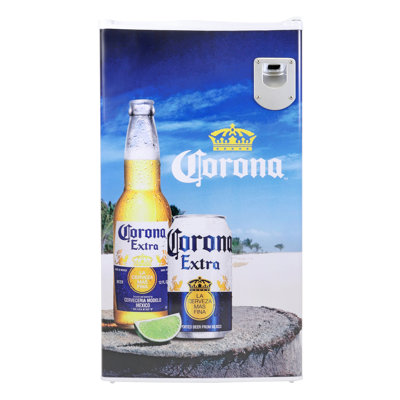
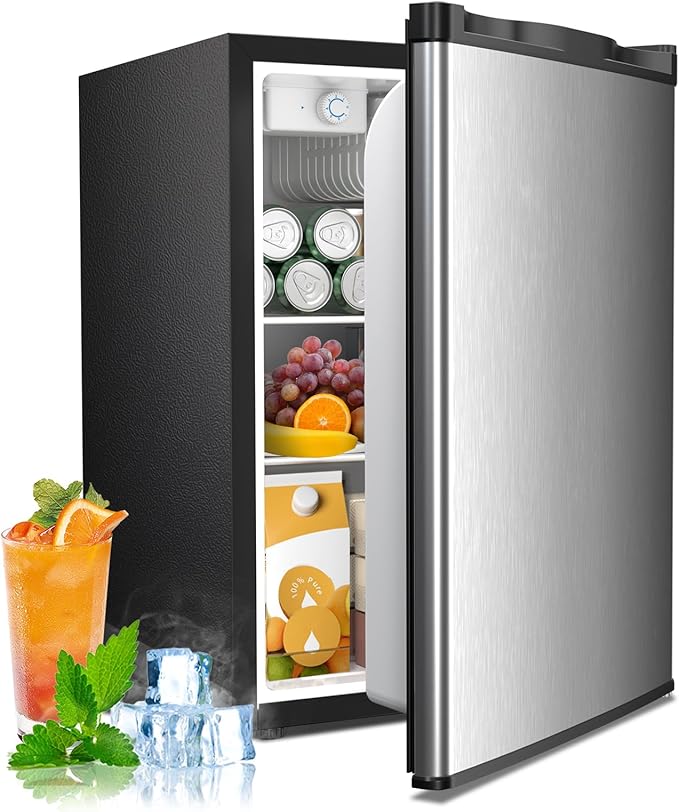
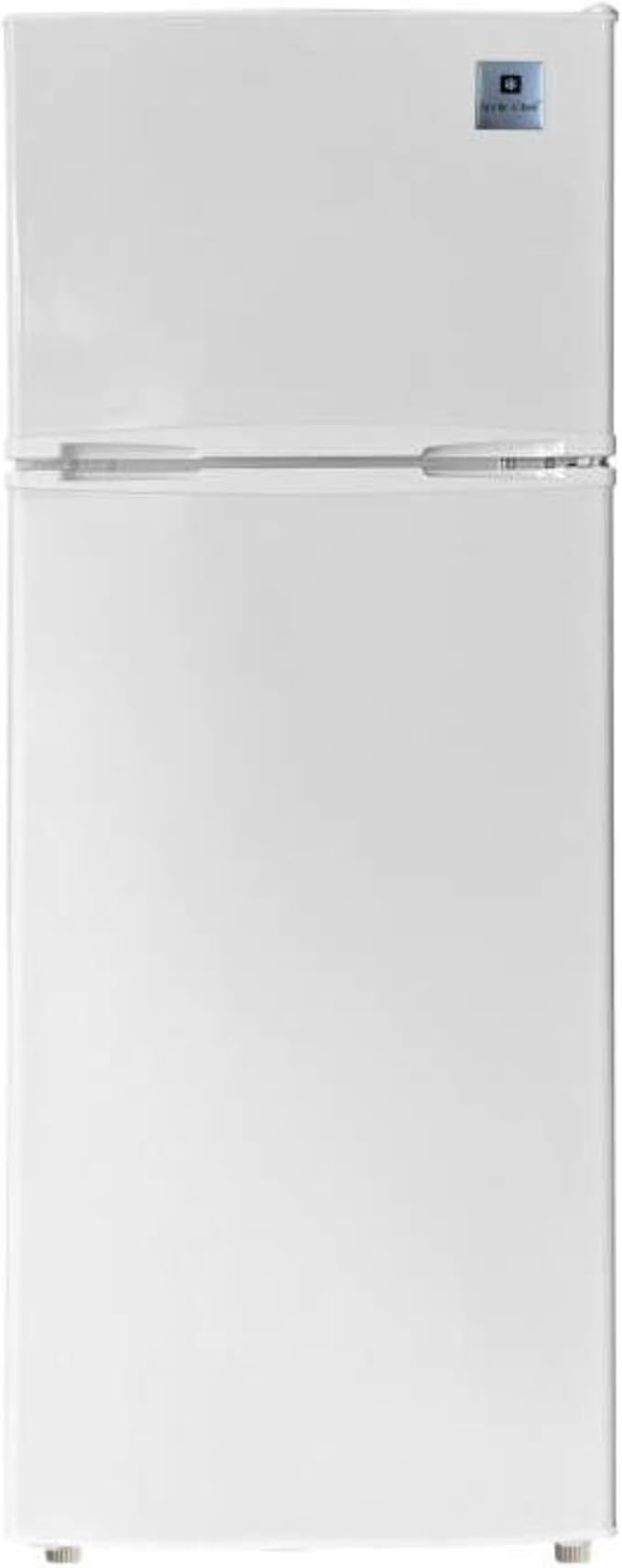
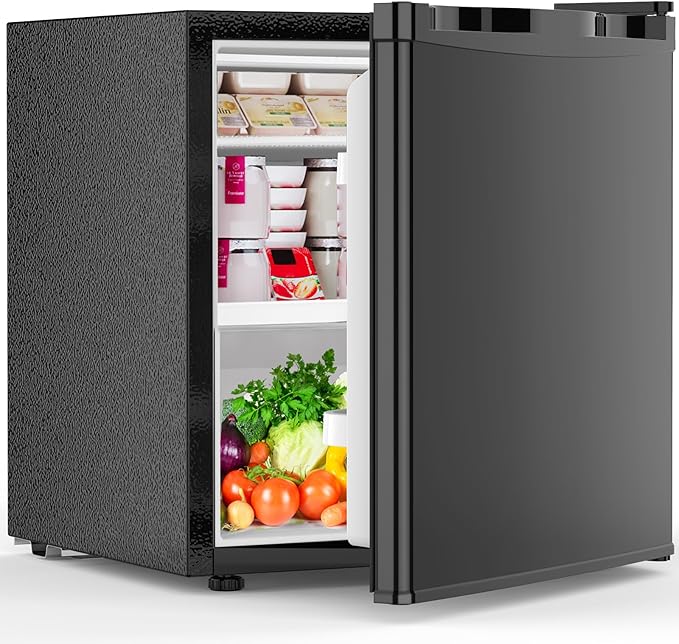
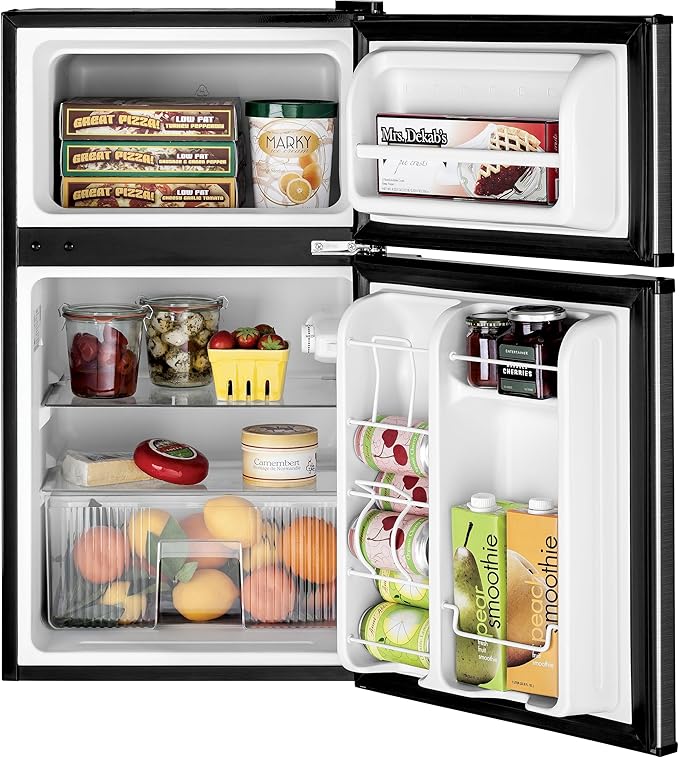
Compact refrigerators are small, versatile appliances suitable for various settings such as apartments, offices, dorm rooms, and even outdoor spaces. These refrigerators are designed to fit into tight spaces while providing essential cooling and storage capabilities. They typically include a small freezer compartment and are ideal for storing beverages, snacks, and small food items.
Kimchi refrigerators, on the other hand, are specialized appliances designed to ferment and store kimchi, a traditional Korean fermented vegetable dish. These refrigerators offer precise temperature and humidity control, creating the perfect environment for fermenting and preserving kimchi. While their primary function is to store kimchi, they can also be used to store other types of fermented foods and even some standard food items.
Key Differences Between Compact and Kimchi Refrigerators
The primary differences between compact refrigerators and kimchi refrigerators lie in their design, functionality, and intended use. Understanding these differences will help you choose the right refrigerator for your needs.
Feature
Compact Refrigerator
Kimchi Refrigerator
Size
Small, space-saving
Larger, more specialized
Capacity
Limited storage
Ample storage for kimchi and other fermented foods
Temperature Control
Basic settings
Precise temperature and humidity control
Primary Use
General storage
Fermenting and storing kimchi
Additional Features
Basic shelves and compartments
Specialized compartments for fermentation and preservation
Compact refrigerators are designed for general use, offering basic cooling and limited storage capacity. They are ideal for small spaces and are often used to store beverages, snacks, and small food items. Their temperature settings are usually limited, making them less suitable for specialized storage needs.
Kimchi refrigerators, in contrast, are tailored for fermenting and preserving kimchi. They come with specialized compartments and precise temperature and humidity control, ensuring the optimal environment for fermentation. These refrigerators are larger and provide ample storage for various types of fermented foods.
By evaluating these key differences, you can determine which refrigerator type best aligns with your storage needs and space constraints. Whether you need a versatile, compact refrigerator for everyday use or a specialized kimchi refrigerator for fermentation, understanding these distinctions will guide you in making the right choice.
Size and Capacity
When comparing a compact refrigerator and a kimchi refrigerator, understanding the size variations and capacity differences is essential. Each type of refrigerator serves different storage needs and fits into various spaces.
Understanding the Size Variations
Compact refrigerators are designed to fit into smaller spaces, making them ideal for apartments, offices, dorm rooms, and tiny homes. These refrigerators typically measure between 18 to 24 inches in width, 20 to 26 inches in depth, and 24 to 34 inches in height.
Compact Refrigerator Dimensions
Width (inches)
Depth (inches)
Height (inches)
Small
18 - 20
20 - 22
24 - 28
Medium
20 - 22
22 - 24
28 - 32
Large
22 - 24
24 - 26
32 - 34
Kimchi refrigerators, on the other hand, are specifically designed for fermenting and storing kimchi and other fermented foods. They are generally larger than compact refrigerators to accommodate the fermentation process and the storage of multiple containers. Kimchi refrigerators typically measure between 24 to 36 inches in width, 25 to 30 inches in depth, and 34 to 50 inches in height.
Kimchi Refrigerator Dimensions
Width (inches)
Depth (inches)
Height (inches)
Small
24 - 28
25 - 27
34 - 40
Medium
28 - 32
27 - 28
40 - 45
Large
32 - 36
28 - 30
45 - 50
Capacity Differences for Storage Needs
The capacity of a refrigerator is measured in cubic feet, indicating how much storage space is available for food and beverages. Compact refrigerators typically offer a capacity range of 1.7 to 5.5 cubic feet. This smaller capacity is suitable for individuals or small households who need to store a limited amount of items.
Compact Refrigerator Capacity
Cubic Feet
Small
1.7 - 2.5
Medium
2.5 - 4.0
Large
4.0 - 5.5
Kimchi refrigerators, with their larger size, offer a greater storage capacity. They typically range from 10 to 25 cubic feet, providing ample space for storing large quantities of kimchi and other fermented foods. This makes them ideal for families or individuals who frequently consume or prepare kimchi and other fermented dishes.
Kimchi Refrigerator Capacity
Cubic Feet
Small
10 - 15
Medium
15 - 20
Large
20 - 25
When choosing between a compact refrigerator and a kimchi refrigerator, consider your specific storage needs and the available space in your home. For more insights on different types of refrigerators, you can explore Fridge.com articles on 5 door refrigerator Vs. double drawer refrigerator and mini fridge with freezer Vs. retro mini fridge.
Understanding the temperature control and features of both compact refrigerators and kimchi refrigerators can help you make an informed decision.
Temperature Settings in Compact Refrigerators
Compact refrigerators are designed to fit smaller spaces, making them ideal for apartments, offices, and dorm rooms. These refrigerators typically offer basic temperature control options, allowing you to adjust the internal temperature to suit your storage needs.
Feature
Compact Refrigerator
Temperature Range
33°F - 40°F
Adjustable Thermostat
Yes
Temperature Zones
Single
Defrost System
Manual or Auto
Compact refrigerators usually have a single temperature zone, suitable for storing a variety of items including beverages, snacks, and leftovers. Some models may offer a small freezer compartment, but the primary focus is on refrigeration. For more on compact refrigerators, check out Fridge.com comparison mini fridge with freezer Vs. retro mini fridge.
Special Features of Kimchi Refrigerators
Kimchi refrigerators are specially designed to store kimchi and other fermented foods. These refrigerators offer advanced features tailored to the unique needs of fermentation and preservation.
Feature
Kimchi Refrigerator
Temperature Range
33°F - 41°F
Adjustable Thermostat
Yes
Temperature Zones
Multiple
Defrost System
Auto
Fermentation Settings
Yes
Humidity Control
Yes
Kimchi refrigerators often come with multiple temperature zones, allowing you to store different types of kimchi and other fermented foods at their optimal temperatures. Advanced fermentation settings enable precise control over the fermentation process, ensuring that your kimchi maintains its flavor and texture. Humidity control features help to prevent the kimchi from drying out, preserving its quality for longer periods.
For more information on different types of refrigerators, you can read Fridge.com article on 5 door refrigerator Vs. double drawer refrigerator.
By understanding the temperature settings and features of both compact and kimchi refrigerators, you can choose the one that best meets your needs. Whether you need a compact solution for limited space or a specialized refrigerator for fermentation, knowing these details will help you make an informed decision.
When comparing compact refrigerators and kimchi refrigerators, their shelving and organization play a crucial role in how effective they are for your storage needs. Understanding the differences can help you choose the right refrigerator for your requirements.
Shelving Options in Compact Refrigerators
Compact refrigerators are designed to maximize space in small areas such as apartments, offices, and dorm rooms. They typically feature adjustable shelves, door bins, and sometimes a small freezer compartment. The flexibility of the shelving allows for customization based on your storage needs.
Feature
Description
Adjustable Shelves
Shelves that can be moved to different heights for better organization.
Door Bins
Storage compartments in the doors for bottles and condiments.
Small Freezer Compartment
A small section to store frozen items.
These features make compact refrigerators versatile for storing a variety of items, from beverages to small food containers. For more insights on compact refrigerator options, visit Fridge.com article on mini fridge with freezer Vs. retro mini fridge.
Specialty Organization in Kimchi Refrigerators
Kimchi refrigerators are specifically designed to store kimchi and other fermented foods. They offer specialized compartments and features to maintain optimal temperature and humidity levels for fermentation. The organization in these refrigerators is tailored to preserve the unique flavors and textures of kimchi.
Feature
Description
Fermentation Drawers
Separate compartments designed for different stages of fermentation.
Humidity Control
Specialized settings to maintain the right humidity for kimchi.
Temperature Control
Precise temperature settings to ensure proper fermentation.
The specialized organization in kimchi refrigerators makes them ideal for those who regularly prepare and store kimchi or other fermented foods. These features ensure that the kimchi stays fresh and retains its nutritional value. For a broader comparison of refrigerator types, check out Fridge.com article on 5 door refrigerator Vs. double drawer refrigerator.
By understanding the shelving and organization options in both compact and kimchi refrigerators, you can make an informed decision on which type best suits your needs. Whether you need a versatile compact fridge for a small space or a specialized kimchi fridge for fermentation, knowing the differences will help you choose the right appliance.
Compact refrigerators are a popular choice for individuals with limited space, such as in apartments, offices, or dorm rooms. These units are smaller in size compared to standard fridges, which generally means they consume less energy. However, the energy usage of a compact refrigerator can vary depending on the model and features.
On average, a compact refrigerator uses between 200 to 400 kWh per year. Newer models with energy-saving features tend to be more efficient, consuming less electricity. It's important to consider the Energy Star rating when selecting a compact refrigerator, as this certification indicates higher energy efficiency.
Compact Refrigerator
Annual Energy Usage (kWh)
Standard Model
200 - 300
For more information on choosing the right compact refrigerator for your needs, visit Fridge.com comparison on mini fridge with freezer Vs. retro mini fridge.
Energy Efficiency of Kimchi Refrigerators
Kimchi refrigerators are specialized units designed to store and ferment kimchi, a traditional Korean dish made from fermented vegetables. These refrigerators maintain precise temperature and humidity levels to ensure optimal fermentation conditions. Due to their specialized functions, kimchi refrigerators can consume more energy than standard compact refrigerators.
The energy usage of a kimchi refrigerator typically ranges from 300 to 500 kWh per year. This higher consumption is due to the advanced features and multiple compartments that maintain different temperature zones for various types of kimchi and other fermented foods.
Kimchi Refrigerator
Annual Energy Usage (kWh)
Standard Model
300 - 400
Advanced Model
400 - 500
Despite the higher energy consumption, kimchi refrigerators offer unique benefits for food preservation and fermentation. To learn more about different refrigerator types and their features, explore Fridge.com article on 5 door refrigerator Vs. double drawer refrigerator.
Understanding the energy efficiency of both compact and kimchi refrigerators can help you make an informed decision based on your storage needs and energy consumption preferences. For additional comparisons and insights, check out Fridge.com articles on built in wine cooler Vs. ice cream freezer chest and deep freezer Vs. standard fridge size.
Installation and Placement
When choosing between a compact refrigerator and a kimchi refrigerator, it's important to consider where you will install and place each type. Proper placement not only ensures efficient operation but also enhances the convenience of use.
Suitable Locations for Compact Refrigerators
Compact refrigerators are versatile and can fit into various spaces, making them ideal for small living areas, offices, and dorm rooms. Their smaller size allows for flexible placement options, including under countertops, in corners, or on countertops. They are also popular in garages, basements, and outdoor kitchens for additional cold storage.
Location
Benefits
Dorm Room
Space-saving, convenient for snacks and drinks
Office
Keeps personal beverages and lunch cool
Garage
Extra storage for beverages and overflow food items
Basement
Additional storage for large gatherings or parties
Bedroom
Easy access to refreshments without leaving the room
For more ideas on where to place compact refrigerators, visit Fridge.com article on mini fridge with freezer Vs. retro mini fridge.
Ideal Placement for Kimchi Refrigerators
Kimchi refrigerators are specifically designed to maintain the optimal environment for fermenting and storing kimchi and other fermented foods. Due to their specialized function and often larger size, they require more thoughtful placement. Ideal locations include the kitchen, pantry, or a dedicated storage area where temperature and humidity can be controlled effectively.
Location
Benefits
Kitchen
Easy access while cooking, maintains food freshness
Pantry
Keeps fermented foods separate from other items
Basement
Cooler environment, additional storage space
Utility Room
Dedicated space for fermentation without disrupting other areas
Dedicated Storage Area
Optimal control over temperature and humidity
For more details on fridge placements, check Fridge.com discussion on 5 door refrigerator Vs. double drawer refrigerator.
Understanding the best locations for each type of refrigerator can help you make an informed decision. Whether you're considering a compact refrigerator for its versatility or a kimchi refrigerator for its specialized storage, proper placement is key to maximizing their benefits.
Maintaining a compact refrigerator is essential to ensure its longevity and efficiency. Regular cleaning can prevent unpleasant odors, mold, and bacteria buildup.
Unplug the Refrigerator: Before cleaning, always unplug your compact refrigerator to ensure safety.
Remove All Contents: Take out all food items, shelves, and drawers.
Clean the Interior: Use a mixture of mild dish soap and warm water. Wipe down the interior surfaces, including shelves and drawers.
Rinse and Dry: Rinse with a damp cloth to remove any soapy residue. Dry thoroughly with a clean towel.
Clean the Exterior: Wipe the exterior with a damp cloth and mild detergent. Pay special attention to the door seals to ensure they are free of grime.
Vacuum the Coils: Dust and debris can accumulate on the condenser coils, affecting the efficiency. Use a vacuum cleaner to remove any buildup.
Reassemble and Plug In: Once everything is dry, reassemble the shelves and drawers, restock your food items, and plug the refrigerator back in.
For more tips on maintaining compact refrigerators, check out Fridge.com article on mini fridge with freezer Vs. retro mini fridge.
Maintenance Guidelines for Kimchi Refrigerators
Kimchi refrigerators require specific maintenance to preserve the unique flavors and textures of kimchi. Follow these steps to keep your kimchi refrigerator in optimal condition:
Unplug the Refrigerator: Ensure the refrigerator is unplugged before cleaning.
Remove All Contents: Take out all kimchi containers, shelves, and drawers.
Clean the Interior: Use a gentle cleanser suitable for refrigerators. Wipe down all interior surfaces, including the kimchi storage compartments.
Rinse and Dry: Rinse with a damp cloth and dry thoroughly to avoid any moisture buildup.
Deodorize: Place a box of baking soda or activated charcoal inside to absorb any lingering odors.
Clean the Exterior: Wipe the exterior with a damp cloth and mild detergent. Pay special attention to the door seals.
Check Temperature Settings: Ensure the temperature settings are appropriate for kimchi storage. Adjust if necessary to maintain the ideal fermentation environment.
Monitor Humidity Levels: Some kimchi refrigerators have humidity control features. Ensure these are set correctly to maintain the quality of your kimchi.
Regular maintenance not only extends the life of your refrigerator but also ensures that your food remains fresh and safe. Whether you have a compact or kimchi refrigerator, following these guidelines will help you keep your appliance in top condition.
Cost Comparison
Initial Investment for Compact Refrigerators
When considering a compact refrigerator, the initial investment can vary based on several factors such as size, features, and brand. Generally, compact refrigerators are more affordable compared to specialized units like kimchi refrigerators. They are a popular choice for small spaces like apartments, dorm rooms, and offices due to their budget-friendly nature.
Compact Refrigerator
Price Range ($)
Basic Model
100 - 200
Mid-Range Model
200 - 400
High-End Model
400 - 600
Compact refrigerators offer basic cooling needs and can range in price depending on additional features like freezer compartments, adjustable shelving, and energy efficiency. For a detailed comparison of various fridge types, visit Fridge.com article on mini fridge with freezer Vs. retro mini fridge.
Cost Considerations for Kimchi Refrigerators
Kimchi refrigerators are designed specifically to store and ferment kimchi, preserving its taste and nutritional value. These specialized units come with advanced features such as precise temperature control and humidity settings, which contribute to their higher cost.
Kimchi Refrigerator
Price Range ($)
Basic Model
800 - 1,200
Mid-Range Model
1,200 - 2,000
High-End Model
2,000 - 3,500
The higher cost of kimchi refrigerators can be attributed to their specialized design, advanced technology, and additional features that cater to the unique needs of kimchi storage. Despite the higher initial investment, these refrigerators are ideal for kimchi enthusiasts and those who regularly consume fermented foods.
For more insights on fridge comparisons, check out Fridge.com articles on 5 door refrigerator Vs. double drawer refrigerator and built in refrigerator Vs. convertible refrigerator.
By comparing the initial investment and specialized features of compact refrigerators and kimchi refrigerators, you can make an informed decision based on your storage needs and budget.
Compare prices on Fridge.com
Compare current prices and specifications on Fridge.com, then buy from the retailer you choose; delivery, installation and warranty terms are the retailer’s.
It also has tons of awesome articles about kitchen stuff and home news. Enhance your home, garage, backyard, patio, and office with the coolest essentials. With every necessary type of residential refrigerator or freezer in the collection, you're covered.
From Fridge.com research
Figures below come from data Fridge.com builds and maintains. Each links to the record behind it.
Fridge.com Energy Index, built on U.S. EPA and DOE ENERGY STAR records
Across 1,728 ENERGY STAR certified compact refrigerator models, median use is 246 kWh per year — 11% better than the federal standard.