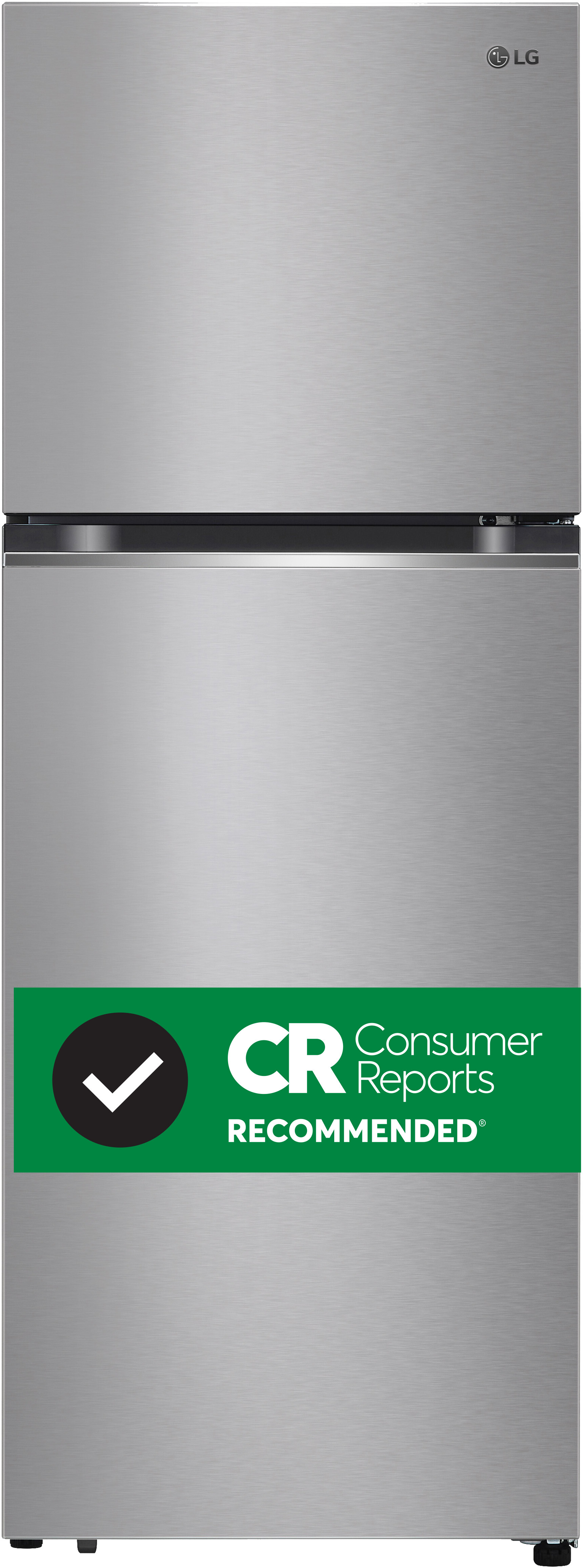
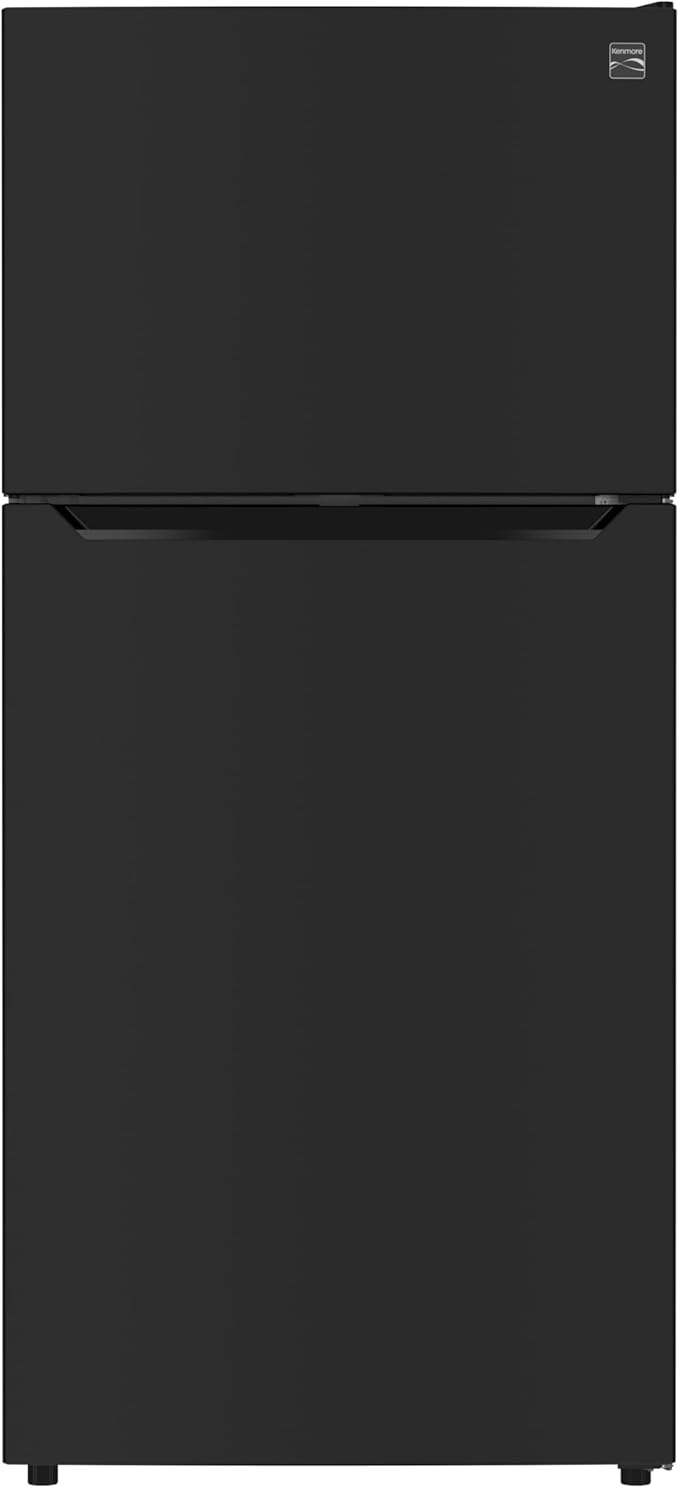
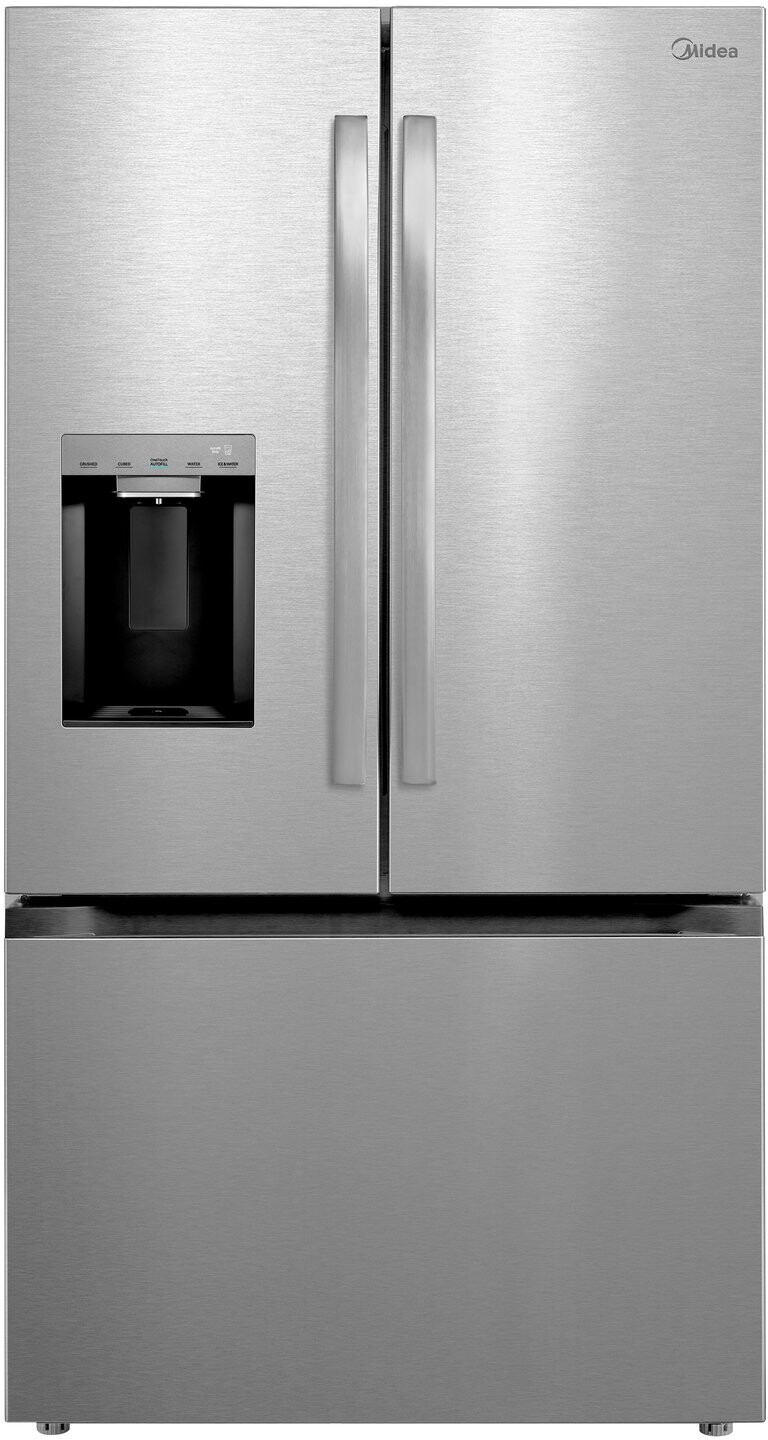
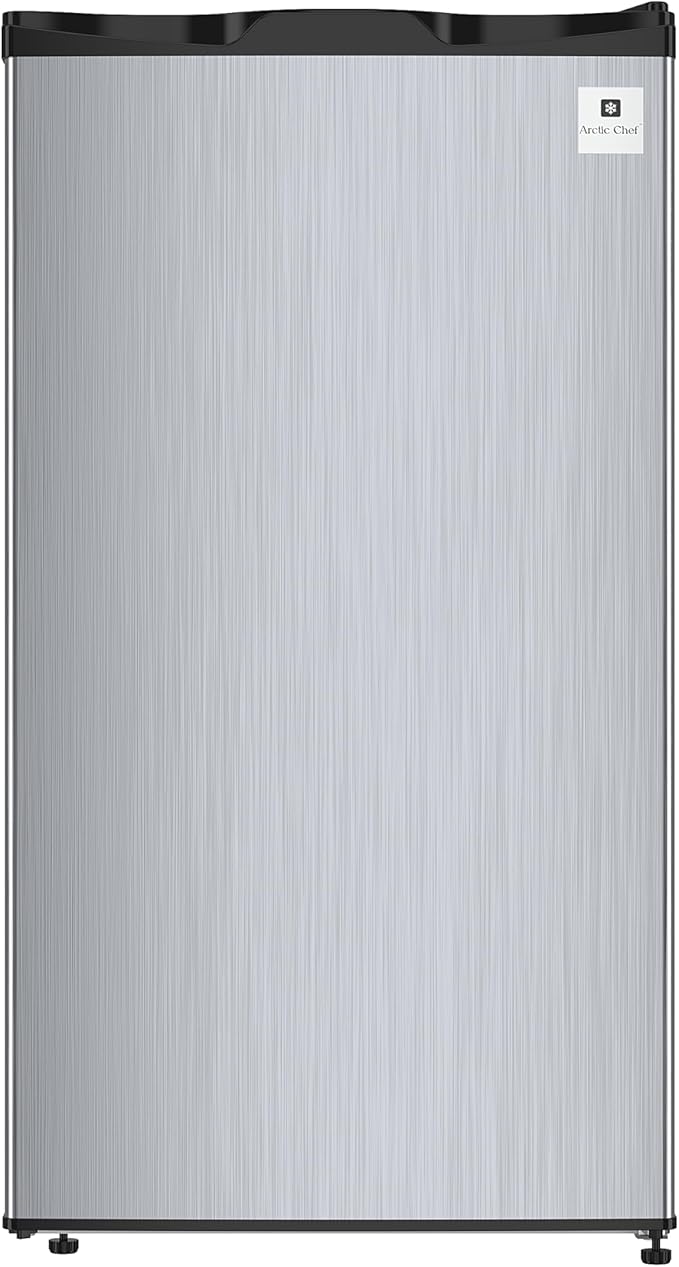
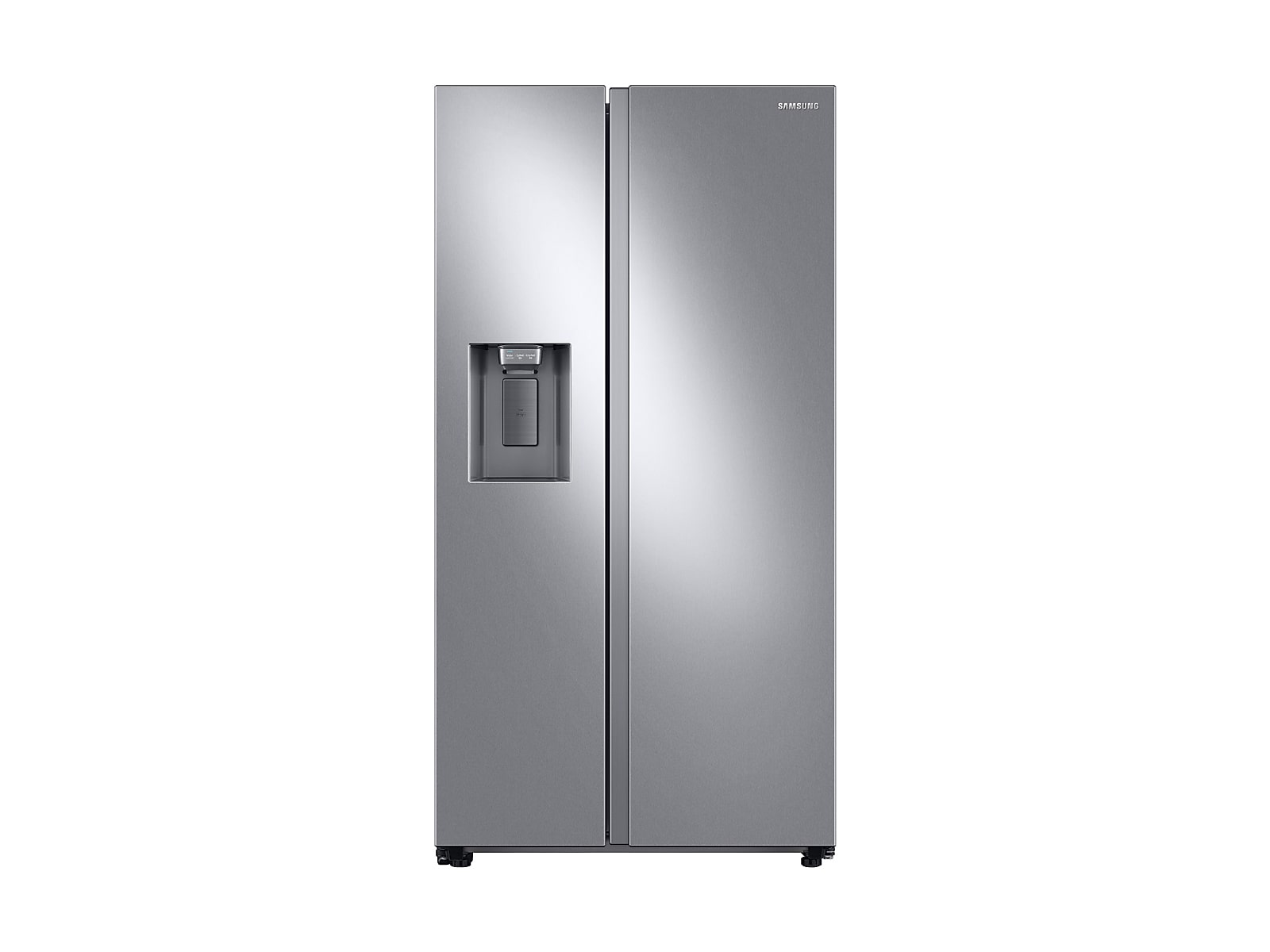
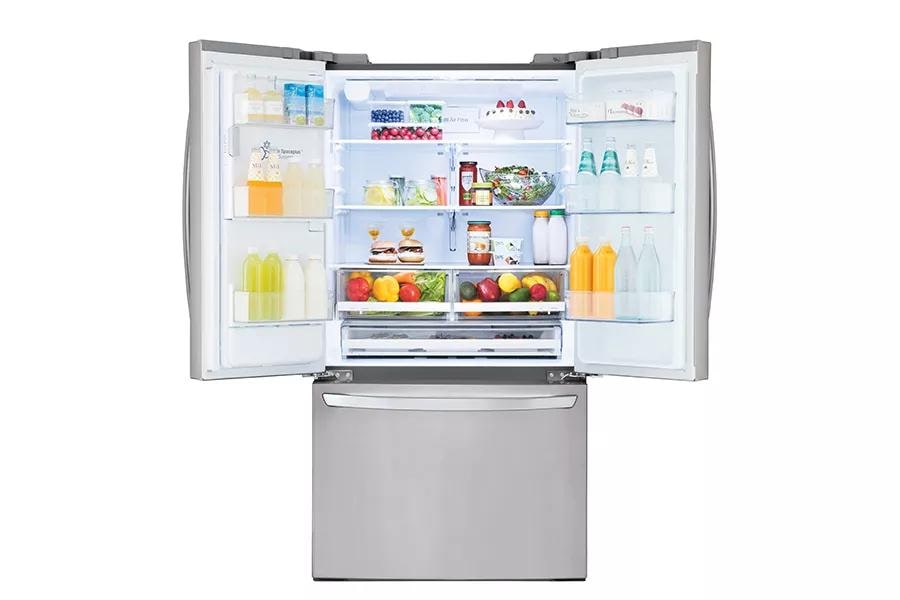
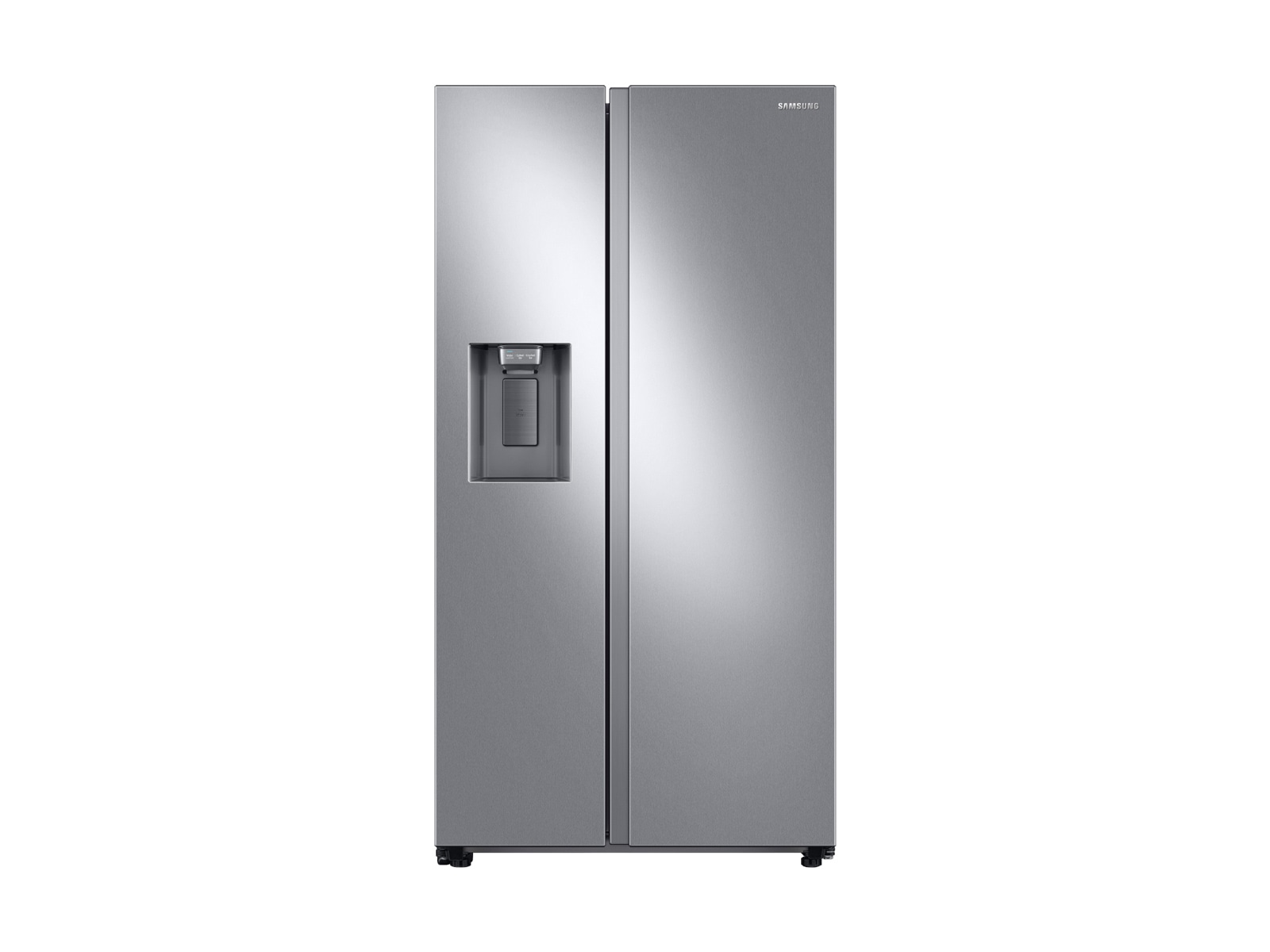
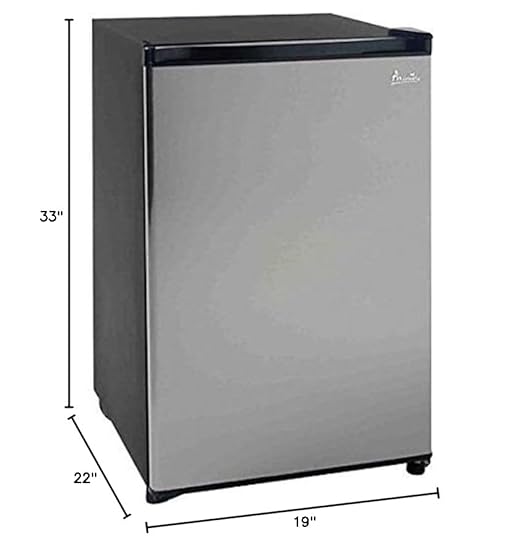
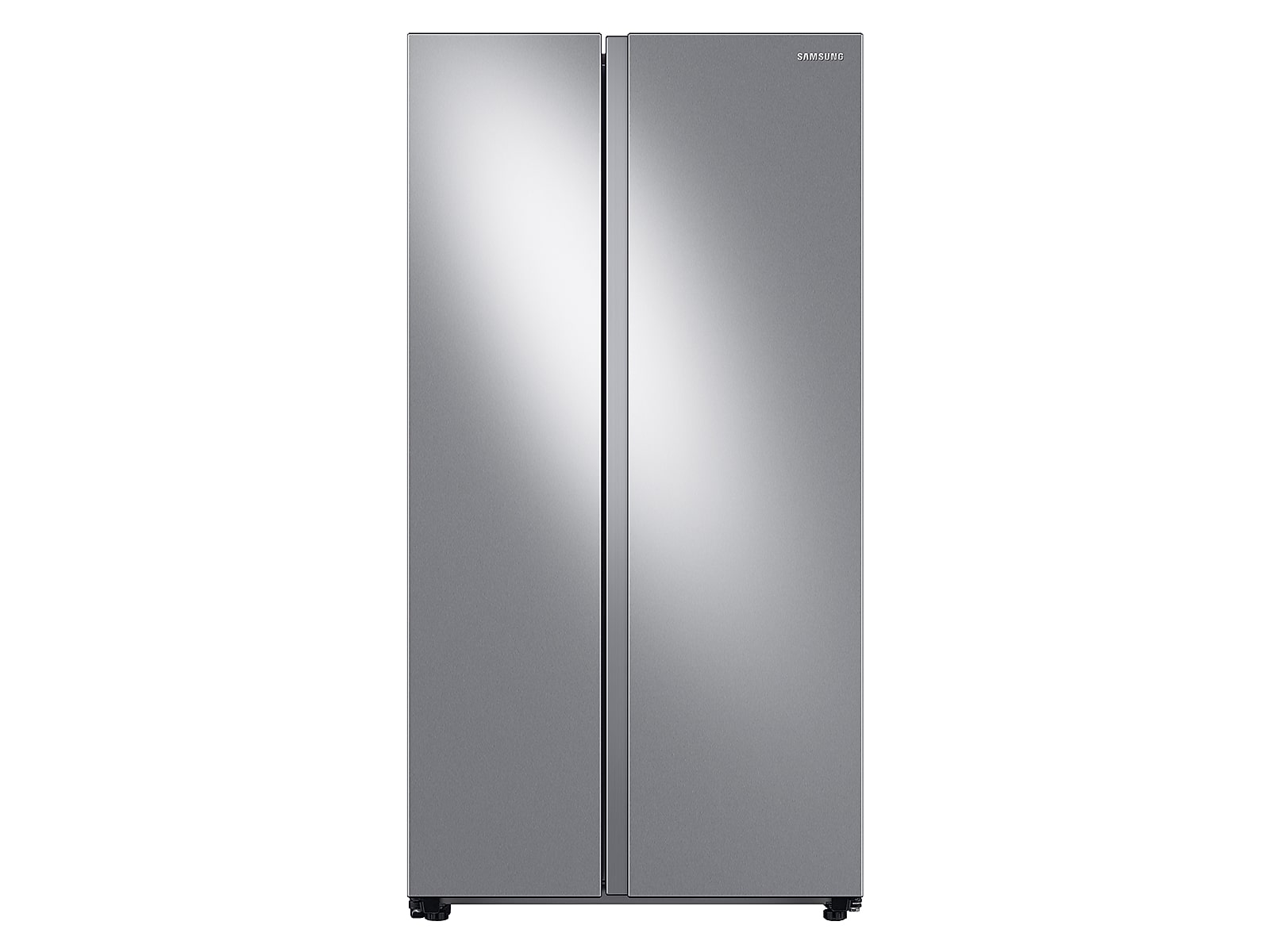
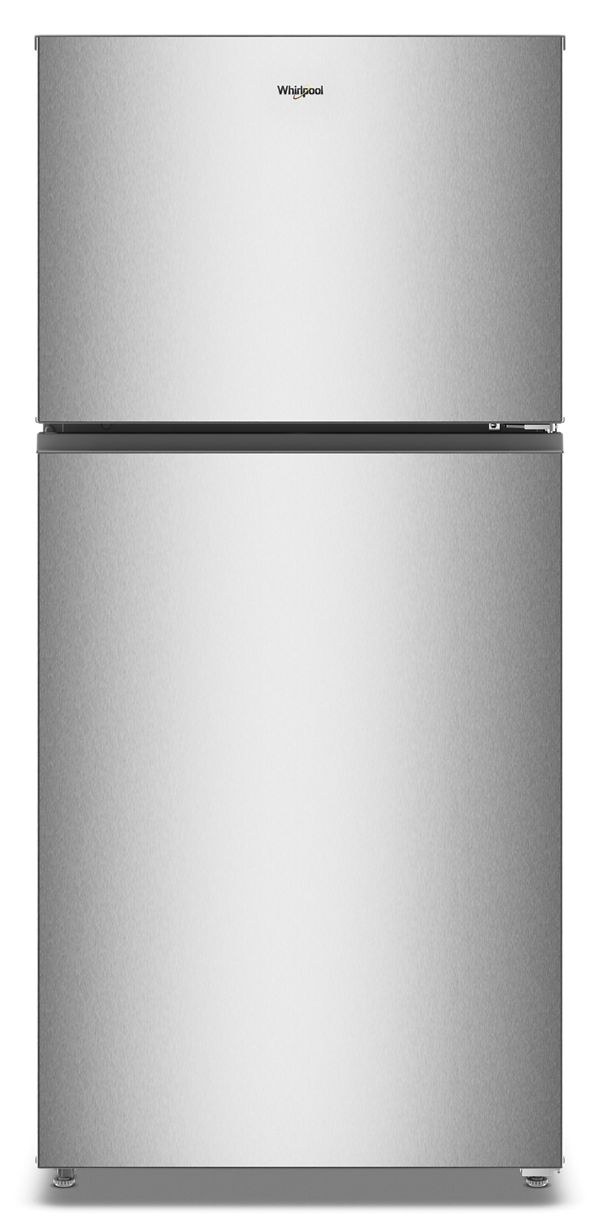
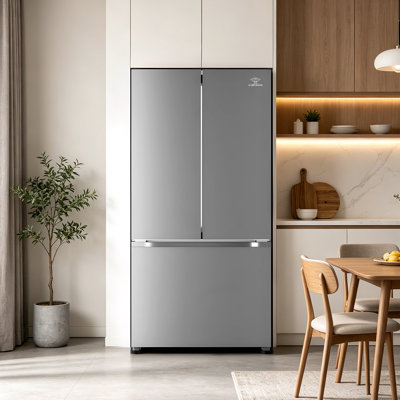
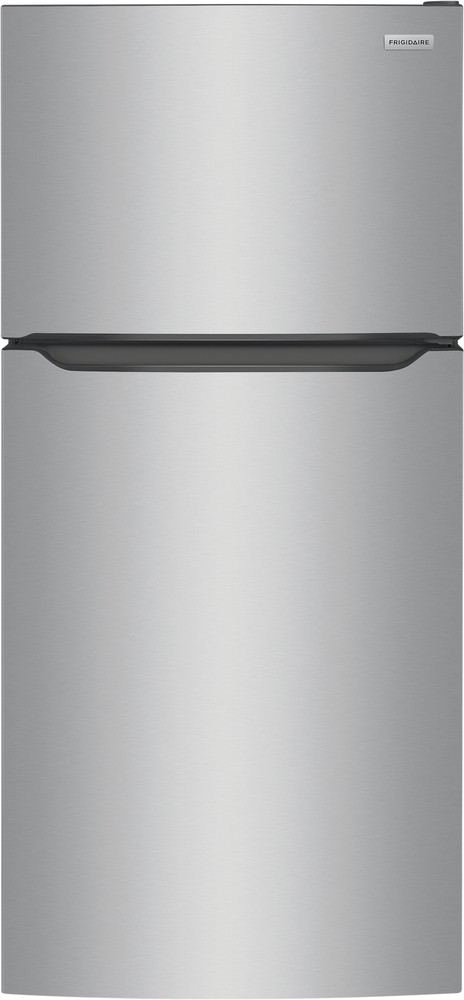
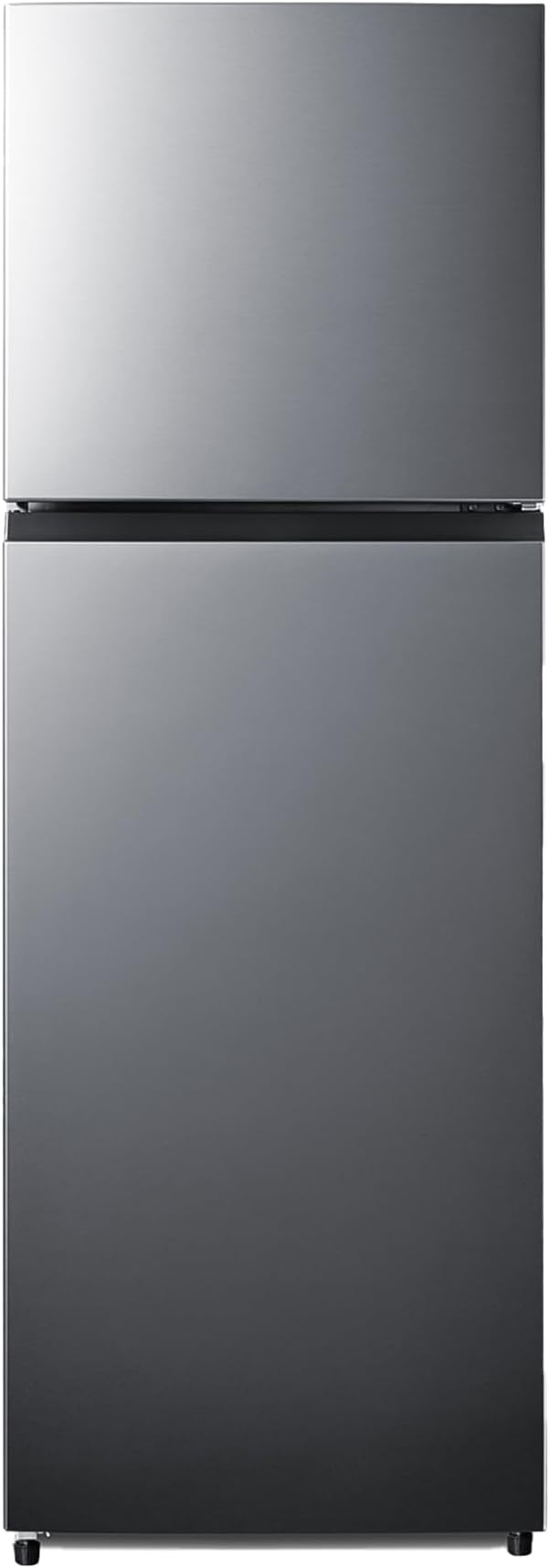
An ice cream cooler holds frozen desserts between -20°F and 0°F — cold enough to keep ice cream at proper scooping consistency — while a smart fridge is a full-size, Wi-Fi-connected refrigerator that stores an entire household's food at 35°F to 38°F with a 0°F freezer. The two appliances solve different problems: the cooler is a specialized dessert station, typically 1 to 8 cubic feet, and the smart fridge is a 22 to 28 cubic foot connected kitchen hub with a touchscreen, internal cameras, and remote monitoring.
Differentiating Features
The main features that set an ice cream cooler apart from a smart fridge are temperature range, storage design, and technology. Ice cream coolers hold a consistent low-temperature range suited to ice cream and other frozen confections, and often feature glass tops or sliding doors for easy viewing and access — ideal for commercial use or frequent entertaining. Smart fridges add Wi-Fi connectivity, touchscreens, inventory tracking, and internal cameras that let you check contents without opening the door, plus customizable temperature zones for everything from fresh produce to chilled drinks.
Ice cream coolers — also called ice cream freezers or dipping cabinets — are designed specifically for storing and displaying ice cream at optimal temperatures, generally between -10°F and 0°F for home display units and as low as -20°F for dedicated dipping cabinets. These coolers come equipped with sliding glass doors or flip-top lids for easy access and visibility, and the interiors are organized with baskets or adjustable shelves sized around standard containers: round pints, rectangular quarts, and half-gallon tubs. Residential models range from compact countertop units holding 4 to 8 pints to larger undercounter or freestanding models holding 20 to 40 containers.
Most ice cream coolers use a straightforward mechanical control system to manage temperature, with robust insulation to keep the cold in and the heat out. Premium models include adjustable temperature controls that let you fine-tune the exact serving temperature for different dessert types — dense gelato serves best slightly warmer, while airy soft-serve style ice cream needs colder storage.
Ideal Use Cases
Commercial Venues: Ice cream shops, cafes, and restaurants that offer frozen desserts rely on ice cream coolers for both storage and display.
Event Hosting: An ice cream cooler keeps treats at serving consistency for birthday parties, family reunions, or any gathering.
Home Use: Ice cream enthusiasts with ample space get a dedicated cooler that keeps every flavor scoop-ready at all times.
A smart fridge is a full-size refrigerator-freezer equipped with Wi-Fi connectivity, a built-in touchscreen, internal cameras, and software that turns it into a connected kitchen management hub. Most smart fridges measure 33 to 36 inches wide, 68 to 72 inches tall, and 30 to 36 inches deep, providing 22 to 28 cubic feet of total capacity in French door, side-by-side, or four-door configurations. The freezer section offers 7 to 10 cubic feet at 0°F.
Features and Technology
Touchscreen Interfaces: Interactive door-mounted displays for managing grocery lists and calendars, accessing recipes, and even streaming media.
Connectivity: Integration with home networks lets you control the fridge remotely via smartphone apps, and voice assistant integration with Amazon Alexa or Google Assistant enables hands-free interaction.
Internal Cameras: Cameras photograph the contents each time the door closes, so you can check inventory from the grocery store without overbuying.
Food Management Systems: These track expiration dates and suggest recipes based on the ingredients on hand — most valuable for perishable fresh foods with short shelf lives.
Energy Monitoring and Alerts: Smart fridges monitor energy usage, send door-ajar alerts, and provide diagnostic notifications for early warning of maintenance issues.
Why Ice Cream Stays Scoopable in a Cooler but Not a Standard Freezer
The temperature difference between these two appliances is the most important distinction for ice cream quality. A smart fridge's freezer holds 0°F — the standard safe temperature for frozen food storage. At 0°F, ice cream freezes solid with large ice crystals forming throughout the mixture, creating the rock-hard texture that makes freshly retrieved ice cream impossible to scoop without minutes of thawing. Repeatedly pulling ice cream out to thaw and returning it to the freezer causes ice crystal growth that degrades its smooth, creamy texture.
An ice cream cooler maintains -10°F to -20°F — colder than a standard freezer, yet it keeps ice cream more scoopable. The explanation lies in how these temperatures interact with ice cream's composition of fat, sugar, air, and water: at -10°F to -15°F, the fat stays soft enough to scoop while the water content remains frozen enough to hold structure. Holding a steady, extremely cold temperature also prevents the freeze-thaw cycling that causes ice crystal growth, preserving texture for the container's entire lifespan. No smart feature can change this physics — there is no app that makes 0°F ice cream as scoopable as -15°F ice cream.
Ice cream coolers are designed to hold frozen treats at optimal temperatures, generally around -20°F to 0°F, which is essential for maintaining the texture and quality of ice cream. The cooling efficiency of these units centers on their ability to reach and sustain these low temperatures even when the cooler is accessed frequently.
Temperature Range
Ideal For
-20°F to 0°F
Ice Cream, Gelato, Frozen Yogurt
These coolers have robust insulation and powerful compressors to handle the demands of commercial environments or homes where ice cream is a staple, and are often well-sealed and equipped with features like anti-frost functions.
Smart Fridge Efficiency
Smart fridges feature multiple compartments with different temperature settings for refrigeration and freezing, allowing precise temperature control based on the items stored.
Ice cream coolers optimize storage around standard ice cream container sizes, with racks or baskets that adjust or remove to fit various quantities and shapes. Residential models range from compact 1 to 3 cubic foot units holding 8 to 24 pints up to 5 to 8 cubic foot models holding 40 or more containers; larger commercial units hold significantly more.
Container Size
Approximate Capacity in an Ice Cream Cooler
Pint
100 - 150 pints
Quart
50 - 75 quarts
Gallon
20 - 30 gallons
For comparisons with other freezer types, consider reading about ice cream freezer vs. mini fridge freezer.
Smart Fridge Storage Options
Smart fridges provide 22 to 28 cubic feet of total capacity split between refrigerator and freezer sections, with the 7 to 10 cubic foot freezer accommodating a full household's frozen food — frozen meals, vegetables, meats, ice packs, and some ice cream stored alongside everything else. The trade-off: ice cream competes for space with all other frozen items, and the whole freezer runs at a single 0°F compromise temperature rather than being optimized for any one category.
Ice cream coolers operate at lower temperatures than a standard fridge, which can mean higher energy use per cubic foot, but the small interior volume of residential units keeps total consumption moderate. The thick insulation required to hold -10°F to -20°F also minimizes cold air loss and reduces compressor cycling frequency.
Temperature Range
Average Energy Consumption (kWh/year)
-20°C to -10°C (commercial ice cream cooler)
1200 - 1800
-15°C to -5°C (residential ice cream cooler)
300 - 500
To manage energy consumption, look for an ice cream cooler with good insulation and energy-efficient compressors, and match the unit size to your usage patterns. For more detailed comparisons of cooling appliances, see counter depth refrigerator vs. ice cream freezer.
Smart Fridge Energy-Saving Features
Smart fridges consume roughly 500 to 750 kWh annually — the large interior volume, touchscreen, Wi-Fi module, cameras, ice maker, and water dispenser all add demand beyond the basic refrigeration system. They offset some of this with features that adjust cooling based on load and usage patterns: advanced sensors detect when the door opens and adjust the interior temperature to reduce energy waste.
Feature
Energy Savings Potential
Adaptive Cooling Technology
Varies, but can significantly reduce unnecessary cooling
Vacation Mode
Reduces energy usage when you're away for extended periods
Additionally, smart fridges often have door-ajar alarms and efficient LED lighting that uses less energy than traditional bulbs.
Noise Levels
Smart fridges operate between 36 and 46 decibels, combining mechanical sounds from the compressor, fans, ice maker, and water dispenser with digital audio from notifications, voice assistant responses, and media playback. In open-concept kitchens, the total acoustic presence is more substantial than many buyers anticipate, though individual sound events are brief.
Residential ice cream coolers operate between 28 and 38 decibels. The compact compressor runs at consistent intervals without the variability of ice makers, dispensers, or digital systems, and the thick insulation that maintains extremely cold temperatures doubles as sound dampening. That steady, quiet hum makes these units suitable for entertainment areas, home bars, and living spaces where a louder appliance would be unwelcome.
Regular Cleaning: Clean the interior and exterior surfaces with a mild detergent. Defrost and deep-clean the cooler periodically to prevent ice buildup.
Inspection of Parts: Check the door seals and gaskets to ensure they provide a proper seal. Replace them if worn to avoid air leaks.
Temperature Monitoring: Ensure the temperature stays at the level suitable for storing ice cream. Use a separate thermometer to cross-check the cooler's reading.
Ventilation: Keep the area around the cooler well-ventilated to prevent the compressor from overheating, with clearance around the vents for air circulation.
Servicing: Schedule professional servicing annually to check coolant levels and the functioning of the compressor and thermostat.
The simple single-purpose design means fewer components that can fail, and residential ice cream coolers typically last 10 to 15 years, with modest repair costs when needed. For more on optimal freezing, see ice cream freezer vs. ice cream freezer chest.
Maintenance Tips for Smart Fridges
Firmware Updates: Regularly update your fridge's software to protect against vulnerabilities and get the latest features.
Cleaning the Coils: Dust on the coils makes a smart fridge work harder and can shorten its lifespan. Clean the coils at the back or beneath the fridge with a coil brush about twice yearly.
Touchscreen Care: Clean the touchscreen with a soft, lint-free cloth to prevent scratches or damage to the display.
Water Filters: Change the water filter as recommended by the manufacturer — typically every 6 months — to maintain water quality and prevent clogs.
Gasket Maintenance: Inspect the door seals to prevent cold air from escaping, and clean them with a soft cloth to keep them free from food residue.
Sensor Check: Ensure all sensors and internal cameras are clean and unobstructed for accurate readings.
A smart fridge's mechanical system lasts 12 to 15 years, but its smart features may become outdated within 5 to 8 years — the refrigerator still works while its signature technology no longer functions as intended. You might also compare features with other modern cooling options in Fridge.com article built in beverage center vs. smart fridge.
Smart fridges need a standard full-size refrigerator space — 33 to 36 inches of width — plus a standard electrical outlet, a water line for the ice maker and dispenser, and Wi-Fi connectivity. Smart setup involves downloading the manufacturer's app, connecting to Wi-Fi, creating an account, and configuring cameras and notifications. Total installation including smart setup takes 60 to 90 minutes.
Ice cream coolers require minimal installation. Countertop models plug into any standard outlet and sit on an existing surface; undercounter models with front-venting designs slide flush into cabinet openings; freestanding models need only a level surface, a standard outlet, and a few inches of ventilation clearance. No water line, no Wi-Fi, no app configuration. Most are ready to use within 30 minutes of unboxing, needing only a few hours to reach target temperature before loading.
Cost Comparison
Initial Investment
The upfront cost for an ice cream cooler varies significantly with size, features, and brand, and these specialized freezers generally carry a lower price point than smart fridges, which are packed with advanced technology. The table below outlines typical price ranges:
Appliance Type
Average Price Range
Ice Cream Cooler
$500 - $1,500
Smart Fridge
$2,000 - $4,000
Across the full market, the spread is wider by tier — compact countertop ice cream coolers start around $150, while premium smart fridges with the largest screens exceed $5,000. The smart technology premium adds $500 to $2,000 over a comparable non-smart refrigerator of the same size:
Price Tier
Smart Fridge
Ice Cream Cooler
Budget
$1,500 - $2,000
$150 - $400
Mid-Range
$2,000 - $3,500
$400 - $1,000
Premium
$3,500 - $5,000+
$1,000 - $3,000
Long-Term Expenses
Long-term expenses include energy costs, maintenance, and potential repairs. Ice cream coolers tend to have lower total energy consumption due to their compact size and singular focus on freezing, which can mean lower utility bills. Smart fridges, while more energy-intensive due to their size and features, include energy-saving settings that mitigate long-term costs — though their complex systems can drive higher maintenance bills.
Appliance Type
Estimated Annual Energy Cost
Ice Cream Cooler
$50 - $100
Smart Fridge
$60 - $120
It's also worth noting that smart fridges may have higher maintenance costs due to their complex systems. For comparisons with other refrigeration options, explore articles such as mini freezer vs. mini fridge or ice cream freezer vs. ice cream freezer chest.
The most common mistake is expecting a smart fridge's freezer to store ice cream at proper serving quality. Standard 0°F freezer temperatures make ice cream rock hard, and no smart feature changes the physics of ice cream texture at that temperature. If you eat ice cream regularly and care about scoop-ability, a dedicated ice cream cooler is the only solution that avoids the thaw-and-refreeze cycle that degrades quality.
Another common error is buying an ice cream cooler without considering where it fits. Unlike a smart fridge that replaces your primary refrigerator, an ice cream cooler is a supplemental appliance that needs its own dedicated space — measure your available countertop, undercounter, or floor space before purchasing, and weigh whether your ice cream consumption justifies the space and investment.
Smart fridge buyers also sometimes overestimate how much they will use smart features for tracking frozen dessert inventory. Internal cameras and shopping lists add more value for managing perishable fresh foods with short shelf lives than for frozen items that last months — most owners find it simpler to open the freezer and look.
Which Should You Choose?
A smart fridge is the right choice for households that need a primary full-size refrigerator-freezer with modern technology integration. It handles all food storage needs — including modest ice cream storage at standard freezer temperatures — and its smart features add value for grocery inventory, family coordination, and kitchen convenience. It is a complete kitchen appliance, not a specialized dessert solution.
An ice cream cooler is the right choice for ice cream enthusiasts, dessert-focused entertainers, and households where frozen dessert quality is a genuine priority. It excels as a supplemental appliance alongside an existing refrigerator-freezer, providing the precise -10°F to -20°F environment that keeps ice cream, gelato, sorbet, and frozen yogurt at perfect serving consistency at all times. Explore specialty freezers at Fridge.com to find the right ice cream storage solution for your home. Many households ultimately choose both: the smart fridge for everyday food management and the cooler as a dedicated frozen dessert station.
FAQ
Can a smart fridge store ice cream properly?
It can store ice cream safely, but not at serving quality. A smart fridge's freezer holds 0°F, which freezes ice cream rock hard and requires minutes of thawing before scooping. Only a dedicated ice cream cooler holding -10°F to -20°F keeps ice cream at proper scooping consistency at all times.
What temperature should an ice cream cooler be set to?
Ice cream coolers operate between -20°F and 0°F, with -10°F to -15°F the sweet spot for scoop-ability: the fat stays soft enough to scoop while the water content remains frozen enough to hold structure. Dense gelato serves best slightly warmer within that range; airy styles need colder storage.
Which uses more energy — an ice cream cooler or a smart fridge?
The smart fridge uses more in total: roughly 500 to 750 kWh per year versus about 300 to 500 kWh for a residential ice cream cooler (commercial units run 1200 to 1800 kWh). Despite its colder temperatures, the cooler's much smaller interior and thick insulation keep total consumption lower.
Is an ice cream cooler quieter than a smart fridge?
Yes. Residential ice cream coolers run at 28 to 38 decibels with a steady compressor hum, while smart fridges run at 36 to 46 decibels plus intermittent digital audio from notifications, the ice maker, and the water dispenser.
How long do these appliances last?
Residential ice cream coolers typically last 10 to 15 years thanks to their simple mechanical design. A smart fridge's mechanical system lasts 12 to 15 years, but its smart features — apps, cameras, touchscreen software — may become outdated within 5 to 8 years.
Does an ice cream cooler need special installation?
No. Countertop and freestanding models need only a level surface, a standard outlet, and a few inches of ventilation clearance, and are ready to use within about 30 minutes of unboxing. A smart fridge needs a full-size refrigerator space, a water line, and Wi-Fi and app setup, taking 60 to 90 minutes in total.
Do I need both a smart fridge and an ice cream cooler?
If you consume premium ice cream regularly and care about texture, yes — they complement each other. The smart fridge handles all general household food storage while the cooler maintains the dedicated low-temperature environment a general-purpose freezer cannot match.
Compare prices on Fridge.com
Compare current prices and specifications on Fridge.com, then buy from the retailer you choose; delivery, installation and warranty terms are the retailer’s.
From Fridge.com research
Figures below come from data Fridge.com builds and maintains. Each links to the record behind it.
Fridge.com Energy Index, built on U.S. EPA and DOE ENERGY STAR records
Across 5,455 ENERGY STAR certified refrigerators and freezers from 263 brands, median use is 360 kWh per year.