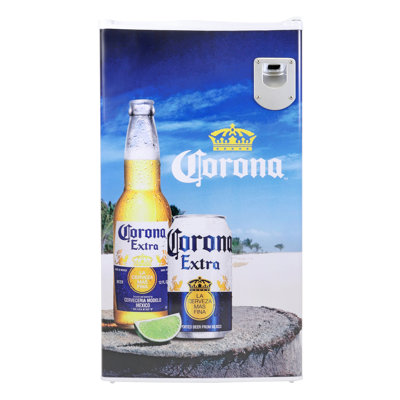
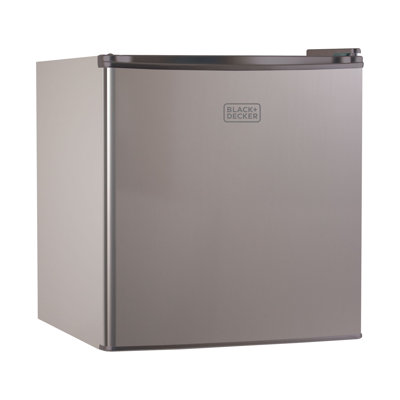
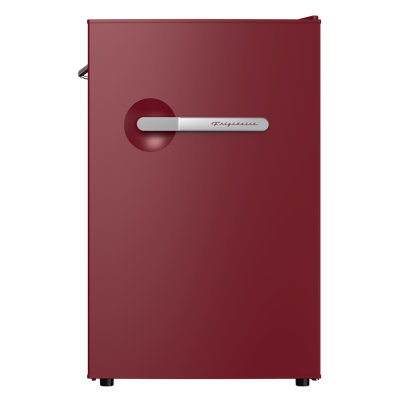
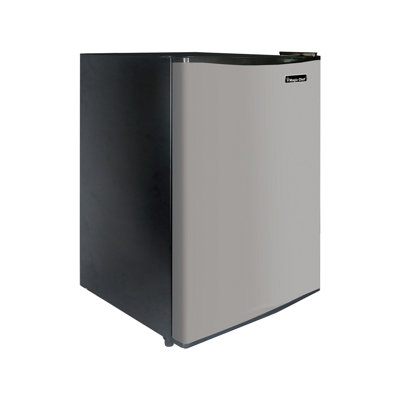
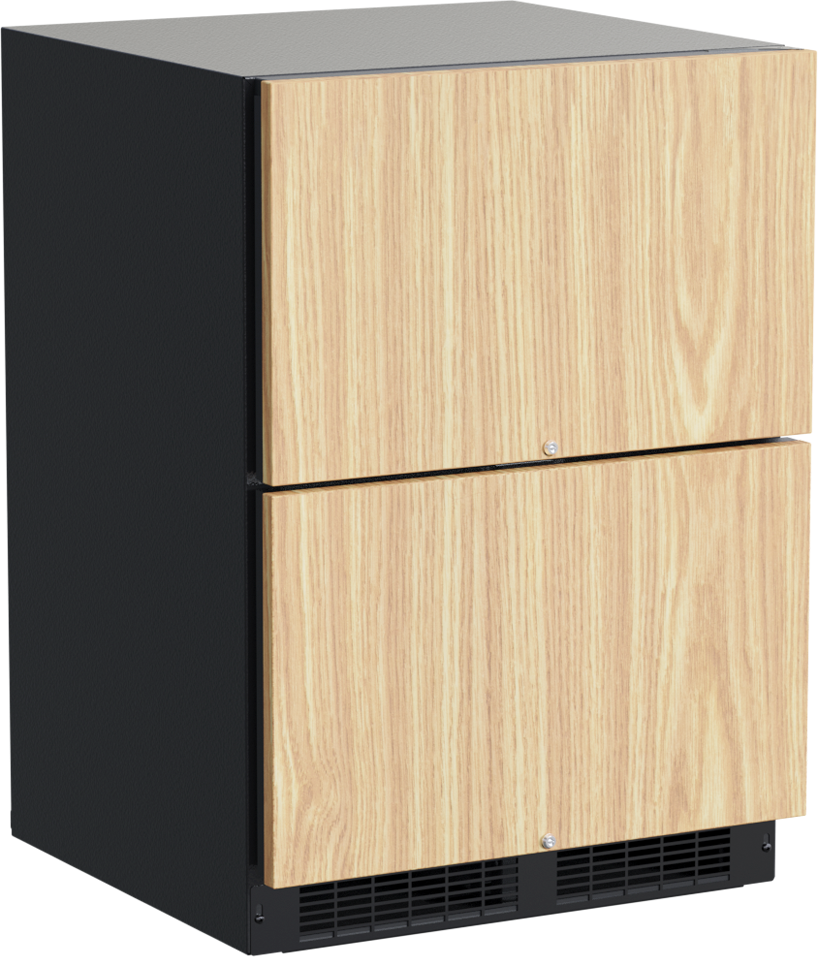
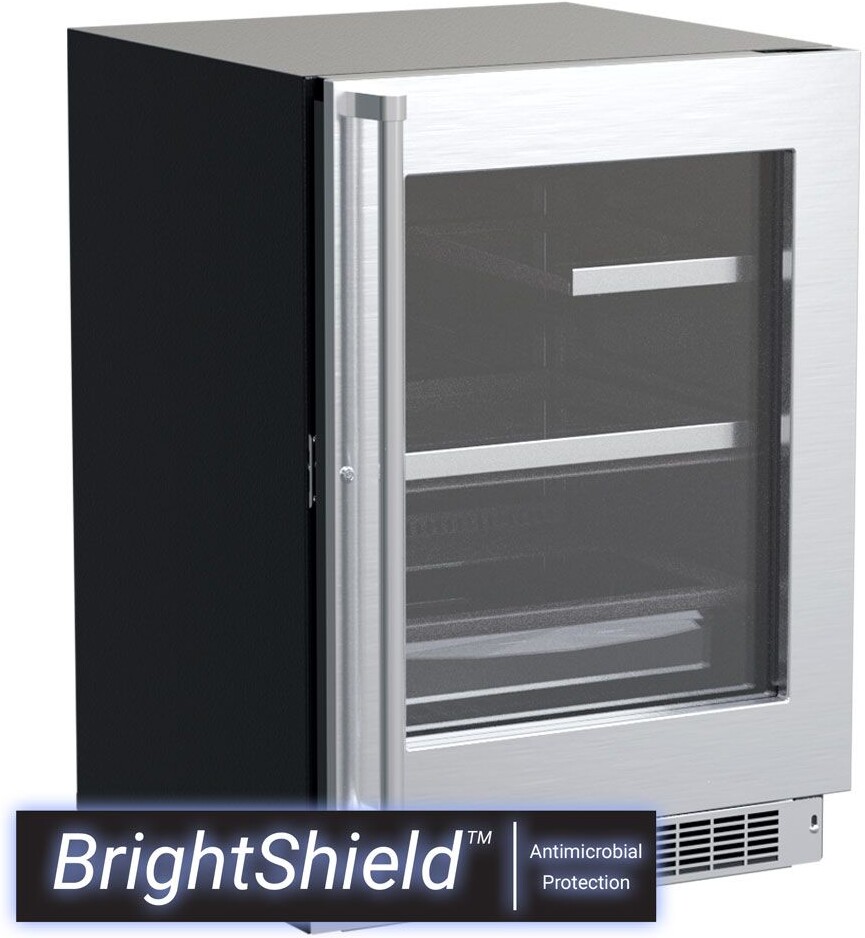
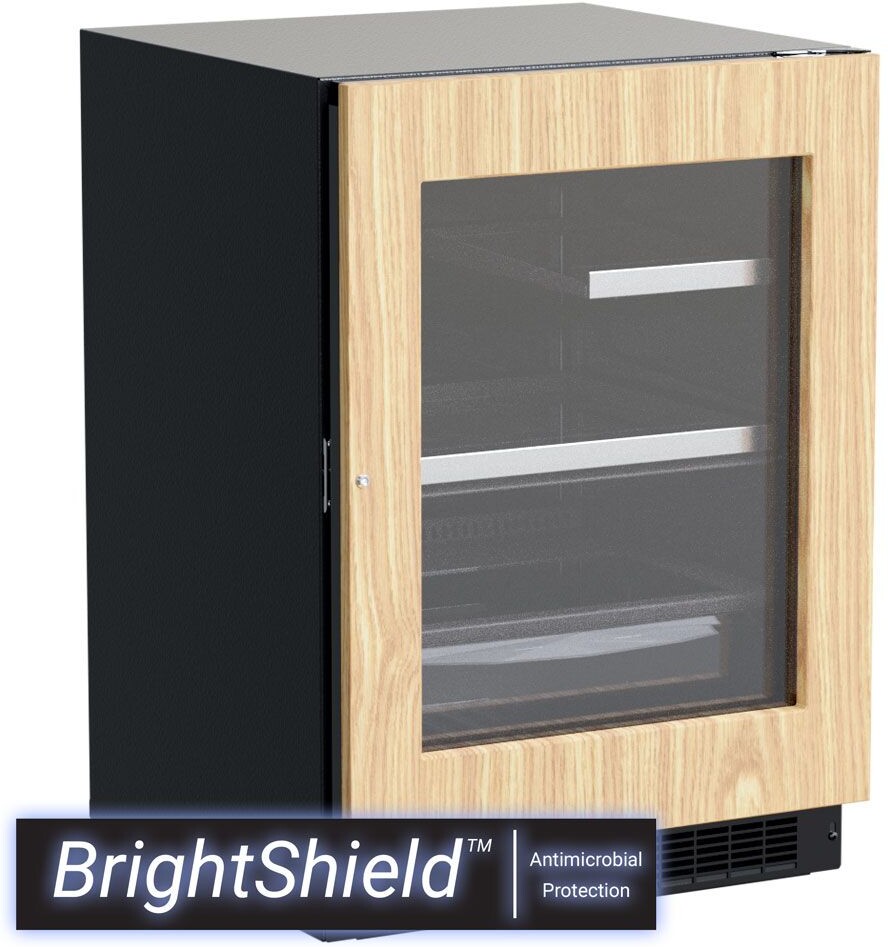
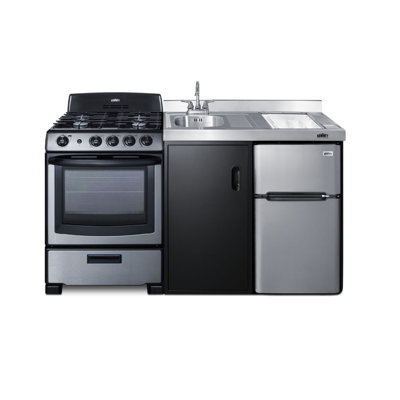
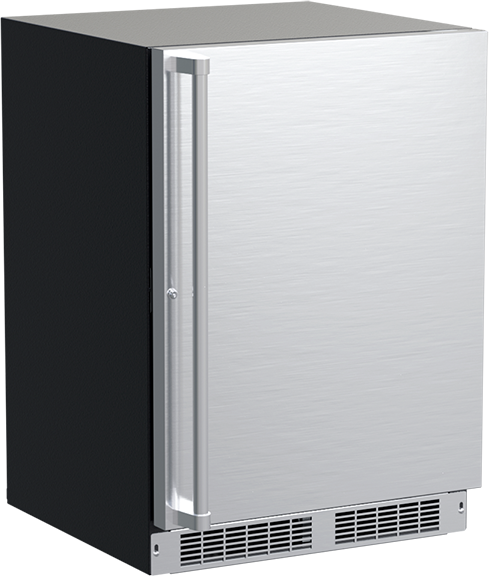
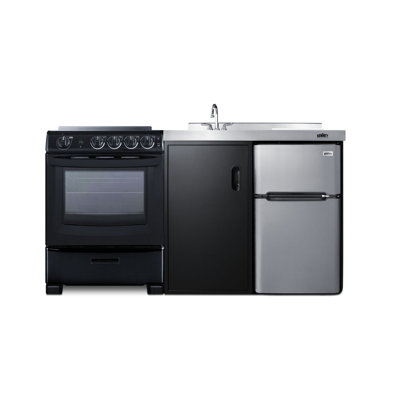
Ice cream should be stored at 0°F (-18°C) or lower.
Typically 34°F to 40°F (fridge), -10°F to 0°F (freezer).
32°F to 40°F (fridge) / -10°F to 0°F (freezer).
When deciding between an ice cream cooler and a mini fridge freezer, it's important to understand the key differences and unique benefits of each appliance.
When deciding between an ice cream cooler and a mini fridge freezer, it's important to understand the key differences and unique benefits of each appliance. Let's explore what you need to know about each option.
Ice Cream Coolers: What You Need to Know?
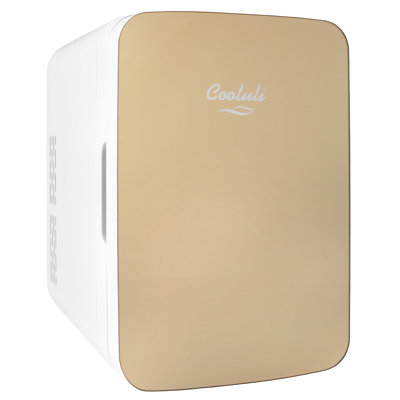
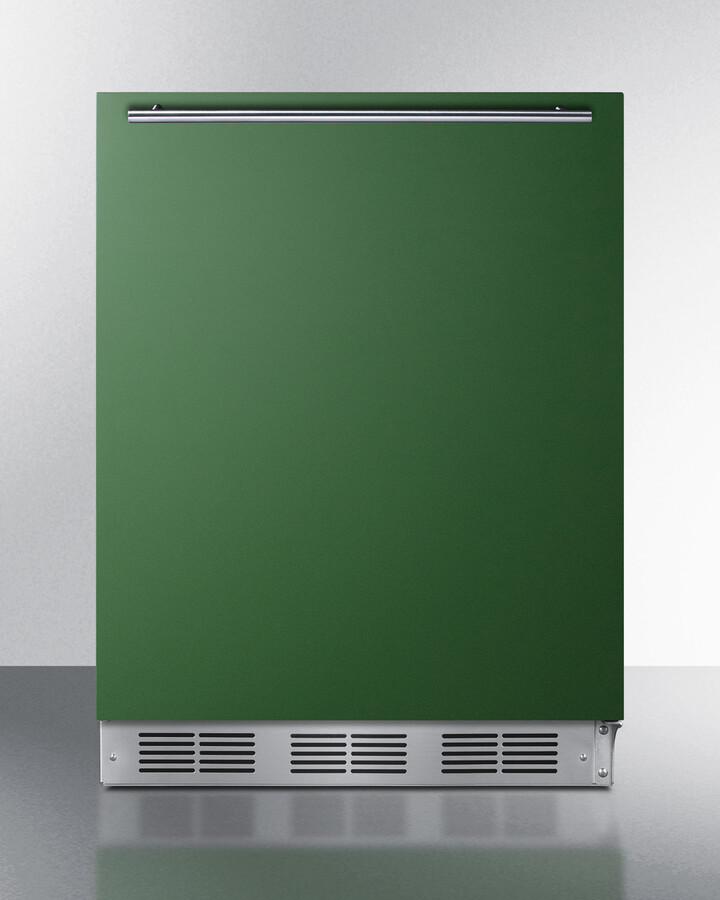
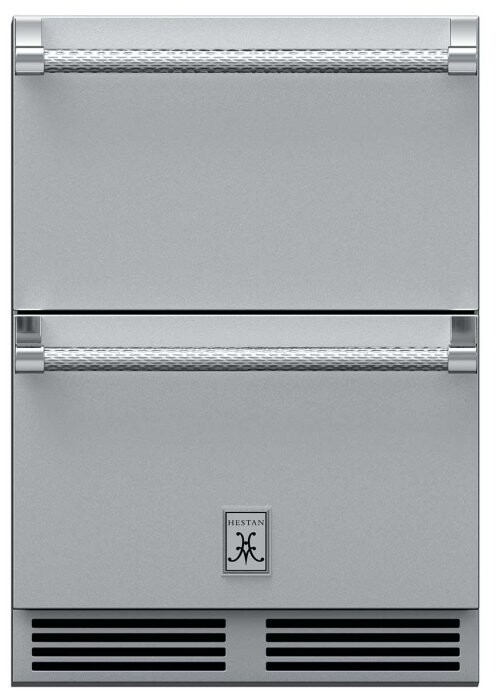
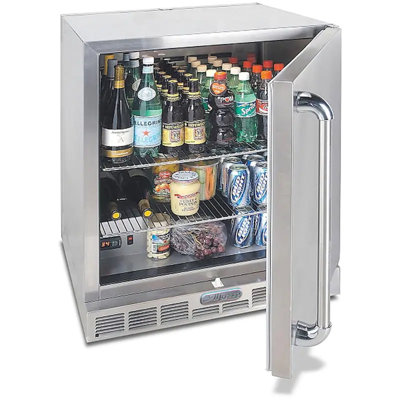
Ice cream coolers are designed specifically to maintain the optimal temperature for storing ice cream and other frozen desserts. These coolers typically offer precise temperature control, allowing you to keep your treats at the perfect consistency. The cooling mechanisms in ice cream coolers are engineered to prevent fluctuations in temperature, which can cause ice cream to become too hard or too soft.
Feature
Ice Cream Cooler
Purpose
Storing ice cream and frozen desserts
Temperature Range
Typically -20°F to -10°F
Temperature Control
Precise and stable
Cooling Mechanism
Specialized refrigeration system
Ice cream coolers are ideal for those who enjoy having a dedicated space for their frozen treats. They are commonly found in home kitchens, basement bars, and even in some garage setups.
Mini Fridge Freezers: A Brief Overview
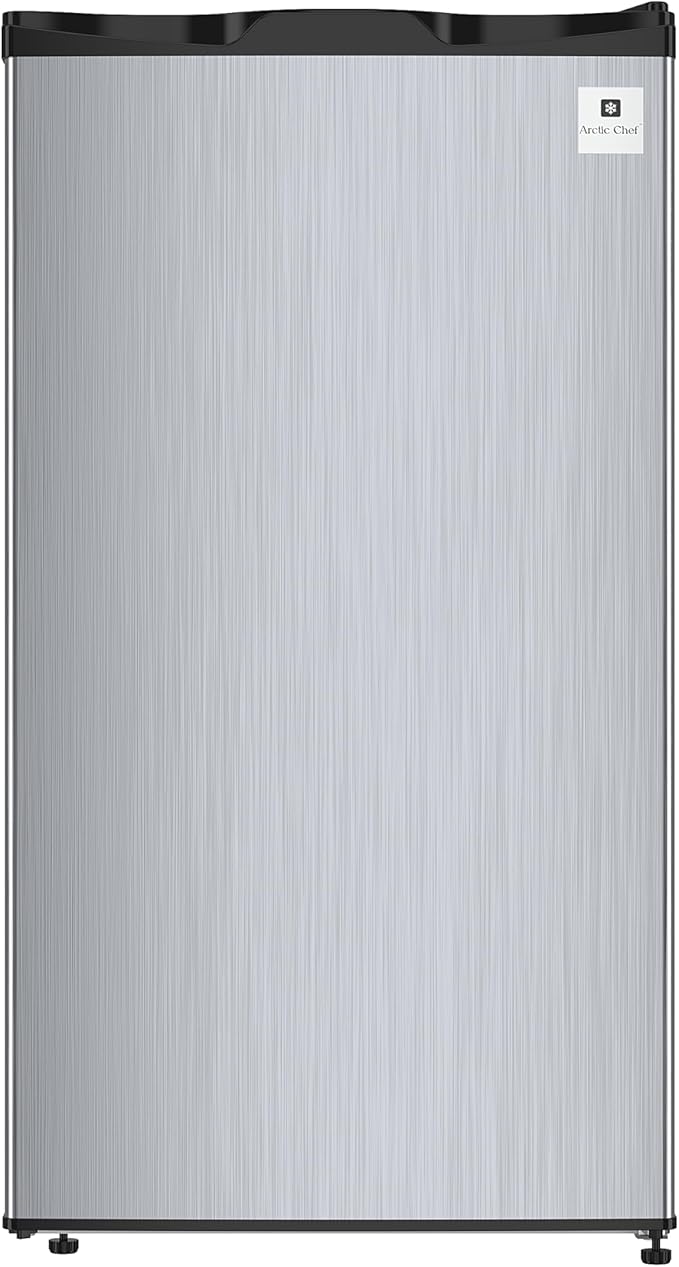
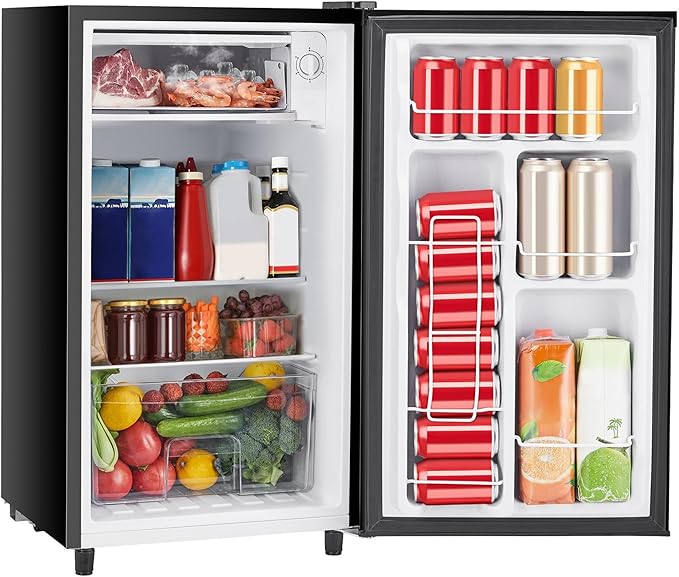
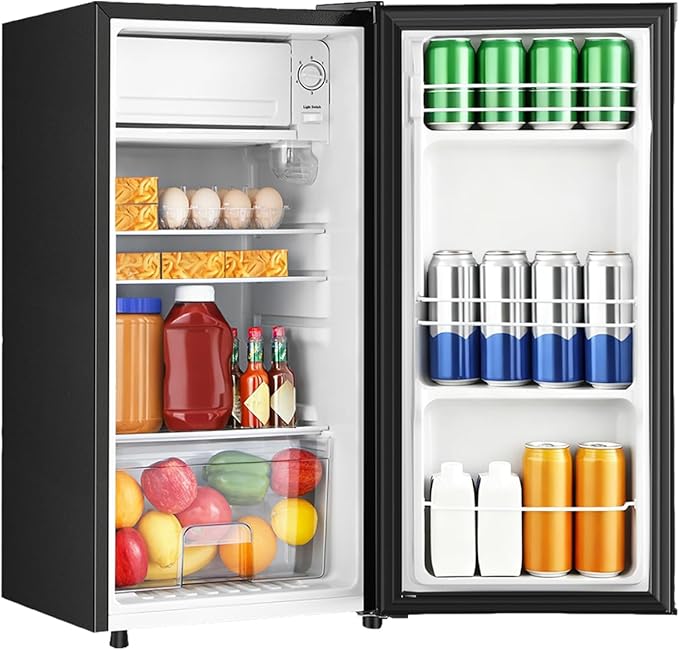
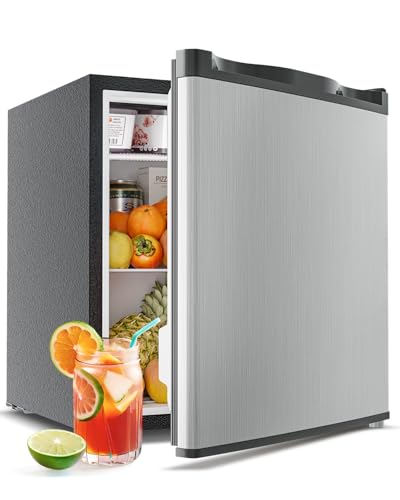
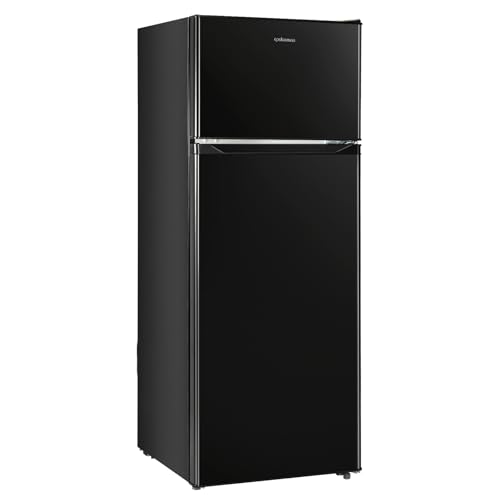
Mini fridge freezers are versatile appliances that combine refrigeration and freezing capabilities in a compact form. These units are perfect for small spaces such as dorm rooms, apartments, and offices. Mini fridge freezers typically come with a separate freezer compartment, allowing you to store both refrigerated and frozen items.
Feature
Mini Fridge Freezer
Purpose
General refrigeration and freezing
Temperature Range
Typically 34°F to 40°F (fridge), -10°F to 0°F (freezer)
Temperature Control
Adjustable but less precise
Cooling Mechanism
Standard refrigeration system
Mini fridge freezers offer the convenience of having both a refrigerator and freezer in one compact unit. This makes them a great choice for multifunctional spaces like tiny homes and cottages.
Understanding the specific features and functionalities of ice cream coolers and mini fridge freezers can help you make an informed decision based on your needs and preferences. For more detailed comparisons, you can explore other Fridge.com articles such as deep freezer Vs. glass door freezer and apartment size refrigerator Vs. deep freezer.
When comparing an ice cream cooler to a mini fridge freezer, it's essential to consider their capacity and size. Each option offers different storage capabilities, which can impact your choice based on your specific needs.
Ice Cream Cooler Capacity and Size Considerations
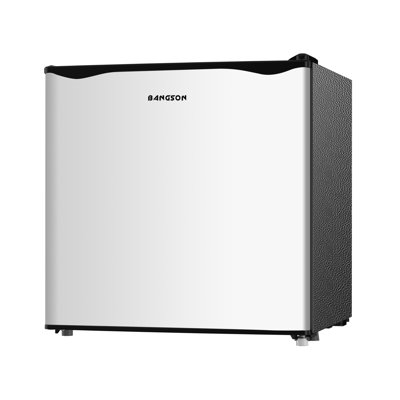
Ice cream coolers are designed to store and maintain the temperature of ice cream and other frozen treats. These units typically offer a compact and efficient design, making them suitable for small spaces.
Feature
Ice Cream Cooler
Average Capacity
1-5 cubic feet
Best For
Ice cream, frozen desserts
Typical Dimensions
20-30 inches in height, 15-20 inches in width
Ice cream coolers are ideal for those who need a dedicated space for frozen treats without taking up too much room. They are often used in home kitchens, garages, or even outdoor settings.
Mini Fridge Freezer Capacity and Size Considerations
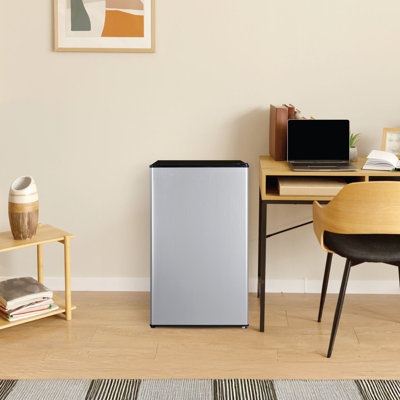
Mini fridge freezers, on the other hand, are versatile appliances that combine refrigeration and freezing capabilities in one unit. These are perfect for small living spaces, such as apartments or dorm rooms, where you need both cooling and freezing functions.
Feature
Mini Fridge Freezer
Average Capacity
3-7 cubic feet
Best For
General refrigeration, small frozen items
Typical Dimensions
30-40 inches in height, 18-24 inches in width
Mini fridge freezers offer more storage options and flexibility, making them suitable for storing a variety of items, including beverages, snacks, and frozen foods. If you have limited space but need both a fridge and a freezer, this could be a suitable choice for you.
For further comparisons on various refrigerators and freezers, you can explore Fridge.com articles on kegerator Vs. refrigerator cooler, drawer fridge freezer Vs. standard fridge size, and apartment size refrigerator Vs. deep freezer.
Cooling Efficiency
When comparing an ice cream cooler to a mini fridge freezer, cooling efficiency is a crucial factor to consider. Each appliance has distinct cooling mechanisms that affect their performance and suitability for different environments.
Ice Cream Cooler Cooling Mechanisms
Ice cream coolers are specifically designed to maintain a consistent low temperature, ideal for keeping ice cream and other frozen treats at the perfect texture. These coolers typically use powerful compressors to achieve rapid cooling. The compressors work by compressing refrigerant gas, which then condenses and cools down as it passes through the condenser coils. This cooled refrigerant circulates through the evaporator coils inside the cooler, absorbing heat and lowering the internal temperature.
Aspect
Ice Cream Cooler
Cooling Method
Compressor
Temperature Range
-20°F to 0°F
Cooling Speed
Rapid
Suitable Environment
High ambient temperatures
Ice cream coolers are efficient at maintaining low temperatures even in high ambient conditions, making them ideal for use in hot climates or areas with variable temperatures. For further comparisons, check out Fridge.com article on ice cream freezer chest Vs. reach in freezer.
Mini Fridge Freezer Cooling Mechanisms
Mini fridge freezers combine both refrigeration and freezing capabilities in a compact design. They typically use a combination of evaporator and condenser coils to manage the cooling process. The refrigerant is circulated through these coils, absorbing heat from the fridge and freezer compartments. Mini fridge freezers often have adjustable thermostats to control the temperature in each compartment, providing flexibility for different types of food storage.
Aspect
Mini Fridge Freezer
Cooling Method
Compressor
Temperature Range
32°F to 40°F (fridge) / -10°F to 0°F (freezer)
Cooling Speed
Moderate
Suitable Environment
Moderate ambient temperatures
Mini fridge freezers are versatile and suitable for various settings, such as apartments, offices, and dorm rooms. They offer a balance between refrigeration and freezing, making them a practical choice for general use. For more insights on choosing the right fridge, visit Fridge.com article on column refrigerator Vs. mini fridge freezer.
Understanding the cooling mechanisms and efficiency of each appliance can help you decide which is best for your needs. Whether you need the rapid cooling of an ice cream cooler or the versatility of a mini fridge freezer, both options have unique advantages to consider.
When comparing ice cream coolers and mini fridge freezers, versatility and functionality play crucial roles in determining which appliance best suits your needs. Let's delve into the features and functions of each.
Ice Cream Cooler Features and Functions
Ice cream coolers are specifically designed to maintain the ideal temperature for storing ice cream. Their primary function is to keep ice cream at a consistent, cold temperature to prevent it from melting or becoming too hard. Here are some common features and functions of ice cream coolers:
Temperature Control: Ice cream coolers often come with precise temperature control settings, allowing you to maintain the perfect temperature for ice cream storage.
Frost-Free Operation: Many ice cream coolers feature frost-free technology, reducing the need for manual defrosting and ensuring consistent cooling performance.
Storage Bins and Dividers: These coolers often include storage bins and dividers to help organize different types of ice cream and frozen treats.
Compact Design: Ice cream coolers are typically compact, making them suitable for placement in various settings such as kitchens, garages, and entertainment areas.
For more information on the advantages of different cooling appliances, explore Fridge.com article on ice cream freezer chest Vs. reach in freezer.
Mini Fridge Freezer Features and Functions
Mini fridge freezers offer a versatile solution for those who need both refrigeration and freezing capabilities in a compact unit. Here are some features and functions commonly found in mini fridge freezers:
Dual Compartments: Mini fridge freezers usually come with separate compartments for refrigeration and freezing, allowing you to store a variety of food items.
Adjustable Shelving: These appliances often feature adjustable shelves, providing flexibility to accommodate larger items or organize your food storage efficiently.
Temperature Control: Mini fridge freezers come with adjustable temperature settings to keep your food at the desired temperature.
Compact Size: The small footprint of mini fridge freezers makes them ideal for tight spaces like dorm rooms, offices, and small apartments.
To learn more about the differences between various refrigeration options, check out Fridge.com article on column refrigerator Vs. mini fridge freezer.
By understanding the versatility and functionality of both ice cream coolers and mini fridge freezers, you can make an informed decision on which appliance best suits your needs. Whether you prioritize specialized ice cream storage or require a multi-functional unit, there is a suitable option for every preference and space.
Understanding the portability and placement options of ice cream coolers and mini fridge freezers can help you decide which appliance best suits your needs.
Ice Cream Cooler Portability and Placement Options
Ice cream coolers are designed with portability in mind. They are often lightweight and come with handles, making them easy to move around. This makes them ideal for situations where you need to transport your treats, such as picnics, parties, or events.
Feature
Ice Cream Cooler
Weight
Light
Handles
Yes
Placement Options
Outdoor, Indoor, Mobile
You can place an ice cream cooler almost anywhere, including outdoors, on a countertop, or in the back of a vehicle. Their compact size allows them to fit into tight spaces, making them versatile in various settings.
Mini Fridge Freezer Portability and Placement Options
Mini fridge freezers, on the other hand, are slightly less portable due to their larger size and heavier weight. However, they do come with features that facilitate easier movement, such as small wheels or adjustable legs.
Feature
Mini Fridge Freezer
Weight
Moderate
Wheels
Sometimes
Placement Options
Indoor, Kitchen, Garage, Office
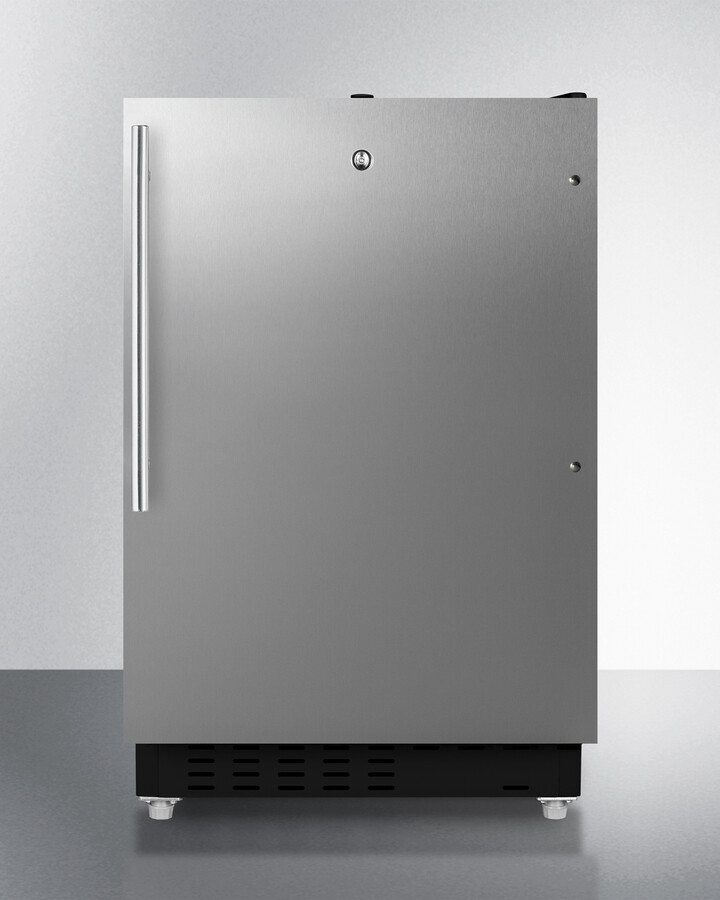
Mini fridge freezers are best suited for more permanent placement in your home, office, or garage. They are designed to fit under countertops or in designated kitchen spaces but can also be used in other indoor areas.
For further information on different types of refrigerators and their uses, you can check out Fridge.com comparison articles like kegerator Vs. refrigerator cooler or apartment size refrigerator Vs. deep freezer.
Energy Efficiency
Energy efficiency is a key factor when deciding between an ice cream cooler and a mini fridge freezer. Understanding the energy consumption of each can help you make an informed decision.
Ice Cream Cooler Energy Consumption
Ice cream coolers are designed specifically to maintain lower temperatures ideal for storing ice cream. Their energy consumption varies based on the model and features. Generally, ice cream coolers consume less energy compared to mini fridge freezers because they are optimized for one specific function.
Ice Cream Cooler
Energy Consumption (kWh/year)
Small (1-3 cu. ft.)
150 - 200
Medium (4-6 cu. ft.)
200 - 300
Large (7-10 cu. ft.)
300 - 400
These coolers often feature advanced insulation and energy-efficient compressors that reduce the amount of electricity required to keep the internal temperature low. For more about ice cream coolers, you can check Fridge.com detailed comparison on ice cream freezer chest Vs. reach in freezer.
Mini Fridge Freezer Energy Consumption
Mini fridge freezers are versatile appliances that offer both refrigeration and freezing capabilities. Their energy consumption is generally higher than ice cream coolers due to their dual functionality. The energy usage can vary significantly depending on the size, features, and efficiency ratings of the unit.
Mini Fridge Freezer
Energy Consumption (kWh/year)
Small (1-3 cu. ft.)
200 - 300
Medium (4-6 cu. ft.)
300 - 400
Large (7-10 cu. ft.)
400 - 500
Mini fridge freezers often come with additional features such as adjustable thermostats, automatic defrost, and separate cooling zones, which can impact their energy consumption. For a broader comparison, see Fridge.com article on apartment size refrigerator Vs. deep freezer.
When considering energy efficiency, you should also look at the Energy Star ratings of the appliances. Units with higher ratings are typically more energy-efficient, which can result in lower utility bills over time. For related comparisons, check out column refrigerator Vs. mini fridge freezer.
Proper maintenance and cleaning are essential to keep your ice cream cooler or mini fridge freezer functioning efficiently. Here are some tips to help you maintain each appliance.
Ice Cream Cooler Maintenance Tips
Maintaining your ice cream cooler ensures it remains in optimal condition for storing frozen treats. Here are some key tips:
Regular Defrosting: Ice cream coolers can accumulate frost over time. Regularly defrost your cooler to prevent ice buildup. Unplug the cooler, remove the contents, and allow the ice to melt naturally.
Cleaning the Interior: Use a mild detergent and warm water to clean the interior of your ice cream cooler. Avoid using abrasive cleaners that can damage the surfaces. Rinse and dry thoroughly before plugging it back in.
Gasket Inspection: Check the door gasket for any signs of wear or damage. A faulty gasket can cause cold air to escape, reducing efficiency. Replace the gasket if necessary.
Ventilation: Ensure that the cooler has adequate ventilation. Clean the condenser coils and vents regularly to prevent dust buildup, which can hinder cooling performance.
Temperature Monitoring: Use a thermometer to monitor the internal temperature. Ice cream should be stored at 0°F (-18°C) or lower. Adjust the thermostat as needed.
Maintenance Task
Frequency
Defrosting
Every 3-6 months
Interior Cleaning
Monthly
Gasket Inspection
Monthly
Ventilation Check
Monthly
Temperature Monitoring
Weekly
For more information on ice cream storage options, visit Fridge.com article on ice cream freezer chest Vs. reach in freezer.
Mini Fridge Freezer Maintenance Tips
Maintaining your mini fridge freezer helps to prolong its lifespan and ensure efficient operation. Follow these tips:
Defrosting: If your mini fridge freezer is not frost-free, defrost it regularly. Unplug the unit, remove the contents, and let the ice melt. Wipe away any remaining water before restarting.
Cleaning the Interior: Clean the interior with a mixture of mild detergent and warm water. Avoid harsh chemicals. Rinse and dry thoroughly to prevent mold and odors.
Gasket Maintenance: Inspect the door gasket for wear and tear. A damaged gasket can cause leaks and reduce efficiency. Replace if needed.
Condenser Coil Cleaning: Dust and debris can accumulate on the condenser coils, affecting cooling efficiency. Clean the coils every few months using a vacuum or brush.
Proper Loading: Avoid overloading your mini fridge freezer. Ensure there is enough space for air circulation to maintain consistent cooling.
Maintenance Task
Frequency
Defrosting
Every 3-6 months
Interior Cleaning
Monthly
Gasket Inspection
Monthly
Condenser Coil Cleaning
Every 3-6 months
Proper Loading
As needed
For more details on mini fridge freezer features and comparisons, check out Fridge.com article on column refrigerator Vs. mini fridge freezer.
By following these maintenance tips, you can ensure that both your ice cream cooler and mini fridge freezer operate efficiently and reliably. Regular upkeep not only extends the life of your appliances but also enhances their performance, keeping your frozen treats and perishables in perfect condition.
Compare prices on Fridge.com
Compare current prices and specifications on Fridge.com, then buy from the retailer you choose; delivery, installation and warranty terms are the retailer’s.
It also has tons of awesome articles about kitchen stuff and home news. Enhance your home, garage, backyard, patio, and office with the coolest essentials. With every necessary type of residential refrigerator or freezer in the collection, you're covered.
From Fridge.com research
Figures below come from data Fridge.com builds and maintains. Each links to the record behind it.
Fridge.com Energy Index, built on U.S. EPA and DOE ENERGY STAR records
Across 1,728 ENERGY STAR certified compact refrigerator models, median use is 246 kWh per year — 11% better than the federal standard.