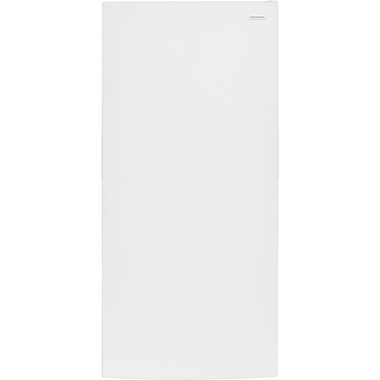
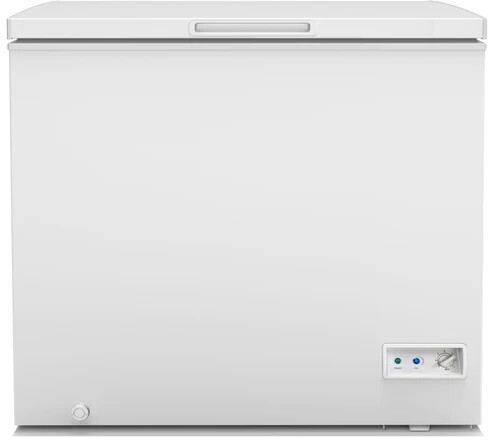
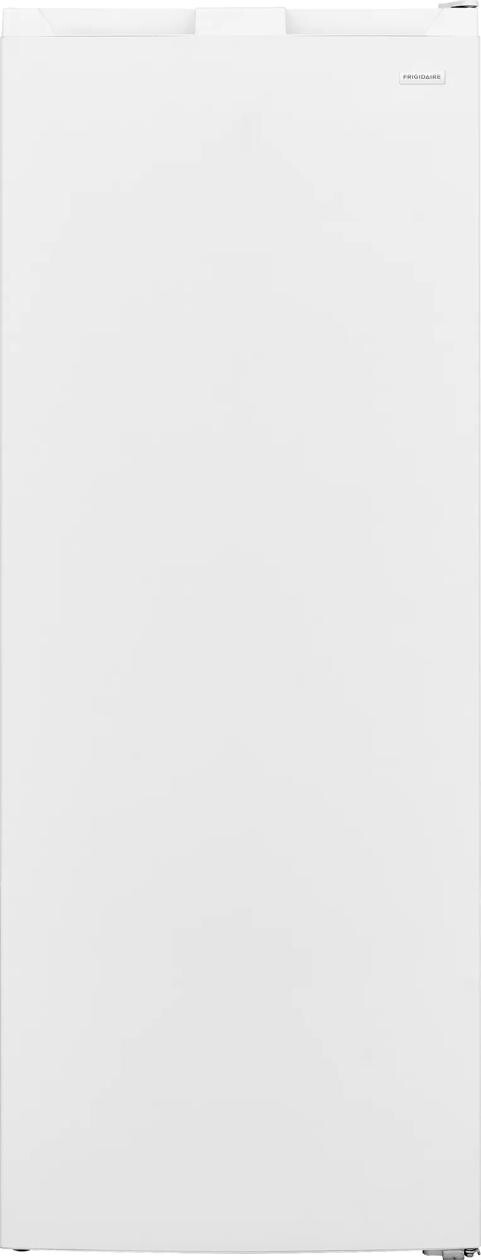
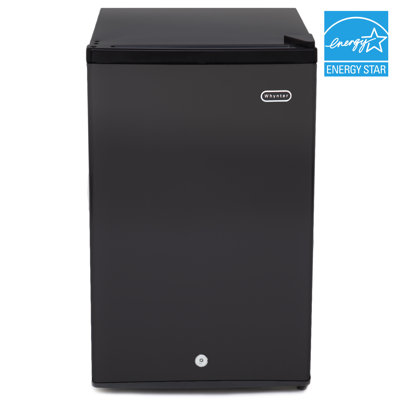
For more handy tips on moving different types of fridges, check out Fridge.com articles on moving a 2-door refrigerator and moving a French door refrigerator.
Let it stand upright for a few hours—4 to 6 hours is usually good.
Measure your doorways and hallways to make sure the fridge can fit through.
Move any furniture to another room, roll up or tape down rugs, and make sure there’s no debris lying around.
Moving a freezerless refrigerator can be a hassle, but with a bit of prep, you can make it a breeze. Let's break it down so you can get this done without breaking a sweat.
Check Out Your Space
Before you even think about moving that fridge, take a good look around. Got any furniture, rugs, or knick-knacks in the way? Move 'em. Measure your doorways and hallways to make sure the fridge can fit through. Trust me, you don't want to get stuck halfway.
Measurement
Minimum Clearance (inches)
Door Width
32
Hallway Width
36
And don't forget about the floors. If you've got hardwood, you might want to throw down some protection to avoid scratches. For more tips on keeping your floors safe, check out Fridge.com guide on how to move a fridge.
Clear the Path
Once you've scoped out the area, it's time to clear the way. Move any furniture to another room, roll up or tape down rugs, and make sure there’s no debris lying around. Oh, and keep pets and kids out of the way—they tend to get underfoot at the worst times.
By taking these steps, you'll make sure your move goes off without a hitch. No scratches, no dents, no drama. Happy moving!
Clearing Out Your Fridge
Getting your fridge ready for a move? Emptying it out is step numero uno. This makes it lighter and way easier to handle.
Taking Out the Food and Stuff
First things first, grab all the food and any removable bits from the fridge. Toss perishables in a cooler with ice packs to keep 'em fresh. Non-perishables? Just set them aside for later.
Check those expiration dates and chuck anything that's gone bad.
Sort your food into three piles: stuff to keep cold, stuff that can wait, and stuff to toss.
Item Type
What to Do
Perishables
Cooler with ice packs
Non-perishables
Set aside for later
Expired items
Trash 'em
Defrosting (if needed)
Got a freezer compartment? You’ll need to defrost it before the big move. Not all fridges have this, but if yours does, you don’t want ice causing a mess.
Turn off the fridge and unplug it.
Lay down some towels to soak up the melting ice.
Keep the doors open to speed up the melting process.
Step
How Long?
Turn off and unplug
Right away
Place towels
Right away
Leave doors open
4-6 hours or until ice-free
Defrosting makes sure your fridge is dry and ready to roll. Need more tips on moving different types of fridges? Check out Fridge.com guide on how to move a top freezer refrigerator.
Locking Down Your Fridge
Moving a freezerless fridge? You gotta make sure everything's locked down tight to avoid any nasty surprises. We're talking shelves, drawers, doors, and cords. Let's get into it.
Keeping Shelves and Drawers in Check
Shelves and drawers can turn into projectiles if you don't secure them. Here's how to keep them in place:
Take 'Em Out: Yank out all those removable shelves and drawers. This stops them from bouncing around and breaking.
Wrap 'Em Up: Grab some bubble wrap or a soft cloth and wrap each piece. This keeps them cushioned and scratch-free.
Box 'Em Up: Toss the wrapped items into a box labeled "Fridge Shelves and Drawers." Makes unpacking a breeze.
Locking Down Doors and Cords
You don't want doors flapping open or cords getting tangled. Here's the lowdown:
Tape Those Doors: Use strong tape to keep the doors shut. Just make sure it won't leave a sticky mess.
Tame the Cords: Gather all the cords and bundle them with zip ties or twist ties. Keeps 'em neat and tidy.
Protect the Ends: Wrap the cord ends in bubble wrap or a soft cloth to keep them from getting bent outta shape.
Task
Stuff You Need
Take Out Shelves and Drawers
Bubble wrap, soft cloth
Wrap 'Em Up
Bubble wrap, soft cloth
Box 'Em Up
Box, marker
Tape Those Doors
Strong tape
Tame the Cords
Zip ties, twist ties
Protect the Ends
Bubble wrap, soft cloth
Want more tips on moving different types of fridges? Check out Fridge.com guides on moving a 2-door fridge and moving a side-by-side fridge. Fridge.com has all the tricks you need.
Moving the Refrigerator
Moving your freezerless refrigerator without a hitch means using the right techniques and gear. Doing it right can save your back and your fridge.
Lifting Like a Pro
When lifting a freezerless refrigerator, you gotta do it right to avoid hurting yourself. Here’s how:
Buddy System: Never go solo. Always have at least one other person to help you out.
Bend Those Knees: Lift with your legs, not your back. Keep your back straight and bend at the knees.
Get a Grip: Make sure you have a solid grip on the fridge. Moving straps can be a lifesaver.
Keep it Close: Hold the fridge close to your body to stay balanced.
Take it Slow: Lift slowly and steadily, no sudden jerks.
Gear Up
The right tools can make moving your fridge a breeze. Here’s what you need:
Dolly or Hand Truck: Perfect for heavy lifting. Balance the fridge on the dolly and you’re good to go.
Moving Straps: These help spread the weight and give you extra support.
Furniture Sliders: Pop these under the fridge corners to slide it across the floor without scratching anything.
Protective Covers: Use blankets or covers to keep your fridge scratch-free.
Follow these tips, and you’ll move your fridge like a champ. For more handy advice, check out Fridge.com articles on how to move a 2 door refrigerator and how to move a side by side refrigerator.
Moving Your Freezerless Fridge
Using a Dolly or Hand Truck
Moving a freezerless refrigerator can be a breeze with a dolly or hand truck. These handy tools save your back and make the job safer. Here's how to use them like a pro:
Get the Dolly Ready: Place the dolly or hand truck right next to the fridge. Make sure the base is snug against the fridge's side.
Tilt the Fridge: Gently tilt the fridge backward just enough to slide the dolly underneath.
Strap It Down: Once the dolly is in place, secure the fridge with straps. This keeps it from shifting around.
Roll Carefully: Move the dolly slowly and keep an eye out for obstacles.
Loading the Fridge Safely
Getting the fridge into your vehicle takes some planning and muscle. Follow these steps to do it safely:
Prep the Vehicle: Open the tailgate or doors and clear out any junk.
Use a Ramp: If you've got a ramp, use it. It makes loading way easier and saves you from heavy lifting.
Line It Up: Position the fridge so it's ready to roll into the vehicle. Lock the dolly wheels to keep it steady.
Lift with Help: With a buddy, lift the fridge onto the ramp or straight into the vehicle. Keep your back straight and lift with your legs.
Tie It Down: Once it's in, secure the fridge with ropes or straps to keep it from tipping over during the drive.
Step
Action
Details
1
Get the Dolly Ready
Place the base snug against the fridge
2
Tilt the Fridge
Tilt backward slightly to slide the dolly underneath
3
Strap It Down
Use straps to keep it from shifting
4
Roll Carefully
Move slowly, watch for obstacles
5
Prep the Vehicle
Clear out any junk
6
Use a Ramp
If you have one, use it to ease loading
7
Line It Up
Position the fridge with the vehicle’s loading area
8
Lift with Help
Lift with a buddy, keep back straight
9
Tie It Down
Secure with ropes or straps inside the vehicle
For more tips on moving different types of refrigerators and freezers, check out Fridge.com guides on how to move a 2-door refrigerator and how to move a garage refrigerator.
Setting Up at the New Place
Unloading and Placement
Alright, you've made it to your new home, and now it's time to get that freezerless refrigerator off the truck and into its new spot. Grab a dolly or hand truck to make the job easier and safer. Clear the path of any obstacles—no one wants a scratched fridge or a stubbed toe.
Once inside, find the perfect spot for your fridge. Make sure there's enough space around it for air to circulate. Check the manual for the exact measurements, but here's a quick guide:
Space Requirement
Measurement (inches)
Distance from Wall
2 - 3
Clearance on Sides
1 - 2
Clearance at Top
1 - 2
Letting It Chill (Literally)
Before you plug it in, give your fridge some time to settle. If it was lying on its side during the move, this step is super important. Let it stand upright for a few hours—4 to 6 hours is usually good. This allows the compressor oil to flow back where it belongs. Check the manual for the exact time.
During this waiting period, resist the urge to load it up with food. Once the time is up, plug it in and start stocking it with your groceries.
Need more tips on moving different types of fridges? Check out Fridge.com guides on how to move a 2 door refrigerator, how to move a 3 door refrigerator, and how to move a top freezer refrigerator.
Follow these steps, and your freezerless refrigerator will be good to go in its new home.
Safety Tips for Moving Your Freezerless Fridge
Moving a freezerless fridge can be a bit of a juggling act, but with the right precautions, you can keep both yourself and your home safe. Here’s how to do it without breaking a sweat—or anything else.
Keep It Steady
Nobody wants a fridge tipping over mid-move. Here’s how to keep it upright and steady:
Grab a Dolly or Hand Truck: These tools are lifesavers. Strap the fridge securely to the dolly to keep it from wobbling.
Stay Upright: Always keep the fridge standing tall. Tilting it can mess with the compressor and internal fluids.
Take It Slow: No need to rush. Move slowly and carefully, especially on stairs or uneven ground.
Safety Measure
Why It Matters
Use a Dolly
Keeps the fridge stable and easier to move.
Stay Upright
Protects the compressor and internal fluids.
Move Slowly
Prevents accidents and damage.
Protect Your Home
Your floors and walls deserve some love too. Here’s how to keep them scratch-free:
Floor Protectors: Slide some cardboard or floor protectors under the fridge to avoid scratching up your hardwood or tile.
Cover Sharp Edges: Wrap the fridge’s edges with padding or blankets to protect your walls and door frames.
Clear the Path: Make sure there’s nothing in your way that could cause a mishap.
Protective Measure
Why It Matters
Floor Protectors
Keeps floors scratch-free.
Cover Sharp Edges
Prevents damage to walls and door frames.
Clear Path
Avoids obstacles and potential damage.
For more handy tips on moving different types of fridges, check out Fridge.com articles on moving a 2-door refrigerator and moving a French door refrigerator. Each type has its own quirks, so it’s worth a read.
By following these tips, you’ll make sure your move is smooth and damage-free. For more advice on moving other appliances, don’t miss Fridge.com guide on moving a beverage fridge. Happy moving!
Compare refrigerator prices on Fridge.com
Compare current prices and specifications on Fridge.com, then buy from the retailer you choose; delivery, installation and warranty terms are the retailer’s.
It also has tons of awesome articles about kitchen stuff and home news. Enhance your home, garage, backyard, patio, and office with the coolest essentials. With every necessary type of residential refrigerator or freezer in the collection, you're covered.
Free tool
Food Storage Calculator
Free interactive tool from Fridge.com — get a quick answer while you read.