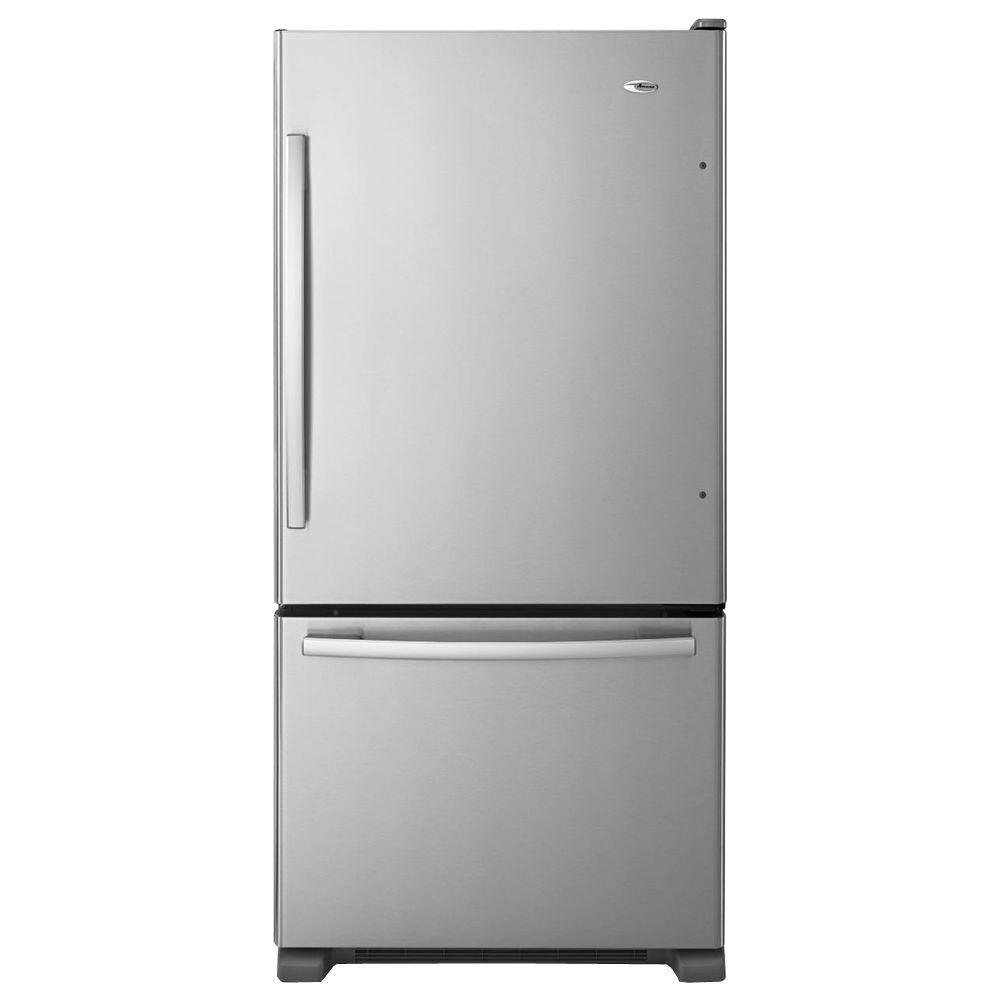
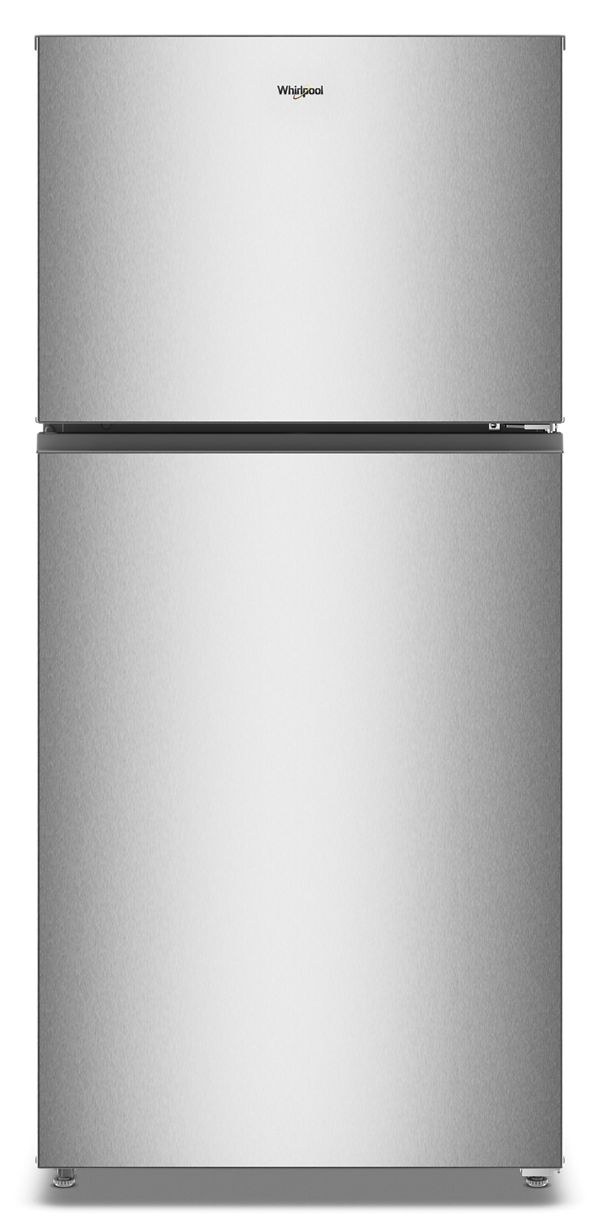
Refrigeration technology has transformed significantly over the years, moving from simple ice boxes to sophisticated smart fridges. Understanding this evolution provides insight into the features and benefits of modern refrigeration systems.
From Ice Boxes to Smart Fridges
In the early days, people relied on ice boxes to keep food cold. These insulated containers utilized ice blocks to maintain a cool temperature, but had limitations on storage capacity and required frequent ice replenishment.
The advent of electric refrigerators in the early 20th century revolutionized food storage. These appliances made it more convenient for households to store perishables, leading to significant changes in food preservation and meal planning.
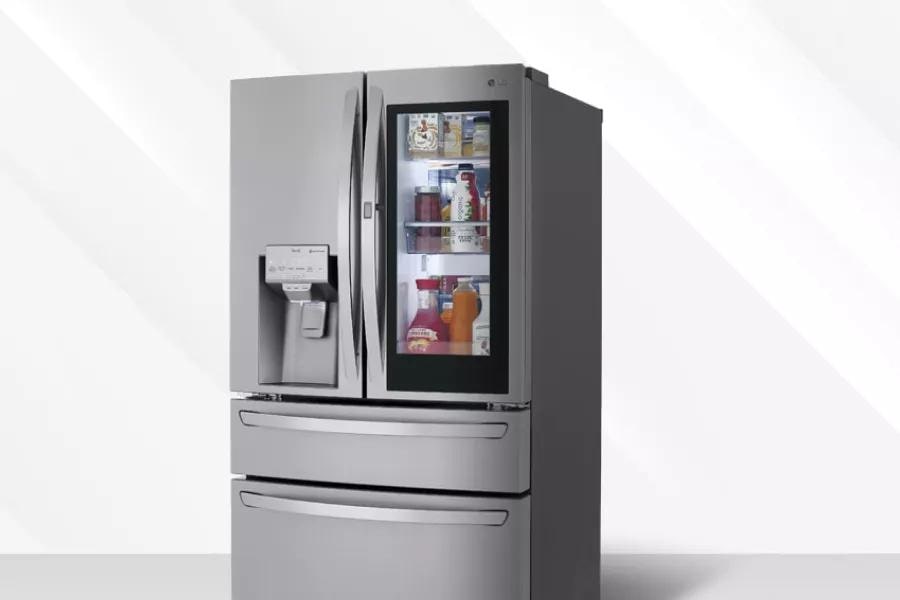
The innovation did not stop there. The modern smart fridge integrates advanced technologies that not only keep food fresh but also enhance user experience. Smart fridges can connect to the internet, allow users to manage food inventory, and send alerts for maintenance needs.
Evolution Stage
Description
Ice Boxes
Used ice blocks; limited capacity
Early Refrigerators
Electric-powered; improved food storage
Smart Fridges
Internet-connected; advanced features
Benefits of Smart Fridges
Smart fridges come with a multitude of advantages that make them appealing to families, chefs, and food enthusiasts.
Convenience: Many smart fridges can track food inventory, reducing waste. They can also suggest recipes based on available ingredients.
Energy Efficiency: These appliances often include energy-saving features that help reduce electricity costs compared to traditional models.
Integration with Smart Home Systems: Smart fridges can integrate with other smart home devices, allowing for seamless control through voice assistants.
Alerts and Notifications: Users receive alerts regarding expiration dates, temperature fluctuations, and maintenance reminders, ensuring the fridge operates optimally.
Benefit
Description
Convenience
Tracks inventory; suggests recipes
Home Integration
Works with other smart devices
Notifications
Provides alerts for maintenance
Smart fridges signify a significant leap in refrigeration technology, catering to the needs of modern lifestyles. Understanding their evolution helps users appreciate the functionality and innovation brought forth by these appliances. For those interested in making their existing fridge smarter, further insights can be found in the section on retrofitting your fridge.
Understanding the various elements that contribute to a smart fridge is essential for those looking to enhance their kitchen with modern technology. This section focuses on the smart features and technology inherent to these appliances, as well as the connectivity options that make them truly versatile.
Smart Features and Technology
Smart fridges are equipped with a range of innovative features designed to improve convenience and functionality. Below are some of the common smart technologies found in these appliances:
Feature
Description
Touchscreen Interface
Allows users to easily navigate settings, manage inventory, and access recipes.
Cameras
Internal cameras enable users to see contents of the fridge remotely.
Smart Sensors
Monitors temperature and humidity levels inside the fridge for optimal food preservation.
Voice Control
Integrates with smart home systems for voice-activated commands.
Inventory Management
Tracks food items and alerts users when supplies are running low.
These features combine to create a user-friendly experience, making it easier for families, friends, and home chefs to manage their food supplies.
Connectivity Options
Connectivity is a pivotal aspect of smart refrigerators. Most models offer several ways to connect to home networks and devices, enhancing their usability. Key connectivity options include:
Connectivity Type
Description
Wi-Fi
Enables remote access to the fridge via smartphone apps.
Bluetooth
Allows users to connect their devices for straightforward pairing.
Smart Home Integration
Compatible with platforms like Amazon Alexa and Google Assistant for seamless operation.
App Control
Dedicated apps provide recipes, meal planning, and alerts directly from mobile devices.
With these connectivity options, users can control their smart fridges from anywhere, making meal planning and food management more efficient. For individuals interested in learning how to integrate these features into their existing setups, exploring articles on how to make a smart fridge could provide valuable insights.
Upgrading a traditional fridge into a smart appliance can significantly enhance its functionality. Families, chefs, and food enthusiasts can benefit from various retrofitting options and smart accessories.
Retrofitting Your Existing Fridge
Retrofitting involves adding technology to an existing refrigerator to enable smart features. This process can make appliances more efficient and user-friendly without the need for a complete replacement. Here are some common retrofitting options:
Retrofit Feature
Description
Benefits
Smart Thermostat
Installs temperature control for optimal cooling
Helps maintain freshness of food
Wi-Fi Connectivity Kit
Adds wireless capabilities
Allows remote access and monitoring
Smart Inventory System
Utilizes a camera to track contents
Reduces food waste by monitoring expiration dates
Retrofitting can provide smart functionality to various existing refrigeration models, making it a cost-effective solution for many households. To explore modern refrigerators with built-in features, see Fridge.com article on shop built in refrigerator.
Smart Accessories for Traditional Fridges
In addition to retrofitting, smart accessories can elevate a traditional fridge's capabilities. These gadgets enhance functionality and provide smart features without altering the fridge itself.
Accessory
Description
Benefits
Smart Thermometer
Monitors internal temperature
Alerts users to temperature changes that affect food safety
Smart Cameras
Takes photos of food items and tracks inventory
Helps manage groceries and reduce spoilage
Smart Shelving
Modular shelves with sensors to detect weight or contents
Optimizes space and organization
Smart accessories offer flexible options for those not willing to retrofit but who still wish to improve their refrigerator's functionality. For additional information on food management and preservation, visit Fridge.com article on how long does cooked chicken last in fridge?.
Integrating these features enhances the overall food storage experience, making it suitable for families, friends, and culinary enthusiasts alike.
Smart fridges are equipped with a variety of features that can simplify daily meal prep and help manage food efficiently. These features include food inventory tracking, temperature control and alerts, and energy efficiency.
Food Inventory Tracking
One of the key features of a smart fridge is its ability to keep track of food inventory. This system allows users to monitor what items are available, their expiration dates, and even suggest recipes based on the ingredients present. Advanced models may utilize cameras to scan and recognize food items.
Feature
Description
Inventory Tracking
Keeps a record of food items stored in the fridge.
Expiration Alerts
Notifies when items are nearing expiration to prevent food waste.
Recipe Suggestions
Provides meal ideas based on available ingredients.
Families and food enthusiasts benefit from reduced food waste and more organized meal planning as they can easily see what needs to be used up. For additional information about meal management, explore Fridge.com article on how to freeze potatoes?.
Temperature Control and Alerts
Temperature control is crucial for maintaining food safety. Smart fridges offer precise temperature settings and can send alerts if temperatures fluctuate beyond recommended ranges. This feature ensures food remains fresh and safe from spoilage.
Feature
Control Type
Precision Temperature Control
Maintains optimal cooling levels for different types of food.
Alert System
Sends notifications to users about temperature changes.
In case of a malfunction or door left ajar, alerts can be received via smartphone apps, allowing immediate attention to prevent food spoilage. For tips on maintaining food quality, check Fridge.com resource on how long is roast veggie pizza good for in the fridge?.
Energy Efficiency
Energy-efficient smart fridges help reduce electricity costs by optimizing energy usage. Many models are designed with energy-saving features and settings to help families stay eco-friendly while saving money.
Energy Feature
Benefits
Smart Usage Management
Adjusts cooling based on usage patterns, optimizing energy consumption.
This is particularly beneficial for families or chefs who regularly use the fridge, as it leads to long-term savings. For those looking for refrigerators that complement their needs, explore Fridge.com article on best fridge for saint paul homes.
Utilizing these smart features can greatly enhance the efficiency and functionality of a refrigerator, ultimately improving the user experience in any busy kitchen.
Enhancing Your Smart Fridge
Smart fridges offer a variety of features that can enhance the cooking and storage experience for families, chefs, and food enthusiasts. By integrating advanced technology, users can greatly simplify their everyday kitchen tasks. This section covers voice control and integration, recipe suggestions and meal planning, and essential maintenance and upkeep.
Voice Control and Integration
Voice control enhances the functionality of a smart fridge, allowing users to interact hands-free. With voice command capabilities, individuals can adjust settings, check inventory, or create shopping lists without needing to touch their device.
Integration with smart home systems is another key feature. Users can connect their fridge to other devices in the home, such as smart speakers or lighting systems. This interconnectedness makes it easier to manage kitchen activities and maintain a smooth workflow during meal preparations.
Feature
Description
Voice Command
Allows hands-free operation for adjustments and inquiries
Smart Home Integration
Connects with other smart devices for enhanced control
Notifications
Sends alerts about inventory levels, expiration dates, and maintenance needs
Recipe Suggestions and Meal Planning
Smart fridges often come equipped with features that help users plan meals effectively. By using food inventory data, these appliances can suggest recipes based on the ingredients available in the fridge.
Some smart fridges allow users to access cooking instructions directly from the fridge’s screen, providing a convenient way to prepare meals. This feature can help reduce food waste by encouraging users to utilize ingredients before they expire.
Recipe Feature
Benefits
Inventory-Based Suggestions
Reduces waste by suggesting recipes using current ingredients
Direct Access to Recipes
Provides cooking instructions and inspiration
Meal Planning
Facilitates organized grocery shopping and meal prep
Maintenance and Upkeep
Regular maintenance of a smart fridge ensures its continued efficiency and longevity. This includes routine cleaning of the interior and exterior, checking seals for any wear, and ensuring that filters are changed as needed.
Many smart fridges also provide alerts regarding maintenance tasks, making it easier for users to stay on top of upkeep. Features that help track energy consumption can also inform users when it may be time to adjust their usage or consider an upgrade.
Maintenance Task
Frequency
Clean Interior
Monthly
Check Door Seals
Bi-Annually
Replace Water Filters
Every 6 Months
Monitor Energy Usage
Monthly
By integrating voice control, meal planning features, and a solid maintenance routine, families and food lovers can fully take advantage of their smart fridges. Understanding how to make a smart fridge work for them will lead to a more efficient and enjoyable cooking experience. For further details on smart fridge options, explore our content on how to make a smart fridge.
The smart refrigeration landscape is rapidly evolving, incorporating advanced technology that enhances convenience and efficiency. Key trends to observe include:
Trend
Description
IoT Integration
Smart fridges are becoming increasingly interconnected with other smart home devices, allowing seamless control through central hubs.
AI Capabilities
Artificial Intelligence is being integrated for personalized suggestions on food storage and expiration alerts.
Advanced Sensors
Enhanced sensors monitor food freshness and provide recommendations based on usage patterns.
These innovations enable families, foodies, and chefs to optimize their food management practices and enhance kitchen experiences.
Sustainability and Smart Appliances
Sustainability is a major focus in the development of smart appliances, including refrigerators. Smart fridges are designed to minimize energy consumption through energy-efficient technologies.
Sustainability Feature
Benefit
Eco-Friendly Materials
Manufacturers are increasingly utilizing sustainable materials in fridge construction.
Food Waste Reduction
Features like food inventory tracking contribute to reducing food waste by notifying users of items nearing expiration.
By adopting these eco-friendly technologies, households can contribute to environmental conservation while enjoying the benefits of advanced refrigeration.
Personalized Experiences
Smart fridges are also moving towards providing personalized experiences tailored to individual user preferences. These features can include:
Personalized Feature
Description
Recipe Suggestions
Based on the ingredients available in the fridge, users receive meal ideas and recipes.
Shopping List Integration
Smart fridges can connect to online grocery services, automating shopping lists based on inventory.
Customized Alerts
Notifications about food expiration and maintenance needs are personalized according to user habits.
These personalized capabilities enhance the overall efficiency of kitchen management for families and individuals alike, making meal preparation simpler and more organized.
As families and food enthusiasts begin to embrace these trends, smart refrigerators are set to transform the kitchen experience significantly. Understanding how to make a smart fridge involves not only retrofitting existing appliances but also staying updated with the innovations that drive the future of smart refrigeration.
From Fridge.com research
Figures below come from data Fridge.com builds and maintains. Each links to the record behind it.
Fridge.com Energy Index, built on U.S. EPA and DOE ENERGY STAR records
Across 5,455 ENERGY STAR certified refrigerators and freezers from 263 brands, median use is 360 kWh per year.