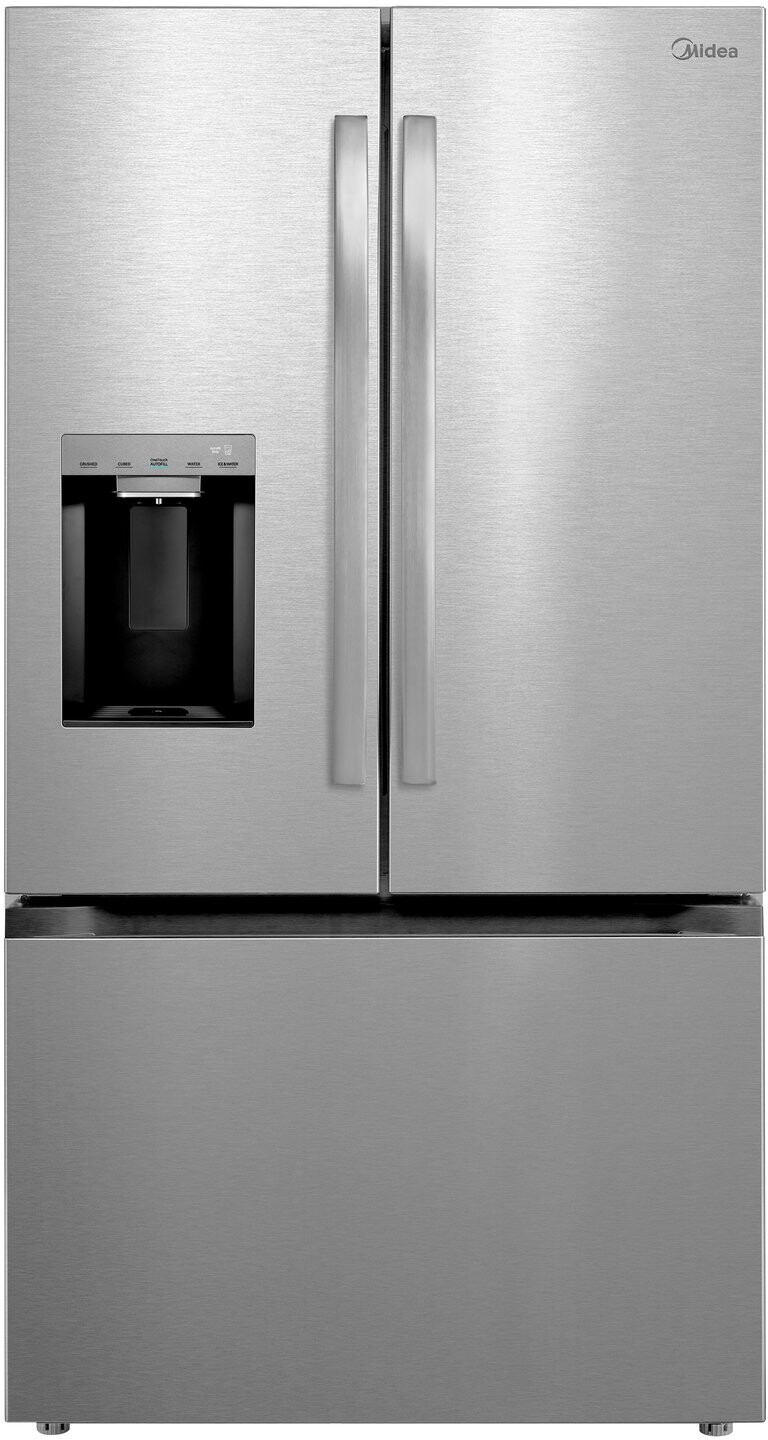
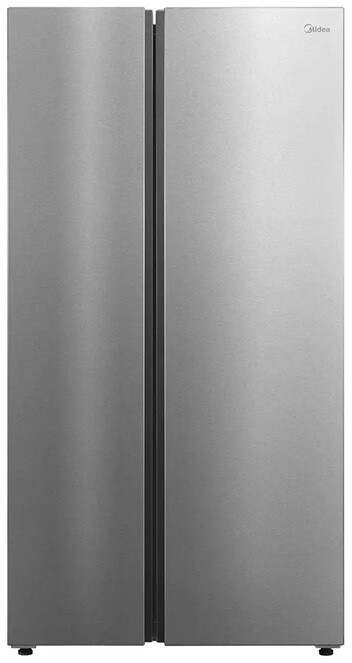
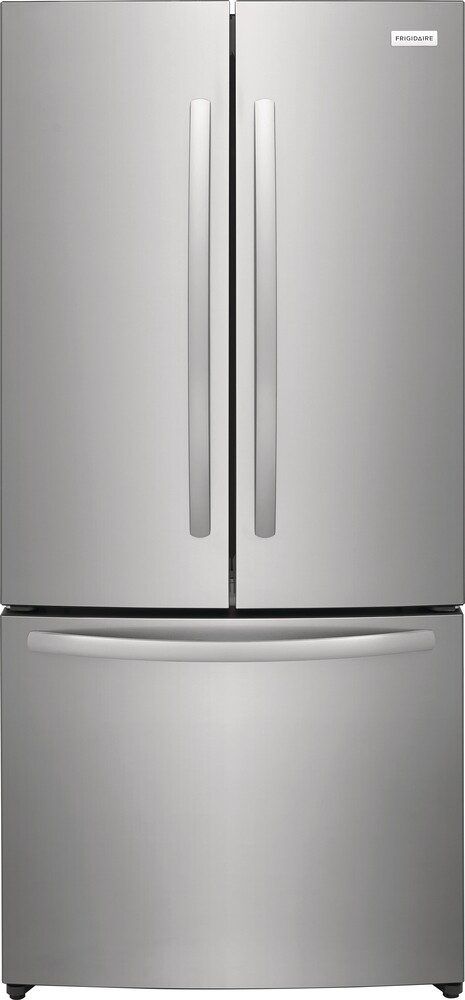
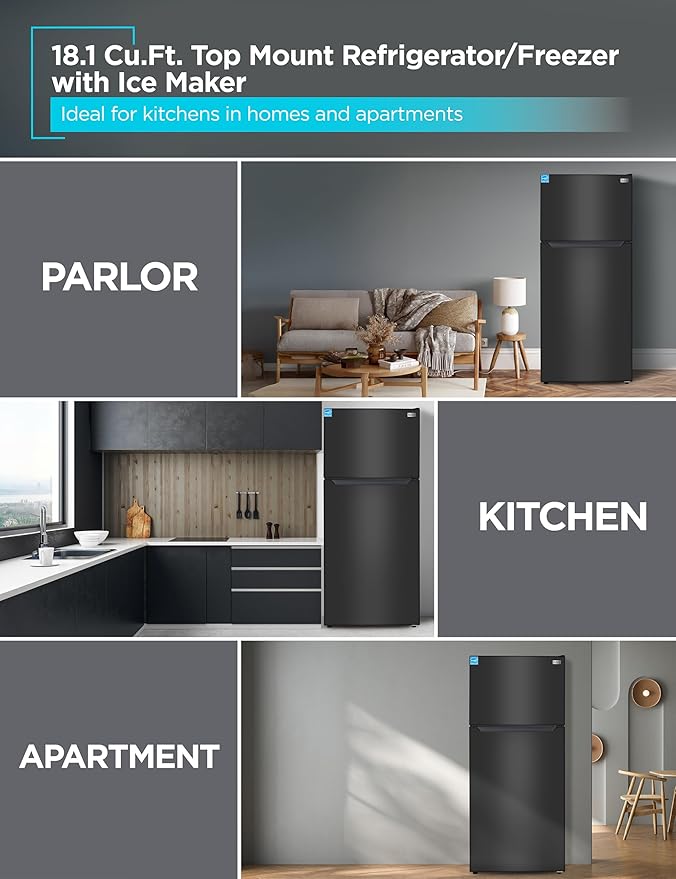
Smart fridges have revolutionized the way you manage food and kitchen tasks. These advanced appliances offer a range of features that go beyond traditional refrigeration, making them an essential part of modern homes.
What Makes a Fridge Smart?
A smart fridge incorporates technology that allows you to do more than just keep food cold. These features include:
Wi-Fi Connectivity: Enables remote access and control via smartphones or tablets.
Touchscreen Interface: Allows easy navigation and access to various apps and functions.
Sensors: Monitor temperature, humidity, and other factors to optimize food storage.
Voice Control: Integrates with virtual assistants like Alexa or Google Assistant for hands-free operation.
Smart fridges can help you manage groceries, plan meals, and even entertain guests. For a deeper dive into the specific features, you can explore Fridge.com article on features of smart fridge.
Evolution of Refrigeration Technology
The journey from basic iceboxes to sophisticated smart fridges has been marked by several milestones. Understanding this evolution can help you appreciate the advanced capabilities of today's appliances.
Era
Key Development
Early 1900s
Introduction of electric refrigerators
1950s
Frost-free technology
1980s
Digital temperature controls
2000s
Energy-efficient models
2010s
Wi-Fi connectivity and touchscreen interfaces
Each era brought innovations that improved food preservation and user convenience. The latest advancements have focused on integrating smart technology to provide features like inventory management and remote access.
Smart fridges now offer a range of benefits that make them an attractive option for various living spaces, from apartments to mobile homes. Whether you're a home chef or simply enjoy entertaining, a smart fridge can enhance your kitchen experience. Learn more about the advantages of smart fridge to see how it can fit into your lifestyle.
Convenience Features
Smart fridges offer a range of convenience features that can simplify your daily routine and enhance your kitchen experience. From managing your inventory to controlling your fridge remotely, these features are designed to make your life easier.
Inventory Management
One of the standout benefits of a smart fridge is its ability to manage inventory. Smart fridges use internal cameras and advanced software to keep track of the items stored inside. These cameras capture images and update the inventory list, helping you know what you have and what you need to buy. This feature can be especially useful for those who frequently forget what’s in their fridge or have a busy schedule.
Smart fridges can also simplify your grocery shopping by integrating with your shopping list. When you run out of an item, you can add it to your digital shopping list directly from the fridge's interface. Some smart fridges even allow you to sync this list with your smartphone or other smart devices, making it easy to update your list on the go.
One of the most convenient aspects of a smart fridge is the ability to control it remotely. Through a dedicated app on your smartphone, you can monitor and manage your fridge from anywhere. Whether you forgot to close the door or want to adjust the temperature, remote access makes it possible.
These convenience features not only make your life easier but also help you manage your food more efficiently. From inventory management to remote access, smart fridges offer a modern solution to kitchen convenience.
A smart fridge offers several benefits when it comes to managing your food. These features help ensure that your food stays fresh, reduce waste, and even inspire new culinary creations.
Food Preservation
One of the key advantages of a smart fridge is its ability to extend the shelf life of your groceries. Advanced cooling technology and precise temperature control help maintain the ideal environment for different types of foods.
Food Type
Ideal Temperature (°F)
Humidity Level (%)
Dairy
34 - 38
85 - 90
Vegetables
32 - 40
90 - 95
Meat
32 - 36
80 - 85
By maintaining these conditions, a smart fridge can help you keep your food fresher for longer, reducing the frequency of grocery trips and minimizing waste.
Expiry Notifications
A smart fridge can also keep track of the expiration dates of your stored items. This feature sends you reminders when your food is approaching its expiry date, allowing you to use it before it goes bad.
Food Item
Notification Period (Days Before Expiry)
Milk
3
Eggs
5
Vegetables
2
Leftovers
1
This helps you manage your kitchen more efficiently and ensures that nothing goes to waste. For more information on how smart fridges can assist with inventory management, visit Fridge.com article on appliance smart refrigerators.
Recipe Suggestions
Another exciting feature of a smart fridge is its ability to suggest recipes based on the ingredients you have on hand. By scanning the contents of your fridge, it can recommend dishes that you can prepare, making meal planning easier and more enjoyable.
Imagine you have the following ingredients:
Chicken
Bell Peppers
Onions
Garlic
Your smart fridge might suggest a recipe for a delicious chicken stir-fry. This feature not only saves you time but also encourages you to try new recipes, making your cooking experience more enjoyable. To explore more about the benefits of smart fridges, check out Fridge.com article on benefits of a smart fridge.
With these food management features, a smart fridge can greatly enhance your kitchen experience, making it easier to keep track of your groceries, reduce waste, and discover new recipes. Whether you live in a home, apartment, or any other type of residence, the benefits of a smart fridge are clear and numerous.
Smart fridges are designed with energy efficiency in mind. They offer features that not only help reduce your carbon footprint but also save on energy costs.
Eco-Friendly Cooling
Smart refrigerators use advanced cooling technologies that are more eco-friendly than traditional fridges. These technologies ensure that your food stays fresh while using less energy.
Feature
Traditional Fridge
Smart Fridge
Cooling Efficiency
Standard
High
Carbon Footprint
Higher
Lower
Eco-friendly cooling involves optimizing the compressor and insulation to maintain the desired temperature with minimal energy use. This reduces the overall energy consumption, making your fridge more sustainable. For a more detailed look at the benefits of a smart fridge, check out Fridge.com article on advantages of smart fridge.
Energy Consumption Monitoring
One of the standout features of smart fridges is their ability to monitor energy usage. These appliances come equipped with sensors and software that track how much energy they consume. You can access this data through a connected app, giving you insights into your energy consumption patterns.
Month
Traditional Fridge (kWh)
Smart Fridge (kWh)
January
58
42
February
55
40
March
60
45
April
62
44
By monitoring energy consumption, you can make informed decisions about your appliance usage. This not only helps in reducing electricity bills but also contributes to a greener environment. For more information on smart home appliances, visit Fridge.com article on appliance smart refrigerators.
Smart fridges are an excellent choice for those looking to combine convenience with energy efficiency. With features like eco-friendly cooling and energy consumption monitoring, these appliances offer substantial benefits for both your home and the environment.
Smart fridges offer a range of connectivity and integration features that make them a valuable addition to any modern home. These features enhance convenience, efficiency, and overall usability.
Smart Home Integration
One of the significant benefits of a smart fridge is its ability to integrate seamlessly with your smart home ecosystem. By connecting your fridge to other smart devices, you can create a unified and efficient home environment.
Smart home integration allows you to control your fridge using a central hub or through a dedicated app on your smartphone. This means you can adjust settings, check inventory, and receive notifications from anywhere. For more insights on smart home appliances, visit appliance smart refrigerators.
Feature
Benefit
Centralized Control
Manage your fridge from one central hub or app.
Inter-device Communication
Your fridge can communicate with other smart devices.
Remote Monitoring
Check the status of your fridge from anywhere.
Voice Control Capabilities
Voice control is another standout feature of smart fridges. By integrating with popular voice assistants, you can operate your fridge using simple voice commands. This hands-free control is particularly useful when your hands are full or when you're in a hurry.
Voice control capabilities allow you to perform various tasks effortlessly. You can ask your fridge to add items to your shopping list, check the inventory, or even get recipe suggestions based on the ingredients available. Discover more about the features of smart fridges at features of smart fridge.
Command
Response
"Add milk to the shopping list."
The fridge adds milk to your list.
"What's in my fridge?"
The fridge lists the available items.
"Suggest a recipe with chicken and broccoli."
The fridge provides a recipe suggestion.
By leveraging smart home integration and voice control, you can maximize the convenience and functionality of your smart fridge. These features not only make daily tasks easier but also contribute to a more connected and efficient home environment. Explore more about the benefits of a smart fridge and how it can transform your kitchen.
Customization Options
Modern smart fridges offer numerous customization options that enhance your experience and ensure the optimal storage of various food items. Two significant features include temperature control zones and adjustable shelving.
Temperature Control Zones
Temperature control zones allow you to set different temperatures for various compartments within the fridge. This feature is particularly beneficial for those who store a variety of foods that require specific temperature conditions. For instance, the ideal temperature for fresh meat is different from that of vegetables or dairy products.
With a smart fridge, you can easily adjust these zones to create the perfect environment for each type of food, ensuring they stay fresher for longer. This not only helps in reducing food waste but also improves the overall quality of your meals.
Benefits of temperature control zones:
Enhanced Food Preservation: Different foods stay fresh longer when stored at the right temperature.
Reduced Food Waste: Less spoilage means fewer items need to be thrown away.
Optimal Storage Conditions: Create customized settings for meats, vegetables, dairy, and beverages.
For more information on managing food preservation, you can refer to Fridge.com article on food preservation.
Adjustable Shelving
Adjustable shelving is another key feature that provides flexibility and convenience. You can rearrange the shelves to accommodate items of various sizes, from large pots and pitchers to small jars and containers. This makes it easier to organize your fridge and access items without having to remove other things.
Adjustable shelves can also be removed or repositioned to create more space when needed, such as during holidays or special occasions when you might have more food to store.
Benefits of adjustable shelving:
Customizable Storage: Easily adapt the shelving to fit items of different sizes.
Improved Organization: Keeps your fridge organized and makes it easier to find what you need.
Space Efficiency: Maximizes the available space for optimal storage.
A smart fridge's customization options make it a versatile and valuable appliance for any home. By leveraging features like temperature control zones and adjustable shelving, you can ensure your food stays fresh, organized, and easily accessible.
Maintaining your smart fridge efficiently ensures it remains in optimal working condition. Advanced features like self-diagnosis and automatic updates make this process easier and more effective.
Self-Diagnosis Features
One of the significant benefits of a smart fridge is its self-diagnosis capabilities. These features allow your fridge to identify and troubleshoot issues on its own. When a problem arises, the fridge can alert you with specific error codes or notifications, enabling you to address the issue promptly.
Common Issues
Self-Diagnosis Alerts
Temperature Fluctuations
Error Code 101
Door Seal Problems
Error Code 202
Cooling System Malfunction
Error Code 303
Self-diagnosis features save you time and money by pinpointing problems early, reducing the need for professional repair services. For more comprehensive information on the advantages of smart fridges, visit Fridge.com article on advantages of smart fridge.
Automatic Updates
Another vital feature of smart fridges is the ability to receive automatic updates. These updates ensure your appliance stays up-to-date with the latest software enhancements and security patches. Automatic updates can improve the performance and efficiency of your fridge, as well as introduce new features over time.
Update Type
Benefits
Performance Enhancements
Improved Cooling Efficiency
Security Patches
Enhanced Data Protection
New Features
Additional Smart Home Integration
Automatic updates are usually scheduled during low-usage times to minimize any inconvenience. This feature ensures your smart fridge remains compatible with other smart devices in your home, offering seamless integration. Learn more about the connectivity options by reading Fridge.com article on smart home integration.
By leveraging these advanced maintenance and troubleshooting features, you can enjoy the numerous benefits of a smart fridge, including enhanced convenience, efficiency, and peace of mind. For more details on the benefits of smart refrigerators, check out Fridge.com article on benefits of smart refrigerator.
Security and Privacy
When it comes to smart fridges, security and privacy are paramount. Ensuring that your personal data and access controls are secure is crucial for a worry-free experience.
Data Protection Measures
Smart fridges collect and store various types of data, from inventory lists to user preferences. Protecting this data is essential to maintain your privacy. Smart fridges utilize several data protection measures to safeguard your information.
Encryption: Data encryption ensures that any information stored or transmitted by the fridge is unreadable to unauthorized users.
Secure Networks: Connecting your smart fridge to a secure Wi-Fi network reduces the risk of data breaches. Ensure your home network is protected with strong passwords.
Regular Updates: Smart fridges receive automatic firmware updates to address vulnerabilities and enhance security features. This keeps your appliance protected against emerging threats.
Secure Access Controls
Controlling who has access to your smart fridge is another important aspect of security. Secure access controls help you manage permissions and prevent unauthorized use.
User Authentication: Smart fridges often require user authentication, such as passwords or biometric verification, to access sensitive information or control settings.
Access Levels: Different access levels can be set for various users. For example, you can allow family members to adjust temperature settings while restricting access to inventory management.
Remote Access Management: Many smart fridges allow remote access via smartphone apps. Ensure that remote access is secured with two-factor authentication and that you regularly review and update permissions.
For more information on the benefits of smart fridge and other related topics, visit Fridge.com articles on advantages of smart fridge and features of smart fridge.
Compare prices on Fridge.com
Compare current prices and specifications on Fridge.com, then buy from the retailer you choose; delivery, installation and warranty terms are the retailer’s.
It also has tons of awesome articles about kitchen stuff and home news. Enhance your home, garage, backyard, patio, and office with the coolest essentials. With every necessary type of residential refrigerator or freezer in the collection, you're covered.
Frequently Asked Questions
A smart fridge incorporates technology that allows you to do more than just keep food cold. These features include:. Wi-Fi Connectivity: Enables remote access and control via smartphones or tablets. Touchscreen Interface: Allows easy navigation and access to various apps and functions. Sensors: Monitor temperature, humidity, and other factors to optimize food storage. Voice Control: Integrates with virtual assistants like Alexa or Google Assistant for hands-free operation. Smart fridges can help you manage groceries, plan meals, and even entertain guests. For a deeper dive into the specific features, you can explore Fridge.com article on features of smart fridge.