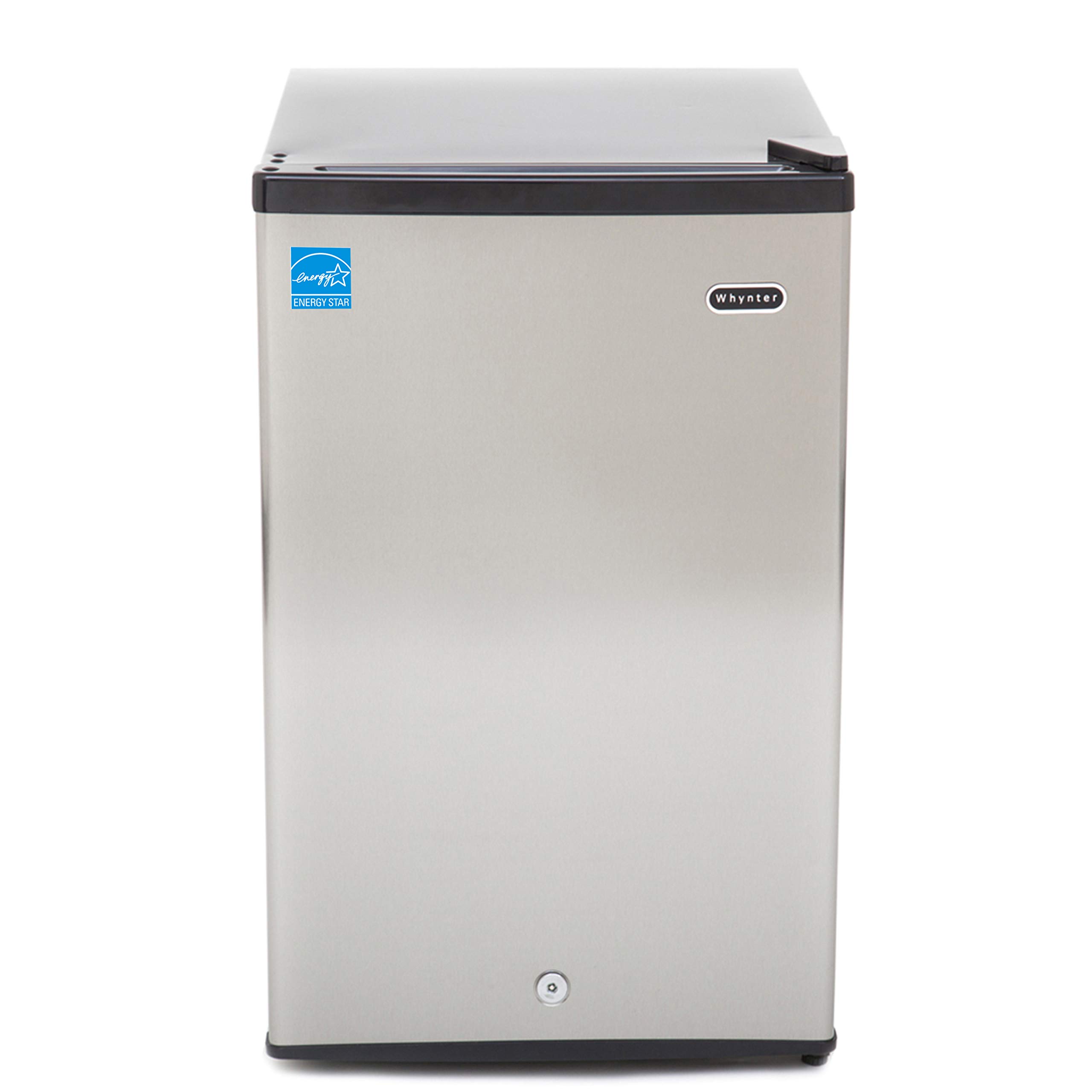
Before you start scrubbing away, let's get everything in order. Gather your supplies and take some safety steps to make sure the process goes smoothly.
What You’ll Need
To clean your garage freezer, grab these items:
Cleaning gloves
Microfiber cloths or sponges
Bucket
Warm water
Mild dish soap or an all-purpose cleaner
Baking soda (for tough stains)
Old towels or rags (for drying and defrosting)
Scrub brush (for tight spots)
Vacuum cleaner (optional, for cleaning around the freezer)
Before you can clean, you need to empty the freezer. This makes it easier to clean and prevents food from spoiling.
Taking Everything Out
Start by removing all the items from your freezer. Place the food in a cooler or another refrigerator to keep it cold while you clean. If you have a lot of frozen items, use several coolers or insulated bags. Labeling these containers can help you organize and return items efficiently.
Task
Description
Remove Food
Place food in coolers or another fridge
Organize
Label storage containers for easy return
Check Expiration Dates
Toss any expired or unwanted items
Defrosting if Needed
If your freezer has a lot of ice buildup, you’ll need to defrost it first. Unplug the freezer and leave the door open to let the ice melt naturally. Place towels or a shallow pan at the base to catch any water. You can speed up the process by placing bowls of hot water inside the freezer.
Task
Description
Unplug Freezer
Disconnect from power source
Open Door
Let ice melt naturally
Use Towels
Place towels to absorb water
Hot Water
Use bowls of hot water to speed up melting
Defrosting is crucial for effective cleaning, especially if your freezer has a thick layer of ice. This step can also improve the efficiency of your appliance once it’s back in use.
By following these steps to empty and, if needed, defrost your garage freezer, you’re ready for a thorough cleaning. For more detailed guides on cleaning different types of refrigerators and freezers, visit Fridge.com related articles on how to clean a chest freezer and how to clean a top freezer refrigerator.
Cleaning the Inside
Cleaning the inside of your garage freezer is crucial for keeping it efficient and hygienic. This involves removing shelves and drawers and wiping down all surfaces.
Taking Out Shelves and Drawers
Start by removing all shelves and drawers from the freezer. This will let you clean every nook and cranny effectively. Follow these steps:
Unplug the Freezer: Make sure the freezer is unplugged to avoid any electrical hazards.
Remove Items: Take out all the food items and store them in a cooler or another freezer.
Take Out Shelves and Drawers: Carefully remove all shelves and drawers, noting their positions for easy reassembly.
Step
Action
1
Unplug the freezer
2
Remove all food items
3
Remove shelves and drawers
Wiping Down Surfaces
With the shelves and drawers removed, you can now wipe down the inside surfaces of the freezer. Here’s how:
Prepare Cleaning Solution: Mix a mild detergent with warm water. You can also use a mix of equal parts water and vinegar for a natural cleaner.
Wipe Surfaces: Use a soft cloth or sponge to wipe down the walls, floor, and ceiling of the freezer. Pay special attention to corners and crevices where grime and frost may accumulate.
Scrub Stubborn Stains: For tough stains, use a non-abrasive scrubber. Avoid harsh chemicals or abrasive materials that could damage the freezer’s interior.
Dry Surfaces: After cleaning, use a dry cloth to wipe down the surfaces to prevent moisture buildup.
Step
Action
1
Prepare cleaning solution
2
Wipe down surfaces
3
Scrub stubborn stains
4
Dry surfaces
For more tips on cleaning various types of refrigerators and freezers, you can refer to Fridge.com articles on how to clean a chest freezer and how to clean an upright freezer.
By following these steps, you can ensure that the inside of your garage freezer is clean and ready for use. Cleaning the inside not only helps in maintaining the appliance but also ensures that your stored food stays fresh and uncontaminated.
Stubborn stains in your garage freezer can be a pain. To tackle these, you’ll need patience and the right cleaning agents. Start by making a mixture of baking soda and water. Apply this paste directly to the stains and let it sit for about 15 minutes. Use a non-abrasive scrub brush to gently scrub away the stains.
Cleaning Solution
Application Time
Effectiveness
Baking soda and water paste
15 minutes
High
Vinegar and water solution
10 minutes
Medium
Lemon juice and salt
5 minutes
Low
For more persistent stains, try a vinegar and water solution. Spray it on the stains and let it sit for about 10 minutes before scrubbing. This method works well for removing food residue and grime. For other tips on cleaning various types of refrigerators, check out Fridge.com guide on how to clean a 2-door refrigerator.
Cleaning the Door Seal
The door seal, or gasket, is crucial for keeping your garage freezer airtight. Over time, dirt and grime can build up in the crevices, affecting the seal’s performance. To clean the door seal, mix a few drops of dish soap with warm water. Dip a soft cloth into the solution and gently wipe down the gasket.
For stubborn dirt, use a soft-bristled toothbrush to scrub the crevices. Make sure the gasket is thoroughly dry before closing the freezer door to prevent mold and mildew growth. Regular cleaning of the door seal is vital for maintaining the efficiency of your freezer. If you’re interested in cleaning other types of freezers, check out Fridge.com article on how to clean a chest freezer.
By following these steps for deep cleaning, you can keep your garage freezer in top shape. For more comprehensive cleaning guides, check out Fridge.com articles on how to clean a bottom freezer refrigerator and how to clean an upright freezer.
Keeping the outside of your garage freezer clean is important for its appearance and functionality. This section will guide you through wiping down the exterior and cleaning the door handles.
Wiping Down the Outside
Start by gathering a few basic supplies: a soft cloth, mild detergent, and warm water. Mix the detergent with water to create a soapy solution. Dip the cloth into the solution, wring it out, and start wiping down the outside surfaces of your garage freezer.
Focus on removing any accumulated dust, dirt, or grime. Pay special attention to the top, sides, and back of the freezer, as these areas often collect more dust. If there are particularly stubborn spots, you may need to use a slightly dampened cloth with a bit more detergent.
Area
Cleaning Method
Top
Wipe with damp cloth
Sides
Wipe with soapy solution
Back
Wipe with damp cloth
Front
Wipe with soapy solution
After wiping down all the surfaces, use a clean, dry cloth to remove any remaining moisture. This will help prevent streaks and water spots.
Cleaning the Door Handles
Door handles can harbor germs and dirt due to frequent contact. Cleaning them regularly is crucial. Use the same soapy solution you used for the exterior. Dip a cloth into the solution, then wring it out so it’s not overly wet.
Wipe down the door handles thoroughly, making sure you reach all the nooks and crannies. If the handles have intricate designs or crevices, consider using a small brush or toothbrush to get into the tighter areas.
Once cleaned, use a dry cloth to wipe the handles, removing any excess moisture. For additional cleaning tips, you may refer to Fridge.com articles on how to clean a garage refrigerator or how to clean an upright freezer.
By following these steps, you can keep the outside of your garage freezer clean and hygienic. Regular maintenance not only keeps your appliance looking good but also contributes to its longevity. For more cleaning tips on different types of refrigerators and freezers, explore articles like how to clean a mini freezer or how to clean a chest freezer.
Putting Everything Back
After cleaning your garage freezer, it’s time to put everything back in place and organize your items efficiently. This keeps your freezer tidy and functional.
Reassembling Shelves and Drawers
Once the inside surfaces are clean and dry, start reassembling the shelves and drawers. Make sure each component is completely dry to prevent mold or mildew buildup.
Place the shelves back in their slots.
Insert the drawers, making sure they glide smoothly.
Check that all parts are securely in place and properly aligned.
Organizing Items in the Freezer
Proper organization maximizes space and helps maintain cleanliness and efficiency. Here are some tips to help you organize your freezer effectively:
Categorize Items: Group similar items together, like meats, vegetables, and pre-cooked meals.
Label Items: Use labels to mark each category or item, making it easy to find what you need.
Use Storage Bins: Utilize bins or baskets to keep smaller items contained and prevent them from getting lost.
Rotate Stock: Place older items in front so they get used first, reducing waste.
Maintain Zones: Designate specific areas for different types of food to keep everything organized.
Category
Suggested Storage Location
Meats
Bottom shelf
Vegetables
Middle shelf
Pre-cooked Meals
Top shelf
Snacks
Door compartments
For more detailed tips on maintaining a clean and organized freezer, check out Fridge.com article on how to clean a chest freezer.
By following these steps, you can keep your garage freezer clean, functional, and organized, making it easier to store and find your items when needed. For more info on cleaning other types of refrigerators and freezers, explore Fridge.com guides on how to clean a French door refrigerator and how to clean a mini freezer.
To keep your garage freezer in top condition, regular maintenance is key. Implementing a consistent cleaning schedule and adopting preventive measures can help prolong its life and ensure it operates efficiently.
Regular Cleaning Schedule
A regular cleaning schedule helps prevent grime, mold, and unpleasant odors. Aim to clean your garage freezer at least once every three to four months. This frequency can vary based on how much you use it and the environment it’s in.
Cleaning Task
Frequency
Wipe down exterior
Weekly
Clean door handles
Weekly
Defrost (if needed)
Every 3-6 months
Deep clean interior
Every 3-4 months
Clean door gasket
Every 3-4 months
Regular cleaning keeps your freezer looking good and ensures it operates efficiently. For more detailed guidance on cleaning different types of freezers, check out Fridge.com articles on how to clean a chest freezer and how to clean an upright freezer.
Preventive Measures
Preventive measures can reduce the need for frequent deep cleaning and help maintain your garage freezer’s efficiency. Here are some tips:
Use Airtight Containers: Store food in airtight containers to prevent spills and reduce odors.
Check Door Seals: Regularly inspect the door gasket for signs of wear and tear. A damaged gasket can lead to cold air leaks and increased energy use.
Avoid Overloading: Don’t overfill your freezer. Proper airflow is essential for maintaining the right temperature.
Label Food Items: Clearly label and date food items to ensure they’re used before they spoil. This reduces waste and keeps your freezer organized.
Regular Inspections: Periodically check for any signs of frost buildup, unusual noises, or temperature fluctuations. Early detection of issues can prevent bigger problems down the line.
By adopting these preventive measures, you can keep your garage freezer running smoothly and minimize the need for extensive cleaning sessions. For more specific tips on maintaining different types of freezers and refrigerators, explore Fridge.com related articles like how to clean a garage refrigerator and how to clean a compact freezer.
Compare freezer prices on Fridge.com
Compare current prices and specifications on Fridge.com, then buy from the retailer you choose; delivery, installation and warranty terms are the retailer’s.
It also has tons of awesome articles about kitchen stuff and home news. Enhance your home, garage, backyard, patio, and office with the coolest essentials. With every necessary type of residential refrigerator or freezer in the collection, you're covered.
Free tool
Food Storage Calculator
Free interactive tool from Fridge.com — get a quick answer while you read.