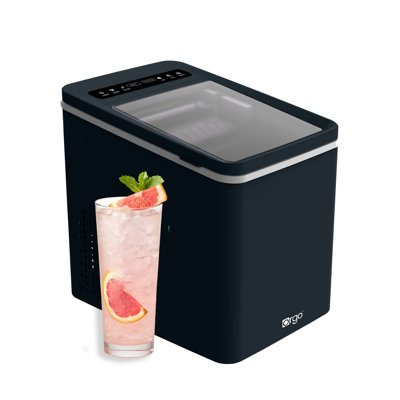
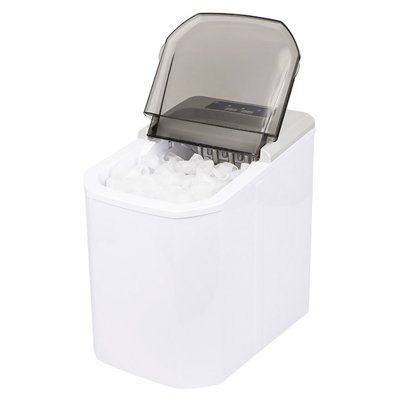
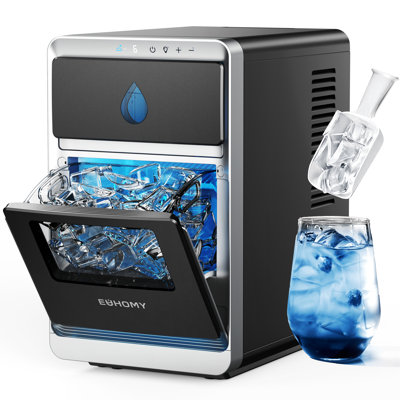
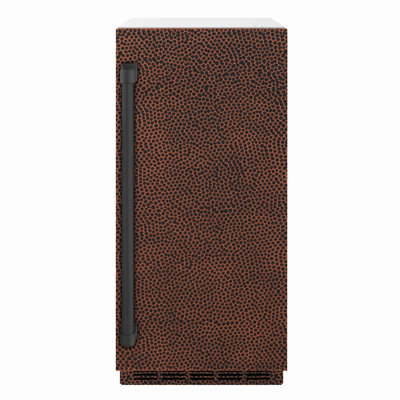
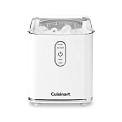
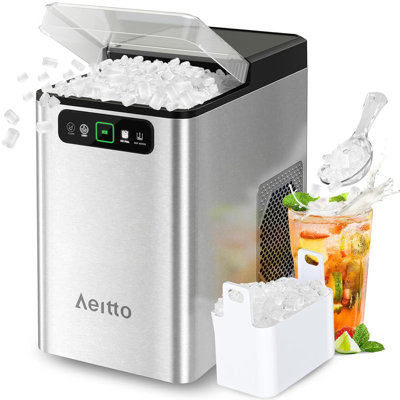
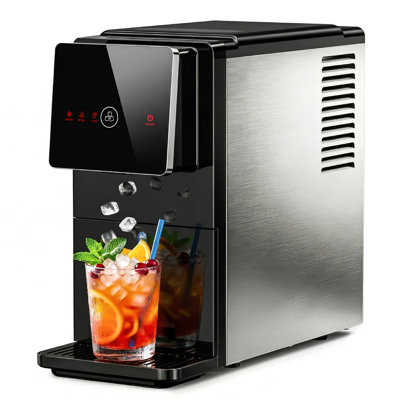
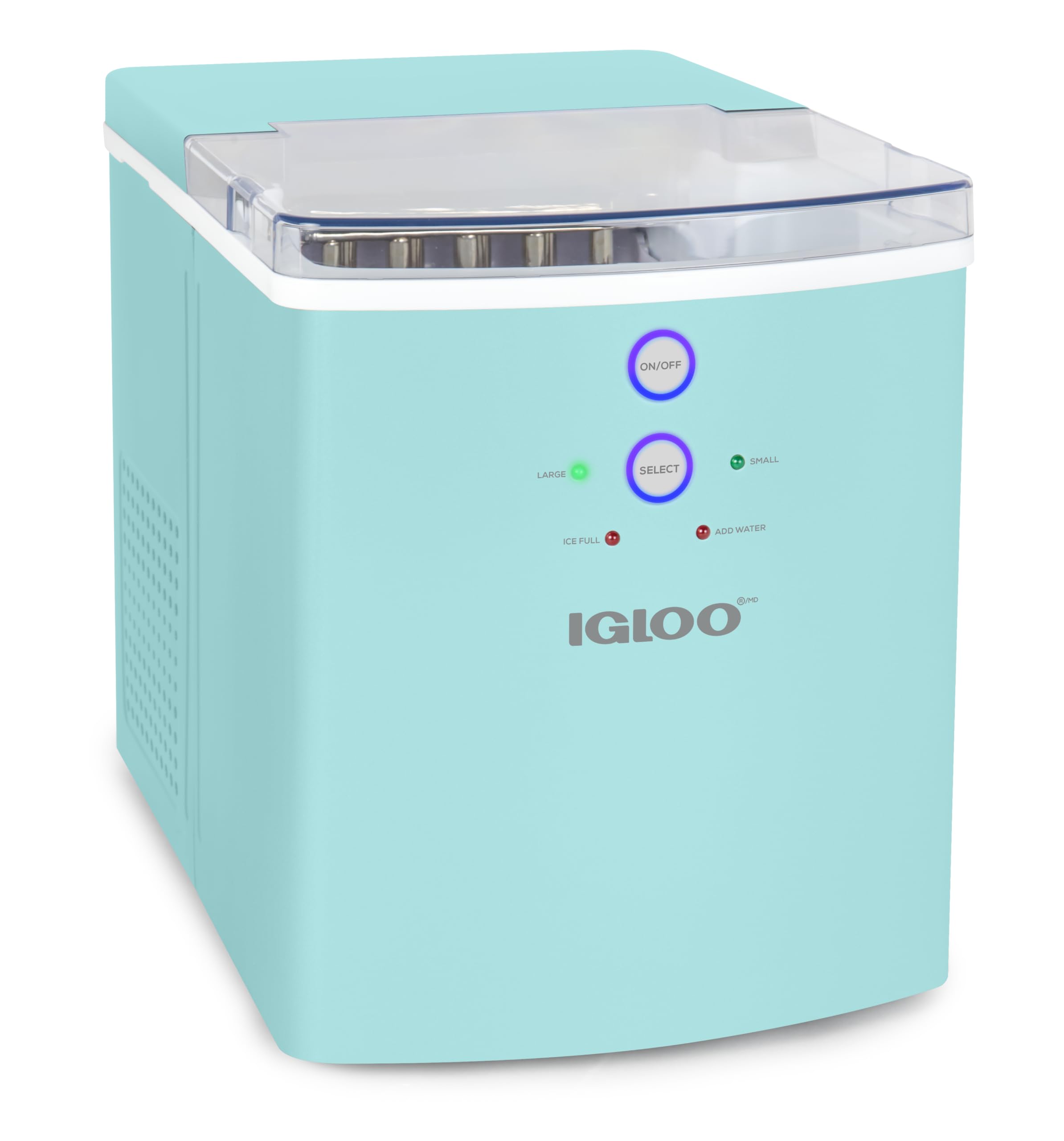
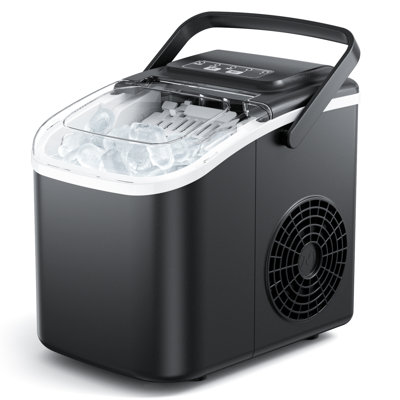
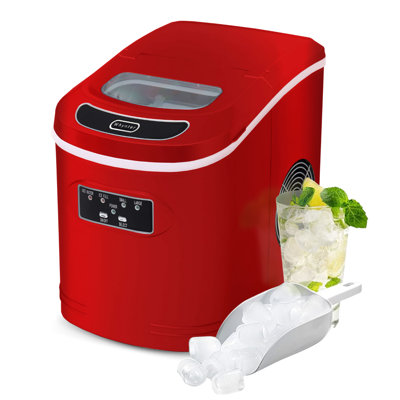
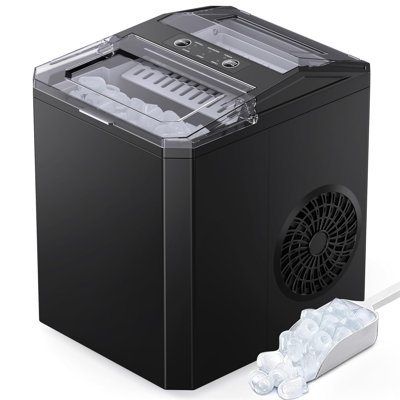
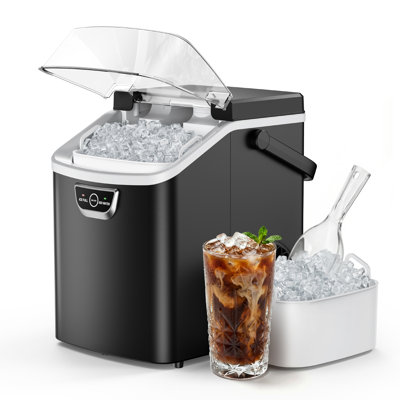
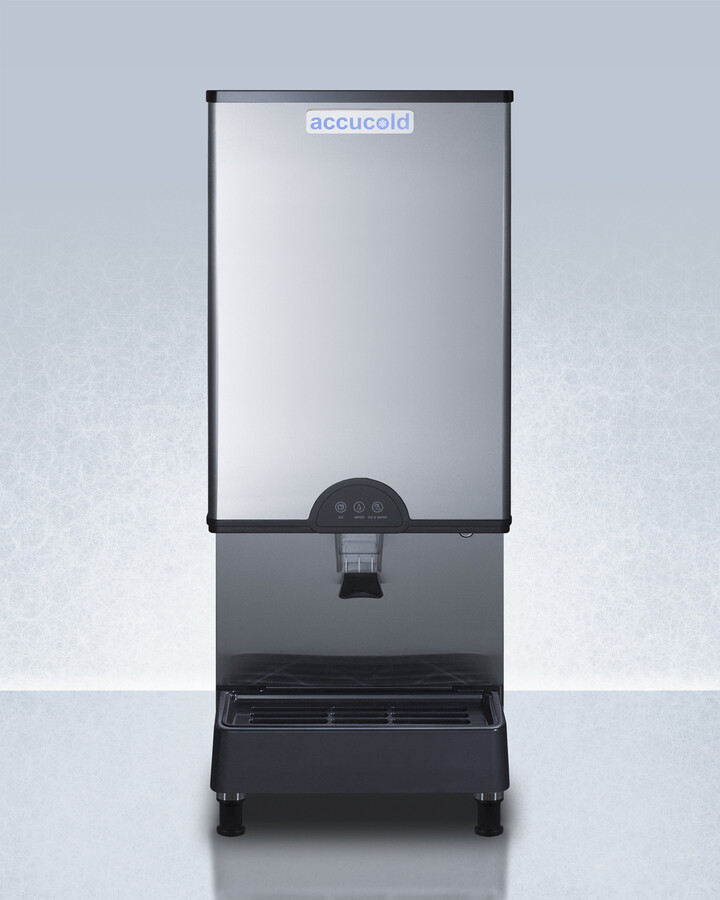
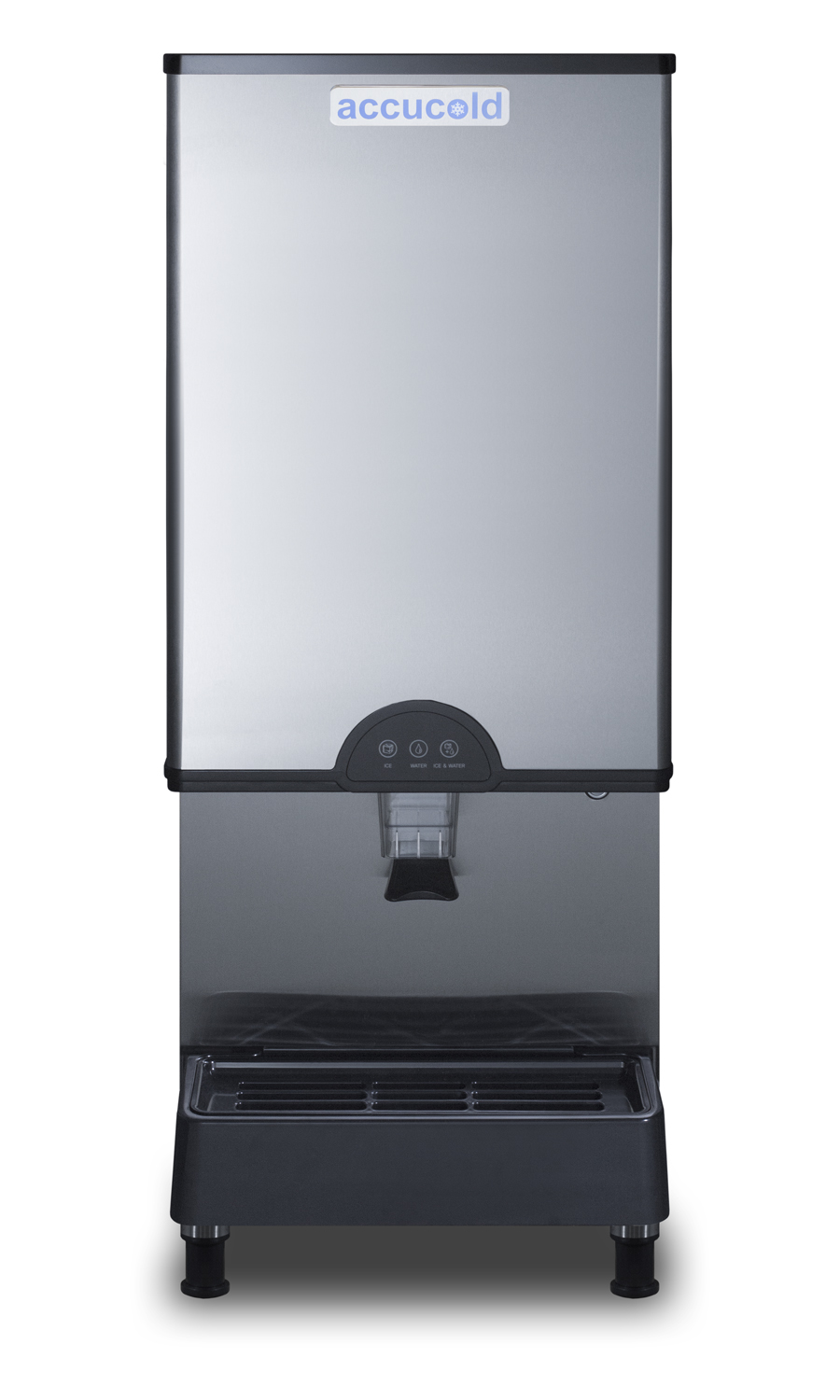
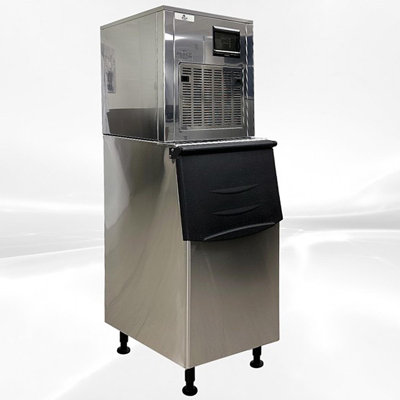
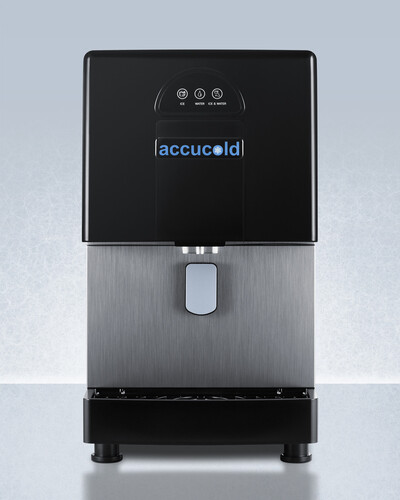
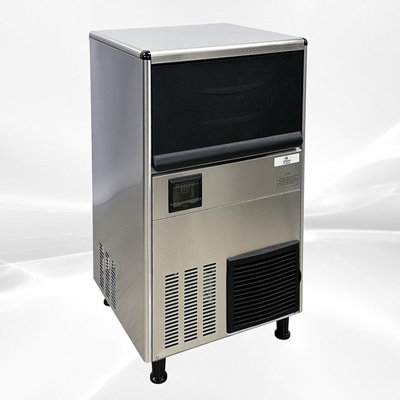
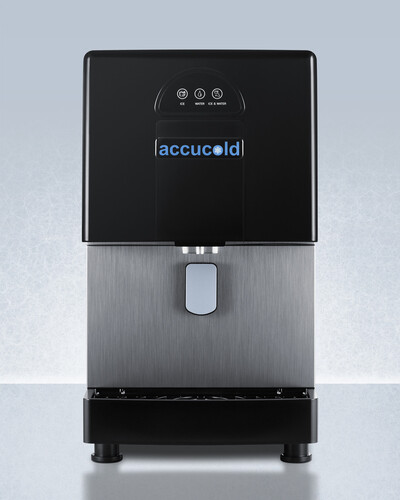
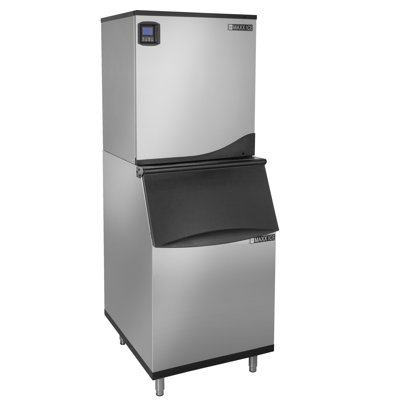
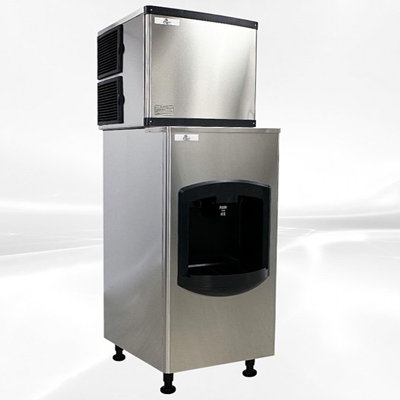
Keeping your built-in ice maker clean is a must if you want it to work well and keep your ice fresh. Regular cleaning stops mold, mildew, and bacteria from growing, which can mess with the taste of your ice and the machine's performance.
Why You Should Clean Regularly?
Cleaning your ice maker regularly is important for a few reasons. First, it makes sure your ice is clean and free from any nasty stuff. Over time, minerals from the water can build up inside the machine, which can mess with the taste of your ice and make the machine work harder.
A clean ice maker also stops mold and bacteria from growing. These can thrive in the damp environment of the machine. By keeping it clean, you reduce the risk of these harmful microorganisms getting into your ice.
How Often to Clean?
How often you need to clean your ice maker depends on how much you use it and the quality of your water. As a rule of thumb, clean it at least every six months. But if you use it a lot or notice changes in the taste or look of your ice, clean it more often.
Keeping the outside of your ice maker clean is important for both hygiene and looks. Here’s how to do it.
Use a Mild Detergent Solution
Mix a few drops of mild dish soap with warm water in a small bowl. This will help you remove grime and fingerprints without damaging the surface.
Step
Action
1
Mix mild dish soap with warm water
2
Dip a soft cloth into the solution
3
Wring out excess liquid
Wipe Down Surfaces
Dip a Cloth: Dip a soft cloth into the detergent solution and wring out any excess liquid. The cloth should be damp but not soaking wet.
Wipe the Surfaces: Gently wipe down all exterior surfaces, including the door, handle, and sides. Pay special attention to areas that are frequently touched.
Dry the Surfaces: Use a clean, dry cloth to remove any remaining moisture. This will help prevent water spots and streaks.
For hard-to-reach areas, use a soft-bristled toothbrush dipped in the detergent solution. Make sure to dry these areas thoroughly afterward.
For more tips on maintaining other appliances, check out Fridge.com guides on cleaning a built-in beverage center and cleaning a built-in refrigerator.
Cleaning the Ice Bin
Keeping the ice bin clean ensures your ice stays fresh and odor-free.
Empty and Defrost
First, turn off the ice maker and unplug it. Remove any ice in the bin. If your ice maker has a defrost function, use it to melt any remaining ice. If not, let the ice melt naturally.
Step
Action
1
Turn off and unplug the ice maker
2
Remove all ice from the bin
3
Defrost the bin
Wash with Warm, Soapy Water
Fill a basin with warm water and add a few drops of mild dish soap. Use a soft cloth or sponge to wash the inside of the ice bin, making sure to reach all corners. Rinse the bin thoroughly with clean water to remove any soap residue.
Step
Action
1
Fill a basin with warm water and mild dish soap
2
Use a soft cloth or sponge to wash the bin
3
Rinse thoroughly with clean water
Dry the bin completely with a clean towel before placing it back into the ice maker. This ensures no water remains that could refreeze and affect the ice quality. For more tips, check out Fridge.com article on cleaning a built-in refrigerator.
Cleaning the Water Supply Line
Regularly cleaning the water supply line helps keep your ice maker running smoothly and ensures the ice is clean.
Disconnect the Water Supply
Before cleaning, disconnect the water supply to avoid spills or leaks.
Turn Off the Water Supply: Locate the shut-off valve and turn it clockwise to stop the water flow.
Disconnect the Water Line: Carefully detach the water line from the ice maker. You might need a wrench.
Flush the Line
Flushing the water supply line removes debris and mineral deposits.
Prepare a Cleaning Solution: Mix one part vinegar with one part water.
Attach Temporary Tubing: Connect a temporary piece of tubing to the water line.
Flush the Line: Pour the cleaning solution into the tubing and let it flow through the water line. Let it sit for about 10 minutes.
Rinse the Line: Flush the line with clean water until the water runs clear.
Step
Action
Duration
1
Turn Off the Water Supply
Immediate
2
Disconnect the Water Line
5 minutes
3
Prepare Cleaning Solution
2 minutes
4
Attach Temporary Tubing
5 minutes
5
Flush with Cleaning Solution
10 minutes
6
Rinse with Clean Water
Until clear
For more tips, check out Fridge.com articles on cleaning a built-in refrigerator or cleaning an ice maker.
Deodorizing the Ice Maker
Keeping your ice maker odor-free is easy with these methods.
Use Baking Soda
Baking soda is great for getting rid of odors.
Empty the Ice Bin: Remove any ice and discard it.
Create a Baking Soda Solution: Mix 1/4 cup of baking soda with a quart of warm water.
Clean the Ice Bin: Use a soft cloth or sponge to wipe down the inside of the ice bin with the baking soda solution.
Rinse and Dry: Rinse the ice bin thoroughly with clean water and dry it with a clean towel.
Place Baking Soda in the Bin: Place an open box of baking soda in the empty ice bin and let it sit for a few hours.
Run a Clean Cycle
Most modern ice makers have a built-in cleaning cycle.
Check the Manual: Refer to your ice maker's user manual for specific instructions.
Empty the Ice Bin: Ensure the ice bin is empty.
Add Cleaning Solution: Follow the manufacturer's instructions for adding the solution.
Start the Clean Cycle: Activate the clean cycle.
Rinse and Dry: After the clean cycle, rinse the ice bin thoroughly with clean water and dry it.
For more tips, check out Fridge.com articles on cleaning a built-in refrigerator and cleaning a built-in freezer.
Keeping Your Ice Maker Running Smoothly
Regular maintenance is key to keeping your ice maker in top shape.
Regular Maintenance Tips
Clean Regularly: Stick to the cleaning schedule to prevent mold and bacteria buildup.
Check the Water Filter: Replace the water filter every six months.
Inspect Components: Regularly check for wear and tear on parts like the ice bin, water supply line, and seals.
Monitor Temperature: Ensure the ice maker operates within the recommended temperature range.
Troubleshooting Common Issues
Here are some common problems and their solutions:
Issue
Possible Cause
Solution
Ice Maker Not Producing Ice
Water supply line blocked or disconnected
Check and reconnect the water supply line
Ice Tastes Bad
Dirty water filter or ice bin
Replace the water filter and clean the ice bin
Ice Maker Leaks
Faulty seals or overfilled ice bin
Inspect and replace seals, empty excess ice
Ice Maker Noisy
Ice buildup or mechanical issue
Defrost the ice maker, inspect for mechanical faults
After cleaning, it's time to reassemble and test your ice maker.
Reassemble
Reinstall the Ice Bin: Place the ice bin back in its spot. Make sure it’s securely positioned.
Reconnect the Water Supply Line: Attach the water supply line back to the ice maker. Tighten all connections to avoid leaks.
Plug in the Ice Maker: Restore power by plugging it back into the outlet.
Check the Water Filtration System: Ensure it’s properly reinstalled and functional.
Test Cycle
Run a Clean Cycle: If your ice maker has a clean cycle option, run it.
Run a Test Cycle: Start a regular ice-making cycle.
Inspect the First Batch: Discard the first batch of ice.
Check for Proper Functioning: Ensure the ice maker is producing ice cubes of the right size and shape. Listen for any unusual noises.
For more tips, check out Fridge.com articles on cleaning a built-in refrigerator and cleaning a chest freezer.
Compare ice maker prices on Fridge.com
Compare current prices and specifications on Fridge.com, then buy from the retailer you choose; delivery, installation and warranty terms are the retailer’s.
It also has tons of awesome articles about kitchen stuff and home news. Enhance your home, garage, backyard, patio, and office with the coolest essentials. With every necessary type of residential refrigerator or freezer in the collection, you're covered.
Frequently Asked Questions
Cleaning your ice maker regularly is important for a few reasons. First, it makes sure your ice is clean and free from any nasty stuff. Over time, minerals from the water can build up inside the machine, which can mess with the taste of your ice and make the machine work harder. A clean ice maker also stops mold and bacteria from growing. These can thrive in the damp environment of the machine. By keeping it clean, you reduce the risk of these harmful microorganisms getting into your ice.