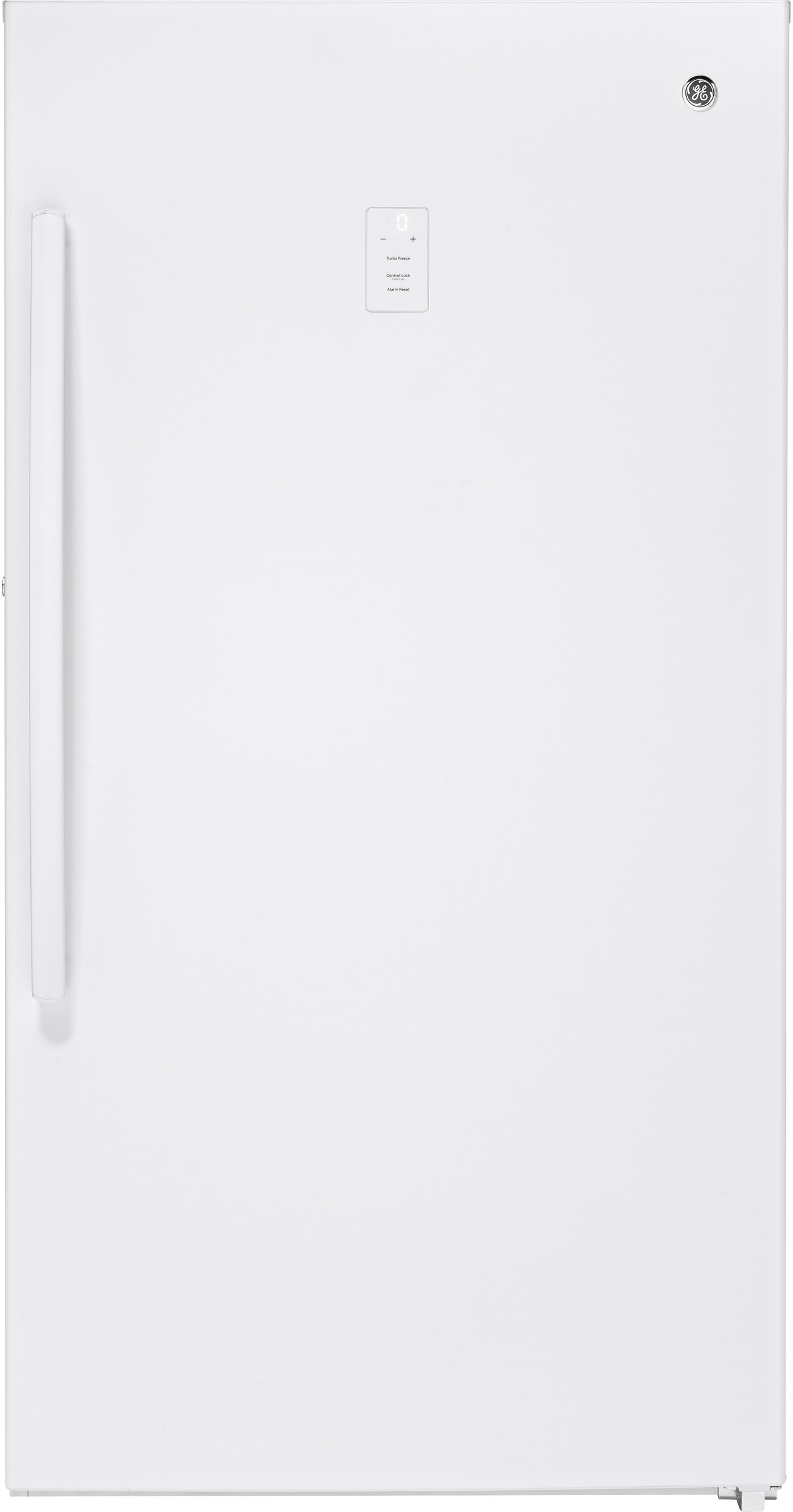
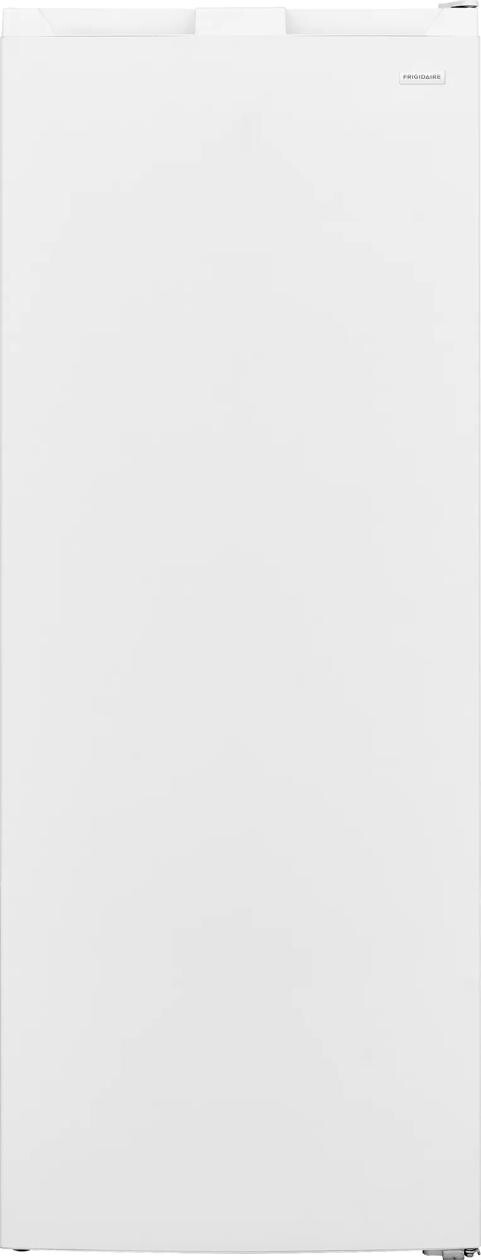
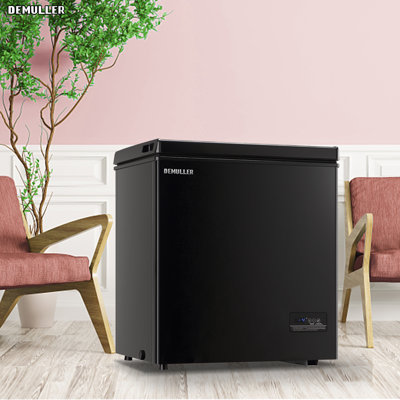
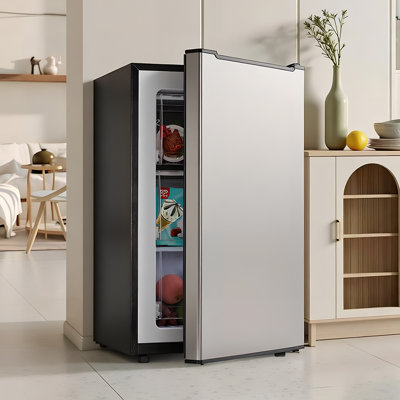
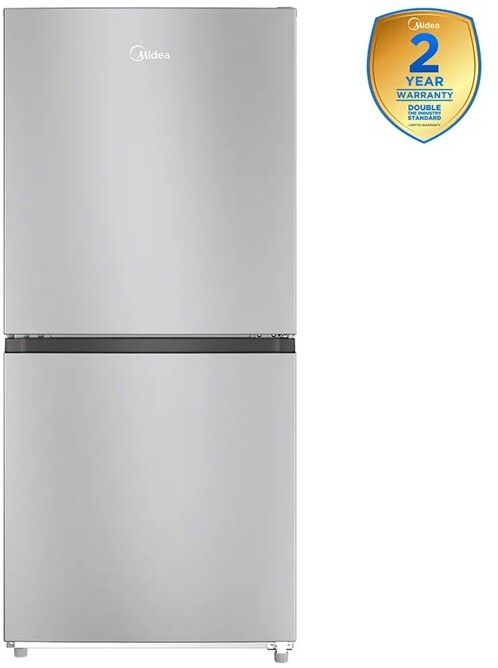
So, I'm thinking about buying a quarter cow. But then it hits me—do I have enough freezer space to stash all that meat? It's not exactly like my usual grocery haul; we’re talking about a cow here! Planning and organizing become top dogs when dealing with that much beef. Luckily, home freezers are heroes in the world of bulk buys, especially when I'm going all-in with a 1/4 cow.
Importance of Proper Freezer Space
Got to have the right amount of freezer space—not just to toss the meat in, but to keep it fresh and tasty. If my freezer turns into a meat Tetris game, I might risk uneven cooling and that's risky business when it comes to food safety. Knowing exactly how much space is key to squeezing my quarter cow in without cramming. It's like stacking the odds in my favor to savor high-quality meat, sans the spoilage concerns. And not to mention, the sweet savings I’ll rake in.
Figuring out the freezer space isn't too tricky, though. It's all about weighing the meat and plotting out room in the freezer. A quarter cow usually boils down to the beef’s weight and my stacking skills.
Typology
Approximate Weight
Freezer Space Needed
1/4 Cow
100-150 lbs
4-6 cubic feet
This table gives me the lowdown on space needs, guiding me toward the right freezer fit. And if I need a lil' help keeping my freezer tidy and efficient, I can scope out those handy articles on organizing freezer contents and freezer accessories.
When I chat about getting a quarter of a cow, I'm talking roughly 100 to 150 pounds of meat. Of course, this might jiggle a bit depending on the cow's breed and age. Remember, not every ounce is prime steak; bones and fat cozy up in that weight too. Here's a nifty table showing what cuts to expect if you're looking to fill your grill:
Cut
Approximate Weight (lbs)
Ground Beef
25 - 30
Roasts (Chuck, Round)
25 - 30
Steaks (Ribeye, T-Bone)
15 - 25
Short Ribs
10 - 15
Brisket
10 - 15
This gives a good snapshot of what you're signing up for when the butcher blocks are handed over.
Approximate Freezer Space Needed
Now, onto the puzzle: how much freezer space are we talking? For a quarter cow, about 1.5 to 2 cubic feet should do the trick. But, just how you pack that meaty goodness can shake things up a bit. Here's the scoop on freezer real estate depending on packaging:
Packaging Type
Approximate Space Required (cu ft)
Vacuum Sealed Bags
1.5 - 2
Styrofoam Trays
2 - 2.5
Butcher Paper Wrapped
1.5 - 2
When I'm fixing to stash away my cow cuts, I make sure my freezer's offerings don't turn into a chaotic game of Tetris. Organizing smartly keeps everything from getting frosted over. You might want to peek at some freezer accessories for extra help storing your loot efficiently.
When I'm getting ready to stash away a 1/4 cow, first thing I gotta do is figure out how much room my freezer's got. Knowing exactly where my frozen real estate stands is key to a smooth meat storage rodeo.
Assessing Current Freezer Space
Kicking things off, I’ll do a quick check of my freezer's lodging space. An easy way to start is measuring the inside dimensions and seeing how much of it is hogged up. Here's a little cheat sheet I use:
Freezer Type
Average Dimensions (inches)
Approximate Volume (cubic feet)
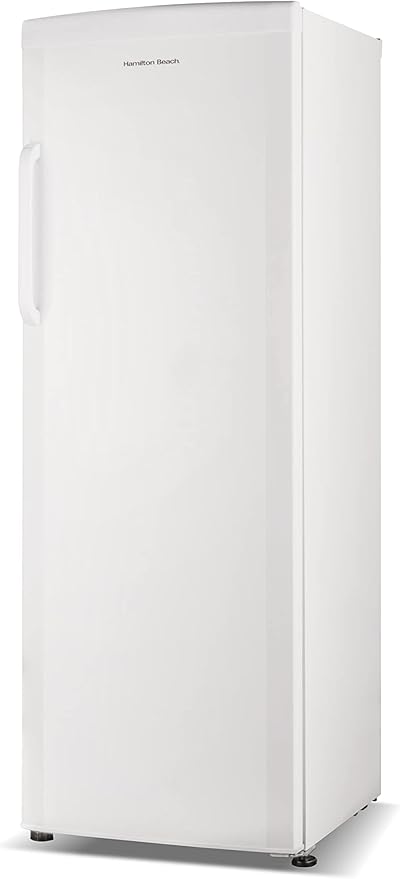
Small Upright Freezer
24 x 60
5 - 7
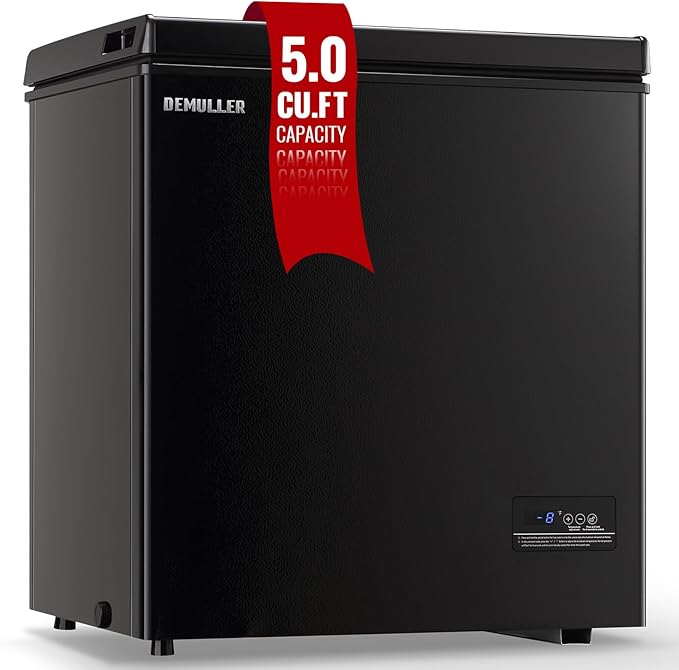
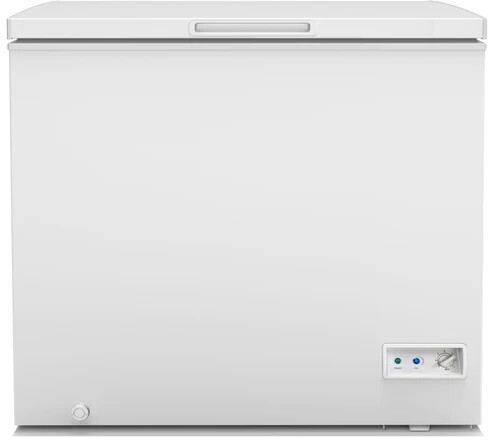
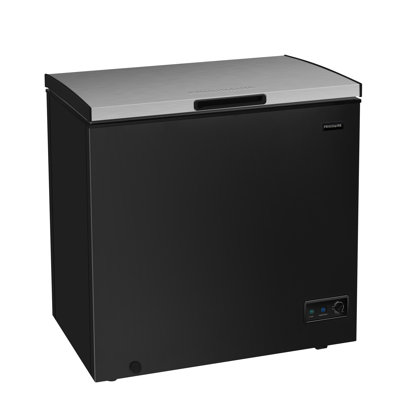
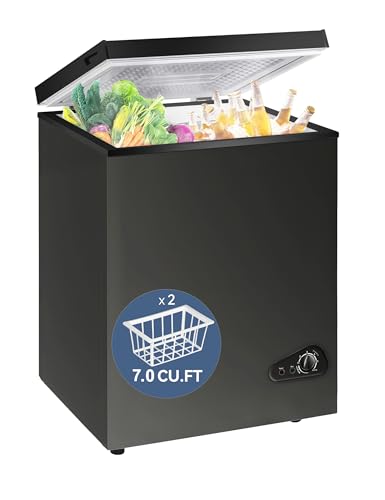
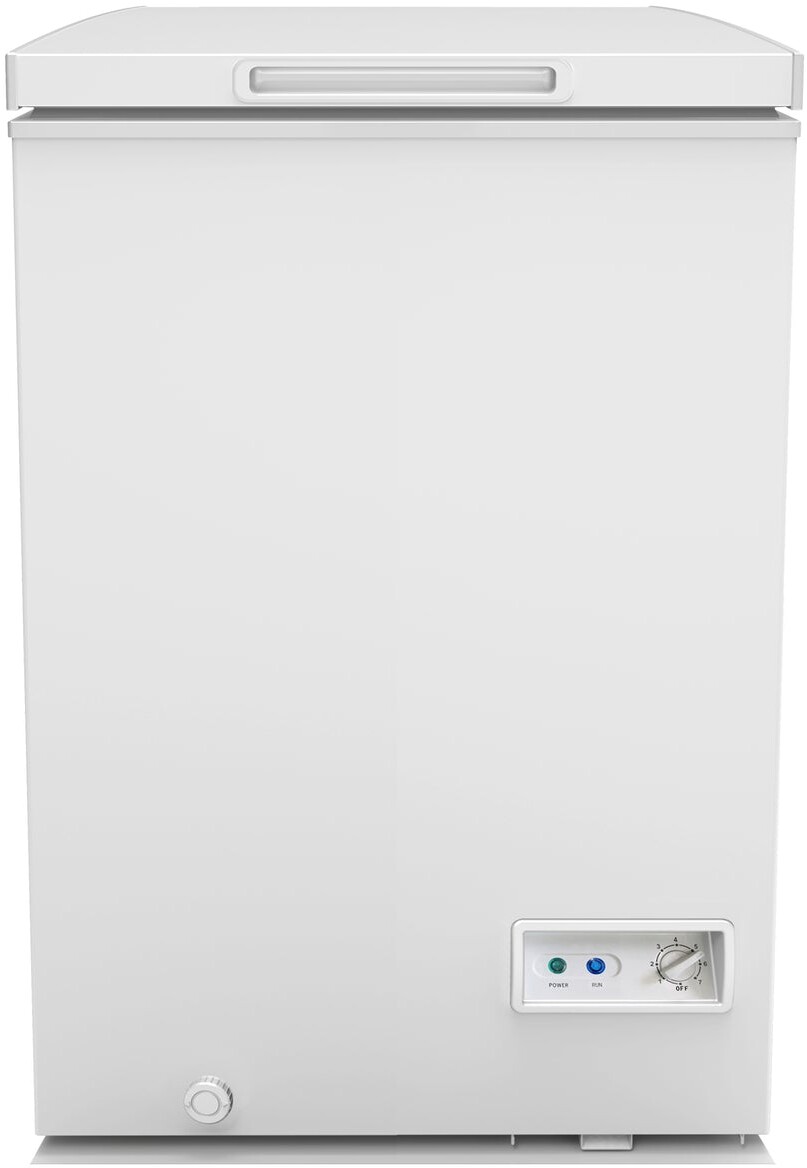
Standard Chest Freezer
36 x 24 x 30
7 - 15
Large Upright Freezer
30 x 70
15 - 20
These numbers help me eyeball how much space I can dedicate to that meaty goodness. Keeping a freezer inventory sheet helps too. It's like your GPS in the freezer world—tells me what's in there and helps me clear space smartly. If you wanna get more tips on keeping things orderly, swing by Fridge.com piece on organizing freezer contents.
Making Room for a 1/4 Cow
Once I've scoped out the space, I gotta make sure there's enough turf for 1/4 cow's worth of meat. Usually, you're looking at around 3 to 4 cubic feet, depending on your cut selection. Here's a neat little breakdown:
Meat Type (Approximate Weight)
Space Needed (cubic feet)
Steaks (20 lbs)
1 - 1.5
Roasts (20 lbs)
1 - 1.5
Ground Beef (10 lbs)
0.5
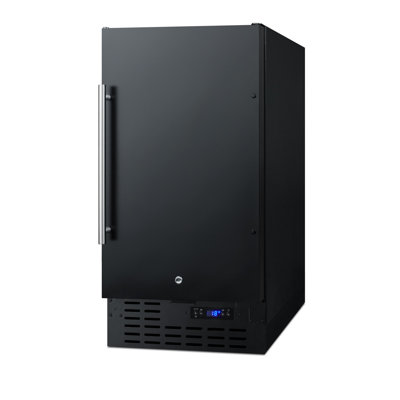
To clear some space, I'll figure out what to boot first from my freezer. Maybe something I haven’t touched in a month of Sundays, or stuff that can chill elsewhere. If my space falls short, might be time to think about snagging a small mini freezer or a mini freezer chest for backup.
Sizing up my freezer capacity and smart packing means I can tuck away all that meat cozy and safe. No sweat, no mess, ready when I am.
Going all in with that 1/4 cow means I've got my work cut out—literally. Planning out how to squeeze all that tasty meat into my freezer not only saves me hassle, it also keeps everything chilly and good to go.
Properly Packing and Storing Meat
When stashing meat in the freezer, ya gotta pack it right. I rely on trusty vacuum-sealed bags or those tough freezer bags to keep air from sneaking in and giving my meat the dreaded freezer burn. Slapping a label on each package with the meat type and freeze date keeps me in the know about what’s still fresh and tasty.
Here's my go-to packing cheat sheet:
Meat Cut
Best Way to Pack
Steaks
Vacuum-sealed or strong freezer bags
Roasts
Wrapped in butcher paper, then foil
Ground Meat
Vacuum-sealed or sealed in thick bags
Bones/Fat
Stored in bags or containers that freeze well
Maximizing Freezer Space Efficiency
I'm all about squeezing every inch of freezer space. Stacking stuff flat usually does the trick, so I don’t have to go on a treasure hunt every time I'm looking for a steak. Bins or baskets are lifesavers for corralling similar stuff and keeping things neat.
Here's how I make the most of that icy real estate:
Think vertical: Got shelves? Stack according to height, popping the shorter stuff up front.
Fill gaps: Any spare space can be stuffed with smaller items like veggie bags or even a few ice packs.
Skip the overflow: Sure, cramming in more sounds good, but too much can mess with air circulation. Gotta keep that air flowin' for proper freezing.
If you're curious about more sneaky tricks to keep your freezer organized, peek at Fridge.com article on organizing freezer contents. Keeping it all tidy means less time hunting for dinner and more time enjoying meals with the folks you love.
Managing Inventory and Rotation
Juggling different cuts of meat in the freezer is key for smart meal planning and reducing waste. Efficient inventory control lets me make the most of my freezer—especially when I've just picked up a hefty chunk of cow.
Keeping Track of Meat Cuts
I like to keep a down-to-earth list of the meat cuts chilling in my freezer. This way, I've got an instant snapshot of what needs to be cooked pronto and what's hanging around for future dinners. Here's a sneak peek at how I organize the goods:
Cut of Meat
Quantity
Date Stored
Ground Beef
5 lbs
Jan 15, 2023
Ribeye Steaks
2 lbs
Jan 20, 2023
Sirloin Steaks
3 lbs
Jan 22, 2023
Chuck Roast
4 lbs
Jan 25, 2023
Just a simple rundown that helps me keep my freezer biz neat and ensures I use what I've got wisely.
Rotation Practices for Maximum Freshness
When it comes to fresh meat, rotation is my secret sauce. Sticking to the "first in, first out" rule means I'm always cooking the oldest cuts first, keeping everything top-notch.
To nail this practice, I slap a date on each meat package when it hits the freezer. And I nudge the older meats towards the front for quick grabs. For more freezer tips, you can swing by organizing freezer contents.
With these strategies in the bag, I make the most of my beef stash. Nothing's left to frostbitten fate, and every meal I whip up is a treat my family and friends gladly gobble up.
When I stash away my meat, especially after snagging a quarter of a cow, I'm all about keeping things top-notch and safe in my kitchen. This means I'm on top of how I thaw it out and make sure my freezer's doing its job.
Proper Thawing Procedures
Getting that thawing right is the difference between a great dinner and… not. I stick to tried-and-true methods to keep those germs at bay. Here’s how I like to thaw my meat:
Method
What It Involves
Time Needed
Fridge
Letting it chill in the refrigerator. Keeps drips contained on a dish.
24 hours for each 5 lbs
Cold Water
Dunk it in cold water and switch out the water every 30 minutes.
An hour per pound
Microwave
Hit the defrost button, but cook right after as it may heat unevenly.
Depends on the size
I'm a big fan of the fridge method since it keeps everything nice and cool until it's cooking time. No rush, just fresh when I'm ready.
Maintaining Optimal Freezer Conditions
To make sure my meat doesn't go south, I keep a close eye on my freezer's vibe. Ideally, I'm setting the temperature at a wintry 0°F (-18°C) or below. It keeps things tasty for the long haul.
Here's my checklist for freezer upkeep:
What to Check
Ideal Setting
Temperature
0°F (-18°C) or colder
Humidity
Low, so freezer burn doesn't crash the party
Organization
Use freezer bins and labels for easy digging
I’m always sticking a thermometer in there to see that it's all chill—literally. If things start heating up, I take a closer look at my freezer accessories.
Keeping things organized isn't just a neat freak thing; it saves me from unplanned trips to the trash. I get tips from organizing freezer contents to help me stay on top of it. With these routines, I savor every bite of quality meat while keeping my crew healthy and happy.
Free tool
Food Storage Calculator
Free interactive tool from Fridge.com — get a quick answer while you read.