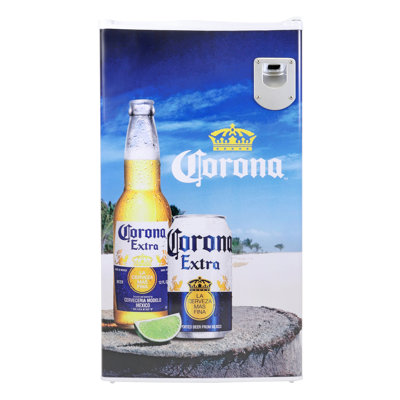
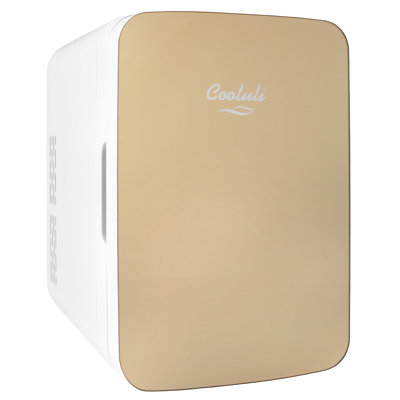
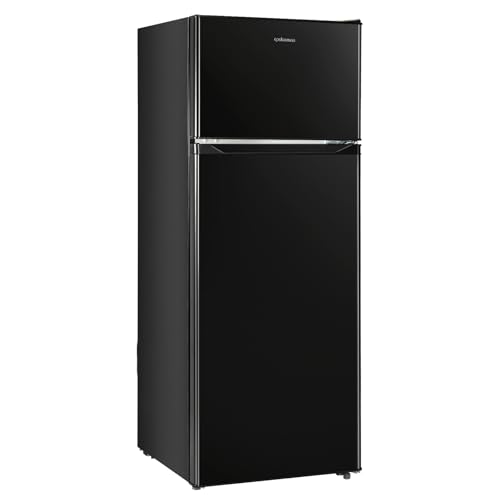
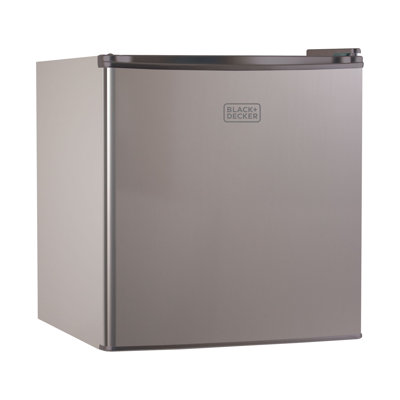
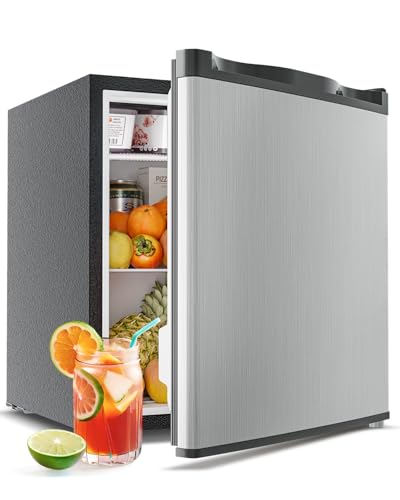
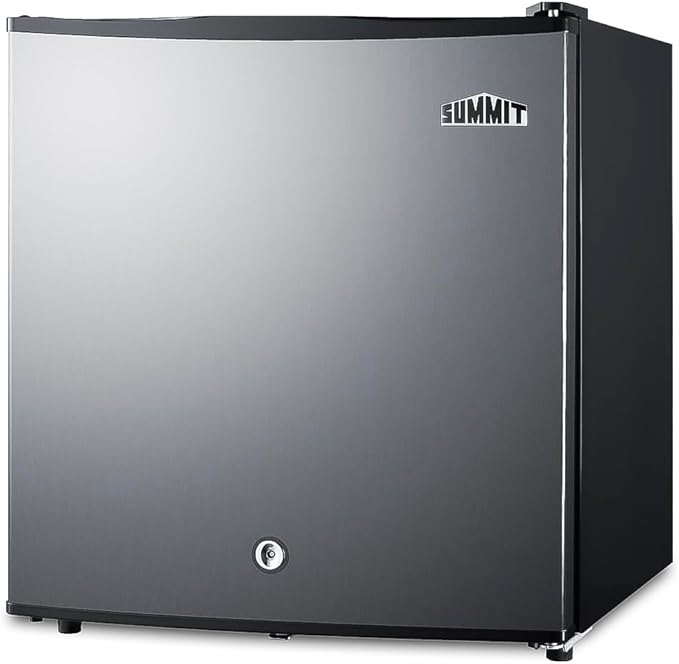
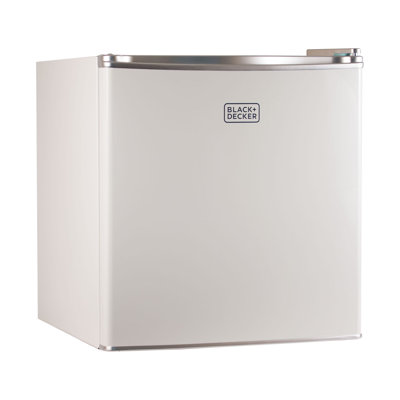
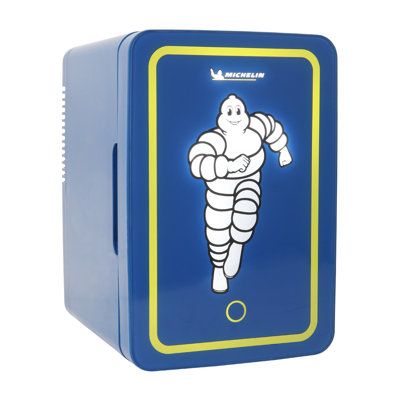
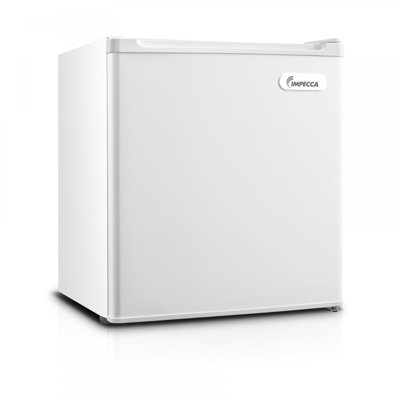
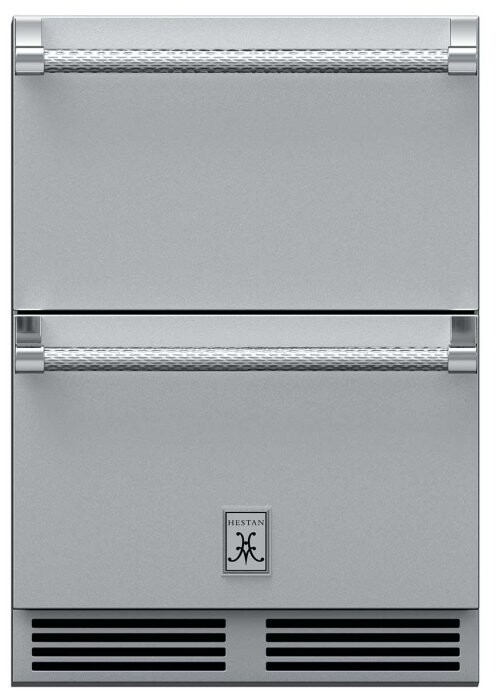
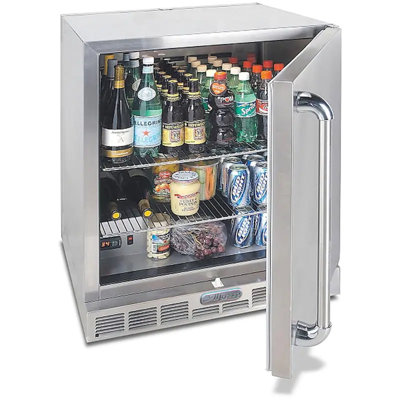
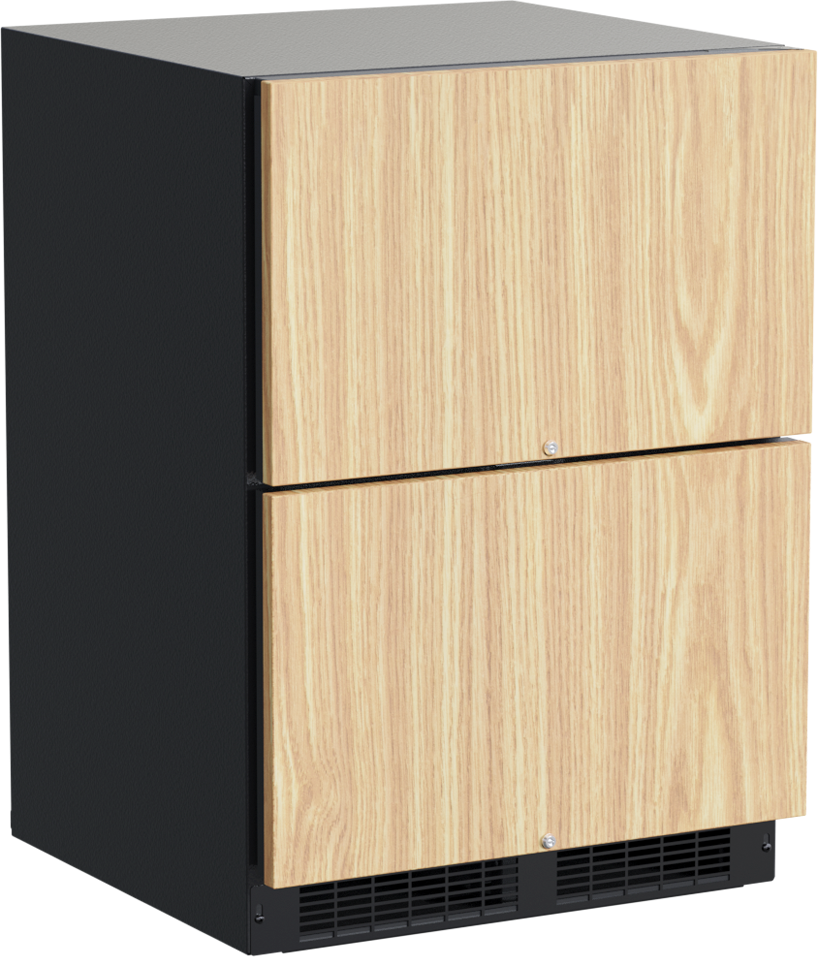
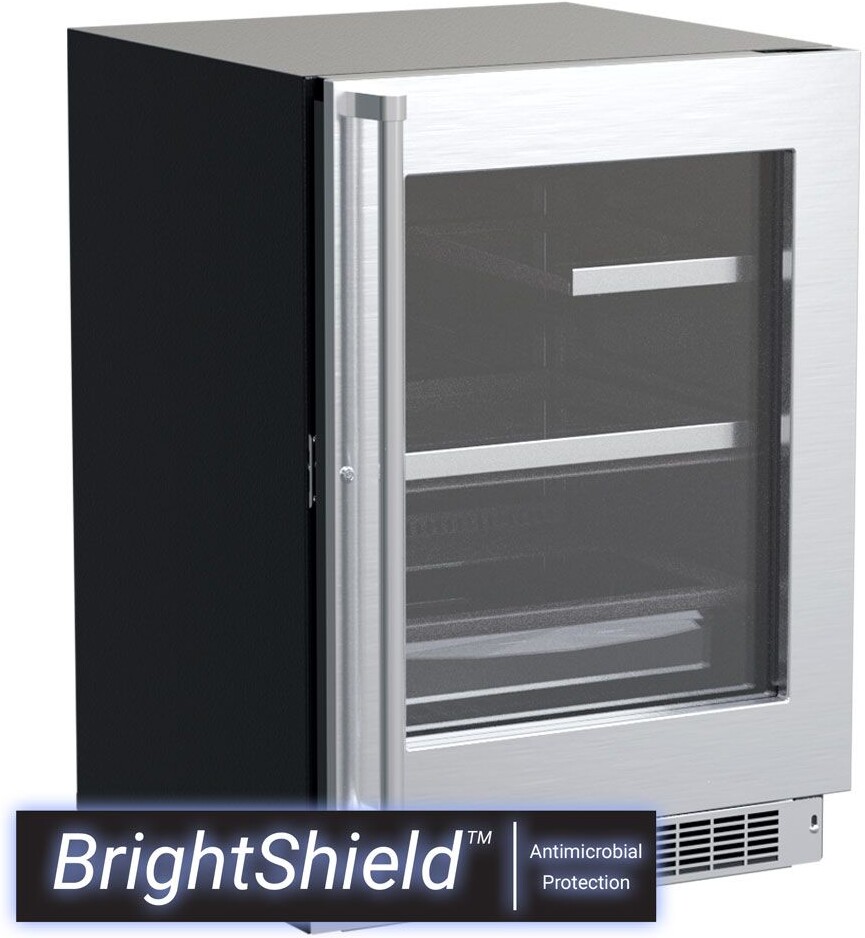
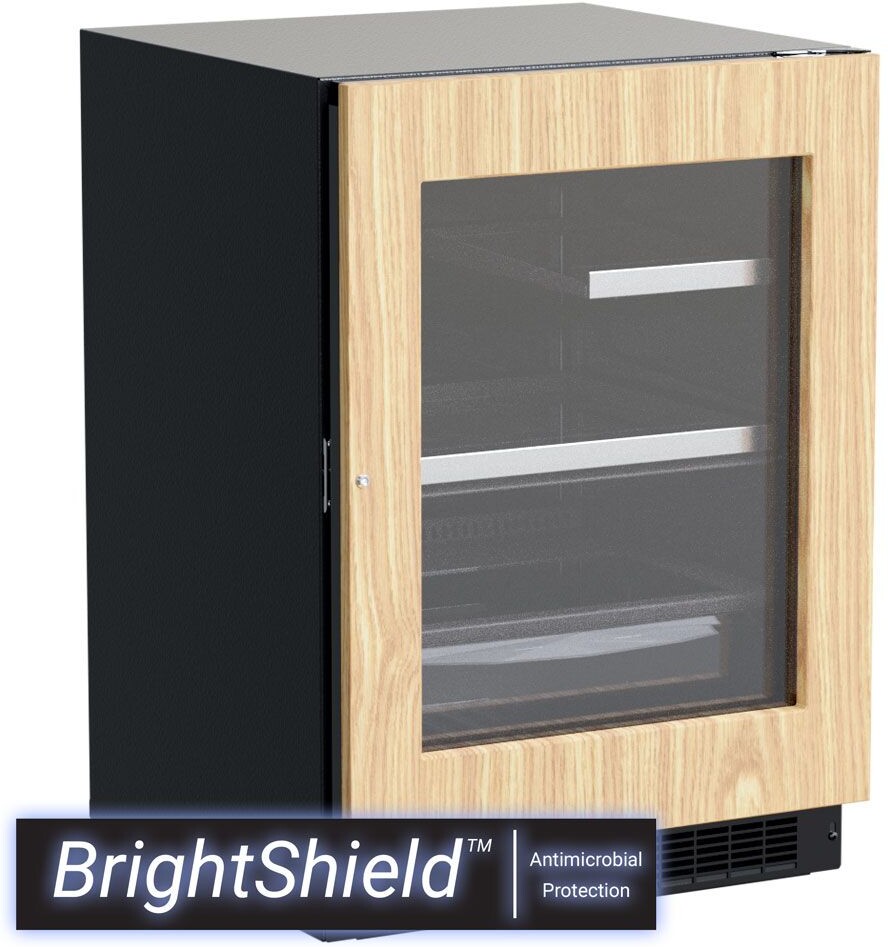
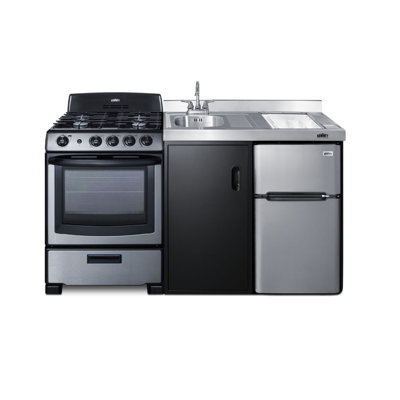
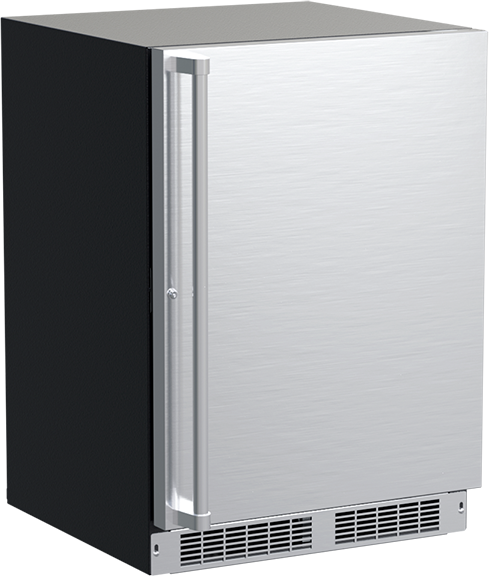
With varying sizes, typically ranging from 1.7 to 4.5 cubic feet, they are a convenient solution for keeping your favorite drinks chilled in areas where space is at a premium.
A compact refrigerator holds roughly 40 to 60 twelve-ounce cans at 1.7 to 2.7 cubic feet, and about 80 to 150 cans in the 3.0 to 4.5 cubic foot range, depending on shelf layout and how you pack them.
Designed to fit into tight spaces, these appliances are ideal for storing beverages, snacks, and other essentials without the bulk of a full-sized fridge.
A compact refrigerator holds roughly 40 to 60 twelve-ounce cans at 1.7 to 2.7 cubic feet, and about 80 to 150 cans in the 3.0 to 4.5 cubic foot range, depending on shelf layout and how you pack them. Removing or rearranging shelves and standing cans in neat rows lets you fit noticeably more. Hosting and need more chilled space? Explore our range of refrigerators.
The Compact Refrigerator: A Space-Saving Solution
What is a Compact Refrigerator?
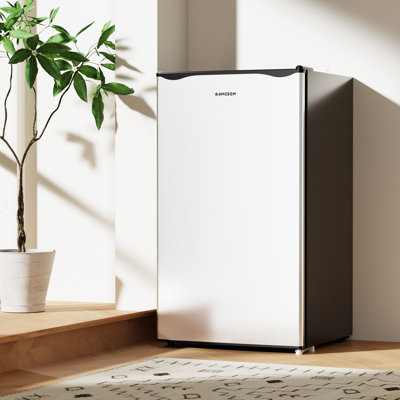
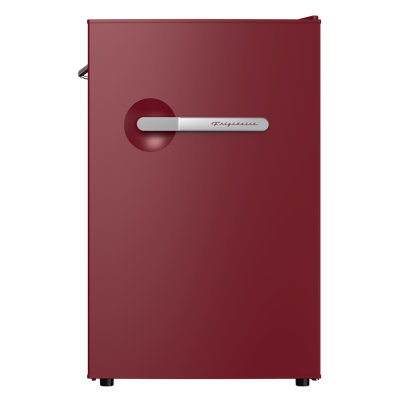
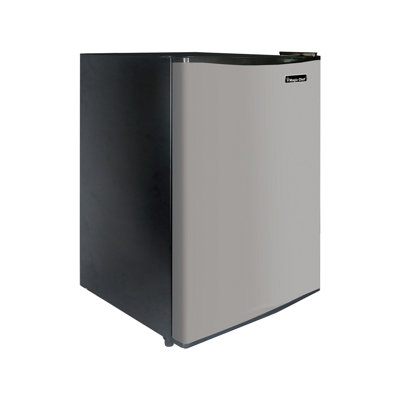
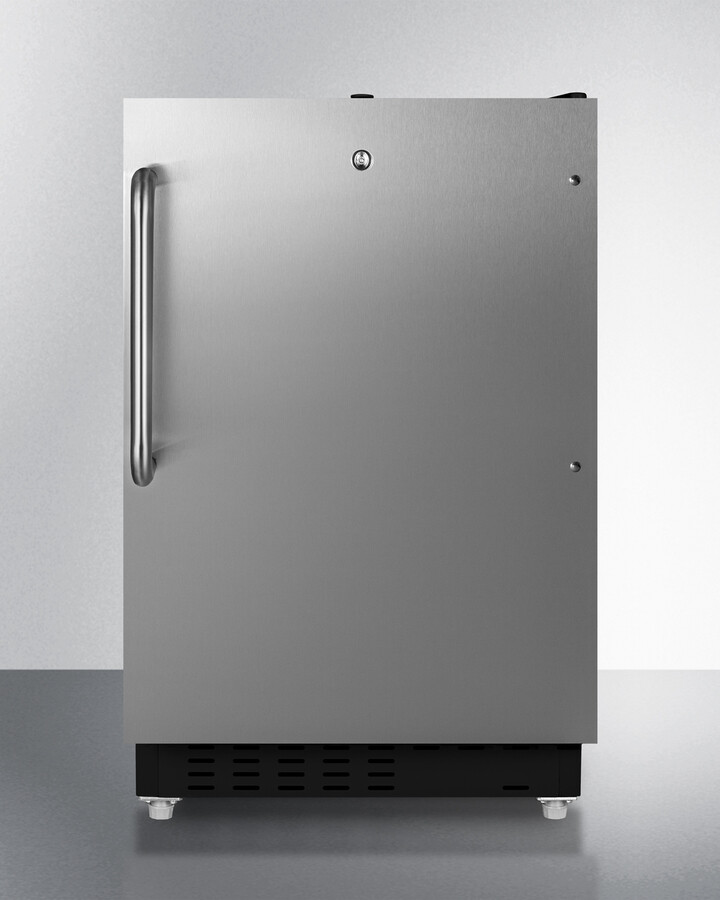
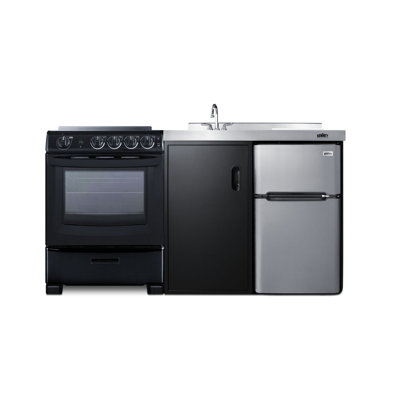
A compact refrigerator, often referred to as a mini-fridge, is a smaller, space-efficient version of a traditional refrigerator. Designed to fit into tight spaces, these appliances are ideal for storing beverages, snacks, and other essentials without the bulk of a full-sized fridge. With varying sizes, typically ranging from 1.7 to 4.5 cubic feet, they are a convenient solution for keeping your favorite drinks chilled in areas where space is at a premium.
The Popularity of Compact Refrigerators in Various Living Spaces
Compact refrigerators have gained immense popularity across diverse living environments. Whether you reside in a studio apartment, dormitory, or need extra storage in your office, these space-savers can be a game-changer. They're also commonly found in garages, cabins, mobile homes, and even tiny houses, offering a practical way to preserve food and drinks.
The versatility of compact refrigerators extends to entertainment scenarios as well, such as hosting gatherings where you might wonder how many drinks can fit in a compact refrigerator. Their compact size does not significantly limit their utility, as they can still hold a surprisingly substantial quantity of beverages, from soda cans to wine bottles. The increasing demand for such refrigerators in places like townhouses, ranch-style homes, and even outdoor patios underscores their adaptability and the convenience they bring to a variety of settings.
When considering a space-saving solution for your home, compact refrigerators are a popular choice. Understanding their capacity is essential for maximizing their use.
Understanding Cubic Feet and Storage Capacity
The capacity of compact refrigerators is typically measured in cubic feet. This measurement reflects the volume of space available inside the refrigerator to store your items, including drinks, food, and other essentials. To grasp the idea of cubic feet, imagine a cube with each side measuring one foot. The space inside that cube represents one cubic foot.
Here’s a quick guide to understanding the capacity of compact refrigerators in relation to cubic feet:
Cubic Feet
Approximate Capacity (12 oz cans)
1.7 - 2.7 cu ft
40 - 60 cans
3.0 - 4.5 cu ft
80 - 150 cans
4.6 - 5.5 cu ft
150 - 200 cans
Estimating the Capacity of a Compact Refrigerator
To estimate how many drinks you can fit in a compact refrigerator, consider both the total capacity and the interior layout. You’ll want to account for shelf spacing, door storage, and whether there's a freezer compartment taking up space.
Start by calculating the volume of the drinks you wish to store. For example, a standard 12 oz can is approximately 4.75 inches tall and 2.5 inches in diameter. Use these dimensions to determine how many cans can be placed on each shelf and in the door bins.
To maximize the number of drinks you can fit, consider the following:
Remove any unnecessary shelves to accommodate taller items.
Adjust the shelves to create a customized layout for different drink sizes.
Utilize door storage for smaller beverage containers.
Remember, the key is to understand the capacity of your compact refrigerator in cubic feet and organize the space efficiently to accommodate as many drinks as possible, without compromising on other storage needs.
When choosing a compact refrigerator for your beverages, the quantity you can store is a top consideration. The capacity will depend on several factors, including the types of drinks and the interior design of the fridge.
Types of Drinks and Their Sizes
Different beverages come in an array of sizes, which will affect how many can fit inside your compact refrigerator. Here's a breakdown of common drink sizes and their typical dimensions:
Beverage Type
Volume
Diameter
Height
Can of Soda
12 oz (355 ml)
2.6 inches
4.83 inches
Bottle of Beer
12 oz (355 ml)
2.4 inches
7 inches
Wine Bottle
750 ml
3 inches
12 inches
Water Bottle
16.9 oz (500 ml)
2.5 inches
8 inches
You can use these dimensions to estimate how many of each type of drink your refrigerator can hold. For a deeper dive into different beverage containers and their storage potential, check out Fridge.com article on how many drinks can fit in a beverage cooler.
Maximizing Space: The Role of Shelving and Design
The interior layout of your compact refrigerator plays a critical role in its storage capacity. Adjustable and removable shelves can be incredibly beneficial, allowing you to customize the space to fit an array of bottle and can sizes. To maximize storage, consider the following tips:
Use of Door Bins: Many compact refrigerators come with door bins that can fit several cans or small bottles, making it an ideal spot to store drinks without taking up shelf space.
Stacking: If your refrigerator design allows, stack bottles and cans to make use of vertical space.
Alternate Orientation: Place some bottles horizontally and some vertically to fill all gaps effectively.
Avoid Overcrowding: Ensure there's enough room for air to circulate, which helps maintain consistent cooling.
Remember, the actual number of drinks you can store will vary based on your specific compact refrigerator model and the types of beverages you're chilling. By understanding the sizes of your favorite drinks and strategically utilizing the space within your fridge, you'll be able to optimize the storage capacity and keep a refreshing variety of beverages on hand.
When considering a compact refrigerator for your beverages, one must take into account various elements that influence how many drinks can be stored. Two primary factors are the layout of the refrigerator and the packaging shapes and sizes of the drinks.
The Impact of Refrigerator Layout
The internal design of your compact refrigerator plays a significant role in storage capability. Features such as the number and adjustability of shelves, presence of door bins, and the inclusion or exclusion of a freezer compartment can all affect how you organize and how many drinks you can fit inside.
Feature
Impact on Storage Capacity
Adjustable Shelves
Allows for customized spacing to fit bottles and cans of varying heights.
Door Bins
Provides additional storage for smaller beverage containers.
Freezer Compartment
May reduce space for refrigerated drinks but useful for chilling glasses or storing ice.
The physical dimensions and form of your drink containers also dictate storage capacity. Standard drink sizes – from 12-ounce cans to larger, multi-serving bottles – all take up space differently. Some packaging, like boxes or uniquely shaped bottles, may not utilize space as efficiently as cylindrical cans or traditionally shaped bottles.
Here's a glance at how different drink containers may fit into a typical compact refrigerator:
Drink Container
Typical Size
Estimated Quantity in Compact Fridge
Soda Cans
12 oz
60
Beer Bottles
12 oz
30
Wine Bottles
750 ml
8-10
Beverage Boxes
Varies
Depends on dimension
Keep in mind that irregularly shaped or bulky containers might require more space, potentially reducing the overall number of drinks that can be stored. For insights on organizing various beverages, check out Fridge.com guides like how many drinks can fit in a beverage cooler and how many drinks can fit in a beer fridge.
In summary, to maximize your compact refrigerator's storage capacity, carefully consider its layout and the types of beverages you plan to store. By understanding these factors, you can better organize your space and ensure that you have plenty of drinks on hand for any occasion.
Organizing Your Compact Refrigerator
Organizing your compact refrigerator efficiently can make a significant difference in how you utilize the available space. When it comes to stocking drinks, strategic placement and arrangement are key to maximizing capacity. Below are some effective ways to stack and store drinks, followed by general tips for efficient space utilization.
Effective Ways to Stack and Store Drinks
When storing drinks in your compact refrigerator, consider the following strategies:
Vertical Stacking: For canned beverages, stacking them vertically often allows you to fit more in a row. Some compact refrigerators have can dispensers built into the door shelves, which can help save space.
Horizontal Layering: Bottles can be laid horizontally on the shelves. If your refrigerator has adjustable shelving, you can tailor the space between shelves to fit the height of your bottles snugly, reducing wasted vertical space.
Door Storage: Utilize the door racks for storing smaller drink containers, such as single-serve juice boxes or soda cans. These areas are easily accessible and perfect for items you reach for frequently.
To help visualize the potential capacity of a compact refrigerator, here’s a table illustrating an example of how drinks could be organized:
Shelf/Section
Drink Type
Quantity
Top Shelf
Water Bottles (500ml)
8
Middle Shelf
Soda Cans (355ml)
10 (stacked)
Bottom Shelf
Wine Bottles
3 (horizontal)
Door Rack
Juice Boxes
6
Tips for Efficient Space Utilization
Adjustable Shelves: Make the most of adjustable shelves to accommodate drinks of various sizes. This flexibility allows you to create custom configurations based on your current storage needs.
Clear Out Unnecessary Items: Regularly declutter your refrigerator to ensure that every item inside is something you plan to consume. This prevents the accumulation of items that can take up valuable space.
Consolidate When Possible: If you have multiple partially-filled bottles of the same beverage, consider consolidating them into one container to save space.
Use Containers: Grouping similar drink items in bins or containers can help keep your refrigerator organized and make it easier to move items around when necessary.
Consider Alternate Storage: For items that do not require refrigeration until opened (such as certain juices or sodas), store them outside of the refrigerator until you’re ready to chill them. This strategy can free up space for other drinks and essentials.
By implementing these stacking techniques and space-saving tips, you can optimize the storage capacity of your compact refrigerator. Whether you're preparing for a gathering or simply managing your daily beverage needs, an organized fridge can help ensure that you have a cold drink ready when you want it. For more insights into managing larger volumes of beverages for events or specific appliance capacities, explore Fridge.com articles on how many drinks can fit in a beverage cooler and how many drinks can fit in a mini fridge.
Navigating the use of a compact refrigerator requires strategic planning, especially when preparing for specific occasions or during regular daily use. Here, Fridge.com will discuss how to effectively prepare your compact fridge for hosting a party and how to maintain a balance of beverages with other essentials for everyday living.
Hosting a Party: How to Prepare Your Compact Fridge
When you're gearing up to host a gathering, ensuring that you have a well-stocked fridge to keep your guests hydrated is key. Here's how to get your compact refrigerator party-ready:
Prioritize Your Beverage Selection: Decide on the types of drinks you'll be serving. Consider a mix of alcoholic and non-alcoholic options to cater to all your guests.
Calculate Storage Capacity: Use the internal shelving and design of your refrigerator to determine how many drinks you can store. Remember, the way you arrange your drinks can significantly impact the total quantity you can fit inside. Refer to Fridge.com article on how many drinks can fit in a mini fridge for more insights.
Chill in Batches: If your fridge capacity is limited, consider chilling drinks in batches. Keep a first round in your fridge and store additional drinks in a cooler with ice or in another refrigerator.
Organize Strategically: Place the most popular drinks at the front for easy access and stack them tightly to maximize space. You can also remove some shelves if necessary to accommodate taller bottles.
By following these steps, you can maximize the storage capacity of your compact refrigerator and keep your guests refreshed throughout the event.
Daily Use: Balancing Beverages with Other Essentials
For everyday living, maintaining a balance between drinks and other food items in your compact refrigerator is essential for practical and efficient use of space. Here's how to achieve that balance:
Assess Your Needs: Determine what you consume most frequently and allocate space accordingly. If you drink more beverages than you eat perishable foods, dedicate more shelving to drinks.
Use Door Storage: The door of your compact fridge is perfect for storing taller bottles and frequently accessed drinks. This leaves the main compartment open for food storage.
Stack Smartly: Consider the shape and size of your drink containers and stack them in a way that utilizes every inch of available space. For more ideas on organizing your compact fridge, explore Fridge.com tips on how much food can fit in a compact refrigerator.
Rotate Regularly: Keep track of expiration dates and rotate your stock to ensure you're consuming items before they go bad. This practice not only saves space but also reduces waste.
By implementing these tips for daily use, you can enjoy the convenience of a compact refrigerator that caters to both your hydration and nutritional needs without the clutter. Whether you're living in a small apartment or simply need an additional cooling space, understanding how to effectively organize and prioritize the contents of your fridge can make all the difference.
Compare refrigerator prices on Fridge.com
Compare current prices and specifications on Fridge.com, then buy from the retailer you choose; delivery, installation and warranty terms are the retailer’s.
It also has tons of awesome articles about kitchen stuff and home news. Enhance your home, garage, backyard, patio, and office with the coolest essentials. With every necessary type of residential refrigerator or freezer in the collection, you're covered.
Frequently Asked Questions
A compact refrigerator, often referred to as a mini-fridge, is a smaller, space-efficient version of a traditional refrigerator. Designed to fit into tight spaces, these appliances are ideal for storing beverages, snacks, and other essentials without the bulk of a full-sized fridge. With varying sizes, typically ranging from 1.7 to 4.5 cubic feet, they are a convenient solution for keeping your favorite drinks chilled in areas where space is at a premium.