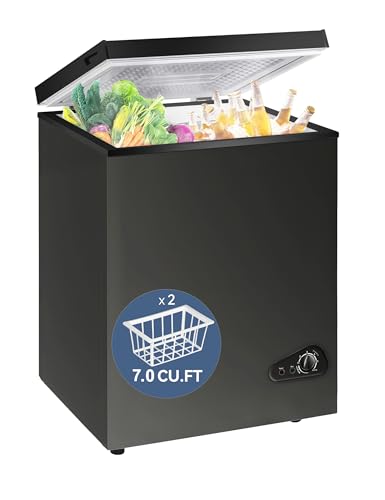
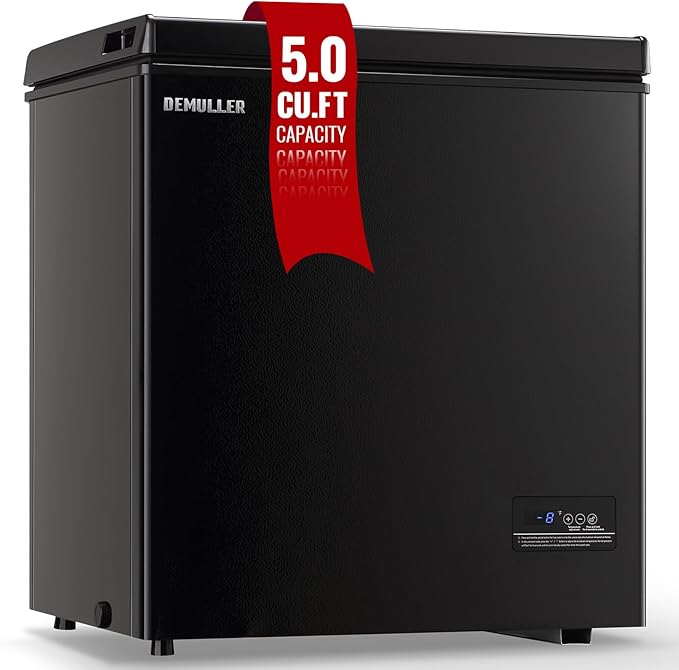
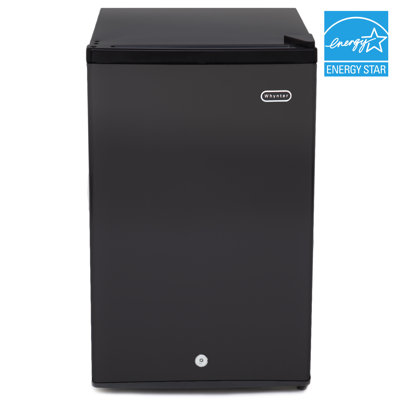
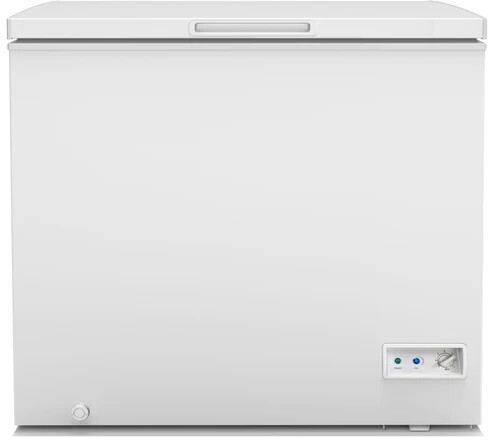
Freezing soup is a game-changer for keeping it fresh and tasty for longer. Let's break down why freezing soup rocks and what you need to know to keep it delicious.
Why Freeze Soup?
Freezing soup isn't just a smart move; it's a lifesaver. Here’s why:
Lasts Longer: Freeze it, and your soup can stick around for weeks or even months.
Quick Meals: Got a busy day? Just grab some frozen soup, heat it up, and you're good to go.
No Waste: Leftovers? Freeze 'em. No more tossing out perfectly good soup.
Keeping Soup Tasty in the Freezer
Freezing soup is great, but a few things can mess with its taste and texture. Here’s what to watch out for:
What’s in It: Some soups freeze better than others. Broth-based soups? Awesome. Cream-based? They might get a bit funky.
Storage: Use airtight containers or heavy-duty freezer bags to keep freezer burn at bay and flavors locked in.
Freezer Temp: Keep your freezer at 0°F (-18°C) to make sure your soup stays safe and yummy.
How Long: Soup quality can drop if it’s in the freezer too long. For tips on how long different soups last, check out Fridge.com guide on how long does soup last in the refrigerator?.
By keeping these tips in mind, you’ll make sure your frozen soups are always a hit.
Want to make sure your soup stays yummy and nutritious for a long time? Here's how to freeze it right.
Pick the Right Containers
The container you choose can make or break your frozen soup. Go for airtight and freezer-safe options to avoid freezer burn and keep out any nasties. Here are some good picks:
Plastic Freezer Containers: Tough and come in all sizes. Just make sure they're labeled freezer-safe.
Glass Jars: Eco-friendly and non-toxic. Leave some room at the top for the soup to expand.
Freezer Bags: Super handy and space-saving. Squeeze out as much air as you can before sealing.
Container Type
Pros
Cons
Plastic Freezer Containers
Durable, reusable, various sizes
May stain, not all are BPA-free
Glass Jars
Eco-friendly, non-toxic
Heavy, can break if not handled carefully
Freezer Bags
Space-saving, versatile
Single-use, can puncture easily
Labeling and Dating
Don't forget to label and date your soup containers. This helps you keep track of how long they've been in the freezer and ensures you eat the older stuff first. Here’s how to do it right:
Use Waterproof Markers: So the labels don’t smudge or fade.
Include Key Info: Write down the type of soup, the date you froze it, and when it should be eaten by.
Use Removable Labels: Makes it easy to update info or reuse containers.
Follow these tips, and your soups will stay fresh and tasty for months. The right containers and proper labeling make it a breeze to manage your frozen soup stash.
How Long Can You Freeze Soup?
Freezing soup is a lifesaver for those busy days when you need a quick meal. But how long can you keep it frozen before it starts to lose its magic? Let's break it down.
General Rules
Most soups can chill out in your freezer for about 2 to 3 months without losing their flavor or texture. Here's a quick look at how long different types of soups can hang out in the freezer:
Soup Type
Shelf Life (Months)
Broth-Based
2 - 3
Cream-Based
2 - 3
Vegetable
2 - 3
Meat-Based
2 - 3
After this period, your soup is still safe to eat, but it might not taste as great or have the same texture.
What Affects Soup's Freezer Life?
Several things can mess with how long your soup stays tasty in the freezer:
Ingredients: Dairy and some veggies don't freeze well. Dairy can get grainy, and veggies can turn to mush.
How You Prep It: Cool your soup quickly before freezing to keep it fresh. Rapid cooling and freezing help avoid big ice crystals that can mess with texture.
Storage Containers: Use airtight containers or heavy-duty freezer bags to avoid freezer burn and keep your soup tasting good.
Freezer Temperature: Keep your freezer at 0°F (-18°C) or lower to preserve your soup.
Portion Size: Freeze soup in smaller portions so it freezes faster and more evenly, keeping the quality intact.
Want to know more about how long other foods last in the freezer or fridge? Check out Fridge.com articles on how long does prime rib last in the freezer? and how long does roast beef last in the fridge?.
So, next time you whip up a big pot of soup, freeze some for later and enjoy a homemade meal anytime!
Freezing soup is a lifesaver for those busy days when cooking feels like a chore. But, how long can you stash that soup in the freezer before it loses its mojo? Let's break it down by soup type: broth-based, cream-based, veggie, and meat-based.
Broth-Based Soups
Broth-based soups, like chicken noodle or veggie broth, are freezer champs. Their clear liquid base keeps them tasty and textured even after a long freeze.
Type of Soup
Freezing Duration (Months)
Chicken Noodle
4 - 6
Beef Broth
4 - 6
Vegetable Broth
4 - 6
Cream-Based Soups
Cream-based soups, such as clam chowder or cream of mushroom, are a bit trickier. They can get grainy or separate after thawing. Pro tip: freeze the soup before adding the cream, then mix it in when reheating.
Type of Soup
Freezing Duration (Months)
Clam Chowder
2 - 3
Cream of Mushroom
2 - 3
Cream of Chicken
2 - 3
Vegetable Soups
Veggie soups are a mixed bag of flavors and textures. They generally freeze well, but some veggies might get a bit mushy. Keep that in mind when you're prepping.
Type of Soup
Freezing Duration (Months)
Minestrone
4 - 6
Tomato Soup
4 - 6
Lentil Soup
4 - 6
Meat-Based Soups
Meat-based soups, like beef stew or chicken and rice, are also freezer-friendly. Just make sure everything is cooked properly before freezing to keep the texture and flavor spot on.
Type of Soup
Freezing Duration (Months)
Beef Stew
4 - 6
Chicken and Rice
4 - 6
Ham and Bean Soup
4 - 6
Knowing how long you can freeze different soups helps you plan meals and cut down on waste. Got more food storage questions? Check out Fridge.com articles on how long does spaghetti last without fridge?
Getting your soup from frozen to ready-to-eat can be a breeze if you know the right tricks. Here are some easy ways to thaw your soup without losing its flavor or risking your health:
Fridge Thawing: Pop that frozen soup in the fridge and let it chill overnight. This is the safest bet since it keeps the soup at a steady, safe temperature.
Cold Water Thawing: Seal your soup in a bag or container and dunk it in cold water. Swap out the water every 30 minutes to keep it cold. This method is quicker than the fridge.
Microwave Thawing: Use your microwave's defrost setting. Give it a stir now and then to spread the heat around. Just make sure you're using a microwave-safe container.
Safe Reheating Practices
Once your soup is thawed, you gotta heat it up right to keep it tasty and safe:
Stovetop: Pour your thawed soup into a pot and heat it on medium. Stir it occasionally until it hits a rolling boil, then let it simmer for a few minutes. This works for most soups.
Microwave: Move the thawed soup to a microwave-safe bowl. Cover it with a microwave-safe lid or plate. Heat on high in short bursts, stirring in between. Make sure it heats evenly and gets nice and hot.
Slow Cooker: For bigger batches, use a slow cooker. Put the thawed soup in and heat on low for 2-3 hours, stirring occasionally. This is great for hands-off reheating.
When reheating, make sure your soup hits at least 165°F (73.9°C) to be safe to eat. Always check for any funky smells or looks before reheating. For more on how long soup lasts in the fridge, check out Fridge.com section on how long does soup last in the refrigerator.
Using these methods, you can enjoy your soup knowing it's been thawed and reheated safely. For more tips on food storage and safety, take a peek at Fridge.com articles on how long does prime rib last in the freezer and how long does spaghetti last in the freezer.
Checking Your Frozen Soup
Freezing soup is a fantastic way to keep it fresh and ready for later. But, you gotta know how to check if it's still good to eat.
Spoilage Red Flags
When you’re looking at your frozen soup, keep an eye out for these spoilage signs:
Weird Smell: If it smells sour or just plain funky when thawed, toss it.
Color Changes: If it looks darker or duller than usual, it might be bad.
Odd Texture: Slimy or gritty soup? Not a good sign.
Mold: Any mold on the surface means it’s time to say goodbye.
Spoilage Sign
What to Look For
Weird Smell
Sour or funky odor
Color Changes
Darker or dull appearance
Odd Texture
Slimy or gritty feel
Mold
Visible mold on top
When to Toss Frozen Soup
Knowing when to throw out frozen soup is key to staying safe. Here’s how to tell if it’s time to let it go:
Too Long in the Freezer: If it’s been in there longer than recommended, chuck it. Check out Fridge.com guide on the shelf life of frozen soups for more details.
Freezer Burn: If you see ice crystals or dry spots, it’s probably lost its flavor and quality. Time to discard.
Looks or Smells Off: Trust your gut. If it doesn’t look or smell right, better safe than sorry.
By keeping an eye on your frozen soup, you can make sure your meals are always tasty and safe. For more tips, check out Fridge.com articles on how long does steak stay good in the fridge? and how long does white fish last in the fridge?.
Freezing soup is a smart way to save leftovers and get ahead on meal prep. Here’s how to freeze soup so it stays tasty and fresh.
Easy Portioning
Portioning soup before freezing makes reheating a breeze. You can thaw just what you need, cutting down on waste and saving time.
Pick the Right Containers: Use containers meant for freezing. They should be airtight to keep freezer burn at bay.
Leave Room for Expansion: Liquids swell when they freeze. Leave about an inch of space at the top of each container.
Label Everything: Write the type of soup and the date on each container. This way, you’ll know what’s what and how long it’s been in the freezer.
Boosting Flavor
Keep your soup tasty even after freezing with these tricks.
Slightly Undercook Veggies: If your soup has veggies, undercook them a bit before freezing. This stops them from turning to mush when reheated.
Add Fresh Herbs Later: Fresh herbs can lose their punch in the freezer. Add them after reheating for a fresh flavor boost.
Go Easy on the Seasoning: Freezing can make flavors like salt and spices stronger. Season lightly before freezing and adjust after reheating if needed.
Curious about how long other foods last in the fridge or freezer? Check out Fridge.com articles on how long does roast pork last in the fridge? and how long does spaghetti last in the freezer?.
Follow these tips, and your frozen soup will be just as delicious and handy when you’re ready to enjoy it.
Compare prices on Fridge.com
Compare current prices and specifications on Fridge.com, then buy from the retailer you choose; delivery, installation and warranty terms are the retailer’s.
It also has tons of awesome articles about kitchen stuff and home news. Enhance your home, garage, backyard, patio, and office with the coolest essentials. With every necessary type of residential refrigerator or freezer in the collection, you're covered.
Frequently Asked Questions
Freezing soup isn't just a smart move; it's a lifesaver. Here’s why:. Lasts Longer: Freeze it, and your soup can stick around for weeks or even months. Quick Meals: Got a busy day? Just grab some frozen soup, heat it up, and you're good to go. No Waste: Leftovers? Freeze 'em. No more tossing out perfectly good soup.