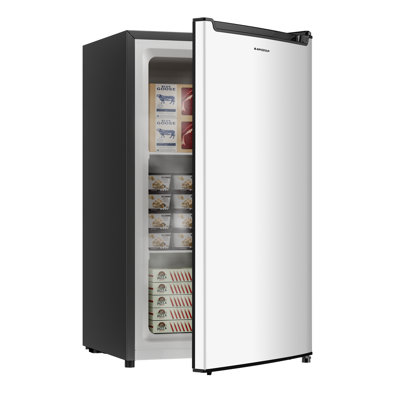
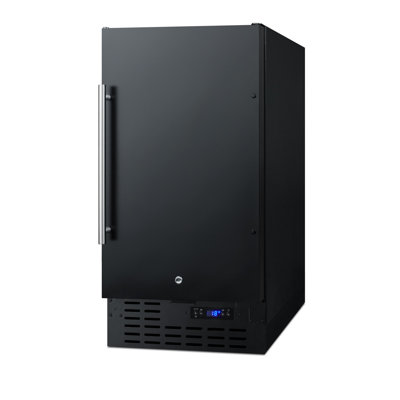
Prime rib keeps for 3 to 5 days raw in the refrigerator, 3 to 4 days once cooked, and up to 6 to 12 months in the freezer at 0°F (-18°C). Left at room temperature it spoils quickly, so the two safe homes for a prime rib are the fridge (short-term) and the freezer (long-term). The table below is the fast answer for every combination of raw versus cooked and fridge versus freezer. For the 6-to-12-month freezer window you need steady, deep cold — browse our freezers.
Storage Method
Temperature (°F)
Raw Prime Rib
Cooked Prime Rib
Refrigerator
34 - 40
3 - 5 days
3 - 4 days
Freezer
0
6 - 12 months
2 - 3 months
Knowing how prime rib behaves in both the fridge and the freezer helps you plan meals and cut down on waste. For more on storing other meats, check out Fridge.com guide on how long does steak stay good in the fridge?.
Storing Prime Rib Right
Prime rib left out at room temperature spoils fast and is unsafe to eat, so refrigerate or freeze it as soon as possible after purchase. Keep the fridge at or below 40°F to slow bacterial growth; freezing at 0°F (-18°C) stops bacterial growth altogether. Refrigeration handles short-term storage, while freezing is your go-to for the long haul.
Freezing Prime Rib Like a Pro
Freezing prime rib is a great way to keep it fresh for a long time. But if you don't do it right, you'll end up with freezer burn, which messes up the meat's flavor and texture. Freezer burn happens when air hits the meat's surface, causing it to dry out and oxidize.
To dodge freezer burn, wrap the prime rib tightly in plastic wrap or aluminum foil. Better yet, use a vacuum sealer to suck out all the air before sealing, then pop the wrapped meat into a freezer-safe bag or container.
Keeping a steady freezer temperature is also crucial. If the temperature keeps changing, the meat might thaw and refreeze, which is a big no-no. Always keep your freezer at 0°F to make sure your prime rib stays in top shape. For more tips on freezing other meats, visit Fridge.com article on how long does smoked salmon last in the freezer?.
Storing Prime Rib in the Refrigerator
Prime rib does need to be refrigerated, and how long it keeps depends on whether it is raw or cooked. Store it below 40°F, on the lowest shelf, so juices can't drip onto other foods.
Fresh (Raw) Prime Rib in the Fridge
When you bring a fresh prime rib home, refrigerate it right away in its original packaging to prevent cross-contamination. If the packaging is damaged or already opened, wrap the meat tightly in plastic wrap or foil, or move it to a sealable bag. A whole, uncut roast keeps a little longer than one that has been cut into steaks.
Fresh Prime Rib
Refrigerator (below 40°F)
Whole, uncut roast
3 to 5 days
Cut into steaks
2 to 3 days
Always place the prime rib on the lowest shelf of the fridge so any juices can't drip onto foods below it. Cook or freeze the roast before this window closes.
Cooked Prime Rib in the Fridge
Leftover cooked prime rib should be refrigerated within two hours of cooking to keep it out of the temperature range where bacteria thrive. Let it cool briefly, slice it into smaller portions so it chills faster, and store it in shallow, airtight containers or wrapped tightly in heavy-duty foil or plastic wrap.
Cooked Prime Rib
Refrigerator (below 40°F)
Whole or sliced
3 to 4 days
Prime rib that you thawed in the fridge counts against the same fresh window, so cook it as soon as it's convenient rather than letting it sit for days.
Refrigeration Best Practices
A few habits keep refrigerated prime rib safe and fresh for its full shelf life:
Refrigerate or freeze the meat as soon as possible after purchase.
Store raw prime rib on the bottom shelf so its juices can't drip onto other foods.
Use airtight containers or wrap the meat securely to keep air out and juices in.
Label and date every package so you know exactly how long it has been stored.
Keep an appliance thermometer in the fridge and confirm it holds at or below 40°F.
Stored right, raw prime rib holds its quality for about 6 to 12 months in the freezer. Cooked prime rib doesn't last as long once frozen, keeping its best quality for only 2 to 3 months. After those windows the meat may still be safe to eat if it stayed at 0°F, but don't expect the same flavor or texture.
Several things can shorten how long your prime rib lasts in the freezer:
Freezer Temperature: Keep the freezer at a steady 0°F or lower. If the temperature swings, the meat can thaw and refreeze, causing freezer burn and a drop in quality.
Packaging: Good packaging is key. Use vacuum-sealed bags or heavy-duty aluminum foil to keep air out and prevent freezer burn.
Initial Freshness: The fresher the meat when you freeze it, the longer it'll last. Meat already near its expiration date won't hold as long.
Moisture Control: Make sure the meat is dry before freezing. Excess surface moisture forms ice crystals that damage the texture.
Thawing prime rib the right way keeps it tasty and safe. There are two main routes: the slow, safe refrigerator method and the quicker, more hands-on techniques.
Thawing in the Fridge
The fridge method is the gold standard. It lets the meat thaw slowly, keeping its texture and flavor intact while it stays at a safe temperature the whole time.
Use a Tray: Put the prime rib on a tray or shallow dish to catch any drips.
Keep it Wrapped: If the packaging is still good, leave it on. If not, wrap it in plastic wrap or foil.
Time it Right: Plan for about 24 hours for every 4 to 5 pounds of meat.
Weight (lbs)
Thawing Time (hrs)
4-5
24
6-7
36
8-9
48
So a 5-pound prime rib needs roughly 24 hours in the fridge to defrost. As a rough guide by thickness, a 1-inch cut thaws in about 12 to 14 hours and a 3-inch cut in 36 to 40 hours. For more on storing meat, see how long raw steak lasts in the freezer
.
Quick-Thawing Methods
Pressed for time? These faster methods need more attention but get the job done.
Cold Water Thawing:
Bag It Up: Make sure the prime rib is in a leak-proof plastic bag.
Submerge in Cold Water: Put the bag in a bowl or sink filled with cold water.
Change Water Often: Swap out the water every 30 minutes to keep it cold.
Thawing Time: About 30 minutes per pound.
Microwave Thawing:
Microwave-Safe Dish: Place the prime rib on a microwave-safe dish.
Defrost Setting: Use the defrost setting or the lowest power setting.
Keep an Eye on It: Check the meat often so it thaws evenly and doesn't start cooking.
Cook Right Away: Cook the prime rib immediately after thawing in the microwave.
Never thaw prime rib on the counter at room temperature, which lets bacteria multiply on the surface while the inside is still frozen.
Before you cook thawed or refrigerated prime rib, give it a quick inspection. A good check saves you from foodborne illness and guarantees a better meal.
Quality Check
Here's how to tell if your prime rib is still good:
Color: Fresh prime rib should be a reddish-pink. Gray, brown, or greenish hues signal it may be spoiled.
Texture: The meat should feel firm. If it's slimy or sticky even after rinsing, that's bacterial growth, so toss it.
Smell: It should smell mildly meaty. A sour, rancid, or ammonia-like odor means it's time to say goodbye.
Expiration Date: Check the sell-by or use-by date. If the meat has passed it or sat in the fridge longer than the recommended 3 to 5 days (raw) or 3 to 4 days (cooked), discard it.
Quality Indicator
Good
Bad
Color
Reddish-pink
Gray, brown, or green
Texture
Firm
Slimy or sticky
Smell
Mild, meaty
Sour, rancid, ammonia-like
When in doubt, throw it out. Eating spoiled prime rib can cause food poisoning; if you suspect you have, monitor your health and seek medical attention if symptoms persist or worsen.
Safety Tips
Keep your prime rib safe with these tips:
Thawing: Always thaw in the fridge or use a cold-water bath. Never thaw at room temperature.
Temperature: Keep the meat below 40°F until you cook it, and don't leave it out for long.
Cross-Contamination: Use separate cutting boards and utensils for raw meat, and clean everything thoroughly.
Cooking: Cook raw prime rib to an internal temperature of at least 145°F, using a meat thermometer to be sure.
The goal when reheating prime rib is to warm it through without overcooking or drying it out. A low-and-slow oven with a little moisture does the trick:
Preheat your oven to 250°F (120°C).
Place the prime rib in a baking dish with a small amount of broth or water.
Cover the dish tightly with aluminum foil to trap steam.
Reheat until the internal temperature reaches 165°F (74°C), the safe reheating temperature for leftovers.
Weight of Prime Rib
Approximate Reheating Time
1 lb
10 - 15 minutes
3 lbs
25 - 30 minutes
5 lbs
35 - 40 minutes
Always confirm the temperature with a meat thermometer. Individual slices reheat faster than a whole roast, so check them early to avoid drying them out.
Making the Most of Frozen Prime Rib
Cooking Frozen Prime Rib
Yes, you can cook prime rib straight from the freezer and still get mouth-watering results. Here's how to do it right:
Preheat the Oven: Set your oven to 250°F (121°C). This low heat cooks the meat evenly from frozen.
Season the Meat: Rub the frozen prime rib with your favorite seasonings, such as salt, pepper, garlic, and herbs.
Roast the Prime Rib: Place it on a roasting rack in a shallow pan and roast until it reaches your desired internal temperature. A meat thermometer is your best friend here.
Rest the Meat: Once it's done, let the prime rib rest for at least 20 minutes before slicing so the juices redistribute for a tender, tasty bite.
Ways to Use Up Prime Rib
Prime rib isn't just for roasting. Here are tasty ways to use a roast or its leftovers:
Prime Rib Sandwiches: Slice it thin and stack it high with caramelized onions, horseradish sauce, and cheese.
Prime Rib Tacos: Shred or chop the meat and stuff it into tacos with fresh salsa, avocado, and a squeeze of lime.
Prime Rib Stir-Fry: Cut it into bite-sized pieces and stir-fry with veggies and sauce over rice or noodles.
Prime Rib Salad: Thinly slice it over mixed greens, cherry tomatoes, and cucumbers with a balsamic vinaigrette.
Prime Rib Soup: Simmer the meat with vegetables, potatoes, and broth for a hearty, cozy meal.
Yes. Both raw and cooked prime rib freeze well. Wrap it tightly to keep air out, freeze at 0°F (-18°C), and raw prime rib keeps its best quality for 6 to 12 months.
Can you freeze cooked prime rib?
Yes, you can freeze prime rib after it's been cooked. Cool it first, wrap it airtight or vacuum-seal it, and use it within 2 to 3 months for the best flavor and texture.
How long can you freeze prime rib?
Raw prime rib (including a whole rib roast) stays at top quality for 6 to 12 months in the freezer at 0°F. Cooked prime rib is best used within 2 to 3 months. Kept constantly frozen, it stays safe beyond those windows, but quality declines.
Can you freeze prime rib before or after cooking?
Both work. Freezing a raw roast before cooking preserves it longest (6 to 12 months). Freezing it after cooking is convenient for leftovers but shortens the window to 2 to 3 months.
How long can you keep prime rib without freezing?
In the refrigerator below 40°F, raw prime rib lasts 3 to 5 days (2 to 3 days once cut into steaks) and cooked prime rib lasts 3 to 4 days. Beyond that, freeze it or discard it.
How long is prime rib good in the refrigerator?
A whole raw roast is good for 3 to 5 days, cut steaks for 2 to 3 days, and cooked prime rib for 3 to 4 days, all stored below 40°F on the bottom shelf.
Does prime rib need to be refrigerated?
Yes. Prime rib is a perishable raw meat and must stay refrigerated below 40°F (or frozen). Don't leave it at room temperature, where bacteria multiply quickly.
How long does it take to defrost a 5 lb prime rib in the fridge?
Plan on about 24 hours for a 5-pound roast (roughly 24 hours per 4 to 5 pounds). A larger 8- to 9-pound roast can take up to 48 hours, so start thawing well ahead of cooking.
Can you freeze a rib roast?
Yes. A prime rib roast (standing rib roast) freezes the same way as any prime rib: wrap it airtight, freeze at 0°F, and use raw within 6 to 12 months or cooked within 2 to 3 months.
Frequently Asked Questions
Stored right, raw prime rib holds its quality for about 6 to 12 months in the freezer. Cooked prime rib doesn't last as long once frozen, keeping its best quality for only 2 to 3 months. After those windows the meat may still be safe to eat if it stayed at 0°F, but don't expect the same flavor or texture. State of Prime Rib.
Freezer (0°F or lower).
Refrigerator (32°F - 40°F).
.
Raw / fresh.
6 - 12 months.
3 - 5 days.
.
Cooked.
2 - 3 months.
3 - 4 days.
. Curious about other meats? Check out Fridge.com articles on how long roast beef lasts in the fridge and how long steak stays good in the fridge.