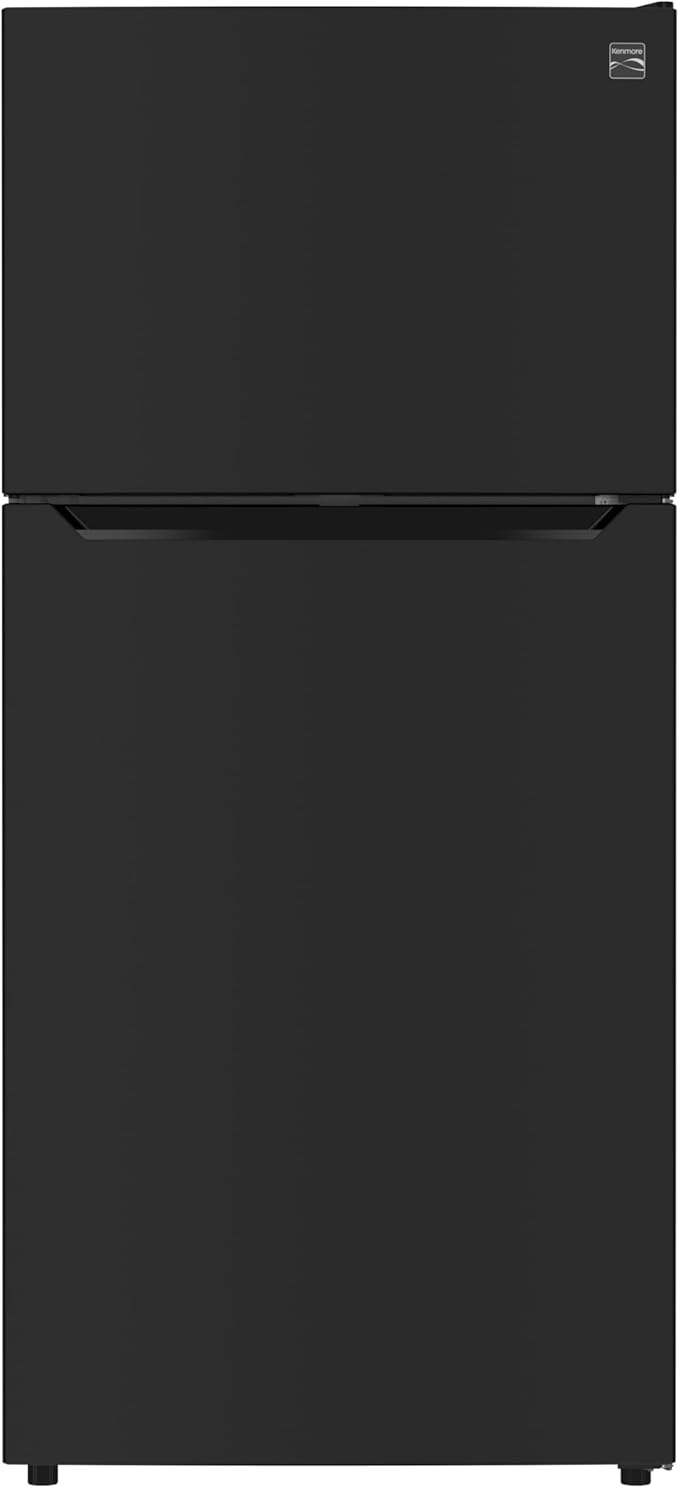
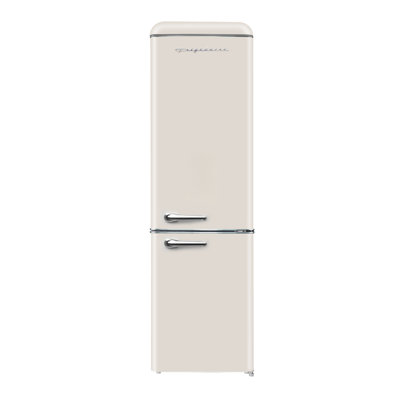
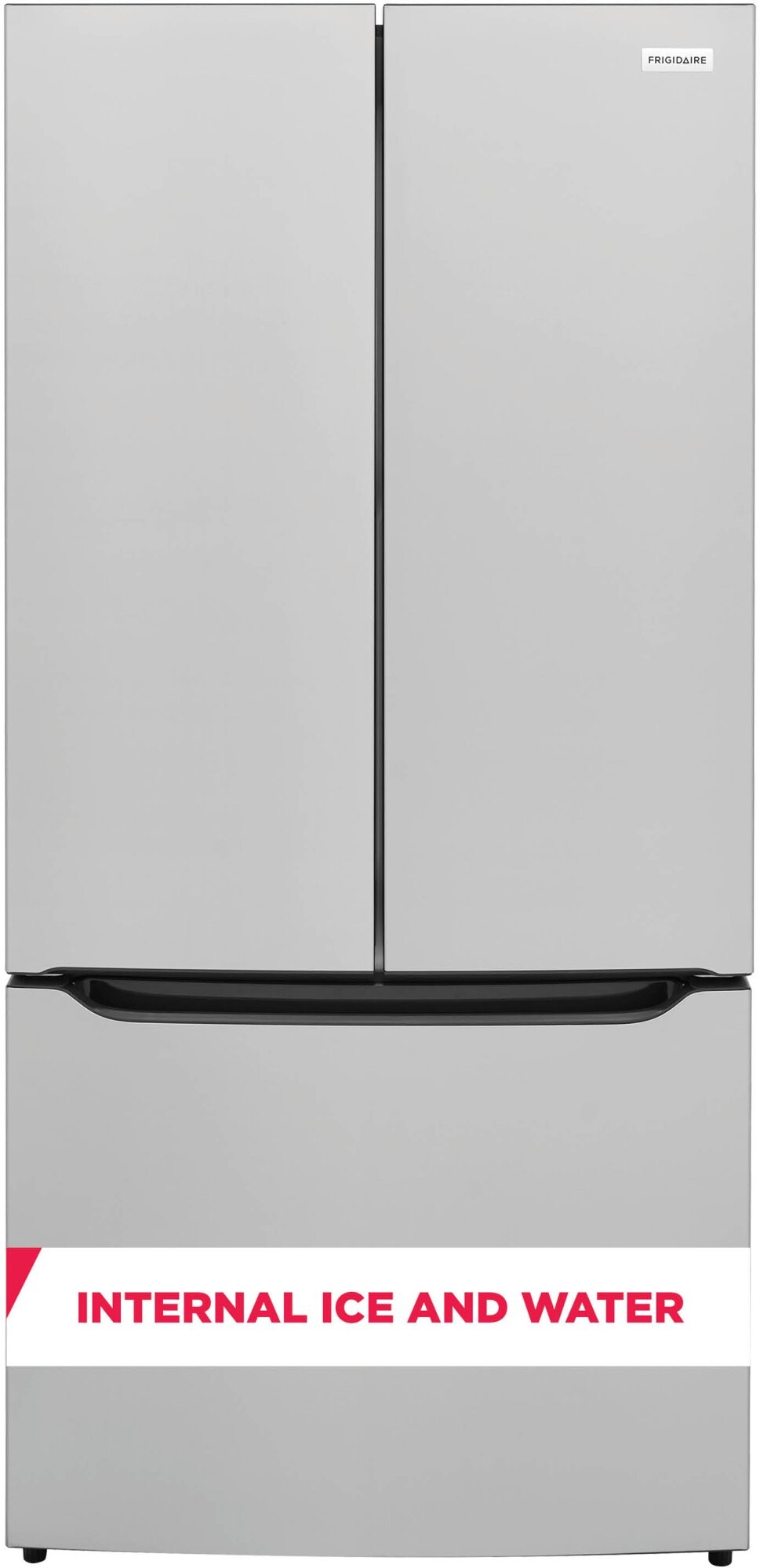
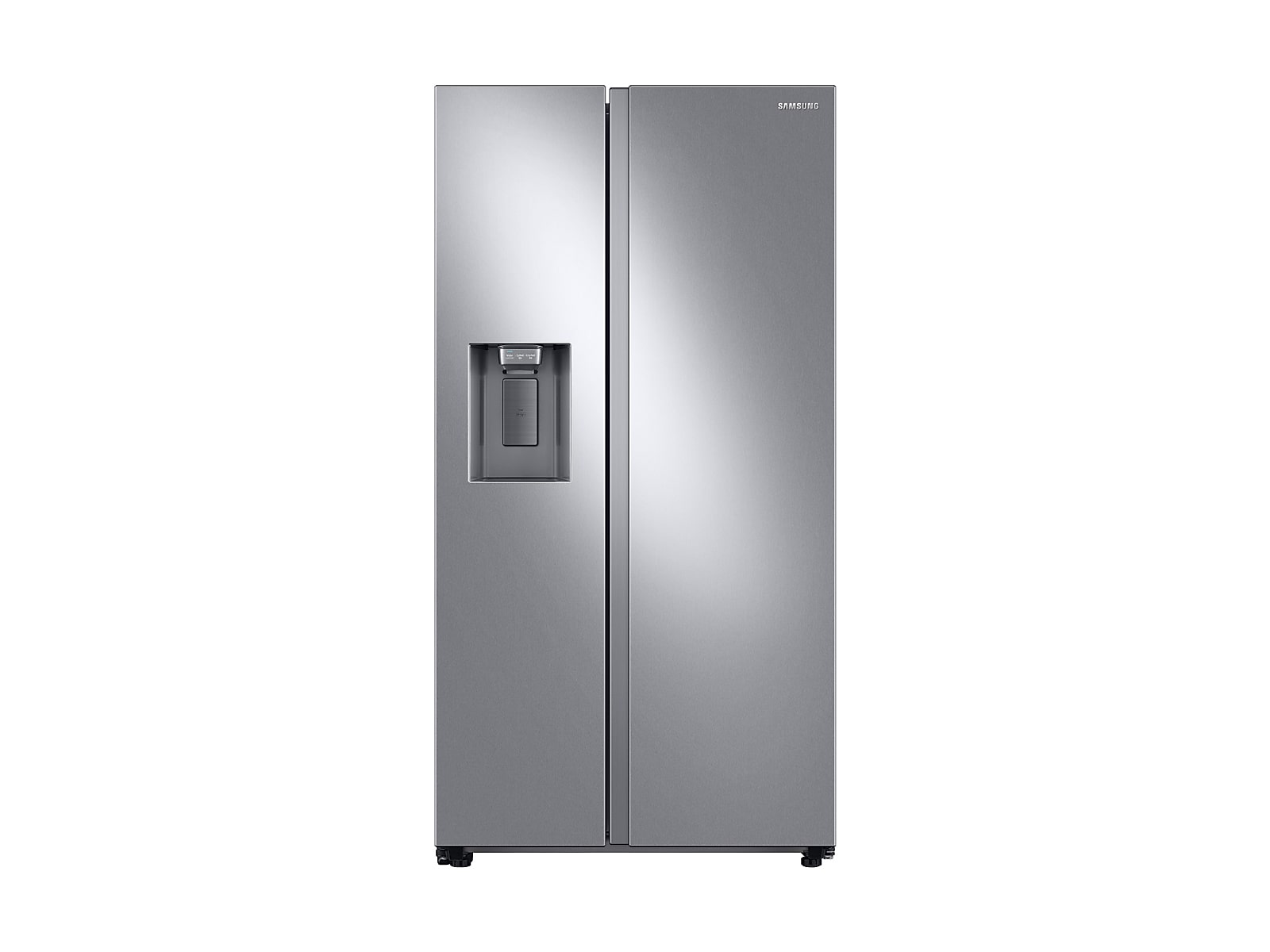
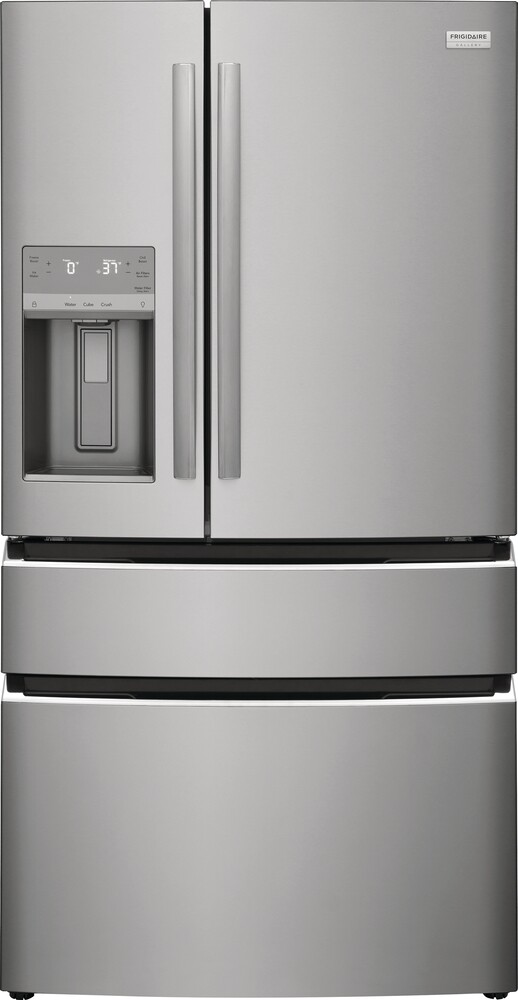
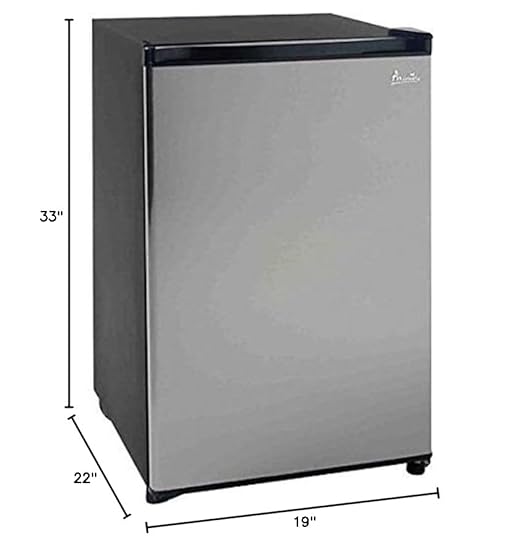
Opened mint sauce keeps for 1 to 3 months in the fridge, while an unopened bottle lasts 1 to 2 years in a cool, dry pantry. Store the open bottle cold. Explore our range of refrigerators.
Mint Sauce Storage Guidelines
Properly storing mint sauce is crucial to maintaining its freshness and extending its shelf life. By understanding the factors that affect the shelf life of mint sauce, you can enjoy its vibrant flavor for as long as possible.
Proper Storage of Mint Sauce
To ensure that your mint sauce maintains its quality, store it in an airtight container. This container should then be placed in the refrigerator, where the cool temperature will slow down the growth of bacteria and prevent spoilage. It's important to keep the sauce away from strong-smelling foods to avoid cross-contamination of flavors.
When you use the mint sauce, make sure to use a clean spoon each time to avoid introducing bacteria into the sauce. After each use, check that the lid is sealed tightly before returning the container to the fridge.
Factors Affecting Shelf Life
The shelf life of mint sauce can be influenced by several factors:
Ingredients: The composition of the mint sauce, whether it contains preservatives or not, and the acidity level can affect its longevity.
Temperature: Consistent refrigeration at or below 40°F (4°C) is essential. Fluctuations in temperature can lead to faster spoilage.
Exposure to Air and Light: Oxidation can degrade the sauce's quality, so minimizing exposure to air and light is important.
Hygiene: The cleanliness of the storage container and utensils used with the sauce can prevent the introduction of microbes.
By controlling these factors, you can help ensure that your mint sauce stays fresh for the maximum amount of time. For more detailed information on the storage life of various foods, feel free to explore Fridge.com articles on how long different items last in the fridge, such as how long does cheese sauce last in the fridge? and how long do watermelons last in the fridge?.
When it comes to storing mint sauce, knowing its shelf life can help you enjoy its fresh flavor while also preventing food waste. Whether you've got a bottle of store-bought mint sauce or a homemade batch, understanding how long it can last in the fridge is key.
Unopened Mint Sauce
An unopened bottle of mint sauce can generally last a long time due to the preservatives used in the commercial packaging process. The acidity in the sauce also helps preserve it. It's important to store it in a cool, dry place such as a pantry or cupboard. Once you're ready to use it, you can typically expect it to remain fresh for:
Storage Location
Expected Shelf Life
Pantry
1-2 years (check the expiration date)
Refrigerator (after opening)
Refer to the opened mint sauce guidelines
Before refrigerating, always check the 'best by' or 'use by' date on the label to get a more accurate idea of its longevity.
Opened Mint Sauce
Once opened, mint sauce's shelf life can decrease, as it's exposed to air and potential contaminants. Refrigeration is necessary to slow down the growth of bacteria and preserve the flavor and quality of the sauce.
Here's a general guideline on how long opened mint sauce lasts in the fridge:
Storage Location
Expected Shelf Life
Refrigerator
1-3 months
To maximize the shelf life of opened mint sauce, keep it tightly sealed in its original bottle or an airtight container. If you've prepared mint sauce at home, ensure it's stored in a clean container with a tight lid.
Remember that these guidelines are estimations, and the actual shelf life can be affected by several factors including the ingredients, storage conditions, and whether or not preservatives are used. For more tips on extending the shelf life of your sauce, consider reading about how long does cheese sauce last in the fridge? or exploring different storage cues from similar items like how long does hot sauce last in the fridge?.
Always trust your senses to guide you. If the mint sauce has an off smell, taste, or appearance, it's best to discard it to avoid any potential health risks.
Signs of Spoilage
Understanding when your mint sauce has passed its prime is essential in ensuring food safety and quality. Here, you'll learn how to spot the signs that your mint sauce may no longer be suitable for consumption.
How to Tell If Mint Sauce Has Gone Bad
To tell if your mint sauce has expired, start by inspecting the physical appearance, smell, and taste of the sauce. If you notice any significant changes from its original state, it could be an indication that the sauce is no longer good to use. Always trust your senses—if something seems off, it's better to err on the side of caution and discard the sauce.
Here are specific aspects you should examine:
Color: Fresh mint sauce should have a vibrant green hue. If the sauce has discolored to a dull or brownish green, it might be a sign of degradation.
Texture: The consistency of mint sauce should be smooth. Any signs of separation, clumping, or sliminess can indicate spoilage.
Odor: Mint sauce should have a fresh, herbaceous smell. An off-putting or sour odor is a clear warning.
Taste: If the appearance and smell don't raise concerns, a small taste test can help. However, if the flavor is notably sour or unpleasant, it's best to throw it away.
Common Spoilage Indicators
The table below summarizes common indicators that your mint sauce may have spoiled:
Indicator
Description
Color Change
Fading or browning of the sauce's green color.
Separation
Ingredients no longer emulsified, with visible layers or wateriness.
Off Odor
Uncharacteristic smells that are sour or fermented.
Unpleasant Taste
A sharp, sour, or otherwise disagreeable flavor.
Mold Growth
Visible fuzzy or slimy spots of mold on the surface or edges of the sauce.
If you observe any of these signs, it's important to discard the sauce immediately to prevent the risk of foodborne illness. For information on how to properly store mint sauce to extend its shelf life, you can read about proper handling and storage practices. Additionally, understanding the shelf life of various foods can help you manage your fridge better; explore Fridge.com articles on the longevity of narezushi sushi, papaws, and quince juice for more insights.
Properly preserving your mint sauce can ensure that it remains flavorful and safe to consume for as long as possible. Here are some tips and best practices for doing so.
Tips for Prolonging Mint Sauce Freshness
To maintain the freshness and quality of your mint sauce, consider the following:
Avoid Cross-Contamination: Always use clean utensils when serving mint sauce to prevent introducing bacteria into the jar or container.
Keep It Sealed: Ensure the mint sauce container is tightly sealed after each use to limit exposure to air, which can lead to spoilage.
Use Smaller Containers: If you have a large quantity of mint sauce, divide it into smaller portions. This can help prevent spoilage as you only open what you need.
Implementing these practices can significantly contribute to prolonging the freshness of your mint sauce.
Proper Handling and Storage Practices
Proper handling and storage are critical in extending the shelf life of mint sauce. Here's how you can maximize its longevity:
Temperature Control: Always store mint sauce in the fridge at a consistent temperature, ideally at or below 40°F (4°C).
Position in the Fridge: Place mint sauce in the main body of the fridge, rather than in the door, where temperature fluctuations are more common.
Avoid Heat Sources: Keep mint sauce away from direct sunlight or heat sources, as heat can accelerate spoilage.
By following these storage and handling tips, you can help ensure that your mint sauce stays fresh for as long as possible. Pair these strategies with other food storage insights found in Fridge.com articles, such as how long does cheese sauce last in the fridge? or how long does dragon fruit juice last in the fridge?, to enhance your overall food preservation knowledge.
Proper refrigeration is key to extending the freshness and usability of mint sauce. When you store mint sauce in your refrigerator, you are taking an essential step in preserving its flavor and preventing spoilage.
Refrigerating Mint Sauce
When you refrigerate mint sauce, it's crucial to keep it in an airtight container to prevent oxidation and contamination from other foods. If your mint sauce came in a jar with a tight-fitting lid, that's perfect for storage. If not, transferring the sauce to a container with a secure seal will help maintain its quality. Once in the fridge, the mint sauce should be kept on a shelf rather than in the door, as the temperature is more consistent and colder, which is better for preservation.
Best Practices for Fridge Storage
Here are some best practices to ensure your mint sauce lasts as long as possible in the fridge:
Airtight Containers: Always use an airtight container to ward off bacteria and odors from other foods.
Consistent Temperature: Store the sauce in the main body of the fridge to maintain a consistent and cold temperature.
Label and Date: Mark the container with the date of storage to keep track of how long the sauce has been refrigerated.
Minimize Exposure: Limit the time the sauce is out of the fridge to reduce exposure to room temperatures.
Regular Checks: Periodically check the sauce for any signs of spoilage before use.
Storage Tip
Action
Container Type
Airtight container
Fridge Location
Main shelf, not the door
Labeling
Date of storage
Exposure
Keep exposure to room temp minimal
Checks
Regularly inspect for spoilage
By following these guidelines, you can help ensure that your mint sauce remains fresh and flavorful for as long as possible. For more information on the shelf life of similar items, you might want to explore the longevity of how long does cheese sauce last in the fridge? or how long does gochujang sauce last in the fridge?.
Using Frozen Mint Sauce
Freezing mint sauce can be a practical way to extend its shelf life and ensure that you always have some on hand to enhance your dishes. Here are some tips on how to freeze and thaw mint sauce effectively.
Freezing Mint Sauce
When it comes to freezing mint sauce, the process is straightforward. Pour the mint sauce into an airtight container or a heavy-duty freezer bag, leaving some space at the top as the sauce may expand when frozen. Label the container with the date of freezing, as this will help you keep track of how long it has been stored.
Storage Method
Description
Airtight Container
Use containers specifically designed for freezer storage.
Heavy-Duty Freezer Bag
Remove as much air as possible before sealing.
Ice Cube Trays
Freeze in small portions for easy use.
Once frozen, mint sauce can retain its best quality for approximately 3-4 months. However, it will remain safe beyond that time frame; the quality may just begin to decline.
Thawing and Reheating Mint Sauce
When you're ready to use your frozen mint sauce, it's important to thaw it safely. The best way to thaw mint sauce is to transfer it from the freezer to the refrigerator and let it defrost slowly. This process can take a few hours, so plan accordingly.
After thawing, if the mint sauce needs reheating, do so gently in a saucepan over low heat to preserve its flavor and consistency. Stir the sauce occasionally to ensure even heating, and once it's warm, it's ready to be served.
Thawing Method
Description
Refrigerator
Slow and safe method that preserves texture.
Saucepan
Gentle reheating over low heat.
It's important to note that once thawed, the mint sauce should be consumed within a few days and should not be refrozen. For more tips on handling and preserving mint sauce, you can read Fridge.com articles on how long does mint sauce last in the fridge? and how long does cheese sauce last in the fridge? for comparison.
Mint sauce, with its refreshing and vibrant flavor, can be more than just a condiment for lamb. Its versatility in the kitchen may surprise you. If you're wondering 'how long does mint sauce last in the fridge?', you're likely also interested in ways to incorporate it into your meals before it reaches its shelf life.
Culinary Uses for Mint Sauce
Mint sauce can elevate various dishes with its unique zest. Here are some culinary uses that can help you make the most of your mint sauce:
Salad Dressings: Whisk mint sauce with olive oil and vinegar to create a zesty dressing for your salads.
Marinades: Use it as a marinade for chicken, pork, or vegetables before grilling or roasting to infuse them with flavor.
Yogurt Dip: Mix it into Greek yogurt for a quick and tasty dip, perfect for veggies or pita bread.
Sandwich Spread: Spread it on sandwiches for an herby kick, especially delicious with roasted vegetables or turkey.
Sauce Enhancement: Stir mint sauce into mayonnaise or aioli to accompany seafood dishes like grilled shrimp or fish cakes.
Recipes Incorporating Mint Sauce
Experimenting with mint sauce in these recipes can help you utilize every drop:
Minty Pea Soup: Add a spoonful of mint sauce to a pureed pea soup for a refreshing twist.
Lamb Burgers: Elevate your lamb burgers by mixing mint sauce into the meat or using it as a topping.
Couscous Salad: Drizzle mint sauce over a couscous salad with cucumbers, tomatoes, and feta cheese for a Mediterranean-inspired dish.
Roasted Vegetables: Toss roasted root vegetables with mint sauce before serving to add a bright note.
Mocktails: Create a minty mocktail by combining mint sauce with lemonade and sparkling water, garnished with fresh mint leaves.
By integrating mint sauce into your cooking, you can enjoy its flavor in a multitude of ways. Whether you're marinating, dressing, dipping, or spreading, this sauce can add a burst of freshness to your dishes. Remember to check the sauce for freshness periodically and visit Fridge.com article on 'how long does mint sauce last in the fridge?' to ensure you're using it at its best. If you're curious about the shelf life of other items, you might find Fridge.com articles on 'how long does dragon fruit juice last in the fridge?' or 'how long do papaws last in the fridge?' useful for managing your kitchen efficiently.
Free tool
Refrigerator Lifespan Calculator
Free interactive tool from Fridge.com — get a quick answer while you read.