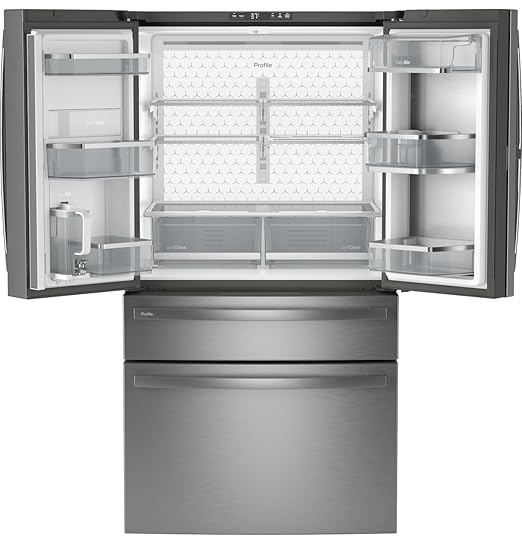
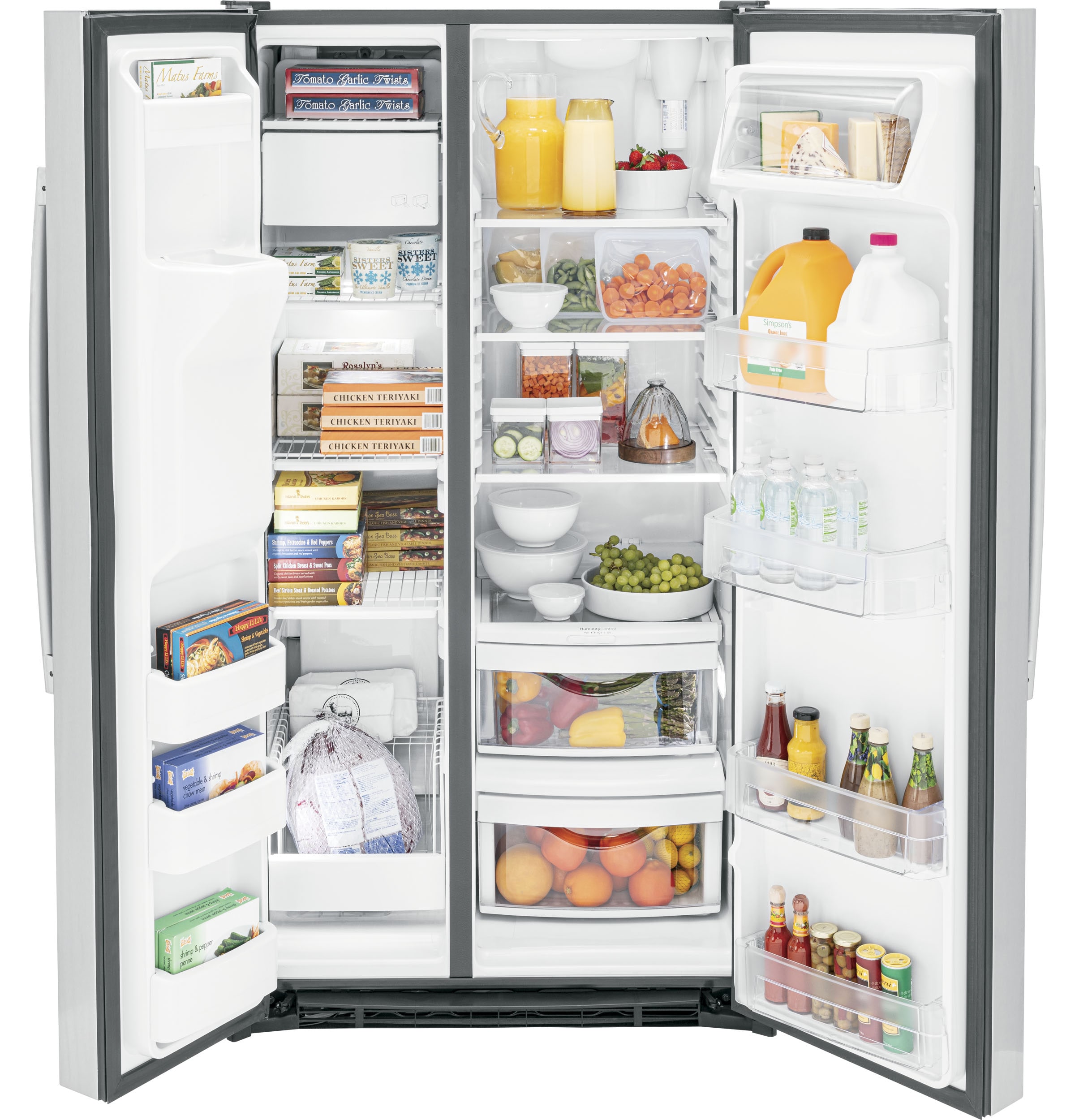
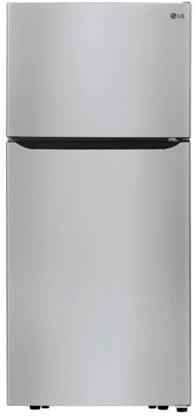
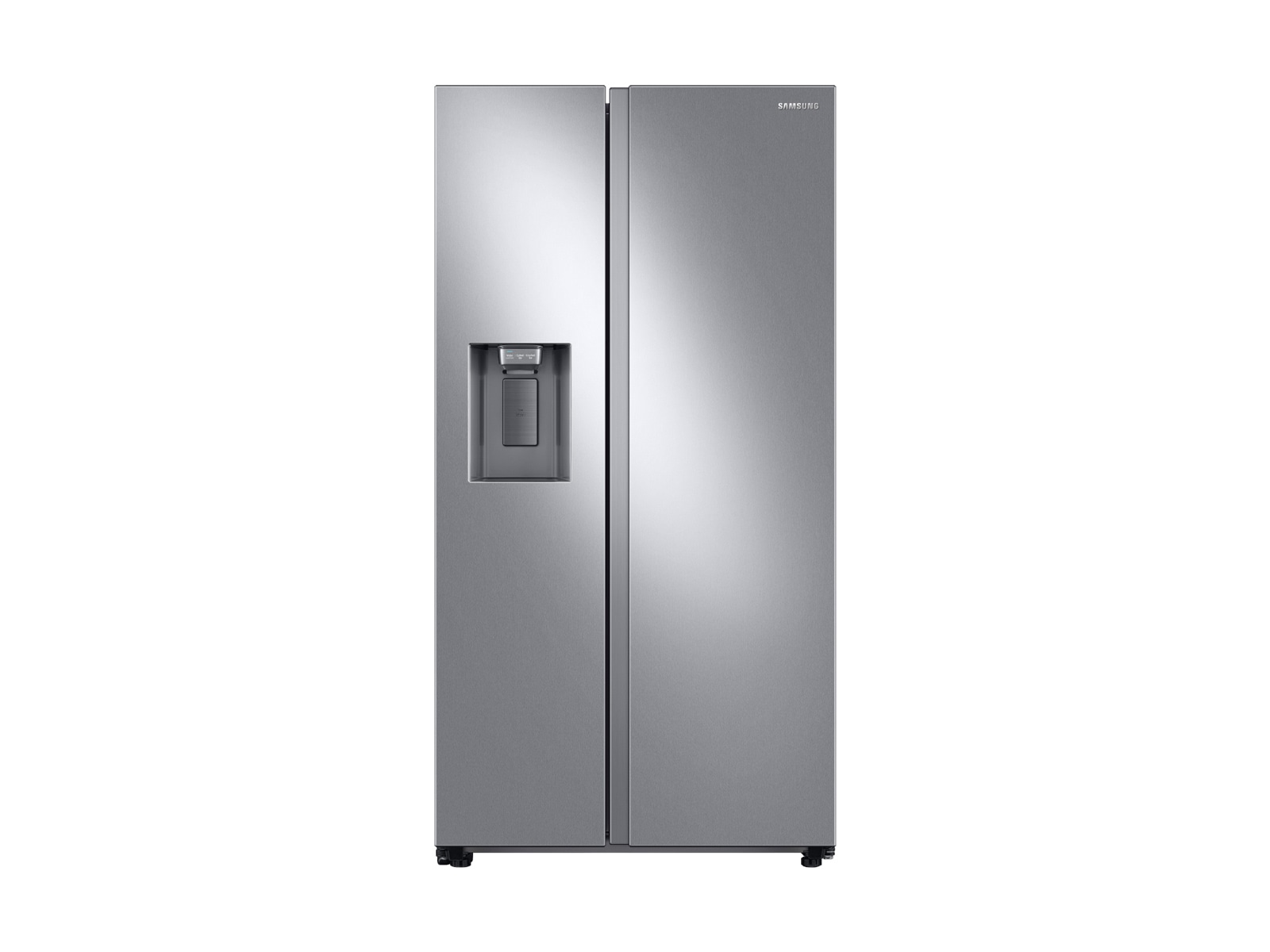
Aim to keep things chill at under 40°F (4°C) in your fridge—because warm and fuzzy should just be for slippers, not bacteria.
Raw or cooked, hamburger meat should never sit at room temperature for more than 2 hours—and only 1 hour if it's hotter than 90°F (32°C), like at a summer cookout or in a hot car.
In the freezer, raw ground beef keeps its best quality for 3-4 months and cooked hamburger for 2-3 months, though it stays safe indefinitely at 0°F.
And whether it's a homemade patty or a takeout burger, cooked hamburger should never sit out of refrigeration for more than 2 hours.
Hamburger meat stays good in the fridge for 1-2 days raw and 3-4 days once cooked, as long as your refrigerator holds 40°F (4°C) or below. In the freezer, raw ground beef keeps its best quality for 3-4 months and cooked hamburger for 2-3 months, though it stays safe indefinitely at 0°F. And whether it's a homemade patty or a takeout burger, cooked hamburger should never sit out of refrigeration for more than 2 hours. Here's the full breakdown—raw vs. cooked, fridge vs. freezer, and how to tell when it's time to toss it.
How Long Can Ground Beef Stay in the Refrigerator? Quick Answer
Whether you call it hamburger meat, ground beef, or beef patties, the fridge clock runs the same—the form of the meat doesn't change its shelf life. What matters is whether it's raw or cooked:
Why does raw hamburger meat get only 1-2 days when a whole steak lasts longer? Grinding dramatically increases the meat's surface area, exposing far more of it to potential contaminants—which is why ground beef spoils faster than whole cuts and deserves extra caution.
Keeping your grub fresh and safe ain't just for the pros; it’s a real lifesaver, especially with stuff like hamburger meat. Store it right and you'll dodge those nasty bugs that can make you ill while keeping it tasty for more days. Aim to keep things chill at under 40°F (4°C) in your fridge—because warm and fuzzy should just be for slippers, not bacteria. Got love for that late-night snack? Maybe peep something like the best garage beer fridge or cozy up to a white French door refrigerator.
Here's the science in one line: cold doesn't kill bacteria like E. coli and Salmonella—it puts them in a dormant state. Between 34°F and 40°F their growth slows to a crawl, which is exactly why the fridge buys you days instead of hours. Let the temperature creep above 40°F and that countdown speeds right back up.
Factors Affecting Hamburger Meat Shelf Life
Here’s what can mess with your burger stash:
Factor
Description
Temperature
Keep your fridge cold enough and stop those sneaky germs from their multiplication tricks.
Storage Method
The way you wrap and hide the meat decides how long it plays nice. Try vacuum-sealing to win a bit more time.
Meat Quality
Start with primo stuff at the store—high-quality cuts hang around longer.
Expiration Date
Make friends with those "sell by" or "use by" dates. They know what's up.
Cross-contamination
Keep raw meat partying on its own—don't let it mingle with the cooked treats.
Getting your head around these will help your hamburger meat last longer and cut down on the trash. Need a few tricks on keeping all your chow in tip-top shape? Check out the lowdown on how to pack a top refrigerator freezer.
Storing Hamburger Meat in the Fridge
Fresh Uncooked Hamburger Meat
Fresh meat's a bit like a goldfish—needs the right care. Here's how to keep it in shipshape:
Storage Time: Got about a day or two before it turns on you.
Packaging: Leave it in its original wrap or toss it in an airtight container. Snug as a bug, it'll keep the air out and the freshness in.
Storage Method
Shelf Life
Original Packaging
1-2 days
Airtight Container
1-2 days
Cooked Hamburger Meat
Cooked burgers, bless 'em, they'll last you a bit longer. Treat ‘em well with these steps:
Storage Time: You’re looking at 3-4 days in the fridge.
Timing: Get cooked meat into the refrigerator within 2 hours of cooking, in shallow airtight containers so it cools quickly all the way through.
Storage Method
Shelf Life
Refrigerated
3-4 days
Where to Put Hamburger Meat in the Fridge
Placement matters almost as much as temperature. Store raw hamburger meat on the bottom shelf, toward the back—the coldest, most stable spot in the fridge—and keep it on a plate or in a container so juices can't drip onto other foods and spread bacteria. Skip the door entirely:
Storage Area
Temperature
Recommended For
Refrigerator door
Fluctuating
Condiments, not meat
Lower shelf, back
Coldest
Raw meats
Sell By, Use By, and Best By Dates
The dates on the package each mean something different—and only one of them is a hard stop:
Label Type
What It Means
Sell By
A note for the store, telling them when to pull it from shelves. Properly refrigerated meat is generally still good 1-2 days beyond this date.
Use By
The last date recommended for eating at peak quality. Past this? Not worth the gamble.
Best By
A flavor benchmark. After this date the meat may lose some quality but isn't automatically unsafe.
Remember: these dates assume the meat was stored properly the whole time. If it sat above 40°F for an extended stretch, toss it even if the date says it's fine. Freezing pauses the clock—frozen meat can outlast its "use by" date safely.
Got some raw hamburger waiting for sizzling action? Here's the lowdown on how long you can keep it without playing food roulette:
Type of Hamburger Meat
How Long in the Fridge?
Fresh Ground Beef
1-2 days
Vacuum-Sealed Ground Beef
3-4 days
Beef Patties
1-2 days
And the cooked stuff? You've got about 3-4 days before it's ready to go from fridge to trash.
Extension Tips for Maintaining Freshness
Stretch that beef's lifespan with a few no-brainer tactics:
Seal it Right: Airtight containers or snug plastic wrap are your best buddies to keep out those spoilage gremlins. For extra insurance, double-wrap: plastic wrap first, then foil.
Chill Factor: Aim for a fridge temp at 40°F or lower—think of it as your meat's happy place.
Divide and Conquer: Portion out big beef bundles into mini-me packs. Easier to use, less likely to spoil!
Label Everything: Write the purchase or cook date on the package so you never have to guess how long it's been in there.
Trust Your Tools: Not sure your patties are cooked enough? Grab a food thermometer and be sure.
Signs of Spoiled Meat
Your health is on the line—don’t mess with the sneaky signs of bad meat:
Funky Smell: If it's sniffing more gym sock than beefy—sour, rancid, or ammonia-like—pitch it.
Changing Colors: If it's gone from red or pink to some shade of grunge grey, brown throughout, or (worst case) green-tinged, give it the heave-ho.
Slimy Surprise: Slick or sticky? That's a nope for your plate.
Mold: Any fuzzy or slimy spots mean the whole package goes in the bin—no trimming around it.
Date Check: Keep an eye on those dates unless you're up for a risky flavor journey.
Handling hamburger meat with care makes all the difference between a tasty meal and a food disaster nobody wants. Let's dive into some smart practices to keep your ground beef fresh and safe.
Proper Packaging
Keeping hamburger meat fresh isn't rocket science. It’s all about how you wrap it up. Here’s how to keep it in great shape:
Type of Hamburger Meat
Recommended Packaging
Fresh Uncooked
Yep, leaving it in the store packaging is fine. Want extra freshness? Use plastic wrap or aluminum foil to seal it up snug. That airtight seal keeps it from spoiling.
Cooked
Pop it in a clean container with a tight lid or give it a snug wrap with foil or plastic. It’ll keep nasties away and smells from sneaking between shelves in your fridge.
Remember, good wrapping is like a bodyguard, protecting your meat from stinking up or taking on other funky fridge odors. And keep raw meat strictly separated from ready-to-eat food: use separate cutting boards, and wash hands, utensils, and surfaces after every contact with raw beef.
Thawing Procedures
Frozen hamburger meat is like a frozen in-time meal, ready when you are. But how you thaw it matters big time:
Fridge Method: Patience pays off! Toss it in the fridge so it can chill out and thaw overnight. Easy-peasy, just needs some time.
Cold Water Dunk: Short on time? Dunk in cold water and keep it in a no-leak package. Change that water every half hour and get ready to cook once it's thawed.
Microwave: Zap it if you're about to cook. Be careful though; some bits might start cooking already!
How long will it take? Here's a cheat sheet by weight:
Weight of Hamburger Meat
Fridge Thawing
Cold Water Thawing
1 pound
12-24 hours
About 1 hour
2 pounds
24-36 hours
1-2 hours
3 pounds
36-48 hours
2-3 hours
Whatever you do, keep the thawed meat off the counter. Room temps are the red carpet bacteria love to party on. And if you thawed in cold water or the microwave, cook the meat immediately—no putting it back in the fridge raw.
Smell and Texture Check
Before you turn that red meat into magic, check it like a detective on a case! Here’s what you’re looking (and sniffing) for:
Smell Test: Fresh hamburger should smell just like, well, fresh meat. Got a whiff of sour? It’s outta here, no questions.
Texture Talk: Fresh meat feels firm and a bit moist. But slimy or sticky? No thanks, toss it out.
Getting these checks right makes sure your burger meat's good to go. For fridge times and more tips, see the earlier bits in this article. Grill on, chef!
Safe Cooking Temperatures
Ground beef's magic number is 160°F (71°C)—the internal temperature where harmful bacteria can't survive. Insert a food thermometer into the thickest part of the patty to check; color alone isn't a reliable doneness test. For comparison with other meats:
Food Item
Safe Minimum Internal Temperature
Ground Beef
160°F (71°C)
Poultry
165°F (74°C)
Pork
145°F (63°C)
The 2-Hour Rule: Hamburger Meat Without Refrigeration
Raw or cooked, hamburger meat should never sit at room temperature for more than 2 hours—and only 1 hour if it's hotter than 90°F (32°C), like at a summer cookout or in a hot car. That applies to a homemade patty and to a takeout or fast-food burger alike: once it's been out longer than that, bacteria have had time to multiply to unsafe levels, and reheating won't reliably fix it. If a burger has been sitting out past the window, toss it. When you do refrigerate leftovers, get them in within 2 hours of cooking, in shallow containers so they cool fast.
Reheating Leftover Hamburger Meat
Give leftovers a second act the safe way:
Get It Toasty: Reheat to an internal temperature of 165°F (74°C) to knock out anything that grew during storage. The thermometer is your buddy, once again.
Easy Does It: Use low to medium heat—microwave, stovetop, or oven—so the meat stays juicy instead of drying out.
Only What You Need: Reheat just the portion you'll eat right away; repeated reheating wrecks quality.
Mind the Window: Eat refrigerated leftovers within 3-4 days. Not going to make it? Move them to the freezer before the window closes.
Keeping Hamburger Meat Fresh for Longer
The Freezing Trick
Look, your freezer is about to become your best buddy. Freezing your hamburger meat is like giving it a comfy vacation—it stays safe to munch on for a good while. Here's the scoop:
Kind of Hamburger Meat
Best in Freezer Until…
Uncooked Ground Beef
3-4 months
Cooked Ground Beef
2-3 months
So how do you give your hamburger that frosty hug? Wrap it snugly in plastic wrap, aluminum foil, or pop it in a freezer-safe baggie. Don't forget to squeeze out the air—it keeps those icy crystals away and your meat happy.
How Long Can Hamburger Meat Stay in the Freezer?
Here's the good news: at a steady 0°F (-18°C), frozen hamburger meat stays safe indefinitely. The 3-4 month guideline (2-3 months for cooked) is about quality—flavor and texture slowly fade past that point. Some cooks even aim to use frozen ground beef within 2 months for that fresh-off-the-grill taste. To get the most out of the deep freeze:
Packaging Type
Best Use
Vacuum-sealed bags
Long-term storage; removes the air that causes freezer burn
Freezer-safe plastic wrap
Short stays; wrap tight, then add foil
Zip-top freezer bags
Flexible portions; press out air before sealing
Rigid airtight containers
Cooked hamburger and saucy leftovers
Label every package with the freeze date, what's inside, and how much—no more mystery-bag roulette.
Keep the temperature steady at 0°F or below. Stash meat toward the back where it's coldest, and don't leave the door hanging open.
Seasoned meat freezes fine. Plenty of cooks season before freezing to lock in flavor—just wrap it tight against freezer burn.
Watch for freezer burn: white blotches, grayish patches, or dry, wrinkly-looking meat mean quality has taken a hit.
Cooking Hamburger Meat from Frozen
Forgot to thaw? You can cook hamburger meat straight from frozen—just budget about 50% more cooking time and confirm it hits 160°F inside:
Cooking Method
Cook Time (Thawed)
Cook Time (Frozen)
Frying
6-8 mins per side
10-12 mins per side
Grilling
6-8 mins per side
10-12 mins per side
Baking
20-25 mins at 400°F
30-35 mins at 400°F
Portioning to Cut Waste
Don't freeze a whole brick you'll have to thaw at once. Split bulk buys into the portions you actually cook with, wrap each separately, and date them:
Portion Size
Uses
1 pound
Burgers and meatloaf
½ pound
Taco night or a saucy spaghetti
¼ pound
Mini sliders or meatballs
Leftover Hamburger Magic
Got leftover hamburger meat? Don't just stare at it—turn it into something new and tasty! Here’s some kitchen wizardry:
Tacos: Throw that meat into a tortilla and dress it up with some cheese, lettuce, and salsa for a fiesta in your mouth!
Chili: Mix it with beans and tomatoes for a warm and cozy bowl of goodness.
Hamburger Helper: Whip up a casserole with pasta and veggies, and bam, dinner's done!
Meat Sauce: Toss it with pasta for a saucy feast.
Shepherd's Pie: Layer it with vegetables and mashed potatoes for a comforting classic.
Stuffed Peppers: Mix with rice, veggies, and seasoning, then bake inside bell peppers.
Whatever you make, the leftovers of the leftovers still follow the same rule: 3-4 days in the fridge, reheated to 165°F. Having a leftover plan means less waste and more tasty meals when you're in a crunch. Looking for more fun ideas? Swing by our creative meal planning section.
Zippy Recipes for Freshness
Keep things lively and maximize hamburger meat freshness with these quick-to-cook recipes:
Recipe Name
Get it Cooked in
What You’ll Need
Sloppy Joes
20 minutes
Ground meat, buns, ketchup, mustard
Beef and Rice Casserole
30 minutes
Ground meat, rice, cheese, mixed veggies
Meatball Subs
25 minutes
Ground meat, breadcrumbs, rolls, marinara sauce
Easy peasy and perfect for tight schedules. These recipes help chow down on leftovers while keeping your fridge neat and tidy.
A cooked burger is good for 3-4 days in the fridge when it's stored in an airtight container within 2 hours of cooking. A raw beef patty only gets 1-2 days—cook it or freeze it before then. Either way, the fridge needs to be at or below 40°F.
How long can Hamburger Helper stay in the fridge?
Hamburger Helper and similar cooked ground-beef dishes follow the cooked-meat rule: 3-4 days in the refrigerator. Get leftovers into a shallow airtight container within 2 hours of cooking, and reheat to 165°F (74°C) before eating. If you won't finish it within 4 days, freeze it—cooked ground-beef dishes keep their quality for 2-3 months in the freezer.
How long does a burger last without refrigeration?
Two hours, maximum—and just 1 hour if the surroundings are above 90°F (32°C). That applies to any cooked burger, whether it's homemade or takeout from a fast-food restaurant. Past that window, bacteria have had time to multiply to unsafe levels, and reheating won't reliably make it safe again. If a burger has been sitting out longer, the safe call is to throw it away.
How long can a beef patty stay in the fridge?
Raw beef patties last 1-2 days in the fridge—shaping ground beef into patties doesn't change its shelf life. Once cooked, patties are good for 3-4 days. If you won't cook raw patties within 2 days, freeze them; they'll hold their best quality for 3-4 months.
Can you refreeze hamburger meat?
It depends on how you thawed it. If the meat thawed in the refrigerator and never sat at room temperature for more than 2 hours, you can refreeze it as-is. If you thawed it in cold water or the microwave, cook it first—then you can freeze the cooked meat. Either way, expect some loss of texture and moisture from the extra freeze-thaw cycle, so use refrozen meat sooner rather than later.
Is hamburger meat good after the sell-by date?
Usually, briefly. The sell-by date is guidance for the store, not a safety deadline—properly refrigerated hamburger meat is generally still fine 1-2 days beyond it. A "use by" date is different: that's the last recommended day to eat it, and it isn't worth pushing. In every case, check the meat itself—an off smell, gray-brown color throughout, or slimy texture overrules any date on the label.
Is it safe to freeze seasoned hamburger meat?
Yes. Seasoning before freezing is safe and can even build flavor while the meat is stored. Wrap it tightly or vacuum-seal it to fend off freezer burn, label it with the date, and use it within the same 3-4 month best-quality window as unseasoned ground beef.
How can you tell if frozen hamburger meat is still good?
Check three things once it's thawed: color (red or pink is fresh; brown-gray may just mean quality loss, but green means toss it), texture (slimy or sticky is a no), and smell (anything sour or off means it's done). White or gray dry patches are freezer burn—safe to cut away, but a sign the meat's been in there too long. When in doubt, throw it out.
Does vacuum sealing make ground beef last longer?
Somewhat in the fridge, significantly in the freezer. Vacuum-sealed raw ground beef keeps about 3-4 days refrigerated versus 1-2 days in ordinary packaging, because removing air slows oxidation and bacterial growth. In the freezer, vacuum sealing's real job is preventing freezer burn, which keeps quality high through the full 3-4 month storage window.
Frequently Asked Questions
Here's the good news: at a steady 0°F (-18°C), frozen hamburger meat stays safe indefinitely. The 3-4 month guideline (2-3 months for cooked) is about quality—flavor and texture slowly fade past that point. Some cooks even aim to use frozen ground beef within 2 months for that fresh-off-the-grill taste. To get the most out of the deep freeze:. Packaging Type.
Best Use.
.
Vacuum-sealed bags.
Long-term storage; removes the air that causes freezer burn.
.
Freezer-safe plastic wrap.
Short stays; wrap tight, then add foil.
.
Zip-top freezer bags.
Flexible portions; press out air before sealing.
.
Rigid airtight containers.
Cooked hamburger and saucy leftovers.
. Label every package with the freeze date, what's inside, and how much—no more mystery-bag roulette. Keep the temperature steady at 0°F or below. Stash meat toward the back where it's coldest, and don't leave the door hanging open. Seasoned meat freezes fine. Plenty of cooks season before freezing to lock in flavor—just wrap it tight against freezer burn. Watch for freezer burn: white blotches, grayish patches, or dry, wrinkly-looking meat mean quality has taken a hit.