Grits should be stored at or below 40°F (4°C) to prevent bacterial growth.
By following these storage tips, you can enjoy your cooked grits for up to 3 - 4 days while maintaining their quality and safety.
Cooked grits should be consumed within 3-4 days when refrigerated.
Cooked grits last 3 to 4 days in the fridge when sealed in an airtight container at 40°F (4°C), while dry uncooked grits keep in the pantry for up to 1 year.
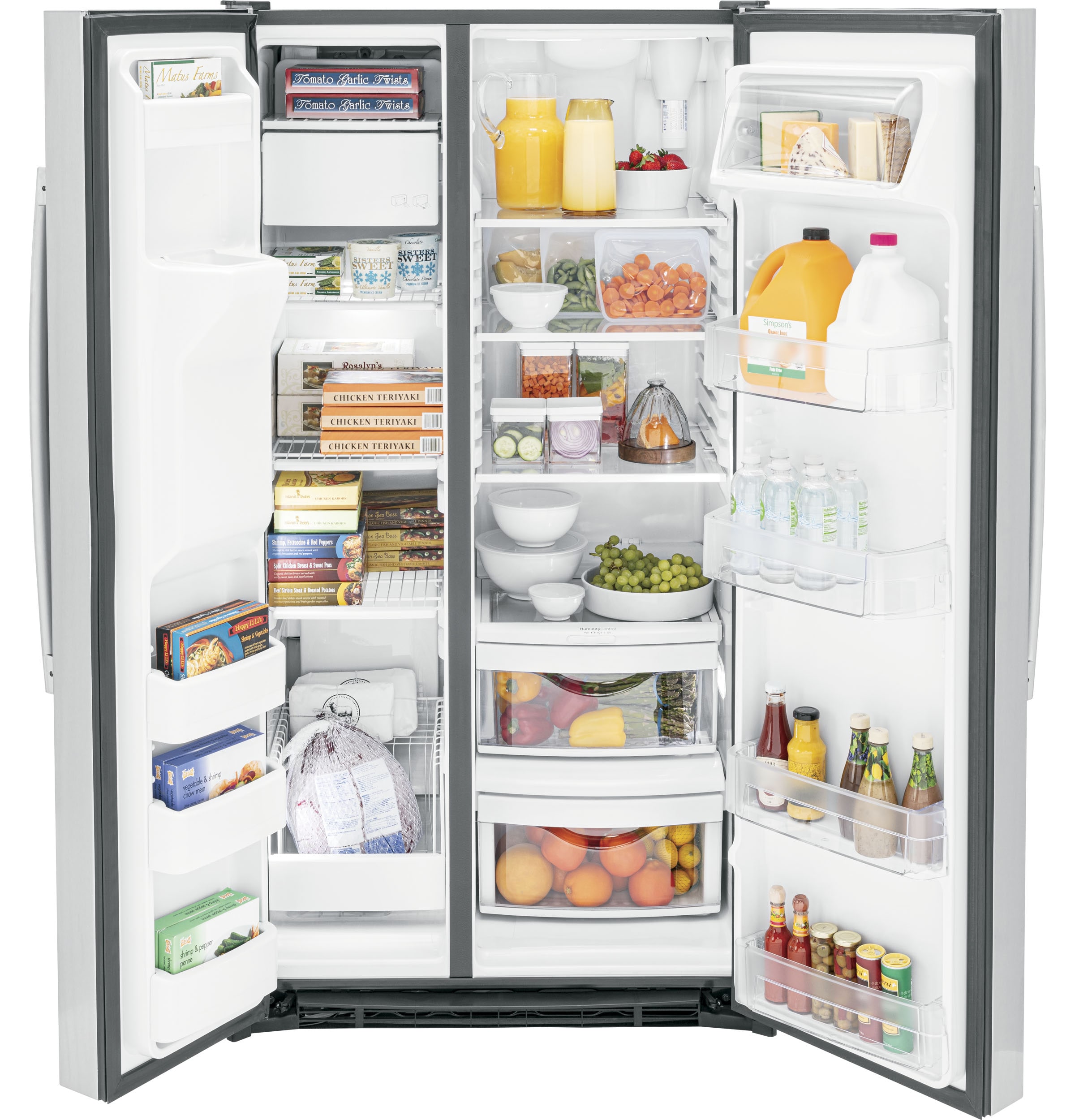
Cooked grits last 3 to 4 days in the fridge when sealed in an airtight container at 40°F (4°C), while dry uncooked grits keep in the pantry for up to 1 year. Want steady cold that keeps leftovers safe? Compare current refrigerators.
Storing Grits in the Fridge
Proper storage of grits is essential to maintain their freshness and prevent spoilage. Whether you have uncooked or cooked grits, knowing how to store them correctly in the refrigerator can significantly extend their shelf life.
Importance of Proper Storage
Storing grits properly in the fridge ensures that they remain safe to eat and retain their quality. Improper storage can lead to contamination, mold growth, and unpleasant odors. Ensuring that your grits are stored in airtight containers helps to protect them from moisture and other contaminants.
Factors Affecting Grits Shelf Life
Several factors can influence how long grits last in the fridge. Understanding these factors can help you make informed decisions about storing your grits.
Moisture Content
Grits, whether cooked or uncooked, should be kept away from moisture. Excess moisture can lead to mold growth and spoilage. Use airtight containers to minimize exposure to humidity.
Temperature
Maintaining a consistent refrigerator temperature is critical. Grits should be stored at or below 40°F (4°C) to prevent bacterial growth. Fluctuating temperatures can compromise the shelf life of grits.
Storage Containers
Using the right storage containers is crucial. Airtight containers or heavy-duty resealable bags are ideal for keeping grits fresh. Avoid using containers that are not airtight, as they can allow moisture and air to enter.
By considering these factors and following best practices for storage, you can ensure that your grits remain fresh and safe to consume for as long as possible.
Understanding the shelf life of uncooked grits is essential to ensure you enjoy them at their best quality. Proper storage plays a significant role in prolonging the freshness of grits.
How Long Do Uncooked Grits Last in the Fridge?
Uncooked grits have a relatively long shelf life when stored correctly. When kept in an airtight container and stored in the fridge, uncooked grits can last for up to one year. It's important to keep them away from moisture and humidity to maintain their quality.
Storage Method
Duration
Airtight container in the fridge
Up to 1 year
Signs of Spoiled Uncooked Grits
Even with proper storage, uncooked grits can go bad over time. Here are some signs to look out for:
Off Smell: If the grits emit a sour or rancid odor, it's a clear indication that they have spoiled.
Discoloration: Fresh grits should maintain a consistent color. Any discoloration or dark spots suggest spoilage.
Presence of Pests: If you notice any insects or larvae in the container, the grits are no longer safe to consume.
Mold Growth: Any signs of mold indicate that the grits have been exposed to moisture and should be discarded immediately.
By keeping an eye on these signs, you can ensure that your uncooked grits remain fresh and safe for consumption. Proper storage and regular checks will help you enjoy your favorite dishes without any concerns.
Understanding the shelf life of cooked grits is crucial for maintaining their freshness and ensuring they remain safe to eat. This section will guide you through how long cooked grits last in the fridge and the best practices for storing them.
How Long Do Cooked Grits Last in the Fridge?
Cooked grits can last in the refrigerator for a limited time. To maximize their shelf life, it's essential to store them properly.
Storage Method
Duration
Refrigerator (below 40°F)
3 - 4 days
After this period, cooked grits may start to lose their quality and become unsafe to eat. It's important to check for any signs of spoilage before consuming them.
Proper Storage of Cooked Grits
Proper storage practices can help extend the shelf life of your cooked grits and ensure they stay fresh for as long as possible. Here are some tips:
Use Airtight Containers: Store cooked grits in airtight containers to prevent moisture and odors from getting in. This helps maintain their texture and taste.
Cool Before Storing: Allow the cooked grits to cool to room temperature before placing them in the refrigerator. This helps prevent condensation, which can lead to spoilage.
Label with Dates: Label the containers with the date you cooked the grits. This makes it easier to track how long they have been stored and ensures you consume them within the safe time frame.
Store on Fridge Shelves: Place the containers on the shelves of your refrigerator rather than the door. The temperature on the shelves is more consistent, which is better for preserving the grits.
By following these storage tips, you can enjoy your cooked grits for up to 3 - 4 days while maintaining their quality and safety. For more information on extending the shelf life of your foods, visit Fridge.com section on how long do sugar apples last in the fridge?.
Determining whether your grits have spoiled is essential for ensuring you consume safe and flavorful food. There are several indicators to watch for when checking both uncooked and cooked grits for freshness.
Uncooked Grits
Appearance: Inspect the texture and color. Fresh grits should be dry and consistent in color. If you notice mold, discoloration, or clumping, it's best to discard them.
Smell: Fresh grits have a mild, neutral aroma. A sour, musty, or off smell indicates spoilage.
Insects: Check for any signs of infestation, such as small insects or webs. If found, discard the grits immediately.
Cooked Grits
Texture: Freshly cooked grits should be creamy and smooth. If they become watery, slimy, or overly hard, they are likely spoiled.
Smell: Like uncooked grits, spoiled cooked grits will have an unpleasant odor.
Taste: If the grits taste off or sour, do not consume them.
Safety Precautions when Consuming Grits
Ensuring the safety of your food is paramount. Here are some precautions to take when consuming grits:
Storage: Always store uncooked grits in an airtight container in a cool, dry place. For cooked grits, use a sealed container and refrigerate them. For more storage tips, visit Fridge.com section on proper storage of cooked grits.
Shelf Life: Be mindful of the shelf life. Uncooked grits can last up to a year if stored properly. Cooked grits should be consumed within 3-4 days when refrigerated.
Handling: Use clean utensils and avoid cross-contamination. Do not leave cooked grits at room temperature for extended periods.
Reheating: When reheating cooked grits, ensure they are heated thoroughly to avoid foodborne illnesses. Use a microwave or stovetop to bring them to a safe temperature.
Refer to the table below for a quick reference on the shelf life of grits:
Type of Grits
Storage Method
Shelf Life
Uncooked Grits
Airtight container, cool dry place
Up to 1 year
Cooked Grits
Sealed container, refrigerated
3-4 days
For more information on how long various foods last in the fridge, check out Fridge.com articles on how long do pasilla peppers last in the fridge? and how long does mustard sauce last in the fridge?.
By following these guidelines, you can enjoy your grits while ensuring they remain fresh and safe to eat.
Leftover grits can be a versatile base for many delicious dishes. Instead of throwing them away, you can repurpose them into creative meals that your family and friends will love.
Creative Ways to Repurpose Leftover Grits
Grits Cakes: Form your leftover grits into small patties and fry them until golden brown. These cakes can be served as a savory side dish or topped with a variety of ingredients for a hearty meal.
Grits Casserole: Mix your grits with cheese, vegetables, and proteins like sausage or bacon. Bake the mixture in the oven for a comforting casserole.
Grits Fritters: Combine your grits with some flour, eggs, and seasoning, then fry spoonfuls of the mixture until crispy. These fritters make a great snack or appetizer.
Grits Soup: Stir your leftover grits into a pot of broth with vegetables and spices to create a creamy, satisfying soup.
Grits-Stuffed Peppers: Fill bell peppers with a mixture of grits, cheese, and your choice of meat or vegetables, then bake until the peppers are tender.
Recipes to Try with Leftover Grits
Here are some easy recipes to make the most out of your leftover grits:
Grits Cakes Recipe
Ingredients:
2 cups leftover grits
1 cup grated cheese
1/4 cup flour
1 egg, beaten
Salt and pepper to taste
Instructions:
Preheat a skillet over medium heat.
In a bowl, mix the grits, cheese, flour, egg, salt, and pepper.
Form the mixture into small patties.
Fry the patties in the skillet until golden brown on both sides.
Grits Casserole Recipe
Ingredients:
3 cups leftover grits
1 cup shredded cheese
1/2 cup cooked sausage or bacon
1/2 cup chopped vegetables (e.g., bell peppers, onions)
2 eggs, beaten
Salt and pepper to taste
Instructions:
Preheat your oven to 350°F (175°C).
In a large bowl, mix the grits, cheese, sausage, vegetables, eggs, salt, and pepper.
Pour the mixture into a greased baking dish.
Bake for 25-30 minutes or until the casserole is set and golden brown on top.
Grits Fritters Recipe
Ingredients:
2 cups leftover grits
1/2 cup flour
1 egg, beaten
1/4 cup grated cheese (optional)
Salt and pepper to taste
Instructions:
In a bowl, combine the grits, flour, egg, cheese (if using), salt, and pepper.
Heat oil in a skillet over medium heat.
Drop spoonfuls of the mixture into the hot oil and fry until golden brown on both sides.
Drain on paper towels and serve warm.
Using leftover grits creatively not only reduces food waste but also adds variety to your meals. For more tips on preserving food and maximizing its shelf life in the fridge, check out articles like how long does lemon juice last in the fridge? and how long do fries last in the fridge?.
Frequently Asked Questions
Uncooked grits have a relatively long shelf life when stored correctly. When kept in an airtight container and stored in the fridge, uncooked grits can last for up to one year. It's important to keep them away from moisture and humidity to maintain their quality. Storage Method.
Duration.
.
Airtight container in the fridge.
Up to 1 year.
.