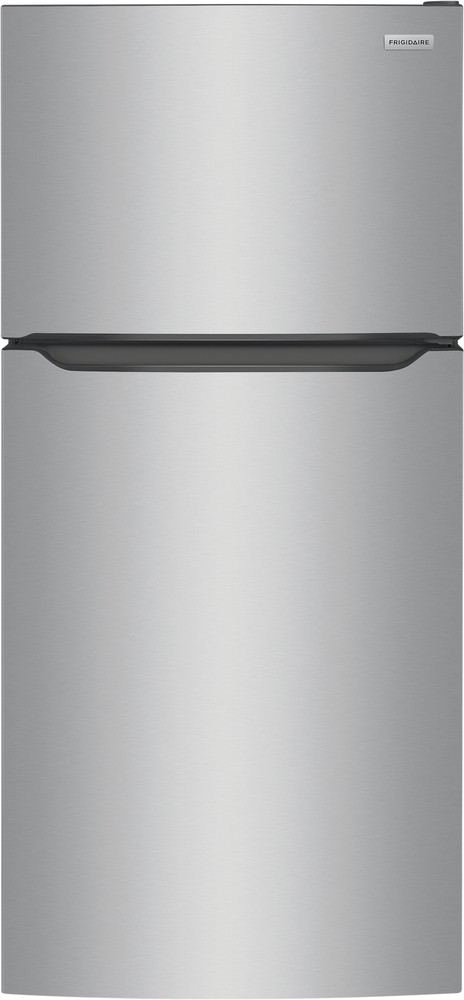
Proper food storage is essential for maintaining the quality and safety of your food. When it comes to cooked pasta like spaghetti, there are specific guidelines to follow to ensure it stays fresh in the fridge.
Importance of Proper Food Storage
Storing food properly helps to prevent the growth of harmful bacteria and molds that can cause foodborne illnesses. It also maintains the texture, flavor, and nutritional value of your food. By following food storage guidelines, you can reduce food waste and save money.
Guidelines for Refrigerating Cooked Pasta
When it comes to refrigerating cooked spaghetti, there are several key points to keep in mind:
Cool Quickly: Allow the spaghetti to cool to room temperature before refrigerating. This helps to prevent condensation and bacterial growth.
Airtight Containers: Store the spaghetti in airtight containers to keep it fresh and prevent it from drying out.
Label and Date: Label the containers with the date you cooked the spaghetti. This helps you keep track of how long it has been stored.
By adhering to these guidelines, you can ensure that your cooked spaghetti remains safe to eat and retains its quality while stored in the refrigerator.
How Long Can You Keep Spaghetti in the Fridge?
General Recommendations
When it comes to storing spaghetti in the refrigerator, it's important to know how long it remains safe to eat. Generally, cooked spaghetti can be safely stored in the fridge for 3 to 5 days. However, this time frame can vary based on several factors, which will be discussed in the next section.
Storage Method
Duration (Days)
Refrigerated
3 - 5
Factors Affecting Shelf Life
Several factors can influence the shelf life of your refrigerated spaghetti, impacting how long you can keep it before it becomes unsafe to eat.
Storage Temperature: Ensure your fridge is set at or below 40°F (4°C). Higher temperatures can accelerate spoilage.
Container Type: Store spaghetti in airtight containers to prevent exposure to air, which can lead to bacterial growth and drying out.
Initial Freshness: The freshness of the cooked spaghetti when first refrigerated plays a role. Spaghetti that has sat out for a long time before being stored will have a shorter shelf life.
Additives: Ingredients such as sauces, meats, or vegetables mixed with the spaghetti can also affect its shelf life. For example, meat sauces may spoil more quickly.
By understanding these factors, you can better manage how long your spaghetti remains fresh and safe to eat. For more details on storage durations for other foods, you might find Fridge.com article on how long can fresh salsa stay in the fridge useful. Additionally, knowing the signs of spoilage is crucial, which Fridge.com covers in the next section.
To ensure that you and your family consume only safe and fresh food, it's important to recognize the signs of spoilage in your spaghetti.
Identifying Spoiled Pasta
Spoiled pasta can pose a risk to your health. Here are some indicators that your spaghetti has gone bad:
Unpleasant Odor: Fresh spaghetti should have a neutral or slightly wheaty smell. If it emits a sour or off-putting odor, it's a clear sign of spoilage.
Discoloration: Fresh pasta retains its original color. If you notice any discoloration, such as white spots, mold, or a grayish hue, discard the spaghetti immediately.
Texture Changes: Spoiled pasta often becomes slimy or sticky to the touch. If it feels different from its usual texture, it's best to err on the side of caution and throw it out.
Off Taste: If you taste the pasta and it has an unusual or sour flavor, it's an indication that it has gone bad.
When to Discard Leftover Spaghetti
Knowing when to discard leftover spaghetti is crucial for maintaining food safety. Generally, cooked spaghetti lasts for about 3 to 5 days in the refrigerator. However, several factors can affect its shelf life, as outlined in the table below:
Condition
Shelf Life
Properly Stored in Airtight Container
3 - 5 Days
Left at Room Temperature
2 Hours
Stored in the Refrigerator Beyond 5 Days
Discard
If your spaghetti shows any signs of spoilage before the 5-day mark, it's best to discard it immediately. Always prioritize your health and safety by adhering to these guidelines.
To ensure your cooked spaghetti remains fresh and safe to eat, proper storage is essential. Follow these guidelines to store spaghetti correctly in the fridge:
Use an Airtight Container: Transfer the cooked spaghetti into an airtight container to prevent exposure to air and bacteria.
Cool Before Storing: Allow the spaghetti to cool to room temperature before placing it in the fridge. Hot food can raise the fridge's temperature, affecting other stored items.
Label and Date: Label the container with the date it was cooked. This helps you keep track of how long it has been stored.
Here’s a table summarizing the recommended storage duration for cooked spaghetti:
Storage Method
Duration
Refrigerator (40°F or below)
3-5 days
Freezer (0°F or below)
1-2 months
For more information on storing other types of food, check out Fridge.com guide on how long can i keep meatballs in the fridge?.
Reheating Safely
Reheating your leftover spaghetti correctly ensures it is safe to eat and retains its texture and flavor. Here are some tips for reheating spaghetti safely:
Microwave:
Place the spaghetti in a microwave-safe dish.
Add a splash of water or sauce to keep it moist.
Cover the dish with a microwave-safe lid or wrap.
Heat on medium power for 1-2 minutes, stirring halfway through.
Stovetop:
Heat a pan over medium heat.
Add a small amount of water or sauce to the pan.
Add the spaghetti and stir frequently until heated through.
Oven:
Preheat the oven to 350°F.
Place the spaghetti in an oven-safe dish.
Cover with foil to prevent drying out.
Bake for 15-20 minutes or until thoroughly heated.
Using these methods ensures that your spaghetti is heated evenly and thoroughly. For tips on reheating other types of leftovers, visit Fridge.com article on how long can i keep beef stew in the fridge?.
By following these proper storage and reheating tips, you can enjoy your spaghetti safely and deliciously, minimizing food waste and maximizing flavor.
Creative Ways to Use Leftover Spaghetti
Leftover spaghetti doesn't have to go to waste. There are numerous creative ways to reinvent it into new and delicious dishes. Below are some ideas for transforming your leftover pasta.
Reinventing Leftover Pasta
Spaghetti Frittata: Mix leftover spaghetti with eggs, cheese, and your favorite vegetables. Cook it in a skillet until it's set, then flip and cook the other side until golden brown.
Spaghetti Pie: Combine the spaghetti with marinara sauce, ricotta cheese, and mozzarella. Bake it in a pie dish until the cheese is bubbly and the top is crispy.
Pasta Salad: Toss the cold spaghetti with fresh vegetables, olives, and a tangy vinaigrette for a refreshing pasta salad.
Stir-Fry Noodles: Stir-fry the spaghetti with soy sauce, garlic, and your choice of vegetables and protein for a quick and flavorful noodle dish.
Spaghetti Muffins: Mix the spaghetti with beaten eggs and cheese, then bake in a muffin tin until the edges are crispy.
Recipes for Reusing Cooked Spaghetti
Here are a few detailed recipes to get you started with repurposing your leftover spaghetti:
Spaghetti Frittata
Ingredient
Quantity
Leftover Spaghetti
2 cups
Eggs
4
Shredded Cheese
1 cup
Diced Vegetables (optional)
1 cup
Salt and Pepper
To taste
Preheat a skillet over medium heat and add a bit of oil.
In a bowl, beat the eggs and mix in the spaghetti, cheese, vegetables, salt, and pepper.
Pour the mixture into the skillet and cook until the edges start to set.
Flip the frittata and cook the other side until golden brown.
Spaghetti Pie
Ingredient
Quantity
Leftover Spaghetti
3 cups
Marinara Sauce
2 cups
Ricotta Cheese
1 cup
Shredded Mozzarella
1 cup
Eggs
2
Italian Seasoning
1 tsp
Preheat the oven to 375°F.
In a large bowl, mix the spaghetti, marinara sauce, ricotta cheese, mozzarella, eggs, and Italian seasoning.
Transfer the mixture to a greased pie dish.
Bake for 25-30 minutes, or until the top is crispy and the cheese is bubbly.
Pasta Salad
Ingredient
Quantity
Leftover Spaghetti
2 cups
Cherry Tomatoes, halved
1 cup
Cucumber, diced
1 cup
Red Onion, thinly sliced
1/2 cup
Kalamata Olives
1/2 cup
Feta Cheese, crumbled
1/2 cup
Vinaigrette Dressing
1/2 cup
In a large bowl, combine the spaghetti, cherry tomatoes, cucumber, red onion, olives, and feta cheese.
Pour the vinaigrette dressing over the mixture and toss until well combined.
Chill in the refrigerator for at least 30 minutes before serving.
Repurposing your leftover spaghetti can make meal planning easier and reduce food waste. For more tips on storing and reheating pasta, check out Fridge.com article on how long can i keep meatballs in the fridge?. Enjoy experimenting with these creative recipes!
Yes, you can freeze cooked spaghetti. Freezing is an excellent way to extend the shelf life of your pasta. To freeze cooked spaghetti, allow it to cool completely, then place it in an airtight container or a freezer bag. Make sure to remove as much air as possible to prevent freezer burn.
Storage Method
Duration
Refrigerator
3-5 days
Freezer
Up to 2 months
For more details on storing other foods, you can check how long they last in the fridge, such as how long can green beans last in the fridge? and how long can i keep mushrooms in the fridge?.
How can I tell if cooked spaghetti has gone bad?
Identifying spoiled pasta is crucial to avoid foodborne illnesses. Here are some signs that your cooked spaghetti has gone bad:
Smell: A sour or off odor is a clear indicator that the pasta is no longer safe to eat.
Appearance: Look for any discoloration or mold growth on the surface.
Texture: If the pasta feels slimy or sticky, it's time to discard it.
No, it's not safe to leave cooked spaghetti out overnight. Cooked pasta should be refrigerated within two hours of cooking to prevent bacterial growth. Leaving it out longer increases the risk of foodborne illnesses.
Compare current prices and specifications on Fridge.com, then buy from the retailer you choose; delivery, installation and warranty terms are the retailer’s.
It also has tons of awesome articles about kitchen stuff and home news. Enhance your home, garage, backyard, patio, and office with the coolest essentials. With every necessary type of residential refrigerator or freezer in the collection, you're covered.
Frequently Asked Questions
Yes, you can freeze cooked spaghetti. Freezing is an excellent way to extend the shelf life of your pasta. To freeze cooked spaghetti, allow it to cool completely, then place it in an airtight container or a freezer bag. Make sure to remove as much air as possible to prevent freezer burn. Storage Method.
Duration.
.
Refrigerator.
3-5 days.
.
Freezer.
Up to 2 months.
. For more details on storing other foods, you can check how long they last in the fridge, such as how long can green beans last in the fridge? and how long can i keep mushrooms in the fridge?.