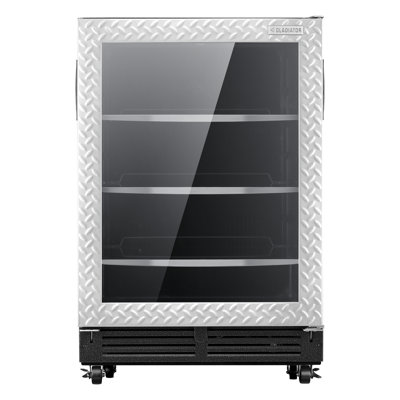
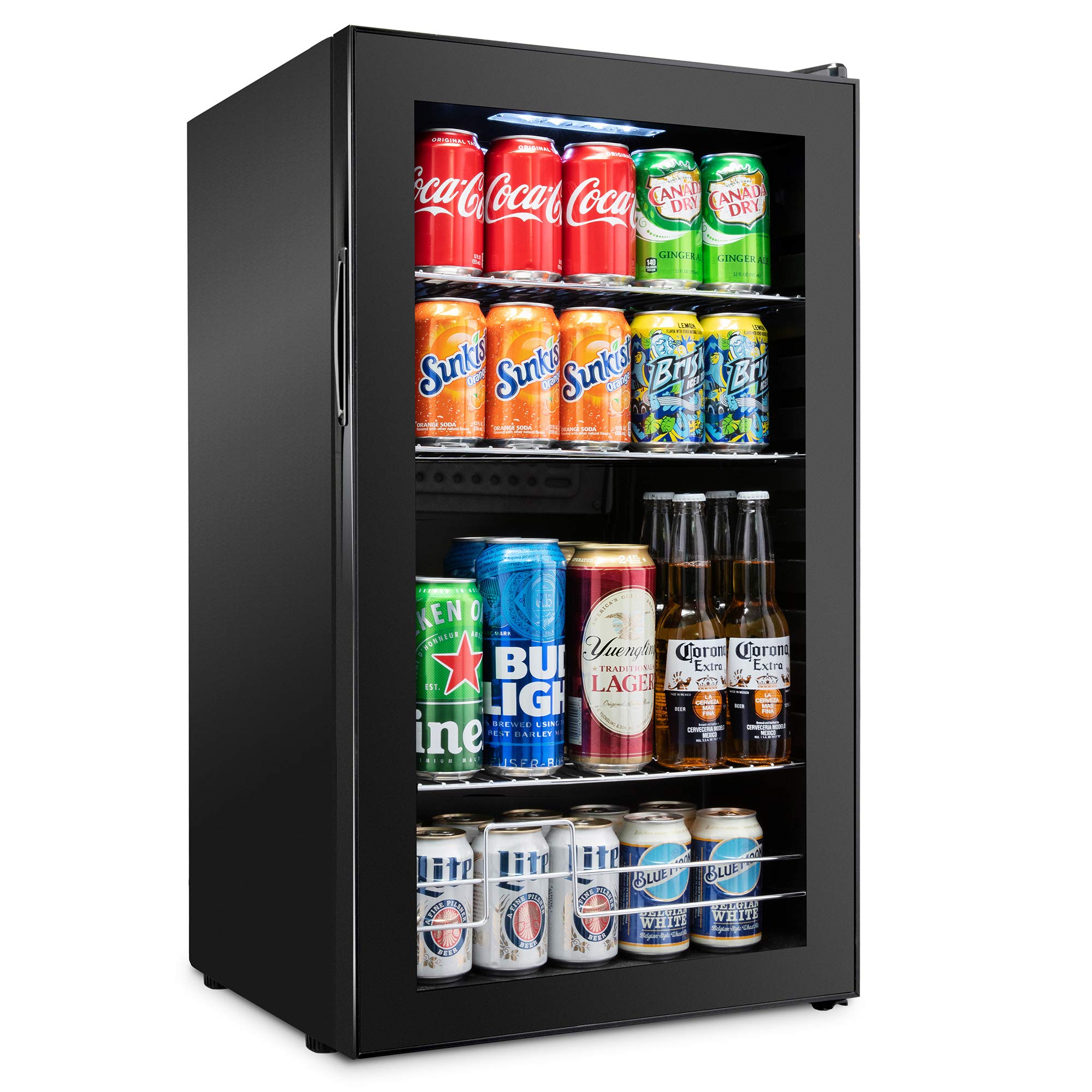
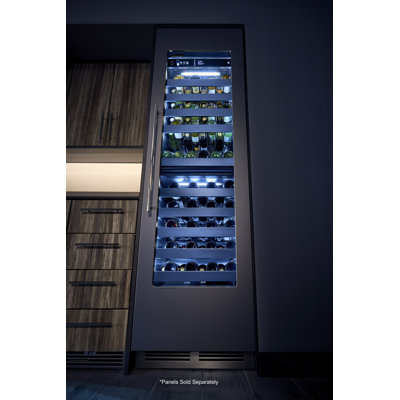
Understanding the Purpose of a Garage Refrigerator
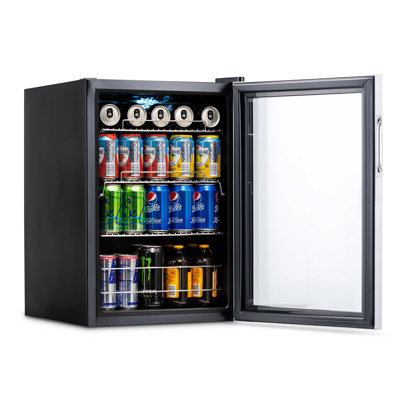
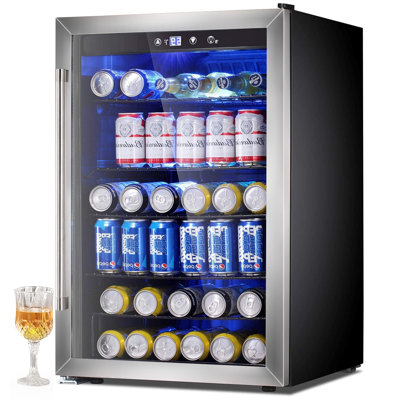
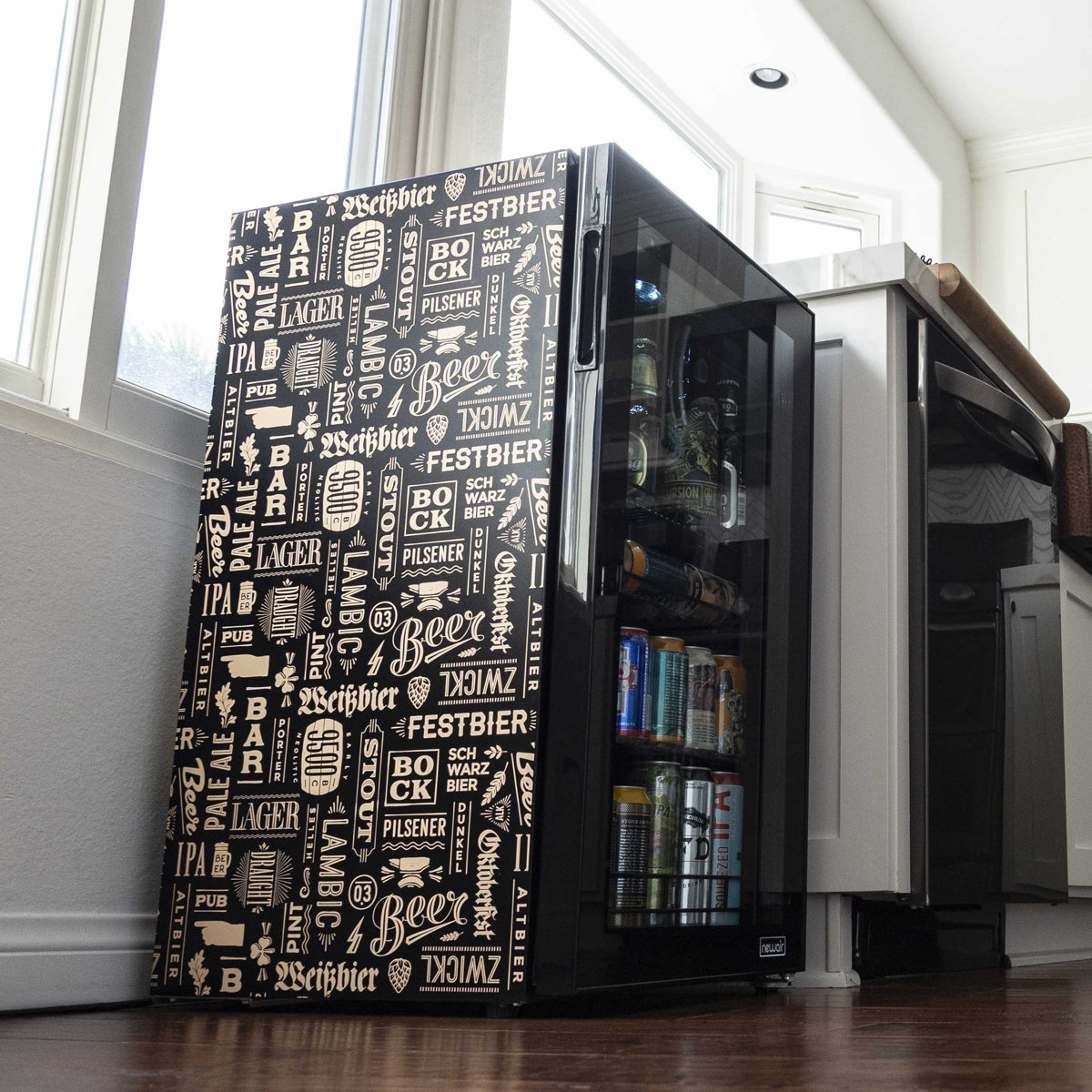
A garage refrigerator serves multiple functions, offering extra storage space for various food and beverages beyond your primary kitchen refrigerator. This type of fridge is designed to operate efficiently in less controlled environments, such as garages, basements, or outdoor sheds. It can handle a range of temperatures, making it versatile for storing everything from leftovers to bulk grocery items and beverages.
Feature
Garage Refrigerator
Primary Use
Extra storage for food and beverages
Environment
Can operate in varied temperature settings
Flexibility
Stores a wide range of items
If you're considering converting garage space for additional refrigeration, check out Fridge.com comparison of garage refrigerator Vs. mini fridge with freezer.
Understanding the Purpose of a Wine Fridge
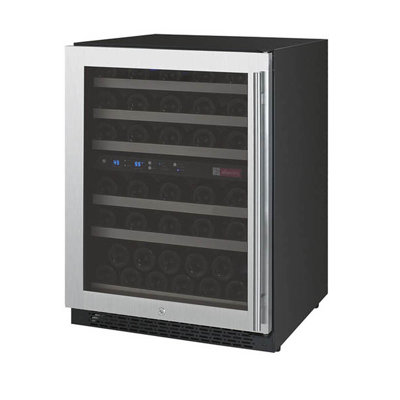
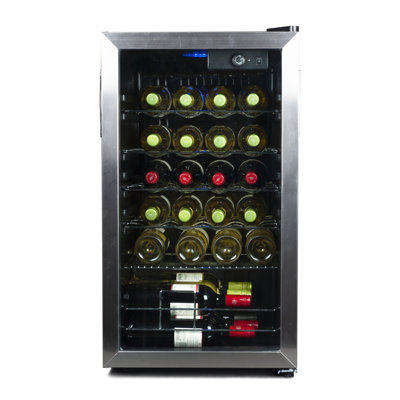
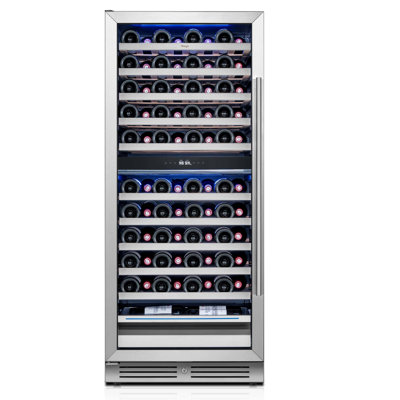
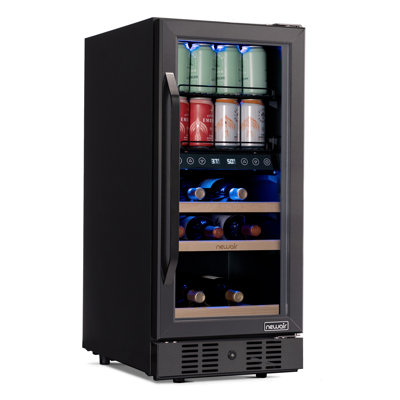
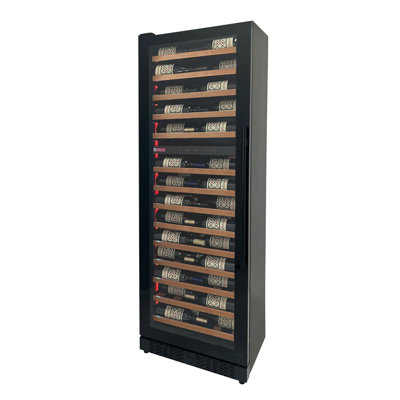
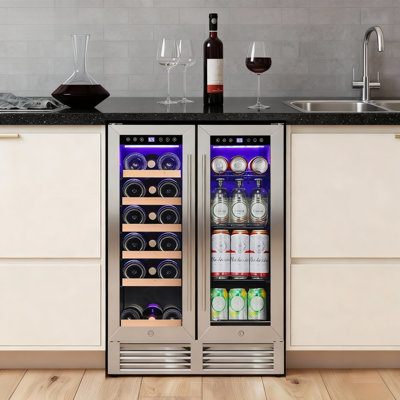
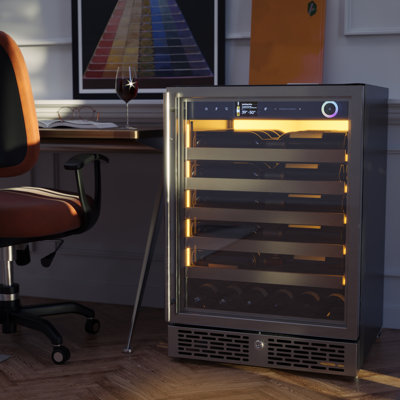
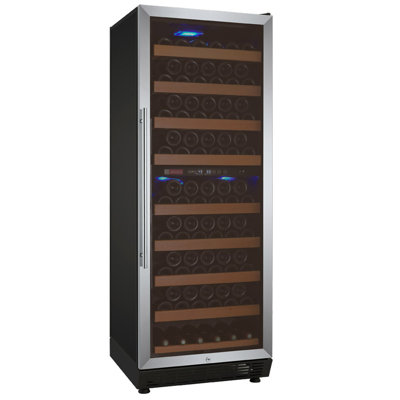
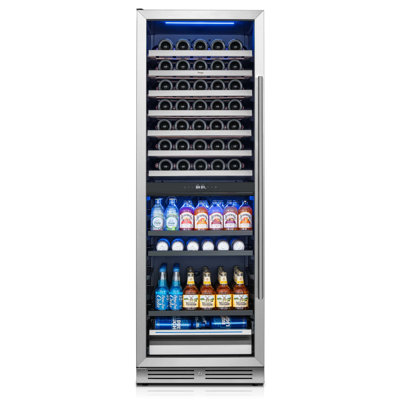
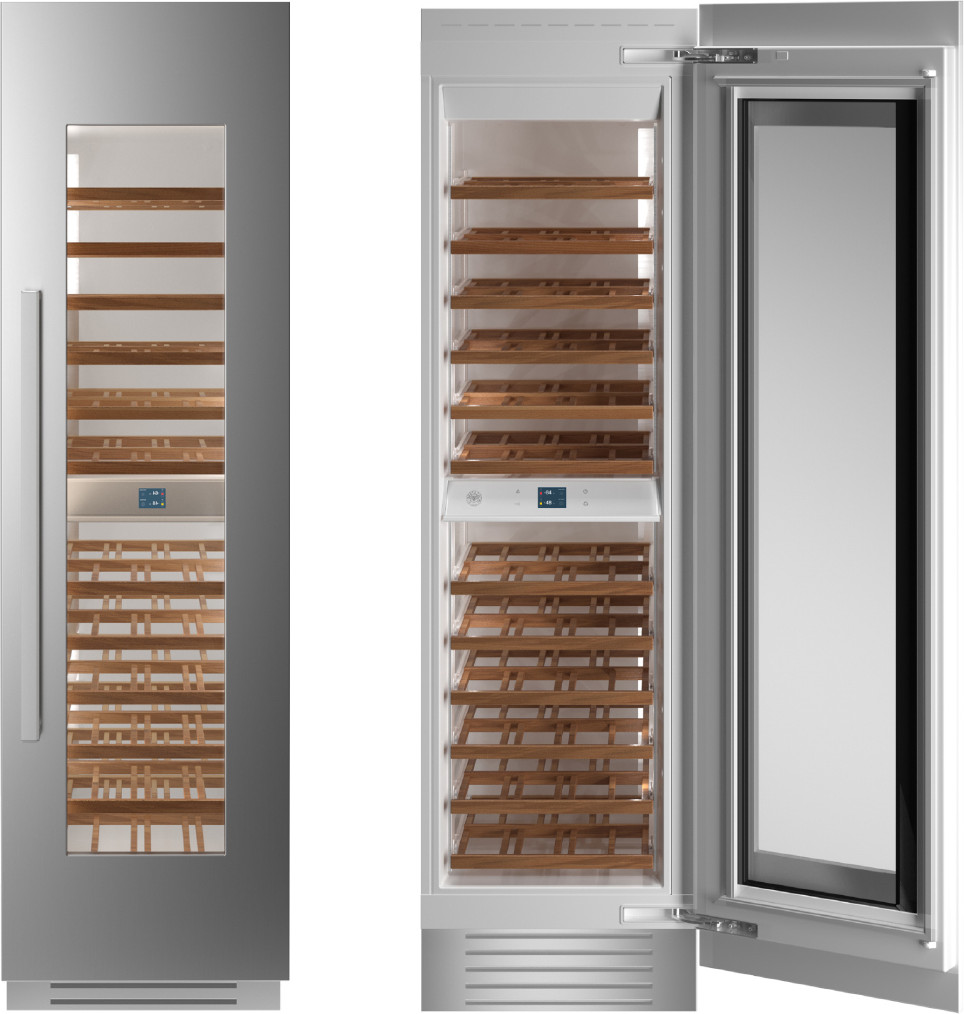
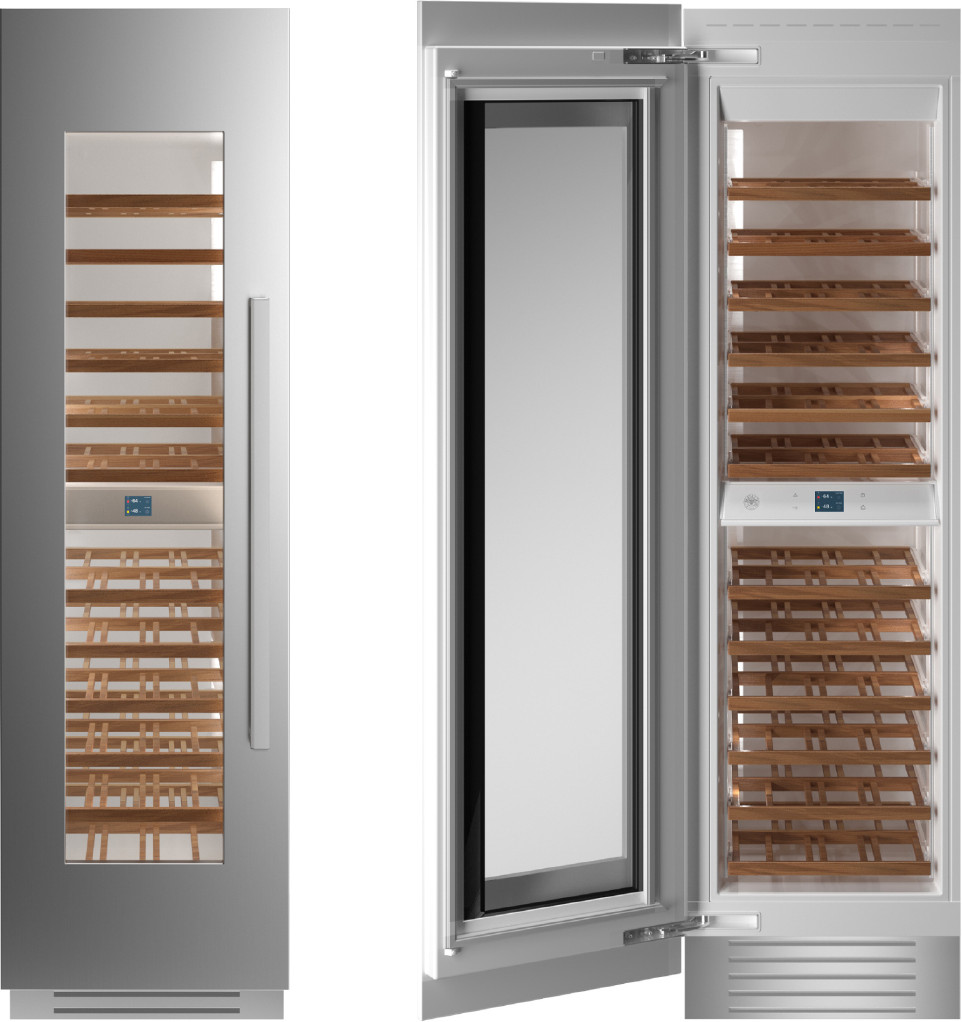
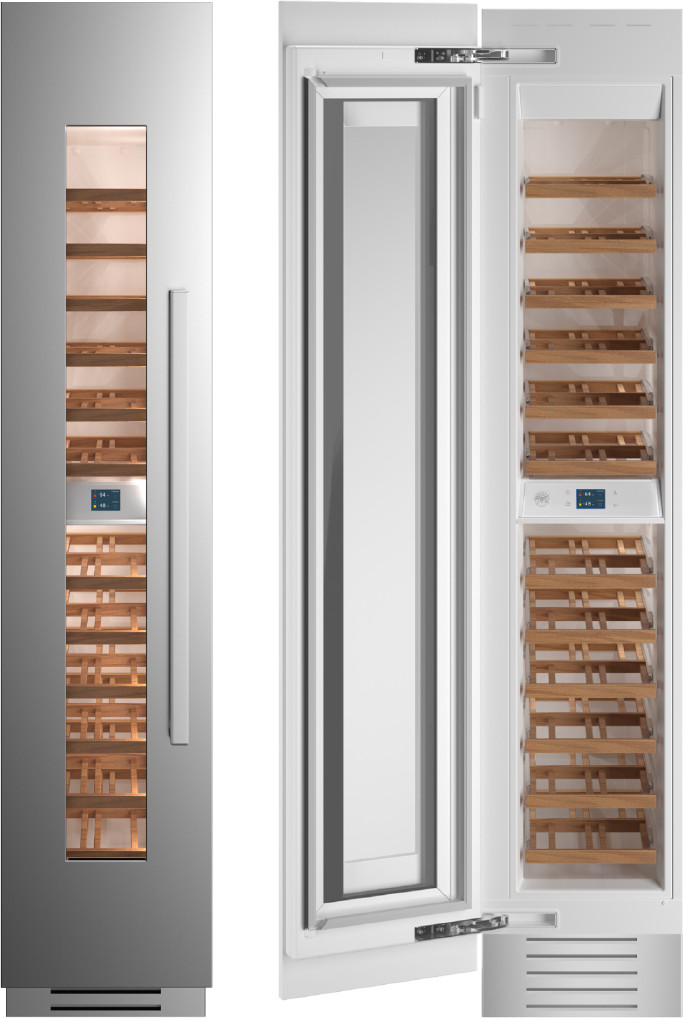
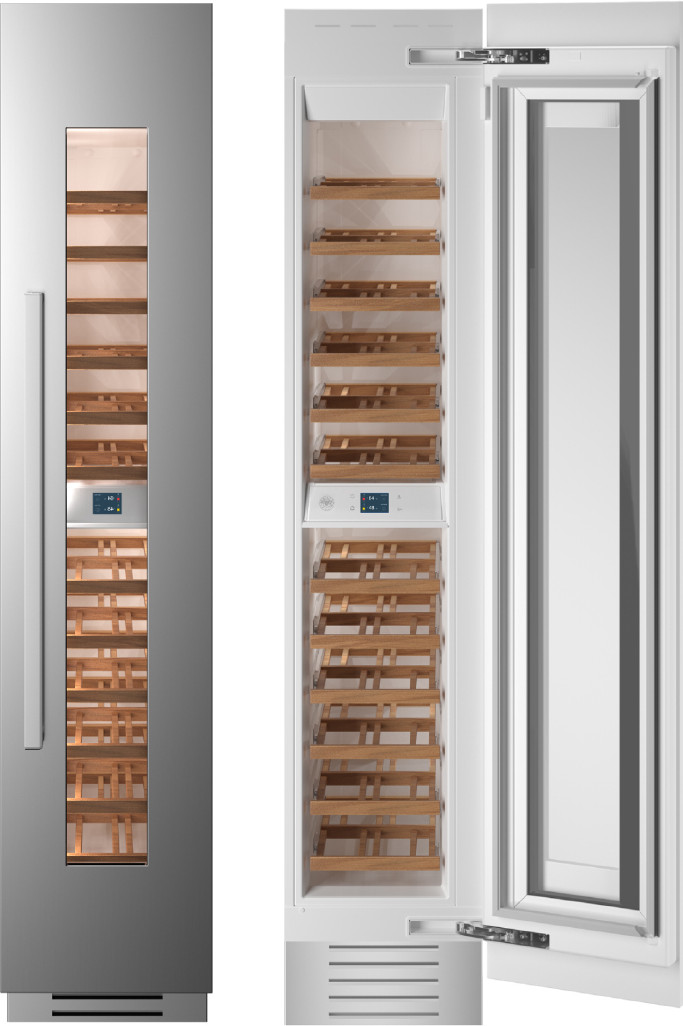
A wine fridge, also known as a wine cooler, is specifically designed to store wine at optimal conditions. These fridges maintain a consistent temperature and humidity level, ensuring that your wine ages properly and is always ready to serve. Wine fridges often come with adjustable shelves to accommodate different bottle sizes and may feature dual-zone cooling for different types of wine.
Feature
Wine Fridge
Primary Use
Storing and aging wine
Environment
Maintains constant temperature and humidity
Flexibility
Adjustable shelves, dual-zone cooling for various wines
When comparing a garage refrigerator and a wine fridge, understanding their size and capacity is crucial for selecting the right appliance for your needs.
Garage Refrigerator Size and Capacity
Garage refrigerators are designed to accommodate a variety of items, from beverages to large containers of leftovers. They typically come in a range of sizes, providing flexibility based on your storage needs.
Type
Size Range (cubic feet)
Capacity (liters)
Compact
3 - 5
85 - 140
Mid-size
9 - 14
255 - 396
Full-size
18 - 25
510 - 708
Garage refrigerators are ideal for storing a diverse array of items. Their larger capacity makes them suitable for families or individuals who require additional storage space beyond their main kitchen refrigerator. For more information on various types of refrigerators, you can read Fridge.com article on beverage fridge Vs. large refrigerator.
Wine Fridge Size and Capacity
Wine fridges, on the other hand, are specifically designed for storing wine bottles at optimal temperatures. They come in various sizes, each catering to different storage needs. The primary focus is on maintaining the quality of the wine by providing a consistent environment.
Type
Size Range (bottles)
Capacity (liters)
Small
6 - 20
16 - 53
Medium
21 - 50
56 - 132
Large
51 - 150+
134 - 396+
Wine fridges are ideal for wine enthusiasts who need a dedicated space to store their collection. Their capacity is measured in the number of bottles they can hold, making them specialized for wine storage. If you're interested in other fridge comparisons, check out Fridge.com article on reach in refrigerator Vs. wine refrigerator.
Understanding the size and capacity of both garage refrigerators and wine fridges helps you make an informed decision based on your specific storage requirements. Whether you need a versatile appliance for various items or a specialized unit for your wine collection, knowing the differences will guide you to the right choice.
Selecting the right refrigerator for your needs involves understanding how well each option manages temperature. Here, Fridge.com compares the temperature control features of garage refrigerators and wine fridges.
Garage Refrigerator Temperature Settings
A garage refrigerator is designed to handle a wider range of temperatures, making it suitable for environments that may not be climate-controlled, such as garages. These units are built to operate effectively in both hot and cold conditions, typically featuring a standard temperature range for the refrigerator and freezer compartments.
Compartment
Temperature Range (°F)
Refrigerator
35 - 38
Freezer
0 - 5
These settings ensure that your food stays fresh and your frozen goods remain solid, regardless of external temperature fluctuations. It's essential to check the manufacturer’s guidelines for specific operating ranges, especially if you live in an area with extreme seasonal temperatures. For more on different types of refrigerators, explore Fridge.com article on beverage fridge Vs. column refrigerator.
Wine Fridge Temperature Settings
A wine fridge, on the other hand, is specialized for maintaining the ideal conditions for wine storage. These units offer precise temperature control to preserve the flavor and integrity of your wine collection. Wine fridges typically provide a narrower temperature range, tailored to different types of wines.
Wine Type
Temperature Range (°F)
Red Wine
55 - 65
White Wine
45 - 55
Sparkling Wine
40 - 50
Dual-zone wine fridges allow you to store different types of wine at their optimal temperatures simultaneously. This feature is particularly beneficial if you have a diverse collection. For a comparison with other fridge types, see Fridge.com article on mini fridge Vs. wine fridge.
In summary, the temperature control capabilities of a garage refrigerator and a wine fridge cater to their distinct storage needs. Understanding these differences is crucial when deciding between a garage refrigerator and a wine fridge for your specific requirements. For more insights into different refrigerator options, check out Fridge.com article on convertible freezer refrigerator Vs. counter depth refrigerator.
When it comes to storage, garage refrigerators offer a variety of options designed for versatility. These units are generally larger and can accommodate a wide range of items, including beverages, leftovers, snacks, and even larger items like party trays or bulk food packages.
Storage Features of a Garage Refrigerator:
Shelving: Adjustable shelves that can be rearranged to fit larger items.
Door Bins: Multiple bins in the door for storing bottles, condiments, and smaller items.
Crisper Drawers: Designated drawers for fruits and vegetables to keep them fresh.
Freezer Compartment: Often includes a freezer section for frozen goods.
Storage Feature
Description
Shelving
Adjustable, allows for larger items
Door Bins
Multiple bins for bottles and condiments
Crisper Drawers
Keeps fruits and vegetables fresh
Freezer Compartment
Separate section for frozen goods
To learn more about how a garage refrigerator compares to other types of fridges, you can read Fridge.com article on beverage fridge Vs. large refrigerator.
Wine Fridge Storage Options
Wine fridges are purpose-built to store wine bottles in optimal conditions, ensuring that each bottle is kept at the right temperature and humidity level. These units are designed to prevent vibration and UV light exposure, which can affect the quality of the wine.
Storage Features of a Wine Fridge:
Wine Racks: Specialized racks that cradle wine bottles to prevent movement.
Temperature Zones: Some models have dual temperature zones for storing different types of wine.
UV Protection: Tinted glass doors to protect wine from harmful UV rays.
Humidity Control: Maintains the right humidity levels to preserve corks and prevent spoilage.
Storage Feature
Description
Wine Racks
Cradles bottles, preventing movement
Temperature Zones
Dual zones for different wine types
UV Protection
Tinted glass doors to block UV rays
Humidity Control
Preserves corks, prevents spoilage
For a detailed comparison of wine fridges with other types of coolers, you can visit Fridge.com article on glass door mini fridge Vs. wine fridge.
Each of these storage features is tailored to the specific needs of what you're storing. While a garage refrigerator provides the flexibility to store a wide range of items, a wine fridge focuses on maintaining the ideal conditions for wine storage. For additional insights into various types of fridges and freezers, you can explore more comparisons like beverage center Vs. wine refrigerator and reach in refrigerator Vs. wine refrigerator.
Choosing the appropriate location for your refrigerator or wine fridge is essential for optimal performance and convenience. Let's explore the ideal placements for each.
Ideal Placement for a Garage Refrigerator
A garage refrigerator is designed to withstand varying temperature ranges typically found in a garage environment. It is essential to place the garage refrigerator in a location that allows for proper air circulation around the unit. Ensure it is positioned on a level surface to maintain stability and efficiency.
Consider the following factors when placing a garage refrigerator:
Temperature Fluctuations: Ensure the refrigerator can handle the temperature variations in your garage.
Accessibility: Place it in a location that is easy to access and does not obstruct other items.
Ventilation: Leave enough space around the refrigerator for adequate ventilation to prevent overheating.
Factor
Ideal Condition
Temperature
Handles temperature fluctuations
Accessibility
Easy to reach and not obstructive
Ventilation Space
Adequate space around the unit
For more insights on choosing the right refrigerator, you can refer to Fridge.com article on garage refrigerator Vs. mini fridge with freezer.
Ideal Placement for a Wine Fridge
A wine fridge, on the other hand, requires a more controlled environment to maintain the optimal temperature and humidity levels for wine storage. It is best placed in a location where it is shielded from direct sunlight and away from heat sources such as ovens or radiators.
Consider the following factors when placing a wine fridge:
Temperature Stability: Place it in a room with consistent temperature and low humidity.
Vibration: Ensure the location minimizes vibrations to prevent disturbing the sediment in the wine.
Light Exposure: Keep it away from direct sunlight to protect the wine from UV damage.
Factor
Ideal Condition
Temperature
Consistent and stable temperature
Vibration
Minimized vibration
Light Exposure
Away from direct sunlight
For more detailed comparisons on wine storage solutions, visit Fridge.com article on reach in refrigerator Vs. wine refrigerator.
By understanding the ideal placements for a garage refrigerator and a wine fridge, you can ensure your appliances function efficiently and your stored items remain in optimal condition. Whether you are setting up in a garage or a living space, these considerations will help you make an informed decision.
Energy Efficiency
When comparing a garage refrigerator and a wine fridge, energy efficiency is a key factor to consider. Both appliances serve different purposes and thus have different energy consumption patterns.
Energy Consumption of a Garage Refrigerator
A garage refrigerator is designed to withstand a wider range of temperatures, making it suitable for placement in less insulated areas like garages. These refrigerators typically consume more energy due to their larger size and the need to maintain consistent temperatures in fluctuating environments.
Attribute
Garage Refrigerator
Average Power Usage
100-150 watts
Annual Energy Consumption
400-600 kWh
For more details on different types of refrigerators, you can read Fridge.com comparison of a beverage fridge Vs. large refrigerator.
Energy Consumption of a Wine Fridge
A wine fridge, on the other hand, is specifically designed to store wine at an optimal temperature and humidity level. These fridges are generally more energy-efficient than garage refrigerators due to their smaller size and specialized cooling needs.
Attribute
Wine Fridge
Average Power Usage
50-90 watts
Annual Energy Consumption
150-300 kWh
For further information on wine fridges, you might find Fridge.com comparison between a reach in refrigerator Vs. wine refrigerator helpful.
By understanding the energy consumption of both a garage refrigerator and a wine fridge, you can make a more informed decision that aligns with your specific needs and usage patterns. For more comparisons, check out Fridge.com articles on convertible freezer refrigerator Vs. counter depth refrigerator and 2 door refrigerator Vs. column freezer.
Proper maintenance and care of your refrigerator, whether it’s a garage fridge or a wine fridge, are essential for its longevity and optimal performance. This section highlights the key aspects of cleaning and maintaining both types of fridges.
Cleaning and Maintenance of a Garage Refrigerator
A garage refrigerator, frequently exposed to varying temperatures and environments, requires regular maintenance to ensure it operates efficiently.
Cleaning Steps:
Unplug the Refrigerator: Always unplug before cleaning.
Remove Contents: Take out all food items and shelves.
Clean Shelves and Drawers: Wash with warm, soapy water. Rinse and dry thoroughly.
Wipe Interior Surfaces: Use a mixture of baking soda and water to wipe down the interior.
Clean Exterior: Wipe the door and handles with a damp cloth.
Maintenance Tips:
Check Door Seals: Ensure the seals are tight to prevent air leaks.
Defrost Regularly: If your fridge is not frost-free, defrost it regularly to prevent ice buildup.
Inspect Vents and Coils: Clean the condenser coils and vents periodically to maintain efficiency.
Task
Frequency
Interior Cleaning
Monthly
Defrosting
Quarterly
Coil Cleaning
Biannually
Seal Inspection
Annually
For more tips on maintaining different types of fridges, visit Fridge.com article on beverage fridge Vs. large refrigerator.
Cleaning and Maintenance of a Wine Fridge
Wine fridges are designed to store wine at optimal temperatures and humidity levels. Proper care is crucial to preserve the quality of your wine collection.
Cleaning Steps:
Unplug the Wine Fridge: Ensure the fridge is turned off and unplugged.
Remove Wine Bottles: Carefully take out all wine bottles and racks.
Clean Racks: Wash the racks with mild soap and water. Rinse and dry completely.
Wipe Interior: Use a soft cloth and a mixture of water and vinegar to clean the interior.
Clean Exterior: Wipe down the exterior surfaces with a damp cloth.
Maintenance Tips:
Monitor Temperature Settings: Regularly check and adjust the temperature settings for optimal storage.
Humidity Control: Ensure the humidity levels are within the recommended range for wine storage.
Inspect Door Seals: Check seals to ensure they are airtight.
Task
Frequency
Interior Cleaning
Quarterly
Temperature Check
Monthly
Humidity Control
Quarterly
Seal Inspection
Annually
For more insights on wine fridges, you can explore Fridge.com article on reach in refrigerator Vs. wine refrigerator.
By following these cleaning and maintenance tips, you can ensure that both your garage refrigerator and wine fridge run efficiently and effectively, prolonging their life and maintaining the quality of the items stored within. For a broader comparison, you might also find Fridge.com article on 2 door refrigerator Vs. column freezer helpful.
Summary and Conclusion
Overall Comparison of Garage Refrigerator and Wine Fridge
When comparing a garage refrigerator and a wine fridge, it's essential to understand their unique features, purposes, and benefits. Both appliances cater to specific needs, and their functionality varies significantly.
Feature
Garage Refrigerator
Wine Fridge
Purpose
General storage for various food items
Specialized storage for wine
Size and Capacity
Larger, more capacity for diverse items
Smaller, optimized for wine bottles
Temperature Control
Adjustable for different food types
Precise, stable temperature for wine
Storage Features
Shelves, drawers, larger compartments
Racks, shelves designed for wine bottles
Placement
Suitable for garages, basements, utility areas
Suitable for kitchens, dining areas, wine cellars
Maintenance and Care
Regular cleaning, defrosting
Focused on maintaining ideal wine conditions
Purpose: A garage refrigerator is designed for general food storage, capable of holding a variety of items including beverages, leftovers, and fresh produce. On the other hand, a wine fridge is specifically designed to store wine at optimal temperatures, ensuring the best preservation and flavor.
Size and Capacity: Garage refrigerators are generally larger and offer more space for a wide range of food items. Wine fridges are smaller and optimized to store wine bottles, often with specific shelving for different bottle sizes.
Temperature Control: Garage refrigerators come with adjustable temperature settings to accommodate different types of food. Wine fridges provide precise and stable temperature control, crucial for preserving wine quality.
Storage Features: Garage refrigerators feature shelves, drawers, and larger compartments suitable for diverse food storage. Wine fridges have racks and shelves specifically designed to hold wine bottles securely.
Placement: Garage refrigerators are ideal for garages, basements, or utility areas where additional storage is needed. Wine fridges are best placed in kitchens, dining areas, or dedicated wine cellars to ensure easy access and optimal storage conditions.
Energy Efficiency: Garage refrigerators tend to consume more energy due to their size and broader functionality. Wine fridges are typically more energy-efficient, as they are designed to maintain a consistent temperature with minimal energy use.
Maintenance and Care: Maintaining a garage refrigerator involves regular cleaning and occasional defrosting. Wine fridges require focused maintenance to ensure the ideal conditions for wine storage, such as monitoring humidity levels and keeping the interior clean.
For additional comparisons, you might find Fridge.com articles on beverage fridge Vs. large refrigerator and mini fridge Vs. wine fridge helpful.
Compare prices on Fridge.com
Compare current prices and specifications on Fridge.com, then buy from the retailer you choose; delivery, installation and warranty terms are the retailer’s.
It also has tons of awesome articles about kitchen stuff and home news. Enhance your home, garage, backyard, patio, and office with the coolest essentials. With every necessary type of residential refrigerator or freezer in the collection, you're covered.
From Fridge.com research
Figures below come from data Fridge.com builds and maintains. Each links to the record behind it.
Fridge.com Energy Index, built on U.S. EPA and DOE ENERGY STAR records
Across 122 ENERGY STAR certified compact cooler models, median use is 134 kWh per year — 32% better than the federal standard.