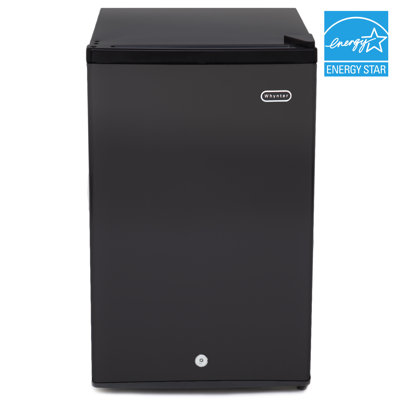
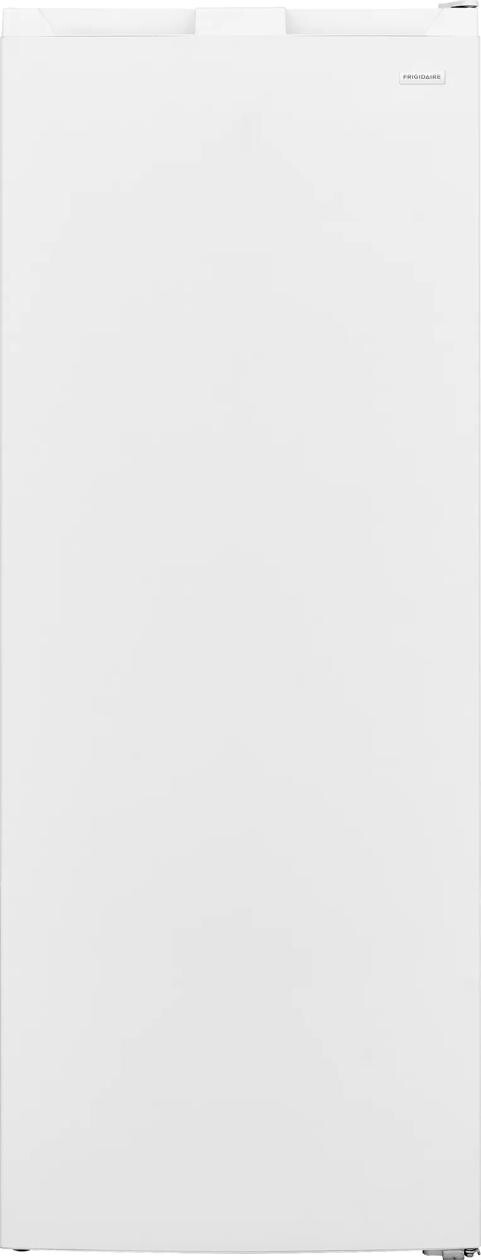
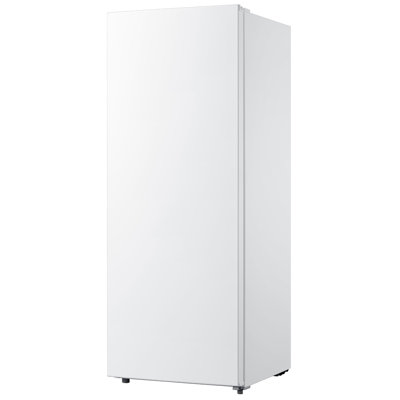
When considering refrigeration solutions for your home, it's essential to understand the different options available. Two popular choices are garage freezers and refrigerator drawers. Each has its own set of features and benefits tailored to specific needs.
Overview of Garage Freezers
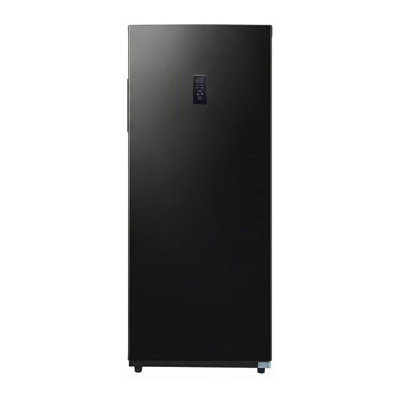
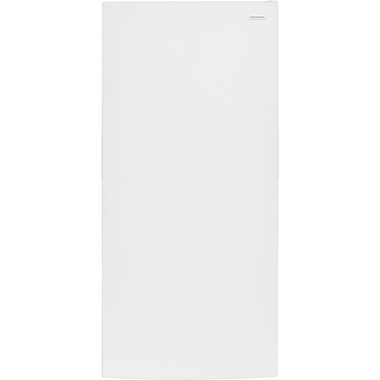
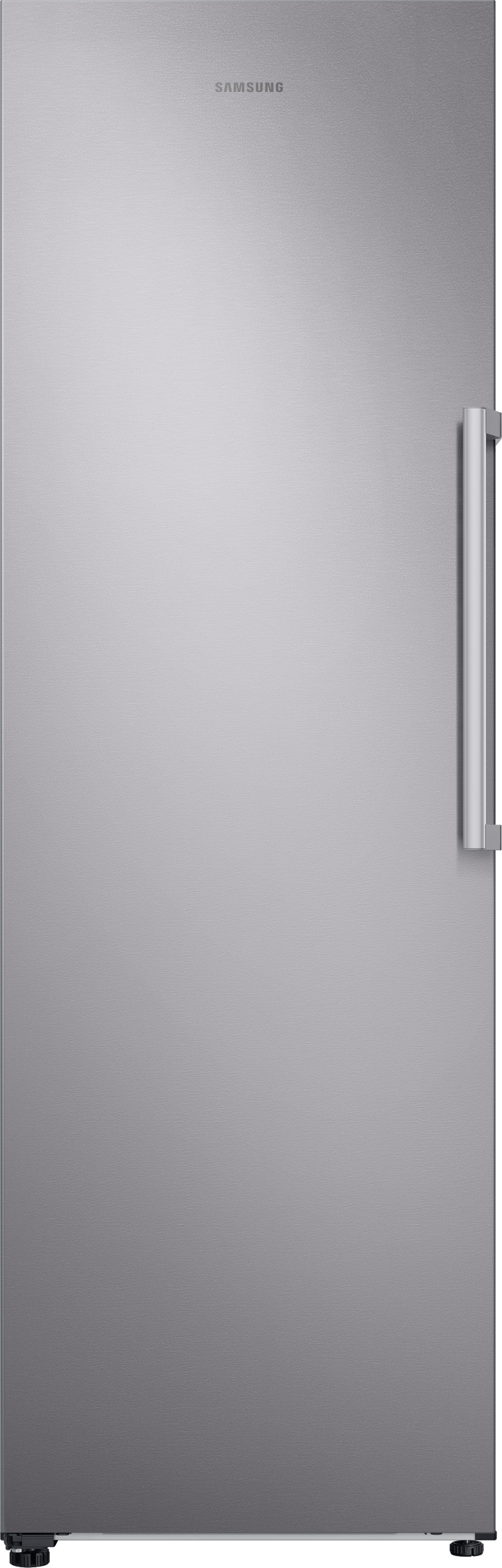
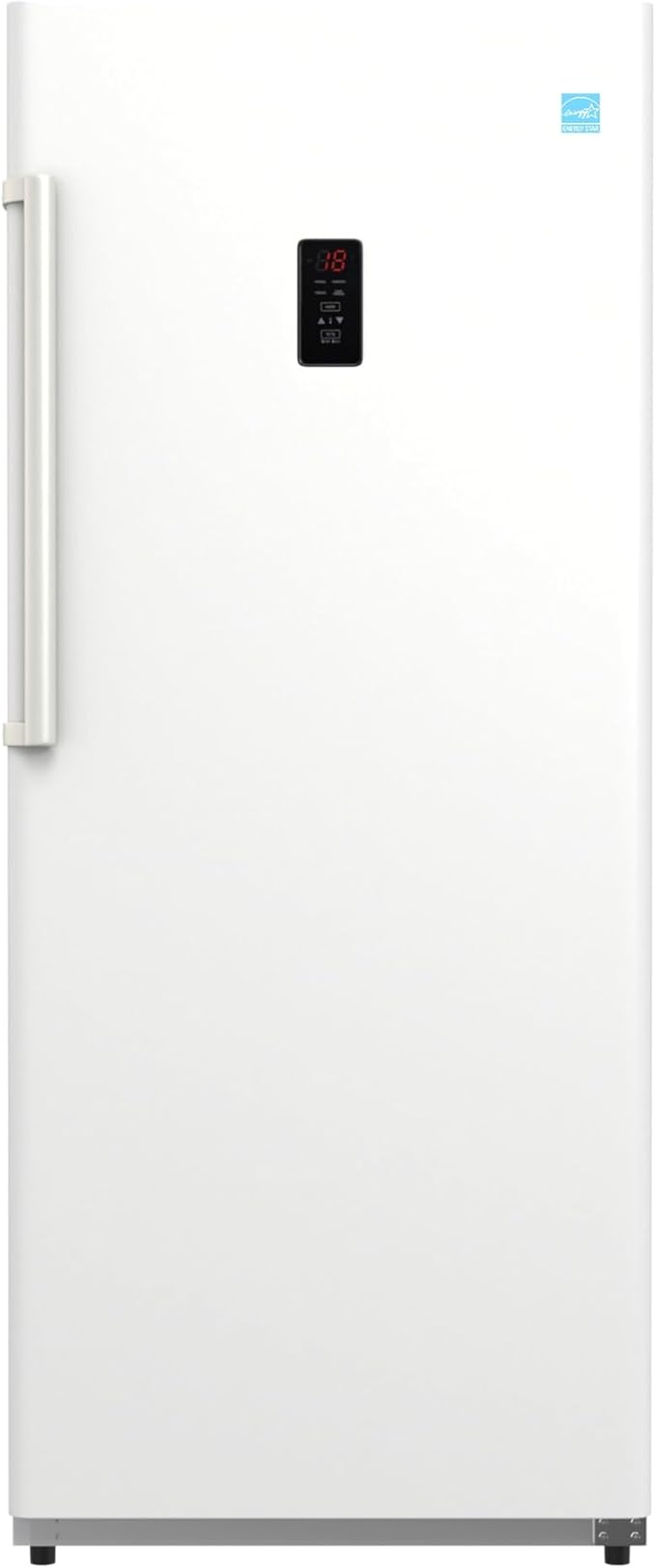
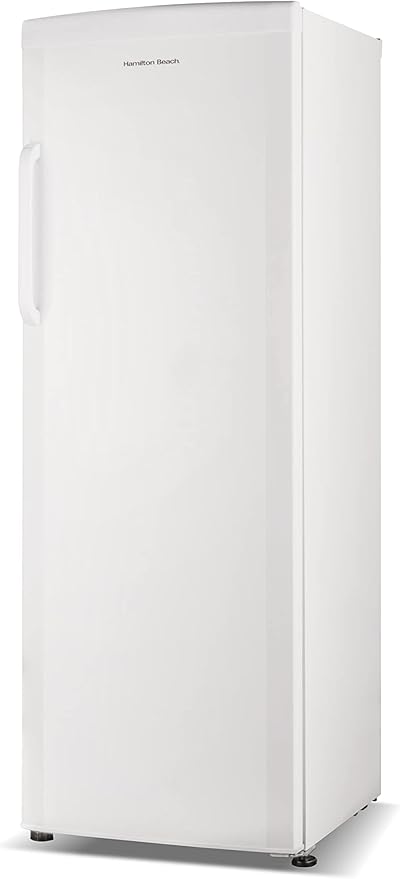
Garage freezers are designed to handle varying temperatures, making them ideal for placement in non-climate-controlled environments like garages. These freezers typically offer ample storage space for bulk food items, such as meats and frozen vegetables. They are robust and can maintain low temperatures efficiently, even in fluctuating ambient conditions.
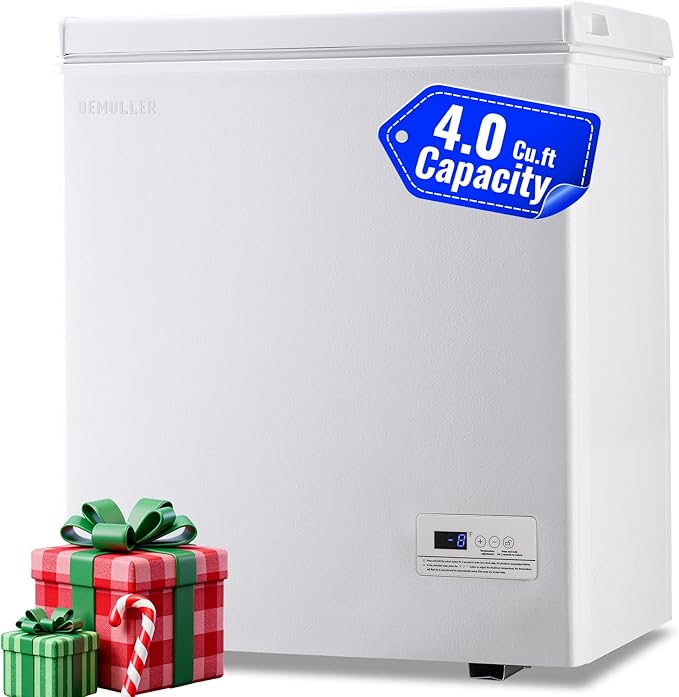
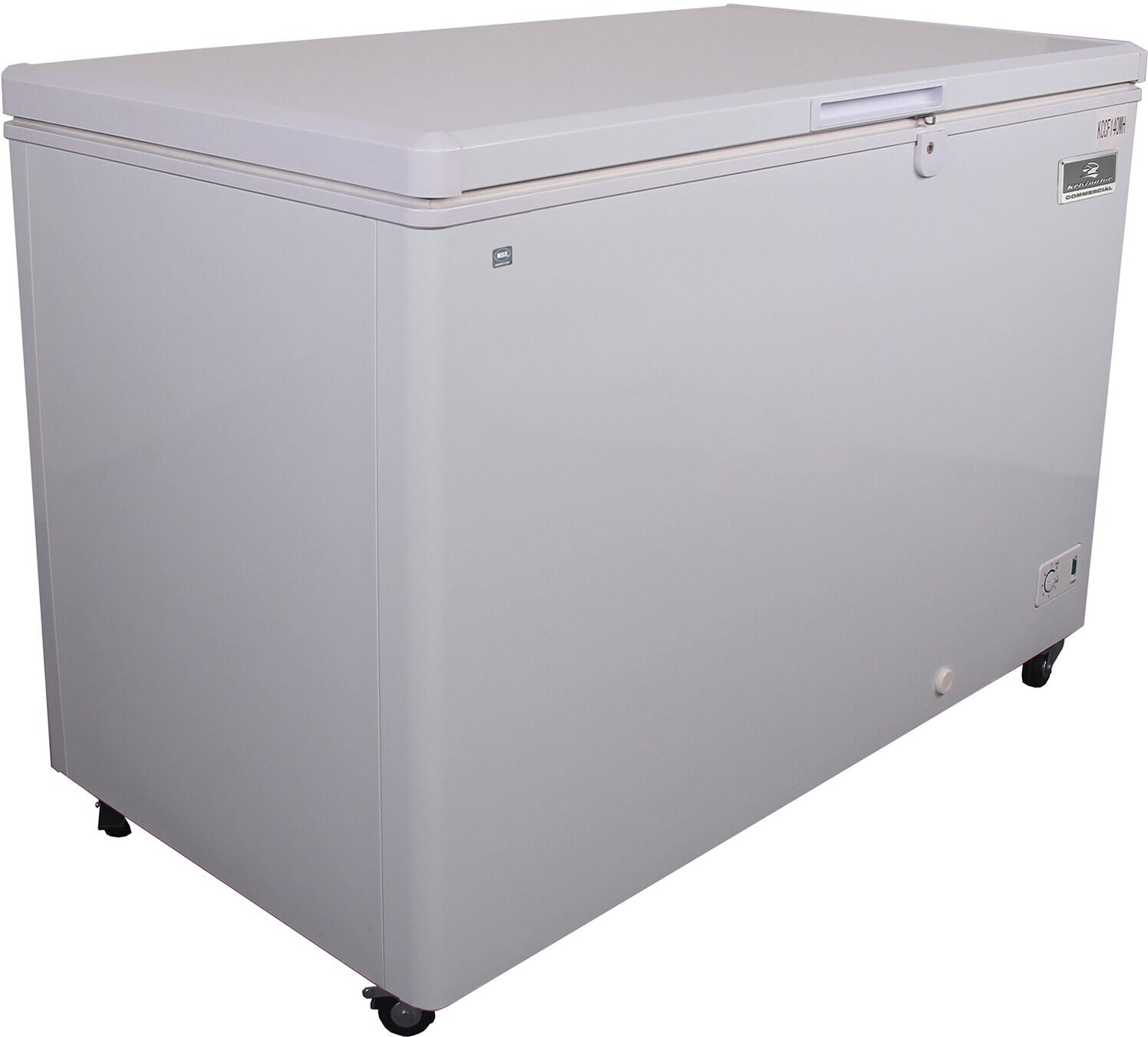
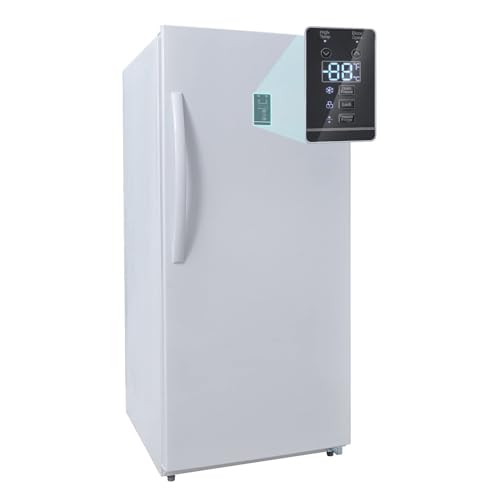
Garage freezers are available in different styles, including upright and chest models. Upright freezers resemble a traditional refrigerator and allow easy access to items, while chest freezers offer more storage capacity and are often more energy-efficient.
Refrigerator drawers are a versatile and modern refrigeration solution. These drawers can be seamlessly integrated into your kitchen cabinetry, providing easy access to frequently used items. They are perfect for storing perishable foods at optimal temperatures and are often used for beverages, snacks, and fresh produce.
Refrigerator drawers are typically smaller in capacity compared to garage freezers but offer the convenience of accessibility and integration into your living space. They come with advanced features such as adjustable temperature controls, humidity settings, and soft-close mechanisms.
Understanding these refrigeration options will help you make an informed decision based on your storage needs, available space, and specific requirements.
Size and Capacity
When comparing a garage freezer to a refrigerator drawer, size and capacity are key factors to consider. Each option offers unique benefits in terms of storage space and dimensions, catering to different needs and preferences.
Comparing Storage Space
Garage freezers typically provide a larger storage capacity compared to refrigerator drawers. They are designed to store bulkier items and larger quantities of food, making them ideal for families or those who need to stock up on frozen goods. On the other hand, refrigerator drawers offer a more compact storage solution, perfect for smaller spaces or for storing frequently used items within easy reach.
Feature
Garage Freezer
Refrigerator Drawer
Average Capacity (Cubic Feet)
10 - 20
2 - 5
Storage Type
Bulk storage
Quick access storage
Suitable For
Large families, bulk storage
Small households, convenience storage
Considering Dimensions
The dimensions of garage freezers and refrigerator drawers also differ significantly. Garage freezers are generally larger and require more floor space, making them suitable for basements, garages, or other spacious areas. Refrigerator drawers, however, are designed to fit seamlessly into kitchen cabinetry or under countertops, offering a more integrated and aesthetically pleasing solution.
Feature
Garage Freezer
Refrigerator Drawer
Typical Dimensions (HxWxD in inches)
60 x 30 x 30
24 x 24 x 24
Installation Type
Freestanding
Built-in or undercounter
Space Requirement
Spacious areas (garage, basement)
Compact spaces (kitchen, office)
When choosing between a garage freezer and a refrigerator drawer, it's important to consider your specific storage needs and available space. For more detailed comparisons, you might find Fridge.com articles on built in freezer Vs. small chest freezer and compact freezer Vs. undercounter refrigerator helpful. Understanding the size and capacity requirements will help you make an informed decision that best suits your home and lifestyle.
Temperature Control
Temperature control is a crucial aspect when comparing a garage freezer and a refrigerator drawer. Each appliance is designed to cater to different storage needs and temperature requirements.
Freezer Temperature Needs
Garage freezers are typically used to store items that need to be kept at very low temperatures for long-term preservation. The ideal temperature for a garage freezer is generally around 0°F (-18°C). This ensures that food remains frozen and safe to consume over an extended period.
Freezer Type
Ideal Temperature
Garage Freezer
0°F (-18°C)
Garage freezers are designed to maintain consistent temperatures even in fluctuating ambient conditions, such as those found in garages. This makes them suitable for environments that experience wide temperature variations. For more information on different types of freezers, visit Fridge.com article on deep freezer Vs. garage freezer.
Refrigerator Drawer Temperature Needs
Refrigerator drawers, on the other hand, are designed to store items that need to be kept cool but not frozen. The ideal temperature for refrigerator drawers ranges between 35°F and 38°F (1.6°C to 3.3°C). This temperature range is suitable for perishable items that need to be kept fresh for a shorter period.
Refrigerator Drawer Type
Ideal Temperature
Refrigerator Drawer
35°F - 38°F (1.6°C - 3.3°C)
Refrigerator drawers are typically used in kitchens or other indoor areas, where the ambient temperature is relatively stable. They are ideal for storing fruits, vegetables, dairy products, and beverages. To learn more about different refrigeration options, check out Fridge.com article on drawer refrigerator Vs. ice cream freezer.
Understanding the temperature control requirements for both garage freezers and refrigerator drawers can help you make an informed decision based on your storage needs. Whether you need to freeze food for long-term storage or keep perishable items fresh, choosing the right appliance is essential for maintaining the desired temperature and ensuring food safety.
When choosing between a garage freezer and a refrigerator drawer, placement and installation are key factors to consider. Each type has its own unique requirements and ideal locations to ensure optimal performance and convenience.
Ideal Locations for Garage Freezers
Garage freezers are designed to withstand a variety of environmental conditions, making them suitable for placement in unconditioned spaces such as garages, basements, or utility rooms. When deciding on the best location for your garage freezer, consider the following factors:
Temperature Range: Garage freezers are built to operate efficiently within a wide range of temperatures. However, extreme temperatures can affect their performance. Ensure the area remains above freezing in winter and below 110°F in summer.
Ventilation: Proper airflow around the freezer is essential for efficient operation. Position the freezer with at least a few inches of space on all sides to allow for adequate ventilation.
Accessibility: Place the freezer in an easily accessible location, especially if you use it frequently. Ensure there's enough room to fully open the door and access stored items.
Power Source: Ensure a nearby electrical outlet is available. Avoid using extension cords, as they can pose safety hazards and reduce efficiency.
For more tips on choosing the right freezer, visit Fridge.com article on deep freezer Vs. garage freezer.
Incorporating Refrigerator Drawers into Your Space
Refrigerator drawers offer a sleek and convenient option for additional refrigeration space within your kitchen or other living areas. These drawers can be seamlessly integrated into cabinetry or kitchen islands, providing easy access to frequently used items. Consider the following when incorporating refrigerator drawers into your space:
Kitchen Layout: Plan the placement of refrigerator drawers based on your kitchen workflow. Position them near prep stations, cooking areas, or dining spaces for maximum convenience.
Built-In Installation: Refrigerator drawers are designed for built-in installation, meaning they can be flush with your cabinetry for a cohesive look. Ensure that the installation area meets the manufacturer's specifications for cutout dimensions and ventilation requirements.
Power Availability: Like garage freezers, refrigerator drawers require a nearby electrical outlet. Plan the placement accordingly to avoid the need for extension cords.
Ergonomics: Consider the height of the drawers and how easily you can access the contents. Installing them at an optimal height can reduce the need for bending or reaching, enhancing overall usability.
By thoughtfully considering the placement and installation of your garage freezer or refrigerator drawers, you can ensure they function efficiently and meet your storage needs. Understanding these factors will help you make an informed decision in the garage freezer Vs. refrigerator drawer debate.
Energy Efficiency
Energy Usage of Garage Freezers
When assessing the energy efficiency of garage freezers, it is essential to consider their power consumption. Garage freezers are typically designed to handle varied temperature environments, which can affect their energy usage. They often have higher insulation and more robust compressors to maintain a consistent internal temperature.
Feature
Average Energy Usage (kWh/year)
Standard Garage Freezer
300 - 700
Garage freezers placed in uninsulated spaces may consume more energy due to the need to counteract fluctuating external temperatures. To learn more about different freezer types, visit Fridge.com comparison of deep freezer Vs. garage freezer.
Energy Efficiency of Refrigerator Drawers
Refrigerator drawers are generally designed for indoor use and can offer better energy efficiency compared to garage freezers. They consume less power due to their compact size and targeted cooling capacities. Additionally, they are often equipped with modern energy-saving technologies.
Feature
Average Energy Usage (kWh/year)
Standard Refrigerator Drawer
150 - 300
Refrigerator drawers are ideal for kitchens, basements, and other controlled environments, making them a suitable choice for energy-conscious users. For a detailed look at how refrigerator drawers compare with other fridge types, check out Fridge.com article on double drawer refrigerator Vs. shallow depth refrigerator.
Understanding the energy efficiency of these refrigeration options can help you make an informed choice based on your specific needs and placement considerations.
Maintenance and Care
Cleaning and Defrosting Garage Freezers
Proper maintenance of your garage freezer ensures optimal performance and longevity. Regular cleaning and defrosting are essential steps in this process.
Cleaning Your Garage Freezer
Unplug the Freezer: Always start by unplugging the appliance to ensure safety.
Remove All Contents: Take out all items and store them in a cooler or another freezer if possible.
Clean the Interior: Use a mixture of mild detergent and warm water to wipe down the interior surfaces. Avoid using harsh chemicals.
Rinse and Dry: Rinse with a clean, damp cloth and dry thoroughly.
Defrosting Your Garage Freezer
Turn Off the Freezer: Unplug the unit or turn it off using the control panel.
Remove Ice Build-Up: Allow the ice to melt naturally. Do not use sharp objects to remove ice as this can damage the freezer.
Clean the Drip Tray: Check and clean the drip tray regularly to prevent overflow.
Restart the Freezer: Once defrosted, plug it back in and allow it to reach the desired temperature before restocking.
Frequency: It's generally recommended to defrost your garage freezer every 6 months or when the ice build-up exceeds 1/4 inch.
Maintaining Refrigerator Drawers
Refrigerator drawers require specific care to maintain their functionality and efficiency. Regular cleaning and proper maintenance will keep your appliance in top shape.
Cleaning Your Refrigerator Drawers
Turn Off the Drawer: Switch off the drawer using the control panel.
Empty the Contents: Remove all items and store them temporarily.
Clean the Interior: Use a solution of mild detergent and warm water to wipe down the interior surfaces.
Dry Thoroughly: Ensure the interior is completely dry before turning the unit back on.
Additional Maintenance Tips
Check Seals and Gaskets: Regularly inspect the door seals and gaskets for any signs of wear and tear. Replace if necessary to ensure a proper seal.
Clean the Exterior: Wipe down the exterior surfaces with a damp cloth to remove dust and fingerprints.
Monitor Temperature Settings: Periodically check the temperature settings to ensure they are within the recommended range.
Frequency: Clean your refrigerator drawers at least once a month and perform a more thorough inspection every 6 months.
Proper maintenance and care of your garage freezer and refrigerator drawers will ensure they continue to operate efficiently and effectively. For more information on different refrigeration options, you can explore Fridge.com articles on garage refrigerator Vs. refrigerator cooler and compact freezer Vs. undercounter refrigerator.
When evaluating the cost of garage freezers Vs. refrigerator drawers, it's essential to look at both the upfront costs and the long-term expenses associated with each option.
Upfront Costs of Garage Freezers
Garage freezers generally have a lower initial purchase price compared to refrigerator drawers. They come in various sizes, from small chest freezers to large upright models. The upfront cost can vary based on the size and features of the freezer.
Garage Freezer Type
Average Upfront Cost ($)
Small Chest Freezer
200 - 400
Medium Chest Freezer
300 - 500
Large Chest Freezer
500 - 700
Upright Freezer
600 - 1,200
Long-Term Expenses of Refrigerator Drawers
Refrigerator drawers, while more expensive initially, can offer long-term savings through energy efficiency and ease of use. They are designed to fit seamlessly into cabinetry, which can make them more appealing for kitchen aesthetics but also more costly to install.
Understanding these cost considerations can help you decide which option aligns best with your budget and needs. Whether opting for a garage freezer or a refrigerator drawer, consider both the initial investment and the ongoing expenses to make an informed decision. For more detailed comparisons, visit Fridge.com article on garage refrigerator Vs. refrigerator cooler.
Suitability for Your Needs
Factors to Consider
When choosing between a garage freezer and a refrigerator drawer, several factors come into play. Understanding these factors will help you make an informed decision that best suits your needs.
Storage Requirements: A garage freezer generally offers more storage capacity compared to a refrigerator drawer. If you need to store large quantities of food, including bulk items, a garage freezer might be more suitable. On the other hand, if you're looking for additional storage for frequently used items, a refrigerator drawer might be more convenient.
Temperature Control: Garage freezers are designed to maintain lower temperatures, making them ideal for long-term storage of frozen goods. Refrigerator drawers, however, offer a range of temperature settings, making them versatile for storing both fresh and frozen items. For more information on temperature needs, visit freezer drawer Vs. upright freezer.
Space and Placement: Consider where you plan to place the unit. Garage freezers can be bulky and require a dedicated space, often in a garage or basement. Refrigerator drawers, being more compact, can be integrated into your kitchen or other living spaces. For tips on incorporating these units into your space, check out basement refrigerator Vs. slate refrigerator.
Energy Efficiency: Energy consumption is another crucial factor. Garage freezers typically consume more energy compared to refrigerator drawers. If energy efficiency is a priority, you might want to consider the long-term costs associated with each option. For a detailed comparison, see deep freezer Vs. garage freezer.
Maintenance and Care: Both types of units require regular maintenance, but the ease and frequency of this maintenance can vary. Garage freezers often need defrosting and more intensive cleaning, while refrigerator drawers might require simpler upkeep. For maintenance tips, visit compact freezer Vs. glass door refrigerator.
Making the Right Choice for Your Home
Selecting the right refrigeration option depends on your specific needs and lifestyle. Here's a quick comparison to help you decide:
By evaluating these factors, you can make an informed decision that aligns with your storage needs, space availability, and energy consumption preferences. Whether you opt for a garage freezer or a refrigerator drawer, ensure it complements your lifestyle and meets your refrigeration needs effectively. For more guidance, explore fridge freezer Vs. standard fridge size.
Compare prices on Fridge.com
Compare current prices and specifications on Fridge.com, then buy from the retailer you choose; delivery, installation and warranty terms are the retailer’s.
It also has tons of awesome articles about kitchen stuff and home news. Enhance your home, garage, backyard, patio, and office with the coolest essentials. With every necessary type of residential refrigerator or freezer in the collection, you're covered.
Free tool
Food Storage Calculator
Free interactive tool from Fridge.com — get a quick answer while you read.