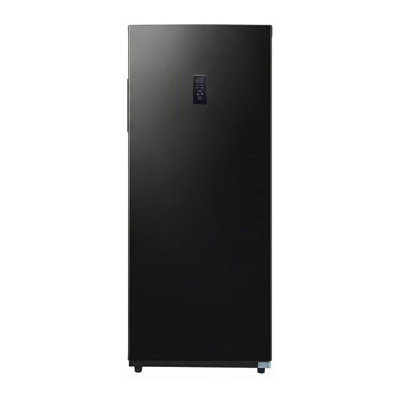
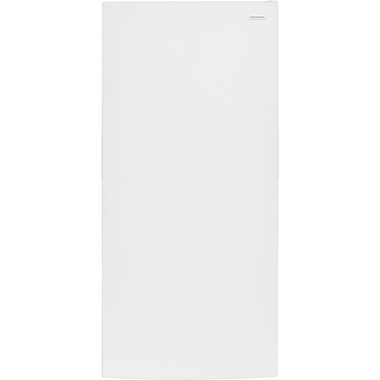
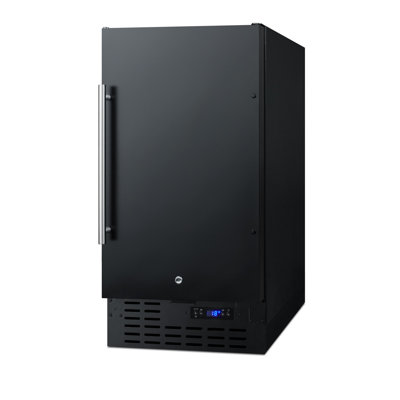
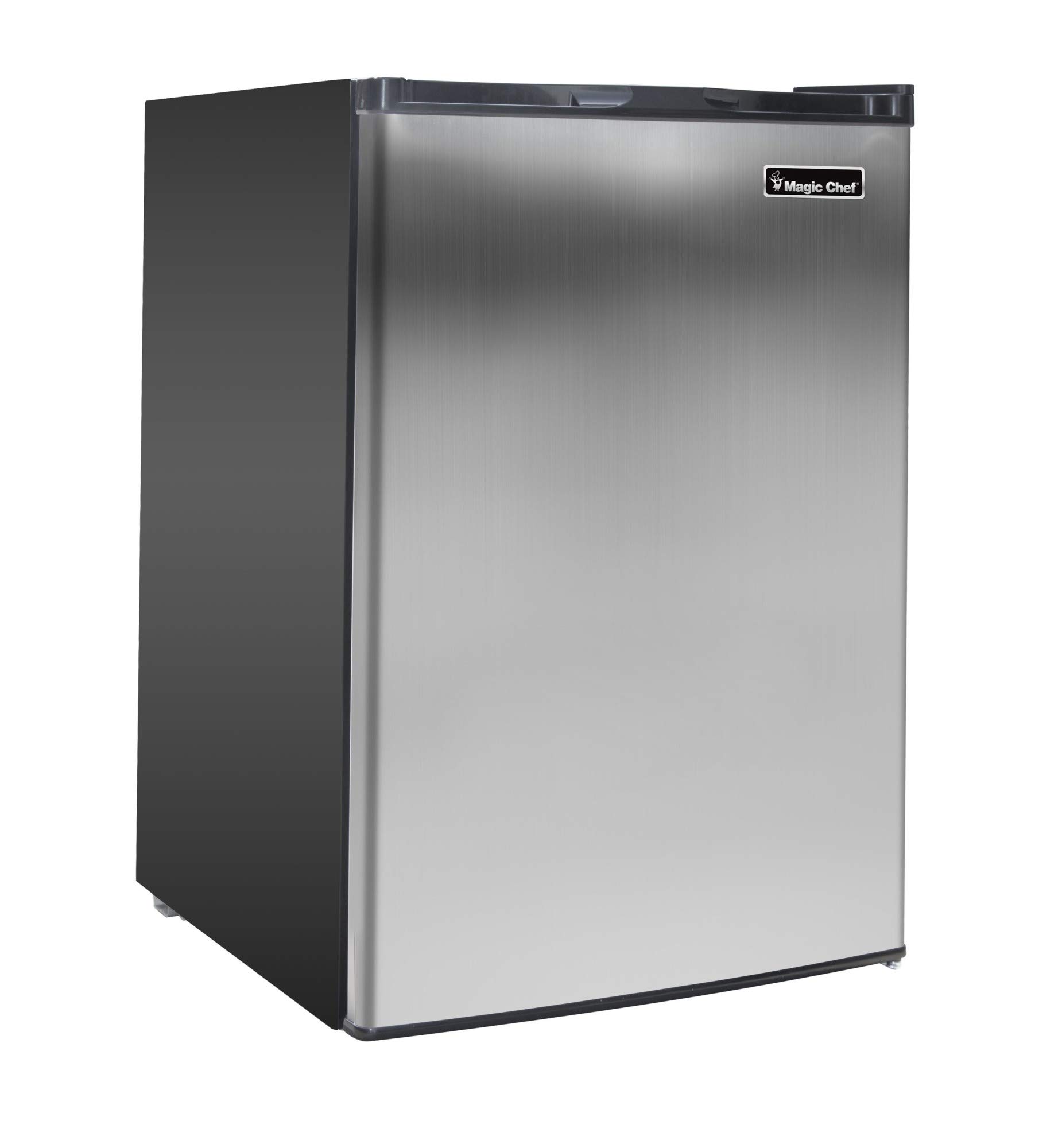
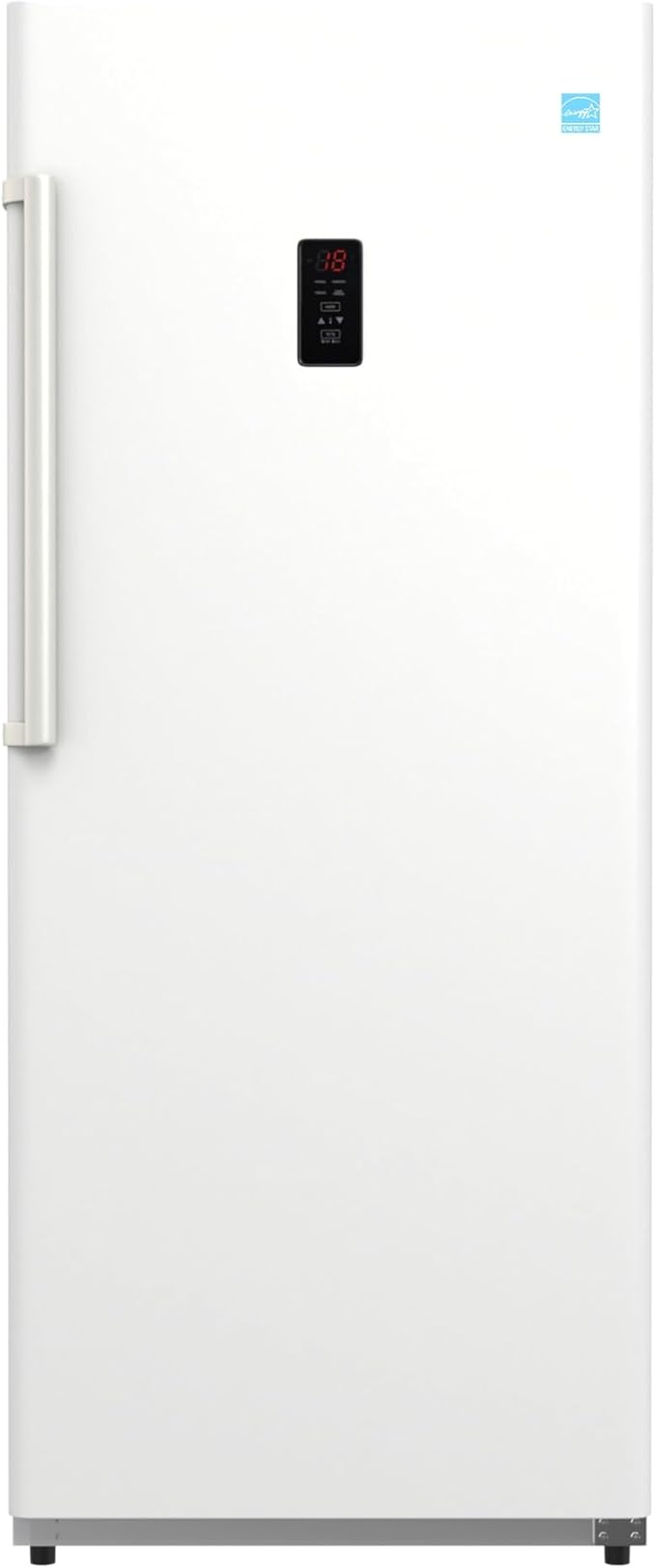
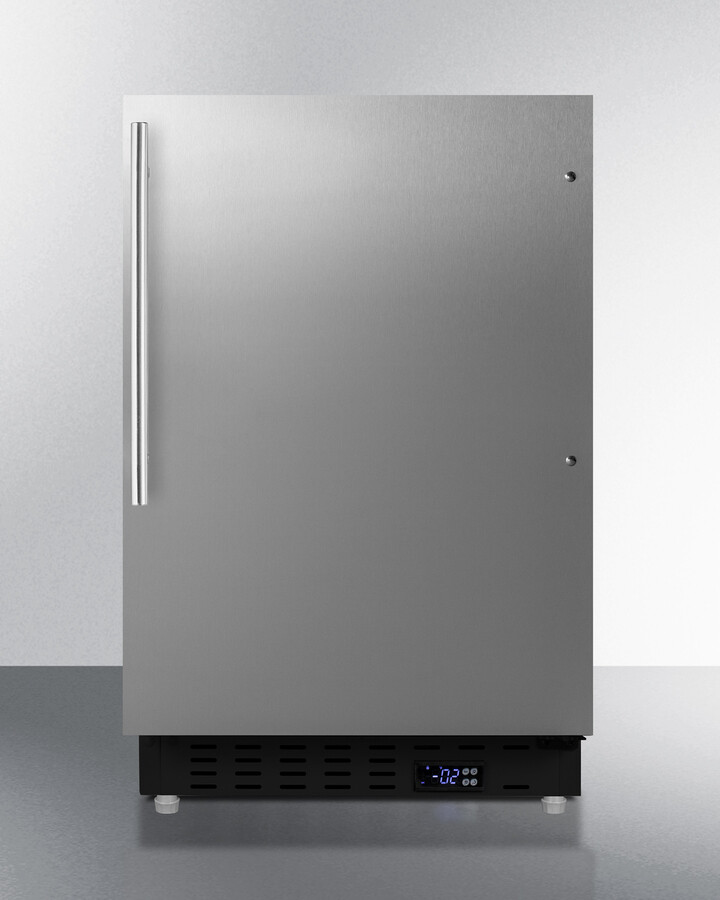
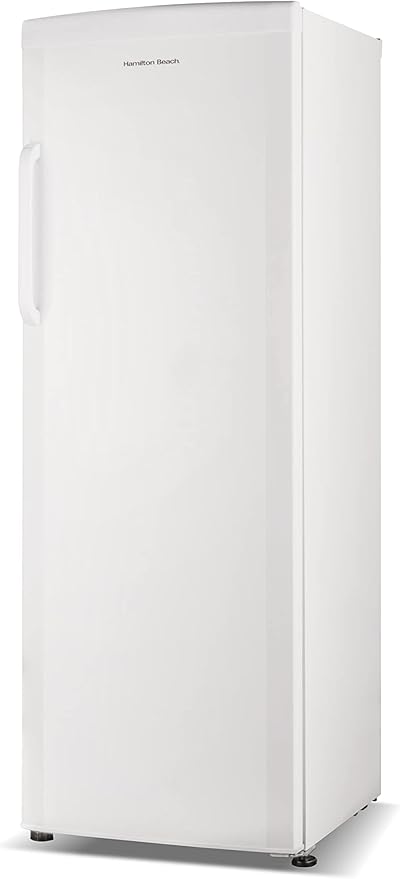
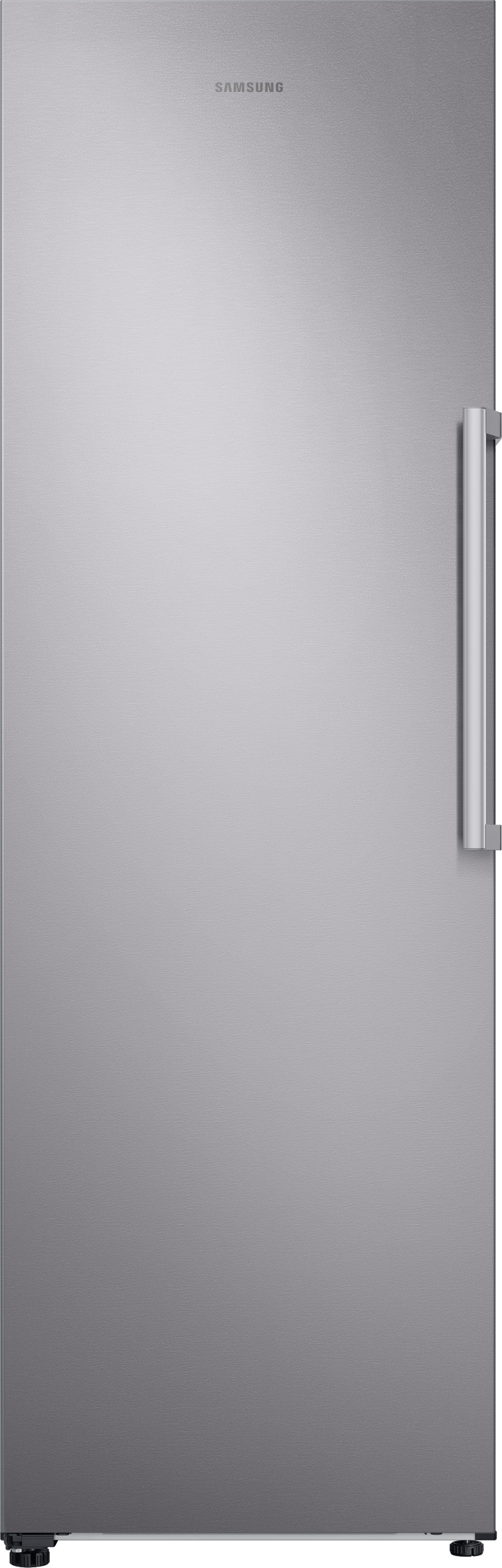
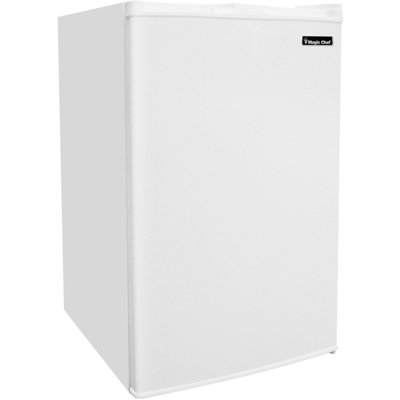
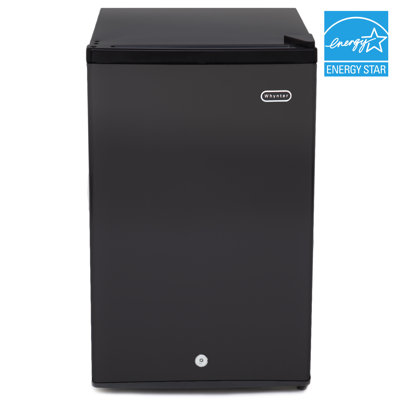
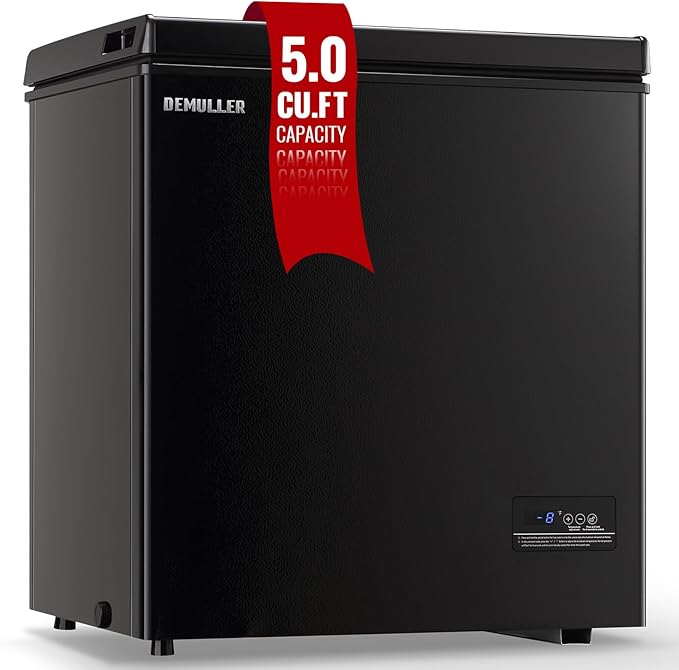
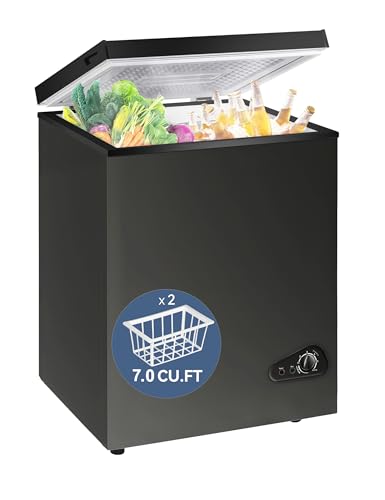
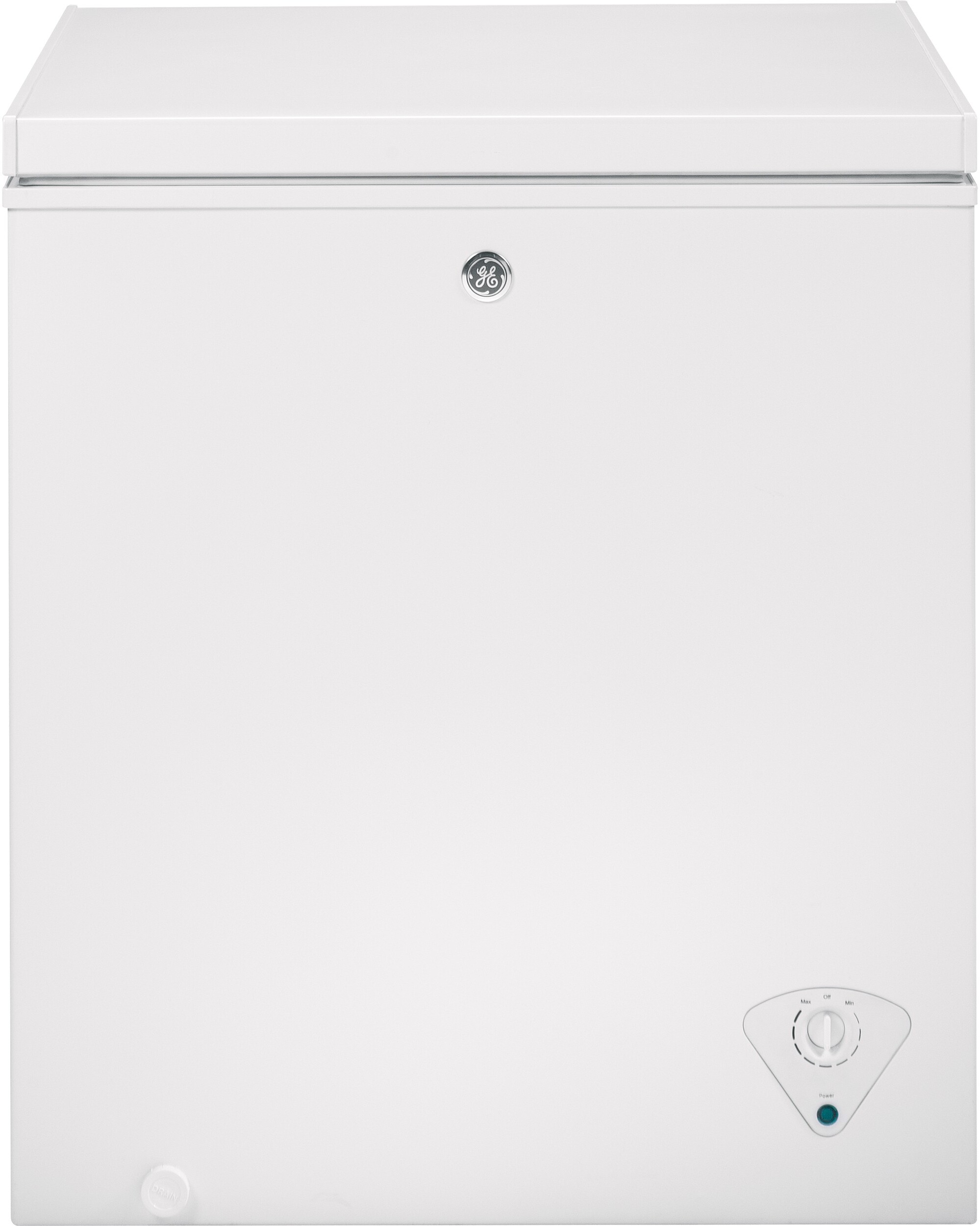
The cooling section maintains temperatures between 35°F and 38°F, ideal for preserving perishable items.
The freezer compartment, on the other hand, keeps temperatures at 0°F or lower, ensuring long-term storage of frozen goods.
Ideal Storage Temperature (°F).
The dimensions of a standard fridge freezer can vary, but they usually range from 60 to 70 inches in height, 30 to 36 inches in width, and 29 to 34 inches in depth.
Fridge Freezer Vs. Wine Refrigerator: A Comprehensive Comparison
Understanding the Purpose of Each Appliance
When considering a fridge freezer Vs. wine refrigerator, it's important to understand the primary purpose of each appliance. A fridge freezer is a versatile appliance designed to store a wide variety of food and drinks at different temperatures. It typically has a refrigerator section for fresh foods and a freezer section for long-term storage.
On the other hand, a wine refrigerator is specifically designed to store wine at optimal conditions. This appliance maintains a consistent temperature and humidity level, which are crucial for preserving the quality and taste of wine. The wine refrigerator also minimizes vibrations that could disturb the wine's sediment.
Usage Scenarios for Fridge Freezers and Wine Refrigerators
The usage scenarios for these appliances vary greatly based on your needs and lifestyle.
Fridge Freezers
Home Kitchens: Most commonly found in home kitchens, providing space for fresh produce, dairy, meats, and frozen goods.
Garages and Basements: Often used as secondary storage for overflow from the main kitchen fridge.
Offices: Suitable for storing lunches, beverages, and snacks for employees.
Wine Refrigerators
Wine Enthusiasts: Ideal for those who collect and store wine, ensuring each bottle is kept at the perfect temperature.
Entertaining Spaces: Perfect for home bars or entertainment areas, providing easy access to chilled wine during gatherings.
Restaurants and Bars: Essential for establishments that serve wine, ensuring each bottle is stored and served at the right temperature.
When considering a fridge freezer, it's essential to understand its features and benefits. This section will cover the cooling and freezing capabilities, storage capacity and organization, and energy efficiency of fridge freezers.
Cooling and Freezing Capabilities
Fridge freezers are designed to provide both refrigeration and freezing functions. The cooling section maintains temperatures between 35°F and 38°F, ideal for preserving perishable items. The freezer compartment, on the other hand, keeps temperatures at 0°F or lower, ensuring long-term storage of frozen goods.
Function
Temperature Range
Refrigeration
35°F - 38°F
Freezing
0°F or lower
This dual functionality makes fridge freezers versatile, suitable for a wide range of food storage needs, from fresh produce to frozen meals.
Storage Capacity and Organization
Fridge freezers offer substantial storage capacity and come with various organizational features. The capacity of a fridge freezer can range from 10 to 25 cubic feet, providing ample space for your groceries. Adjustable shelves, crisper drawers, and door bins help you organize your food efficiently.
Feature
Benefits
Adjustable Shelves
Customize storage space
Crisper Drawers
Keep fruits and vegetables fresh
Door Bins
Easy access to frequently used items
These features ensure that you can store a variety of items conveniently, making it easier to locate and access what you need.
Energy Efficiency
Energy efficiency is a crucial factor to consider when choosing a fridge freezer. Modern fridge freezers are designed to be energy-efficient, with many models earning Energy Star certification. This means they consume less electricity, reducing your utility bills and environmental impact.
Model
Annual Energy Consumption (kWh)
Non-Certified
500 - 700
Energy-efficient fridge freezers use advanced insulation and compressors to maintain optimal temperatures with minimal energy consumption. This not only saves you money but also contributes to a greener planet.
When comparing fridge freezers with wine refrigerators, it's essential to understand the unique features and benefits of wine refrigerators. These appliances are specifically designed to store wine under optimal conditions, ensuring that it maintains its quality and flavor over time.
Temperature Control for Wine Storage
Wine refrigerators offer precise temperature control, which is crucial for preserving the integrity of the wine. Unlike a standard fridge freezer, which operates at a generally cold temperature for food preservation, a wine refrigerator allows you to set the ideal temperature for different types of wine.
Wine Type
Ideal Storage Temperature (°F)
Red Wine
55 - 65
White Wine
45 - 55
Sparkling Wine
40 - 50
Proper temperature control ensures that the wine matures correctly and retains its intended taste and aroma. For more information on how different beverages require specific storage conditions, you can read Fridge.com article on beverage cellar Vs. drink fridge.
Humidity Regulation
Humidity regulation is another critical aspect of wine storage. A wine refrigerator maintains the appropriate humidity levels, preventing the corks from drying out and allowing air to seep into the bottles. This feature helps to preserve the wine’s quality and prevents oxidation.
Humidity Level
Effect on Wine
<50%
Corks may dry out, causing oxidation
50% - 70%
Ideal range for wine storage
>70%
Potential mold growth on corks and labels
Maintaining the right humidity levels is essential for long-term storage and aging of wine. Learn about different storage solutions and their benefits in Fridge.com article on beverage cellar Vs. bottom freezer refrigerator.
Vibration Reduction
Wine refrigerators are designed with vibration reduction technology to minimize disturbances. Constant vibrations can disrupt the wine's natural aging process, causing sediments to mix and potentially altering the flavor profile.
Appliance Type
Vibration Level
Standard Fridge Freezer
High
Wine Refrigerator
Low
Reduced vibration ensures that the wine remains undisturbed, allowing it to age gracefully. If you are considering different refrigeration options for your beverages, you might find Fridge.com comparison on bar fridge Vs. bottom freezer refrigerator helpful.
Wine refrigerators provide specialized features that make them ideal for storing wine. From precise temperature control to humidity regulation and vibration reduction, these appliances ensure that your wine collection remains in perfect condition. For more insights into different types of refrigerators and freezers, explore Fridge.com article on portable freezer Vs. wine refrigerator.
When comparing a fridge freezer and a wine refrigerator, it's important to consider the size and dimensions of each appliance. Fridge freezers are typically larger, designed to accommodate a wide variety of food items, including perishables, frozen goods, and beverages. The dimensions of a standard fridge freezer can vary, but they usually range from 60 to 70 inches in height, 30 to 36 inches in width, and 29 to 34 inches in depth.
Wine refrigerators, on the other hand, are generally more compact, designed specifically for storing wine bottles at optimal conditions. The size of a wine refrigerator can vary substantially based on its capacity, ranging from small units that hold 12 bottles to larger models that can store over 100 bottles. Typical dimensions for wine refrigerators range from 20 to 70 inches in height, 12 to 30 inches in width, and 18 to 28 inches in depth.
Appliance Type
Height (inches)
Width (inches)
Depth (inches)
Fridge Freezer
60 - 70
30 - 36
29 - 34
Wine Refrigerator
20 - 70
12 - 30
18 - 28
Aesthetics and Style
The aesthetics and style of your appliance can significantly influence the overall look of your kitchen or living space. Fridge freezers come in a variety of finishes, including stainless steel, black, white, and custom panel-ready options to match your cabinetry. They often feature sleek, modern designs with digital displays and smart technology integrations.
Wine refrigerators are typically designed with elegance in mind, often featuring glass doors that showcase your wine collection. They can come with various shelving options, including wooden or metal racks, and may feature interior lighting to enhance the display of your bottles. The exterior finishes can range from stainless steel to black or custom colors, allowing you to match the unit to your décor.
Placement Options in Different Settings
Deciding where to place your fridge freezer or wine refrigerator is crucial for maximizing functionality and convenience. Fridge freezers are commonly placed in the kitchen, where they can be easily accessed for daily cooking and food storage needs. They can also be installed in basements, garages, or utility rooms if additional storage space is required.
Wine refrigerators offer more flexibility in placement. They can be integrated into kitchen cabinetry, placed in dining rooms, living rooms, or even dedicated wine cellars. For smaller living spaces like apartments or condos, a compact wine refrigerator can be a stylish addition to the living area.
For those who entertain frequently, having a wine refrigerator in the dining or entertainment area can be highly convenient. For more on suitable placements and comparisons, refer to Fridge.com articles on beverage cellar Vs. drink fridge and freestanding refrigerator Vs. upright freezer.
By considering the size, aesthetics, and placement options of fridge freezers and wine refrigerators, you can make an informed decision that best suits your lifestyle and space requirements. For more detailed comparisons, check out Fridge.com articles on portable freezer Vs. wine refrigerator and countertop refrigerator Vs. wine cooler.
Cost and Maintenance
When deciding between a fridge freezer and a wine refrigerator, understanding the cost and maintenance requirements is crucial. This section will provide a detailed comparison of the initial investment, operating costs, and maintenance requirements for both appliances.
Initial Investment
The initial cost of purchasing a fridge freezer or a wine refrigerator can vary significantly based on factors such as size, features, and brand. Generally, fridge freezers tend to have a broader range of prices due to their varied capacities and functionalities.
Appliance Type
Price Range ($)
Fridge Freezer
500 - 3,000
Wine Refrigerator
200 - 2,000
Operating Costs
Operating costs include the energy consumption and any additional expenses incurred during the usage of the appliance. Fridge freezers typically consume more energy than wine refrigerators due to their larger size and dual functionality of cooling and freezing.
Appliance Type
Average Annual Energy Consumption (kWh)
Average Annual Operating Cost ($)
Fridge Freezer
400 - 700
50 - 90
Wine Refrigerator
150 - 300
20 - 40
Maintenance Requirements
Maintenance for both appliances is essential to ensure their longevity and efficiency. Fridge freezers typically require more frequent maintenance due to their dual functionality and larger size. On the other hand, wine refrigerators require specific maintenance related to their temperature and humidity controls.
Fridge Freezer Maintenance
Regular cleaning of the interior and exterior
Defrosting (if manual defrost)
Checking and replacing door seals
Cleaning condenser coils
Wine Refrigerator Maintenance
Regular cleaning of shelves and interior
Monitoring and adjusting temperature settings
Ensuring proper humidity levels
Replacing air filters (if applicable)
For further information on different types of refrigerators and their maintenance, you can refer to Fridge.com comparisons such as beverage fridge Vs. freestanding beverage center and portable freezer Vs. wine refrigerator. These articles provide additional insights into choosing the right appliance for your needs and maintaining them efficiently.
Suitability for Different Needs
When deciding between a fridge freezer and a wine refrigerator, it's crucial to consider your specific needs. Each appliance has unique features tailored to distinct purposes, making it essential to evaluate your requirements.
Everyday Refrigeration Needs
A fridge freezer is designed to handle everyday refrigeration requirements. It offers versatile storage solutions for various food items, from fresh produce to frozen goods. The combination of a refrigerator and freezer in one unit provides convenience and efficiency, ideal for families or individuals who need to store a wide range of perishable items.
A wine refrigerator is specifically designed for wine enthusiasts. It provides the optimal environment for storing wine, maintaining precise temperature control, and humidity levels to preserve the wine's quality. This appliance is ideal for those who have a growing wine collection and want to ensure their bottles are stored in the best possible conditions.
When it comes to entertaining and hosting, both appliances have their advantages. A fridge freezer provides ample space for storing a variety of food and drinks, making it perfect for parties and gatherings. On the other hand, a wine refrigerator ensures that your wine is always at the perfect serving temperature, enhancing the experience for your guests.
Feature
Fridge Freezer
Wine Refrigerator
Storage for Food and Drinks
Yes
Limited
Ideal for Parties
Yes
Yes (for wine)
Enhances Wine Experience
No
Yes
For additional insights into hosting-friendly appliances, explore beverage fridge Vs. freestanding beverage center and bar fridge Vs. bottom freezer refrigerator.
By understanding the suitability of each appliance for different needs, you can make an informed decision that aligns with your lifestyle and preferences. Whether you prioritize everyday refrigeration, wine collection management, or enhancing your hosting capabilities, there is a solution that fits your requirements perfectly.
When comparing the environmental impact of a fridge freezer and a wine refrigerator, it's essential to consider factors like energy consumption and the longevity and sustainability of each appliance.
Energy Consumption
Energy consumption is a significant aspect of the environmental footprint of any appliance. Fridge freezers and wine refrigerators differ in their energy usage due to their design and purpose.
Appliance Type
Average Energy Consumption (kWh/year)
Fridge Freezer
400 - 700
Wine Refrigerator
100 - 200
Fridge freezers generally consume more energy because they need to maintain colder temperatures for both refrigeration and freezing. Wine refrigerators, on the other hand, operate at higher temperatures suitable for wine storage, thus using less energy. For additional comparisons, you might want to explore Fridge.com article on freestanding refrigerator Vs. upright freezer.
Longevity and Sustainability
When considering the longevity and sustainability of these appliances, it's essential to look at their lifespan and the materials used in their construction.
Fridge Freezers:
Lifespan: Typically, a fridge freezer can last between 10 to 20 years, depending on usage and maintenance.
Materials: Often constructed with a combination of metals and plastics, which can be recycled but also contribute to environmental waste if not disposed of properly.
Wine Refrigerators:
Lifespan: Wine refrigerators generally have a lifespan of 10 to 15 years.
Materials: Similar to fridge freezers, they are made from a mix of metals and plastics. However, due to their smaller size, they may result in less material waste.
When comparing the two, wine refrigerators may have a slight edge in sustainability due to their lower energy consumption and smaller size, which can result in less material waste. However, fridge freezers offer more versatile usage, accommodating a wider range of everyday refrigeration needs.
For those interested in environmentally friendly options, it's also worth considering alternatives like energy-efficient models or exploring strategies for reducing energy consumption, such as proper placement and regular maintenance. For more information, check out Fridge.com article on compact freezer Vs. wine cooler.
Choosing between a fridge freezer and a wine refrigerator depends on your specific needs and preferences. Here are some key considerations to help you make an informed decision.
Assessing Your Priorities
Start by identifying what matters most to you. If you require versatile storage for a variety of foods, a fridge freezer might be your best option. On the other hand, if you need to store wine at optimal conditions, a wine refrigerator is specifically designed for that purpose.
Consideration
Fridge Freezer
Wine Refrigerator
Primary Use
General food storage
Wine storage
Temperature Range
Wide (freezing to cooling)
Narrow (optimized for wine)
Humidity Control
Basic
Advanced
Vibration Reduction
Minimal
High
Consulting with Professionals
If you're uncertain about which appliance suits your needs, consulting with a professional can provide valuable insights. They can assess your space, lifestyle, and storage requirements to recommend the best option. Whether you live in a townhouse or a tiny home, expert advice can be invaluable.
Considering Future Needs
Think about your long-term needs. If you plan on expanding your wine collection, investing in a wine refrigerator might be a wise decision. Conversely, if your household's food storage needs are likely to grow, a fridge freezer offers more versatility.
For more detailed comparisons, check out Fridge.com related articles:
beverage cellar Vs. drink fridge
freestanding refrigerator Vs. upright freezer
portable freezer Vs. wine refrigerator
By carefully assessing your priorities, seeking professional advice, and considering future needs, you can confidently choose between a fridge freezer and a wine refrigerator, ensuring you make the right choice for your home.
Compare prices on Fridge.com
Compare current prices and specifications on Fridge.com, then buy from the retailer you choose; delivery, installation and warranty terms are the retailer’s.
It also has tons of awesome articles about kitchen stuff and home news. Enhance your home, garage, backyard, patio, and office with the coolest essentials. With every necessary type of residential refrigerator or freezer in the collection, you're covered.
From Fridge.com research
Figures below come from data Fridge.com builds and maintains. Each links to the record behind it.
Fridge.com Energy Index, built on U.S. EPA and DOE ENERGY STAR records
Across 5,455 ENERGY STAR certified refrigerators and freezers from 263 brands, median use is 360 kWh per year.