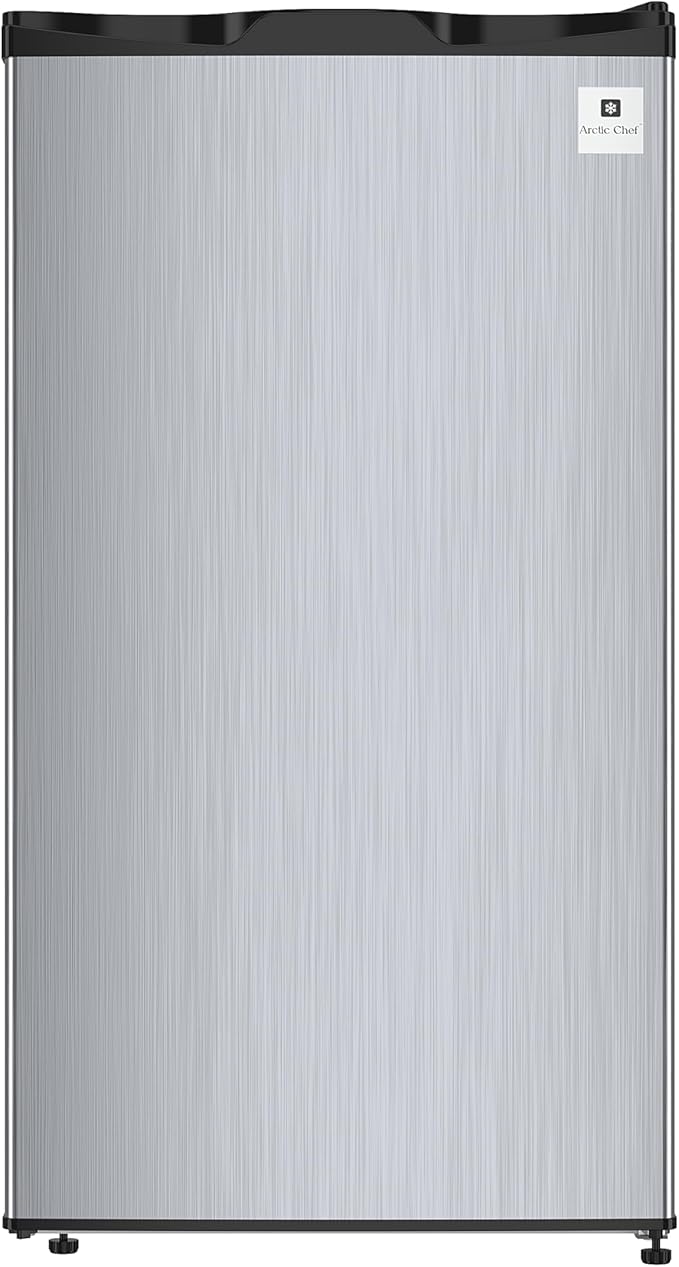
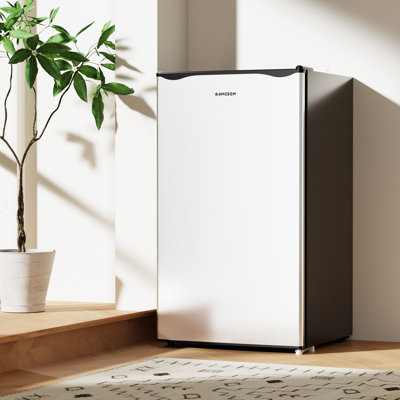
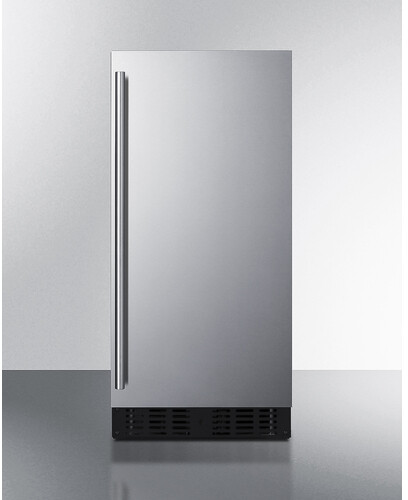
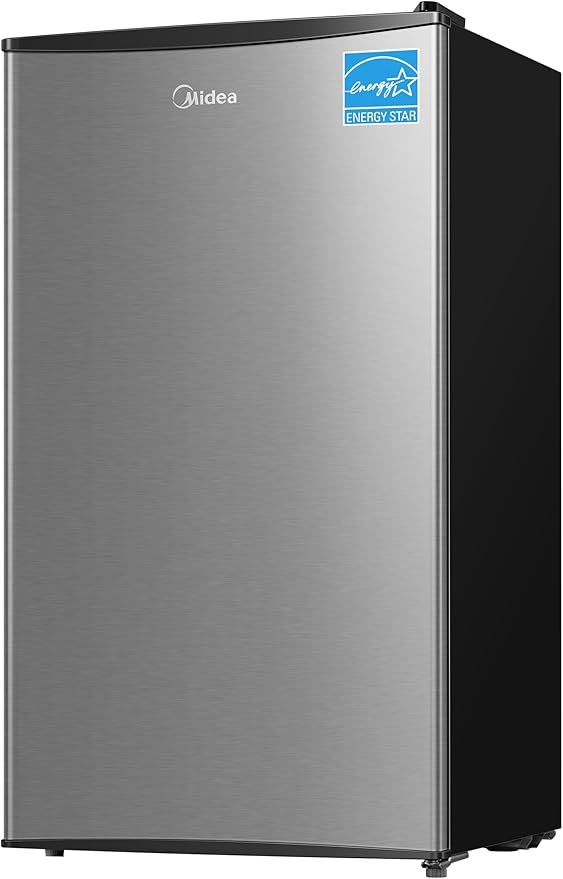
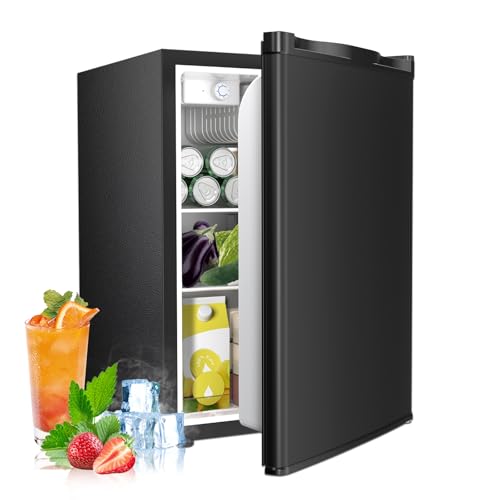
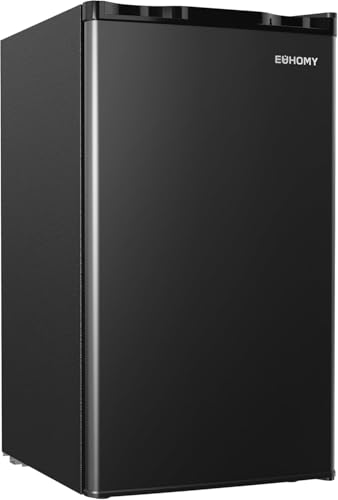
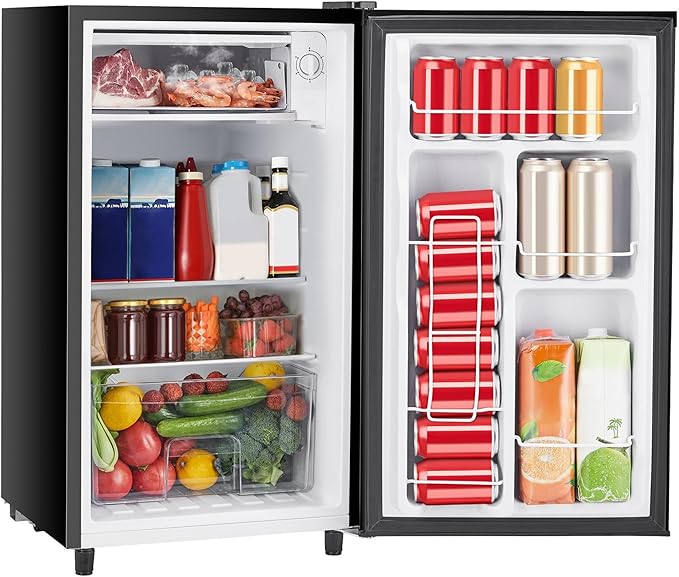
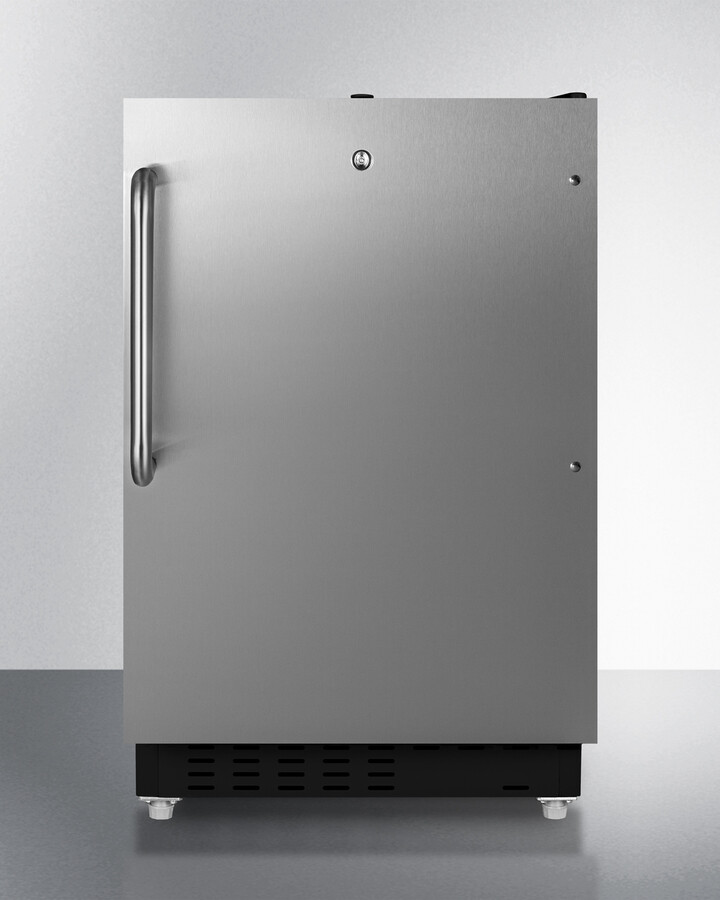
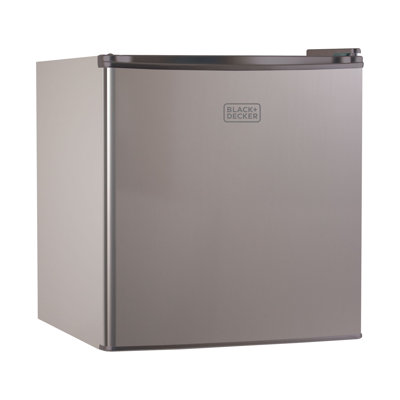
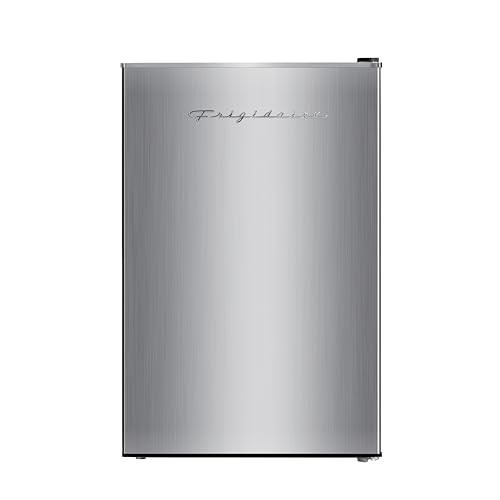
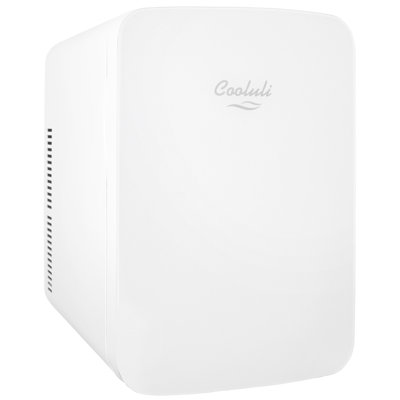
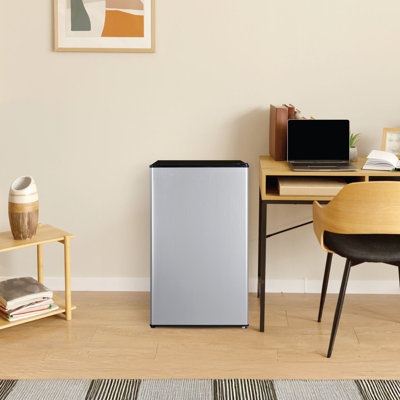
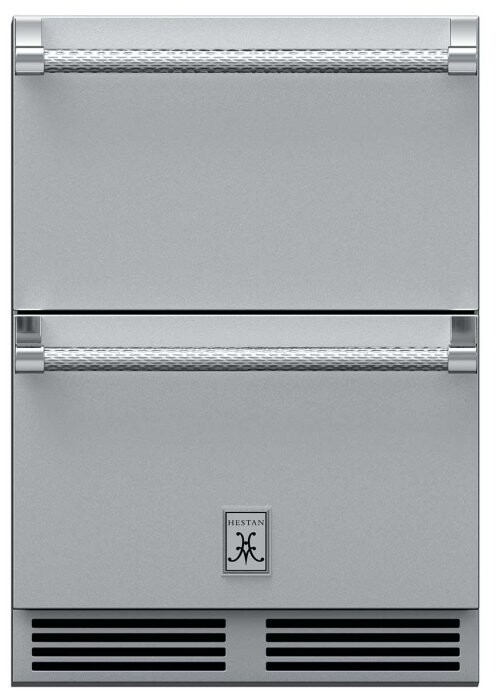
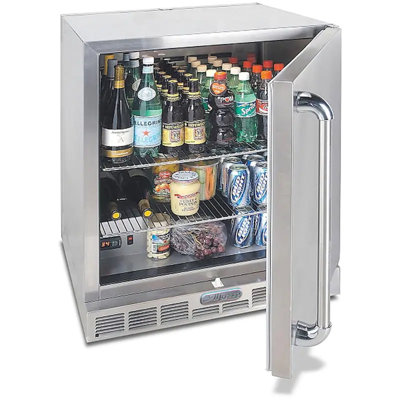
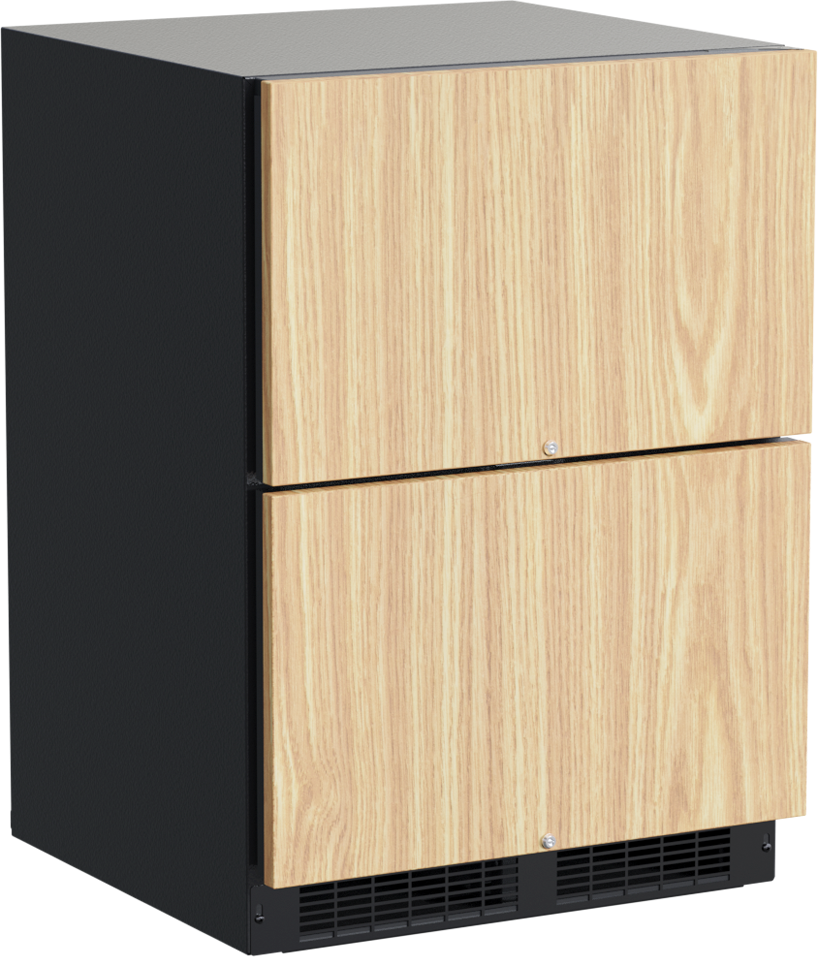
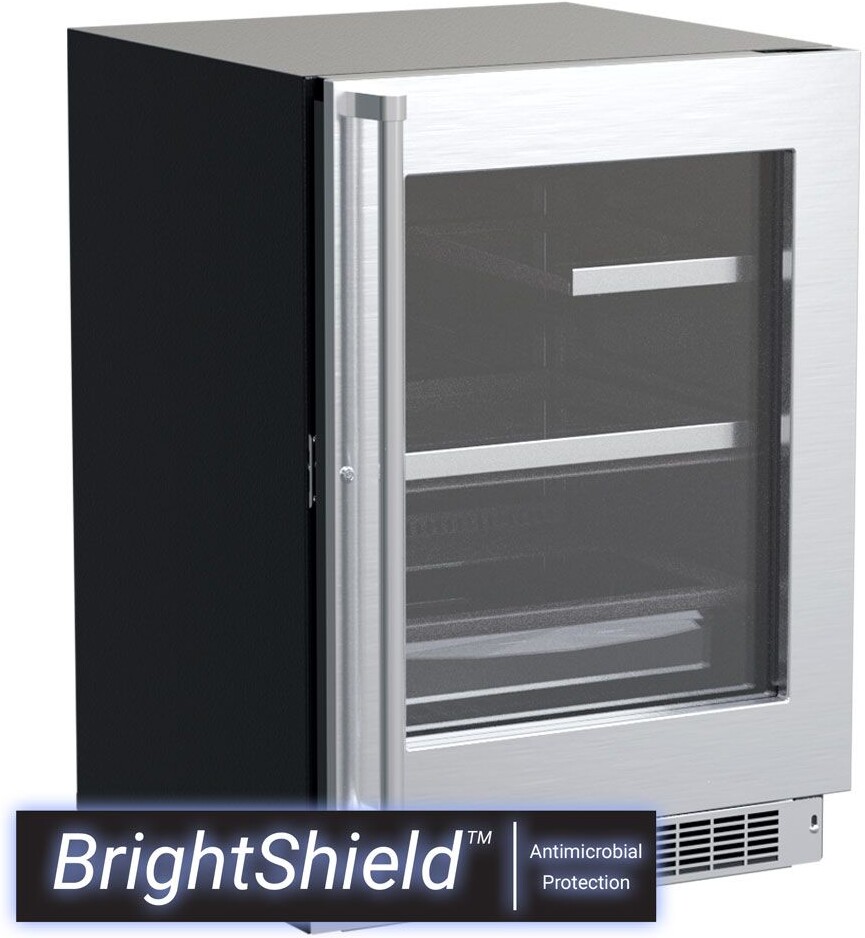
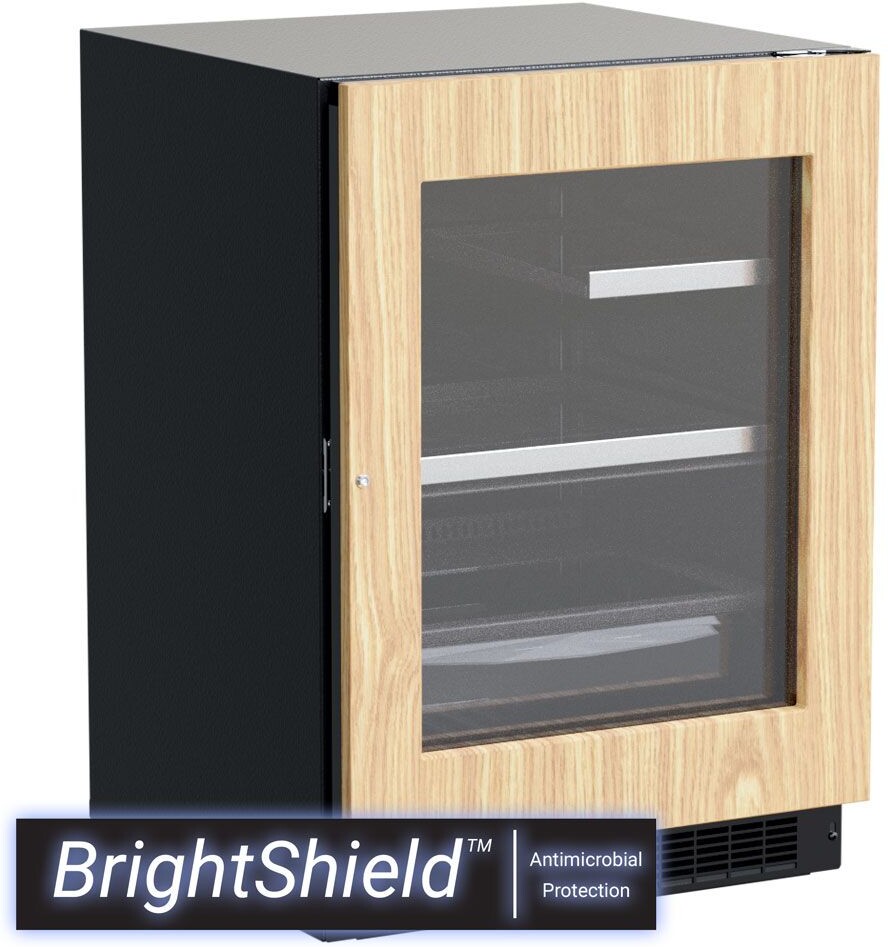
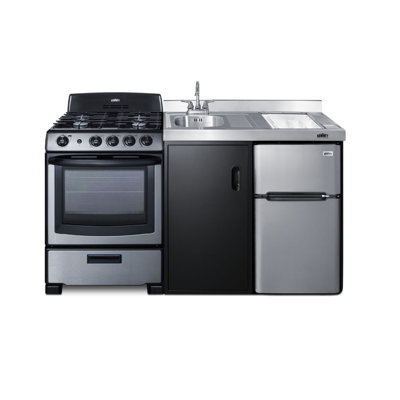
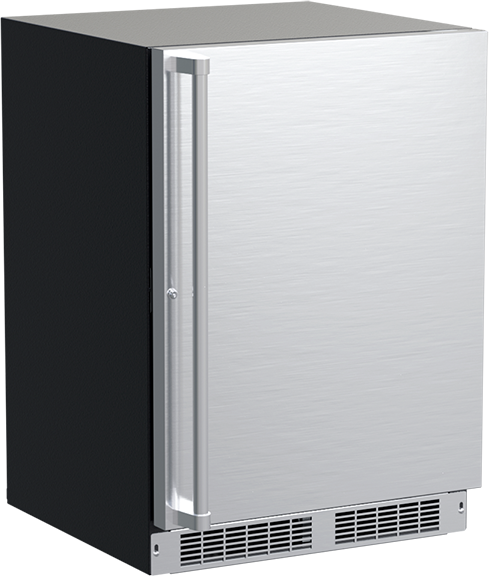
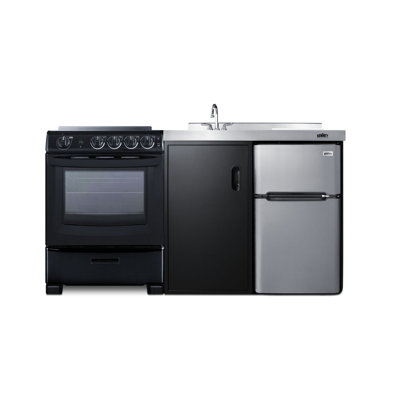
Mini fridge freezers come in various sizes, typically ranging from 1.7 to 4.5 cubic feet, making them highly portable.
From tiny homes to dorm rooms, the versatility of these appliances makes them an ideal choice for keeping your food and beverages cool without taking up too much real estate.
Often multiple zones for different items.
These dimensions are indicative of the space-efficient nature of drawer refrigerators, making them ideal for smaller homes, apartments, or rooms where space is at a premium.
The Growing Popularity of Small-Scale Refrigerators
In today's world, where living spaces are becoming increasingly compact, the demand for small-scale refrigeration solutions has grown significantly. Whether you're a homeowner looking to maximize kitchen space, living in an apartment with limited room, or seeking an addition to your office or entertainment area, compact refrigerators offer convenience and functionality. From tiny homes to dorm rooms, the versatility of these appliances makes them an ideal choice for keeping your food and beverages cool without taking up too much real estate.
Key Differences Between Drawer Refrigerators and Mini Fridge Freezers
When considering a compact refrigerator, you may come across two popular options: drawer refrigerators and mini fridge freezers. Both serve the purpose of refrigeration but in distinct ways that cater to different needs and preferences. Here's a comparison to help you understand the key differences:
Feature
Drawer Refrigerator
Mini Fridge Freezer
Design
Integrated into cabinetry, sleek look
Standalone unit, traditional fridge design
Space Utilization
Efficient, under-counter installation
Versatile, can be placed almost anywhere
Capacity
Typically less due to drawer design
Often larger with separate freezer compartment
Installation
More complex, needs cabinetry
Simple, plug-and-play setup
Temperature Zones
Often multiple zones for different items
Usually a single zone with a small freezer section
Portability
Fixed, not meant to be moved often
Portable, can be relocated easily
By weighing these differences, you'll be better equipped to make an informed decision based on your living space and refrigeration requirements. Whether you opt for the seamless integration of a drawer refrigerator or the adaptable convenience of a mini fridge freezer, understanding the unique benefits of each will guide you to the best choice for your home.
When you're considering updating your home, office, or any living space with compact refrigeration, a drawer refrigerator is a stylish and modern option that might catch your eye. Let's delve into why this sleek appliance could be the right choice for your needs.
Design and Aesthetics
A drawer refrigerator offers a seamless look that can integrate flawlessly with your existing cabinetry. Unlike traditional refrigerators, the drawer design can be hidden behind custom panels to match your interior, or you can select a stainless steel finish for a contemporary touch.
Features
Description
Customizable Fronts
Can be fitted with panels to match cabinetry
Handle Options
Various styles to complement interior design
Lighting
LED lighting for better visibility
The drawer-style refrigerator is often favored for its minimalist appeal, eliminating the bulky shape of a conventional fridge and contributing to a more organized and decluttered space. It's a statement of sophistication in kitchen design, or any area where aesthetics are a priority.
Space Efficiency
One of the most compelling reasons to consider a drawer refrigerator is its space-saving design. This type of refrigerator can be installed under countertops, providing easy access to food and beverages without taking up valuable floor space.
Dimensions (Approximate)
Capacity
24" Width
5.4 cubic feet
30" Width
7.8 cubic feet
These dimensions are indicative of the space-efficient nature of drawer refrigerators, making them ideal for smaller homes, apartments, or rooms where space is at a premium. They are also a perfect addition to larger kitchens as an auxiliary cooling space for fresh produce or drinks.
Installation and Placement Flexibility
Drawer refrigerators offer unparalleled flexibility when it comes to installation and placement. You can install them in a variety of locations to suit your lifestyle and the layout of your space.
Installation Location
Benefits
Kitchen Island
Convenient access for meal prep
Home Bar Area
Perfect for storing mixers and beverages
Outdoor Kitchen
Adds functionality to outdoor entertaining spaces
Office
Keeps snacks and drinks within reach without leaving the desk
Whether you're looking to enhance your home bar area or want the convenience of a fridge in your outdoor kitchen, a drawer refrigerator can be installed in both indoor and outdoor settings. Its adaptability makes it a practical choice for various applications beyond the traditional kitchen layout.
In summary, a drawer refrigerator may be the perfect addition if you're seeking a unit that combines design finesse, efficient use of space, and flexible placement options within your living or working environment. As you consider this sleek choice, weigh it against the more conventional mini fridge freezer to determine which meets your specific requirements for compact refrigeration.
Mini Fridge Freezer: Compact Versatility
When it comes to convenient and space-saving refrigeration solutions, the mini fridge freezer offers a blend of functionality and adaptability that is hard to match. Perfect for a variety of settings, from dorm rooms to home offices, this compact appliance provides both chilling and freezing capabilities in one unit.
Dual Functionality
The standout feature of a mini fridge freezer is its dual functionality. Equipped with separate compartments for refrigeration and freezing, it allows you to store a diverse range of perishable goods, from fresh produce to frozen treats. This versatility is particularly beneficial if you're dealing with limited space but don't want to compromise on the kinds of food items you can keep on hand.
Size and Portability
Mini fridge freezers come in various sizes, typically ranging from 1.7 to 4.5 cubic feet, making them highly portable. Their compact dimensions mean they can fit snugly under counters, in corners, or even on tabletops. This portability also makes them an ideal choice for temporary living arrangements or as an additional cooling resource during gatherings.
Cubic Feet
Approximate Dimensions (inches)
Weight (pounds)
1.7
18.5 x 17.5 x 19.7
30
2.5
18.5 x 17.7 x 24.9
40
3.2
19.1 x 17.7 x 31.1
50
4.5
20.3 x 22.2 x 32.1
60
Energy Consumption and Efficiency
One of the critical considerations when choosing between a drawer refrigerator Vs. mini fridge freezer is energy efficiency. Mini fridge freezers are generally designed to be energy-efficient due to their smaller size, which requires less power to maintain the desired temperatures. However, their efficiency can vary based on the model, usage patterns, and settings.
To ensure you're selecting an energy-efficient model, look for units with ENERGY STAR ratings, which meet strict energy performance standards set by the U.S. Environmental Protection Agency. Additionally, opting for models with adjustable thermostat controls can further enhance efficiency by allowing you to tailor the cooling intensity to your needs.
For those interested in exploring various compact refrigeration options, it's worth comparing the energy consumption of a mini fridge freezer with alternatives like a beer keg cooler Vs. undercounter beverage cooler or assessing the efficiency of a double drawer freezer Vs. wine cooler. Ultimately, your choice will reflect a balance between the practicality of dual functionality and the potential energy savings over time.
Choosing between a drawer refrigerator and a mini fridge freezer involves more than just personal preference; it requires a careful assessment of your specific needs and the space you have available. Below, Fridge.com will guide you through considering your spatial requirements and storage needs to help you make an informed decision.
Evaluating Space Requirements
The amount of space you have in your home, office, or any other area where you plan to place your compact refrigerator is a critical factor. Drawer refrigerators are designed to fit seamlessly into existing cabinetry, offering a flush and integrated look that can save space in tight areas.
To determine if a drawer refrigerator is right for you, measure the dimensions of the space where you want to install it. Consider the width, depth, and height, and compare these measurements with the specifications of potential drawer refrigerator models. Keep in mind that these units may require professional installation, which can affect your space planning.
On the other hand, mini fridge freezers are freestanding units that can be placed almost anywhere, provided there's a power outlet nearby. They are ideal for locations like dorm rooms, garages, or basements where space may be less of a concern. Assess the floor space you can allocate for a mini fridge freezer and ensure there's enough clearance for the door to open.
Refrigerator Type
Width
Depth
Height
Drawer Refrigerator
X to X inches
X to X inches
X to X inches
Mini Fridge Freezer
X to X inches
X to X inches
X to X inches
Remember to consider the future placement of your compact refrigerator. Will you move it between locations such as from home to an office refrigerator setup? If mobility is a priority, a mini fridge freezer may offer the flexibility you need.
Understanding Your Storage Needs
The items you plan to store in your compact refrigerator will also influence your choice. Drawer refrigerators often feature segmented storage areas, making them suitable for organizing different types of food and beverages. If you prioritize a streamlined kitchen with specific zones for produce, dairy, or beverage refrigeration, a drawer refrigerator might cater to your needs more effectively.
Consider creating a list of items you frequently store to help you gauge the capacity and organization system that best fits your lifestyle. For example, if you entertain frequently and need space for platters or large bottles, ensure your chosen refrigerator can accommodate those items.
In contrast, mini fridge freezers typically include a small freezer compartment, giving you the dual functionality to store frozen goods alongside refrigerated items. If you require both refrigeration and freezing capabilities for items like ice cream or frozen meals, especially if you're considering options like freezer cooler Vs. refrigerator drawer, a mini fridge freezer may be more suitable.
Both drawer refrigerators and mini fridge freezers come in a range of capacities, so it's essential to consider how much you need to store at any given time. Evaluate the volume of groceries you typically buy and the frequency of your shopping trips to decide which type of compact refrigerator can accommodate your habits.
By taking the time to thoroughly assess both your space requirements and storage needs, you can choose between a drawer refrigerator and a mini fridge freezer with confidence. Whether you're looking for a built-in freezer Vs. dorm fridge or considering a double drawer freezer Vs. wine cooler, matching the appliance to your lifestyle and space will ensure you make the most out of your compact refrigeration solution.
When choosing between a drawer refrigerator and a mini fridge freezer, practicality and convenience are key factors that will influence your decision. Each has its unique ergonomic features and maintenance requirements that could impact your daily routine.
Accessibility and Ergonomics
Drawer refrigerators are designed for ease of access, allowing you to sort and reach your items without bending over, which is especially beneficial if you have back issues or prefer not to stoop. They can be installed at any height that suits your ergonomic needs, making them a versatile option for any space.
Features
Drawer Refrigerator
Mini Fridge Freezer
Height Customization
Yes
No
Easy Access
Yes
Varies
Visibility
High
Moderate
In contrast, mini fridge freezers often require bending to access items, particularly for those stored at the back or bottom. However, their compact size can be an advantage if you're placing the unit in a small space or under a counter.
Maintenance and Cleaning
Maintenance and cleaning are important considerations for any appliance. Drawer refrigerators typically have fewer crevices and can be easier to clean due to their sliding compartments. Many models come with removable drawers for hassle-free cleaning.
Maintenance Aspect
Drawer Refrigerator
Mini Fridge Freezer
Ease of Cleaning
Easier
Average
Removable Components
Yes
Sometimes
Defrosting
Automatic/Manual
Usually Manual
Mini fridge freezers, on the other hand, may require manual defrosting, depending on the model. This can be time-consuming and may need to be done periodically to ensure the unit operates efficiently. For tips on defrosting and maintaining your unit, you can refer to Fridge.com guide on fridge freezer combo Vs. garage freezer.
Both drawer refrigerators and mini fridge freezers have their own set of pros and cons when it comes to practicality and convenience. By evaluating these aspects, you can make an informed decision that aligns with your lifestyle and the demands of your living space. Whether you prioritize easy access and custom height options, or compact size and portability, consider how each type of compact refrigeration can simplify your daily routine and enhance your living experience.
Cost Considerations
When choosing between a drawer refrigerator and a mini fridge freezer, cost is an important factor. It's not just the price tag of the appliance that matters, but also the long-term expenses associated with its use. Here's what you need to consider when evaluating the costs of these compact refrigeration options.
Initial Investment
The upfront cost of a drawer refrigerator typically exceeds that of a mini fridge freezer. Drawer refrigerators are often designed to blend seamlessly with kitchen cabinetry, which can entail a higher price due to the specialized design and materials.
On the other hand, mini fridge freezers are generally more affordable and are available in a variety of models that can cater to a wide range of budgets. Their cost-effectiveness makes them a popular choice for those looking for a compact refrigeration solution without a hefty initial investment.
Refrigeration Type
Average Cost Range
Drawer Refrigerator
$1,500 - $4,000
Mini Fridge Freezer
$100 - $500
Long-Term Running Costs
The long-term running costs of any refrigerator or freezer include energy consumption, maintenance, and potential repairs. Drawer refrigerators are often built-in units, which may result in lower energy costs due to better insulation compared to stand-alone units. However, if repairs are necessary, they could be more expensive due to the integration with cabinetry and potentially higher-priced components.
Mini fridge freezers, while cheaper upfront, might have higher energy costs in the long run, especially if the model is not energy efficient. They are typically easier and less expensive to repair due to the availability of parts and the simplicity of the designs.
When considering long-term costs, it's advisable to look for energy-efficient models, which could be identified by the ENERGY STAR label or similar certifications. Energy-efficient models may cost more initially but can save you money on your electricity bill over time. For comparisons of energy efficiency between different types of compact refrigerators, you might want to explore articles such as energy efficient refrigerator Vs. freestanding drawer refrigerator and mini fridge with freezer Vs. wine cooler.
Refrigeration Type
Estimated Annual Energy Cost
Drawer Refrigerator
$30 - $60
Mini Fridge Freezer
$25 - $50
When assessing cost considerations, remember that your choice should align with both your budget and your refrigeration needs. Consider the initial investment and weigh it against the projected long-term running costs to make an informed decision that suits your lifestyle and usage. Whether you opt for a drawer refrigerator or a mini fridge freezer, understanding the financial implications will help ensure that you find the most cost-effective and practical solution for your living space.
When considering the addition of a compact cooling appliance to your home, it's essential to weigh both lifestyle preferences and the potential impact on your living space. The choice between a drawer refrigerator and a mini fridge freezer can be influenced by your daily habits, storage needs, and the layout of your residence.
Lifestyle and Usage
Reflect on your routine and how a new appliance can enhance it. If you frequently entertain and value quick access to chilled beverages or specialty items, a drawer refrigerator might align with your social lifestyle. Its convenient placement at arm's length can be a significant advantage, ensuring that everything you need is within easy reach.
On the other hand, if you often find yourself requiring additional frozen goods or ice, a mini fridge freezer offers the dual functionality that might better serve your needs. For those with limited space who want the benefits of both refrigeration and freezing without purchasing two separate appliances, this can be an ideal solution.
Consider the following table that outlines common scenarios and the corresponding appliance that might be best suited for each situation:
Lifestyle Scenario
Drawer Refrigerator
Mini Fridge Freezer
Frequent entertaining
X
—
Need for specialized storage (e.g., produce, beverages)
X
—
Limited space and need for both refrigeration and freezing
—
X
Regular use of frozen goods
—
X
Preference for a seamless kitchen design
X
—
The Impact on Your Living Space
The physical footprint and integration of your appliance into your home are also critical factors. Drawer refrigerators can be built into cabinetry for a seamless look that does not disrupt the flow of your kitchen or bar area. They can be particularly appealing if you're aiming for a minimalistic or custom-designed space.
Conversely, mini fridge freezers are typically freestanding units that offer versatility in placement. They can easily be moved from a home office to a garage or dorm room, providing the adaptability that some living situations require. Assess the available space in your home, keeping in mind door swing, ventilation requirements, and ease of access.
Here's a quick guide to help you determine which appliance might best suit your space:
Living Space Consideration
Drawer Refrigerator
Mini Fridge Freezer
Integration with existing cabinetry
X
—
Flexibility in placement and relocation
—
X
Minimal disruption to room aesthetics
X
—
Need for a standalone cooling solution
—
X
Space constraints and door clearance
X
X
In making your decision, consider how each appliance will affect the aesthetics and functionality of your living space. Whether you opt for the sleek integration of a drawer refrigerator or the compact versatility of a mini fridge freezer, ensure that your choice aligns with both your lifestyle and your home's layout. Consulting resources such as mini fridge with freezer Vs. wine cooler or smart fridge Vs. wine fridge can also provide additional insights into the features and benefits of each option, helping you to make an informed decision.
Compare prices on Fridge.com
Compare current prices and specifications on Fridge.com, then buy from the retailer you choose; delivery, installation and warranty terms are the retailer’s.
It also has tons of awesome articles about kitchen stuff and home news. Enhance your home, garage, backyard, patio, and office with the coolest essentials. With every necessary type of residential refrigerator or freezer in the collection, you're covered.
From Fridge.com research
Figures below come from data Fridge.com builds and maintains. Each links to the record behind it.
Fridge.com Energy Index, built on U.S. EPA and DOE ENERGY STAR records
Across 1,728 ENERGY STAR certified compact refrigerator models, median use is 246 kWh per year — 11% better than the federal standard.