When selecting a cooling appliance for your home, understanding your specific needs is crucial. Are you looking to preserve a collection of fine wines at the perfect temperature, or do you need additional frozen storage for food? Your lifestyle, space, and the items you intend to store will guide your decision between a drawer freezer and a wine cooler. It's essential to consider how each appliance fits into your daily routine, whether you're a homeowner with a spacious kitchen, someone living in a compact apartment, or you need an efficient solution for your office or entertainment space.
Drawer Freezer and Wine Cooler Basics
A drawer freezer offers the convenience of frozen storage within an easily accessible, sliding drawer format, while a wine cooler is specifically designed to store wine bottles at optimal temperatures. Both appliances serve distinct purposes and come with their own set of features tailored to their specific use.
Appliance
Purpose
Temperature Range
Ideal for
Drawer Freezer
Freezing food
-0°F to 10°F
Bulk food storage, ice cream, meat
Wine Cooler
Storing wine
45°F to 65°F
Wine connoisseurs, entertaining guests
Before diving into the intricate details of each option, reflect on your storage habits and what items you'll be storing. For those who appreciate a fine Merlot or Chardonnay, a wine cooler might be a priority. In contrast, if you're looking to stock up on frozen goods, a drawer freezer could be the better choice. For further comparisons that might influence your decision, explore Fridge.com articles on drawer freezer Vs. wine cooler and other related topics like mini fridge with freezer Vs. wine cooler and fridge freezer combo Vs. garage freezer.
Drawer Freezer: The Essentials
When considering your refrigeration options, you may be contemplating whether to go for a drawer freezer or a wine cooler. Each has its own set of characteristics that cater to different needs. Let's delve into the essentials of what a drawer freezer is and its respective benefits and drawbacks.
What is a Drawer Freezer?
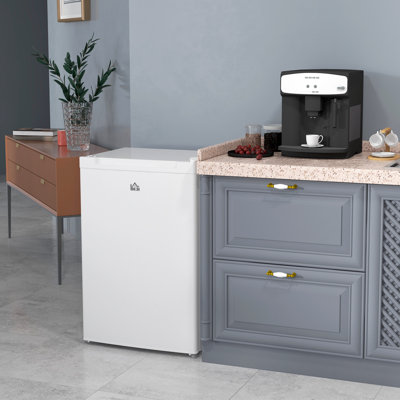
A drawer freezer is a type of freezer that is designed with sliding drawer compartments for easy access and organization. Unlike traditional upright freezers, drawer freezers are often installed under countertops or can be integrated into kitchen cabinetry for a seamless look.
Key Features of Drawer Freezers
Drawer freezers come with a variety of features that make them a convenient choice for frozen food storage. Some key features include:
Sliding drawers for better organization and access to items.
Flexible installation options, allowing for under-counter or stand-alone setups.
Variable temperature controls for precise freezing management.
Frost-free technology to reduce the need for manual defrosting.
Pros of Choosing a Drawer Freezer
Opting for a drawer freezer can offer a number of advantages, especially if you're seeking convenience and efficiency in your kitchen. Here are some of the pros:
Enhanced Accessibility: The drawer design allows for easy reach and visibility of contents, reducing the need to dig through piles of frozen goods.
Space Efficiency: Ideal for smaller kitchens, it utilizes space effectively and can be installed in areas that won't accommodate full-size freezers.
Customization: Many models offer customizable temperature settings for different types of frozen items.
Design Integration: They can be fitted to match your kitchen's aesthetic, often featuring panel-ready designs for cabinet integration.
Cons of Choosing a Drawer Freezer
While drawer freezers offer several benefits, there are also some downsides to consider:
Cost: They can be more expensive than traditional freezers due to their specialized design.
Capacity: Generally, they offer less storage space compared to upright or chest freezers.
Installation: Depending on the model, installation may be more complex, potentially requiring professional assistance.
Understanding these key points about drawer freezers can help you make an informed decision when comparing them to wine coolers. Should you be interested in contrasting these options further, consider exploring articles such as drawer refrigerator Vs. mini fridge freezer or double drawer freezer Vs. wine cooler for more insights on the right cooling appliance for your needs.
Wine Cooler: The Essentials
When considering a storage solution for your wine collection, a wine cooler can be an excellent choice. It is designed specifically to create an optimal environment for storing and aging wine.
What is a Wine Cooler?
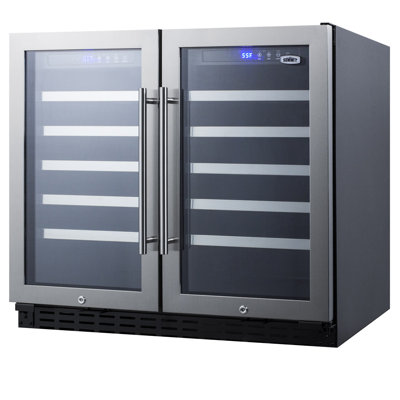
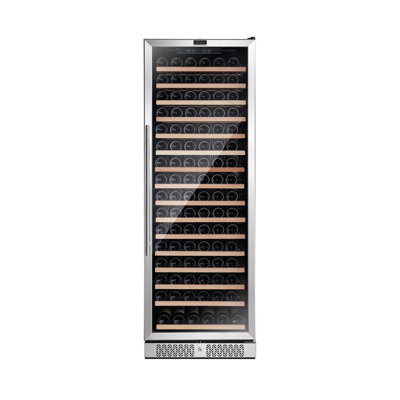
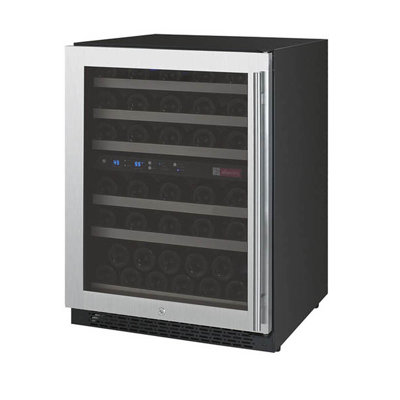
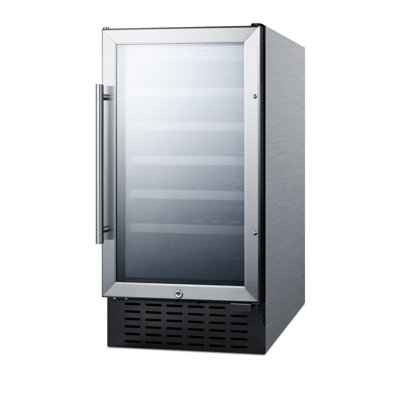
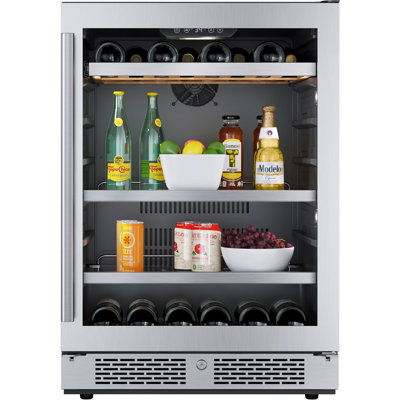
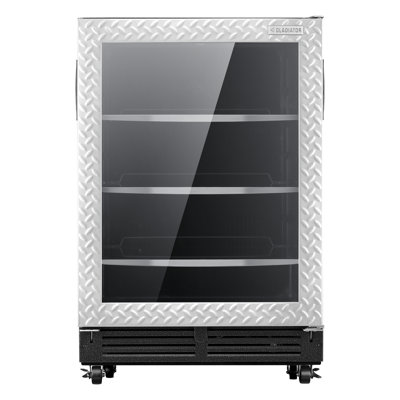
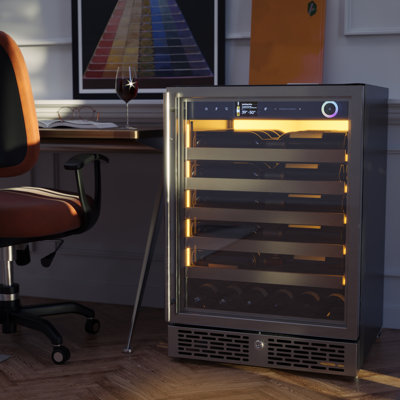
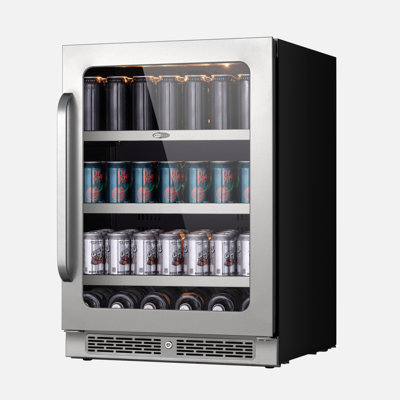
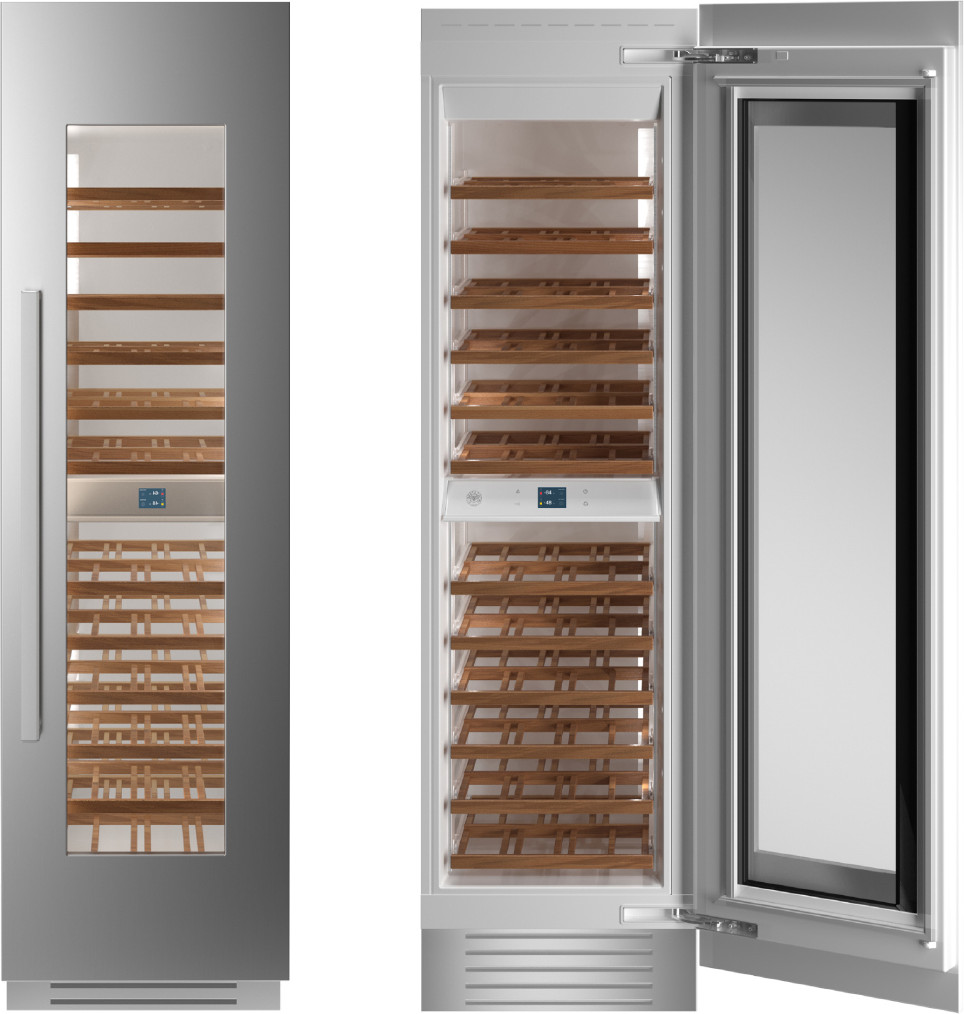
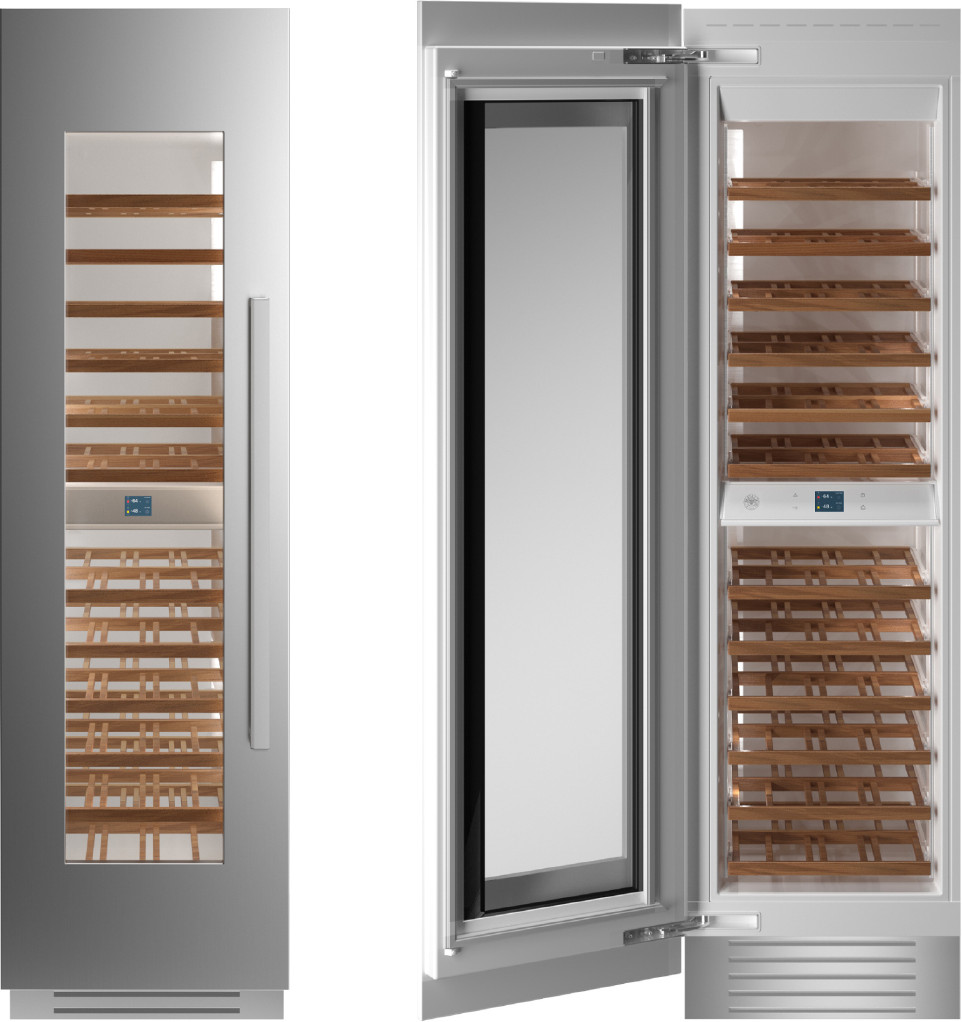
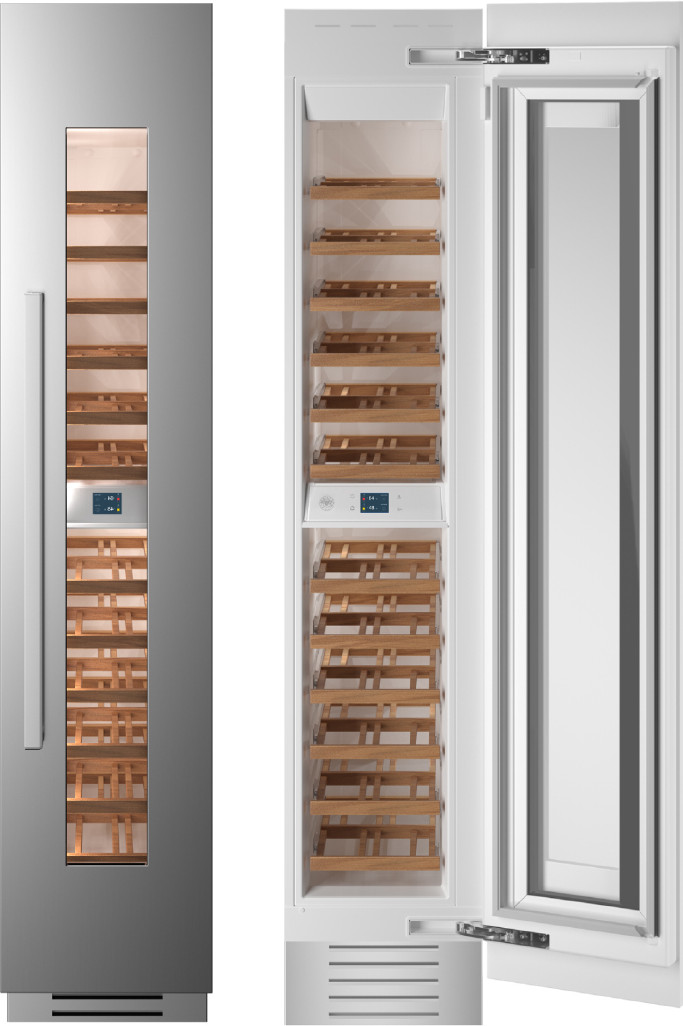
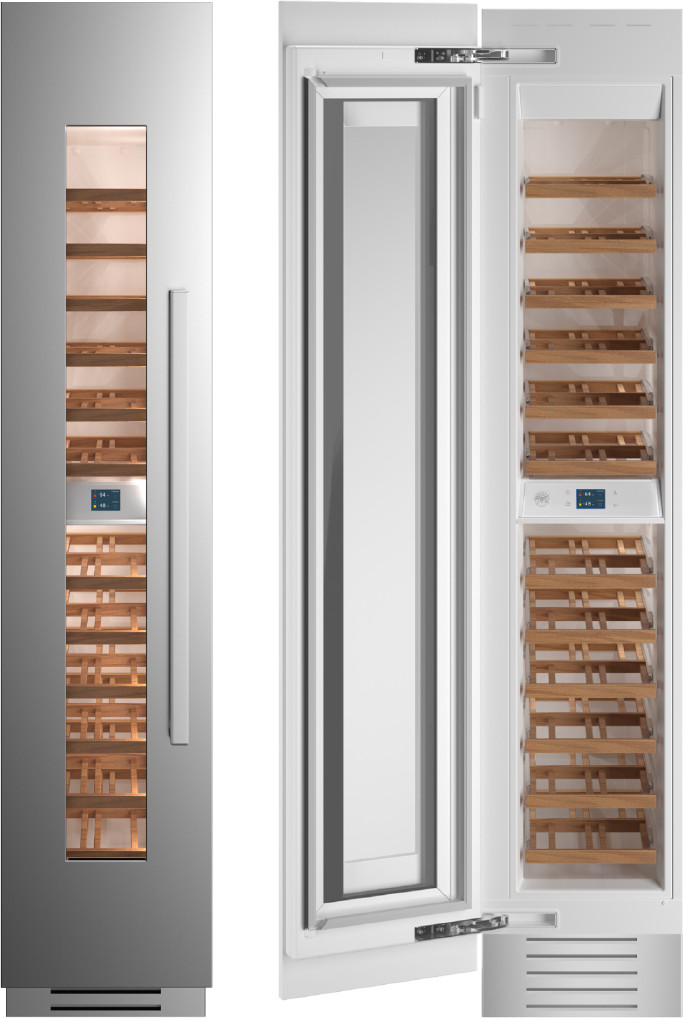
A wine cooler, also known as a wine refrigerator, is a specialized appliance made to maintain wine at the correct storage temperature. Unlike a regular refrigerator that keeps food at much colder temperatures, a wine cooler ensures that your wine stays at a consistent temperature that is ideal for both short-term enjoyment and long-term aging.
Key Features of Wine Coolers
Wine coolers vary in size, design, and technology, but here are some key features that they often include:
Temperature Control: Most wine coolers allow precise temperature settings to suit different types of wine.
Humidity Control: Proper humidity levels are maintained to keep corks from drying out.
UV Protection: Glass doors are often tinted to protect wine from harmful UV rays.
Vibration Reduction: They typically have systems in place to minimize vibration, which can disrupt the aging process.
Pros of Choosing a Wine Cooler
Advantages
Description
Temperature Stability
Wine coolers provide a stable temperature, which is crucial for wine preservation.
Humidity Control
They maintain the right humidity to ensure corks don’t dry out, preventing oxidation.
Designed for Wine
Shelving and storage are specifically designed for holding wine bottles of various shapes.
Aesthetic Appeal
Wine coolers can be an attractive addition to your home, often featuring stylish designs.
Wine coolers offer several benefits for wine enthusiasts. They ensure that each bottle of wine is kept in conditions that mimic traditional wine cellars. This can enhance the aging process and ensure your wines develop their full flavors and aromas over time. If you're looking to compare a wine cooler with other refrigeration options, consider reading about mini fridge with freezer Vs. wine cooler.
Cons of Choosing a Wine Cooler
Disadvantages
Description
Limited Use
Wine coolers are specifically for wines and may not be versatile for other storage needs.
Space
They can take up considerable space, which might be a concern for smaller living areas.
Cost
High-quality wine coolers can be an investment compared to standard refrigeration units.
While wine coolers are ideal for wine aficionados, they might not be the best choice for everyone. The specialized use and potential higher cost can be limiting factors. It's important to evaluate your personal needs and compare them against other options like a drawer freezer Vs. wine cooler before making a decision.
Choosing between a drawer freezer and a wine cooler involves considering various factors such as temperature control, storage capacity, space requirements, and energy efficiency. Understanding these differences will help you make an informed decision that best suits your needs.
Temperature Control and Consistency
Temperature control and consistency are critical, especially when it comes to preserving the quality of your frozen foods or wine collection.
Drawer Freezer: Typically offers a wide range of adjustable temperature settings to suit different freezing needs. Consistency in maintaining the set temperature is generally reliable, which is vital for long-term food preservation.
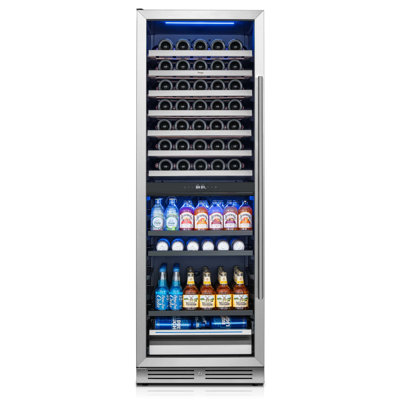
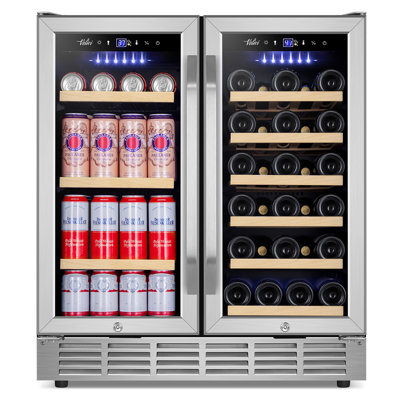
Wine Cooler: Engineered to create an optimal environment for wine, it provides a stable temperature that is usually slightly warmer than a standard refrigerator. Many models have dual zones for different wine types, each requiring specific temperature settings.
Storage Capacity and Organization
How much and how well you can store your items is another key consideration.
Drawer Freezer: Offers compartmentalized storage, which can be beneficial for organizing various food items. Capacities vary, but drawer freezers can sometimes be limited in space compared to upright or chest freezers.
Wine Cooler: Primarily designed to store wine bottles efficiently. Shelving is tailored to hold bottles securely and often comes with features that maximize space, such as adjustable racks.
Space Requirements
The amount of space you have available can greatly influence your choice.
Drawer Freezer: These units are typically built-in or fit under counters, making them a space-saving solution. They can be a good fit for smaller homes or as a secondary freezing option.
Wine Cooler: Usually freestanding or built-in, wine coolers come in various sizes. Some require more floor space, while others can be installed into cabinetry for a seamless look.
Energy Efficiency
Energy efficiency not only impacts the environment but also your utility bills.
Drawer Freezer: Modern drawer freezers are designed to be energy-efficient, although efficiency can vary based on size and model. Look for Energy Star ratings to gauge efficiency.
Wine Cooler: Generally energy-efficient due to their smaller size and the fact that they don't need to maintain as low temperatures as freezers. Dual-zone coolers may use more energy than single-zone units.
When considering drawer freezer Vs. wine cooler, it's essential to weigh these factors in light of your specific needs. Whether you're a homeowner looking to complement your kitchen or seeking an addition for your entertainment space, both drawer freezers and wine coolers offer unique benefits. Assess your storage requirements, available space, and the importance of temperature stability to guide your decision. For additional comparisons between cooling appliances, explore articles like mini fridge with freezer Vs. wine cooler and fridge freezer combo Vs. garage freezer.
How to Decide Between a Drawer Freezer and Wine Cooler
When it comes to selecting the right cooling appliance, you may find yourself comparing the benefits of a drawer freezer with those of a wine cooler. Your final decision will rest on several factors, including the space you have available, your storage requirements, and potential future needs.
Assessing Your Space
The first step in deciding between a drawer freezer and a wine cooler is to assess the space you have. Drawer freezers are typically built into your kitchen cabinetry, offering a seamless look, while wine coolers can be freestanding or built-in. Evaluate the area where you plan to place the appliance and consider the following dimensions:
Appliance
Width
Depth
Height
Drawer Freezer
24-36 inches
24-28 inches
34-40 inches
Wine Cooler
12-24 inches
19-25 inches
34-84 inches
Think about ventilation requirements and how the door or drawer's opening might affect the flow of your space. For more comparisons concerning space requirements, see Fridge.com article on drawer refrigerator Vs. mini fridge freezer.
Considering Your Storage Needs
Your storage needs are a pivotal factor in determining which appliance is right for you. Drawer freezers are versatile and can store a wide range of frozen goods. In contrast, wine coolers are designed specifically for storing wine at its optimal temperature and humidity.
Reflect on what you will be storing and whether you require the versatility of a freezer or the specificity of a wine cooler. If you entertain often and are a wine enthusiast, a wine cooler might be the perfect fit. If you need additional freezer space for food items, a drawer freezer would likely serve you best. For insights into storage capabilities, explore Fridge.com comparison of built-in freezer Vs. dorm fridge.
Thinking About Future Use Cases
Lastly, consider your future use cases for the appliance. If you foresee your wine collection growing or your entertaining needs increasing, a wine cooler might be a wise investment. Alternatively, if you anticipate needing more space for frozen foods due to family growth or meal prepping habits, a drawer freezer would be more practical.
In conclusion, weighing the factors of space, storage needs, and future use will guide you toward the appliance that fits seamlessly into your lifestyle, whether it be a drawer freezer or a wine cooler. Take the time to consider these aspects carefully to ensure that your choice aligns with both your current and projected needs.
Compare prices on Fridge.com
Compare current prices and specifications on Fridge.com, then buy from the retailer you choose; delivery, installation and warranty terms are the retailer’s.
It also has tons of awesome articles about kitchen stuff and home news. Enhance your home, garage, backyard, patio, and office with the coolest essentials. With every necessary type of residential refrigerator or freezer in the collection, you're covered.
Frequently Asked Questions
A drawer freezer is a type of freezer that is designed with sliding drawer compartments for easy access and organization. Unlike traditional upright freezers, drawer freezers are often installed under countertops or can be integrated into kitchen cabinetry for a seamless look.