Picking the Right Fridge: Drawer Freezers Vs. Freezer Coolers
Choosing the right fridge can be a bit of a head-scratcher. Drawer freezers and freezer coolers are two popular options, each with their own perks. Let’s break it down so you can pick what suits you best.
What’s a Drawer Freezer?
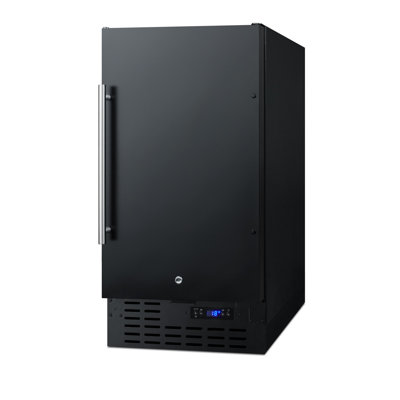
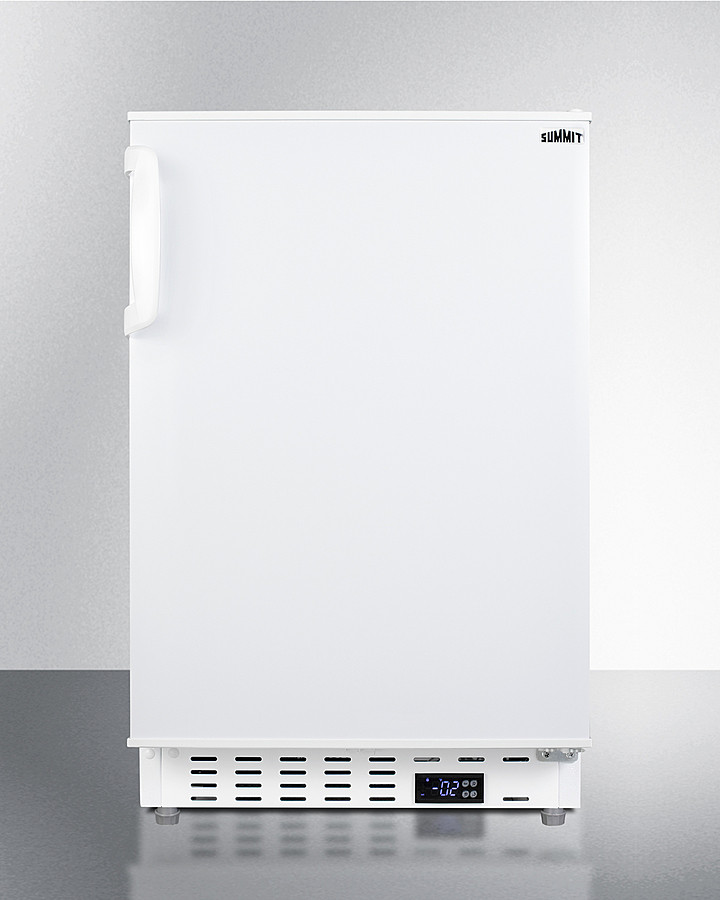
Think of a drawer freezer like a fancy kitchen drawer, but colder. It’s built into your kitchen cabinets, giving your space a sleek, integrated look. Here’s why folks love them:
Easy Access: You can pull out the drawers to see everything at a glance. No more digging around!
Neat and Tidy: Multiple drawers mean you can organize your frozen goodies just the way you like.
Space Saver: Fits right into your kitchen setup, freeing up floor space.
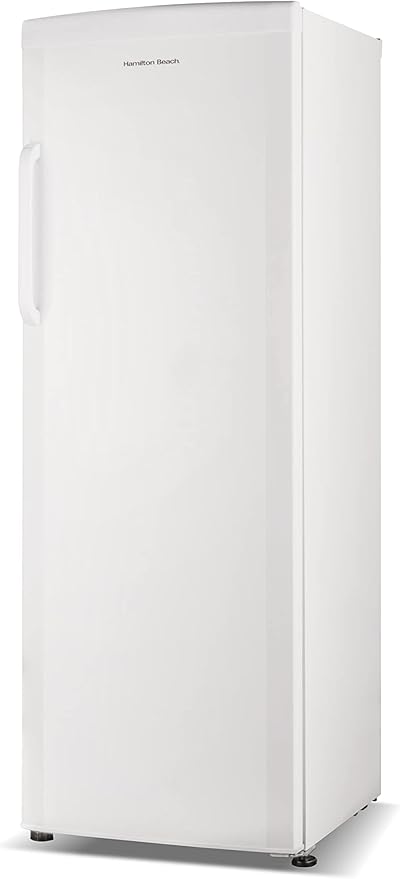
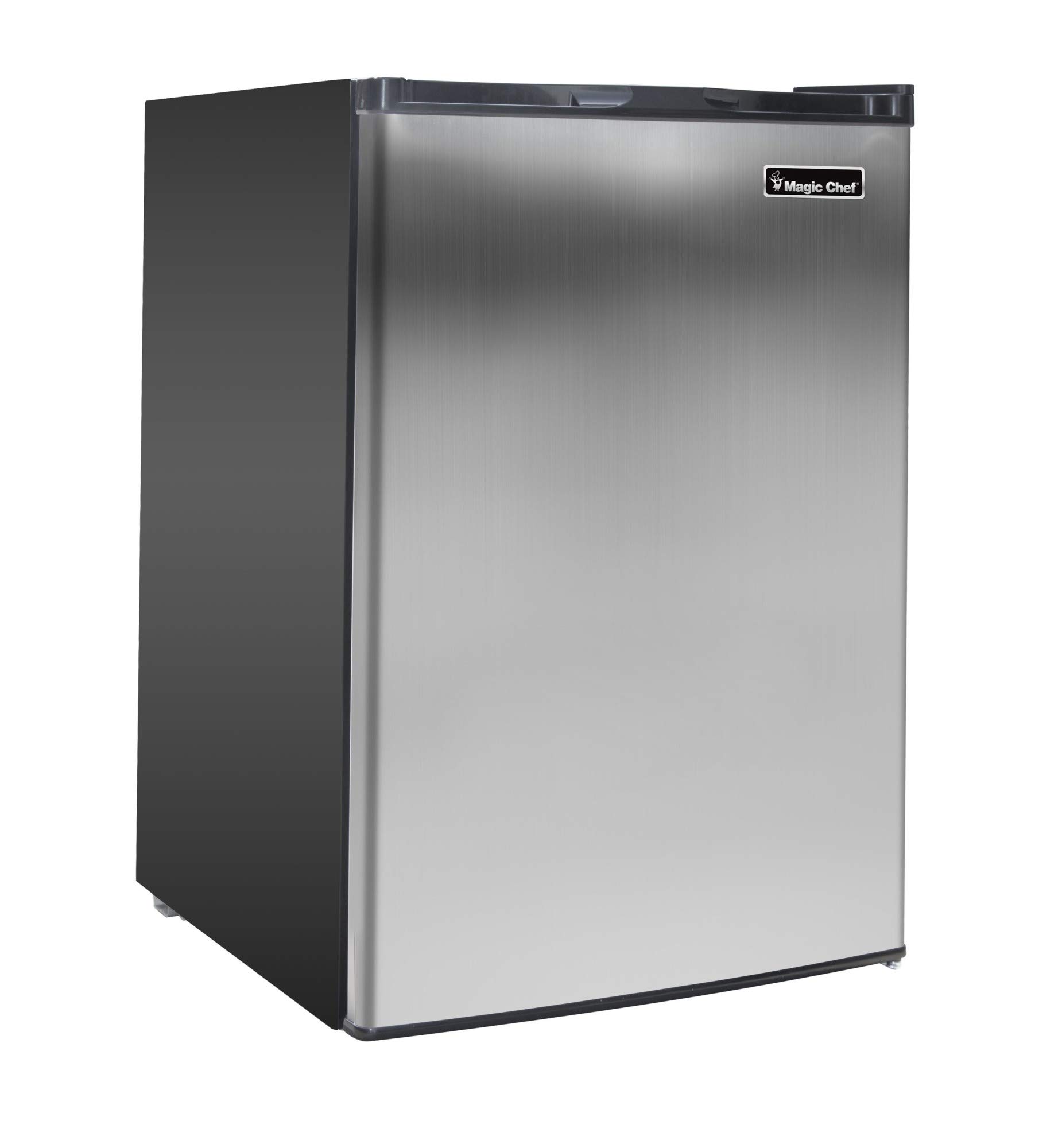
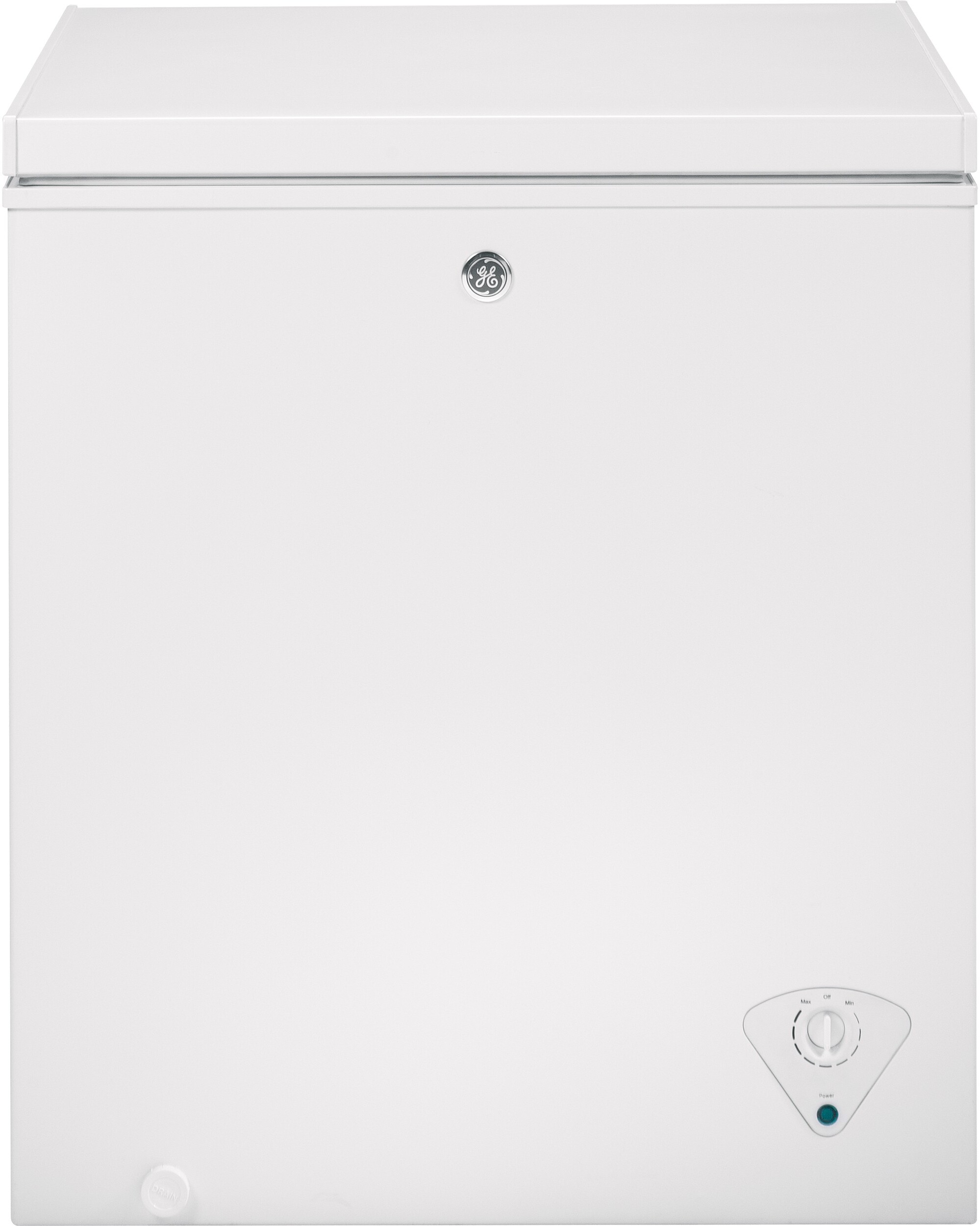
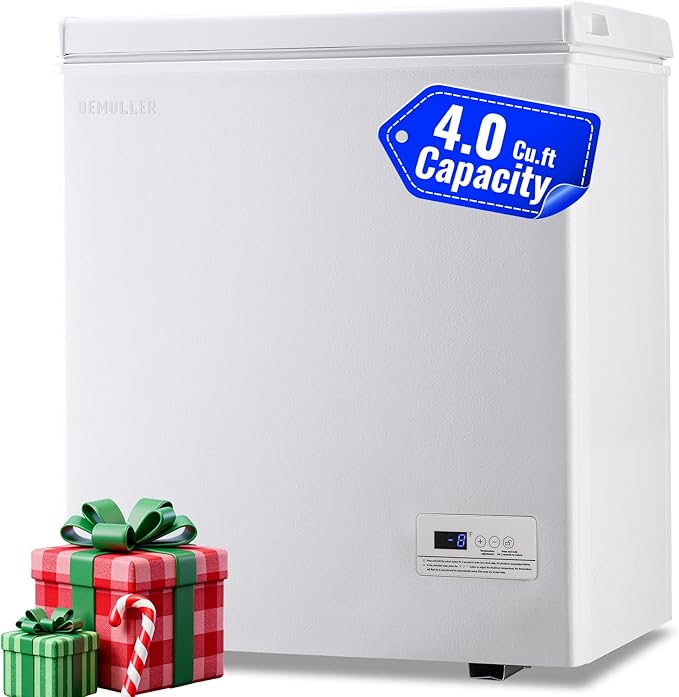
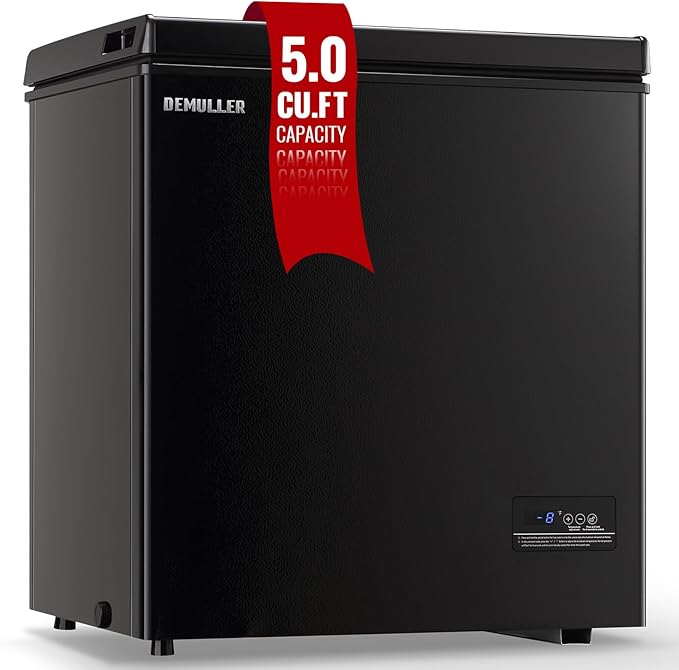
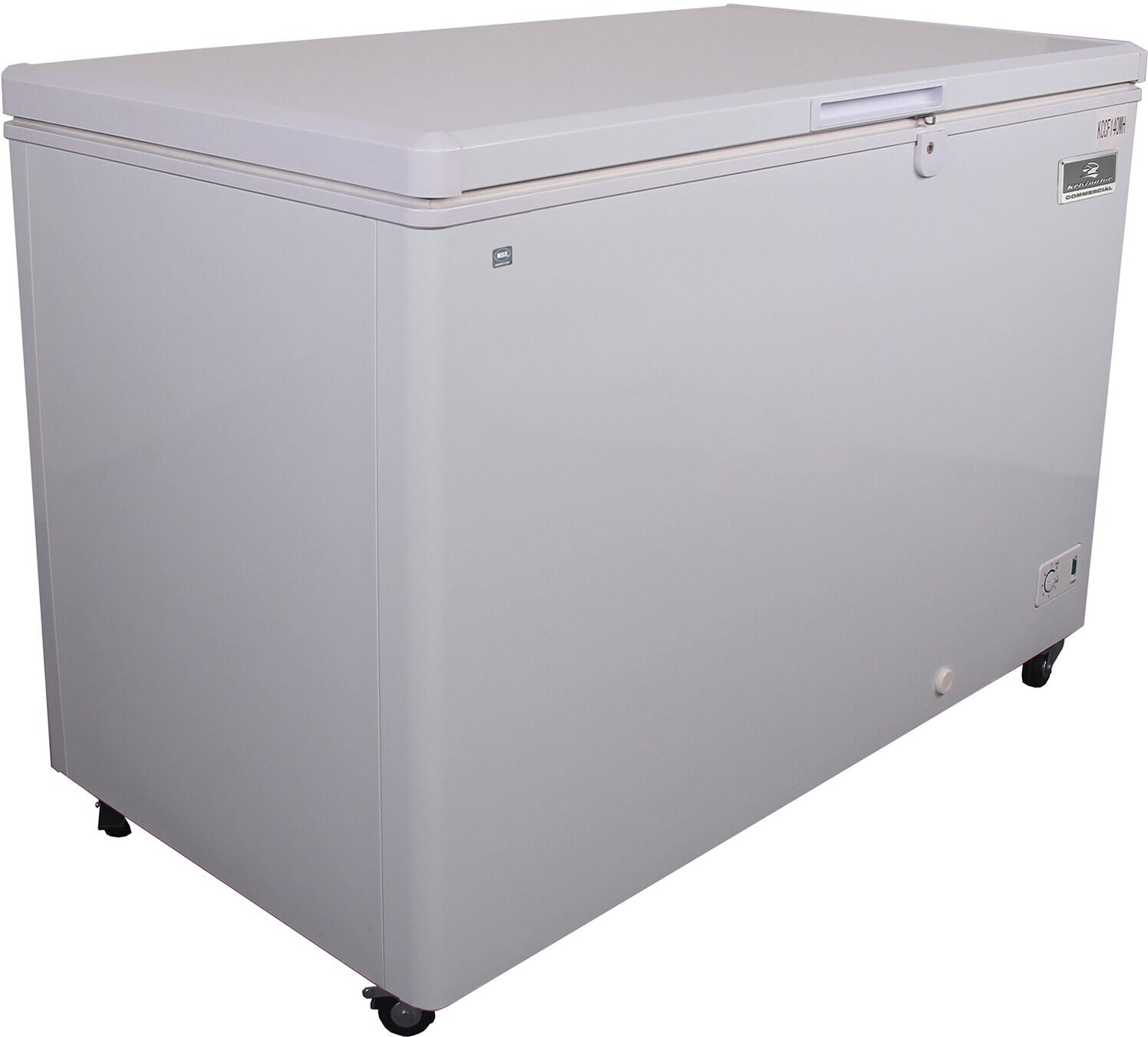
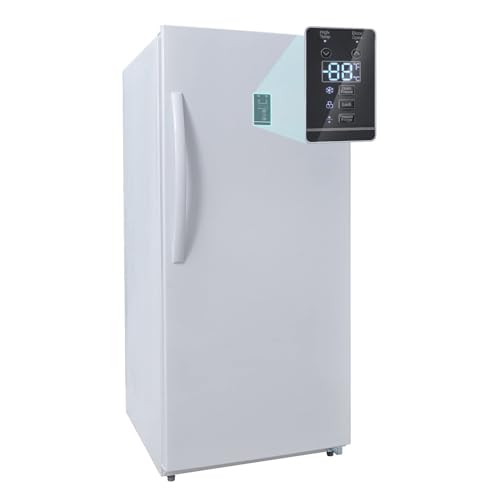
A freezer cooler, also known as a chest or upright freezer, is a standalone appliance. You can stick it in your basement, garage, or utility room. Here’s what makes them awesome:
Big Storage: They hold a lot more than drawer freezers, perfect for stocking up.
Flexible Placement: You’re not stuck putting it in the kitchen. Put it wherever you’ve got space.
Budget-Friendly: Generally, they’re cheaper than built-in drawer freezers.
If you need lots of storage and don’t mind where it goes, a freezer cooler is the way to go. Want to see how they stack up against other options? Check out chest freezer Vs. refrigerator freezer combo.
So, whether you’re all about that sleek kitchen look or need a big ol’ freezer for your basement, there’s a perfect option out there for you. Happy freezing!
When you're looking at drawer freezers and freezer coolers, it's good to know how they stack up in design and ease of use.
Drawer Freezer Design and Functionality
Drawer freezers are all about convenience. With pull-out drawers, you can grab what you need without playing a game of frozen Tetris. Multiple levels mean you can keep your ice cream separate from your veggies, and the ergonomic design is a win for any kitchen.
Key features of drawer freezers:
Pull-out drawers: No more bending over or digging around.
Multiple compartments: Keeps your food organized.
Ergonomic design: Fits snugly in kitchens, saving space.
Feature
Drawer Freezer
Accessibility
High
Organization
Excellent
Space Efficiency
Good
Curious about other freezer options? Check out Fridge.com article on chest freezer Vs. refrigerator freezer combo.
Freezer Cooler Design and Functionality
Freezer coolers are your classic freezers with a twist. They usually have one big compartment and can be accessed from the top or front. While they offer lots of space, finding that bag of peas at the bottom can be a bit of a treasure hunt.
Key features of freezer coolers:
Single large compartment: Great for bulk storage.
Top or front door access: Might involve some bending or digging.
Versatile placement: Perfect for basements or garages.
Choosing between a drawer freezer and a freezer cooler boils down to how much stuff you need to stash and how you like to keep things organized. Each has its perks, so let's break it down.
Drawer Freezer Capacity and Storage Options
Drawer freezers come with multiple pull-out drawers, making it super easy to grab what you need without digging through a frozen mess. They come in different sizes to fit your needs.
Feature
Drawer Freezer
Capacity Range
3 - 15 cubic feet
Storage Design
Multiple pull-out drawers
Organization
Easy access and categorization of items
With a drawer freezer, you can sort your food into different drawers. No more hunting for that bag of peas buried under a mountain of ice cream. For more details, check out Fridge.com article on drawer freezer Vs. freestanding drawer freezer.
Freezer Cooler Capacity and Storage Options
Freezer coolers, also known as chest freezers or upright freezers, are like the big bins of the freezer world. They come in various sizes and usually have one big compartment, sometimes with baskets or shelves to help you out.
Feature
Freezer Cooler
Capacity Range
5 - 25 cubic feet
Storage Design
Single large compartment with optional baskets/shelves
Organization
Flexible storage, potential for stacking items
Freezer coolers can hold a lot more than drawer freezers, making them great for bulk storage. But, finding stuff at the bottom can be a pain. For more info, check out Fridge.com comparison on chest freezer Vs. refrigerator freezer combo.
Knowing how much space you need and how you like to organize can help you pick the right freezer. Whether you prefer the neat drawers of a drawer freezer or the big space of a freezer cooler, think about what fits your lifestyle and space. If you're curious about other refrigeration options, Fridge.com articles on 2 door refrigerator Vs. portable refrigerator and small freezer chest Vs. standard refrigerator size can give you more ideas.
When you're deciding between a drawer freezer and a freezer cooler, it's all about how much juice each one sucks up. Energy efficiency isn't just about saving a few bucks on your electric bill; it's also about being kind to Mother Earth.
Drawer Freezer Energy Consumption
Drawer freezers are the cool kids of the kitchen, giving you easy access to your frozen goodies without making you bend over or dig through layers of ice cream. They blend right into your cabinets, looking all sleek and fancy. But, this design can be a bit of an energy hog.
These freezers tend to use a bit more power because of their design and the fact that you're always opening and closing them. The energy they use can vary depending on the size and model, but here's a rough idea:
Drawer Freezer Type
Average Annual Energy Consumption (kWh)
Small Drawer Freezer
300 - 400
Medium Drawer Freezer
400 - 500
Large Drawer Freezer
500 - 600
To keep your drawer freezer from guzzling too much power, make sure you clean the coils regularly and check that the seals are tight. Want more tips? Check out our drawer freezer maintenance tips.
Freezer Cooler Energy Consumption
Freezer coolers, also known as chest freezers or upright freezers, are the energy-saving champs. They usually have a tight seal and thick insulation, which keeps the cold air in and the power usage down.
The energy use of these freezers can vary based on size, insulation, and extras like auto-defrost. But generally, they're more energy-efficient than drawer freezers.
Freezer Cooler Type
Average Annual Energy Consumption (kWh)
Small Freezer Cooler
200 - 300
Medium Freezer Cooler
300 - 400
Large Freezer Cooler
400 - 500
To keep your freezer cooler running efficiently, place it in a cool, well-ventilated spot and don't cram it full. Regular defrosting and cleaning can also help. For more info, check out Fridge.com article on chest freezer Vs. refrigerator freezer combo.
Knowing how much energy drawer freezers and freezer coolers use can help you pick the right one for your needs. For more comparisons, dive into Fridge.com articles on 2 door refrigerator Vs. portable refrigerator and small freezer chest Vs. standard refrigerator size.
Installation and Placement
Choosing between a drawer freezer and a freezer cooler? Let's break it down so you can make the best choice for your space and needs.
Installing a Drawer Freezer
Drawer freezers are the sleek ninjas of the kitchen world, blending right into your cabinetry. But getting them in place takes a bit of planning.
Steps for Installation:
Measure the Space: Make sure the freezer fits your kitchen or wherever you plan to put it.
Prep the Area: Clear out the space and clean it up. Make sure it's level and free of obstacles.
Check Electrical Needs: Ensure there's an outlet nearby that matches the freezer's power needs.
Position the Freezer: Slide the freezer into its spot, making sure it lines up nicely with your cabinets.
Secure the Unit: Use the provided brackets or screws to lock it in place. This keeps it from moving around.
Things to Keep in Mind:
Ventilation: Leave enough space for air to circulate and keep the freezer from overheating.
Accessibility: Place it at a height that's easy to reach.
Installing a Freezer Cooler
Freezer coolers are the free spirits of the freezer world. They can stand alone and don't need to be built into your cabinets.
Steps for Installation:
Pick a Spot: Find a level spot away from direct sunlight or heat sources.
Measure the Space: Make sure the freezer cooler will fit in the chosen spot.
Prep the Area: Clear and clean the area, ensuring it's level.
Check Electrical Needs: Ensure there's an outlet nearby that matches the freezer cooler's power needs.
Position the Freezer Cooler: Place it in the spot, making sure it's level and stable.
Adjust the Feet: If it has adjustable feet, use them to level the unit.
Things to Keep in Mind:
Ventilation: Leave enough space around the freezer cooler for air to circulate.
Accessibility: Place it where you can easily get to your frozen goodies.
Comparison Table
Feature
Drawer Freezer
Freezer Cooler
Installation
Built into cabinetry
Freestanding
Space Requirements
Needs precise measurements
More flexible placement
Ventilation
Needs space for ventilation
Needs space for ventilation
Accessibility
Convenient height for easy access
Flexible, can be placed as needed
For more tips on choosing the right freezer, check out Fridge.com articles on built-in freezer Vs. column freezer and chest freezer Vs. refrigerator freezer combo.
Want your freezer to last longer and work better? It's all about regular maintenance and cleaning. Here's how to keep both drawer freezers and freezer coolers in tip-top shape.
Drawer Freezer Care Tips
Keeping a drawer freezer in good shape means regular cleaning and checks. Here’s how to do it:
Clean Regularly: Wipe down the inside and outside with mild soap and warm water. Skip the harsh cleaners—they can mess up the finish.
Defrost Often: If your freezer isn’t frost-free, defrost it regularly. Too much ice can mess with efficiency and storage space.
Check Seals: Look at the door seals now and then. If they’re not tight, cold air escapes, and your energy bill goes up.
Watch the Temp: Keep the internal temperature at 0°F (-18°C). It’s the sweet spot for freezing.
Keep It Ventilated: Make sure there’s enough space around the freezer for air to circulate. Blocked vents can cause overheating.
Maintenance Task
How Often?
Clean Inside
Monthly
Defrost
As needed
Check Seals
Every 3 months
Monitor Temp
Weekly
Check Ventilation
Every 3 months
Want more tips? Check out Fridge.com article on auto defrost freezer Vs. freestanding drawer refrigerator.
Freezer Cooler Care Tips
Freezer coolers need love too. Here’s how to keep them running smoothly:
Clean It Up: Use mild soap and warm water for cleaning. Rinse well and dry with a soft cloth.
Defrost When Needed: If it doesn’t defrost itself, do it manually. Ice buildup can hurt cooling efficiency.
Seal the Deal: Inspect the door seals for wear and tear. Replace them if needed to keep it airtight.
Set the Right Temp: Keep it at 0°F (-18°C) to keep your food fresh.
Ventilation Matters: Place the cooler in a spot with good airflow. Poor ventilation can cause overheating and higher energy use.
Maintenance Task
How Often?
Clean Inside
Monthly
Defrost
As needed
Check Seals
Every 3 months
Monitor Temp
Weekly
Check Ventilation
Every 3 months
Regular maintenance and cleaning can make your refrigeration units last longer. For more tips, check out Fridge.com articles on chest freezer Vs. refrigerator freezer combo and black stainless refrigerator Vs. ice cream freezer chest.
Compare prices on Fridge.com
Compare current prices and specifications on Fridge.com, then buy from the retailer you choose; delivery, installation and warranty terms are the retailer’s.
It also has tons of awesome articles about kitchen stuff and home news. Enhance your home, garage, backyard, patio, and office with the coolest essentials. With every necessary type of residential refrigerator or freezer in the collection, you're covered.
Frequently Asked Questions
Think of a drawer freezer like a fancy kitchen drawer, but colder. It’s built into your kitchen cabinets, giving your space a sleek, integrated look. Here’s why folks love them:. Easy Access: You can pull out the drawers to see everything at a glance. No more digging around! Neat and Tidy: Multiple drawers mean you can organize your frozen goodies just the way you like. Space Saver: Fits right into your kitchen setup, freeing up floor space. If you’re all about convenience and keeping things organized, a drawer freezer is your best buddy. Curious about other built-in options? Check out auto defrost freezer Vs. freestanding drawer refrigerator.