It is shelf-stable due to salt and sugar, but manufacturers recommend the fridge, and cold storage preserves flavor, color, and safety for the 6-to-12-month opened window.
Refrigerator, below 40°F (4°C).
After opening, refrigerated oyster sauce typically stays good for 6 to 12 months.
Refrigerate after opening and keep the fridge at or below 40°F (4°C).
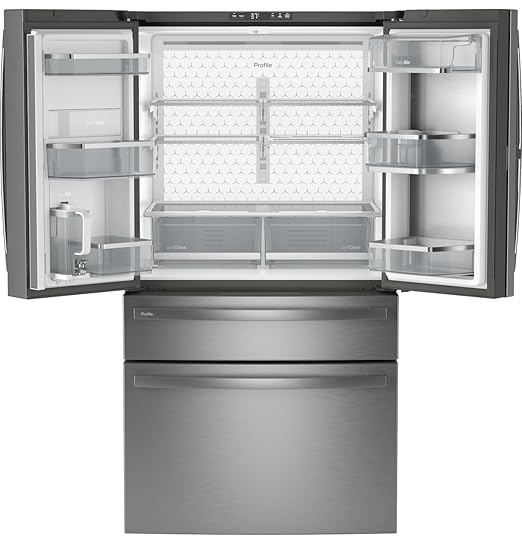
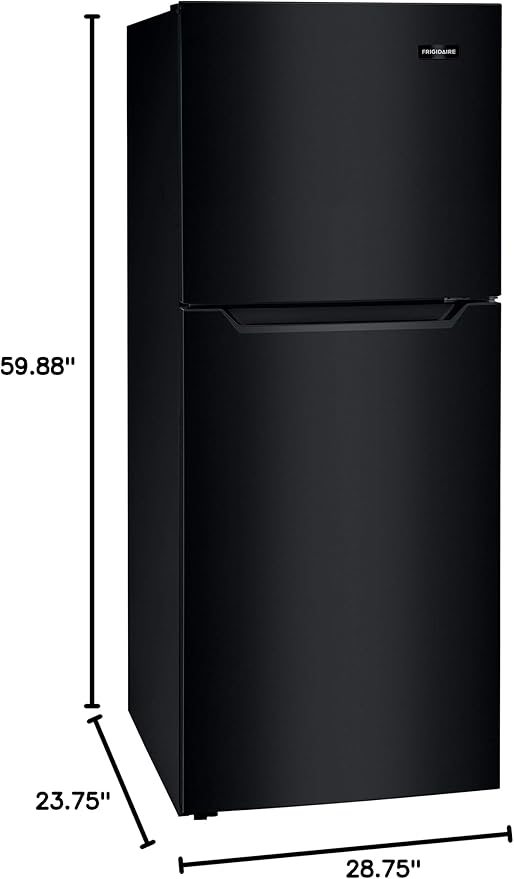
Oyster sauce lasts 18 to 24 months unopened in a cool, dark pantry, and once opened it keeps 6 to 12 months in the refrigerator when the cap is sealed tightly and the fridge stays at or below 40°F (4°C). The sauce is naturally shelf-stable because of its high salt and sugar content, but refrigerating it after opening is the conservative choice: cold storage slows the oxidation, flavor loss, and mold growth that eventually make oyster sauce go bad. Below is exactly how long it lasts, whether it needs the fridge, and how to tell when it has gone off. Ready to upgrade where you keep it cold? Explore our range of refrigerators.
Condition
Storage Location
How Long It Lasts
Unopened
Cool, dark pantry
18 - 24 months
Opened
Refrigerator, below 40°F (4°C)
6 - 12 months
What Is Oyster Sauce?
Oyster sauce is a thick, dark-brown condiment made by simmering oysters in water until the liquid caramelizes into a concentrated paste, which is then seasoned with salt and sugar and often finished with soy sauce. The result is a rich, umami-packed sauce used throughout Asian cooking. Common uses include:
Stir-frying vegetables such as bok choy or broccoli
Glazing meat dishes like beef or chicken
Flavoring noodle dishes such as chow mein and lo mein
Unopened oyster sauce does not need refrigeration — store the sealed bottle in a cool, dark pantry or cabinet away from direct sunlight. Once opened, oyster sauce should be refrigerated. Its salt and sugar make it resistant to spoilage at room temperature, but nearly all manufacturers recommend refrigerating after opening, and cold storage is what preserves the flavor, color, and safety over the many months a bottle typically lasts. When in doubt, put it in the fridge.
Store the opened bottle in the main body of the refrigerator rather than the door. Door shelves swing warmer every time the fridge is opened, while the main shelves hold a steadier, colder temperature that keeps the sauce in the best condition.
Once you know the storage rules, the shelf life is straightforward. Unopened bottles last the longest; the clock speeds up once air and utensils reach the sauce.
Unopened Oyster Sauce
Stored sealed in a cool, dark pantry, unopened oyster sauce keeps its quality for 18 to 24 months, and it usually remains safe well past the printed best-before date — that date marks peak quality, not a hard safety cutoff.
Condition
Shelf Life
Unopened, pantry (cool, dark)
18 - 24 months
Opened Oyster Sauce
After opening, refrigerated oyster sauce typically stays good for 6 to 12 months. Seal the cap tightly after each use, keep the bottle cold, and always use a clean spoon or pour rather than dipping used utensils into the bottle. Every exposure to air, food residue, or a dirty utensil shortens the sauce's life.
Condition
Shelf Life
Opened, refrigerated
6 - 12 months
Factors that push the sauce toward the shorter or longer end of these ranges:
Oyster sauce does eventually go off. Before using an older bottle, check it with your senses — fresh oyster sauce is a rich, dark brown with a smooth, glossy consistency and a savory, slightly sweet aroma. What should oyster sauce smell like? Deeply savory and umami, never sour, sharp, or alcoholic. Any of the signs below means it is time to discard it:
Spoilage Sign
What You'll Notice
Off smell
Sour, sharp, fermented, or rancid odor instead of savory
Color change
Darkening, fading, or a cloudy appearance
Texture change
Thickened, grainy, or lumpy consistency
Off taste
Bitter, sour, or otherwise wrong flavor
Mold
Any fuzzy or discolored growth on the surface or cap
When two or more of these appear together, do not taste-test to confirm — discard the bottle.
Why Is My Oyster Sauce Moldy? Mold and the White Stuff
Mold in oyster sauce shows up as fuzzy spots or a filmy growth around the neck, cap, or surface, most often when sauce residue is left on the rim or a wet, dirty utensil is dipped into the bottle. White stuff around the cap can be dried, crystallized sauce, but if it is fuzzy, raised, or spreading, treat it as mold. Do not scrape it off and use the rest — mold in a liquid condiment can send threads throughout the bottle, so discard the entire container. Wiping the rim clean after each use and keeping the sauce refrigerated is the best way to prevent moldy oyster sauce.
Is oyster sauce good after the expiration date? Often, yes — an unopened bottle stored properly is usually fine for a while past the best-before date, since that date signals peak quality rather than a safety deadline. The real test is the smell, color, and texture checks above, not the printed date alone.
Can you use expired oyster sauce? Only if it passes those checks with no off smell, discoloration, texture change, or mold. Consuming spoiled oyster sauce risks foodborne illness, with symptoms such as stomach cramps, nausea, vomiting, and diarrhea, and even sauce that is technically safe loses flavor as it ages. When anything looks or smells off, throw it out.
To discard expired oyster sauce cleanly:
Check the date and inspect the sauce for spoilage signs.
Pour the sauce into a sealable bag or container to contain leaks and odor.
Seal it tightly and place it in the trash.
Rinse the empty bottle before recycling it, where accepted.
Oyster sauce is salty and intensely savory, so adjust the rest of the seasoning in a dish to account for it. Add it toward the end of cooking to preserve its flavor and keep it from over-reducing or scorching. If you are using it for the first time, start with a small amount and taste as you go to find the right balance for stir-fries, glazes, and marinades. For pairing ideas with other kitchen staples, see how long does chinese food last in the fridge?.
Oyster Sauce Storage FAQ
Does oyster sauce go bad?
Yes. Although its salt and sugar make it slow to spoil, oyster sauce can go off over time, developing a sour smell, discoloration, texture changes, or mold — especially once opened and exposed to air and utensils.
Does oyster sauce need to be refrigerated after opening?
Yes. Refrigerate it after opening. It is shelf-stable due to salt and sugar, but manufacturers recommend the fridge, and cold storage preserves flavor, color, and safety for the 6-to-12-month opened window. Unopened bottles are fine in a cool, dark pantry.
How long does oyster sauce last after opening?
Refrigerated and tightly sealed, opened oyster sauce typically lasts 6 to 12 months. Unopened in the pantry, it keeps 18 to 24 months.
Can you use oyster sauce after the expiration date?
Possibly. The printed date marks peak quality, not a strict safety cutoff, so a properly stored bottle is often usable past it. Judge by smell, color, and texture — if any are off, or there is mold, discard it.
What should oyster sauce smell like?
Deeply savory and umami with a slight sweetness. A sour, sharp, fermented, or rancid smell means it has spoiled and should be thrown out.
Why is my oyster sauce moldy, and what is the white stuff?
Mold usually forms from sauce residue left on the rim or from dipping wet, dirty utensils into the bottle. Fuzzy or spreading white growth is mold — discard the whole bottle. Dry, crusty crystallized sauce on the cap is harmless, but clean it off and keep the sauce refrigerated.
Does unopened oyster sauce go bad?
Eventually, but slowly. A sealed bottle in a cool, dark pantry holds its quality for 18 to 24 months and often longer; inspect it for off smell, color, or texture before use if it is well past the best-before date.
Frequently Asked Questions
Fridge.com | Blog. Oyster sauce lasts 18 to 24 months unopened in a cool, dark pantry, and once opened it keeps 6 to 12 months in the refrigerator when the cap is sealed tightly and the fridge stays at or below 40°F (4°C). The sauce is naturally shelf-stable because of its high salt and sugar content, but refrigerating it after opening is the conservative choice: cold storage slows the oxidation, flavor loss, and mold growth that eventually make oyster sauce go bad. Below is exactly how long it lasts, whether it needs the fridge, and how to tell when it has gone off. Ready to upgrade where you keep it cold? Explore our range of refrigerators. Condition.
Storage Location.
How Long It Lasts.
.
Unopened.
Cool, dark pantry.
18 - 24 months.
.
Opened.
Refrigerator, below 40°F (4°C).
6 - 12 months.
.