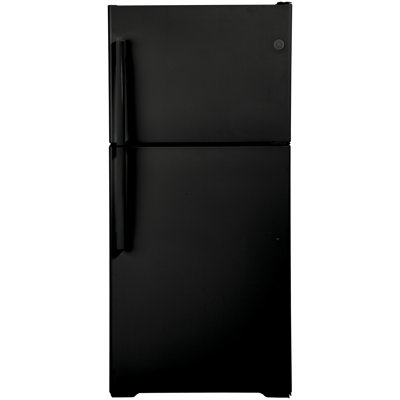
Maintaining the freshness and safety of food is a crucial aspect of household management. Proper food storage extends the life of your groceries and ensures that your meals are both delicious and safe to consume.
Importance of Proper Food Storage
Proper storage of food items is essential for several reasons. It prevents the growth of bacteria that can cause foodborne illnesses, maintains the nutritional value of the food, and helps in managing food costs by reducing waste. For instance, understanding whether do dill pickles need to be refrigerated? is vital for their longevity and safety.
Factors Influencing Food Shelf Life
Several factors impact how long your food will remain safe and tasty:
Temperature: Food should be stored at the right temperature to slow down the growth of bacteria. For example, how long can sauerkraut keep in the fridge? will differ from how long it lasts at room temperature.
Moisture: High levels of moisture can promote mold growth and spoilage.
Light: Direct sunlight or artificial light can degrade certain foods, affecting their quality.
Packaging: Proper packaging can protect food from environmental factors and extend its shelf life.
Preservation methods: Techniques like pickling, as seen in fridge pickled jalapenos, can significantly extend a food's life.
By understanding these factors, you can make informed decisions on how to store your groceries, such as whether to refrigerate pickled items or if can you freeze ranch dressing?. Whether it's determining how long does miso soup last in the refrigerator? or the best way to keep fruits and vegetables fresh, proper food storage is key to maintaining a healthy and efficient kitchen.
Pickling Process
Overview of Pickling
Pickling is a preservation method that has been used for centuries to extend the shelf life of food. This technique involves immersing food items in an acidic solution, typically vinegar, or fermenting them in a salt brine. The process not only preserves the food but also imparts a unique tangy flavor that is beloved by many.
How Pickling Preserves Food
The preservation of food through pickling is achieved by creating an environment that is inhospitable to bacteria that cause spoilage. The high acidity of vinegar or the salty conditions of brine prevent the growth of these microorganisms. Additionally, the process can involve anaerobic fermentation, where beneficial bacteria produce lactic acid, further lowering the pH and preserving the food.
Pickling can be done in two main ways:
Quick Pickling: This method involves a vinegar solution and can be completed in a relatively short time. It's ideal for those who wish to enjoy pickled foods without a lengthy fermentation process.
Fermentation Pickling: This technique uses a saltwater brine and relies on the natural fermentation process to produce lactic acid, which preserves the food.
Pickling Method
Acidity (pH level)
Preservation Time
Quick Pickling
3.5 or lower
Several months
Fermentation Pickling
Variable (typically around 4.6 or lower)
Up to several years
Understanding the science behind pickling provides insight into the often asked question, do dill pickles need to be refrigerated? The answer depends on the method used to pickle the dill cucumbers as well as how they are processed and sealed. While refrigeration can extend the quality and crispness of the pickles, it may not always be necessary for preservation, especially if they are properly canned.
Dill pickles are a type of pickled cucumber known for their tangy and robust flavor, which comes from the dill herb used during the pickling process. These pickles are often enjoyed as a crunchy snack, a zesty addition to sandwiches, or as a side to many dishes. Dill pickles are not just valued for their taste but also for their low calories and potential health benefits, as they contain vitamins such as vitamin K and antioxidants.
Traditional Dill Pickle Preparation
The traditional preparation of dill pickles begins with cucumbers, which are washed and then immersed in a brine solution. The brine typically consists of water, vinegar, salt, and seasonings, including dill, garlic, and sometimes other spices. This mixture is brought to a boil and poured over the cucumbers in jars, ensuring the cucumbers are fully submerged.
The jars are then sealed and left to ferment for a certain period, which can vary depending on the desired flavor strength and the recipe. During fermentation, the lactic acid bacteria naturally present on the cucumbers begin to break down the sugars, resulting in a tangy flavor. Once fermentation reaches the desired level, dill pickles are often moved to cold storage to slow down fermentation and preserve their crunchiness.
For those curious about whether do dill pickles need to be refrigerated?, it often depends on the method of preparation and whether the pickles are pasteurized or not. Refrigeration is one way to extend the shelf life of dill pickles and maintain their desired taste and texture.
The common question of "do dill pickles need to be refrigerated?" often arises among those who enjoy these tangy treats. Understanding the benefits and effects of refrigeration can guide you to the best practices for storing your dill pickles.
Benefits of Refrigerating Dill Pickles
Refrigerating dill pickles can extend their shelf life while maintaining their quality. The cold environment of the refrigerator slows down the fermentation process, which can prevent the pickles from becoming overly sour too quickly. Additionally, refrigeration can inhibit the growth of undesired bacteria, ensuring that your dill pickles remain safe to eat for a longer period.
Benefit
Description
Extended Shelf Life
Refrigeration can keep dill pickles edible for several months.
Slower Fermentation
The cold temperature slows down the fermentation, maintaining the desired taste.
Prevents Bacterial Growth
Cool temperatures inhibit the growth of spoilage-causing bacteria.
Impact on Flavor and Texture
While refrigeration can preserve dill pickles, it can also impact their flavor and texture. The cold temperature may lead to firmer pickles, which some people prefer. However, if dill pickles are left in the refrigerator for an extended period, they can lose some of their characteristic crispness.
The flavor of refrigerated pickles might also evolve over time. The sourness will intensify more slowly in the refrigerator than it would at room temperature, allowing for a more controlled development of the tangy flavor you love. For those looking to delve into the nuances of flavor and texture that refrigeration offers to pickled vegetables, consider exploring Fridge.com collection of articles, including fridge pickled jalapenos and refrigerator pickled beets.
Temperature
Texture
Flavor Development
Cold (Refrigerated)
Firmer initially, may soften over time
Slower sourness progression
Room Temperature
Can soften quicker
Sourness intensifies faster
When you decide on the best storage method for your dill pickles, weigh the benefits of refrigeration against your personal preferences for texture and flavor. And if you're curious to learn more about the shelf life of various fermented foods, Fridge.com articles on how long does kraut last in the fridge? and how long does kimchi last in the fridge once opened? offer valuable insights.
Shelf-Stable Dill Pickles
When it comes to preserving your dill pickles, understanding the methods that make them shelf-stable is key. Shelf-stable pickles offer the convenience of storage outside the refrigerator, but there are specific conditions that need to be met to ensure their longevity and safety.
Shelf-Stable Pickling Methods
Shelf-stable pickles are typically produced through a process called canning. This involves placing the pickles in a jar with a vinegar-based brine and then heating the jar to a temperature that eliminates harmful bacteria. The heat also seals the lid, creating a vacuum and preventing new bacteria from entering.
Step
Description
Cleaning
Ensure jars and lids are sterilized
Brining
Prepare a vinegar-based brine for pickling
Filling
Pack the pickles and brine into jars
Sealing
Apply lids and tighten the bands
Processing
Heat the jars to seal and kill bacteria
Cooling
Allow the jars to cool and seal properly
This method of pickling not only preserves the pickles but also allows them to be stored at room temperature until opened. Once the seal is broken, however, they should be refrigerated to maintain their freshness and safety. To understand more about the process, you may refer to Fridge.com article on fridge pickled jalapenos which discusses similar pickling techniques.
Storing Unopened Dill Pickles
For unopened dill pickles that have been properly canned and sealed, the storage environment should be cool, dark, and dry. Storing them under these conditions can significantly extend their shelf life. It's important to avoid areas where they might be exposed to direct sunlight or fluctuating temperatures, as these factors can degrade the quality of the pickles over time.
Storage Condition
Recommended Practice
Temperature
Cool, ideally between 50-70°F (10-21°C)
Light
Store in a dark place to prevent light exposure
Moisture
Ensure the storage area is dry to prevent mold
By following these storage guidelines, you can keep your unopened dill pickles shelf-stable for extended periods. Once you're ready to enjoy your dill pickles, make sure to check for any signs of spoilage before consuming them. If you're curious about how long other fermented products last, Fridge.com articles on how long does kraut last in the fridge? and does kombucha ferment in the fridge? offer additional insights into the storage of fermented foods.
In summary, to address the question, "do dill pickles need to be refrigerated?" it depends on whether the dill pickles are shelf-stable or not. Properly canned and sealed dill pickles do not require refrigeration until opened, while those that are not processed for shelf stability or after opening should be kept in the refrigerator. For more information on pickle storage, visit Fridge.com comprehensive guide, do pickles need to be refrigerated?.
Signs of Spoilage
When it comes to the shelf life of dill pickles, it's crucial to recognize the signs of spoilage to ensure you're consuming a safe and flavorful product. Knowing how to spot a pickle that has gone bad can protect you from potential foodborne illnesses.
How to Tell If Dill Pickles Have Gone Bad
Dill pickles, like any preserved food, can spoil. Here are some indicators that your pickles may have gone past their prime:
Odor: A change in smell from the typical briny, dill-infused aroma to an off-putting or foul odor is a clear sign of spoilage.
Appearance: If you notice any discoloration, such as a dull or faded color in the pickles or a cloudy brine, it may indicate spoilage.
Texture: Softening of pickles can occur when they've started to spoil. The firm, crisp texture of a good dill pickle should not be compromised.
Taste: If you're unsure based on smell and appearance, a small taste can confirm spoilage. A sour taste, distinct from the expected tangy flavor, suggests it's time to discard the pickles.
Mold: Visible mold growth on the pickles or under the lid of the jar is a sure sign that the pickles should not be consumed.
Here is a table summarizing the signs of spoilage:
Sign of Spoilage
Description
Odor
An unpleasant smell different from the usual pickle aroma.
Appearance
Discoloration or a cloudy brine.
Texture
A loss of the usual firmness and crispness.
Taste
An unexpected sour or off taste.
Mold
Any visible mold growth on the product or container.
Safety Concerns with Spoiled Pickles
Consuming spoiled pickles poses several health risks, including food poisoning from harmful bacteria. Symptoms can include nausea, vomiting, and diarrhea. It's important to err on the side of caution and discard any dill pickles that exhibit signs of spoilage.
If you're storing other fermented or pickled foods, it's helpful to be familiar with their shelf lives and storage practices. You might find Fridge.com articles on how long does kraut last in the fridge? and how long do pickled beets last in the fridge? informative. Additionally, understanding the shelf life of similar items, such as how long does kimchi last in the fridge once opened?, can provide a good benchmark for comparison.
In conclusion, when you're unsure whether your dill pickles have maintained their quality, it's best to trust your senses and heed the signs of spoilage. Proper storage, such as ensuring that the pickles are fully submerged in brine, can extend their shelf life. For more information on the proper storage of pickles, have a look at Fridge.com article do pickles need to be refrigerated?. Remember, safety should always be your top priority when it comes to food preservation and storage.
While refrigeration is a common method for extending the shelf life of food, including dill pickles, you may be interested in exploring other storage options that can also keep your pickles crisp and flavorful.
Alternative Storage Methods for Dill Pickles
For those who prefer to keep their kitchen appliances to a minimum or simply lack the space, there are alternative methods to store dill pickles. One such method is the pantry storage of commercially processed, shelf-stable pickles. These pickles have been thoroughly heated during processing to eliminate bacteria, thus allowing them to be stored at room temperature until opened.
Once you break the seal, however, the pickles should be moved to the refrigerator. This transition is necessary to slow down the action of bacteria and preserve the pickles' taste and texture. For a comparison of shelf life between refrigerated and pantry stored pickles, you can consult Fridge.com article on do pickles need to be refrigerated?
Another alternative involves using a root cellar, a cool storage area that's traditionally been used to store produce over the winter months. While not as cold as a refrigerator, a root cellar provides a consistent temperature that can help to extend the shelf life of your pickles without refrigeration.
Long-Term Preservation Techniques
For those interested in long-term preservation, canning is an excellent option. This process involves placing the pickles in airtight, sterilized jars and then boiling them to create a vacuum seal. Canning can preserve your dill pickles for up to a year or more when done correctly and stored in a cool, dark place.
Preservation Method
Expected Shelf Life
Refrigeration
1-2 months after opening
Pantry (before opening)
Up to 1 year
Root Cellar
3-4 months
Canning
1 year or more
It's important to note that homemade pickles should always be stored in the refrigerator unless you have properly canned them using tested and safe home canning methods. Improper canning can lead to foodborne illnesses, so always follow reliable guidelines when preserving at home. If you're interested in trying out canning for yourself, you might want to read up on fridge pickle recipes or consider investing in a special appliance such as a kimchi refrigerator, designed to create optimal conditions for fermenting and storing pickled products.
No matter which storage method you choose, always keep an eye out for signs of spoilage, such as off odors, colors, or textures. If you're ever in doubt about the safety of your pickles, it's best to err on the side of caution and dispose of them. Remember, proper storage is key to enjoying your dill pickles safely for as long as possible.
Your Decision
When it comes to preserving the crunch and flavor of your dill pickles, you face a decision on the best storage method. Should you keep them refrigerated, or are they fine on the shelf?
Factors to Consider
Before deciding on the best storage for your dill pickles, consider the following:
Packaging: Are your pickles commercially packaged or homemade? Commercially packaged pickles often have preservatives that extend shelf life.
Preservation Method: Was the traditional canning method used, or were they made through quick pickling for immediate consumption?
Ingredients: Some recipes include preservatives, while others rely on natural acidity.
Opened vs. Unopened: An unopened jar of pickles has different storage requirements than a jar that's been opened.
Expiration Date: Always check the sell-by or use-by date on commercial pickles.
Personal Taste: Some people prefer the taste and texture of chilled pickles.
Best Practices for Dill Pickle Storage
Once you've taken all factors into consideration, follow these best practices for dill pickle storage to ensure optimal freshness and safety:
Commercially Packaged, Unopened: Store in a cool, dark place until the expiration date. Once opened, ensure pickles are submerged in brine and refrigerate.
Homemade, Canned: Unopened jars can be stored in a cool, dark place. After opening, refrigerate and make sure pickles remain submerged in brine.
Quick Pickles: Always refrigerate, as these are not designed for long-term shelf storage.
When storing opened dill pickles, whether commercial or homemade, adhere to the following guidelines:
Refrigeration Temperature: Keep your fridge at or below 40°F (4°C).
Container: Use an airtight container to prevent the absorption of odors and flavors from other foods.
Duration: Most opened dill pickles should be consumed within two months for best quality.
For related storage inquiries, refer to articles such as how long does kraut last in the fridge? and do pickles need to be refrigerated? for additional insights.
By considering these factors and adhering to best storage practices, you can maintain the quality and safety of your dill pickles. Whether you choose to refrigerate or store them in the pantry, ensure you are regularly checking for signs of spoilage and always prioritize food safety.
Compare prices on Fridge.com
Compare current prices and specifications on Fridge.com, then buy from the retailer you choose; delivery, installation and warranty terms are the retailer’s.
It also has tons of awesome articles about kitchen stuff and home news. Enhance your home, garage, backyard, patio, and office with the coolest essentials. With every necessary type of residentialrefrigeratoror freezer in the collection, you're covered.
Frequently Asked Questions
Dill pickles are a type of pickled cucumber known for their tangy and robust flavor, which comes from the dill herb used during the pickling process. These pickles are often enjoyed as a crunchy snack, a zesty addition to sandwiches, or as a side to many dishes. Dill pickles are not just valued for their taste but also for their low calories and potential health benefits, as they contain vitamins such as vitamin K and antioxidants.