Exploring Compact Cooling Solutions for Your Space
When considering compact cooling solutions for your living space, you may find yourself deciding between a countertop freezer and a dorm fridge. Each option offers unique advantages and serves different purposes, catering to various needs and preferences.
A countertop freezer is designed to provide additional freezing capacity in a compact form. It is ideal for storing frozen foods, ice, and other items that require low temperatures. This type of freezer is particularly beneficial for individuals who need extra freezer space but have limited room in their kitchen or living area.
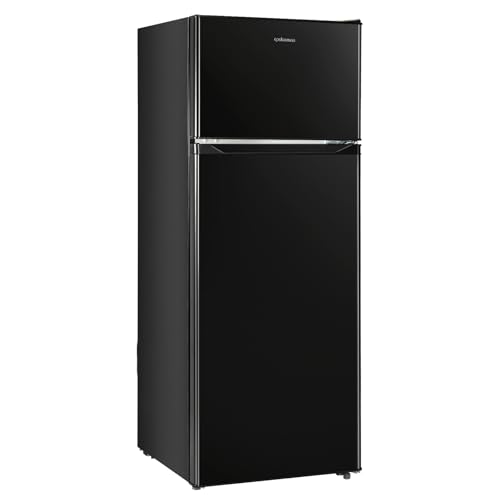
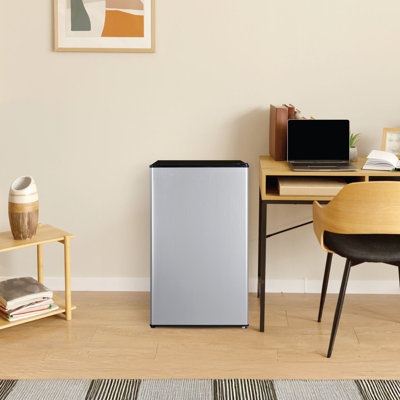
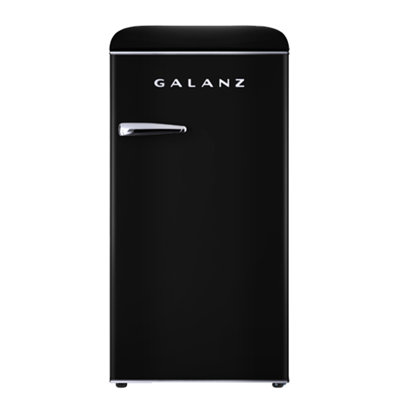
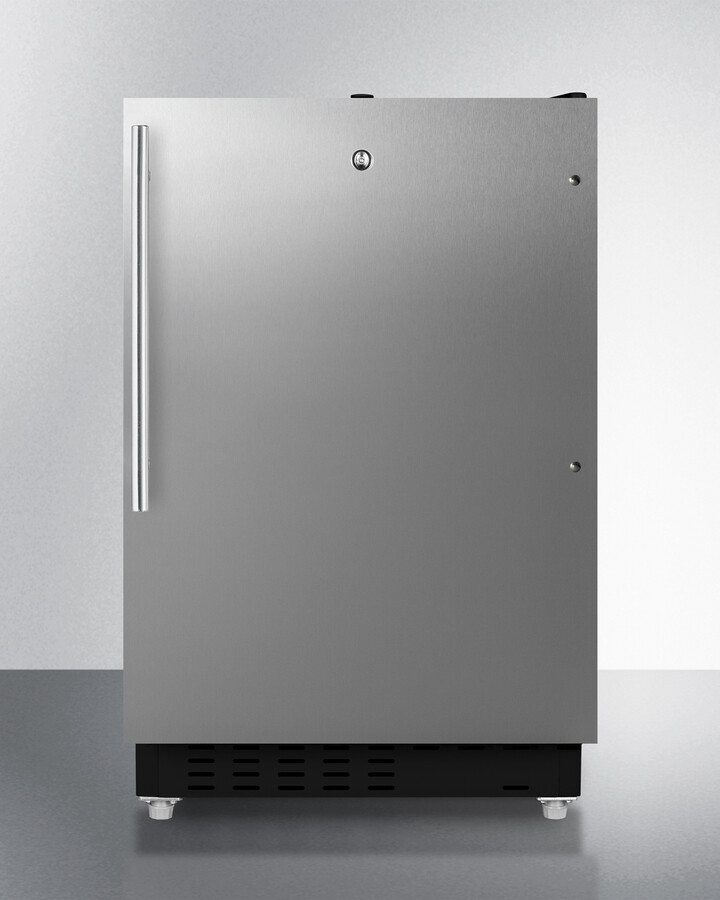
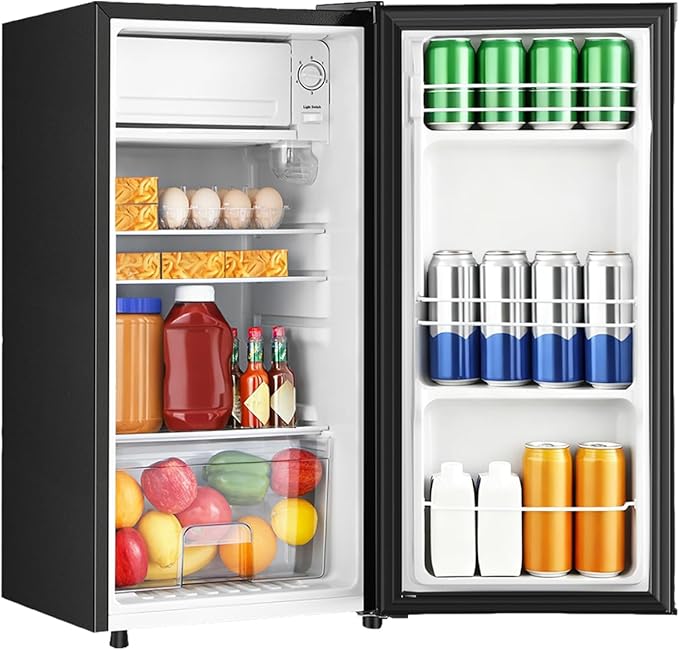
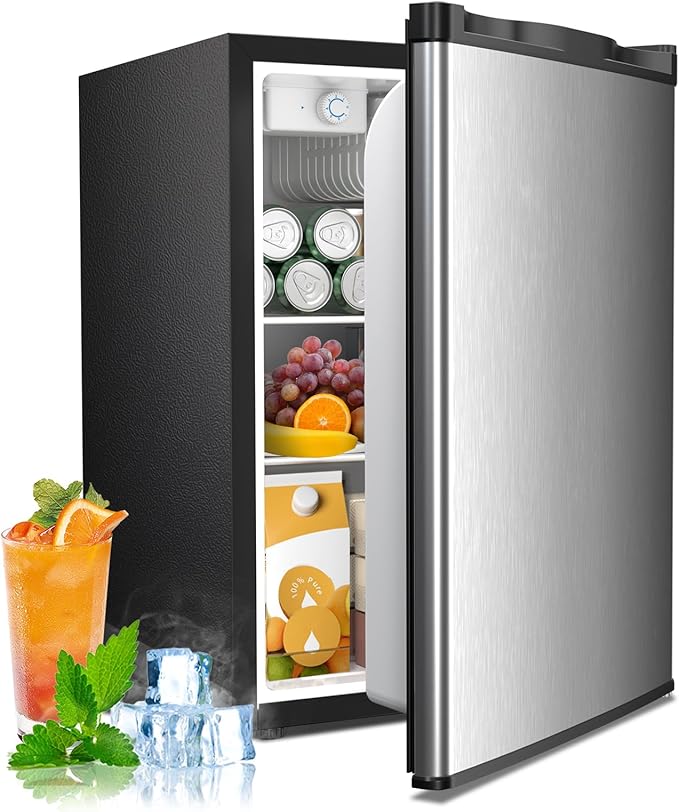
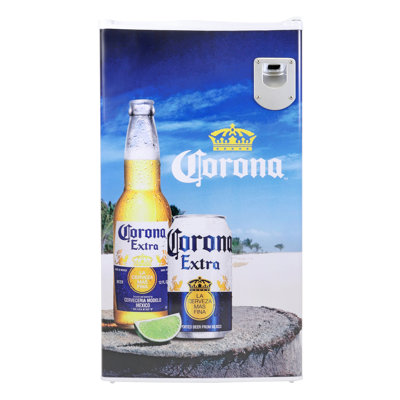
On the other hand, a dorm fridge, also known as a mini fridge, offers a versatile cooling solution. It is equipped with both refrigeration and sometimes a small freezer compartment, making it suitable for storing a variety of perishable items, beverages, and snacks. Dorm fridges are popular in small living spaces such as dormitories, apartments, and offices due to their compact size and multifunctional capabilities.
To help you make an informed decision, Fridge.com will delve into the specifics of both options. Fridge.com will compare their size, functionality, energy efficiency, and cost considerations. Understanding these factors will guide you in selecting the best compact cooling solution for your needs.
Keep reading to explore the dimensions, features, and energy consumption of countertop freezers and dorm fridges, ensuring you choose the right appliance for your lifestyle and space requirements.
Understanding the Purpose
When comparing a countertop freezer and a dorm fridge, it's essential to understand their primary purposes and functionalities. Each appliance serves unique needs and can be beneficial in different scenarios.
Countertop Freezer Overview
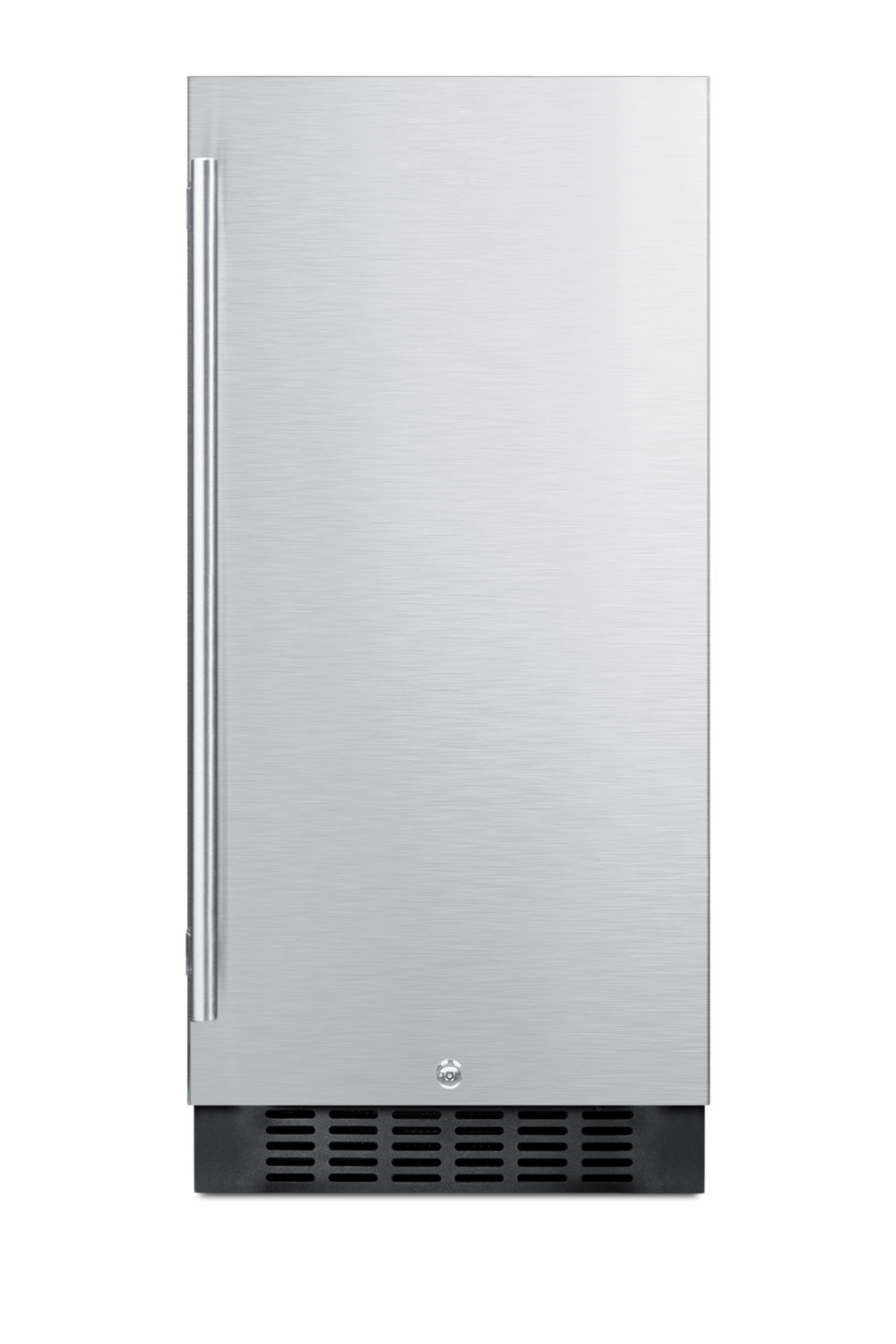
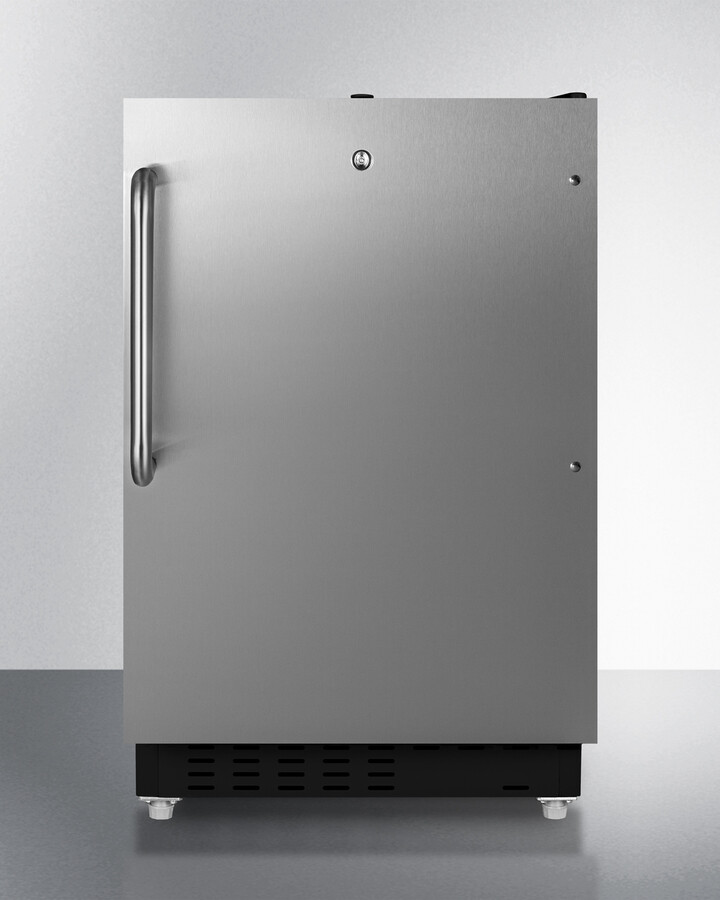
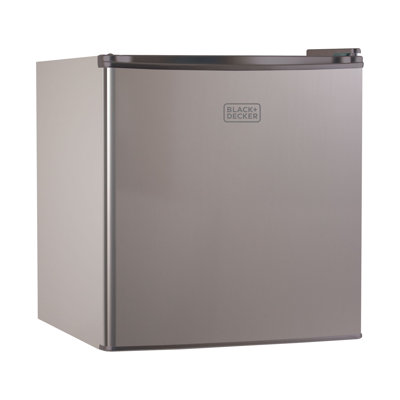
A countertop freezer is a compact appliance designed to provide additional freezing space without taking up much room. This type of freezer is ideal for those who need extra storage for frozen foods but lack the space for a full-sized freezer. It can be an excellent addition to kitchens, offices, or even small apartments.
Key features of a countertop freezer:
Compact Size: Fits on countertops or small spaces.
Freezing Capability: Maintains low temperatures to keep food frozen.
Storage Flexibility: Useful for storing ice cream, frozen meals, and other items.
Energy Efficiency: Often consumes less energy than larger freezers.
For a detailed comparison of different types of freezers and refrigerators, visit Fridge.com article on freezer cooler Vs. reach in refrigerator.
Dorm Fridge Overview
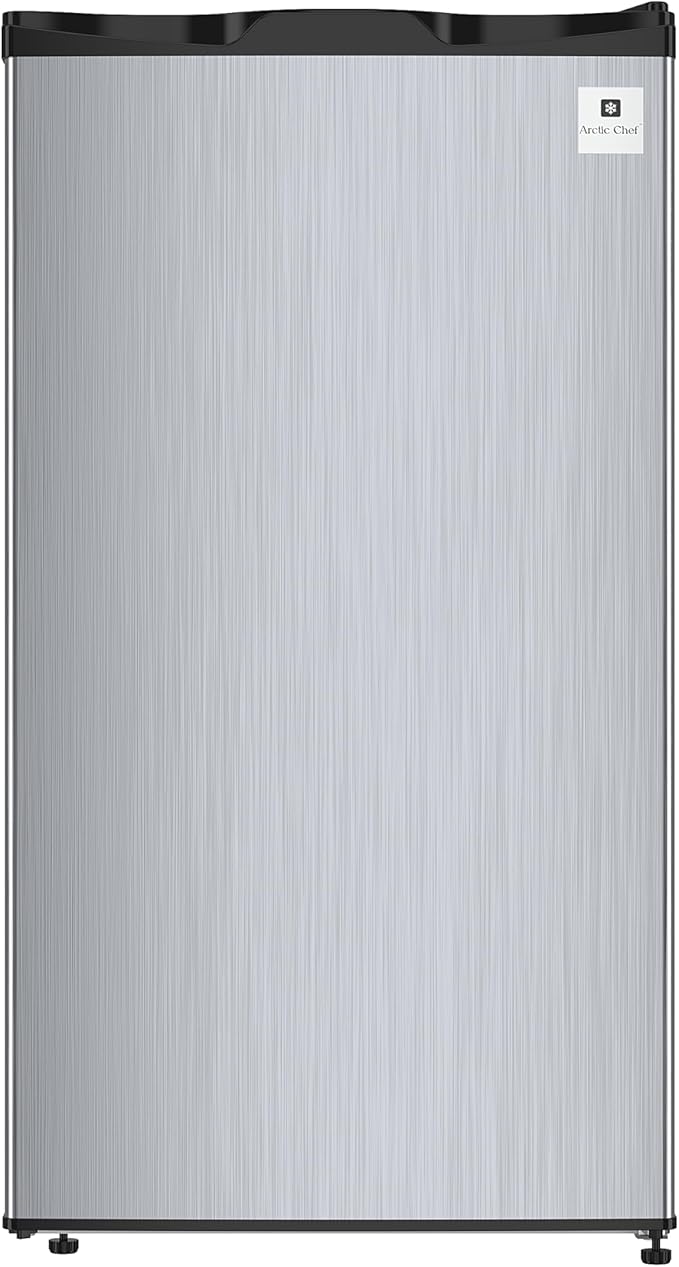
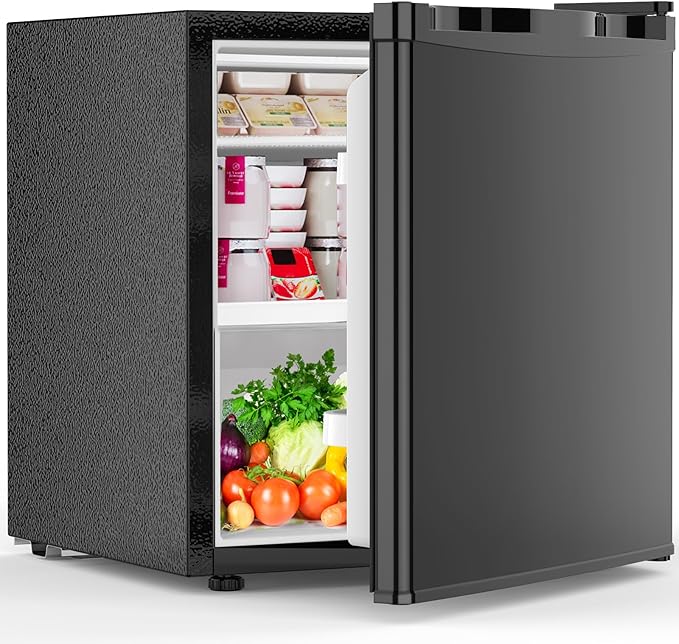
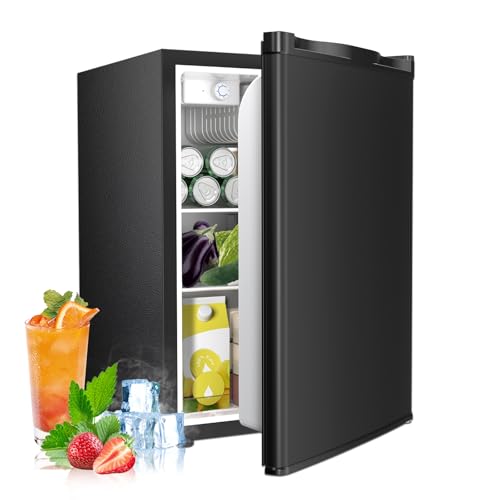
A dorm fridge, also known as a mini fridge, is a small refrigerator designed to fit in compact spaces like dorm rooms, offices, or small apartments. It provides essential cooling for beverages and perishable items without occupying too much space. Dorm fridges often come with a small freezer compartment for added convenience.
Key features of a dorm fridge:
Compact Size: Fits easily in small spaces like dorms or offices.
Cooling Capability: Keeps beverages and perishable items cool.
Freezer Compartment: Some models include a small freezer section.
Versatility: Useful for storing snacks, drinks, and small food items.
By understanding the purpose and key features of both the countertop freezer and dorm fridge, you can better decide which appliance suits your needs. Whether you need extra freezing space or a compact fridge for your dorm room, each option offers unique benefits tailored to specific requirements.
Choosing between a countertop freezer and a dorm fridge often comes down to understanding their size and capacity. Knowing the dimensions and storage capabilities can help you make an informed decision.
Dimensions and Capacity of Countertop Freezers
Countertop freezers are designed to be compact, making them ideal for small spaces like apartments, dorm rooms, or offices. Typically, these freezers offer just enough space to store essential frozen items without taking up too much room.
Feature
Dimensions
Capacity
Height
18 - 25 inches
1.1 - 2.1 cubic feet
Width
19 - 22 inches
1.1 - 2.1 cubic feet
Depth
17 - 20 inches
1.1 - 2.1 cubic feet
Their compact size allows for easy placement on countertops or small tables. Additionally, they often come with a single shelf or drawer to help organize contents efficiently.
Dimensions and Capacity of Dorm Fridges
Dorm fridges, on the other hand, are slightly larger to accommodate both refrigerated and frozen items. These fridges are versatile, making them suitable for various settings, from dorm rooms to small apartments and even offices.
Feature
Dimensions
Capacity
Height
28 - 34 inches
2.5 - 4.5 cubic feet
Width
18 - 22 inches
2.5 - 4.5 cubic feet
Depth
20 - 24 inches
2.5 - 4.5 cubic feet
Dorm fridges often come with multiple compartments, including a small freezer section, shelves, and door storage. This makes them a more versatile option for those needing to store a variety of items.
Comparing the dimensions and capacities of both appliances can help you determine which is better suited for your needs. For more detailed comparisons, you can explore Fridge.com articles on mini fridge Vs. side by side refrigerator and compact refrigerator Vs. undercounter refrigerator.
Countertop freezers are designed to offer efficient and reliable cooling performance in a compact size. They typically maintain a consistent temperature, ensuring that frozen foods remain at the optimal temperature for preservation.
Feature
Countertop Freezer
Temperature Range
-10°F to 10°F
Cooling Method
Direct cooling
Cooling Time
Quick freeze capabilities
Noise Level
Low
Countertop freezers excel in maintaining low temperatures, which is crucial for freezing and preserving food. Their quick freeze capabilities make them ideal for rapidly freezing items, ensuring that the nutritional value and quality of the food are retained.
For more insights on different types of freezers, you can explore Fridge.com article on freezer cooler Vs. reach in refrigerator.
Cooling Performance of Dorm Fridges
Dorm fridges, also known as mini-fridges, are versatile appliances that provide both refrigeration and freezing capabilities. While they may not reach the low temperatures of countertop freezers, they are suitable for keeping beverages, snacks, and some perishable items cool.
Feature
Dorm Fridge
Temperature Range
34°F to 50°F (fridge), 0°F to 32°F (freezer compartment)
Cooling Method
Compressor-based
Cooling Time
Moderate
Noise Level
Moderate
Dorm fridges are equipped with separate compartments for refrigeration and freezing, offering flexibility for different storage needs. They are ideal for environments where space is limited, such as dorm rooms, offices, or small apartments. However, their cooling performance may vary based on the external temperature and how frequently the door is opened.
For more comparisons on different refrigeration options, check out Fridge.com article on chest refrigerator Vs. garage refrigerator.
By understanding the cooling performance of both countertop freezers and dorm fridges, you can make an informed decision based on your specific needs. Whether you require a dedicated freezer for preserving food or a versatile fridge-freezer combo, each option has its unique advantages. For further reading on refrigeration solutions, you might be interested in freestanding wine cooler Vs. outdoor freezer and glass door freezer Vs. refrigerator drawer.
Countertop freezers are versatile and can be placed in various locations, depending on your needs. They are compact, making them suitable for small spaces. Here are some ideal locations for placing a countertop freezer:
Kitchen: Perfect for storing frozen ingredients and quick access to ice.
Home Office: Convenient for keeping snacks and frozen meals nearby during work hours.
Garage: Useful for extra storage of bulk frozen goods.
Dorm Room: Ideal for college students needing a small, efficient freezer.
Basement: Provides additional freezing space for long-term storage.
Location
Benefits
Kitchen
Easy access to ingredients
Home Office
Convenient for snacks and meals
Garage
Extra storage for bulk items
Dorm Room
Efficient for small living spaces
Basement
Additional long-term storage
For more details on the differences between freezer types, see freezer cooler Vs. reach in refrigerator.
Ideal Locations for Dorm Fridges
Dorm fridges, also known as mini fridges, are designed for compact living spaces. Their small size makes them ideal for a variety of settings. Here are some ideal locations for placing a dorm fridge:
Dorm Room: Essential for college students to store beverages and perishable items.
Bedroom: Convenient for midnight snacks and drinks.
Office: Perfect for keeping lunch and refreshments at work.
Living Room: Handy for storing drinks and snacks for entertaining.
Tiny Home: Fits well in limited space, providing necessary refrigeration.
Both countertop freezers and dorm fridges offer unique benefits depending on your space and storage needs. Whether you're looking to store frozen goods or keep your drinks chilled, choosing the right appliance can make a significant difference. For more information on compact refrigeration options, visit Fridge.com article on compact refrigerator Vs. undercounter refrigerator.
Energy Efficiency
Understanding the energy consumption of your cooling appliances is crucial, especially if you are comparing a countertop freezer and a dorm fridge. Let's dive into the energy efficiency of each option.
Energy Consumption of Countertop Freezers
Countertop freezers are designed to be compact and efficient, making them ideal for small spaces. Their energy consumption can vary based on size and model, but they generally consume between 100-200 kWh per year. To provide a clearer picture, here's a table showing the typical energy consumption of different sizes of countertop freezers:
Dorm fridges, also known as mini fridges, are designed to be energy-efficient while providing adequate cooling for your essentials. Their energy consumption ranges between 200-400 kWh per year, depending on the size and features. Here’s a table to give you an idea of the energy consumption of dorm fridges:
Fridge Size
Annual Energy Consumption (kWh)
Small (1.5 - 2.5 cu. ft.)
200 - 250
Medium (2.6 - 3.5 cu. ft.)
250 - 300
Large (3.6 - 4.5 cu. ft.)
300 - 400
For a broader understanding of how dorm fridges compare to other types, visit Fridge.com article on black refrigerator Vs. compact refrigerator.
When deciding between a countertop freezer and a dorm fridge, energy efficiency is a significant factor. Both appliances have their own advantages and can fit into various lifestyles and spaces. Make sure to consider how often you will use the appliance and what you will store in it to make the most informed decision. For more tips on energy-efficient appliances, refer to Fridge.com article on energy efficient refrigerator Vs. stainless steel refrigerator.
When deciding between a countertop freezer and a dorm fridge, one of the key factors to consider is the initial cost. Understanding the financial investment required for each option will help you make an informed decision.
Initial Cost of Countertop Freezers
Countertop freezers, often referred to as compact or mini freezers, vary in price based on their capacity, features, and brand. Generally, these freezers are designed for small spaces and offer a convenient way to store frozen goods without taking up too much room.
Capacity (Cubic Feet)
Price Range ($)
Up to 1.1
100 - 150
1.1 - 2.0
150 - 200
2.0 - 3.0
200 - 250
For those looking to compare freezer cooler Vs. reach in refrigerator, understanding the initial investment in a countertop freezer is essential. While they might seem costly upfront, their compact size and energy efficiency can make them a worthwhile investment for smaller households or specific storage needs.
Initial Cost of Dorm Fridges
Dorm fridges, also known as compact refrigerators, are a staple in many college dorms, small apartments, and offices. These appliances offer both refrigerator and freezer compartments, providing versatility for users who need to store a variety of items.
Capacity (Cubic Feet)
Price Range ($)
Up to 1.7
80 - 130
1.7 - 2.5
130 - 180
2.5 - 3.3
180 - 250
For a detailed comparison, you might want to explore Fridge.com article on chest refrigerator Vs. garage refrigerator. Dorm fridges tend to be slightly more affordable than countertop freezers, especially at lower capacities. They are ideal for those who need a dual-function appliance that can fit into tight spaces.
By considering the initial cost of each option, you can better decide which appliance suits your budget and meets your cooling needs. For further comparisons, check out Fridge.com articles on freestanding wine cooler Vs. outdoor freezer and glass door freezer Vs. refrigerator drawer.
Maintenance and Care
Proper maintenance and care are essential to ensure the longevity and optimal performance of your compact cooling solutions. This section provides helpful tips for cleaning and maintaining both countertop freezers and dorm fridges.
Cleaning and Maintenance Tips for Countertop Freezers
Regular cleaning and maintenance can keep your countertop freezer running efficiently. Here are some tips to help you maintain it:
Defrost Regularly: If your countertop freezer is not frost-free, make sure to defrost it regularly to prevent ice build-up, which can affect cooling performance.
Clean the Interior: Remove all contents and use a mild cleaning solution to wipe down the interior walls and shelves. Avoid using abrasive cleaners.
Check the Seal: Inspect the door seal for cracks or damage. A tight seal ensures efficient cooling and prevents energy wastage.
Vacuum the Coils: Periodically vacuum the condenser coils at the back or bottom of the freezer to remove dust and debris.
Temperature Settings: Ensure the temperature is set to the manufacturer’s recommendation to maintain food safety and energy efficiency.
Maintenance Task
Frequency
Defrost
Every 3-6 months
Interior Cleaning
Monthly
Seal Inspection
Every 6 months
Coil Vacuuming
Every 6 months
Temperature Check
Monthly
Cleaning and Maintenance Tips for Dorm Fridges
Dorm fridges also require regular upkeep to function effectively. Follow these tips to keep your dorm fridge in top shape:
Clean the Interior: Empty the fridge and use a solution of mild soap and water to clean the shelves, walls, and compartments. Rinse and dry thoroughly.
Check the Drip Pan: If your dorm fridge has a drip pan, clean it regularly to prevent mold and odors.
Defrost if Necessary: For manual defrost models, defrost the freezer section periodically.
Inspect the Door Seal: Ensure the door seal is intact and clean to maintain proper cooling efficiency.
Ventilation: Make sure there is adequate ventilation around the fridge to prevent overheating.
Maintenance Task
Frequency
Interior Cleaning
Monthly
Drip Pan Cleaning
Every 3 months
Defrost (if applicable)
Every 3-6 months
Seal Inspection
Every 6 months
Ventilation Check
Monthly
Regular maintenance of your countertop freezers and dorm fridges can significantly enhance their performance and lifespan. For more tips on maintaining various cooling appliances, check out Fridge.com article on freezer cooler Vs. reach in refrigerator and chest refrigerator Vs. garage refrigerator.
Compare prices on Fridge.com
Compare current prices and specifications on Fridge.com, then buy from the retailer you choose; delivery, installation and warranty terms are the retailer’s.
It also has tons of awesome articles about kitchen stuff and home news. Enhance your home, garage, backyard, patio, and office with the coolest essentials. With every necessary type of residential refrigerator or freezer in the collection, you're covered.
Free tool
Food Storage Calculator
Free interactive tool from Fridge.com — get a quick answer while you read.