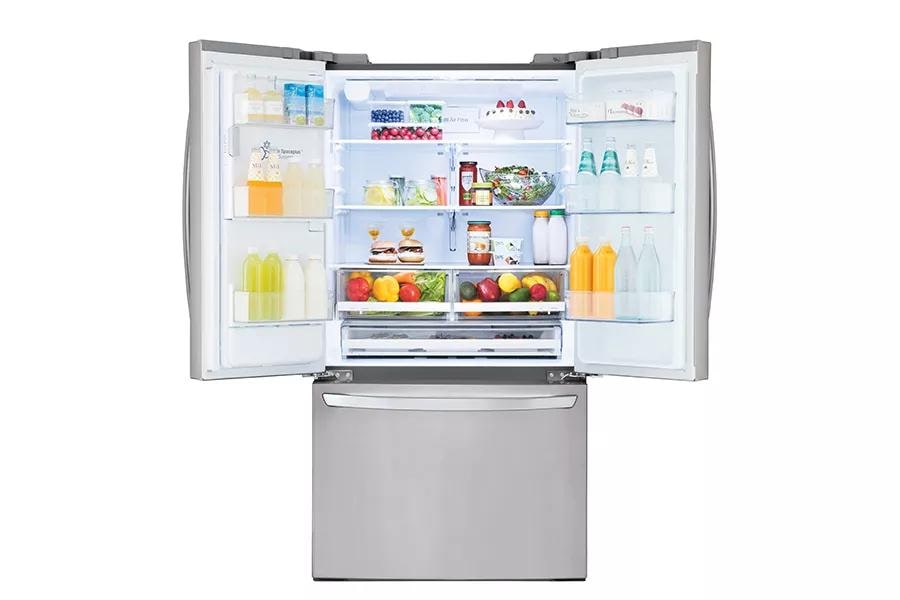
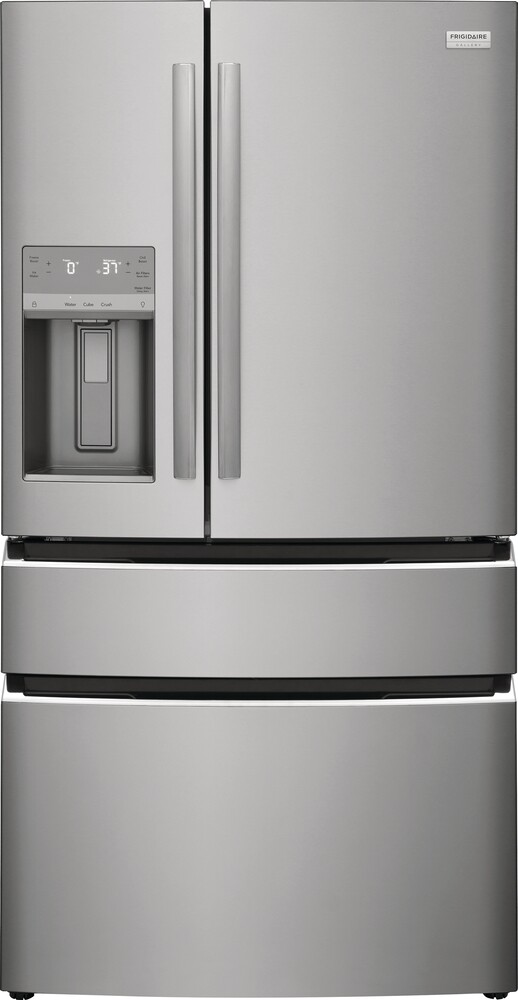
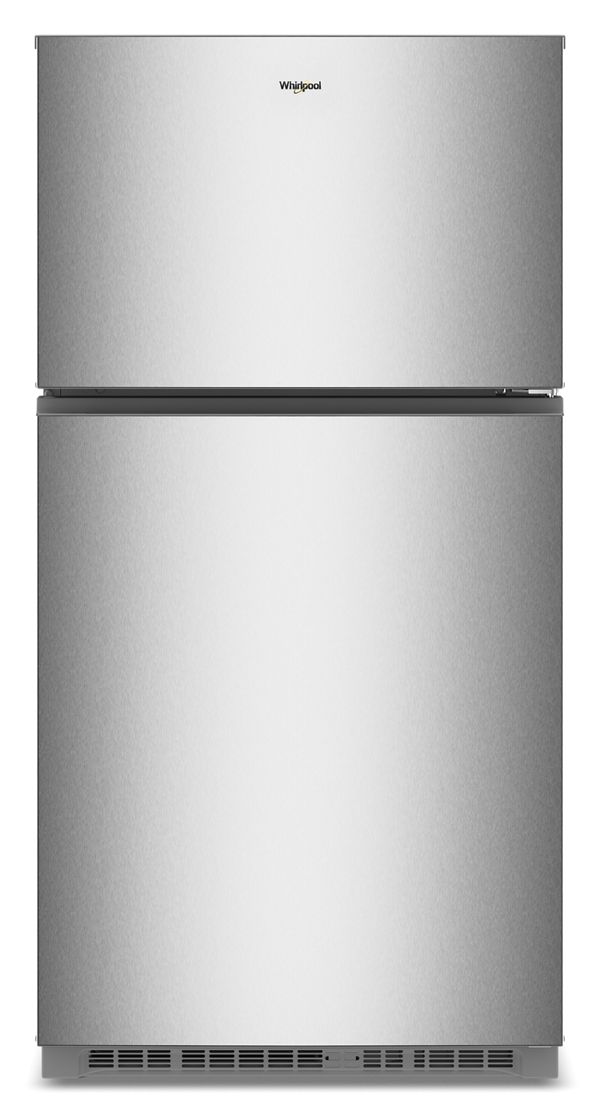
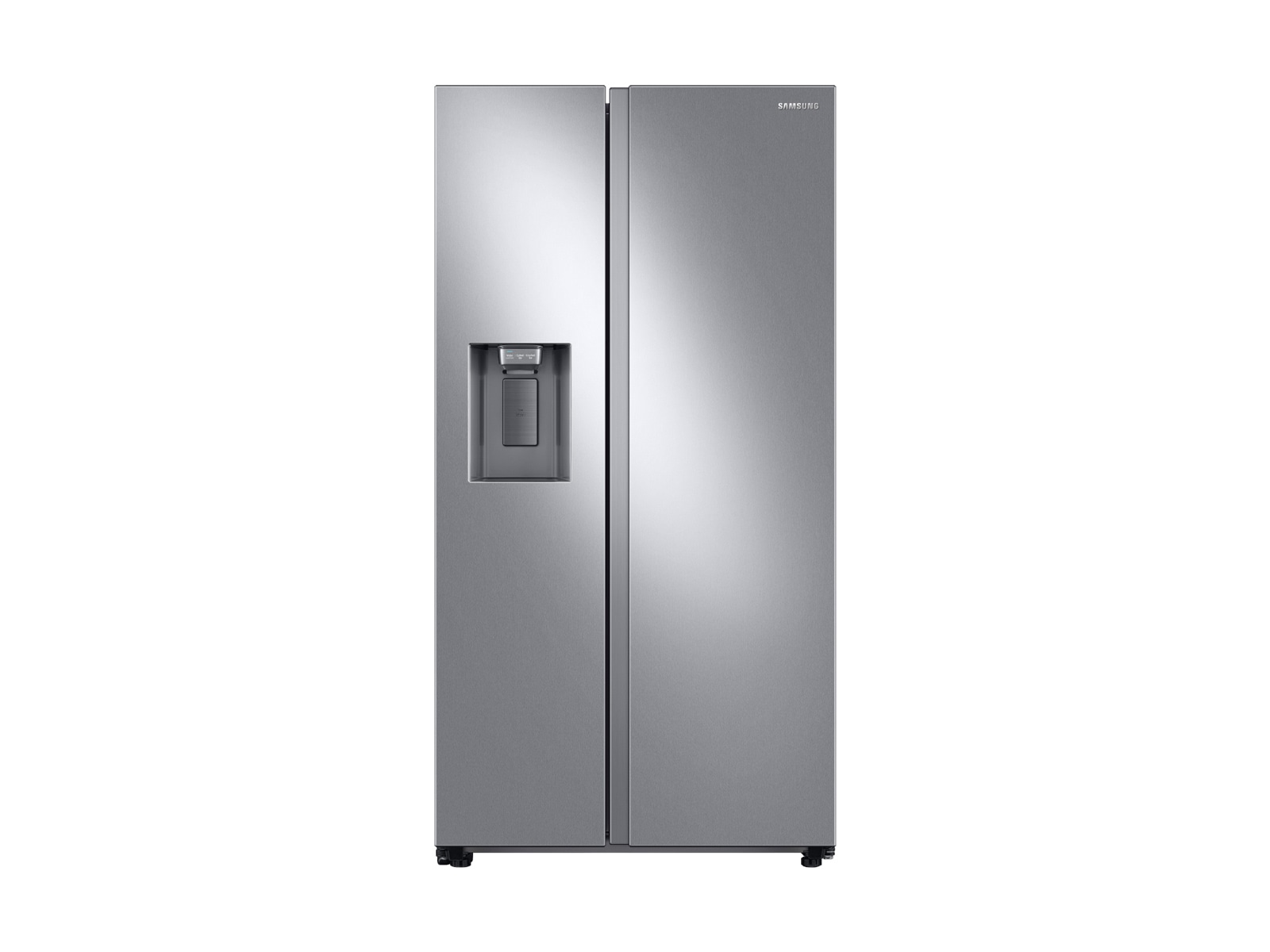
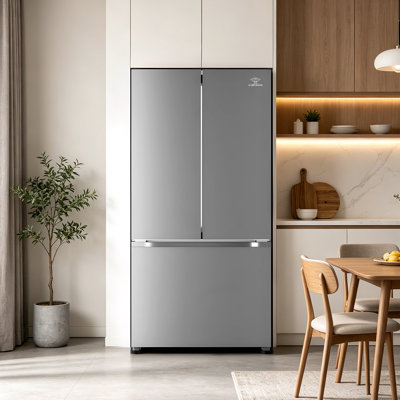
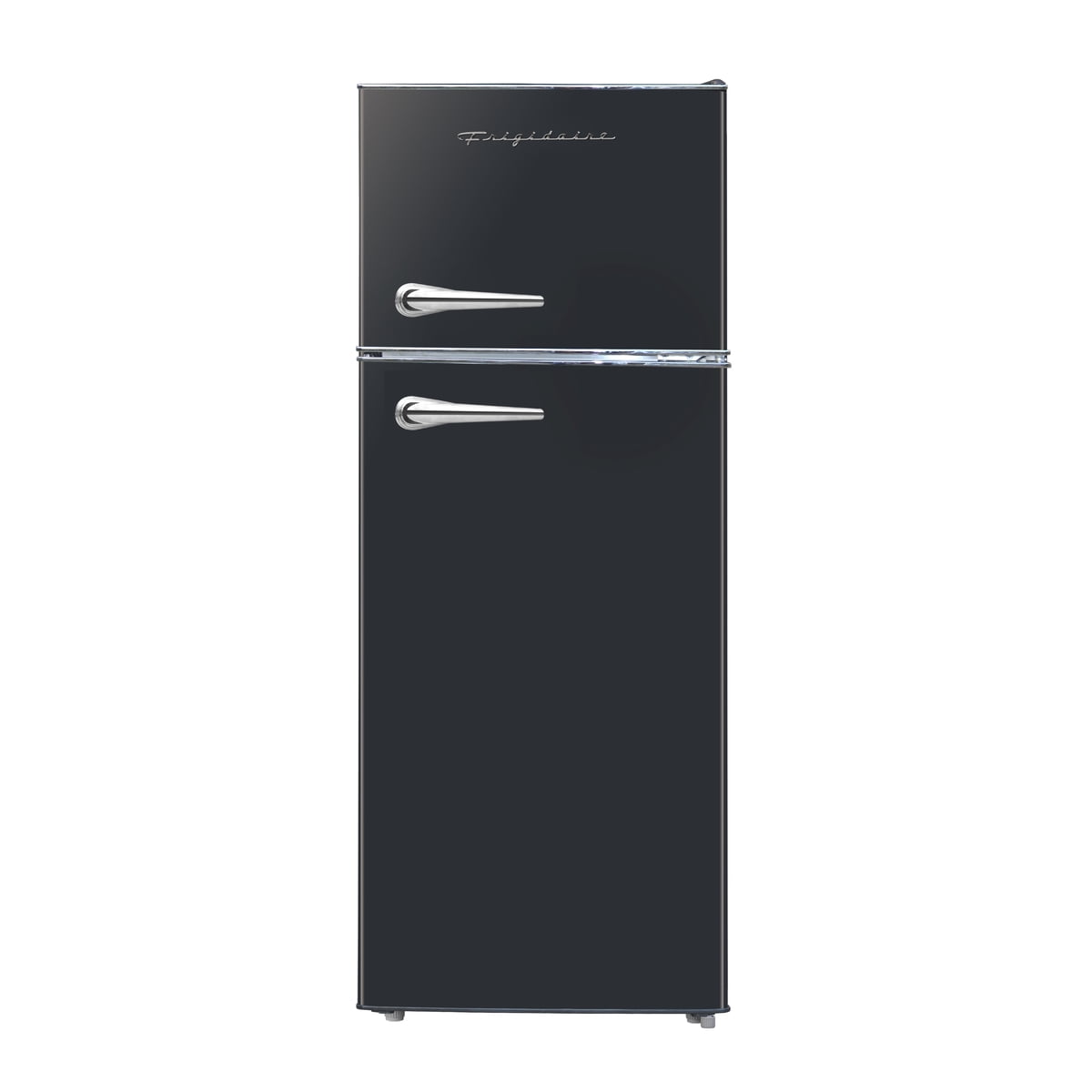
A built-in panel ready refrigerator is designed to seamlessly integrate into your kitchen cabinetry. Unlike traditional freestanding refrigerators, these units are installed flush with your cabinets and can be customized with panels that match your kitchen design. This creates a cohesive and streamlined appearance, making your refrigerator blend in with the rest of your kitchen.
Benefits of Choosing a Built-In Panel Ready Refrigerator
Opting for a built-in panel ready refrigerator offers several advantages:
Aesthetic Appeal: One of the main benefits is the ability to match your refrigerator with your kitchen cabinetry. This creates a unified look that enhances the overall aesthetic of your kitchen.
Space Efficiency: These refrigerators are designed to fit flush with your cabinets, maximizing your kitchen space and providing a more organized layout.
Customization: You can choose panels that complement your kitchen's style, whether it's modern, traditional, or something in between. This level of customization allows for a personalized touch.
Value Addition: Installing a built-in panel ready refrigerator can increase the value of your home. Its seamless integration and high-end appearance are attractive features for potential buyers.
Enhanced Functionality: Built-in refrigerators often come with advanced features and technologies that improve food preservation and convenience. For example, some models may include dual cooling systems, adjustable shelving, and smart technology.
Benefit
Description
Aesthetic Appeal
Matches with kitchen cabinetry for a cohesive look.
Space Efficiency
Fits flush with cabinets, maximizing kitchen space.
Customization
Allows for personalized panel choices to complement kitchen design.
Value Addition
Enhances home value with high-end, integrated appearance.
Enhanced Functionality
May include advanced features like dual cooling systems, adjustable shelving, and smart technology.
If you're considering investing in a built-in panel ready refrigerator, be sure to explore Fridge.com articles on built in refrigerator cabinet and built in fridge cabinet for more insights on installation and customization options.
When choosing a built-in panel ready refrigerator, there are several key factors to keep in mind. These considerations will help ensure that the appliance meets your needs and fits seamlessly into your kitchen.
Size and Dimensions
Before purchasing a built-in panel ready refrigerator, it's crucial to measure the available space in your kitchen. Built-in refrigerators come in various sizes, so knowing the exact dimensions of the area where the unit will be installed is essential. Consider the height, width, and depth to ensure a perfect fit.
Size Category
Typical Width (inches)
Typical Height (inches)
Typical Depth (inches)
Compact
24 - 30
70 - 80
24 - 28
Standard
30 - 36
70 - 84
24 - 30
Large
36 - 48
70 - 84
24 - 30
Be sure to check the specifications for built in refrigerators to match your kitchen layout.
Design and Aesthetics
The design and aesthetics of a built-in panel ready refrigerator allow it to blend seamlessly with your kitchen cabinetry. These refrigerators are designed to accommodate custom panels that match your existing cabinets, creating a cohesive look.
Consider the style of your kitchen when selecting the panel design. Whether you have a modern, traditional, or transitional kitchen, the built-in panel ready refrigerator can complement your space. The sleek, integrated look is often preferred for its ability to maintain the visual flow of your kitchen.
Customization Options
One of the main advantages of a built-in panel ready refrigerator is the ability to customize it to suit your specific needs. You can choose from various panel materials, finishes, and handle styles to match your kitchen decor. Some models also offer customizable interior features, such as adjustable shelves, temperature-controlled drawers, and specialized storage options.
These customization options allow you to personalize your appliance to align with your lifestyle and kitchen design preferences. For more ideas on customizing your refrigerator, explore Fridge.com section on built in refrigerator cabinet.
When considering a built-in panel ready refrigerator, keep these factors in mind to ensure you select the best option for your home. From size and dimensions to design and aesthetics and customization options, these elements will help you make an informed decision.
Installation Process
Planning for Installation
Proper planning is essential when installing a built-in panel ready refrigerator. Start by measuring the space where you intend to place the refrigerator. Accurate measurements ensure a seamless fit with your cabinets and counters. Take into account the height, width, and depth of the unit, as well as any additional clearance needed for ventilation.
Measurement
Typical Range (inches)
Height
70 - 84
Width
30 - 48
Depth
24 - 30
Ensure that the location has access to necessary utilities, such as electrical outlets and water lines if your refrigerator has a built-in ice maker or water dispenser. Planning these details prevents any complications during installation.
It's also wise to consider the weight of the refrigerator. Built-in units tend to be heavier than freestanding models, so ensure that your floor can support the weight. Additionally, check for any obstacles that might hinder the installation process, such as narrow doorways or tight corners.
Integration with Cabinetry
Integrating a built-in panel ready refrigerator with your cabinetry requires careful alignment and attention to detail. The goal is to create a cohesive look where the refrigerator blends seamlessly with the rest of your kitchen. This often involves attaching custom panels to the front of the refrigerator doors.
First, ensure that your cabinetry is designed to accommodate the refrigerator. This might involve modifying existing cabinets or ordering custom cabinetry that matches the dimensions of your refrigerator. The refrigerator should sit flush with the surrounding cabinets for a sleek, built-in appearance.
Next, attach the custom panels to the refrigerator doors. These panels should match your kitchen cabinetry in both color and style. Follow the manufacturer's instructions for attaching the panels securely. Proper alignment is crucial to ensure that the refrigerator doors open and close smoothly.
If you are integrating a built-in wine fridge alongside your main refrigerator, ensure that the design and paneling are consistent for a unified look.
For those installing a built-in refrigerator cabinet, it's important to account for ventilation. Proper ventilation prevents overheating and ensures the efficient operation of your refrigerator. Check the manufacturer's guidelines for the required clearance around the unit.
By carefully planning the installation and ensuring proper integration with your cabinetry, your built-in panel ready refrigerator will enhance both the functionality and aesthetics of your kitchen. For more detailed guidance, you can explore Fridge.com article on built in fridges.
Proper maintenance and care are essential to ensure the longevity and efficiency of your built-in panel ready refrigerator. This section provides cleaning and maintenance tips as well as advice on troubleshooting common issues.
Cleaning and Maintenance Tips
Regular cleaning and maintenance of your built-in panel ready refrigerator help keep it functioning optimally and extend its lifespan.
Interior Cleaning: Clean the interior surfaces of the refrigerator with a mixture of mild soap and warm water. Avoid using harsh chemicals or abrasive sponges that can damage the surfaces.
Exterior Cleaning: Wipe down the exterior panels with a damp cloth and mild detergent to maintain their appearance. Be sure to dry thoroughly to prevent water spots.
Defrosting: If your refrigerator does not have an automatic defrost feature, manually defrost the freezer compartment when the ice build-up exceeds 1/4 inch. This enhances efficiency and prevents overworking the unit.
Seal Maintenance: Regularly check the door seals for cracks or tears. Clean them with a damp cloth to remove any debris that could prevent a tight seal.
Condenser Coils: Clean the condenser coils every six months to prevent dust and dirt build-up. Use a vacuum or a coil brush to remove any accumulated debris.
Maintenance Task
Frequency
Interior Cleaning
Monthly
Exterior Cleaning
Weekly
Defrosting
As needed
Seal Maintenance
Monthly
Condenser Coil Cleaning
Every 6 months
Troubleshooting Common Issues
Even with regular maintenance, you may encounter some common issues with your built-in panel ready refrigerator. Here are a few troubleshooting tips:
Refrigerator Not Cooling: Check if the temperature settings are correct. Ensure the vents inside the unit are not blocked by food items. Clean the condenser coils if they are dirty.
Unusual Noises: Inspect for any loose items inside the refrigerator that may be rattling. Ensure the refrigerator is level and stable. Check the fan and compressor for any signs of wear or damage.
Water Leaks: Examine the door seals to ensure they are airtight. Check the defrost drain for any blockages. If you have an ice maker, inspect the water supply line for leaks.
Ice Maker Not Working: Ensure the ice maker is turned on and the water supply is connected. Check for any ice blockages in the ice maker mechanism.
Common Issue
Possible Solution
Refrigerator Not Cooling
Check temperature settings, clear vents, clean coils
Unusual Noises
Remove loose items, level refrigerator, inspect fan
Water Leaks
Check door seals, clear defrost drain, inspect water line
Ice Maker Not Working
Turn on ice maker, connect water supply, clear blockages
For additional information on maintaining your built-in panel ready refrigerator, visit Fridge.com articles on built in refrigerators, built in fridge, and built in refrigerator panel ready. Proper care and regular maintenance will ensure your appliance continues to perform efficiently for years to come.
When selecting a built-in panel ready refrigerator, energy efficiency is an important factor to consider. Modern refrigerators come with various features designed to minimize energy consumption, saving you money on utility bills while reducing environmental impact.
Energy-Saving Features
Built-in panel ready refrigerators often include several energy-saving features:
LED Lighting: LED lights consume less energy compared to traditional incandescent bulbs. They also emit less heat, which helps maintain the internal temperature.
Energy Star Certification: Appliances with this certification meet strict energy efficiency guidelines set by the Environmental Protection Agency (EPA). Look for the Energy Star label for guaranteed efficiency.
Inverter Compressors: These compressors adjust their speed according to the cooling demand, reducing energy consumption and providing consistent cooling.
Smart Sensors: These sensors monitor the temperature and humidity levels inside the fridge, adjusting the cooling settings automatically to optimize energy use.
Feature
Energy-Saving Benefit
LED Lighting
Lower energy consumption and reduced heat emission
Inverter Compressors
Reduced energy use and consistent cooling
Smart Sensors
Optimized cooling settings for better efficiency
Tips for Improving Energy Efficiency
To further enhance the energy efficiency of your built-in panel ready refrigerator, consider the following tips:
Proper Ventilation: Ensure there is adequate space around the refrigerator for air circulation. This helps the appliance run more efficiently.
Optimal Temperature Settings: Set the refrigerator to 37°F and the freezer to 0°F. Avoid setting temperatures too low as it increases energy consumption.
Regular Maintenance: Clean the condenser coils regularly to ensure they function efficiently. Dust and dirt can reduce the coils' ability to dissipate heat.
Organized Storage: Keep the refrigerator well-organized to allow air to circulate freely. Avoid overloading the fridge which can strain the cooling system.
Door Seals: Check the door seals periodically to ensure they are tight and not allowing cold air to escape.
For additional advice on maintaining your refrigerator, you can read Fridge.com article on cleaning and maintenance tips.
By incorporating these energy-saving features and tips, you can maximize the efficiency of your built-in panel ready refrigerator and enjoy long-term savings on your energy bills.
Cost Considerations
When investing in a built-in panel ready refrigerator, it's important to weigh both the initial costs and the long-term value. Understanding these aspects will help you make an informed decision and ensure that your investment meets your needs.
Upfront Costs
The initial cost of a built-in panel ready refrigerator can be significantly higher than that of a freestanding model. This is due to the custom design and advanced features that these refrigerators offer. The price can vary based on size, brand, and additional customization options.
Feature
Estimated Cost Range ($)
Base Unit
2,000 - 10,000
Custom Panels
500 - 2,000
Professional Installation
200 - 1,000
Additional Features
100 - 1,000
When planning your budget, consider not only the base price of the refrigerator but also the cost of custom panels and professional installation. These elements are essential for achieving a seamless, integrated look in your kitchen. For more on installation, see Fridge.com section on built in refrigerator cabinet.
Long-Term Value
While the initial investment may be high, a built-in panel ready refrigerator can offer substantial long-term value. These refrigerators are designed to last longer, often providing better durability and performance compared to freestanding models.
Consideration
Potential Benefits
Increased Home Value
5-10% increase in property value
Reduced Repairs
Lower maintenance costs over time
Aesthetic Appeal
Enhanced kitchen design and functionality
Additionally, built-in panel ready refrigerators often feature advanced energy-saving technologies, which can reduce your monthly utility bills. For tips on improving energy efficiency, see Fridge.com section on energy efficiency.
Choosing a built-in panel ready refrigerator involves a higher upfront cost, but the long-term benefits and added value to your home can make it a worthwhile investment. For more comparisons, visit Fridge.com section on refrigerators built in.
When comparing a built-in panel ready refrigerator with a freestanding model, several key differences emerge. These distinctions often influence your choice based on your specific needs and preferences.
Feature
Built-In Panel Ready Refrigerator
Freestanding Refrigerator
Design Integration
Seamlessly blends with cabinetry
Distinct appliance appearance
Installation
Requires professional installation
Easier DIY installation
Customization
High customization options
Limited customization
Size and Dimensions
Custom sizes to fit cabinetry
Standard sizes
Mobility
Fixed in place
Can be moved easily
Aesthetics
Matches kitchen decor
Standalone look
Cost
Higher initial cost
Generally lower cost
Which Option is Right for You?
Choosing between a built-in panel ready refrigerator and a freestanding refrigerator depends on various factors, including your kitchen design, budget, and personal preferences.
Built-In Panel Ready Refrigerator
Design Integration: If you aim for a seamless look that integrates your refrigerator with your cabinetry, a built-in panel ready refrigerator is ideal. These models can be customized to match your kitchen decor, providing a cohesive and elegant appearance.
Space Optimization: Built-in refrigerators are designed to fit flush with your kitchen cabinets, maximizing space and creating a streamlined look.
Customization: Higher customization options allow you to choose finishes, handles, and other features that match your kitchen's style.
Professional Installation: Installation requires professional expertise, which can add to the initial cost but ensures a perfect fit and finish.
For more details on customization options, visit Fridge.com article on built in refrigerator cabinet.
Freestanding Refrigerator
Ease of Installation: Freestanding refrigerators are easier to install and can be done as a DIY project, making them a convenient choice for many homeowners.
Cost-Effective: Generally, freestanding models are less expensive upfront compared to built-in options.
Mobility: These refrigerators can be moved easily, which is beneficial if you plan to relocate or remodel your kitchen in the future.
Standard Sizes: Freestanding refrigerators come in standard sizes, making them suitable for a variety of kitchen layouts without requiring custom cabinetry.
If you are considering a freestanding option but want to explore built-in alternatives, check out Fridge.com guide on built in fridge.
By weighing the key differences and considering your specific needs, you can make an informed decision on whether a built-in panel ready refrigerator or a freestanding refrigerator is right for you. For more insights and detailed comparisons, explore Fridge.com articles on built in fridges and refrigerators built in.
Compare refrigerator prices on Fridge.com
Compare current prices and specifications on Fridge.com, then buy from the retailer you choose; delivery, installation and warranty terms are the retailer’s.
It also has tons of awesome articles about kitchen stuff and home news. Enhance your home, garage, backyard, patio, and office with the coolest essentials. With every necessary type of residential refrigerator or freezer in the collection, you're covered.
Frequently Asked Questions
A built-in panel ready refrigerator is designed to seamlessly integrate into your kitchen cabinetry. Unlike traditional freestanding refrigerators, these units are installed flush with your cabinets and can be customized with panels that match your kitchen design. This creates a cohesive and streamlined appearance, making your refrigerator blend in with the rest of your kitchen. Built-in panel ready refrigerators are available in various sizes and configurations, including side-by-side built in refrigerator, built in french door refrigerator, and built in undercounter refrigerator, to suit different needs and preferences.