Built-In Freezer Vs. Built-In Ice Maker: A Comparison
Overview of Built-In Freezers
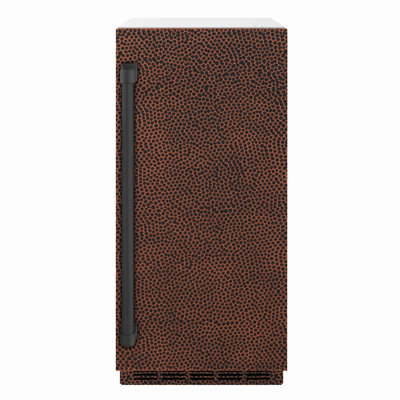
Built-in freezers are designed to seamlessly integrate into your kitchen cabinetry, providing a sleek and cohesive look. They offer ample storage space for frozen food items, making them a convenient choice for families and avid home cooks. Built-in freezers come in various sizes and configurations, including upright and drawer styles, to cater to different storage needs.
One of the main features of built-in freezers is their advanced temperature control systems. These systems ensure consistent and precise freezing temperatures, preserving the quality of your frozen goods. Additionally, many built-in freezers come with energy-efficient designs, which help reduce electricity consumption and lower utility bills.
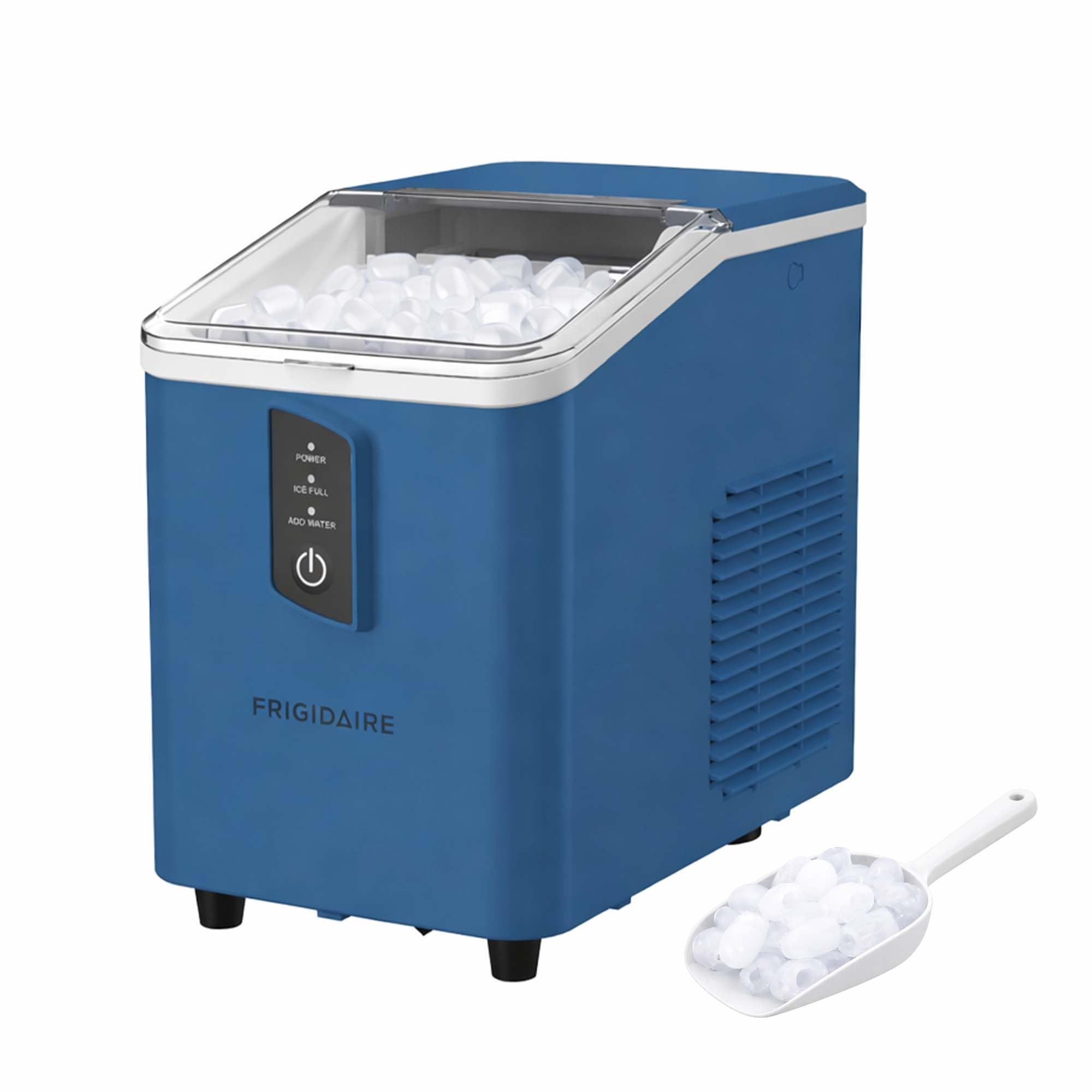
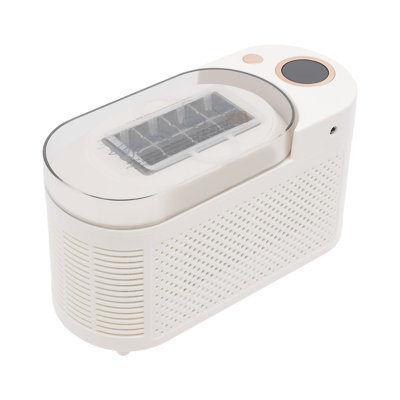
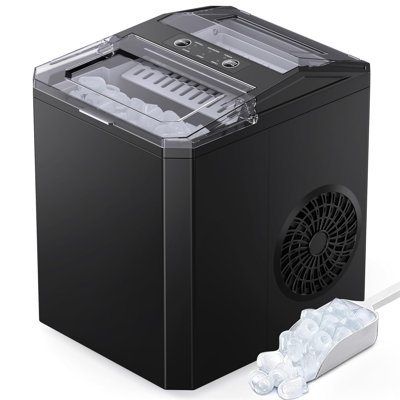
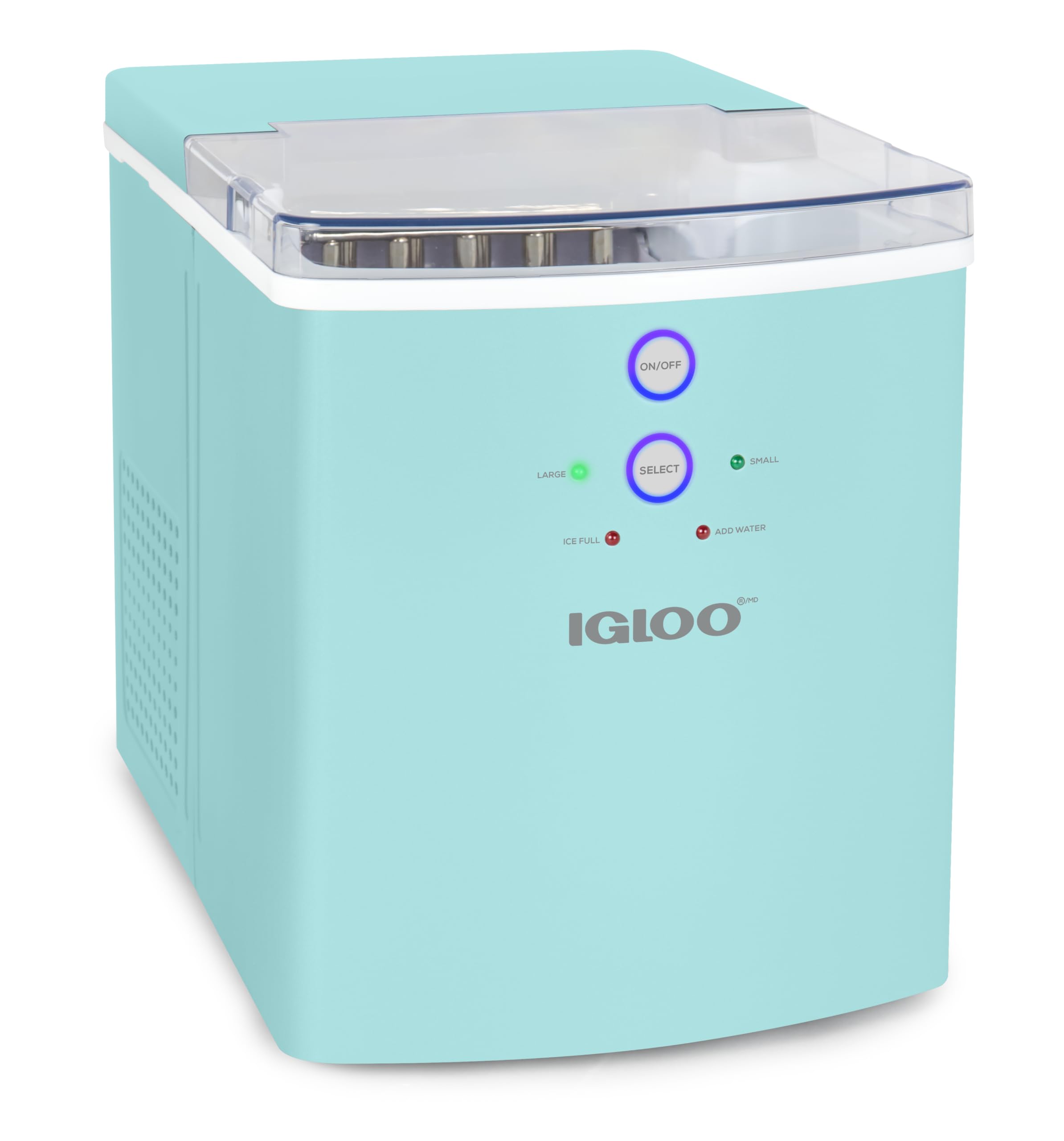
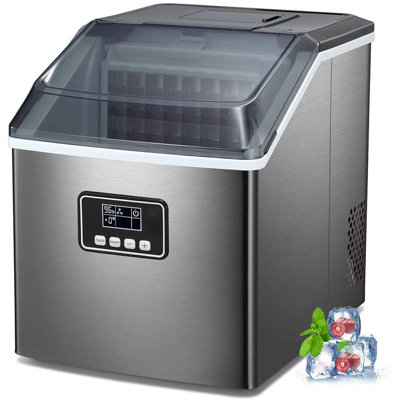
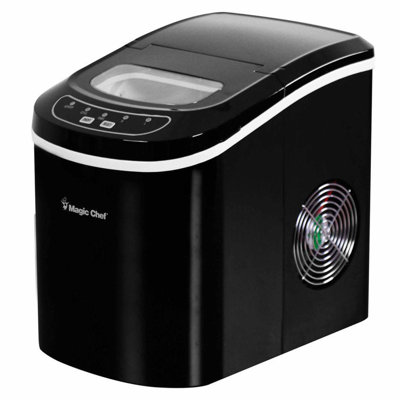
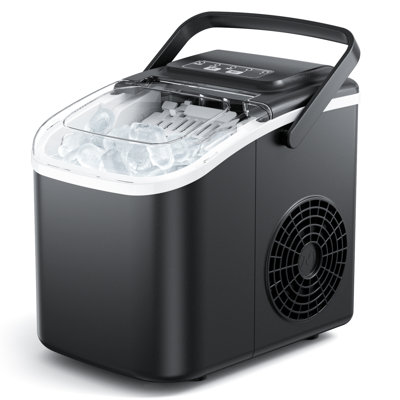
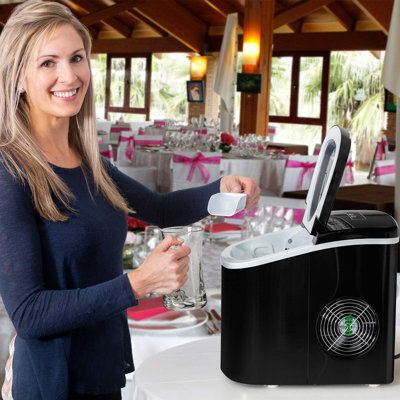
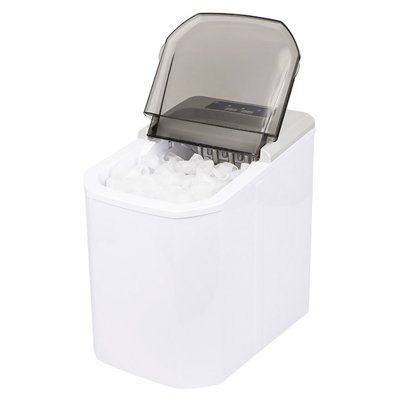
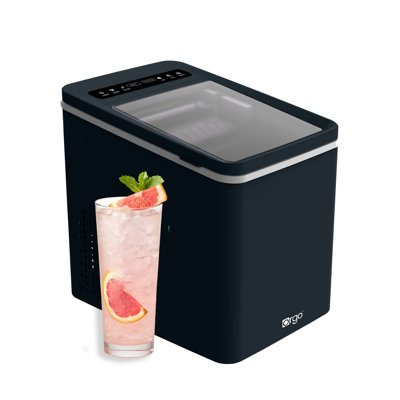
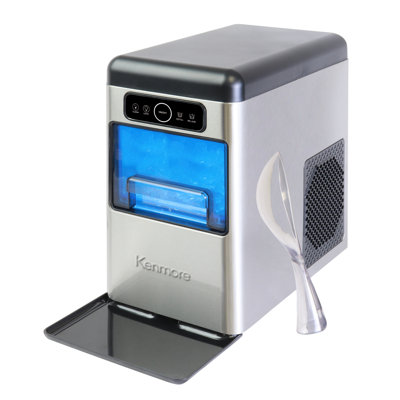
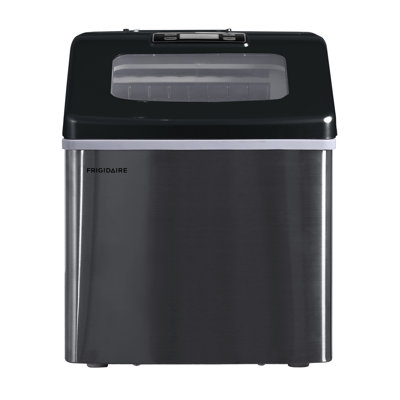
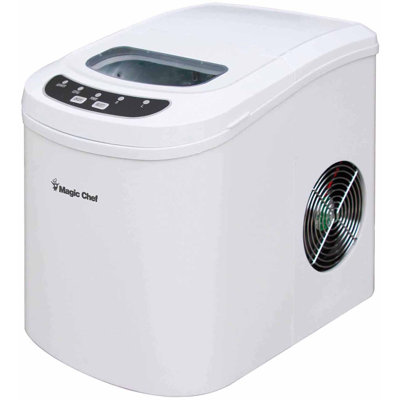
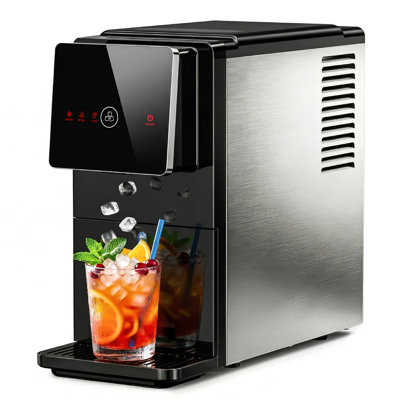
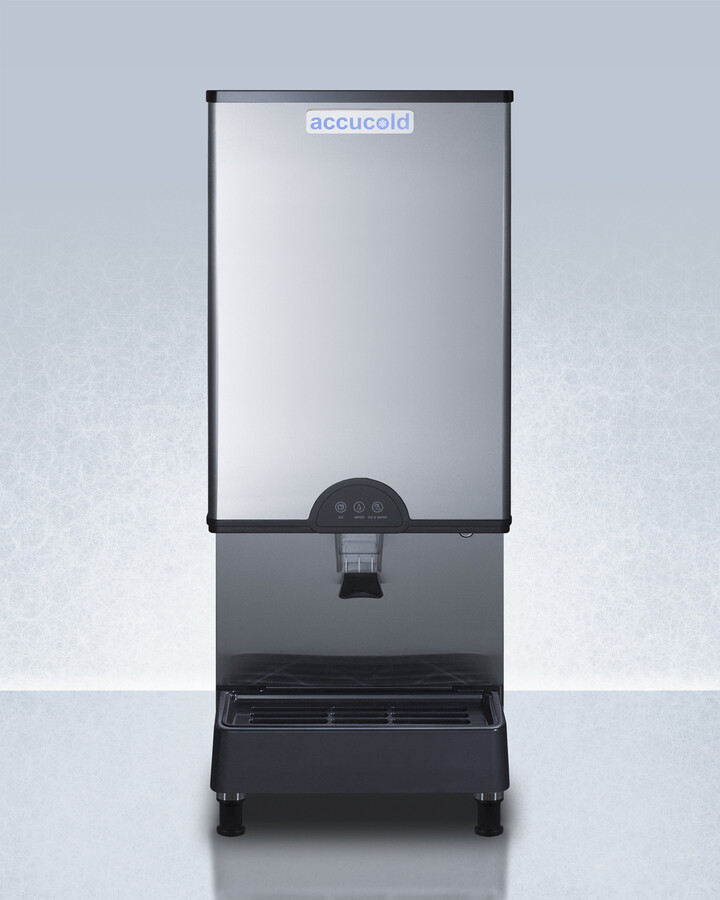
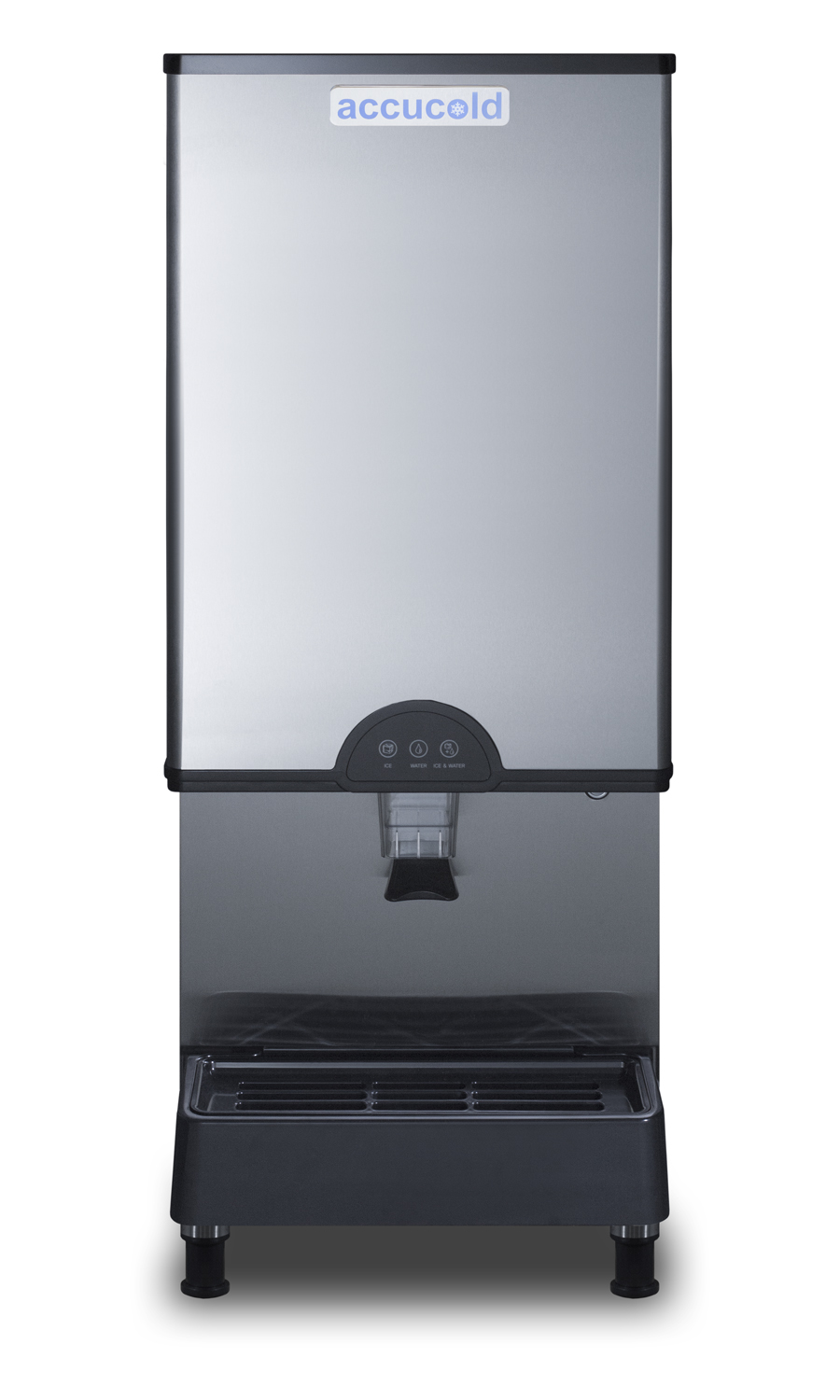
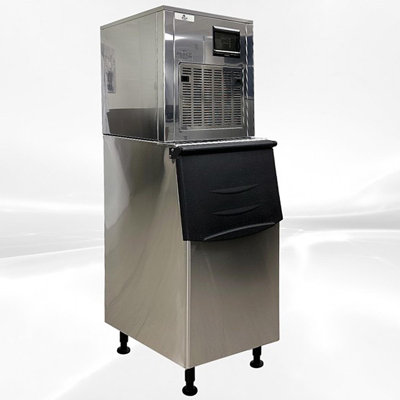
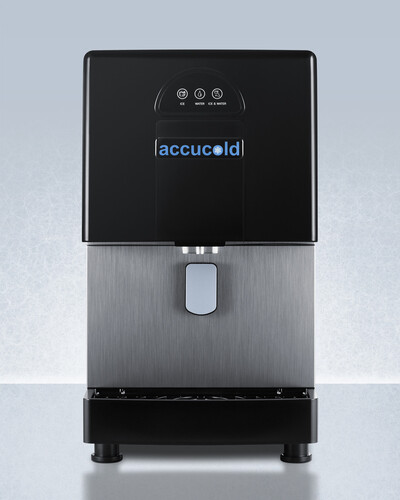
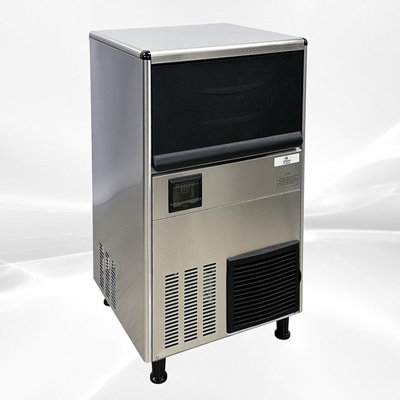
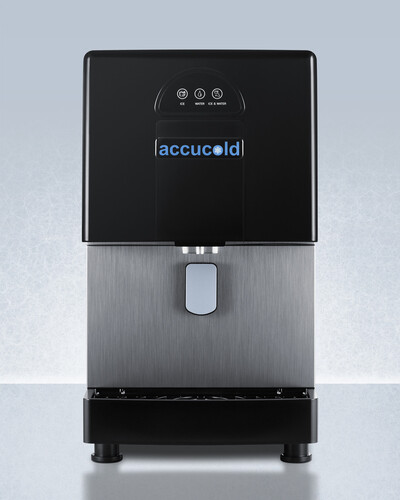
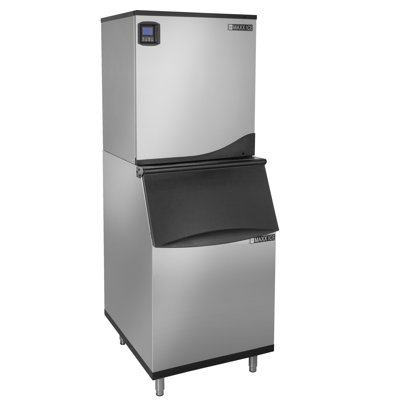
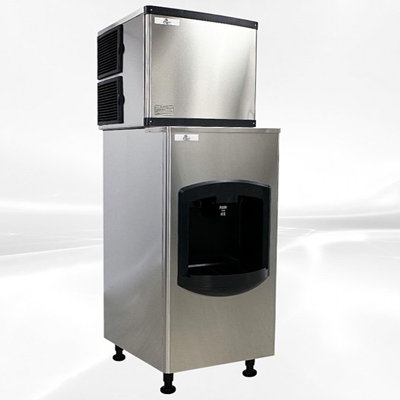
Built-in ice makers are specialized appliances designed to produce a steady supply of ice. Unlike traditional ice trays or refrigerator ice makers, built-in ice makers are dedicated units that can produce large quantities of ice quickly and efficiently. These units are perfect for households that frequently entertain guests or for those who need a constant supply of ice for beverages and cooking.
Built-in ice makers come in various sizes and styles, including under-counter and standalone models. They offer different ice production capacities, ensuring that you always have enough ice on hand. Additionally, many built-in ice makers feature advanced filtration systems, producing high-quality, clear ice that enhances the taste of your drinks.
When choosing a built-in freezer, several factors can influence your decision. This section will focus on capacity, storage space, temperature control, and efficiency.
Capacity and Storage Space
Capacity and storage space are critical when selecting a built-in freezer. The size of the freezer you need largely depends on your storage requirements. Larger families or those who entertain frequently may need more space to store food items.
Freezer Type
Capacity (Cubic Feet)
Suitable For
Small
5 - 10
Small families, individuals
Medium
10 - 20
Medium-sized families
Large
20+
Large families, entertaining
Built-in freezers often come with adjustable shelving and compartments, allowing you to organize your items efficiently. Make sure to assess your storage needs and choose a model that offers enough space for your lifestyle.
For more insights on how to compare freezer sizes, you can read Fridge.com article on column freezer Vs. standard fridge size.
Temperature Control and Efficiency
Temperature control and efficiency are essential features to consider when purchasing a built-in freezer. Efficient temperature control ensures that your food stays fresh for longer periods.
Most modern built-in freezers come with adjustable thermostats, allowing you to set the desired temperature easily. Some models also include digital displays for precise temperature monitoring.
Energy efficiency is another crucial factor. An energy-efficient built-in freezer can help reduce your electricity bills and minimize your environmental footprint. Look for models with Energy Star ratings or other energy efficiency certifications.
By considering capacity, storage space, temperature control, and efficiency, you can make an informed decision when choosing a built-in freezer. This will ensure that your freezer meets your needs and complements your kitchen setup efficiently.
Considerations for Built-In Ice Makers
Ice Production Capacity
When comparing built-in ice makers, one of the key factors to consider is the ice production capacity. This refers to the amount of ice the unit can produce within a 24-hour period. Depending on your needs, you may require a higher or lower production capacity.
Ice Maker Type
Daily Production Capacity (lbs)
Small Built-In Ice Maker
12 - 20
Medium Built-In Ice Maker
20 - 50
Large Built-In Ice Maker
50 - 100
For instance, if you frequently entertain guests or host parties, a larger ice maker with a higher production capacity will be more suitable. On the other hand, for everyday family use, a smaller unit may suffice. Understanding your specific needs will help you make an informed decision.
Ice Quality and Maintenance
The quality of ice produced and the maintenance requirements of the ice maker are also crucial considerations. Built-in ice makers can produce different types of ice, including clear, nugget, and crescent-shaped ice. Each type has its own benefits, depending on your preferences and usage.
Clear ice is often preferred for its purity and slower melting rate, making it ideal for beverages. Nugget ice is softer and chewable, favored by many for its texture. Crescent-shaped ice is common and melts at a moderate rate.
Ice Type
Characteristics
Clear Ice
Pure, Slow Melting
Nugget Ice
Soft, Chewable
Crescent Ice
Common, Moderate Melting
Maintenance is another important aspect to consider. Regular cleaning is essential to ensure the ice maker functions efficiently and produces high-quality ice. Many units come with self-cleaning features, which can simplify the maintenance process. For detailed guidance on maintaining your ice maker, refer to Fridge.com article on built in ice maker Vs. freestanding refrigerator.
By evaluating the ice production capacity and understanding the differences in ice quality and maintenance requirements, you can choose the best built-in ice maker that fits your lifestyle and needs. For more comparisons between different cooling appliances, check out Fridge.com articles on ice cream cooler Vs. wine chiller
When choosing between a built-in freezer and a built-in ice maker, understanding the installation and integration process is essential. This section will cover the steps and considerations for installing each appliance.
Built-In Freezer Installation
Installing a built-in freezer involves several steps to ensure it fits seamlessly into your kitchen or designated space. Here are the key considerations:
Space Requirements: Measure the area where the freezer will be installed to ensure it fits. Consider the dimensions and clearance needed for ventilation and door swing.
Electrical Needs: Built-in freezers require a dedicated electrical outlet. Ensure your kitchen or installation area has the necessary power supply.
Plumbing: Some built-in freezers may have ice-making capabilities, which require a water line connection.
Cabinetry Integration: Built-in freezers are designed to blend with your existing cabinetry. Ensure the surrounding cabinets are prepared for the installation, including any necessary modifications.
Consideration
Details
Space Requirements
Measure dimensions and clearance
Electrical Needs
Dedicated electrical outlet
Plumbing
Water line for ice-making models
Cabinetry Integration
Ensure compatibility with existing cabinets
For more details on freezer installation, check out Fridge.com comparison on column freezer Vs. standard fridge size.
Built-In Ice Maker Installation
Installing a built-in ice maker involves specific steps to ensure optimal performance and integration. Here are the primary considerations:
Space Requirements: Measure the area where the ice maker will be installed, making sure it fits and allows for proper ventilation.
Electrical Needs: Built-in ice makers require a dedicated electrical outlet. Confirm that the installation area has the appropriate power supply.
Plumbing: Ice makers need a continuous water supply. Ensure a water line is available and can be connected to the ice maker.
Cabinetry Integration: Like built-in freezers, ice makers should blend with your existing cabinetry. Prepare the surrounding cabinets for installation and any required modifications.
Consideration
Details
Space Requirements
Measure dimensions and clearance
Electrical Needs
Dedicated electrical outlet
Plumbing
Continuous water supply
Cabinetry Integration
Ensure compatibility with existing cabinets
For more insights on ice maker installation, visit Fridge.com article on built in ice maker Vs. freestanding refrigerator.
Understanding the installation and integration process for built-in freezers and ice makers will help you make an informed decision. Whether you prioritize capacity, temperature control, or ice quality, proper installation ensures your appliance functions efficiently and fits seamlessly into your space. For further comparisons, explore Fridge.com articles on garage freezer Vs. outdoor fridge and 4 door refrigerator Vs. kegerator.
When deciding between a built-in freezer and a built-in ice maker, it's essential to consider both the initial cost and the long-term maintenance requirements. This section will provide a clear comparison to help you make an informed decision.
Initial Cost Comparison
The initial cost of a built-in freezer versus a built-in ice maker can vary significantly based on factors such as size, features, and brand. Generally, built-in freezers tend to be more expensive due to their larger size and additional functionalities.
Appliance Type
Average Initial Cost ($)
Built-In Freezer
1,000 - 3,000
Built-In Ice Maker
500 - 2,000
Long-Term Maintenance Considerations
Maintenance is a crucial factor to consider when choosing between a built-in freezer and a built-in ice maker. Regular maintenance can extend the lifespan of the appliance and ensure optimal performance.
Built-In Freezer Maintenance:
Defrosting: Some built-in freezers require manual defrosting, while others have automatic defrost features. Manual defrosting can be time-consuming and labor-intensive.
Cleaning: Regular cleaning of the interior and exterior surfaces is necessary to prevent mold and odors.
Temperature Monitoring: Consistently monitoring and adjusting the temperature settings ensures efficiency and prevents spoilage.
Built-In Ice Maker Maintenance:
Cleaning the Ice Bin: Regular cleaning of the ice bin is essential to prevent the buildup of mineral deposits and ensure ice quality.
Filter Replacement: Ice makers often have water filters that need to be replaced periodically to maintain ice clarity and taste.
Descaling: Regular descaling helps prevent mineral buildup in the ice-making components, ensuring efficient operation.
Maintenance Task
Built-In Freezer
Built-In Ice Maker
Defrosting
Manual/Automatic
Not Applicable
Cleaning
Interior/Exterior
Ice Bin
Filter Replacement
Not Required
Required
Descaling
Not Required
Required
Understanding the cost and maintenance requirements can help you choose the right appliance for your needs. For more comparisons, check out Fridge.com articles on column freezer Vs. standard fridge size and built in ice maker Vs. freestanding refrigerator.
Compare prices on Fridge.com
Compare current prices and specifications on Fridge.com, then buy from the retailer you choose; delivery, installation and warranty terms are the retailer’s.
It also has tons of awesome articles about kitchen stuff and home news. Enhance your home, garage, backyard, patio, and office with the coolest essentials. With every necessary type of residential refrigerator or freezer in the collection, you're covered.
From Fridge.com research
Figures below come from data Fridge.com builds and maintains. Each links to the record behind it.
Fridge.com Energy Index, built on U.S. EPA and DOE ENERGY STAR records
Across 5,455 ENERGY STAR certified refrigerators and freezers from 263 brands, median use is 360 kWh per year.