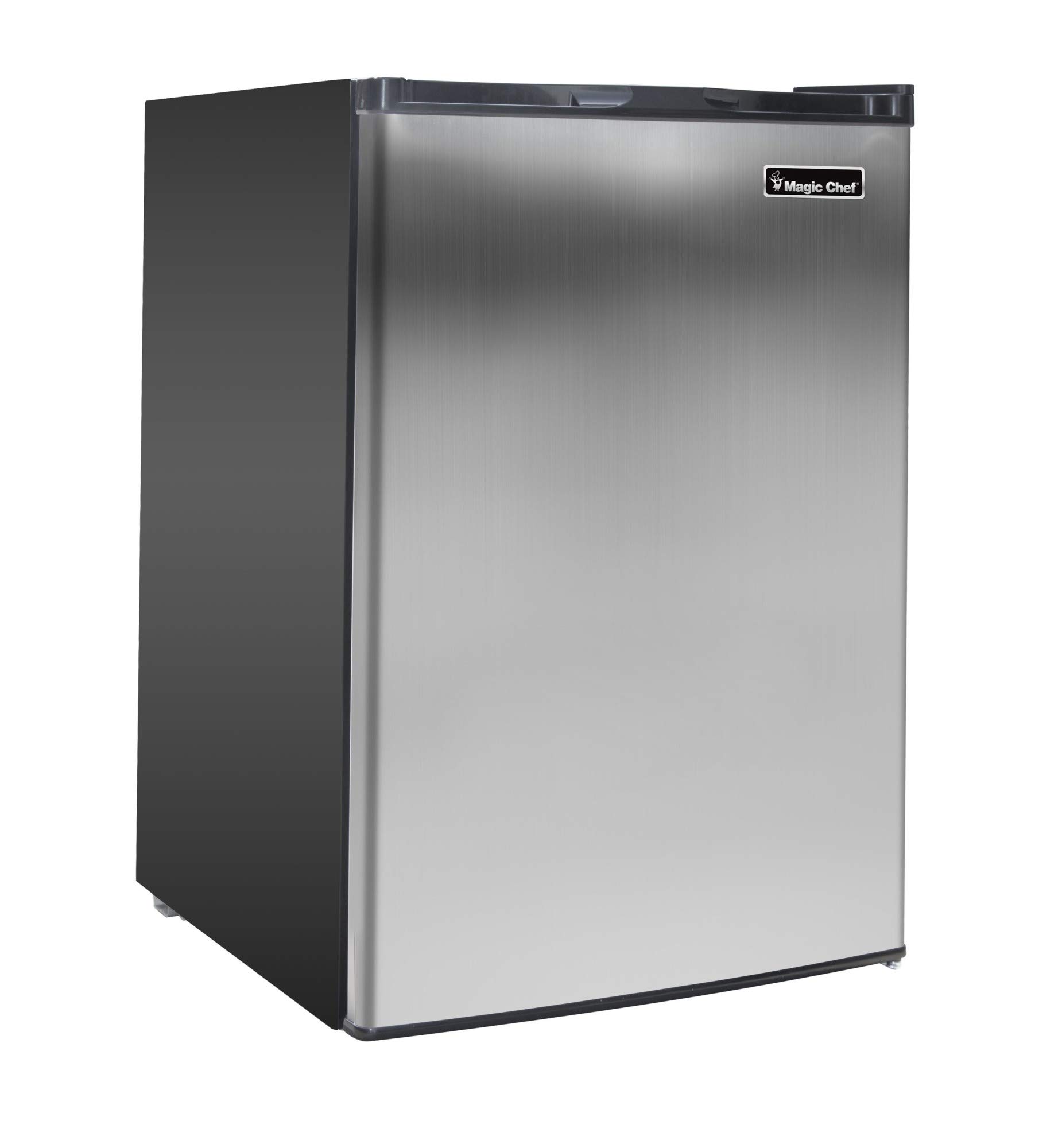
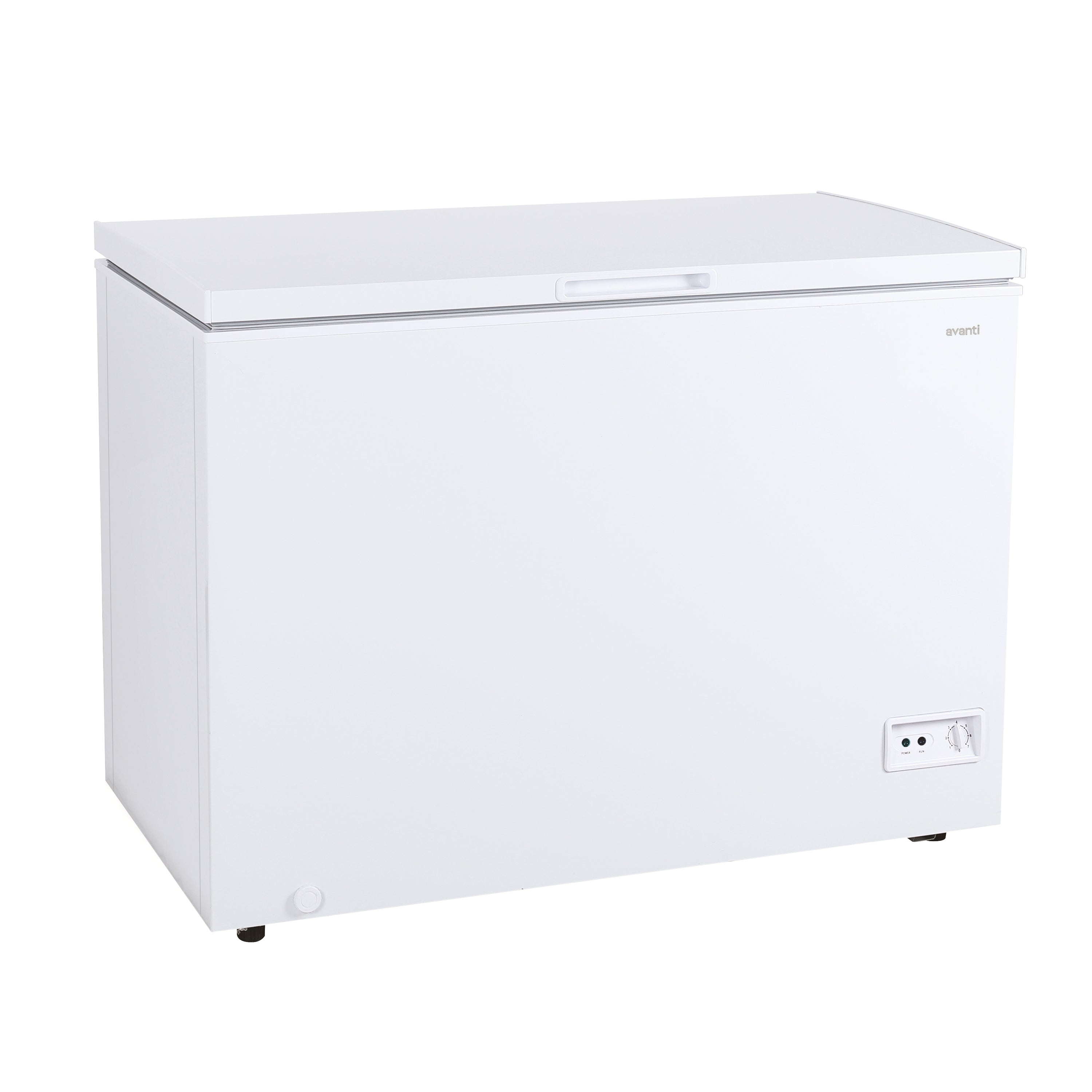
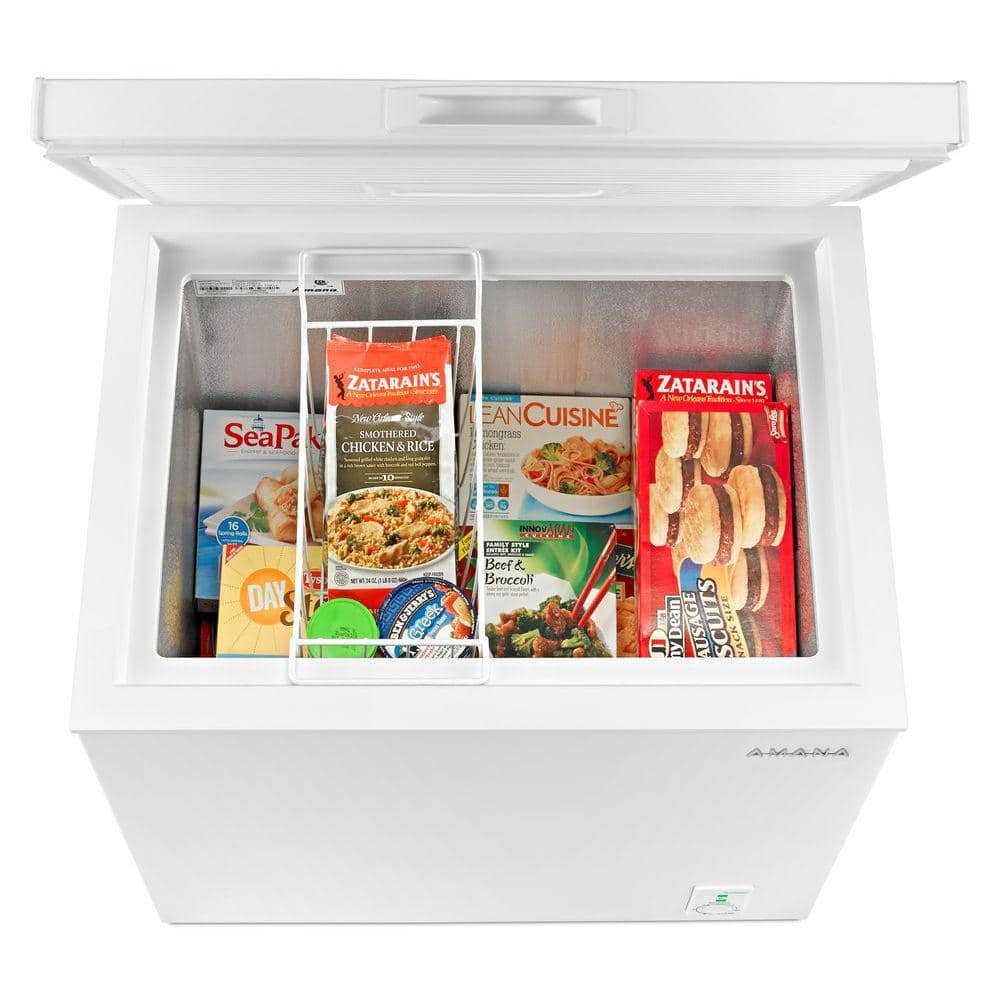
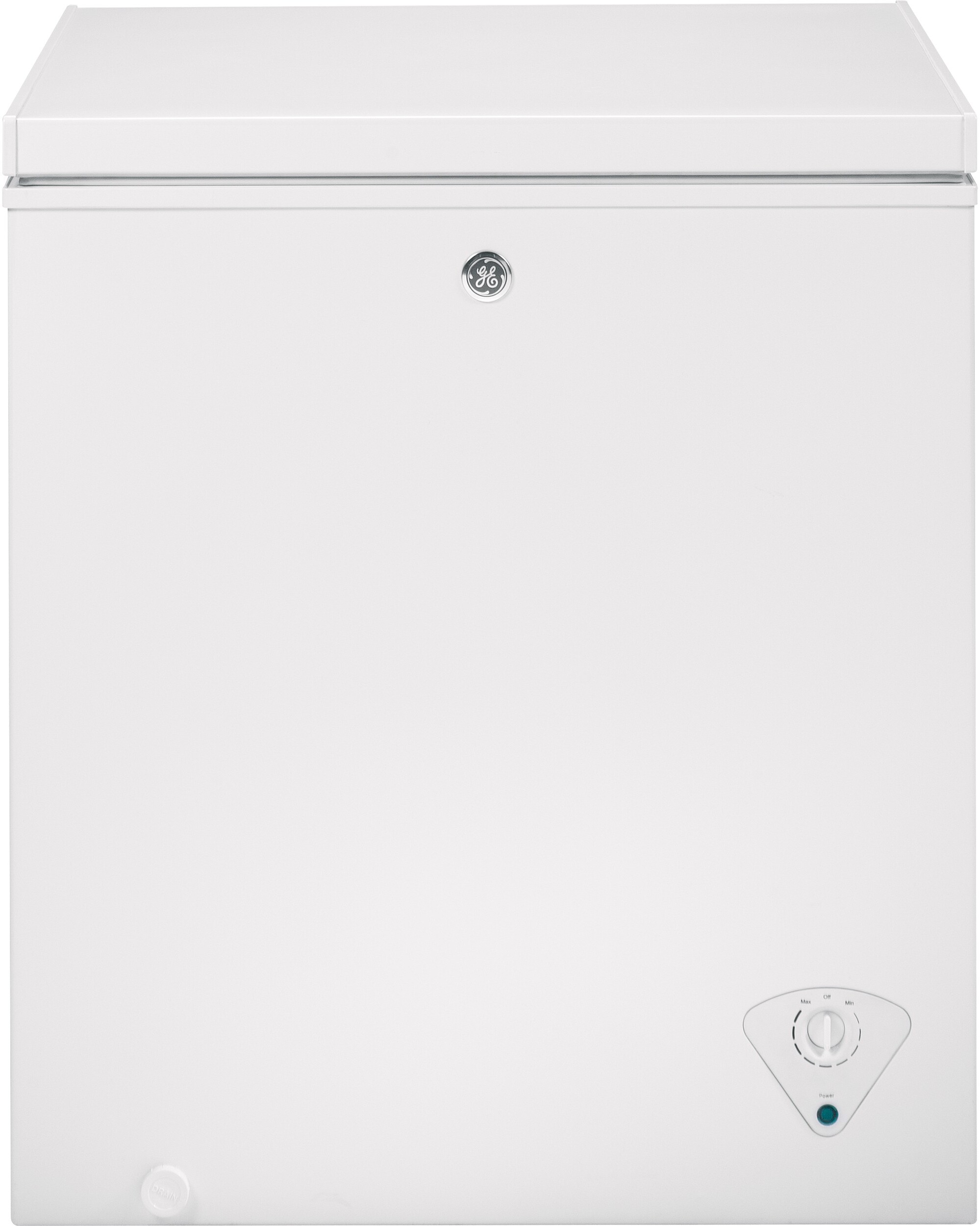
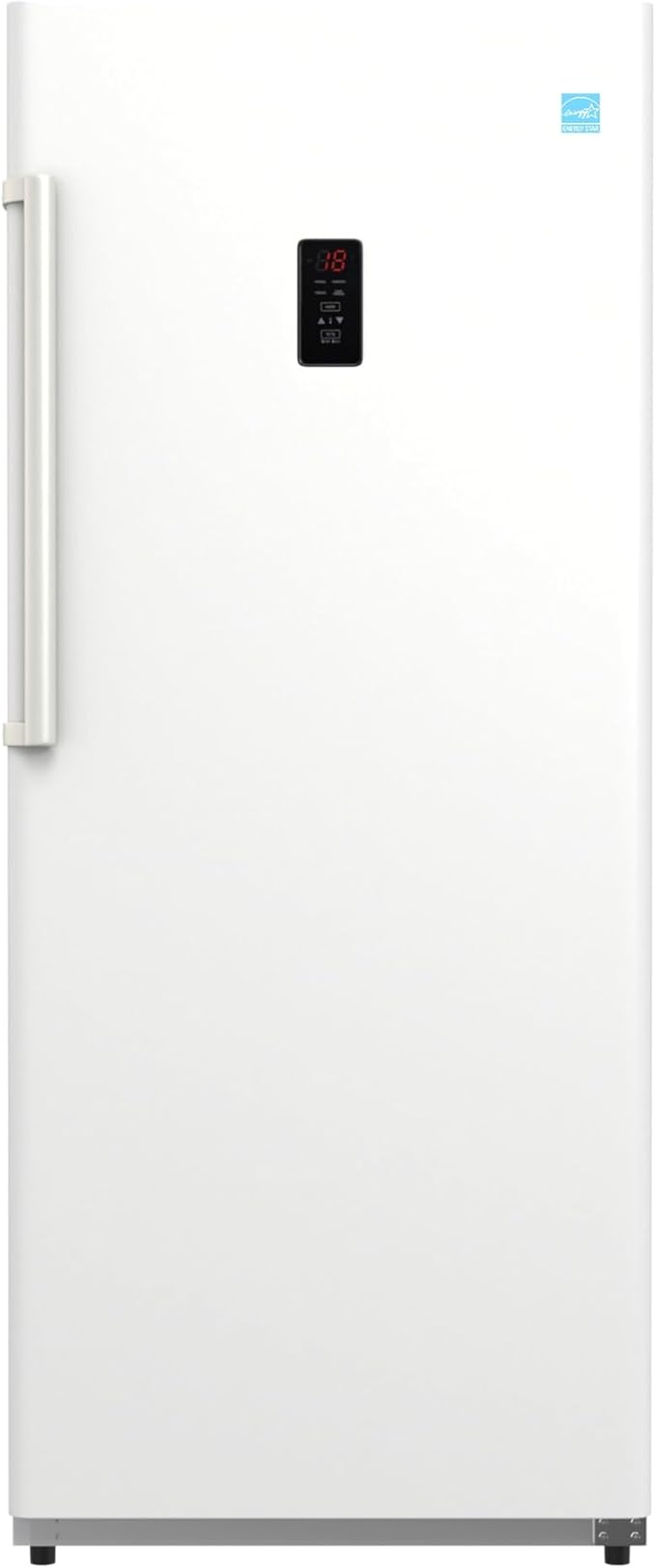
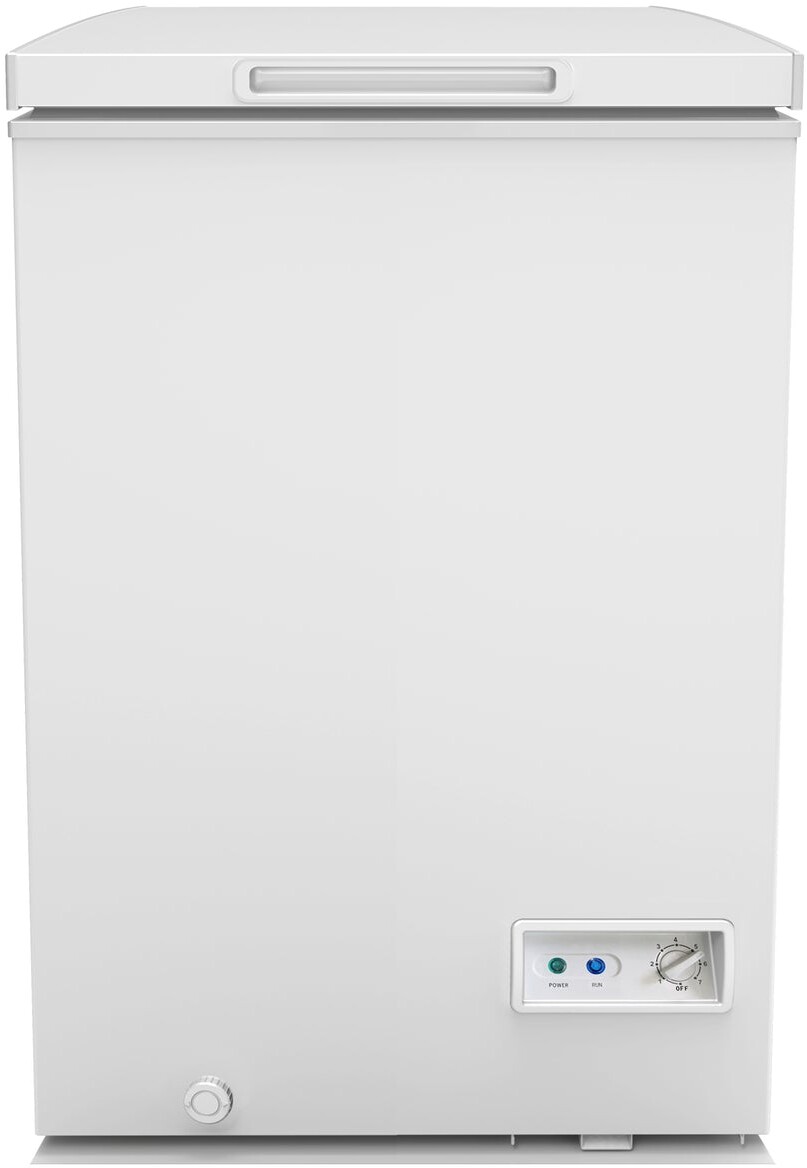
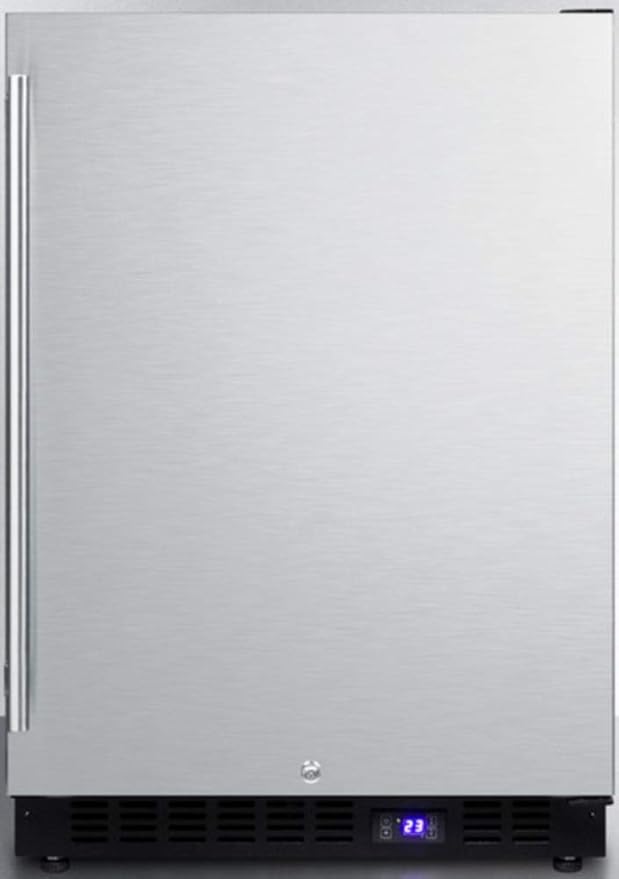
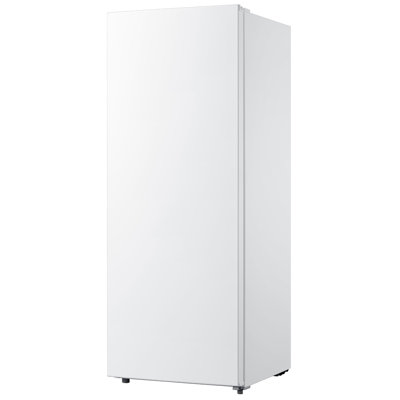
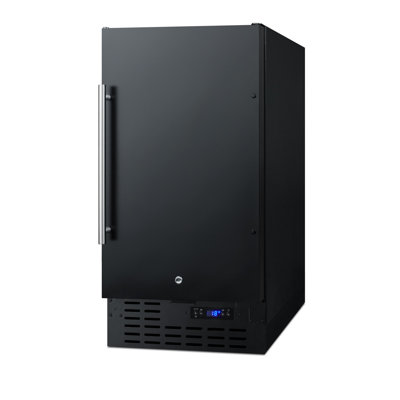
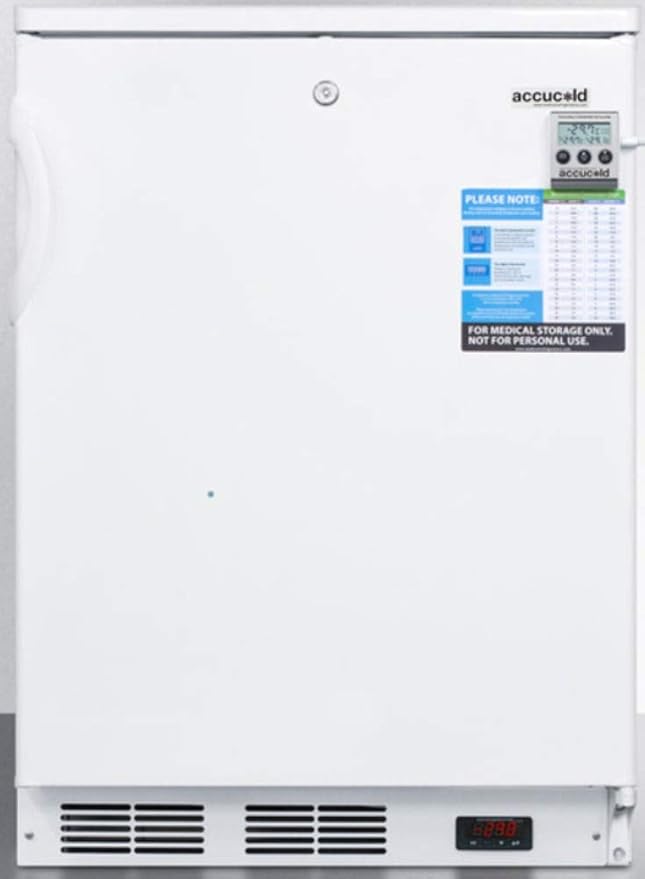
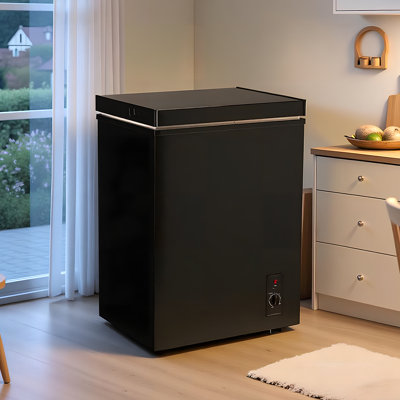
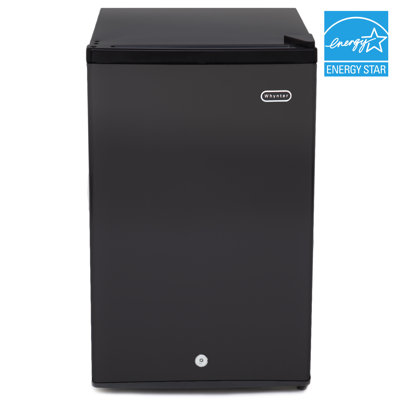
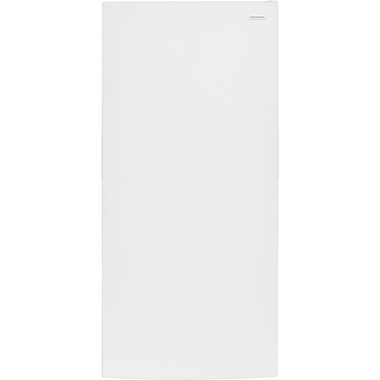
When deciding between a garage freezer and an outdoor fridge, it's essential to understand their purposes and the factors you should consider.
Understanding the Purpose
A garage freezer is typically used for additional storage of frozen foods, which is particularly useful for large families or those who buy in bulk. These freezers are designed to function efficiently in the varying temperatures of a garage environment. They offer ample space to store meats, vegetables, and ready-to-eat meals, making it easier to manage your food supply.
An outdoor fridge, on the other hand, is designed for use in outdoor settings like patios, decks, or near pools. These fridges are perfect for entertaining guests, keeping beverages cool, and storing perishable snacks. Outdoor fridges are built to withstand weather conditions and are often more robust in design compared to indoor fridges.
Factors to Consider
When comparing a garage freezer to an outdoor fridge, several factors come into play:
Temperature Control: A garage freezer must endure fluctuating temperatures, especially in non-insulated garages. It should maintain a consistent internal temperature to keep food safely frozen. Conversely, an outdoor fridge must handle external weather conditions, ensuring beverages and food items remain cool even on hot days. For more on temperature control, see Temperature Variations in the Garage.
Space and Size: The available space in your garage or outdoor area will influence your choice. Garage freezers generally require more space due to their larger size, while outdoor fridges are often more compact and can fit into smaller areas. You might find Fridge.com article on column freezer Vs. standard fridge size helpful for understanding space requirements.
Usage: Consider how you intend to use the appliance. If you need long-term storage for bulk purchases, a garage freezer is ideal. For frequent access to drinks and snacks during gatherings, an outdoor fridge is more suitable.
Maintenance: Both types require maintenance, but the conditions they face are different. Garage freezers may need to be defrosted periodically, while outdoor fridges require protection from elements like rain and direct sunlight. For maintenance tips, refer to Maintenance Tips for Garage Freezers and Maintenance and Protection for Outdoor Fridges.
Cost: The initial cost and operating expenses can vary. Garage freezers may have higher energy consumption due to their size and the need to maintain low temperatures in hot or cold garages. Outdoor fridges may have additional features like weatherproofing, impacting their cost.
A garage freezer offers several advantages, making it a valuable addition to your home. Here are some key benefits:
Extra Storage Space: A garage freezer provides additional storage capacity for bulk purchases, seasonal foods, and leftovers. This is particularly useful for large families or those who like to stock up on groceries.
Convenient Access: Having a freezer in the garage means you can keep frequently used items, such as ice cream or frozen meals, easily accessible without cluttering your indoor kitchen freezer.
Energy Efficiency: Many garage freezers are designed to be energy efficient, helping you save on electricity bills while keeping your food items frozen.
Organized Storage: With more space, you can organize your frozen items better, making it easier to locate and manage your food inventory.
Considerations for Placing a Freezer in the Garage
When considering placing a freezer in your garage, it's important to take a few factors into account:
Temperature Fluctuations: Garages can experience significant temperature variations, especially in extreme weather conditions. Ensure that your freezer is capable of operating efficiently within the garage's temperature range.
Space Requirements: Measure the available space in your garage to ensure the freezer fits comfortably without obstructing pathways or storage areas.
Accessibility: Place the freezer in a location that is easily accessible, allowing you to retrieve items without hassle.
Power Supply: Ensure that there is a reliable power source in the garage to support the freezer. Consider using a dedicated circuit to prevent overloading.
Maintenance Tips for Garage Freezers
Proper maintenance is crucial to ensure your garage freezer operates efficiently and has a long lifespan. Here are some maintenance tips:
Regular Cleaning: Clean the interior and exterior of the freezer regularly to prevent the buildup of dirt, dust, and food residues. Use a mild detergent and water solution for cleaning.
Defrosting: If your freezer is not frost-free, defrost it periodically to prevent ice buildup, which can affect its efficiency.
Temperature Monitoring: Keep an eye on the freezer's temperature to ensure it stays within the recommended range. Use a thermometer to monitor the temperature regularly.
Seal Check: Inspect the door seals for any cracks or damage. A faulty seal can lead to energy loss and reduced efficiency. Replace damaged seals promptly.
Ventilation: Ensure proper ventilation around the freezer to allow heat to dissipate. Avoid placing items on top of or around the freezer that could obstruct airflow.
By considering these factors and following proper maintenance tips, you can ensure your garage freezer remains efficient and reliable. For more information on different types of freezers and fridges, explore Fridge.com comparison guides such as chest freezer Vs. small refrigerator and garage refrigerator Vs. smart fridge.
Outdoor Fridge
Advantages of an Outdoor Fridge
An outdoor fridge offers numerous benefits, especially for those who enjoy outdoor entertaining. One of the main advantages is the convenience it provides. Having a refrigerator outside means you don't have to constantly run back inside to grab drinks and snacks during a BBQ or pool party. This allows for seamless entertaining and keeps your guests satisfied.
Another benefit is the additional storage space. Outdoor fridges can help you manage overflow from your indoor refrigerator, particularly useful during holidays or large gatherings. They are designed to withstand varying weather conditions, making them durable and reliable for outdoor use.
Advantage
Description
Convenience
Easy access to food and drinks without going inside
Extra Storage
Supplements indoor fridge space, ideal for large gatherings
Weather Resilience
Built to withstand outdoor elements, ensuring long-term functionality
Choosing the Right Outdoor Fridge
When selecting an outdoor fridge, several factors should be considered to ensure it meets your needs. First, think about the size and capacity. The fridge should be large enough to store the items you frequently use but not so large that it becomes inefficient.
Consider the type of cooling system. Some outdoor fridges use compressor cooling, which is effective in maintaining consistent temperatures even in hot weather. Others use thermoelectric cooling, which is quieter but less effective in extreme temperatures.
Also, look for features like adjustable shelves, door locks, and energy efficiency. These can enhance the functionality and convenience of your outdoor fridge.
Factor
Considerations
Size and Capacity
Ensure it meets your storage needs without being overly large
Cooling System
Compressor Vs. thermoelectric, depending on your climate
Additional Features
Adjustable shelves, door locks, energy efficiency
Maintenance and Protection for Outdoor Fridges
Proper maintenance is crucial for the longevity of your outdoor fridge. Regularly clean the interior and exterior to prevent mold and rust. Check the seals on the doors to ensure they are not compromised, as this can affect the fridge's efficiency.
Protecting your outdoor fridge from extreme weather is also important. If you live in an area with harsh winters, consider unplugging and covering the fridge during the off-season. For those in rainy climates, using a weather-resistant cover can protect the appliance from moisture.
Maintenance Task
Description
Regular Cleaning
Clean both interior and exterior to prevent mold and rust
Seal Check
Ensure door seals are intact to maintain efficiency
Weather Protection
Use covers during extreme weather and consider unplugging during off-season
By understanding the advantages, choosing the right model, and maintaining your outdoor fridge properly, you can enjoy the benefits it brings to your outdoor living space. For more comparisons on different types of fridges, check out Fridge.com articles on black stainless refrigerator Vs. garage refrigerator and retro mini fridge Vs. wine refrigerator.
When considering a garage freezer, it's crucial to understand the temperature fluctuations that can occur in a garage environment. Garages are often uninsulated spaces, leading to significant temperature variations throughout the year. These fluctuations can impact the performance and efficiency of your freezer.
Season
Typical Garage Temperature (°F)
Ideal Freezer Temperature (°F)
Winter
30 - 50
0
Summer
80 - 100+
0
Given these variations, it's important to ensure your garage freezer is designed to handle extreme temperatures. Some freezers are equipped with features that allow them to operate efficiently in unconditioned spaces, maintaining consistent internal temperatures despite external changes. For more on choosing the right freezer, visit Fridge.com article on column freezer Vs. standard fridge size.
Weather Factors for Outdoor Fridges
Outdoor fridges face a different set of challenges compared to garage freezers. They must withstand varying weather conditions, including rain, snow, and direct sunlight. The construction of outdoor fridges typically includes weatherproof materials and seals to protect against these elements.
Weather Condition
Potential Impact on Fridge
Rain/Snow
Moisture damage, rusting
Direct Sunlight
Overheating, UV damage
Freezing Temperatures
Reduced efficiency, possible damage to cooling system
To choose a suitable outdoor fridge, you should look for models specifically rated for outdoor use. These fridges often come with enhanced insulation and weather-resistant features. Check out Fridge.com comparison of outdoor fridge Vs. standard fridge size for more information.
Impact on Food Storage
Both garage freezers and outdoor fridges can impact the quality and safety of your stored food if not properly managed. Consistent temperature control is essential to prevent food spoilage and ensure longevity.
Appliance
Potential Issues
Solutions
Garage Freezer
Temperature fluctuations, power outages
Use a freezer rated for garage use, install a backup power source
Outdoor Fridge
Weather exposure, temperature extremes
Choose a weatherproof fridge, ensure proper ventilation
Maintaining a consistent internal temperature is key to preserving the quality of your food. Regularly check and adjust the settings of your appliance to match the surrounding environment. For tips on proper food storage, read Fridge.com guide on fridge freezer combo Vs. outdoor freezer.
Understanding these factors will help you make an informed decision when choosing between a garage freezer and an outdoor fridge. Both options have their unique challenges and benefits, so consider your specific needs and environment before making a choice.
Proper installation and ease of access are crucial when deciding between a garage freezer and an outdoor fridge. This section covers key considerations to ensure optimal performance and convenience.
Location Considerations
When choosing a location for your garage freezer or outdoor fridge, consider space, ventilation, and environmental factors. For a garage freezer, ensure the area is dry and away from direct sunlight to prevent overheating. Outdoor fridges require weather-resistant placement, ideally under a shade or a covered patio.
Feature
Garage Freezer
Outdoor Fridge
Space
Requires adequate room for airflow
Needs sheltered area
Ventilation
Must have proper airflow
Requires weather protection
Environment
Avoid direct sunlight
Place in shaded area
Power Source Requirements
Both garage freezers and outdoor fridges require a reliable power source. Ensure the electrical supply is suitable for the appliance's power needs. For garages, a dedicated outlet is often recommended. Outdoor fridges may need weather-proof electrical outlets to safeguard against moisture.
Requirement
Garage Freezer
Outdoor Fridge
Power Supply
Dedicated outlet preferred
Weather-proof outlet necessary
Voltage
Standard household voltage
Standard household voltage
Protection
Surge protector recommended
GFCI outlet for safety
Accessibility for Regular Use
Accessibility is another important factor. For a garage freezer, ensure there is enough space to open the door fully and maneuver around the unit. Outdoor fridges should be placed in a convenient spot for easy access, especially if frequently used during gatherings.
Aspect
Garage Freezer
Outdoor Fridge
Door Clearance
Ensure full door swing
Easy access during use
Maneuverability
Ample room for movement
Convenient placement for events
Frequency of Use
Suitable for less frequent access
Ideal for regular outdoor entertaining
Choosing the right appliance involves understanding these installation and accessibility factors. For more detailed comparisons, explore articles like column freezer Vs. standard fridge size and garage refrigerator Vs. smart fridge.
Compare prices on Fridge.com
Compare current prices and specifications on Fridge.com, then buy from the retailer you choose; delivery, installation and warranty terms are the retailer’s.
It also has tons of awesome articles about kitchen stuff and home news. Enhance your home, garage, backyard, patio, and office with the coolest essentials. With every necessary type of residential refrigerator or freezer in the collection, you're covered.
Free tool
Food Storage Calculator
Free interactive tool from Fridge.com — get a quick answer while you read.