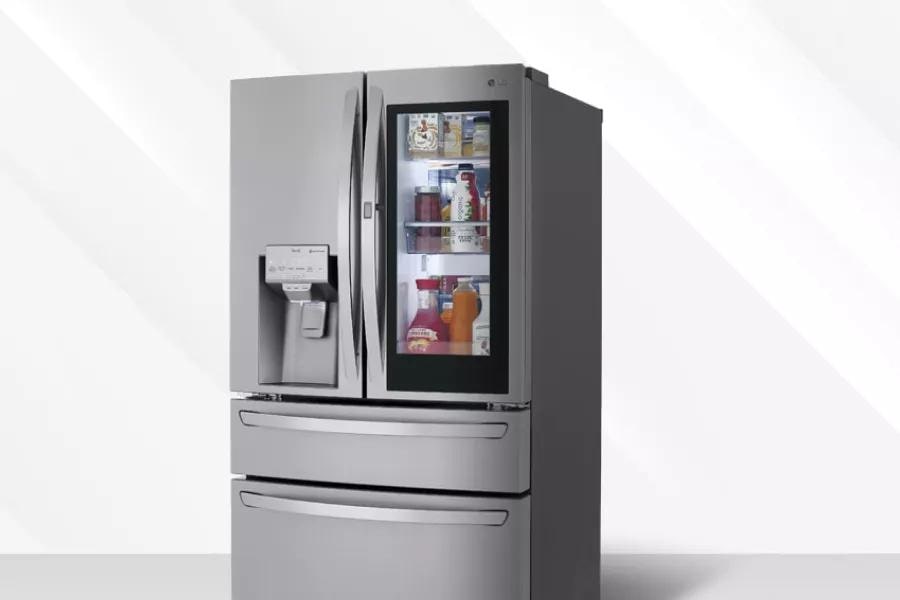
Before investing in a refrigeration appliance, it's crucial to evaluate the space available to you and your specific needs. Consider the dimensions of the area where you plan to place the unit, ensuring there's sufficient airflow and electrical access. Evaluate how the appliance will serve your lifestyle, whether for storing beverages, preserving food, or indulging in frozen treats. Assessing your space and requirements is the first step to ensuring that the appliance you choose will fit seamlessly into your environment.
The Importance of Choosing the Right Appliance
Selecting the appropriate refrigeration unit is essential for both functionality and efficiency. The right choice can lead to energy savings, optimal performance, and longevity of the appliance. It's important to weigh the differences between a bottle refrigerator and an ice cream cooler, as they are designed to meet different needs. Bottle refrigerators are tailored for drinks, maintaining temperatures that keep beverages at their best, while ice cream coolers are designed to store frozen desserts at consistent sub-zero temperatures. This distinction is key to prevent spoilage and to ensure the quality of your refreshments or treats. Making an informed decision based on your refrigeration needs will contribute to a more organized and enjoyable living or work space.
When you're a connoisseur of beverages or love to entertain, a bottle refrigerator is a specialized appliance designed to cater to your needs, ensuring your drinks are chilled to perfection.
How Bottle Refrigerators Work
Bottle refrigerators are engineered to create an optimal environment for storing drinks, from sodas to fine wines. They achieve this through a combination of consistent temperature control, humidity regulation, and sometimes UV protection to preserve the quality of your beverages. The cooling mechanism typically involves a compressor or thermoelectric system that maintains a steady temperature, which is key for preventing fluctuations that could potentially affect the taste and integrity of your drinks.
Ideal Uses for a Bottle Refrigerator
The prime use of a bottle refrigerator is to store drinks at their ideal serving temperatures. They excel in environments where you aim to have a variety of beverages ready for immediate enjoyment, whether that's in your home, apartment, or even a commercial setting. Bottle refrigerators are versatile and can be used for:
Chilling wine to the perfect temperature for unlocking its full flavor profile.
Keeping craft beers at a consistent coolness to maintain their character.
Storing soft drinks, ensuring they are always refreshing.
These refrigerators are particularly beneficial for those who frequently entertain guests and desire a selection of chilled beverages on hand, without overburdening their primary refrigerator.
Key Features of Bottle Refrigerators
Bottle refrigerators come with a range of features designed to preserve and present your drink collection. Key attributes include:
Adjustable shelves to accommodate various bottle sizes and shapes.
Temperature zones for storing different types of beverages at their ideal temperatures.
LED lighting that showcases your collection without the heat of traditional bulbs.
Feature
Benefit
Temperature Control
Ensures beverages are chilled to the perfect temperature.
UV-Resistant Glass
Protects drinks from sunlight which can degrade quality.
Vibration Reduction
Minimizes disturbance, preserving the integrity of your beverages.
For those weighing their options between different types of cooling appliances, considering the specific benefits of a bottle refrigerator can help in making an informed decision. Explore Fridge.com comparisons, such as mini fridge with freezer Vs. wine cooler and beer keg cooler Vs. undercounter beverage cooler, to understand how a bottle refrigerator might be the best choice for your beverage storage needs.
Ice Cream Cooler: Keeping Treats at the Perfect Temperature
When you're passionate about your frozen treats, it's essential to have an ice cream cooler that maintains the perfect conditions for your ice cream. Understanding the functionality, optimal storage conditions, and main characteristics of ice cream coolers can help you preserve the texture and flavor of your favorite dessert.
Functionality of Ice Cream Coolers
Ice cream coolers, also known as ice cream freezers, are designed specifically to store ice cream at the ideal serving conditions. Unlike regular freezers that may have fluctuating temperatures, ice cream coolers provide a consistent cold environment that is critical for keeping ice cream at its best.
These coolers usually come with specialized features such as adjustable temperature controls, allowing you to set the perfect chill level for different types of ice cream, from soft serve to gelato. Some models also include anti-frost functions to prevent ice crystal formation, which can ruin the smoothness of your ice cream.
Optimal Conditions for Storing Ice Cream
To preserve the quality of ice cream, it's crucial to understand the optimal storage conditions. Ice cream should be kept at a steady temperature to prevent it from becoming too hard or too soft. The ideal temperature range for storing ice cream is typically between -5°F and 0°F (-20°C to -18°C).
Ice Cream Type
Ideal Storage Temperature (°F)
Standard Ice Cream
-5 to 0
Gelato
10 to 15
Soft Serve
18 to 22
Consistency in temperature is key, as fluctuations can lead to a loss of quality, texture, and flavor. Ensuring your ice cream cooler can maintain this range is essential for ultimate enjoyment of your frozen treats.
Main Characteristics of Ice Cream Coolers
Ice cream coolers differ from other cooling appliances in several ways. They are often equipped with heavy-duty insulation to keep the cold air in and the warm air out. The doors of ice cream coolers are typically designed to provide a tight seal, which also aids in maintaining a consistent temperature.
Another feature to consider is the interior design. Many ice cream coolers come with baskets or compartments that make organizing and accessing different flavors or products a breeze. Additionally, some units offer digital displays for precise temperature monitoring and controls for easy adjustments.
In terms of size and capacity, ice cream coolers vary widely. Some are compact enough to fit under a counter in a home setting, while others are larger, commercial-grade units fit for an ice cream parlor or large gatherings.
Size
Dimensions (W x D x H)
Capacity
Small
24" x 24" x 34"
5-7 cu ft
Medium
36" x 24" x 34"
8-12 cu ft
Large
48" x 24" x 34"
13-20 cu ft
Choosing the right ice cream cooler involves considering your space, the amount of ice cream you wish to store, and your personal preferences. For further comparisons between different types of coolers, you may find Fridge.com articles on chest freezer Vs. ice cream cooler and counter depth refrigerator Vs. ice cream freezer chest insightful.
Comparing Bottle Refrigerators and Ice Cream Coolers
When deciding between a bottle refrigerator and an ice cream cooler, understanding the differences in temperature ranges, size, and energy efficiency can guide you to the appliance that best fits your needs.
Temperature Ranges and Control
Both bottle refrigerators and ice cream coolers are designed to maintain specific temperature ranges suitable for their contents. However, these ranges differ significantly due to the nature of the items they're intended to store.
Appliance Type
Temperature Range
Bottle Refrigerator
35°F to 50°F
Ice Cream Cooler
-20°F to 10°F
Bottle refrigerators typically have a higher temperature range, ideal for chilling drinks without freezing them. This range keeps beverages at an optimal drinking temperature. Conversely, ice cream coolers maintain a much lower temperature, necessary to keep ice cream frozen and prevent melting. Most models in both categories offer adjustable temperature controls, allowing for precise settings based on your requirements. Learn more about temperature regulation in our beer keg cooler Vs. undercounter beverage cooler comparison.
Size and Capacity Considerations
The size and capacity of your appliance are crucial, especially if space is a concern in your home or business. Bottle refrigerators generally come in a variety of sizes, from small, under-counter models to larger, freestanding units. Ice cream coolers, on the other hand, tend to be larger to accommodate the extra insulation required for their lower operating temperatures.
Appliance Type
Typical Capacity
Bottle Refrigerator
20 to 200 bottles
Ice Cream Cooler
5 to 25 cubic feet
When choosing between the two, consider how much space you have available and the volume of items you need to store. If you're interested in comparing other refrigeration sizes, you might find Fridge.com article on drawer freezer Vs. wine cooler helpful.
Energy Efficiency and Consumption
Energy efficiency is an important factor when selecting an appliance, as it affects long-term operating costs and environmental impact. Bottle refrigerators tend to be more energy-efficient due to their higher operating temperatures, which require less energy to maintain. Ice cream coolers, given their need to keep contents frozen, generally consume more energy.
Appliance Type
Energy Consumption
Bottle Refrigerator
Lower
Ice Cream Cooler
Higher
When comparing energy consumption, look for appliances with Energy Star ratings or those that advertise energy-saving features. This can lead to significant savings on your electricity bills over time. For more insights into energy efficiency, check out Fridge.com comparison of energy efficient refrigerator Vs. freestanding drawer refrigerator.
In summary, your decision between a bottle refrigerator and an ice cream cooler should be based on the specific temperature requirements for your beverages or frozen treats, the size and capacity that your space can accommodate, and the importance of energy efficiency for your household or business. Each type of appliance offers unique benefits tailored to its intended use, so consider your lifestyle and needs carefully before making a choice.
Specific Considerations for Your Home
When you're making the decision between a bottle refrigerator and an ice cream cooler, there are several home-specific factors to consider. These include the placement and installation of the appliance, the maintenance it will require, and the cost implications of your choice.
Location and Installation
Before selecting your appliance, consider where it will reside in your home. Do you have space under the counter, or will it be freestanding? Measure your available space to ensure a good fit and allow for proper ventilation, which is crucial for the appliance's performance and longevity.
Appliance Type
Common Installation Locations
Bottle Refrigerator
Kitchen, home bar, game room
Ice Cream Cooler
Kitchen, pantry, basement
Installation might require professional services, especially if you opt for a built-in model. Ensure you have the necessary electrical outlets and, in some cases, water supply if the appliance has an ice maker. For insights on different cooling solutions and their installation requirements, you might find Fridge.com articles on mini fridge with freezer Vs. wine cooler or beer keg cooler Vs. undercounter beverage cooler helpful.
Maintenance and Upkeep
The upkeep of your appliance is crucial to its performance. Both bottle refrigerators and ice cream coolers require regular cleaning to avoid odors and maintain hygiene. However, the maintenance demands can vary:
Appliance Type
Maintenance Tasks
Bottle Refrigerator
Wiping shelves, cleaning the glass door
Ice Cream Cooler
Defrosting, cleaning interior surfaces
For a bottle refrigerator, maintaining the seals and temperature control mechanisms is key. Ice cream coolers may need more frequent defrosting to prevent ice build-up. Fridge.com articles on maintaining a beer keg cooler or keeping an ice cream cooler in top shape offer more detailed guidance.
Cost Implications
The cost of bottle refrigerators and ice cream coolers can vary widely based on size, features, and energy efficiency. Here's a basic cost comparison:
Appliance Type
Average Cost Range
Bottle Refrigerator
$150 - $600
Ice Cream Cooler
$200 - $800
However, the initial purchase price is only part of the overall cost. Consider energy consumption, as this will affect your utility bills over time. Look for energy-efficient models to save money in the long run. For more information on energy considerations, explore Fridge.com articles on energy efficient refrigerator Vs. freestanding drawer refrigerator or smart fridge Vs. wine fridge.
By taking into account the location, maintenance, and cost implications, you can make a more informed decision that aligns with your home setup and personal preferences. Whether you opt for a bottle refrigerator or an ice cream cooler, ensure that it meets your needs and fits seamlessly into your living space.
When faced with the decision between a bottle refrigerator and an ice cream cooler, you must consider your everyday lifestyle, entertainment habits, and future needs. Balancing functionality with design will ensure that your choice not only fulfills your requirements but also complements your living space.
Evaluating Your Lifestyle and Entertaining Habits
Reflect on how frequently you entertain guests and the types of gatherings you host. If you often find yourself hosting parties where chilled beverages are in high demand, a bottle refrigerator might suit your needs better, providing easy access to an assortment of drinks for your guests. On the other hand, if you delight in serving desserts and love homemade ice cream, an ice cream cooler could be the ideal addition to your entertainment arsenal.
Consider how these appliances fit into your daily life. If you're someone who enjoys a chilled glass of wine at the end of the day, a bottle refrigerator could be a convenient luxury. Alternatively, if your household cherishes ice cream treats, especially during the warmer months, an ice cream cooler could be a source of daily joy.
Anticipating Future Requirements
Think ahead about any changes that might be on the horizon. Are you planning a move to a larger space or downsizing to a smaller residence? Will the size of your family or social circle change, affecting how you use your kitchen and entertainment areas?
Assessing future needs helps you avoid the pitfalls of choosing an appliance that might become inadequate or excessive down the line. A bottle refrigerator could be the perfect size now, but if you're expecting your entertainment needs to grow, investing in a larger appliance or even a fridge freezer combo Vs. garage freezer might be more practical.
Balancing Functionality and Aesthetics
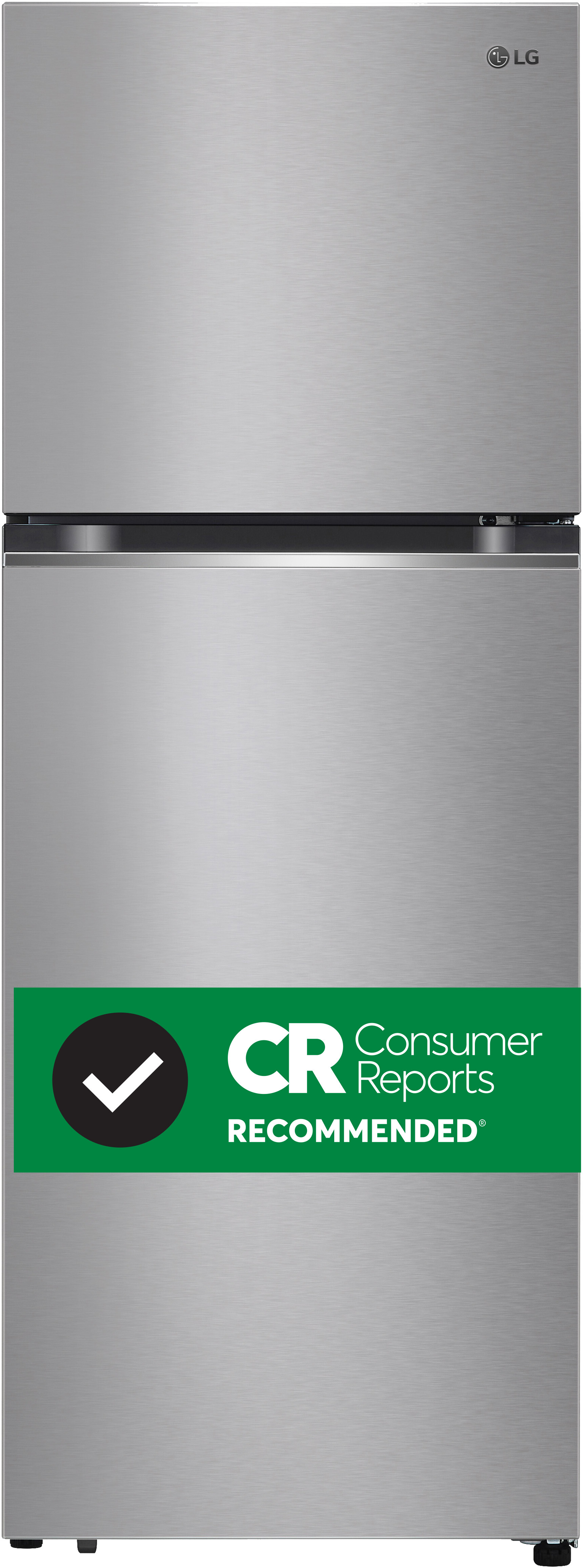
While the primary function of your appliance is to refrigerate, it's also important to consider how it will look in your space. Do you prefer a sleek, stainless steel refrigerator that matches your other appliances, or are you looking for a statement piece like a glass door refrigerator that showcases your collection of fine beverages?
Your appliance should not only perform efficiently but also align with your home's aesthetic. Whether it's the clean lines of a built-in wine cellar or the playful appearance of a themed ice cream cooler, the right choice should blend seamlessly with your decor.
Making an informed decision requires a thoughtful analysis of how you live and what you value. By taking the time to evaluate your lifestyle, anticipate future changes, and weigh both functionality and design, you can select an appliance that will serve you well for years to come. For further guidance on other refrigeration comparisons, explore Fridge.com articles such as smart fridge Vs. wine fridge or outdoor freezer Vs. top freezer refrigerator to help refine your choice.
Compare prices on Fridge.com
Compare current prices and specifications on Fridge.com, then buy from the retailer you choose; delivery, installation and warranty terms are the retailer’s.
It also has tons of awesome articles about kitchen stuff and home news. Enhance your home, garage, backyard, patio, and office with the coolest essentials. With every necessary type of residential refrigerator or freezer in the collection, you're covered.
From Fridge.com research
Figures below come from data Fridge.com builds and maintains. Each links to the record behind it.
Fridge.com Energy Index, built on U.S. EPA and DOE ENERGY STAR records
Across 5,455 ENERGY STAR certified refrigerators and freezers from 263 brands, median use is 360 kWh per year.