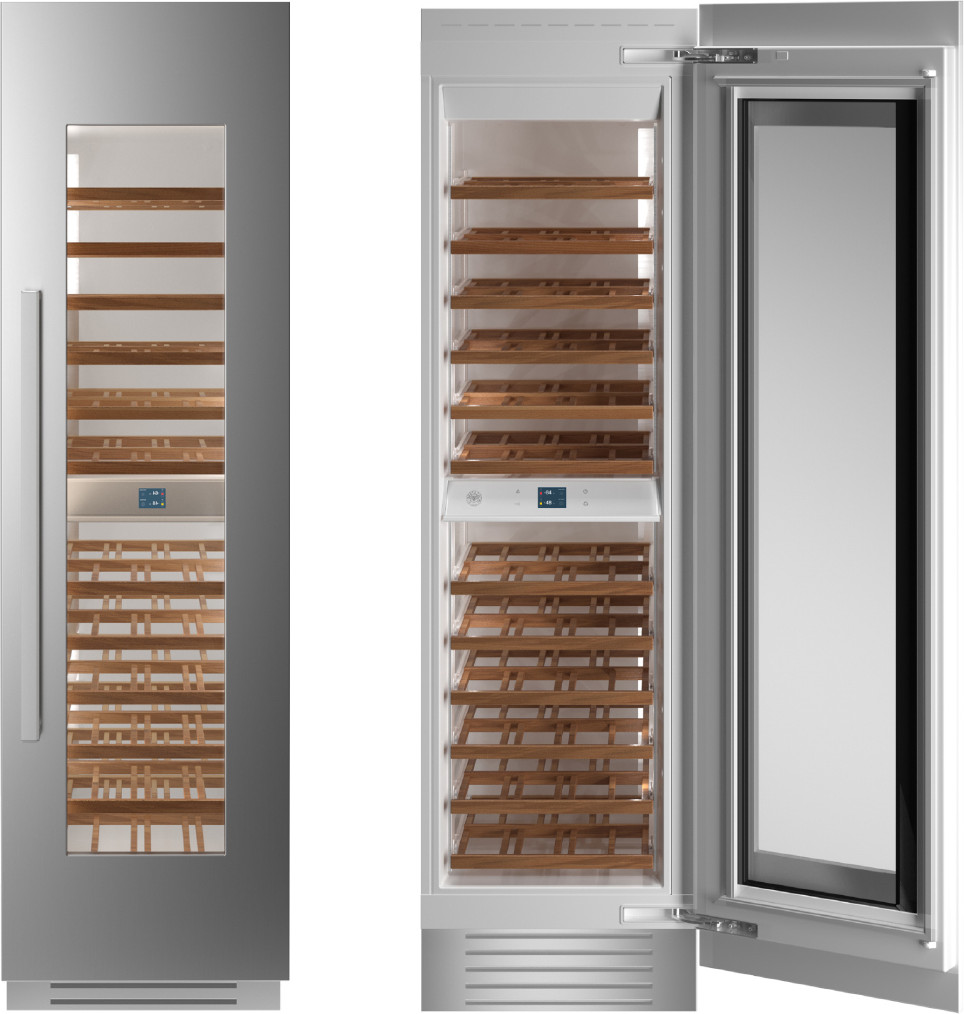
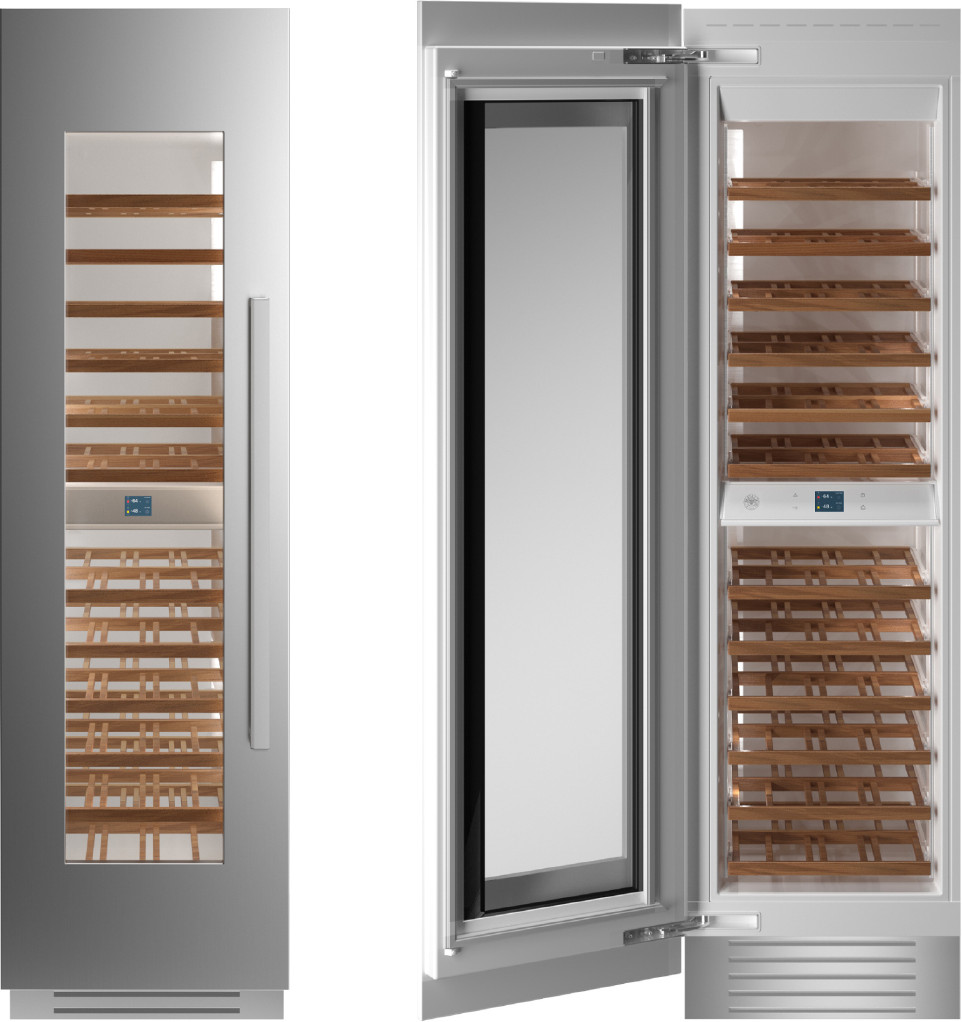
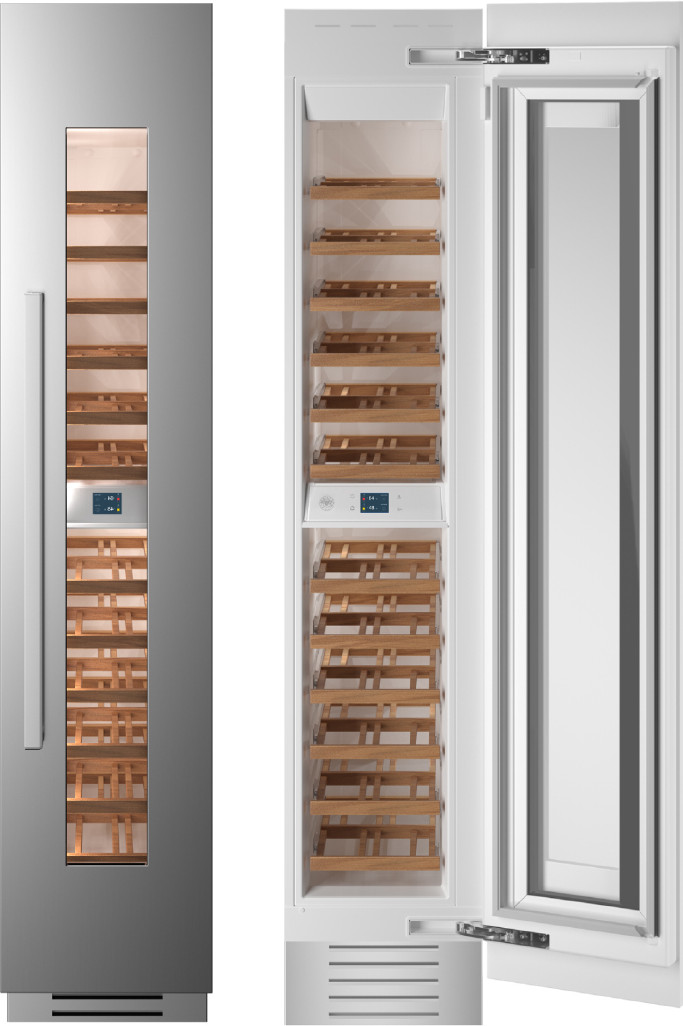
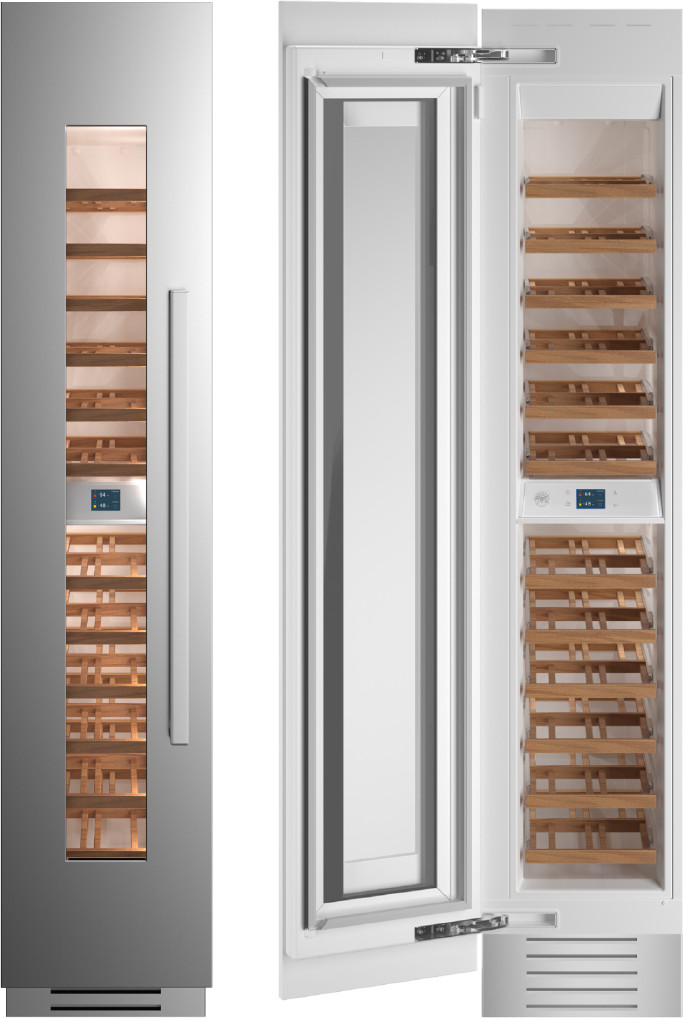
Wine coolers typically run between 45°F and 65°F, with precise control so each type of wine sits at its ideal temperature.
Before buying, always check the temperature range — a true wine cooler targets 45-65°F and includes vibration dampening, UV glass, and horizontal racks.
Temperature Control: Most beverage coolers come with digital controls and hold 34-42°F, so you can dial in an exact ice-cold setting instead of guessing whether your soda is cold enough.
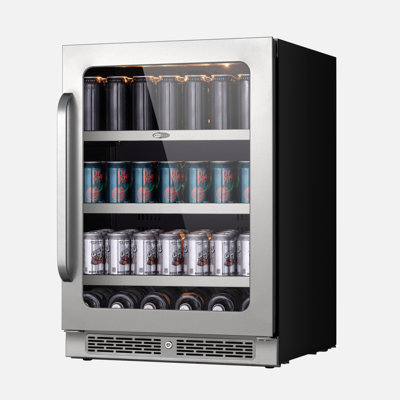
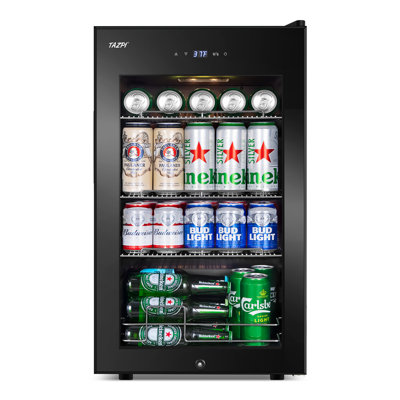
A beverage cooler and a wine cooler look nearly identical — both are compact, glass-fronted appliances with interior lighting — but they are engineered for completely different temperatures, contents, and storage goals. A beverage cooler holds drinks at 34-42°F on adjustable wire shelves that fit cans, bottles, and jugs, delivering ice-cold soda, beer, water, and mixers on demand. A wine cooler holds bottles at 45-65°F on horizontal racks, adding vibration dampening, UV-tinted glass, and humidity-friendly design that preserve wine for months or years. Choose the wrong one and you either serve warm soda or slowly ruin a wine collection — so the distinction matters before you buy.
What's the Difference and Why It Matters?
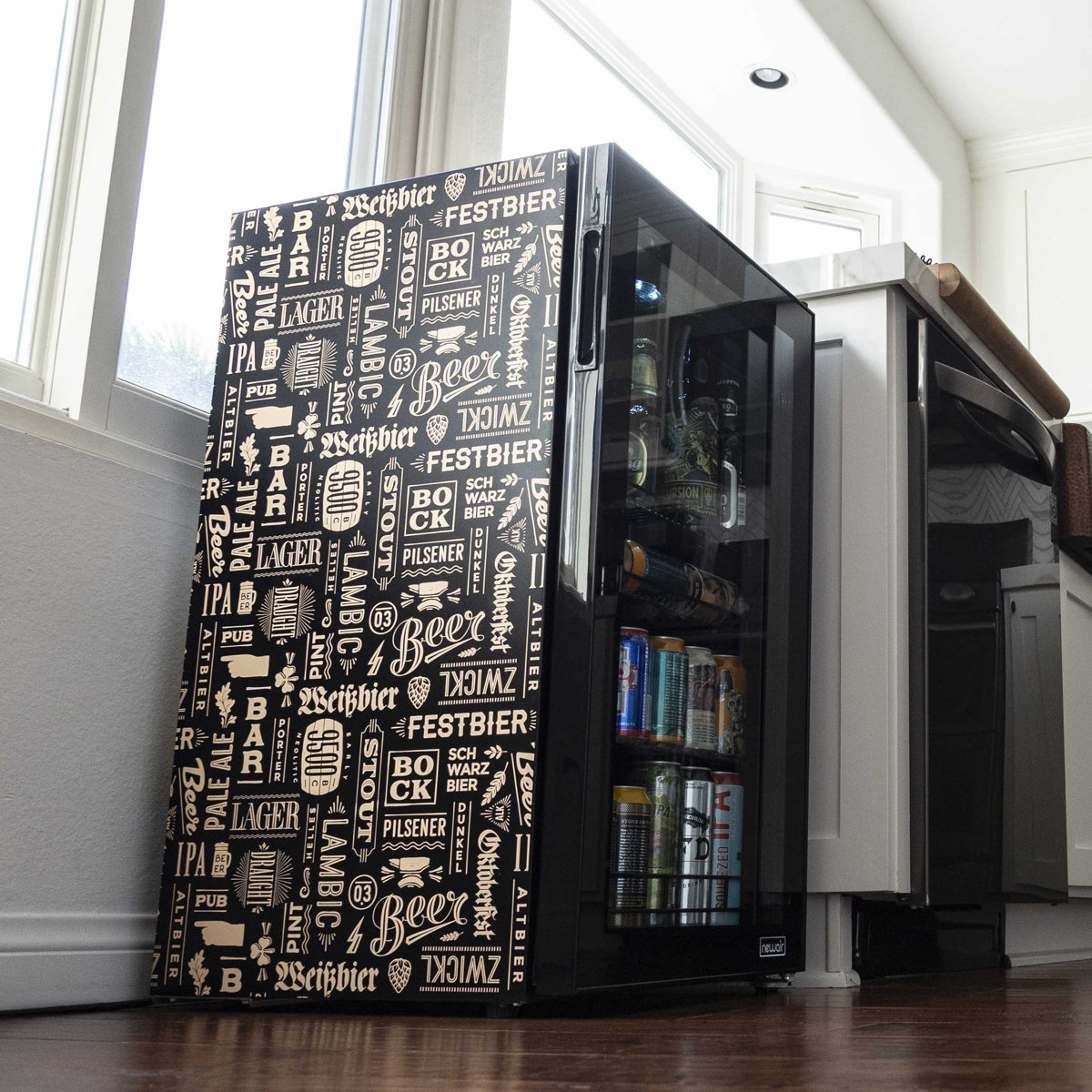
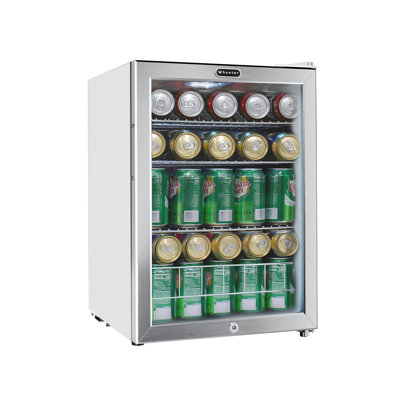
A beverage cooler is your go-to for storing a mix of drinks—think sodas, beers, and other non-alcoholic beverages. It's a specialized unit for the home, office, or party space, keeping your drinks cold and ready to go. These coolers come with adjustable shelves, making it easy to fit different bottle and can sizes.
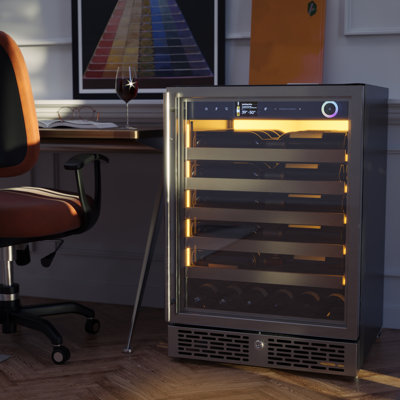
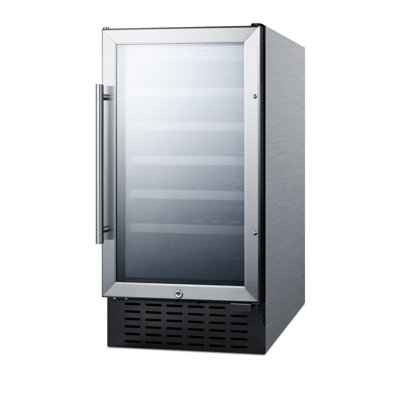
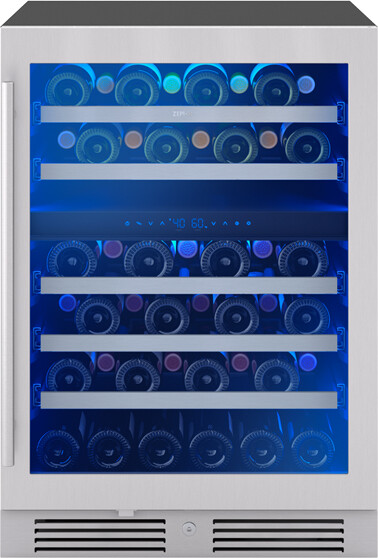
A wine cooler is all about the vino. Wine needs specific temperature settings to keep its flavor and quality intact. Wine coolers come with one or more temperature zones, so you can store reds, whites, and sparkling wines at their best. They also add features like UV-resistant glass doors and vibration reduction to keep wine safe from anything that might affect its taste or aroma.
The word "cooler" in both names suggests similar appliances, and retail listings frequently interchange the terms. Some manufacturers even market a single unit as both a "wine cooler" and a "beverage cooler," compounding the mix-up. In reality the two serve distinct purposes defined by their temperature ranges, interior layouts, and design features: a wine cooler is a specialized preservation appliance, while a beverage cooler is a general-purpose cold-drink appliance. Understanding this distinction before purchasing prevents the common and costly mistake of buying the wrong appliance — a quick tell is the temperature range, since a unit that only drops to the mid-30s is a beverage cooler, not a wine cooler.
Beverage Cooler Overview
What Does a Beverage Cooler Do?
A beverage cooler is a compact refrigerator built to chill drinks to cold serving temperatures. Unlike your regular fridge that juggles veggies, leftovers, and who-knows-what, a beverage cooler is all about the drinks. Here's what makes it special:
Temperature Control: Most beverage coolers come with digital controls and hold 34-42°F, so you can dial in an exact ice-cold setting instead of guessing whether your soda is cold enough.
Ventilation: Advanced ventilation ensures every can and bottle gets evenly chilled. No warm spots.
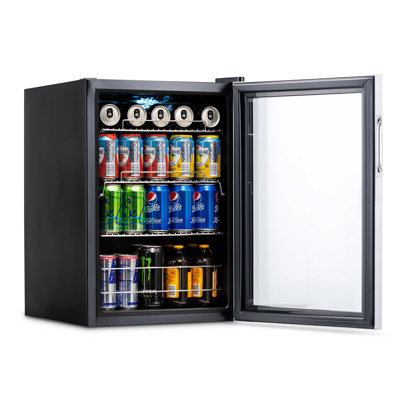
Flexible shelving: Adjustable chrome or stainless wire shelves reposition, remove, or reconfigure to hold any combination of cans, bottles, water jugs, sports drinks, and juice containers.
Capacity: Undercounter models typically hold 60-180 cans, making them perfect for parties or just stocking up.
Portability: Some models are easy to move, so you can take the party wherever you go—living room, office, or backyard.
Where to Use a Beverage Cooler
These coolers are versatile. Here are some spots where they really shine:
Home Bar: Keep sodas, waters, and beers handy for you and your guests.
Office: Keep the team hydrated with a steady supply of cold drinks.
Garage or Basement: Free up space in your main fridge by storing extra drinks here.
Outdoor Events: Portable models are great for picnics, BBQs, or any outdoor gathering.
Knowing what a beverage cooler can do and where it fits helps you make a smart choice. For more insights, explore Fridge.com comparison of dorm fridge Vs. wine fridge and glass door refrigerator Vs. outdoor fridge.
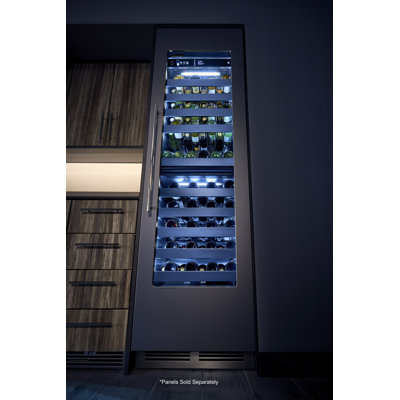
A wine cooler is a single-purpose appliance dedicated to storing wine at optimal preservation and serving temperatures. Every engineering decision serves that one goal:
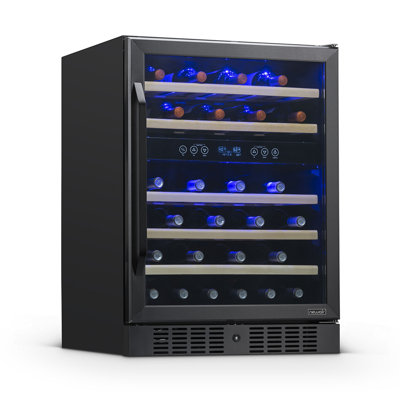
Temperature Control: Holds 45-65°F, spanning every wine style from chilled sparkling whites to full-bodied reds. Dual-zone models split the cabinet into two independently controlled compartments — whites at 45-50°F and reds at 55-65°F.
Humidity Control: Maintains a cork-friendly environment (roughly 50-80% relative humidity) so corks stay moist. Dry corks let air in and ruin the wine.
Vibration Reduction: Vibration-dampened compressor mounts isolate the cabinet so sediment stays undisturbed and wine ages gracefully.
UV Protection: UV-tinted double-pane glass blocks the ultraviolet light that degrades tannins and aromatic compounds.
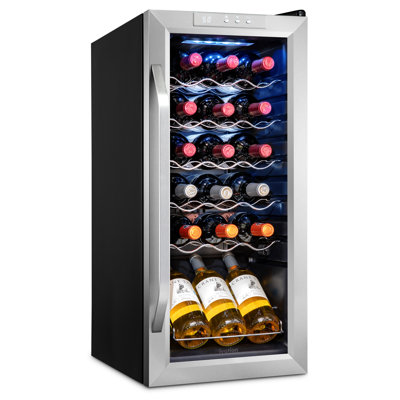
Horizontal racks: Pull-out racks with scalloped grooves cradle bottles on their sides on ball-bearing glides, keeping wine in contact with the cork. The layout is sized exclusively for standard 750ml bottles and will not hold cans or food containers.
Wine coolers come in countertop, undercounter, freestanding, and full-height formats holding anywhere from 6 to 200+ bottles. The consistent preservation environment is what makes a cooler suitable for aging wine — a steady 55°F cabinet lets bottles develop rich, complex flavors that a fluctuating kitchen fridge never could, and a glass-door model doubles as an attractive display for a collection.
Capacity and Storage
When you're picking between beverage coolers and wine coolers, capacity and storage features are key. Each cooler is built for different needs, and their storage options show it.
Beverage Cooler Capacity and Features
Beverage coolers store all kinds of drinks—sodas, water, and even some beer. Capacity is usually measured by how many cans they hold; bigger models also fit bottles.
Beverage Cooler Type
Capacity (Cans)
Extra Features
Compact
60 - 80
Adjustable shelves, LED lighting
Mid-Size
100 - 150
Digital temperature control, glass door
Large
150 - 200+
Dual temperature zones, lockable door
These coolers often come with adjustable shelves so you can tweak the layout, plus digital temperature controls, LED lights, and glass doors for easy peeking. If you're into built-in options, check out Fridge.com article on built-in beverage center Vs. built-in kegerator.
Wine Cooler Capacity and Features
Wine coolers keep bottles at the perfect temperature, with capacity measured by how many standard 750ml wine bottles they hold.
Wine Cooler Type
Capacity (Bottles)
Extra Features
Small
12 - 20
Wooden shelves, UV-protected glass door
Medium
30 - 50
Dual temperature zones, vibration reduction
Large
50 - 100+
Humidity control, touchscreen interface
Wine coolers use wooden or metal shelves to hold bottles securely and UV-protected glass to keep sunlight out. Larger models add dual temperature zones for storing red and white wines together, plus humidity control and vibration reduction. For a same-size comparison, a typical 24-inch undercounter unit stores very different loads depending on which type you choose:
Appliance (24-inch undercounter)
Wine Bottles
Beverage Cans
Wine Cooler
40 - 54 bottles
Not designed for cans
Beverage Cooler
8 - 15 bottles (upright only)
120 - 180 cans
You can stand wine bottles upright in a beverage cooler for a few hours of pre-serving chill, but the upright orientation, colder temperature, low humidity, and compressor vibration make it unsuitable for real storage.
The interiors are where these two appliances diverge most. Wine coolers use horizontal pull-out racks with fixed grooves sized for wine bottles — each groove holds one bottle on its side in a dedicated cradle, and the racks glide on ball bearings for vibration-free access. This layout is deliberately inflexible: a 12-ounce can is too small for the grooves, and a food container is the wrong shape entirely.
Beverage coolers use adjustable wire shelves at configurable heights. Remove a shelf to fit tall bottles, or add shelves at tight spacing to maximize can storage. Some models include can dispensers with angled shelves that roll the next can forward automatically; others use split shelves — half at one height, half at another — for mixed containers. That flexibility lets a beverage cooler handle almost any drink container, from slim energy-drink cans to gallon water jugs, with a simple shelf move.
Temperature Control
Temperature control is the single biggest difference between these coolers. Each is built to keep its contents at just the right temperature.
Beverage Cooler Temperature Range
Beverage coolers keep drinks like sodas, water, and beer at their best serving temperatures, with a wide range to suit different drinks.
Beverage Type
Ideal Temperature Range (°F)
Soft Drinks
35-38
Water
35-38
Beer
36-40
Beverage coolers generally run between 34°F and 50°F, most often settling around 34-42°F for ice-cold service. If you're curious how different fridges stack up, check out Fridge.com article on 2 door refrigerator Vs. portable refrigerator.
Wine Cooler Temperature Range
Wine coolers keep wine at the right temperature to preserve flavor and aging potential. The range is narrower and warmer than a beverage cooler's to meet the needs of different wines.
Wine Type
Ideal Temperature Range (°F)
Red Wine
55-65
White Wine
45-55
Sparkling Wine
40-50
Wine coolers typically run between 45°F and 65°F, with precise control so each type of wine sits at its ideal temperature. For more on different fridge and freezer types, check out Fridge.com comparison on small freezer chest Vs. standard refrigerator size.
Temperature and Preservation Comparison
Beyond the raw numbers, the preservation features tied to temperature set these appliances apart:
Feature
Wine Cooler
Beverage Cooler
Temperature Range
45-65°F
34-42°F
Humidity Control
50-80% RH for cork health
Not controlled
Vibration Dampening
Yes — isolated compressor
No — standard compressor
UV Protection
Yes — tinted glass
No — clear glass
Interior Lighting
Low-intensity, wine-safe
Bright LED display
The 15-25°F gap between these appliances is the most critical difference. Wine stored in a beverage cooler at 37°F is severely overcooled — reds lose their aromatic complexity and taste thin, whites lose nuance, and the cold, dry air dries out natural corks within weeks, letting oxidation set in that ruins the wine permanently. Beverages stored in a wine cooler at 55°F taste unacceptably warm, since beer, soda, and water need 34-38°F to deliver crisp refreshment. Neither appliance can effectively cover the other's temperature job.
Design and looks make a real difference too. Each cooler has its own style and purpose.
Beverage Cooler Design
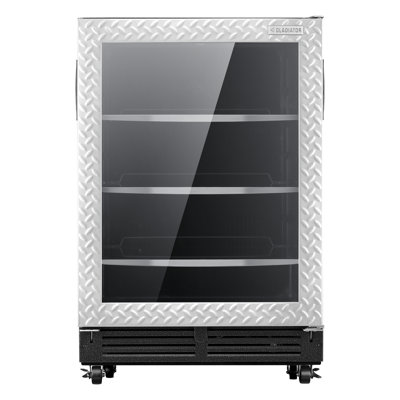
Beverage coolers are versatile and easy to use, with adjustable shelves that fit everything from soda cans to tall bottles. The interior is brightly lit, making it easy to grab a drink without fumbling. On the outside they often have glass doors that look sleek and show off your drink collection, and they tuck under a counter or stand alone.
Feature
Description
Shelving
Adjustable shelves for different sizes
Interior Lighting
Bright lights for easy visibility
Door Type
Glass doors to display contents
Placement Options
Under-counter or freestanding
Want to see more options? Check out Fridge.com comparison of built-in beverage center Vs. built-in kegerator.
Wine Cooler Design
Wine coolers keep bottles in perfect shape with wooden or metal racks that hold each bottle snugly so they don't roll. The lighting inside is softer, creating a cozy vibe. On the outside they favor elegance, with tinted glass doors that block harmful UV rays and help maintain quality. Sizes run from small units for a few bottles to large ones holding hundreds.
Feature
Description
Shelving
Wooden or metal racks for bottle stability
Interior Lighting
Soft lighting for a gentle ambiance
Door Type
Tinted glass doors for UV protection
Placement Options
Compact to large units for various collections
Energy Consumption
Beverage coolers use more energy than wine coolers because maintaining 37°F takes substantially more compressor work than holding 55°F. The clear glass door conducts more heat than the wine cooler's UV-tinted double-pane glass, and the bright LED display adds constant draw.
Appliance
Annual kWh
Annual Cost
Wine Cooler (46-bottle)
100-250 kWh
$13-$32
Beverage Cooler (150-can)
200-350 kWh
$26-$46
Both are efficient compared with full-size refrigerators, and running the two side by side typically costs $40-$80 per year combined. Over a decade, the wine cooler saves roughly $130-$140 in energy — modest but real.
Wine coolers run at 35-42 decibels for compressor models, and thermoelectric wine coolers reach 25-35 decibels with zero vibration — virtually inaudible. Quiet operation is a design priority because wine coolers install in living spaces and because vibration can affect wine. Beverage coolers run louder at 37-45 decibels, reflecting the harder compressor workload at colder temperatures. Both are quiet enough for a kitchen or bar, but the wine cooler holds an edge for noise-sensitive spots like bedrooms, offices, and formal dining rooms.
The two overlap heavily in the budget and mid-range tiers — a quality undercounter model of either type runs $500-$1,000. Wine coolers extend higher at the premium end because dual-zone control, large-capacity designs, and advanced preservation engineering command more. Choose based on what you store, not what you spend.
Installation and Pairing
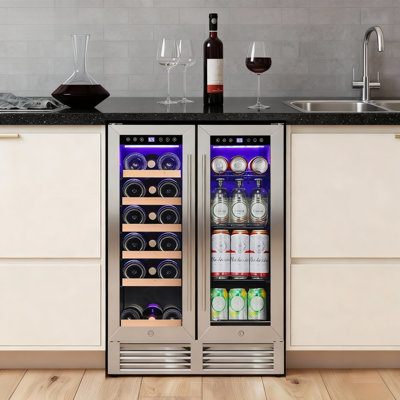
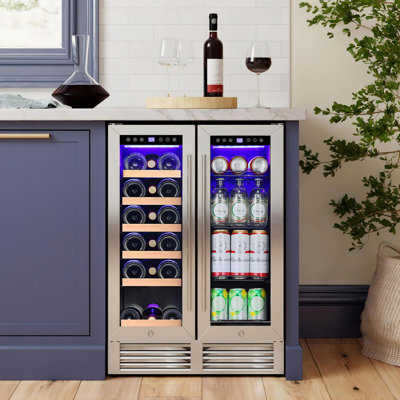
Both appliances come in undercounter, freestanding, and countertop formats, both fit a standard 24-inch cabinet opening with front-venting exhaust for flush built-in installation, and both offer panel-ready options for custom cabinetry. Their electrical and ventilation needs are virtually identical. The most popular home-bar and kitchen-island setup is a wine cooler and beverage cooler installed side by side in adjacent undercounter bays — one holding the wine collection at preservation temperatures, the other keeping cold drinks ready to serve.
Keep Your Cool: Tips for Beverage and Wine Cooler Care
Regular care keeps both coolers running smoothly and your drinks perfectly chilled. Well-maintained compressor wine coolers last 10-15 years; beverage coolers last 8-12 years, slightly shorter because more frequent door openings mean more compressor cycling.
Beverage Cooler TLC
Want your beverage cooler to last longer and work better? Here's what to do:
Clean It Up: Wipe the inside and outside at least once a month with mild soap and warm water. Skip harsh cleaners that might scratch it, and clean the glass door often.
Defrost If Needed: If your cooler isn't frost-free, defrost regularly to avoid ice buildup. Follow the manual.
Keep It Ventilated: Keep vents and coils dust-free with a soft brush or vacuum.
Check the Temp: Regularly confirm the temperature settings so drinks stay properly cold.
Inspect the Seals: Check door gaskets for cracks and replace damaged ones to keep it energy efficient.
Maintenance Task
How Often?
Clean Inside
Monthly
Clean Outside
Monthly
Defrost (if needed)
As Needed
Clean Vents
Every 3 Months
Check Seals
Every 6 Months
Wine Cooler TLC
Your wine collection deserves the best. Here's how to keep your wine cooler in perfect condition:
Clean Inside: Use mild soap and warm water. Avoid strong chemicals or rough materials.
Care for Shelves: Remove and clean the racks regularly, and dry them fully before returning them.
Stable Temps: Keep the setting between 45°F and 65°F.
Control Humidity: Maintain the right humidity to keep corks from drying out; use the humidity feature if your cooler has one.
Replace Filters: If your cooler has a filter, change it per the manufacturer's instructions.
Maintenance Task
How Often?
Clean Inside
Monthly
Clean Shelves
Every 2 Months
Check Temperature
Weekly
Check Humidity
Monthly
Replace Filter
As Recommended
For more comparisons on different types of refrigerators and coolers, check out Fridge.com articles on chest freezer Vs. refrigerator freezer combo and glass door refrigerator Vs. outdoor fridge.
Common Mistakes When Shopping
The most frequent mistake is buying a beverage cooler expecting it to work as a wine cooler. Many buyers fill a $300 beverage cooler with wine bottles and discover weeks later that corks are drying out, reds taste wrong, and the 37°F temperature has been damaging every bottle. Before buying, always check the temperature range — a true wine cooler targets 45-65°F and includes vibration dampening, UV glass, and horizontal racks.
The second mistake is buying a wine cooler for a household that mostly drinks beer and soda. Wine coolers can't chill cans to ice-cold temperatures, can't fit can shapes on horizontal racks, and run 15-25°F warmer than beverages need. If 75% or more of your drinks are non-wine, the beverage cooler is the right primary appliance.
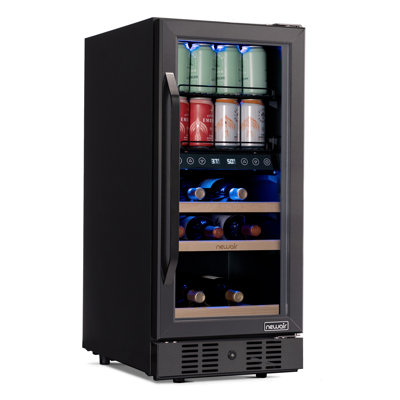
A third mistake is confusing "dual-zone beverage centers" with wine coolers. Some units market an upper zone at 40-45°F and a lower zone at 34-38°F as suitable for both — but neither zone reaches the 55-65°F reds need, and neither adds vibration dampening, humidity, or UV protection. If the warmest setting is below 50°F, the appliance cannot properly store red wine.
Buy a wine cooler if wine preservation is your primary need. It provides the temperature, humidity, vibration, and UV conditions no other appliance replicates, and it's the right choice for anyone who stores wine for more than a few days before drinking. Beverage coolers earn their keep during warm-weather entertaining, but a wine cooler's preservation environment operates identically in January and July.
Buy a beverage cooler if cold-drink access is your primary need. Flexible shelving, ice-cold temperatures, and a visual display make it ideal for households that go through beer, soda, water, and mixers daily — a fully stocked 150-can unit can serve a party of 20-30 guests without a restock.
If you enjoy both, install both. Side by side under a bar or island, a wine cooler and beverage cooler create a complete entertaining station that serves every drink at its optimal temperature — for under $80 a year in combined electricity.
Frequently Asked Questions
Can I store wine in a beverage cooler?
Only for a few hours before serving. A beverage cooler runs 34-42°F — 15-25°F colder than wine wants — and its low humidity dries out natural corks within weeks, letting oxidation ruin the wine. For anything longer than same-day chilling, use a wine cooler set to 45-65°F.
Can I use a wine cooler for beer and soda?
Not well. Most wine coolers only cool down to about 45°F, so beer and soda come out warmer than the 34-38°F that tastes crisp, and cans don't fit the horizontal bottle grooves. A beverage cooler is the right tool for cold cans and bottles.
What is the temperature difference between the two?
Beverage coolers hold 34-42°F for ice-cold drinks. Wine coolers hold 45-65°F to preserve wine — reds at 55-65°F, whites at 45-55°F, sparkling at 40-50°F. That 15-25°F gap is why neither appliance substitutes well for the other.
Is a dual-zone beverage center the same as a wine cooler?
No. Dual-zone beverage centers typically run 34-45°F across both zones, so neither reaches the 55-65°F reds need, and they lack humidity control, vibration dampening, and UV glass. If the warmest setting is below 50°F, it can't properly store red wine.
Which cooler uses more energy?
The beverage cooler. Holding 37°F takes more compressor work than 55°F, so a 150-can beverage cooler uses about 200-350 kWh ($26-$46) a year versus 100-250 kWh ($13-$32) for a 46-bottle wine cooler.
Which cooler is quieter?
The wine cooler. Compressor wine coolers run 35-42 decibels and thermoelectric models 25-35 decibels, while beverage coolers run 37-45 decibels because of the harder cooling workload.
How many cans or bottles do they hold?
In a 24-inch undercounter size, a beverage cooler holds roughly 120-180 cans and a wine cooler holds 40-54 bottles. Beverage coolers range from 60 to 180+ cans overall; wine coolers range from 6 to 200+ bottles.
Can I run both coolers side by side?
Yes. Both fit standard 24-inch openings with front venting and share nearly identical electrical and ventilation needs, so a wine cooler and beverage cooler installed in adjacent undercounter bays is the most popular home-bar setup — combined operating cost stays under $80 a year.
How long do these appliances last?
Compressor wine coolers last about 10-15 years and beverage coolers about 8-12 years. Keeping condenser coils clean and door gaskets in good shape helps both reach the top of their range.
Compare prices on Fridge.com
Compare current prices and specifications on Fridge.com, then buy from the retailer you choose; delivery, installation and warranty terms are the retailer’s.
It also has tons of awesome articles about kitchen stuff and home news. Enhance your home, garage, backyard, patio, and office with the coolest essentials. With every necessary type of residential refrigerator or freezer in the collection, you're covered.
Frequently Asked Questions
A beverage cooler is your go-to for storing a mix of drinks—think sodas, beers, and other non-alcoholic beverages. It's a specialized unit for the home, office, or party space, keeping your drinks cold and ready to go. These coolers come with adjustable shelves, making it easy to fit different bottle and can sizes. A wine cooler is all about the vino. Wine needs specific temperature settings to keep its flavor and quality intact. Wine coolers come with one or more temperature zones, so you can store reds, whites, and sparkling wines at their best. They also add features like UV-resistant glass doors and vibration reduction to keep wine safe from anything that might affect its taste or aroma. Feature.
Beverage Cooler.
Wine Cooler.
.
Main Use.
Storing various drinks.
Storing wine.
.
Temperature Control.
Adjustable, but not super precise.
Precise, with multiple zones.
.
Shelving.
Adjustable for different sizes.
Special racks for wine bottles.
.
Extra Features.
Basic cooling.
UV-resistant glass, vibration reduction.
. For more detailed comparisons, check out Fridge.com articles on bottle refrigerator Vs. wine cooler and dorm fridge Vs. wine fridge.