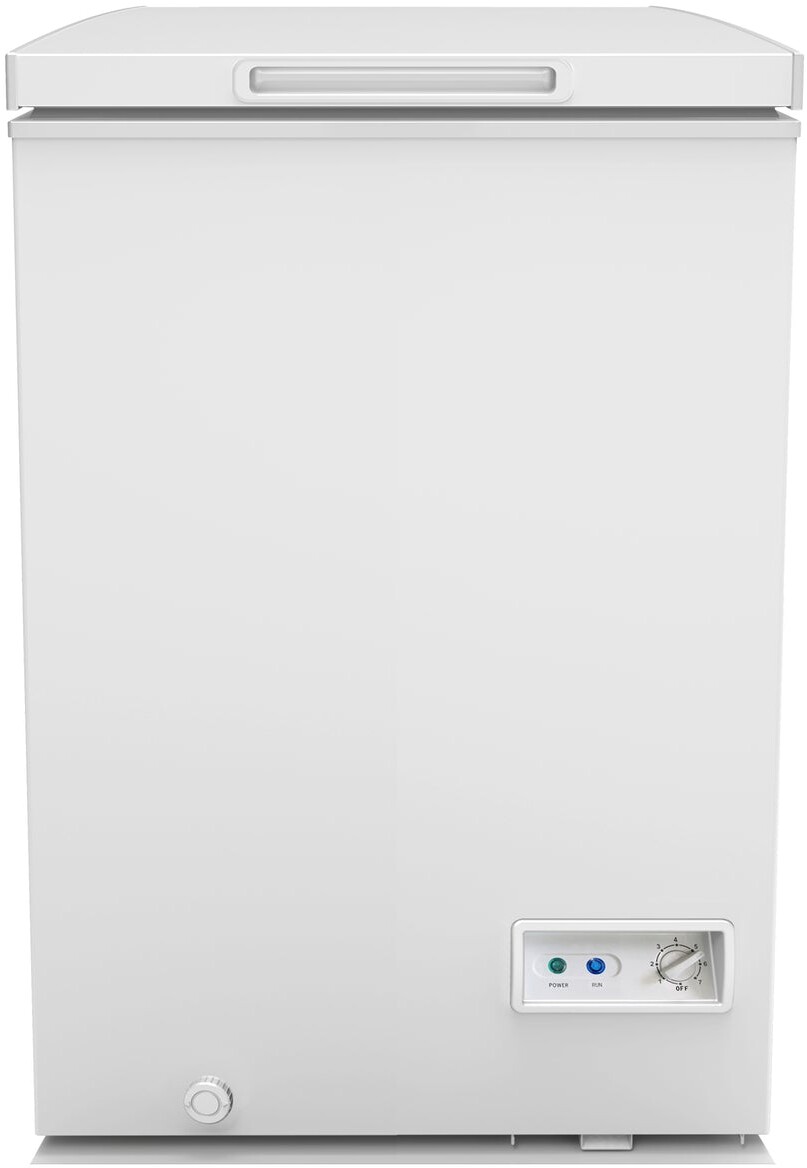
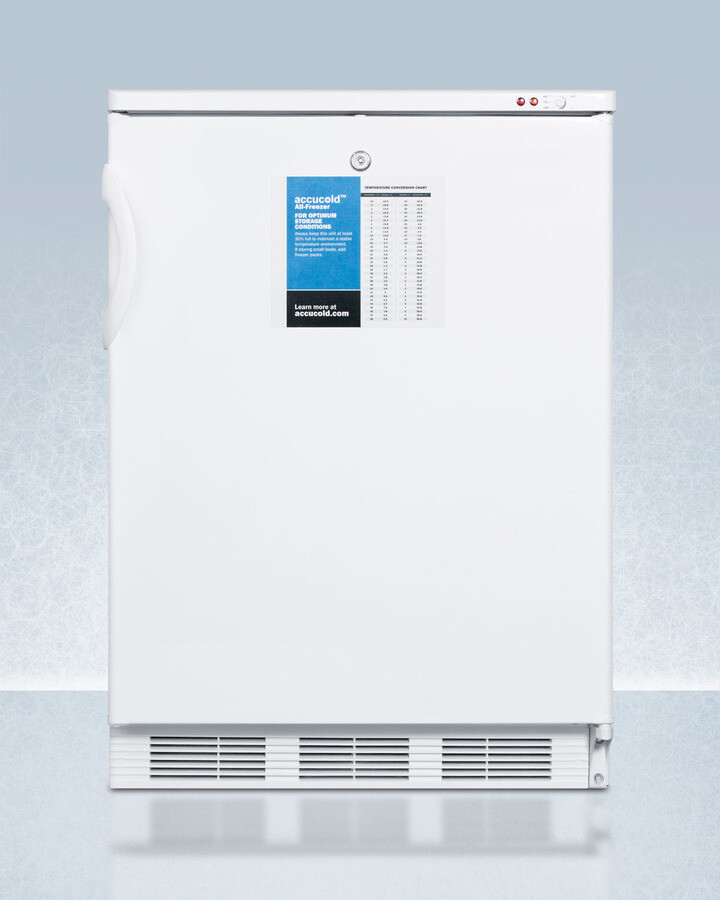
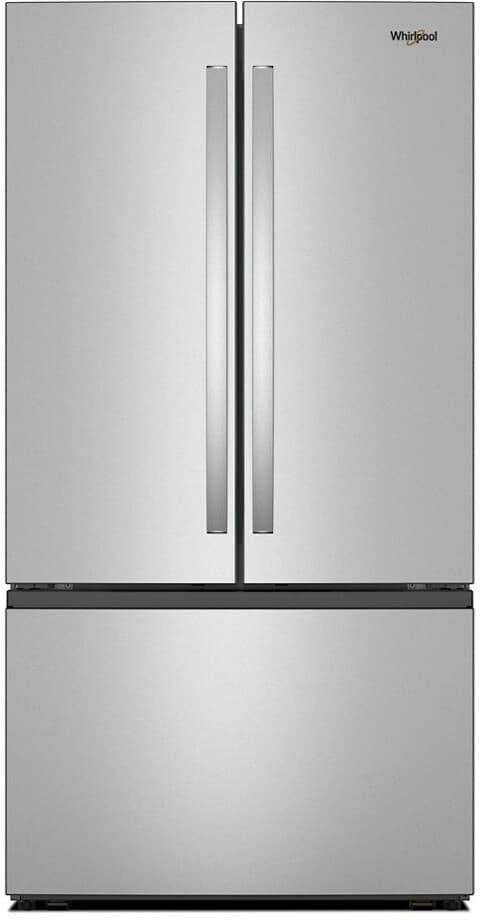
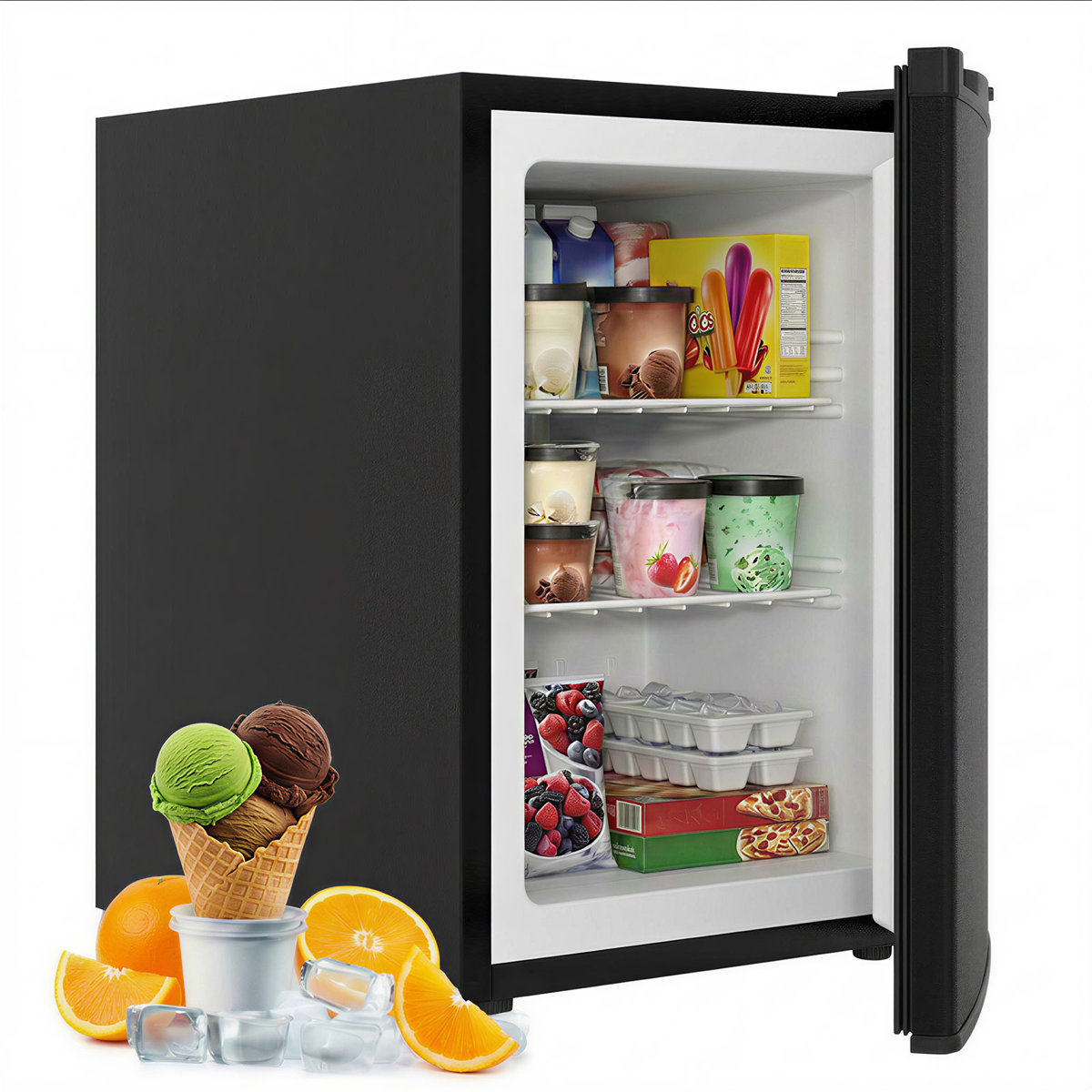
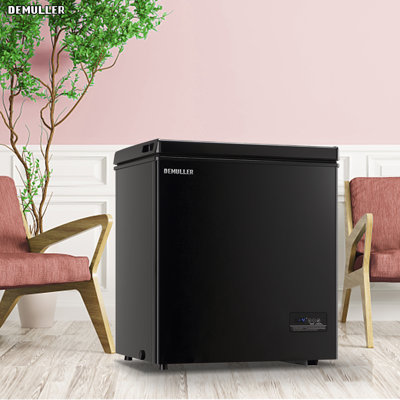
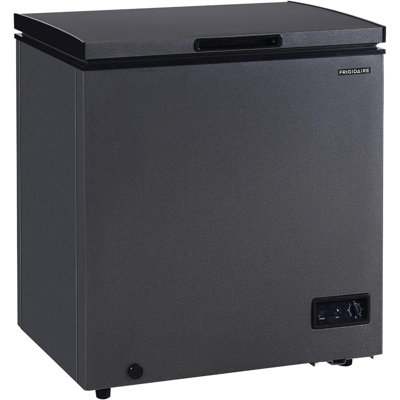
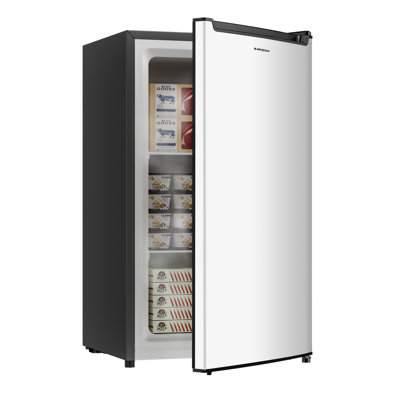
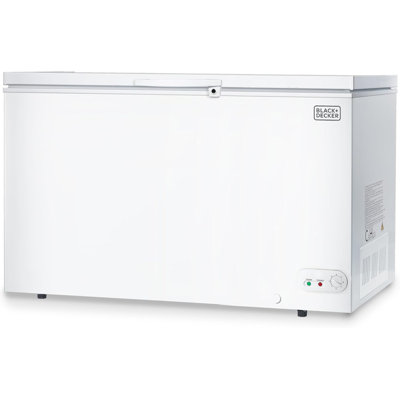
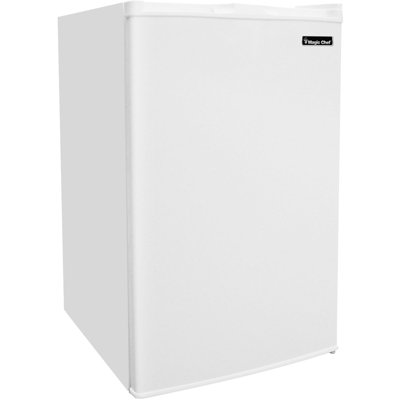
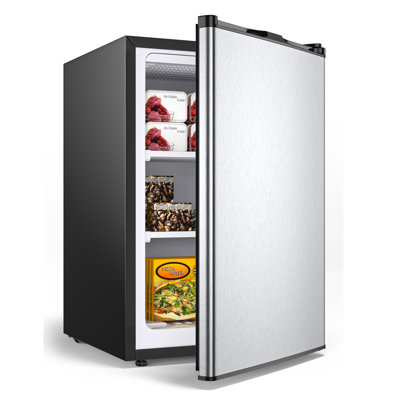
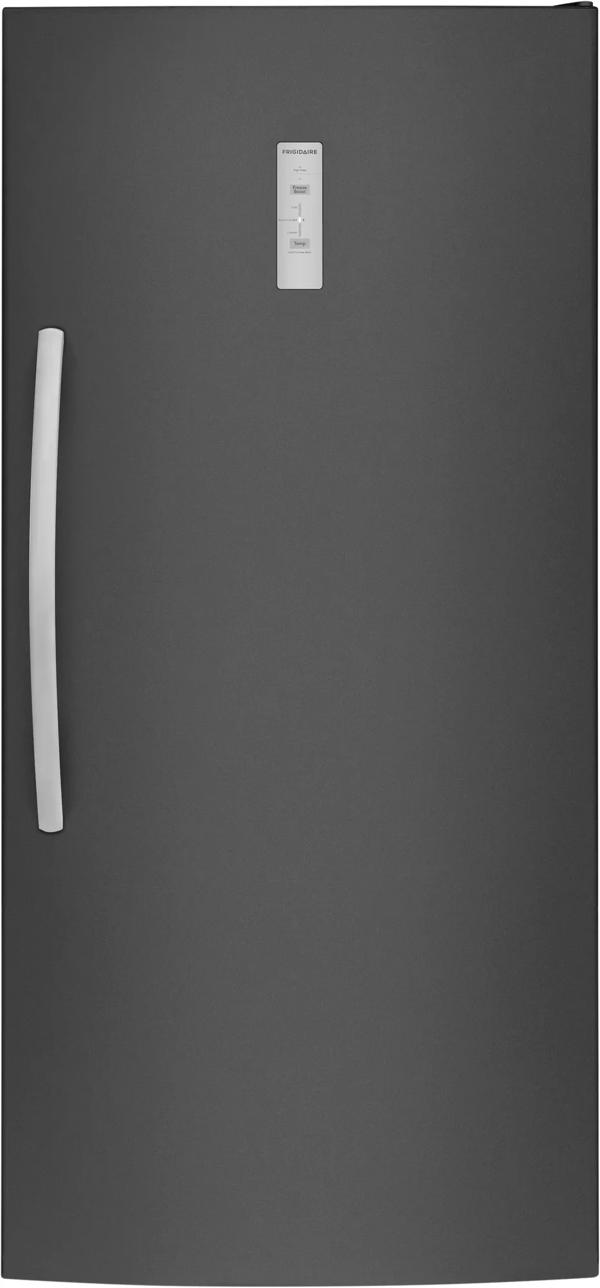
A trusty freezer is your best friend for any Independence Day bash. It keeps your food and drinks fresh and ready to go when the guests roll in. Whether it's meats, ice cream, or pre-made dishes, a solid freezer can handle it all.
For big parties, having a good freezer means you can plan your meals ahead and cut down on last-minute chaos. Prep and freeze your dishes in advance, so everything's set for the big day. Plus, it helps you save leftovers, reducing waste and letting you enjoy the party vibes even after the day is done.
Why You Need a Garage Freezer
A garage freezer is a game-changer, especially for festive times like the 4th of July. Here’s why:
More Room: A garage freezer gives you extra space, freeing up your kitchen fridge. This is a lifesaver when you're hosting a crowd and need to stash a lot of food and drinks.
Easy Access: With a freezer in the garage, you can keep bulk items and backup supplies within arm’s reach. No more squeezing through a packed kitchen to grab what you need.
Steady Temps: Garage freezers are built to handle different temperatures, keeping your stuff cool even when the garage heats up.
Energy Savvy: Modern garage freezers are designed to be energy-efficient. They use less power but still perform like champs, helping you save on those electric bills during the holidays.
All-Purpose: A garage freezer isn’t just for holidays. Use it year-round for seasonal items or emergency supplies. It’s a versatile addition to your home.
When prepping for Independence Day, having the best garage freezer for Independence Day can really up your party game. Enjoy stress-free food prep and storage, so you can kick back and celebrate with your loved ones.
Picking the Perfect Garage Freezer
Choosing the right garage freezer for your Independence Day bash means knowing what features and factors make one freezer stand out from the rest.
Must-Have Features in a Garage Freezer
When you're on the hunt for a garage freezer, keep an eye out for these key features to make sure it ticks all your boxes:
Temperature Range: Your freezer should handle the wild temperature swings that garages often face.
Capacity: Pick a size that can store all your goodies for the Fourth of July and beyond.
Energy Efficiency: Go for models that won't make your electricity bill skyrocket.
Defrost Options: Automatic defrost can save you the hassle of manual defrosting.
Shelving and Bins: Adjustable shelves and bins make organizing your frozen treats a breeze.
Noise Level: If your garage is close to living spaces, a quieter model might be a good idea.
Things to Think About Before Buying
Before you pull the trigger on a garage freezer, consider these points:
Space Availability: Measure your garage to make sure the freezer fits without cramping your style.
Climate: Get a freezer that's built to handle the ups and downs of garage temperatures.
Budget: Know what you're willing to spend and find the best options within that range.
Power Source: Make sure you have a suitable power outlet in your garage.
Warranty: Check what the warranty covers, especially for parts and labor.
Picking the right spot for your garage freezer can make a world of difference in how well it works and how long it lasts. Here are some top spots to think about:
Close to an Electrical Outlet: Keep your freezer near a dedicated outlet to avoid using extension cords, which can be risky.
Away from Direct Sunlight: Don't let your freezer bake in the sun. Keep it away from windows or sunny spots to prevent overheating.
Accessible but Out of the Way: Make sure you can get to your freezer easily, but it shouldn't be in the middle of your garage activities. A corner or unused wall space works great.
On a Stable Surface: Put your freezer on a flat, stable surface to keep it from tipping over or wobbling.
Keeping It Cool: Ventilation and Temperature Control
Good ventilation and temperature control are key to keeping your garage freezer running smoothly and avoiding overheating.
Ventilation Tips
Leave Some Breathing Room: Make sure there's enough space around your freezer (at least 1-2 inches) for air to circulate. This helps get rid of the heat the freezer generates.
Keep It Tidy: Don't let clutter pile up around your freezer. Clear space means better airflow.
Location
Space Requirement
Back
2 inches
Sides
1 inch
Top
1 inch
Temperature Control Tips
Watch the Garage Temperature: The temperature in your garage can swing, especially in extreme weather. Try to keep it between 0°F and 110°F for the best freezer performance.
Use a Thermometer: Stick a thermometer in your garage to keep an eye on the temperature. This helps ensure your freezer is working efficiently.
Insulate the Garage: If you can, insulate your garage to keep the temperature more stable. This can help your freezer run better and save on energy bills.
For more tips on keeping your freezer running efficiently, check out Fridge.com article on best chest freezer for Independence Day.
By picking the right spot and making sure your freezer has good ventilation and temperature control, you can get the most out of it. This will help keep your Independence Day celebrations on track and your food perfectly preserved. For more tips on organizing and maintaining your freezer, take a look at Fridge.com article on best garage freezer for 4th of July.
Got a garage freezer? Keeping it clean and organized is key to making sure your food stays fresh and easy to grab, especially when you're gearing up for those epic Independence Day BBQs. Here’s how to keep your freezer running smoothly and your food stash sorted.
Clean and Maintain Your Freezer
A little TLC goes a long way in keeping your freezer efficient and your food in top condition. Here’s the lowdown:
Defrost Often: If your freezer isn't frost-free, make it a habit to defrost it. Ice build-up can mess with efficiency.
Scrub It Down: Use mild soap and warm water to clean the inside. Skip the harsh chemicals—they can damage the surfaces.
Check the Seal: Make sure the door gasket is clean and seals tight. This keeps the cold in and your energy bill down.
Clean the Coils: Dust off the condenser coils twice a year. It helps your freezer run better.
Watch the Temp: Stick a thermometer inside to make sure it’s at 0°F (-18°C) or lower.
Organize Like a Pro
A well-organized freezer saves you time and hassle. Here’s how to keep everything neat and easy to find:
Bins and Containers: Use them to separate different types of food. It keeps things tidy and easy to access.
Label Everything: Write what’s inside and the date you froze it. This avoids the “mystery meat” scenario and cuts down on waste.
FIFO Rule: First In, First Out. Put newer items at the back and older ones up front. This way, you use up the older stuff first.
Group Similar Items: Keep meats with meats, veggies with veggies, and so on. It makes finding things a breeze.
Use Vertical Space: Stack items up to make the most of your space. It prevents stuff from getting lost at the bottom.
Organization Tips
Description
Use Storage Bins
Separate different types of food
Label Everything
Contents and date of freezing
First In, First Out
Use older items first
Group Similar Items
Keep similar items together
Utilize Vertical Space
Stack items vertically
Want more tips? Check out Fridge.com articles on the best small chest freezer for 4th of July and best deep freezer for Independence Day. With a little maintenance and smart organizing, your garage freezer will be ready for all your holiday feasts.
Maximizing Freezer Space
Getting ready for Independence Day? Make sure your garage freezer is ready to handle all your party essentials. Here are some tips to make the most of your freezer space.
Smart Storage with Bins and Containers
Keep your freezer tidy and spacious by using storage bins and containers. Grouping similar items together makes it easier to find what you need and keeps everything organized.
Storage Item
Example Uses
Stackable Bins
Meat, veggies, desserts
Clear Plastic Containers
Leftovers, prepped dishes, snacks
Vacuum-Sealed Bags
Frozen fruits, marinated meats, bulk items
Easy Access Arrangement
How you arrange your freezer can save you time and energy. Here are some tips to keep things efficient:
Put frequently used items at the front.
Store big items at the bottom or back to avoid blocking other stuff.
Label containers with contents and dates to keep track of what’s inside.
Use adjustable shelves or dividers to create custom storage spaces.
For more tips on organizing your freezer, check out Fridge.com article on best small chest freezer for 4th of July.
By following these tips, your garage freezer will be ready for all your Independence Day needs. Whether you’re storing burgers, ice cream, or drinks, an organized freezer keeps your celebration running smoothly. For more info on energy-efficient practices and maintaining your freezer, take a look at Fridge.com guides on best garage freezer for 4th of July and best outdoor freezer for 4th of July.
Energy Efficiency
How to Make Your Garage Freezer a Power Saver
Want to save on your electricity bill and be kinder to the planet? Here's how to make sure your garage freezer is running efficiently:
Energy Star Rating: Go for freezers with the Energy Star label. These models are designed to use less energy, thanks to guidelines from the Environmental Protection Agency (EPA).
Good Insulation: Make sure your freezer is well-insulated. This helps it keep cool without guzzling extra power.
Right Temperature: Set your freezer to 0°F (-18°C). No need to go colder—you're just wasting energy.
Regular Check-Ups: Clean those condenser coils and check the door seals. A little maintenance goes a long way in keeping your freezer efficient.
Smart Placement: Keep your freezer in a cool, dry spot, away from direct sunlight and heat sources. This keeps the compressor from working overtime.
Defrosting: If your freezer isn't frost-free, defrost it regularly. Ice build-up makes it work harder and use more energy.
Tips to Cut Down on Energy Costs
Want to see a drop in your electricity bill? Try these energy-saving hacks:
Keep It Full: A full freezer holds the cold better than an empty one. If you don't have enough food, use water bottles to fill the gaps.
Organize Smartly: Arrange items so you can find what you need quickly. The less time the door is open, the better.
Check the Seals: Make sure the door seals are tight. Close the door on a piece of paper; if it slides out easily, you might need new seals.
Energy-Saving Mode: If your freezer has this feature, use it when you don't need to access it often.
Manual Defrost: For freezers that need manual defrosting, do it when the frost is more than a quarter-inch thick. This keeps it running efficiently.
Tips for Energy Efficiency
Description
Good Insulation
Ensure proper insulation
Right Temperature
Set at 0°F (-18°C)
Regular Check-Ups
Clean coils, check seals
Smart Placement
Keep in a cool, dry spot
Defrosting
Regularly for non-frost-free models
Follow these tips, and your garage freezer will be an energy-saving champ. For more advice on freezer maintenance, check out Fridge.com article on the best chest freezer for 4th of July.
Keeping your garage freezer safe is super important, especially when you're gearing up for those big 4th of July parties. A safe freezer means fewer accidents and fresher food.
Smart Placement: Put your freezer somewhere out of the way. Avoid spots where kids or pets might run into it.
Electrical Safety: Make sure the outlet for your freezer is grounded and can handle its power needs. Skip the extension cords—they can be fire hazards.
Good Ventilation: Leave enough space around the freezer for air to circulate. This keeps it from overheating and helps it run better.
Stable Surface: Place the freezer on a flat, stable surface to prevent tipping. Use anti-tip brackets if needed.
Lock and Keys: If your freezer has a lock, keep the keys where kids can't find them. This prevents accidental lock-ins.
Summer storms can knock out power, so knowing how to handle your freezer during an outage is key to keeping your food safe.
Keep the Door Shut: During a power outage, keep the freezer door closed as much as possible. This helps keep the cold air inside.
Temperature Check: Use a freezer thermometer to keep an eye on the temperature. Your freezer should stay at 0°F (-18°C) or lower.
Food Safety: If the power is out for less than 24 hours, your food should be fine as long as the door stays closed. If it’s out longer, check the temperature and the food before eating. Partially thawed food can be refrozen if it still has ice crystals or is at 40°F or below.
Backup Power: Think about getting a generator for long outages. It can keep your freezer running and save your food.
Emergency Kit: Have an emergency kit with flashlights, batteries, and a cooler with ice packs. This helps you manage longer outages and keep some food cold.
Even the best garage freezer can sometimes throw a wrench in your plans, especially on Independence Day. Knowing the common problems and how to fix them can save you a headache and keep your celebrations on track.
Freezer Malfunctions: What’s Going On?
Freezer acting up? Here are some usual suspects and what might be causing them:
If your freezer keeps acting up or you’re not comfortable with repairs, it’s time to call a pro. Keeping your freezer in top shape means less stress and more fun on Independence Day. For more tips on maintaining and organizing your freezer, see Fridge.com article on best mini freezer for Independence Day.
Compare freezer prices on Fridge.com
Compare current prices and specifications on Fridge.com, then buy from the retailer you choose; delivery, installation and warranty terms are the retailer’s.
It also has tons of awesome articles about kitchen stuff and home news. Enhance your home, garage, backyard, patio, and office with the coolest essentials. With every necessary type of residential refrigerator or freezer in the collection, you're covered.
From Fridge.com research
Figures below come from data Fridge.com builds and maintains. Each links to the record behind it.
Fridge.com Energy Index, built on U.S. EPA and DOE ENERGY STAR records
Across 5,455 ENERGY STAR certified refrigerators and freezers from 263 brands, median use is 360 kWh per year.