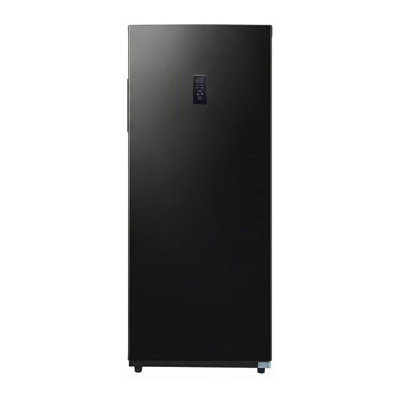
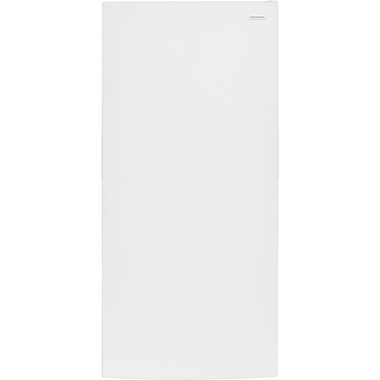
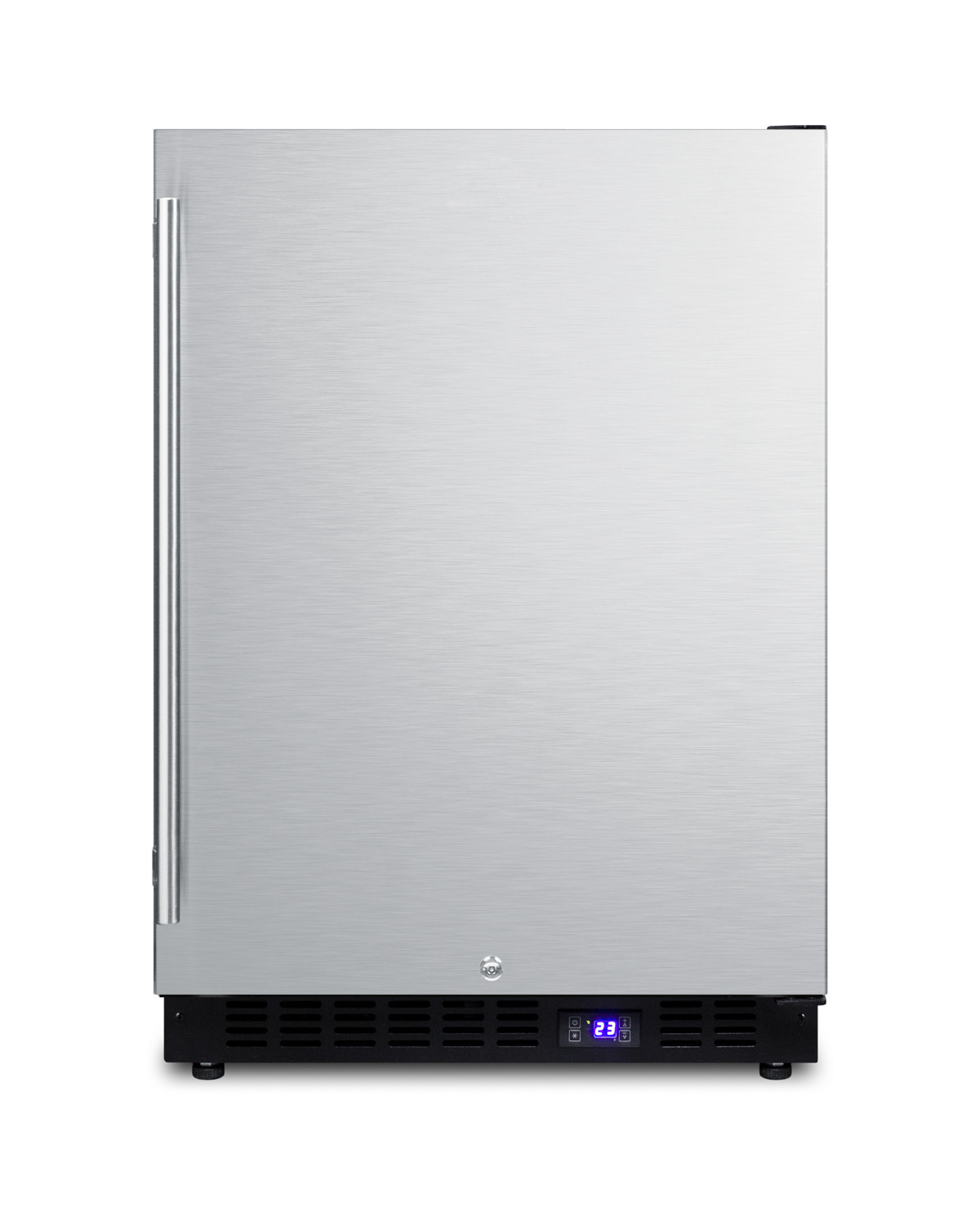
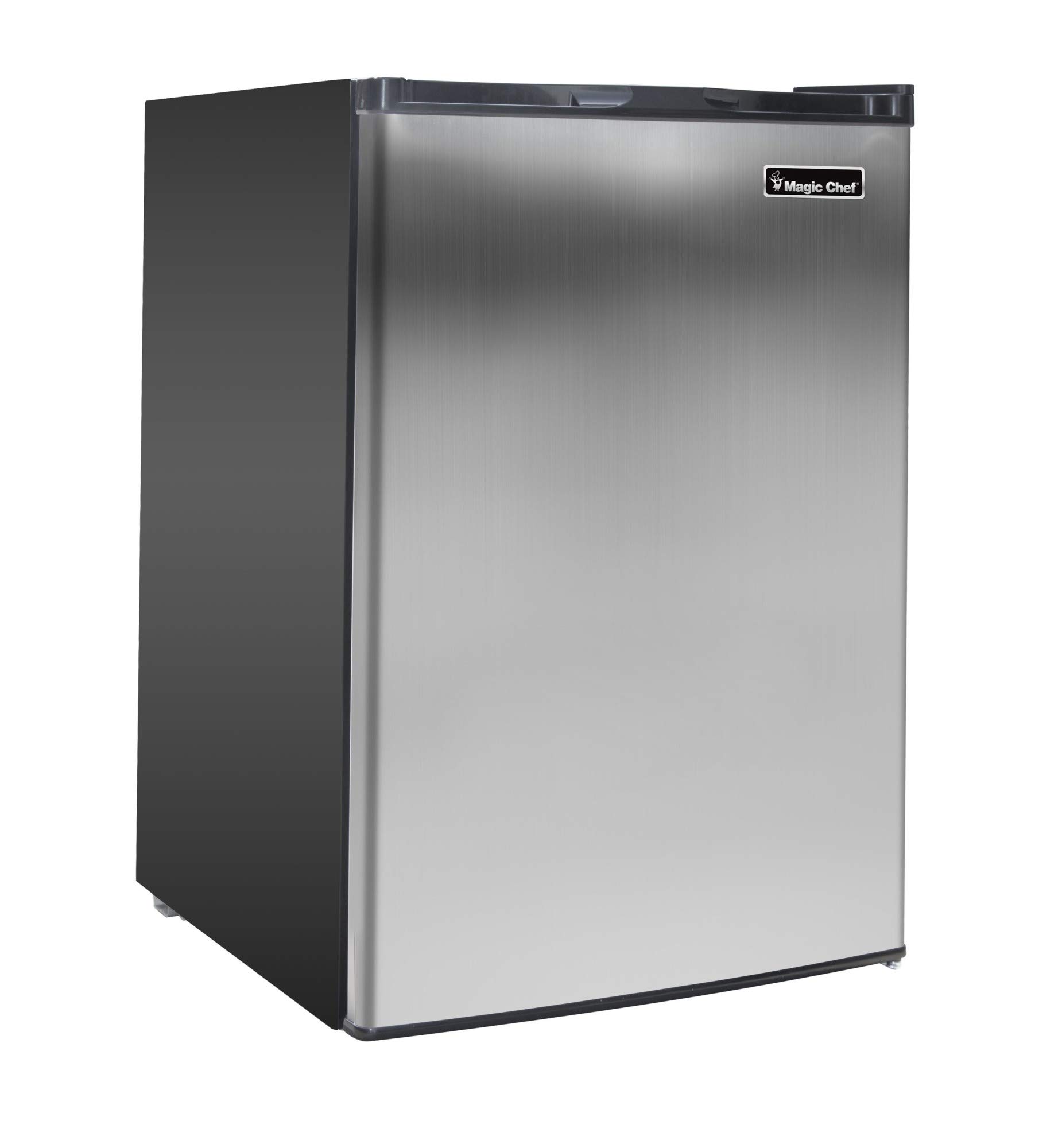
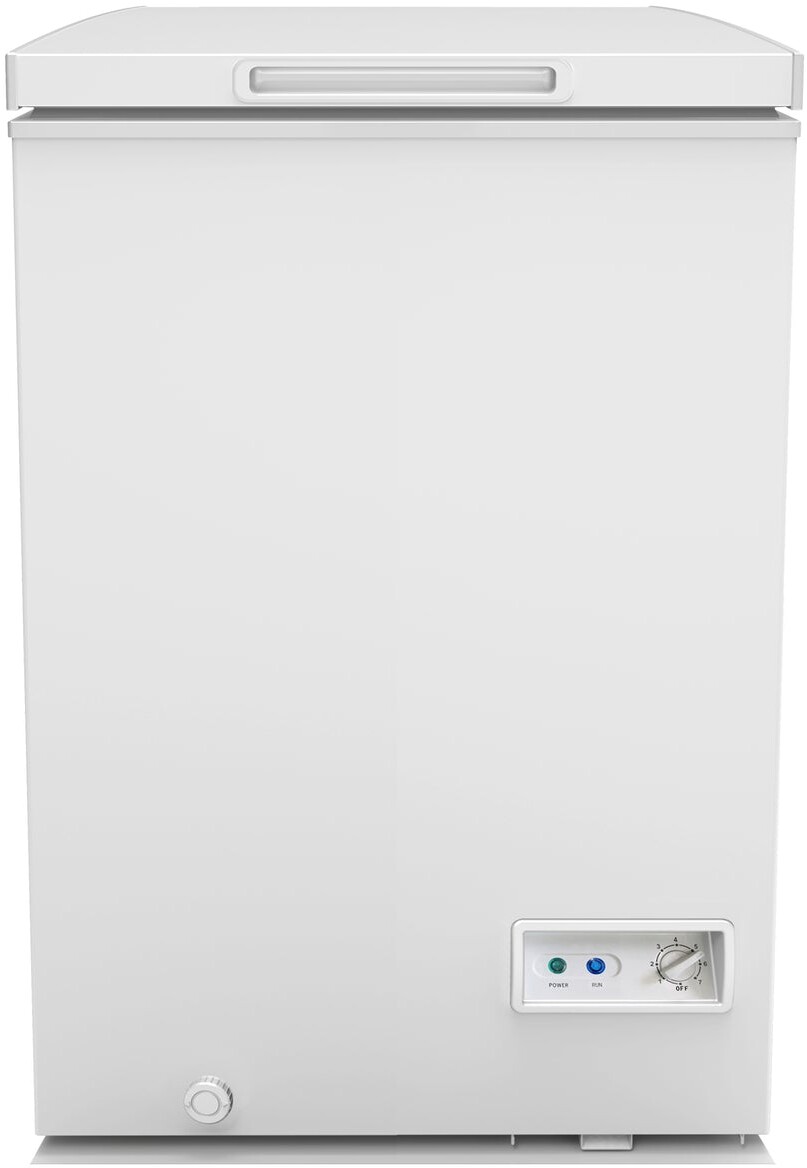
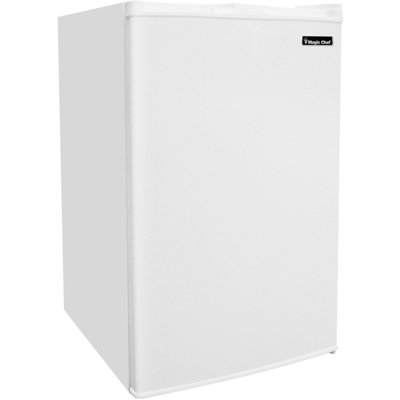
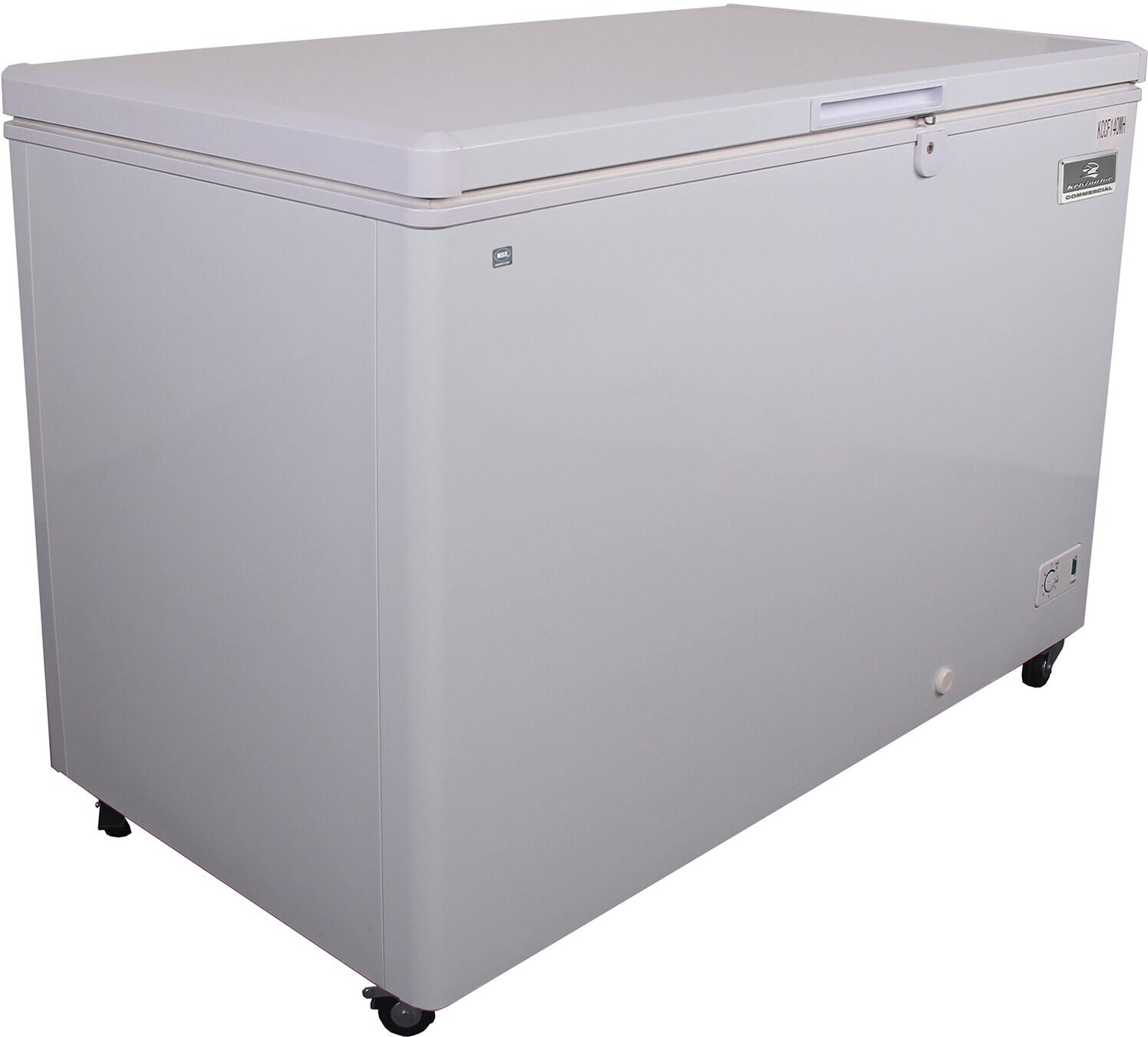
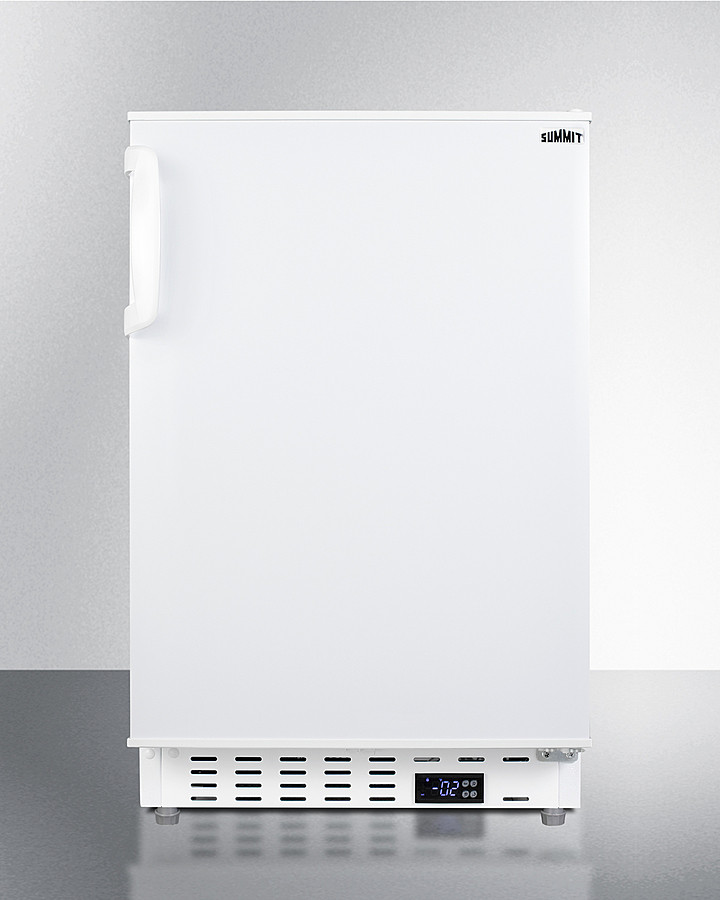
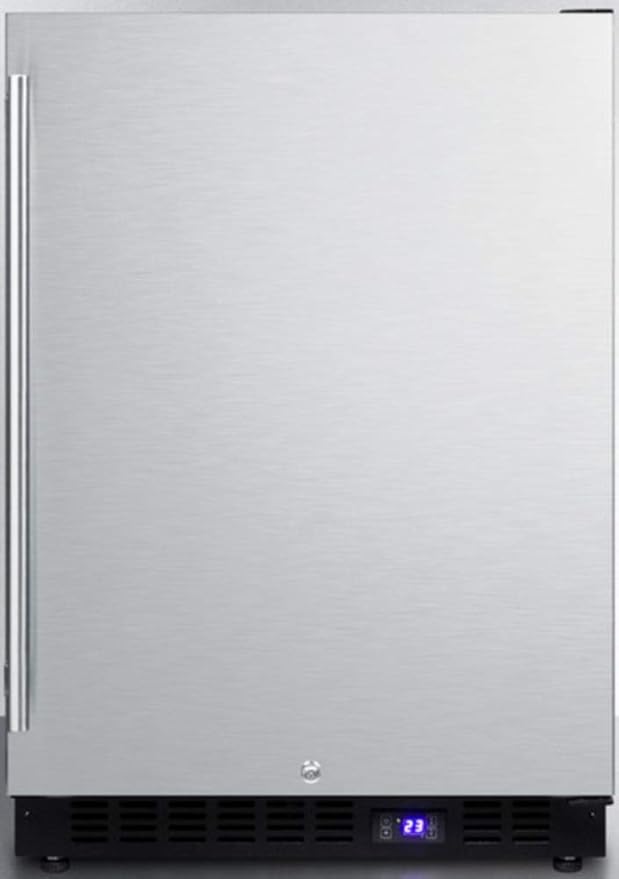
Temperature Range: Beer fridges typically maintain temperatures between 34°F and 50°F, ideal for beverages.
Optimal Temperature Range: Designed specifically for beverages, a beer fridge maintains an optimal temperature range between 34°F and 38°F, ideal for beer.
A beer fridge is typically smaller and more compact, making it ideal for tight spaces like apartments, condos, and home bars.
First, it's important to assess what you need from your cooling appliance.
Beer Fridge Vs. Built-In Freezer: A Comparative Guide
When deciding between a beer fridge and a built-in freezer, understanding your cooling needs and considering several factors can help you make an informed choice.
Understanding Your Cooling Needs
First, it's important to assess what you need from your cooling appliance. Are you looking to store a variety of beverages at optimal temperatures, or do you need a multipurpose freezer for food storage?
A beer fridge is designed specifically for beverages, maintaining a consistent temperature ideal for beer, wine, and other drinks. It's perfect for those who entertain often or have a dedicated space for beverage storage, such as a garage, basement, or home bar.
A built-in freezer, on the other hand, offers versatile storage options. It can be integrated seamlessly into your kitchen design, providing additional space for frozen foods and beverages. This makes it a practical choice for families or those who need extra freezer capacity.
Factors to Consider Before Choosing
When comparing a beer fridge and a built-in freezer, consider the following factors:
Factor
Beer Fridge
Built-In Freezer
Purpose
Ideal for beverages
Suitable for food and beverages
Temperature Range
34°F - 50°F
0°F - 32°F
Capacity
Smaller, beverage-focused
Larger, multipurpose
Installation
Freestanding or under-counter
Built-in, integrated design
Cost
Generally lower
Can be higher, depends on features
Purpose: If your primary need is to keep beverages cold, a beer fridge is specifically designed for this purpose. For those needing more versatile storage, a built-in freezer offers flexibility.
Temperature Range: Beer fridges typically maintain temperatures between 34°F and 50°F, ideal for beverages. Built-in freezers operate at lower temperatures, suitable for freezing food items.
Capacity: Beer fridges usually have a smaller capacity, focused on storing several beverages. Built-in freezers offer more space, which is useful for those needing to store a variety of items.
Installation: Beer fridges can be freestanding or fit under a counter, making them versatile. Built-in freezers require installation into cabinetry, providing a seamless look but potentially involving more upfront effort.
Energy Efficiency: Beer fridges generally have moderate energy efficiency. Built-in freezers vary in their energy use, with many models designed to be highly efficient.
Cost: Beer fridges tend to be less expensive, while built-in freezers can be pricier, especially if they come with advanced features.
By understanding your cooling needs and considering these factors, you can make a more informed decision between a beer fridge and a built-in freezer.
Beer Fridge: Pros and Cons
Benefits of a Beer Fridge
A beer fridge offers several advantages that make it an appealing choice for keeping your beverages cool.
Dedicated Storage: A beer fridge provides dedicated storage for your drinks, ensuring they are always at the perfect temperature.
Optimal Temperature Range: Designed specifically for beverages, a beer fridge maintains an optimal temperature range between 34°F and 38°F, ideal for beer.
Convenient Access: With a beer fridge, you can store your drinks in a convenient location, whether it’s in your home bar, garage, or backyard.
Adjustable Shelving: Many beer fridges come with adjustable shelving, allowing you to customize the storage space according to the size and shape of your bottles or cans.
Compact Design: Beer fridges are typically compact, making them a great option for small spaces like apartments or condos.
Energy Efficiency: Modern beer fridges are designed to be energy efficient, consuming less power compared to larger refrigerators.
Drawbacks of a Beer Fridge
Despite its benefits, a beer fridge also has some drawbacks that you should consider.
Limited Capacity: A beer fridge generally has a smaller capacity compared to a standard refrigerator, which means it may not be suitable for storing a large quantity of beverages.
Single Purpose: Unlike a built-in freezer, a beer fridge is designed specifically for beverages and may not be suitable for storing other types of food or perishables.
Additional Appliance: Owning a beer fridge means having an additional appliance in your home, which can take up valuable space and potentially increase your energy consumption.
Cost: Depending on the model and features, a beer fridge can be an additional expense. It’s important to weigh the cost against the convenience and benefits it offers.
Maintenance: Regular maintenance is required to keep your beer fridge running efficiently. This includes cleaning the interior, checking the temperature settings, and ensuring proper ventilation.
To learn more about how a beer fridge compares to other refrigeration options, check out Fridge.com article on bar fridge Vs. kimchi refrigerator.
Understanding the pros and cons of a beer fridge can help you make an informed decision based on your specific needs and preferences. If you’re considering other refrigeration options, you might also be interested in Fridge.com comparison of top freezer refrigerator Vs. bottom freezer refrigerator or 5 door refrigerator Vs. built in kegerator.
A built-in freezer offers several benefits that make it a viable option for those considering the [beer fridge Vs. built-in freezer] debate.
Seamless Integration: Built-in freezers are designed to blend seamlessly with your existing cabinetry, providing a sleek and organized appearance. This is particularly advantageous for modern kitchens where aesthetics are a priority.
Space-Saving: Built-in freezers are installed within your kitchen layout, saving valuable floor space. This can be especially beneficial in smaller homes or apartments where space is at a premium.
Customizable Storage: Many built-in freezers come with customizable shelving and compartments, allowing you to organize your frozen goods efficiently. This is ideal for those who need to store a variety of items, including beverages, without any hassle.
Energy Efficiency: Built-in freezers often come with advanced insulation and cooling technologies that can be more energy-efficient compared to standalone units. This can result in lower utility bills over time.
Feature
Benefit
Seamless Integration
Blends with cabinetry
Space-Saving
Maximizes kitchen space
Customizable Storage
Efficient organization of frozen goods
Limitations of a Built-In Freezer
While there are numerous advantages, it's also important to consider the limitations of choosing a built-in freezer.
Cost: Built-in freezers can be more expensive to purchase and install compared to standalone units. The initial investment can be significant, especially if your kitchen needs modifications to accommodate the freezer.
Installation Complexity: Installing a built-in freezer can be a complex process that may require professional assistance. This can add to the overall cost and time needed for setup.
Limited Mobility: Once installed, a built-in freezer is not easily moved. This can be a drawback if you plan to remodel your kitchen or move to a new home.
Maintenance: Built-in freezers can be harder to maintain and repair due to their integration with kitchen cabinetry. Accessing the internal components for repairs can be challenging and may require professional service.
Feature
Limitation
Cost
Higher initial investment
Installation Complexity
Requires professional assistance and time
Limited Mobility
Not easily moved once installed
Maintenance
Harder to maintain and repair
Understanding the pros and cons of built-in freezers can help you make an informed decision. For more comparisons, check out Fridge.com articles on top freezer refrigerator Vs. bottom freezer refrigerator and 5 door refrigerator Vs. built in kegerator.
Practicality and Convenience
When deciding between a beer fridge and a built-in freezer, practicality and convenience are key factors to consider. Understanding how each option fits into your space and meets your needs is essential.
Assessing Your Space and Usage
Your available space and intended use are crucial when choosing between a beer fridge and a built-in freezer. A beer fridge is typically smaller and more compact, making it ideal for tight spaces like apartments, condos, and home bars. It can be easily moved and placed in various locations, such as under a counter or in a garage.
In contrast, a built-in freezer is often larger and integrated into your kitchen or storage area. This option is suitable for homes with ample space and a need for more extensive storage. Built-in freezers offer a seamless look but require a dedicated installation space.
Feature
Beer Fridge
Built-In Freezer
Size
Compact
Larger
Location
Flexible
Fixed
Mobility
Portable
Stationary
Installation
Simple
Complex
Space Requirement
Minimal
Significant
Functionality and Maintenance Considerations
Functionality and maintenance are other important aspects to weigh. A beer fridge is designed specifically for cooling beverages, offering adjustable shelves and precise temperature control to keep drinks at the ideal temperature. It's user-friendly and easy to clean, with minimal maintenance required.
A built-in freezer, while versatile, may require more effort to maintain. These units often need regular defrosting, and their larger size can make cleaning more cumbersome. However, they provide much more storage space, accommodating a variety of frozen items beyond just beverages.
Aspect
Beer Fridge
Built-In Freezer
Temperature Control
Precise
Variable
Storage Flexibility
Limited
Extensive
Cleaning
Easy
More Involved
Maintenance
Minimal
Regular
Versatility
Beverages
Beverages + Food
When evaluating these factors, consider your specific needs and lifestyle. If you need a dedicated space for cooling drinks and prefer a compact, low-maintenance option, a beer fridge may be the right choice. If storage capacity and versatility are more critical, and you have the space for a larger unit, a built-in freezer could be more suitable.
When deciding between a beer fridge and a built-in freezer, energy efficiency and operating costs are key considerations. Understanding these factors can help you make an informed choice that fits your needs and budget.
Operating Costs of a Beer Fridge
Beer fridges, often compact and designed specifically for beverages, tend to consume less energy compared to larger kitchen refrigerators. However, the actual operating costs can vary based on the size, model, and frequency of use.
Here's a look at the typical energy consumption and estimated annual operating costs for a standard beer fridge:
Beer Fridge Type
Average Energy Consumption (kWh/year)
Estimated Annual Operating Cost ($)
Compact Beer Fridge
150
18
Mid-Size Beer Fridge
250
30
Large Beer Fridge
400
48
The operating costs are calculated based on an average electricity rate. Keep in mind that energy-efficient models may have lower consumption and costs. For more on choosing the right fridge, see Fridge.com comparison of counter depth refrigerator Vs. humidor refrigerator.
Energy Efficiency of Built-In Freezers
Built-in freezers are designed to integrate seamlessly into your kitchen cabinetry. While they offer more storage space, they also tend to consume more energy than beer fridges. The energy efficiency of built-in freezers can vary based on their size and features.
Here's a breakdown of the typical energy consumption and estimated annual operating costs for built-in freezers:
Built-In Freezer Type
Average Energy Consumption (kWh/year)
Estimated Annual Operating Cost ($)
Small Built-In Freezer
300
36
Medium Built-In Freezer
500
60
Large Built-In Freezer
700
84
Energy-efficient models with features like variable speed compressors and improved insulation may offer lower consumption rates. To understand more about freezer options, check out Fridge.com article on column refrigerator freezer Vs. silver refrigerator.
By comparing the energy efficiency and operating costs of beer fridges and built-in freezers, you can determine which option aligns better with your usage and budget. For further insights, explore Fridge.com guide on freezerless refrigerator Vs. pink fridge to understand more about different refrigeration options.
When deciding between a beer fridge and a built-in freezer, it’s essential to evaluate your specific needs and preferences. Both options offer unique benefits and limitations. By understanding how each fits into your lifestyle, you can make a more informed decision.
A beer fridge is ideal for those who frequently entertain guests or have a dedicated space for beverage storage. It provides easy access to chilled drinks and often comes with adjustable shelves to accommodate various bottle sizes.
Conversely, a built-in freezer offers more versatility in terms of storage. It can store not only beverages but also frozen foods, making it a more comprehensive solution for those with limited kitchen space.
Consider the following factors to match your needs:
Criteria
Beer Fridge
Built-In Freezer
Primary Use
Beverage storage
General frozen storage
Space Requirement
Compact, flexible placement
Requires built-in space
Versatility
Limited to beverages
Can store various frozen items
Accessibility
Easy access to drinks
Access to a variety of frozen goods
Customization
Adjustable shelves
Fixed compartments
For more details on different refrigerator options, visit Fridge.com comparisons like top freezer refrigerator Vs. bottom freezer refrigerator.
Final Thoughts on Beer Fridges Vs. Built-In Freezers
Ultimately, the choice between a beer fridge and a built-in freezer depends on your individual requirements and lifestyle. If you prioritize having a dedicated space for beverages and enjoy entertaining, a beer fridge might be the better fit. On the other hand, if you need a versatile storage solution that can handle a variety of frozen goods, a built-in freezer may be more suitable.
Assess your space, usage, and the specific features you value most. By doing so, you can confidently choose the appliance that best meets your needs. For more insights on refrigerator and freezer options, explore articles like 5 door refrigerator Vs. built in kegerator and freezerless refrigerator Vs. pink fridge.
Compare prices on Fridge.com
Compare current prices and specifications on Fridge.com, then buy from the retailer you choose; delivery, installation and warranty terms are the retailer’s.
It also has tons of awesome articles about kitchen stuff and home news. Enhance your home, garage, backyard, patio, and office with the coolest essentials. With every necessary type of residential refrigerator or freezer in the collection, you're covered.
Free tool
Kegerator Size Calculator
Free interactive tool from Fridge.com — get a quick answer while you read.